
Keep a Safe and Clean Workshop with Home Depot Products
A tidy, well planned workshop is more than a neat space. It boosts safety, cuts project time, and helps you finish with fewer mistakes. With the right Home Depot products, you can design a practical setup that lasts. From sturdy storage to dust control and reliable PPE, the right tools make safety second nature.
Smart Layout and Storage with Home Depot Solutions
A safe workshop starts with smart layout. Measure your space and mark zones for cutting, assembly, finishing, and storage. Put heavy, rarely used tools on sturdy storage cabinets so they stay off the floor. Light duty items should be within easy reach, and cords need a clear path so you don’t trip.
Wall systems and storage play a big role here. Home Depot stocks brands like Husky for tool chests and cabinets and Gladiator for wall panels that hold power tools, hand tools, and accessories. A gear wall or pegboard system keeps frequently used items visible and reachable, reducing the time you spend hunting for them. Clear plastic bins with labels help you see what’s inside at a glance, so you won’t lose screws or small parts.
Cord management is often overlooked, but it matters for safety. A simple setup includes wall mounted cord reels or a mounted extension cord reel that limits tangles. Run power strips along clean surfaces and keep heavy cords off the floor to prevent trips. If you work with power tools near water or liquids, place outlets higher than bench height and use ground fault circuit interrupters for extra protection.
When you’re done planning, set up a dedicated space for disposal. A small trash can and a recycling bin near the exit keep waste out of the way. A dedicated rack for rags and solvents keeps flammables separate from everyday debris. This is the kind of tidy structure that makes safety almost automatic.
Photo by cottonbro studio
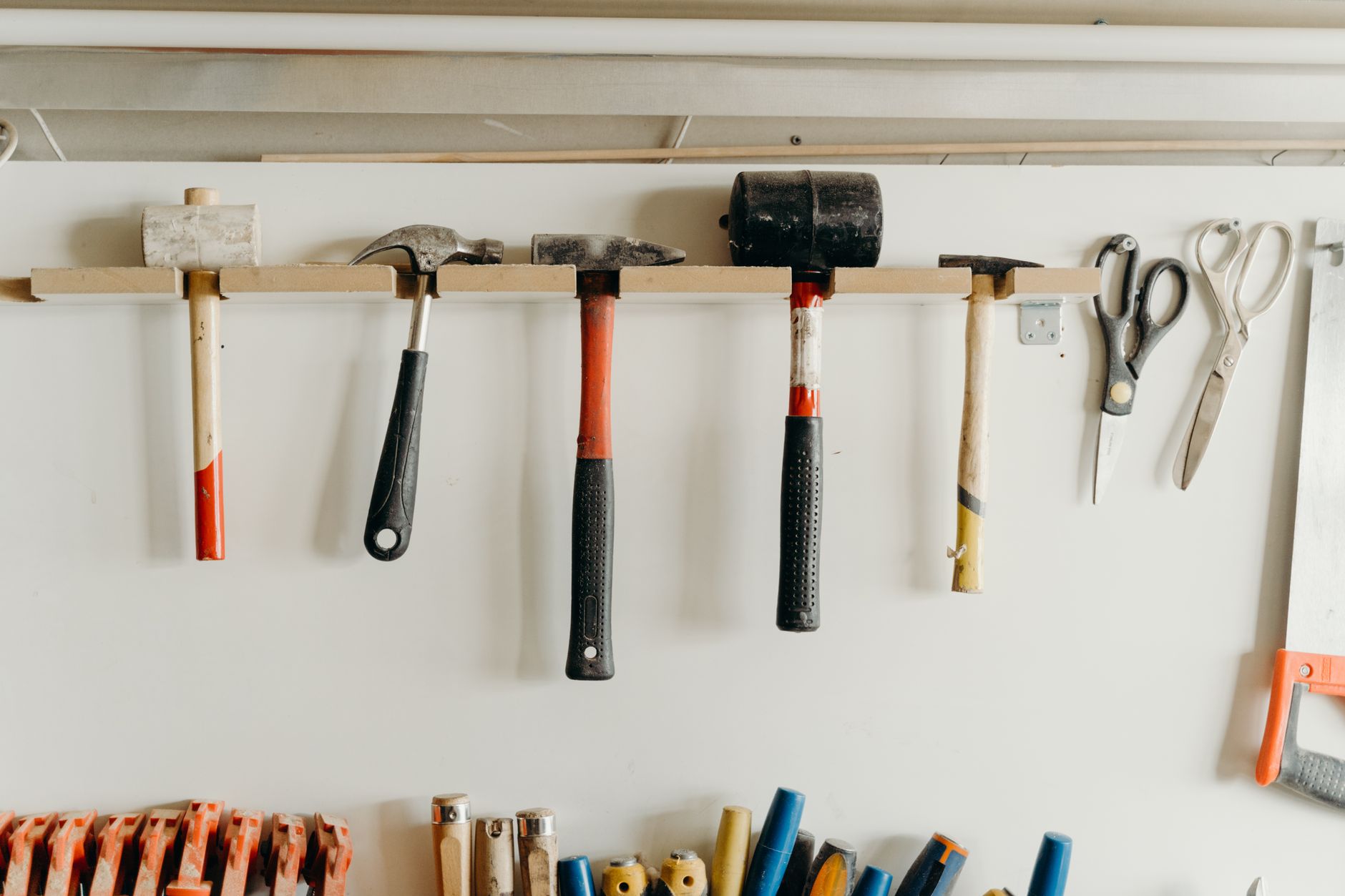 Photo by cottonbro studio
Dust and Debris Control for a Safer Shop
Dust and fine debris are common in any workshop. The right cleaning and containment plan keeps visibility high and air quality safer. Start with a capable shop vac and a compatible HEPA filter. A shop vac with a sealed canister and a high filtration rating helps remove fine dust from sanding or sawing and reduces dander that can irritate lungs.
Dust collection systems on power tools make a big difference too. If you’re adding a dust port to a saw or a sander, connect hoses to keep the air clean as you work. For larger spaces, consider a portable dust collector with a dedicated duct or a simple air purifier to capture particles before they circulate.
Containment matters as well. Use plastic sheeting or painter’s drop cloths to isolate the work area during messy tasks like sanding or grinding. Close off doorways with draft stoppers to minimize dust migrating to clean zones. Wipe down surfaces with a damp cloth when you finish and always empty the vacuum bag or canister before it gets full.
Surface cleaning is straightforward but effective. Use a simple, non corrosive cleaner on workbenches and floors. A routine wipe with a damp microfiber cloth picks up dust without spreading it. For stubborn oil or grease on benches, a degreaser approved for shop use works well. Store cleaners in a ventilated cabinet away from heat sources, with proper labeling so everyone knows what is inside.
Keep air moving. A small fan or a ceiling vent helps circulation and reduces the buildup of humidity that can cause rust on metal tools. Hydrate your space by keeping windows open when possible, or use a portable exhaust fan during paint or solvent tasks.
Personal Protective Equipment That Actually Works
Protecting yourself is part of the job, not an afterthought. The core PPE for a workshop is simple and affordable, but it must fit and be used consistently. Start with safety glasses or goggles that seal well against dust. If you cut or grind, add a face shield for extra protection. Hearing protection is essential when you use loud power tools; choose earmuffs or plugs with a comfortable fit.
Respirators may be necessary for solvent tasks or when you’re sanding a lot. Look for cartridges rated for the kind of dust or fumes you encounter most often. Gloves protect hands during cutting, grinding, or finishing; select a pair that gives you good grip and dexterity. Don’t forget a sturdy work apron or sleeves that stay out of the way when you handle tools.
A well stocked workshop also needs basic safety gear. A first aid kit should be easily accessible and fully stocked. A small fire extinguisher rated for ordinary combustibles is a smart addition near the workshop entrance. Put safety signage on the door or near the workbench as a constant reminder of best practices.
Well kept PPE is more than equipment; it’s a habit. Inspect gear regularly for wear and replace anything worn. Train everyone in the space to wear PPE as a standard part of the workflow.
Maintaining Tools for Safe Handling
Maintenance is the quiet guardian of safety. When tools are well kept, accidents drop a lot. Start with power tools. Before you begin any task, make sure blades, bits, and discs are in good condition. Replace dull or chipped blades and ensure guards and guards covers are in place. Always unplug tools when changing blades or bits.
Lubrication matters. A light spray or dab of oil on moving parts can prevent stiff action that leads to slips. Wipe away excess to avoid attracting dust. Rust is a common enemy in damp garages; use a rust inhibitor or light coat of oil on metal surfaces to slow rust and keep things moving smoothly.
Storage safety also plays a role in maintenance. Store sharp blades in a blade holder or a protective sheath. Use magnetic strips in tool chests only if your pieces are securely stored; loose metal on shelves can fall and cause injuries. Clean and oil tools after use; a quick wipe down extends their life and keeps the space safer.
A routine maintenance plan makes this easy. Schedule a monthly check of all cords, outlets, and clamps. Check for frayed insulation and replace damaged items immediately. Worn parts are a red flag that deserves action right away.
A Simple Cleaning Routine That Sticks
A small, repeatable cleaning routine saves time and reduces risk. Start mornings with a quick sweep of the primary work area and a wipe down of benches. Empty trash and recycling, then inspect for any spills or leaks. A damp microfiber wipe grabs fine dust and leaves surfaces ready for the next job.
Weekly tasks should include a deeper clean. Move tools to clean surfaces, vacuum or sweep under benches, and check floor mats for wear. Treat spills immediately with absorbent pads or paper towels to prevent slips. If you use solvents or finishes, seal them in a vented cabinet and wipe up any drips right away.
A monthly deep clean is a smart add on. Remove all items from shelves, dust surfaces, and reorganize as needed. Check lighting fixtures for dust and replace any burnt bulbs. A brighter space reduces eye strain and helps you spot hazards sooner.
Budget Friendly Upgrades from Home Depot
You don’t need a big budget to improve safety and cleanliness. Small upgrades can have a big impact. Start with better lighting; bright, even illumination reduces shadows where tools can be misjudged. Swap in LED shop lights or bright task lights that mount easily above the work area.
Floor safety matters too. Anti slip mats in high traffic zones reduce slips, and a non skid coating can protect concrete from oil stains. A small, mobile workbench with locking wheels adds flexibility and helps you tailor the space for different tasks.
Storage upgrades pay off in the long run. Stackable bins, clear containers, and label makers speed up organization. A wall mounted rack system frees floor space and makes cleaning easier. If you work with solvents or finishes, a flammable storage cabinet provides safe, dedicated space.
Safety reminders help too. Put up simple, clear signs for hot surfaces, restricted zones, and proper PPE use. These cues reinforce good habits and reduce mistakes over time.
Seasonal Prep and Project Readiness
Seasonal changes or a big project can expose gaps in safety and cleanliness. Before a painting session, open the space for fresh air. Store solvents in a flammable cabinet, away from heat sources, and keep lids tight to prevent fumes building up. If you plan sanding or grinding, set up a temporary dust barrier to keep others out of the workspace.
Paint or finish days deserve extra cleanup. Lay down a protective drop cloth and clean up spills at once. When you’re done, run a quick vacuum to capture dust resettling from the air. Carry out a final sweep of the floor and wipe benches before putting away tools.
Ventilation matters more than you might think. If the space is closed, use a fan or a small exhaust to move air in and out. Adequate ventilation makes solvent tasks safer and more comfortable.
Putting It All Together: A Practical Plan
- Start with a simple “zones” map: a dedicated cutting zone, a finishing corner, a storage wall, and a clean up zone.
- Install a reliable storage system using Home Depot brands you trust. A combination of Husky tool chests and Gladiator wall panels often works well.
- Add a dust control plan that includes a shop vac, a portable dust collector optional, and a purifier for the space.
- Equip the space with essential PPE and a well stocked first aid kit; train all users on proper use.
- Create a maintenance calendar for tools and a routine cleaning plan you can follow weekly.
- Make small upgrades regularly. A brighter light, better mats, and clearer labels can change how safe and clean your space feels.
Conclusion
A safe and clean workshop pays for itself in time saved and fewer injuries. With Home Depot products, you can build a practical system that lasts. Start with simple changes—a better wall storage setup, a reliable vacuum plan, and a consistent cleaning routine. They set the stage for smoother projects and safer workdays.
If you’re ready to upgrade, pick a few essentials this week. A wall system, a shop vacuum, and a set of safety gloves can transform your space. Then expand, month by month, as needs arise. The payoff is a workshop that works with you, not against you. Share your own safety wins and questions in the comments, and consider what zone in your shop needs the most attention next.