Choosing the right hardware for your home can feel overwhelming. The difference between interior and exterior pieces isn’t just about looks. It affects security, durability, and long-term maintenance. This guide helps you navigate Home Depot’s shelves with confidence, so you pick the right pieces for every door in your home.
Understanding the Difference Between Interior and Exterior Hardware
Interior hardware is built for indoor use and everyday wear. It includes door knobs and levers, hinges, cabinet pulls, and bath accessories. Exterior hardware faces the weather and the elements. It covers deadbolts, entry levers and handlesets, strike plates, weatherstripping, and door viewers.
Key contrasts to keep in mind:
- Materials and finishes: Exterior pieces use tougher alloys and protection finishes to resist rain, sun, and temperature swings. Interior hardware focuses on comfort and aesthetics, with finishes that suit cabinets and interior doors.
- Security vs. convenience: Exterior hardware prioritizes locking confidence and resistance to forced entry. Interior hardware emphasizes smooth operation and ease of use in high-traffic spaces.
- Installation and maintenance: Exterior hardware often demands rainproof gaskets and reinforced strike plates. Interior hardware centers on consistent feel and minimal upkeep.
Key factors to consider before you shop
Before you head to Home Depot, map out these basics:
- Door type and usage: A front door needs a robust lock, while a bedroom door can use a lighter latch. An interior door leading to the garage may need more durability.
- Climate and environment: Coastal or humid areas call for corrosion resistant finishes. In harsh sun, finishes should resist fading.
- Security level: Do you want a simple lock or a reinforced system with two points of contact?
- Style and hardware family: Choose a consistent look across doors. This helps preserve curb appeal and interior design.
- Measurements and compatibility: Know your door thickness, backset, bore diameter, and latch type. Mismatched parts stall a project.
Interior Hardware 101
Doorknobs and Levers
Interior doors use a mix of knobs and levers. Levers are easier to operate, especially for kids or those with limited hand strength. When shopping at Home Depot, look for sets that come with a matching strike plate and screws. Pay attention to backset compatibility if you’re pairing with existing hardware.
Hinges and Pivot Hinges
Doors swing on hinges that must align with the door frame. For wider interior doors, consider heavy-duty hinges or pivot hinges to reduce sag over time. Check door thickness and screw size so you don’t compromise stability.
Cabinet Hardware
Cabinet knobs and pulls complete a room’s look. Choose a finish that matches cabinet hardware or hardware from the same finish family. If you’re updating a kitchen, consider a cohesive collection that includes drawer slides and soft-close hinges.
Bath and Shower Accessories
Towel bars, robe hooks, and shower door hardware add the finishing touch to bathrooms. Ensure finishes resist humidity and require minimal maintenance. Look for corrosion resistant options in chrome, brushed nickel, or oil rubbed bronze.
Finishes and Compatibility
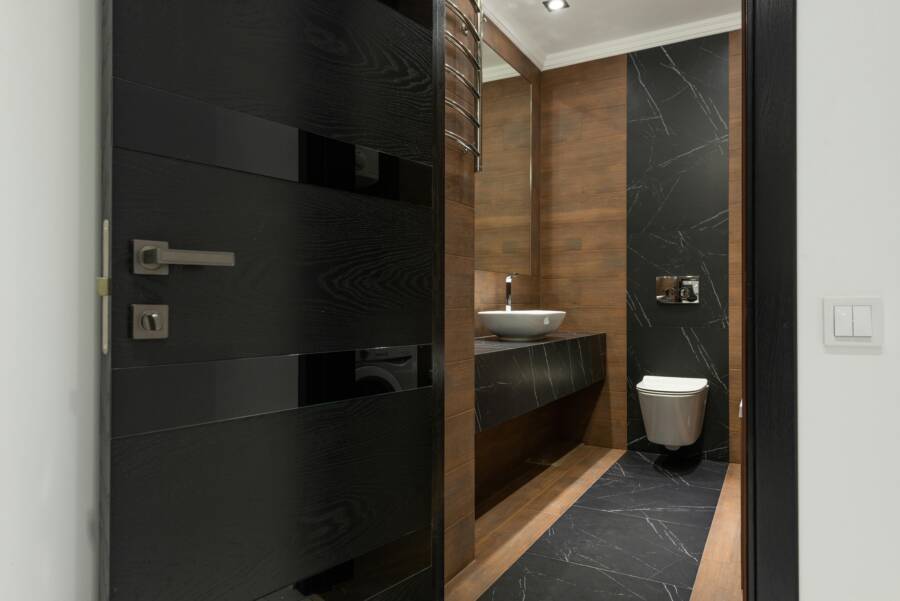
Common interior finishes include satin nickel, brushed chrome, matte black, and antique brass. For most rooms, you’ll find a finish that harmonizes with fixtures, fixtures, and furniture. Always confirm that the product’s mounting holes align with your door or cabinet.
Exterior Hardware 101
Deadbolts and Entry Sets
A solid front door starts with a dependable deadbolt. Home Depot carries single and double cylinder deadbolts, and entry sets that combine a handle with a deadbolt in one unit. For added security, choose ANSI grade 1 or grade 2 hardware, with sturdy strike plates and reinforced corner screws.
Levers vs Handlesets
Levers are easy to grab and turn, good for busy households. Handlesets combine a door handle with a separate thumb latch for additional control. If you want a more secure arrangement, pairing a high quality lever or handleset with a strong deadbolt is a wise move.
Door Security Accessories
Strike plates matter. A heavy, reinforced strike plate with long screws into wall studs improves security. Door viewers help you see who is outside, and weatherstripping reduces drafts and energy loss. Some exterior options include smart locks that pair with phones for keyless access.
Weather and Climate Considerations
Exterior hardware needs weather resistance. Stainless steel and certain bronze finishes perform well in rain and humidity. If you’re near the coast, look for corrosion resistant options and materials designed to resist salt spray. Alongside hardware, consider door sweeps and weather stripping to seal doors efficiently.
Shopping at Home Depot: Practical Tips
Plan and measure before you buy
- Measure door thickness and backset: Common door thickness is 1 3/8 inches to 1 3/4 inches. Backset options include 2 3/8 inches and 2 3/4 inches. If you’re unsure, remove the existing trim and measure the bore hole.
- Check bore size and latch type: A standard bore is about 2 1/8 inches. Latches come round or square; match the latch to the door edge.
- Review installation needs: Some sets require chiseling and drilling. If you’re uncomfortable with power tools, Home Depot offers installation services or can connect you with a pro.
Read product specs and labels
- ANSI grades: Exterior hardware often shows Grade 1 or Grade 2. Grade 1 is the strongest and best for exterior doors. Grade 2 is typical for interior doors or less demanding exterior doors.
- Finish and material: Identify the finish that matches your home’s style. Stainless steel is durable; brass tones add warmth; oil rubbed bronze brings a classic touch.
- Weather resistance: Look for weather seals and corrosion resistance on outdoor hardware.
Ask about warranties and services
- Warranties: Most major brands at Home Depot offer warranties. Read the terms to know what is covered and for how long.
- Installation help: Home Depot can arrange installation or recommend trusted professionals. If timing matters, book early.
- Price matching and promotions: Home Depot frequently runs sales and promotions. It’s worth checking for bundle deals when upgrading multiple doors.
In-Store vs Online Shopping
- In-store: You can compare finishes side by side, feel the weight, and test operation. Ask a specialist for fit checks and compatibility guidance.
- Online: Shopping online gives access to a wider range and customer reviews. Use filters for backset, door thickness, and finish. Look for free pickup or quick delivery options.
Brand and Style Guidance
- Popular brands: Schlage and Kwikset lead the lock category, with Baldwin offering premium options. For rugged interiors, look at trusted names in door hardware.
- Style coherence: If the home carries a modern vibe, a satin nickel or matte black finish with clean lines works well. For a traditional home, oil rubbed bronze or antique brass can be a better match.
Choosing the Right Materials and Finishes
Material matters as much as looks
- Stainless steel: Excellent for exterior use. It resists corrosion and has a modern look that fits many homes.
- Brass and bronze: Classic warmth with longevity. Oil rubbed bronze offers a timeless silhouette for traditional homes.
- Zinc and zinc alloys: Common on budget hardware. They’re lightweight and affordable but may show wear sooner.
Finish and function pairing
- Satin nickel and polished chrome: Versatile for most interiors and easy to keep clean.
- Matte black: Trendy and bold, pairs well with contemporary kitchens and baths.
- Bronze tones: Pair with warm wood tones for a cohesive feel.
Maintenance tips
- Clean regularly with mild soap and water. Avoid abrasive cleaners that scratch the finish.
- Tighten screws annually to prevent looseness that can cause misalignment.
- Replace weather seals if doors feel drafty or locksets become stiff.
Installation and Maintenance
Planning makes installation smoother. If you’re replacing existing hardware, you can often reuse screws, but new screws are usually included. For new doors, mark the bore and backset carefully before drilling.
On installation day
- Check alignment: The latch should meet the striker plate flushly. If not, adjust the strike plate or hinge alignment.
- Test operation: Open and close the door several times. Check that the latch fully engages with a positive click.
- Weatherproofing: For exterior doors, install weatherstripping to prevent drafts.
Security and safety notes
- Two point locking systems add protection. If you’re updating an exterior door, consider a security strike plate and a robust deadbolt.
- Don’t mix hardware brands when possible. A consistent kit is easier to install and looks cohesive.
A Quick Case Study: Upgrading a Front Door and Kitchen Cabinets
Imagine a small home where the front door looks dated and light shines under gaps around the frame. The homeowner starts with a new ANSI Grade 1 deadbolt paired with a matching lever. They select a brushed nickel finish for a clean, modern look and install a reinforced strike plate with long screws into the stud. The result is a front door that feels solid, secure, and visually balanced with the house.
Inside, the kitchen cabinets get a refresh. The old knobs are replaced with sleek satin nickel pulls. The cabinet hinges are upgraded to soft-close models, and drawer slides are replaced for smooth operation. The result is a cohesive interior upgrade that improves daily use and boosts the home’s overall appeal.
Balancing Budget and Value
- Start with high impact areas: front doors, a pair of interior doors that get daily use, and kitchen cabinetry.
- Mix premium and affordable pieces: A top brand deadbolt paired with budget-friendly interior knobs can keep costs in check while preserving quality.
- Look for bundles: Home Depot often bundles hardware with matching finishes to simplify shopping and reduce waste.
Putting It All Together: A Ready-to-Shop Plan
- Step 1: Inventory what you need. List exterior doors and interior doors, then note current hardware you want to replace.
- Step 2: Measure precisely. Record door thickness, backset, bore size, and strike plate dimensions.
- Step 3: Choose a finish family. Pick a finish that ties together hardware in the same room or across the home.
- Step 4: Decide on features. Do you want keyless entry or smart locks for exterior doors? Is soft close important for cabinets?
- Step 5: Check the warranty and service options. Decide if you want DIY or professional installation.
Conclusion
Choosing the right hardware makes a home safer and more comfortable. By separating interior from exterior needs, you can narrow your options quickly and avoid mismatches. Home Depot offers a wide range of styles, finishes, and security levels, so you can find pieces that fit your budget and taste without sacrificing quality. Take careful measurements, compare finishes, and look for reinforced strike plates and solid deadbolts for exterior doors. With a little planning, you can refresh doors throughout the house and enjoy the improved look and performance for years to come.
If you’re ready to start, head to Home Depot or check the online store. Look for a helpful associate at the Pro Desk if you’re planning a larger takeover. Remember to measure, compare, and choose finishes that tie the whole house together. Your doors are more than entry points; they’re the first impression of your home’s care and character.