Thousands of People Were Struggling With Money Until They Discovered This One Ancient Secret Hidden in Sound
>>> Unlock It Now <<<

Ever feel like your phone is begging for your attention the moment class begins, yet you still want the benefits of quick research and timely notes? You’re not alone. Students spend roughly 58 to 68 minutes on their phones during the school day, and many classrooms still ban devices outright. That tension creates real tradeoffs.
Phones can help learning when used strategically. They offer quick access to sources, calculators, and notes that keep you engaged rather than idle. But casual scrolling wipes out focus, and that distraction adds up across a week. The goal is to balance usefulness with discipline so your smartphone becomes a tool, not a temptation.
In public schools, bans are common—around 77 percent prohibit phone use in class. Yet bans alone rarely boost grades or attention. The real win comes from habits and settings that curb distractions while preserving access to helpful apps and information. If you approach this with a plan, you can stay on task and still benefit from mobile tools.
This post shares simple steps you can implement today. You’ll learn quick settings changes, practical app choices, and easy habits that keep you focused. Think of it as a practical checklist you can personalize for your class, so you control when and how your device helps you learn rather than distracts you.
What If the Only Thing Between You and the Life You Deserve Is a Hidden Wealth Code Waiting to Be Activated
>>> Open the Door <<<

We’ll cover concrete actions that are easy to maintain and hard to forget. By applying these steps, you’ll build a reliable routine where your smartphone supports your studying, not sabotages it. Ready to turn your device into a study partner rather than a distraction magnet? The tips ahead make it possible.
See Why Phones Pull You Away and How to Fight Back
In this section, we’ll unpack why smartphones pull focus in class and how small, practical changes can keep you on track. You’ll see concrete data on how time with devices affects learning, plus quick actions you can take today to reduce distractions without losing access to helpful tools.
Shocking Stats on Phone Time in School
Students average about 58 minutes of daily phone use during the school day, with use climbing in many schools despite bans. In elementary settings, stricter policies are common, with about 86% of schools restricting phone use, compared to roughly 55% in high schools. These bans aren’t just about rules; they shape attendance and engagement. When devices are restricted, classrooms often report steadier attention and fewer interruptions, though bans alone don’t guarantee higher grades. The real win comes from pairing simple limits with purposeful routines. For a quick read on the landscape, see the recent findings from public school leaders about how bans correlate with classroom climate and performance. More than Half of Public School Leaders Say Cell Phones…
Distraction is not just a momentary hiccup. Frequent phone checking fragments working memory and can derail long tasks. When a device pings, it interrupts thought flow, making it harder to compose answers or follow complex instructions. That ripple effect shows up in attendance dips and slower progression through lessons. Some schools report clear links between strong cellphone policies and improved classroom climate, which helps students stay focused longer. If you’re scanning for a simple takeaway, remember this: shorter, calmer class periods with fewer interruptions support deeper learning. For a broader look at how bans impact classroom dynamics, you can explore education coverage on this topic. Why Most Principals Say Cellphone Bans Improve School Climate
How Distractions Hit Your Grades and Attention
Interruptions from checking your phone can slice a few seconds into each task, but the cumulative effect adds up. A quick glance can take you off track for 10 to 20 minutes after each check, especially during problem solving or reading comprehension tasks. Over a week, that adds up to hours of lost focus. Studies show that schools with stricter bans or well-enforced policies tend to see improvements in on-task behavior and test performance. For example, in a nine-day study of adolescents, students logged around 43 minutes of smartphone use during school hours, indicating how even mid-day use can chip away at attention during critical tasks. Simple habits, like turning off nonessential notifications and placing your phone out of sight during activities, help reclaim that mental bandwidth. For a broader context on how device use relates to learning outcomes, see research on smartphone engagement during school hours. Smartphone Engagement During School Hours Among US Students
Keeping your attention sharp is not just about saying no to distractions. It’s about building a routine that protects focus while preserving useful tools. Consider this approach: designate specific times for quick checks, use a dedicated note app for class material, and create a “phone away” habit during lectures. You’ll still have access to calculators and sources, but you won’t drift into endless scrolling. If you want a quick reference on how schools view distractions and grades, the data from teacher surveys and national samples provide a clear picture. 72% of US high school teachers say cellphone distraction is a major problem
Set Up Your Phone to Stay on Task
When you’re in class, a few quick setup tweaks can turn your device into a focused study partner rather than a constant distraction. The idea is to keep access to the tools you need—calculators, quick research, note apps—while removing the temptations that pull you away from the task at hand. In this section, you’ll find practical steps to configure your phone so you can stay on track, minimize interruptions, and still have a reliable way to look up information or contact classmates when necessary.
Turn On Do Not Disturb Right Now
Activating Do Not Disturb (DND) or a similar mode is one of the fastest, most effective ways to reclaim study time. On iPhone, open Settings, tap Focus, choose a Focus such as Do Not Disturb, and set a schedule that aligns with your class times. You can customize who can reach you during the block and create a temporary schedule for exams or labs. On Android, open Settings, select Sound or Notifications, then Do Not Disturb. Create a rule for class hours, and decide whether alarms, reminders, or important contacts can still break through. For both platforms, test the setup before you actually head into class. A quick trial helps confirm that essential alerts, like a campus notification or a lab partner message, still come through when needed. If you want a quick reference, see Apple’s guide on scheduling Focus and Google’s guide on DND preferences. https://support.apple.com/guide/iphone/turn-a-focus-on-or-off-iph5c3f5b77b/ios https://support.google.com/android/answer/9069335?hl=en
Pick Focus Apps That Work Like Magic
Your phone becomes a productivity tool when you choose the right focus apps and features. Consider Forest or Flipd, two popular options that gamify staying on task. Forest rewards you for not touching your phone by growing a tree as you complete tasks, which turns focus into a small, visual victory. Flipd hides distractions by locking you out of apps for a set period, yet keeps a timer visible so you know how long you’ve stayed on task. Built-in options on iOS and Android can mirror these effects without extra installs, such as scheduled Focus modes or app silencing. Pros vary: Forest is beginner-friendly and motivating, Flipd offers robust locking and class-wide sharing, and built-in modes tend to be more seamless with minimal setup. Free options exist, though some features may require in-app purchases. Try a short test run during a class or study session to see which approach fits your habits. For more on setting up Focus on iPhone and Android, check Apple’s and Google’s official guides. https://support.apple.com/guide/iphone/set-up-a-focus-iphd6288a67f/ios https://support.google.com/android/answer/9069335?hl=en
Use Your Phone Smartly for School Work Only
Your phone can be a powerful ally in class when you use it with intention. Instead of letting it pull you into endless scrolling, you can turn it into a focused study tool. The key is clear boundaries, smart app choices, and quick habits you can rely on every day. In this section, you’ll learn practical ways to keep your device working for you, not against you. You’ll find concrete tips for note taking and for aligning with your teacher’s expectations. You’ll also see how simple policies like charging station access and medical needs conversations can smooth the path to productive use. The goal is to build a reliable system that preserves access to essential tools while reducing distractions.
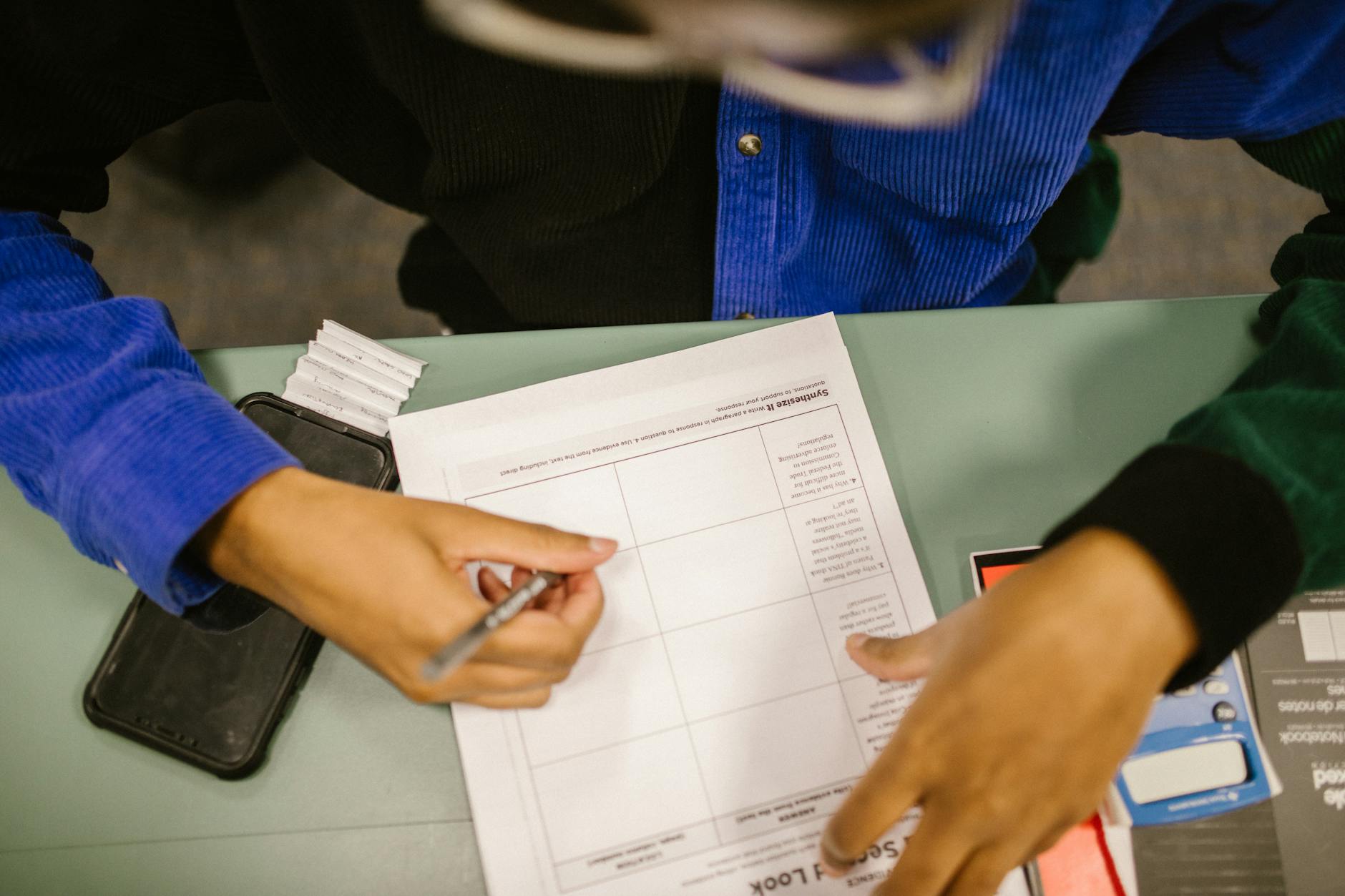 Photo by RDNE Stock project
Take Notes and Research Without Side Trips
The right note app makes a big difference. Google Keep is lightweight, fast, and syncs across devices, which keeps your ideas close at hand without overcomplicating the process. If you prefer something more robust, Notion or OneNote work well for longer projects, but they can be overwhelming during a quick class task. Start with a simple workflow: create a dedicated notes folder for each subject, label notes with date or topic, and keep research links in a separate list so you don’t drift into unrelated browsing. When researching in class, use quick search prompts and set a timer to check only trusted sources. For deeper guidance, see expert tips on how to guide students toward clear topic focus and off-device distractions. Guiding Students to Develop a Clear Understanding of Their Cell Phone Use
In practice, keep your research targeted. Before you start, jot down one precise question you want answered. During browsing, skip social feeds and stick to credible sites. Use built-in browser features like reading mode to strip away clutter, and save only citations you plan to cite in your notes. If you need a quick reference on popular note apps, you can explore reviews and comparisons from reputable sources. The 6 best note taking apps in 2025
Image: A clean, organized note screen with topics and links visible, illustrating a focused workflow.
Photo by RDNE Stock project
Stick to Your Teacher’s Green Light
Teachers often set a “green light” for when phone use is appropriate. Having this agreement upfront can reduce anxiety and boost compliance. Start by talking with your teacher about legitimate needs such as medical alerts, safety reminders, or quick classroom collaboration. If you need to monitor conditions like allergies or health checks, agree on what counts as an acceptable alert and how you’ll respond. Many schools also offer charging stations or secure lockers for devices, which helps keep the phone out of sight during lectures while still accessible when needed. A simple, proactive chat can prevent misunderstandings and create a clear rule set you both can trust. For guidance on forging a constructive policy with your school, consider articles that highlight community-driven approaches to cell phone use in classrooms. A Community-First Approach to Cellphone Bans
There Is a Frequency That the Wealthiest Families Have Used for Generations and Most People Will Never Know It Exists
>>> Open the Door <<<

Putting the plan into practice means you respect boundaries while staying productive. If a class requires full attention, silence or DND mode should be the default. When collaboration is needed, you can quickly switch to a pre-approved loop with classmates. The result is a smoother, less stressful classroom experience where your phone is a resource, not a disruption. For a broader view on managing cellphones in classrooms, you can read insights from educators who stress practical, teacher-led policies. Managing Cellphones in Classrooms: Tips From Teachers
Image: Students in a classroom discussing while a teacher nods, illustrating a balanced phone policy.
Photo by RDNE Stock project
Note: To keep your device ready for class, consider checking local guidance on charging stations and device management. If you need more ideas on classroom charging solutions, explore industry and education resources that discuss practical setups for schools. Cell Phone Charging Solutions for Schools and Universities
Further reading on classroom charging stations can help you plan a smart setup with your school. Key considerations for charging stations in education
Image: A sleek charging station with multiple devices neatly docked.
Photo by RDNE Stock project
Notes on links: The sources above offer practical guidance on note taking, topic focus, and classroom device management. They support a straightforward approach you can adapt to your own class routine. For quick comparison of note apps, refer to reviews that summarize how tools like Google Keep, Notion, and OneNote fit different study styles. The 6 best note taking apps in 2025
Build Daily Habits for Zero Distractions
Creating a routine that minimizes interruptions while still letting you access essential tools is key. These two focused sub-sections will help you implement practical daily habits that keep distractions at bay. By turning small, repeatable actions into a habit, your phone becomes a support tool rather than a constant lure.
Hide Your Phone and Charge It Away
Hiding your phone and charging it out of reach is one of the fastest ways to reclaim classroom attention. When the device sits on your desk in view, the pull to check notifications is constant. By placing it in a designated spot—inside a bag, in a locker, or in a charging station away from your desk—you cut the impulse to reach for it mid task. This simple act creates a behavioral boundary that protects your thinking time during lectures and problem solving. It also signals to classmates and the teacher that you’re committed to focus.
A practical setup helps too. Charge in a shared locker or a classroom charging station before class starts. If you must have access for safety or medical reasons, keep the phone in DND mode and set a clear rule with your teacher about when it can be checked. This approach reduces the chance of mid-class snooping and preserves energy for longer tasks. For further guidance on phone management in class, see resources about keeping phones out of the classroom and practical classroom policies.
- Easy spots to stash your device: locked bag pockets, a designated charging station, or a drawer near your desk.
- Quick check window: designate a 2-minute window every 30 minutes to glance if needed.
- Special cases: if you need alerts for medical or safety reasons, coordinate a pre-approved exception with your teacher.
Image: A student places a phone into a discreet charging station during class. Photo by RDNE Stock project
Team Up with Friends for Accountability
Accountability boosts consistency. Team up with one or two friends to create simple, reliable commitments. When you know someone else is watching your progress, you’re more likely to stay on task. This approach works well because it blends social motivation with clear boundaries. Set up a lightweight pact: agree on a start time for focused work, a check-in schedule, and a reward system for meeting your goals. You don’t need a formal program; a quick text, a shared progress sheet, or a short buddy call after class can keep you aligned.
Choose accountability partners who share similar study goals. They don’t have to be in the same class, but they should understand the value of focus. If one of you slips, a gentle reminder can help reset your routine. Keep the pact simple, concrete, and measurable: “No phone use during the 60-minute block; report back on progress after class.” For more on building accountability partnerships, see guides on choosing the right partner and structuring effective check-ins.
- Simple pacts: start and end times for focused study, 5-minute debriefs after class.
- Shared goals: align on what counts as a productive session and how success is tracked.
- Supportive reminders: short messages that reinforce behavior without shaming.
Images: (Optional) A group of students nodding and jotting notes during a study session.
Credit: Photo by RDNE Stock project
Incorporating these two habits into your daily routine creates a reliable framework for zero distractions. When you hide the phone and partner up with peers, you gain steady, repeatable focus that travels with you from class to class. If you want a quick reference on practical classroom policies and accountability, you can explore related guidance on managing cellphones in class and building buy-in from students. How to Manage Cellphones in Class: Tips for Teachers
Conclusion
Turning your phone into a study ally is about three things: smart settings, useful apps, and steady habits. Keep your smartphone out of sight with Do Not Disturb during class, so alerts don’t pull you away from the task at hand. A short, preplanned window for quick checks helps you stay in control without missing important messages.
Choose focus tools that fit your routine. Apps like Forest or Flipd can turn focus into a small win, while built in Focus modes on iOS and Android offer a seamless option. Start with simple defaults and adjust as you learn what helps you stay on task and what slows you down. The goal is not to deny access, but to make access purposeful.
Build daily habits that stick. Hide the phone and place it in a charging station or bag when you need deep work. Team up with a friend for accountability, with clear start times, check ins, and a simple reward system. These small moves compound into real gains over a week and month, keeping your attention sharper and your notes clearer.
With a clear plan, your smartphone becomes a tool that supports learning instead of a distraction magnet. It’s about balance, not banishment, and it sets you up for better focus in class and stronger study habits outside school too. Try one change today, track what happens, and share your results with a friend or teacher. You’ll be surprised at how quickly a calmer workflow turns into better outcomes.
Thousands of People Were Struggling With Money Until They Discovered This One Ancient Secret Hidden in Sound
>>> Unlock It Now <<<
What If the Only Thing Between You and the Life You Deserve Is a Hidden Wealth Code Waiting to Be Activated
>>> Open the Door <<<