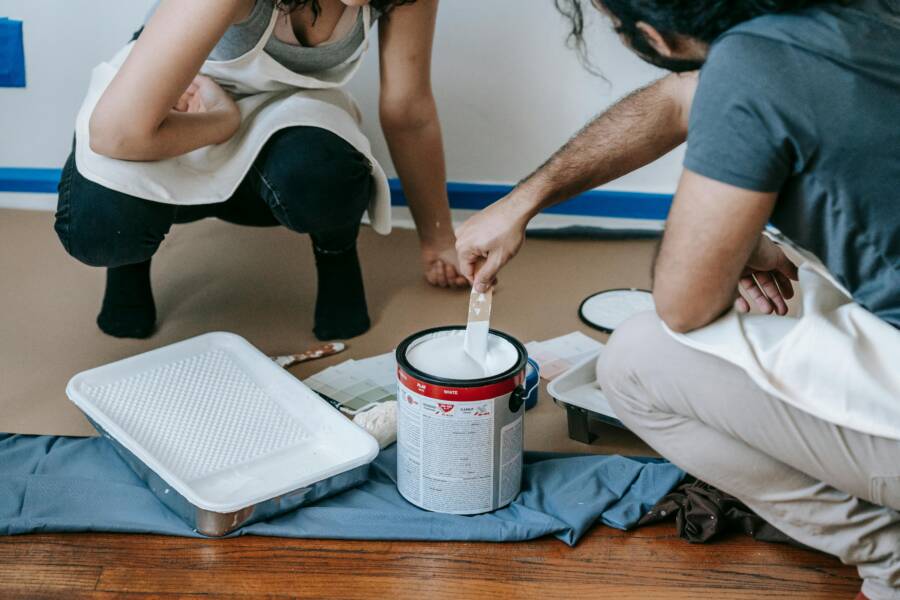
A home makeover starts with a solid plan. You want a space that feels fresh, functions better, and stays within budget. Home Depot’s Project Guides offer a practical path from idea to finished room. They bundle design concepts, material lists, and step by step instructions into one place. Use them as a planning toolkit rather than a shopping list, and you’ll move from concept to completion with confidence.
Below you’ll find a straightforward guide to using these resources. It covers how to choose the right guides, turn steps into a realistic plan, build your materials list, and handle budgeting and timing. You’ll also see a practical kitchen refresh example to illustrate how the process comes together.
What the Project Guides are and why they matter
Home Depot’s Project Guides are series of step by step plans for common home improvements. They cover everything from painting a single room to a full kitchen refresh. Each guide includes:
- A clear scope and goals for the project
- A recommended sequence of tasks
- Tool and material lists
- Optional contractor or pro tips
- Checklists to keep you on track
This structure helps you avoid two big pitfalls: starting without a plan and buying the wrong items. With a guide, you can visualize the entire project, spot dependencies, and decide what you can handle yourself. It also helps you set a realistic timeline and spot where you need extra help.
Finding the right guides for your project
Start with a focused search on the Home Depot site. Use terms like Project Guide followed by your room or task, for example “Project Guide bathroom remodel” or “Project Guide kitchen repaint.” If you’re not sure where to begin, browse by room. The guides are organized by:
- Room type: kitchen, bathroom, living areas, bedrooms
- Project type: painting, flooring, storage solutions, tiling
- Skill level: basic projects suitable for beginners, more detailed plans for intermediate work
Tips for selecting the right guide:
- Match the scope to your space. A small bathroom update needs a different plan than a full remodel.
- Look for guides that align with your style goals. Some guides emphasize modern, others favor traditional or rustic looks.
- Check the included materials list. If it calls for items you already own, you can skip those and save time and money.
Turning the guide into a concrete plan
A project guide won’t help if you don’t translate it into a real schedule. Here’s a practical workflow:
- Read the guide in full before you buy. Note the sequence of tasks and any prerequisites.
- Create a master to do list. Break tasks into manageable chunks, like “prep walls,” “prime,” “paint,” or “install hardware.”
- Map tasks to days. Assign realistic durations based on your pace and other commitments.
- Measure your space. Record room dimensions and any existing fittings. Use those numbers to confirm the guide’s recommendations fit your space.
- Identify dependencies. Some steps require drying time or the completion of other tasks first.
A simple way to organize is to design a weekly plan. For each week list tasks and a rough completion date. Keep the plan visible in your workspace or a project app so you and anyone helping stay aligned.
Building your materials and shopping list
Most guides include an itemized materials list. Use it as the backbone of your shopping plan, but tailor it to your space:
- Cross check quantities. Room size and existing fixtures can change how much you need.
- Separate what you already own from what you need to buy. This helps cut waste and saves money.
- Consider substitutes. If a preferred brand is out of stock, identify a compatible alternative early.
- Plan for delivery times. Some items arrive in weeks, others sooner. Factor this into your schedule.
With a clear list, you can shop in two passes: a quick in store browse for basics and an online order for specialty items. Don’t forget tools you may not own already, like painter’s tape, a level, or a stud finder. The guide should flag essential tools, not just decorative elements.
Budgeting and scheduling with guides
A solid budget keeps a makeover from turning into a budget blowout. A Home Depot Project Guide helps by offering itemized costs and a realistic scope. Here’s how to make the most of it:
- Start with a baseline. Use the guide’s material costs and add a 10 to 15 percent contingency for surprises.
- Separate labor from materials. If you plan to hire help, add those costs as a separate line item.
- Build a phased timeline. Some projects are best done in stages. For example, you might paint first, then install new countertops or fixtures.
- Plan for storage and waste. Include a bin rental or disposal fees if needed.
A practical budgeting tip: use the guide to compare product options. If a premium item boosts the look but adds substantial cost, see if you can achieve a similar result with a less expensive alternative without sacrificing durability.
Realistic tips for safe planning and execution
A thoughtful makeover balances ambition with practical safety. The guides help you stay within those boundaries:
- Verify dimensions before buying. A mismeasure can derail a project and waste money.
- Check for local requirements. Some projects may need permits or inspections, especially electrical or plumbing work.
- Respect DIY limits. Not every task is safe to tackle alone. When in doubt, consult a pro.
- Plan for the finish. Some materials require curing time or careful handling; factor those durations into your schedule.
Always read safety notes in the guide. They’ll point you to wear gear, handle tools properly, and work with materials in a safe environment.
A practical makeover example using a kitchen refresh
Let’s walk through a kitchen refresh using a typical Home Depot Project Guide. Suppose you want a brighter, more functional kitchen without a full renovation. The guide suggests these steps:
- Paint the walls and cabinets in light, neutral tones to open the space.
- Replace cabinet hardware with brushed nickel or matte black for a modern feel.
- Update the backsplash with a subway tile or a low-maintenance option.
- Swap out knobs and faucet for a cohesive look.
- Consider new countertops if your budget allows, or refresh with easy-to-clean laminate.
- Install improved lighting with under-cabinet LEDs and a central ceiling fixture.
- Finish with a small set of organizers inside cabinets to maximize space.
How the plan comes together
- Materials list: paint, primer, new hardware, backsplash materials, faucet, lighting, organizers.
- Timeline: two to three weeks for a focused refresh, longer if you add countertops or new cabinets.
- Budget approach: allocate roughly 40 percent to paint and hardware, 30 percent to lighting, 20 percent to backsplash, and 10 percent for miscellaneous items.
- Safety and tools: ensure you have a drill, level, painter’s tape, putty knife, and protective gear.
- Execution: complete painting first, then install hardware and lighting, finish with the backsplash and organizers.
This scenario shows how a guide helps you turn ideas into a realistic plan. It also illustrates how you can stretch a modest budget while achieving a noticeable upgrade.
Common mistakes to avoid with project guides
Even the best guides can misfire if you chase every idea at once or skip critical checks. Watch for these pitfalls:
- Relying on a single guide too heavily. Compare two guides for the same project to gather ideas and confirm steps.
- Skipping measurements. An error here makes everything else fail.
- Overlooking safety and permits. Some upgrades require professional help or permit approval.
- Underestimating time. A calm, staged plan reduces stress and keeps quality high.
- Ignoring delivery schedules. Delays ripple into your timeline and budget.
Next steps and getting more help
A good plan leaves room for refinement. After you finish the first draft of your makeover plan, you can:
- Print and annotate the guide. Mark measurements, delivery dates, and price estimates.
- Create a shared plan for anyone helping you. A clear plan keeps everyone on the same page.
- Save related guides. If you love the look you achieve, store related guides for future updates.
- Reach out for advice. If you run into a snag, Home Depot’s customer service or in-store associates can offer practical tips.
Conclusion
A makeover starts with a clear plan, and Home Depot’s Project Guides provide a practical blueprint. By selecting the right guide, translating it into a concrete schedule, and building a precise materials list, you can keep the project moving smoothly. Use the guides to set a realistic budget, time your tasks, and verify dimensions before you buy. With careful planning, a thoughtful refresh can transform a space without turning into a lengthy, costly affair.
Take the next step by choosing a guide that matches your goal, then turn the listed steps into your personal makeover plan. Print it, annotate it, and keep it handy as you shop and work. If you’re unsure about any part of the process, don’t hesitate to ask for advice from a local pro or a Home Depot associate. Your refreshed space awaits, and a well laid plan makes it possible.