What If the Only Thing Between You and the Life You Deserve Is a Hidden Wealth Code Waiting to Be Activated
>>> Open the Door <<<

Turning your phone into a portable hotspot is a simple way to stay connected, but it comes with safety concerns and data costs you should know about. In this quick guide you’ll learn how to enable the feature securely, manage data usage, and protect your information while sharing your connection with trusted devices.
We’ll cover clear steps to set up a hotspot on common devices, what password practices keep your network safe, and why encryption matters. You’ll also learn practical tips for keeping battery drain in check and avoiding unexpected data charges by understanding your carrier rules. The goal is to help you stay productive on the go without exposing personal details or slowing your device.
By the end, you’ll know how to turn your phone into a reliable internet source and keep it safe. This post focuses on practical, straightforward actions you can take right away, so you can use your portable hotspot with confidence in everyday situations. If you rely on internet on the road, this quick guide will become your go-to reference for safety and efficiency.
What is a portable hotspot and why safety matters
Turning your phone into a portable hotspot lets other devices share its cellular connection. It can be a lifesaver when you’re on the road or in a place with spotty WiFi. But with that convenience comes responsibility. Proper setup and good habits protect your data, battery, and peace of mind.
Thousands of People Were Struggling With Money Until They Discovered This One Ancient Secret Hidden in Sound
>>> Unlock It Now <<<

Understanding how a hotspot works
A hotspot turns your smartphone into a tiny wireless router. Your device uses its cellular data to create a local WiFi network. Other devices—laptops, tablets, or other smartphones—connect to that network just like they would to a regular home router. The difference is that the internet path is your phone’s data connection, not a fixed broadband line. This means speed, data limits, and coverage depend on your phone plan and signal in your area. Think of it as a portable bridge between your devices and the internet.
A few practical notes:
- The hotspot name is the network you see when you search for WiFi. It can be changed to something easy to recognize.
- The password protects access so neighbors or passersby don’t hop on your data. Use a strong, unique password for every hotspot you create.
- Encryption matters. Modern phones use WPA3 or at least WPA2 encryption to keep traffic protected from eavesdroppers.
For a deeper look, see how mobile hotspots function in guides from major providers and security experts. These sources explain the basic concept and emphasize responsible use while outlining typical data and device support. https://www.verizon.com/shop/consumer-guides/hotspots-a-comprehensive-guide/ and https://www.security.org/digital-safety/mobile-hotspot-safe/
Common safety risks to watch for
Using a hotspot brings convenience, but it also introduces risks. Here are the main ones to guard against:
- Weak passwords. A simple or repeated password can invite others to access your data. Always use a long, unique password for each hotspot you enable.
- Public networks and open hotspots. Avoid connecting to unknown hotspots, and don’t use public networks for sensitive tasks. Your phone can act as a private beacon when you control the hotspot settings.
- Data overuse. Hotspots can burn through data fast, especially if you’re streaming video or downloading large files. Monitor usage and set limits when possible.
- Battery drain. Running a hotspot can quickly deplete your phone’s battery. Plan ahead by carrying a charger or power bank and turning off the hotspot when not needed.
- Exposure to malware and phishing. If devices connect to your hotspot, they could bring risky apps or malware onto your network. Keep devices updated and run security checks on any new connections.
- Misuse of the hotspot feature. Leaving the hotspot on when you’re not actively using it can waste data and raise security risk. Turn it off when you’re done.
To reinforce safe practice, it helps to treat your hotspot like any other shared network. Maintain strong authentication, monitor connected devices, and avoid handling sensitive transactions over networks you don’t control. For additional safety guidance, see public wifi risk discussions and security-focused articles. https://www.expressvpn.com/blog/how-to-keep-your-mobile-hotspot-secure/?srsltid=AfmBOopuN7lXA0rVc3-xtqrq2QCfDn8ZeprYqZ1lfxtjYPiJ6aAVHkxl and https://www.netgear.com/au/hub/wifi/mobile/public-wifi-security-risks/
Easy setup: turn your phone into a hotspot on Android and iPhone
Turning your phone into a portable hotspot lets you stay connected when WiFi isn’t available. It’s a practical skill for travelers, remote workers, and anyone who needs a reliable internet tether. In this section, you’ll find straightforward, step by step guidance for both Android and iPhone. You’ll learn where to find hotspot settings, how to turn the feature on, how to name your network and set a strong password, and how to choose the right security. A quick post-setup checklist helps ensure everything works smoothly once you enable tethering.
Android hotspot setup basics
Setting up a mobile hotspot on Android is usually quick and intuitive, but the exact path can vary by device and Android version. The core idea is the same: you create a small WiFi network on your phone that other devices can join, using your cellular data plan.
- Access hotspot settings: On most Android devices, pull down the notification shade and look for the Hotspot or Tethering icon. If you don’t see it there, open the Settings app and search for “Hotspot” or “Tethering.” Common paths include Settings > Network & internet > Hotspot & tethering or Settings > Connections > Mobile Hotspot. The Android Open Source Project notes that you can configure the hotspot in the Settings app with SSID and security credentials. For reference, see the official Android guidance here: https://source.android.com/docs/core/connect/wifi-softap
- Turn it on: Enable Mobile Hotspot or Wireless Tethering. Some devices require you to toggle both the hotspot switch and the data connection to ensure the network is broadcast. On many Galaxy phones, you’ll tap Configure, choose Advanced options, and then turn the hotspot on. See practical steps from device makers for device-specific tweaks: https://www.samsung.com/latin_en/support/mobile-devices/how-to-use-and-configure-a-mobile-hotspot-on-your-galaxy-phone
- Name your network: Change the SSID to something easy to recognize. A descriptive name helps you avoid accidentally connecting to the wrong network in crowded areas.
- Set a strong password: Create a long, unique password for each hotspot you enable. A robust passphrase makes it far harder for neighbors or passerby to join your network without permission.
- Choose security: Use WPA2 or WPA3 encryption. These are modern standards that protect traffic between your hotspot and connected devices. If you’re unsure of your device’s available options, the device’s security section will usually show WPA2/WPA3 as the default.
- Data and device considerations: If you connect multiple devices, monitor data usage and battery drain. Some devices offer a “Turn off hotspot when no devices are connected” option to save power and data. You can often set limits at the OS level or via your carrier app.
Warm tip for best results: keep your hotspot in a shaded, well-ventilated spot when you’re outdoors. A phone that stays cooler maintains better performance while sharing its connection. For deeper background on how Android hotspots work, you can review the official developer and support resources along with general security guidance from trusted sources: https://www.verizon.com/shop/consumer-guides/hotspots-a-comprehensive-guide/ and https://www.security.org/digital-safety/mobile-hotspot-safe/
Practical example: Suppose you’re on a road trip and need to pull maps and emails while detouring around patchy hotel WiFi. Create a hotspot named “RoadTrip-Pax” with a password such as a random passphrase of at least 12 characters. Use WPA3 if available; otherwise, WPA2. Connect your laptop and tablet, and keep the hotspot off when you’re not actively using it to avoid stray connections.
If you want more device specific steps, official support pages for Android and major brands provide tailored instructions. For instance, Google’s guidance covers the core steps to share a mobile connection by hotspot or tethering, including Bluetooth options if you prefer a wired or Bluetooth tether. See: https://support.google.com/android/answer/9059108?hl=en
Additional notes:
- Some carriers place limits on hotspot data or require a separate plan add-on. Check your plan to avoid unexpected charges.
- Public or shared devices should not automatically trust every connected device. Periodically review the devices connected to your hotspot and disconnect any you don’t recognize.
iPhone hotspot setup basics
iPhone Personal Hotspot is designed with a clean, simple flow. You’ll set up a password and name, then share your connection with other devices in a few taps. The goal is the same as on Android: protect your data while keeping the network easy to use for trusted devices.
- Enable Personal Hotspot: Open Settings, then tap Personal Hotspot. If you don’t see it, tap Cellular and then Personal Hotspot. This path is common across most iOS versions. Apple’s official guide outlines the steps clearly: https://support.apple.com/en-us/111785
- Turn on Allow Others to Join: This option ensures other devices can connect. Leaving this on helps you quickly share your connection in productive moments.
- Name your network: Your iPhone automatically uses your device name as the hotspot SSID unless you change it. A clear name helps you identify your network in busy areas.
- Secure with a password: Create a strong password to prevent unauthorized use. A good rule is a password with at least 12 characters, mixing letters, numbers, and symbols.
- Consider device visibility: If you frequently share across limited environments, you may want to limit connections to listed devices or toggle the hotspot off when not in use to save battery and data.
Looking for quick references? Apple’s support pages walk you through setting up Personal Hotspot on iPhone or iPad, including how to manage who can join and how to connect. https://support.apple.com/en-us/111785
If you’re using a carrier-provided hotspot feature, you may see additional steps or settings in your carrier app. Verizon offers guidance on configuring Personal Hotspot on iPhone, including how to enable and manage the feature. https://www.verizon.com/support/knowledge-base-206965/
Practical tips:
- Always name the hotspot something recognizable to you but not overly revealing about your identity or location.
- Use a unique password for each device you intend to connect in a given session.
- If you’re in a public space, avoid handling sensitive information over your hotspot unless you have additional encryption or a VPN in place.
- When you’re finished, turn off Personal Hotspot to conserve battery and data.
To summarize, set up is straightforward: Settings > Personal Hotspot, enable Allow Others to Join, name your network, and create a strong password. If you want a quick path to the official instructions, Apple’s guide is a reliable start: https://support.apple.com/en-us/111785
Quick post setup checklist
After you configure either Android or iPhone hotspot settings, use this quick checklist to confirm everything works as intended. This helps you avoid surprises during important trips or online work.
- Confirm the hotspot is visible: Check that the SSID appears in the list of available networks on your device.
- Connect a test device: Use a laptop, tablet, or another smartphone to connect to the hotspot using the name and password you set.
- Verify internet access: Open a few web pages or run a quick search to confirm you’re online.
- Confirm security is active: Ensure the network shows as secured (WPA2 or WPA3) and that you’re not connected to an open network.
- Check data usage indicators: Review your mobile data usage to ensure you’re not accidentally consuming more data than expected.
- Monitor battery levels: Ensure your phone has enough battery for the timeframe you’ll be using the hotspot; consider carrying a charger or power bank.
- Review connected devices: If possible, look at the list of devices currently connected to your hotspot. Disconnect anything unfamiliar.
- Turn off when not in use: A helpful habit is to disable the hotspot when you don’t need it to avoid unintended connections and save battery.
If you want an extra layer of assurance, test the hotspot in a few different environments—home, café, and car—so you know how it performs in everyday situations. For quick reference on security considerations for mobile hotspots, see reputable write ups that discuss public wifi risks and best practices: https://www.expressvpn.com/blog/how-to-keep-your-mobile-hotspot-secure/?srsltid=AfmBOopuN7lXA0rVc3-xtqrq2QCfDn8ZeprYqZ1lfxtjYPiJ6aAVHkxl and https://www.netgear.com/au/hub/wifi/mobile/public-wifi-security-risks/
Key takeaways
- Always secure your hotspot with a strong password and up to date encryption.
- Name your network so you can easily identify it, especially when you travel or work remotely.
- Monitor data and battery usage to prevent surprises.
- Turn the hotspot off when you’re done to preserve your device’s battery and protect your network.
External resources provide step by step instructions and context for both Android and iPhone. Use them as a quick reference if you need device specific details or the latest interface changes. For Android, the official Google support and Samsung guides are helpful; for iPhone, Apple’s official setup guide and carrier support pages offer concise procedures. Examples include:
- Android hotspot basics and configuration: https://support.google.com/android/answer/9059108?hl=en
- Samsung Galaxy hotspot setup: https://www.samsung.com/latin_en/support/mobile-devices/how-to-use-and-configure-a-mobile-hotspot-on-your-galaxy-phone/
- Android hotspot technical overview: https://source.android.com/docs/core/connect/wifi-softap
- Apple Personal Hotspot setup: https://support.apple.com/en-us/111785
- Carrier guidance for iPhone hotspot: https://www.verizon.com/support/knowledge-base-206965/
Remember, a well secured hotspot keeps your family, work, and devices safe while you stay productive on the go. If you’re unsure about any step, you can always return to the official guides for the latest options and wording, as interface updates can shift the exact menu labels.
Keep the hotspot secure: passwords, encryption, and safe usage
Guarding your portable hotspot is just as important as turning it on. You can stay connected on the move without exposing personal data if you choose strong passwords, enable solid encryption, and follow sensible habits in public spaces. This section covers practical steps you can take right now to keep your network safe while you share your connection with trusted devices.
Choose a strong password you can remember
A great password is long, unique, and easy to recall for you but hard for others to guess. Think of a passphrase made from four or more random words mixed with numbers or symbols. Avoid common phrases, dates, or anything tied to your personal life. One reliable approach is to combine unrelated words with a few digits, then replace some letters with symbols. For example, “BlueRiver77$Moonlight” is memorable but not obvious to others. Use a different password for each hotspot you create to limit exposure if one network is compromised. If you frequently forget passwords, store them in a secure manager on your smartphone rather than writing them down where others could find them. Keeping a strong password is your first line of defense; it dramatically reduces unauthorized access in crowded places like cafes or airports. For extra guidance, reputable security resources emphasize avoiding weak passcodes and adopting longer, unique phrases. See insights from security-focused guides and industry experts for more tips. https://www.security.org/digital-safety/mobile-hotspot-safe/ and https://trueitpros.com/mobile-hotspot-vs-public-wi-fi-stay-secure-while-traveling/
Security settings and encryption
Your hotspot should use modern encryption to protect traffic between your devices and your phone. WPA3 is the best option, and WPA2 is a solid fallback if WPA3 isn’t available. When you enable WPA2 or WPA3, make sure the chosen password is long and unique. Some devices also offer mixed mode (WPA2/WPA3) for compatibility with older devices, but that can slightly reduce security. Regular firmware updates are essential because they fix known vulnerabilities and improve overall protection. Check for updates in your device’s settings or via the carrier app, and install them promptly to keep your hotspot resilient against new threats. When in doubt, review the security options in your hotspot menu and prefer WPA3 if possible. For more context on securing home and mobile networks, see best practices from professional sources. https://www.defense.gov/2023/Feb/22/CSI_BEST_PRACTICES_FOR_SECURING_YOUR_HOME NETWORK.PDF (note: ensure the PDF is accessed and interpreted correctly) and https://www.security.org/digital-safety/mobile-hotspot-safe/
Smart habits for safe use in public
Public places can make it tempting to stay connected, but it also raises risk. Adopt simple habits that reduce exposure and protect your data. First, verify who connects to your hotspot. If a device you don’t recognize attempts to join, disconnect it and reset your password if needed. Second, avoid broadcasting your hotspot name publicly in crowded areas. A neutral SSID helps prevent casual stalking while reducing the chance of misidentification. Third, disconnect unused devices promptly. Leaving many devices connected can increase your risk surface and drain your battery. Finally, consider using a virtual private network (VPN) for sensitive tasks, such as banking or accessing work files, even when you’re on a private hotspot. A few quick checks after you set up your hotspot can save you headaches later. Public wifi risk discussions and security-focused articles offer practical context. https://www.expressvpn.com/blog/how-to-keep-your-mobile-hotspot-secure/?srsltid=AfmBOopuN7lXA0rVc3-xtqrq2QCfDn8ZeprYqZ1lfxtjYPiJ6aAVHkxl and https://www.netgear.com/au/hub/wifi/mobile/public-wifi-security-risks/
If you’re on the road, a quick reality check helps: your phone becomes a bridge to the internet for other devices. Treat it with the same caution you’d bring to a home network. Maintain up-to-date firmware, use strong, unique credentials, and stay mindful of who connects. For broader guidance on mobile hotspot safety, reputable experts explain the tradeoffs between convenience and risk and how to minimize exposure. Practical steps include turning off the hotspot when not needed and testing connections in multiple environments to understand how your setup behaves. https://www.security.org/digital-safety/mobile-hotspot-safe/ and https://www.verizon.com/shop/consumer-guides/hotspots-a-comprehensive-guide/
Key takeaways
What If the Only Thing Between You and the Life You Deserve Is a Hidden Wealth Code Waiting to Be Activated
>>> Open the Door <<<
- Use a long, unique password for each hotspot you create.
- Enable WPA3 or WPA2 with a strong passphrase and keep firmware current.
- Verify connected devices, limit visibility, and disconnect unused gear.
- In public, use a VPN for sensitive tasks and turn off the hotspot when not in use.
External resources provide step-by-step instructions for specific devices and carrier setups. For device-specific details, consult manufacturer or carrier support pages and keep an eye on interface changes that can alter menu labels. Examples include:
- Android hotspot basics and configuration: https://support.google.com/android/answer/9059108?hl=en
- Samsung Galaxy hotspot setup: https://www.samsung.com/latin_en/support/mobile-devices/how-to-use-and-configure-a-mobile-hotspot-on-your-galaxy-phone/
- Apple Personal Hotspot setup: https://support.apple.com/en-us/111785
Stay connected with confidence by pairing common-sense security with practical use. If you need device-specific tweaks, the official guides from Google, Samsung, and Apple offer concise, up-to-date instructions.
Smart data and battery tips: manage data usage and power
Staying connected through a portable hotspot is convenient, but it can quickly chew up data and drain battery if you don’t watch usage. The goal of this section is to give you practical, actionable steps to keep data in check and extend your phone’s running time while you share your connection. You’ll learn how to monitor data, set sensible alerts, and optimize power without sacrificing reliability.
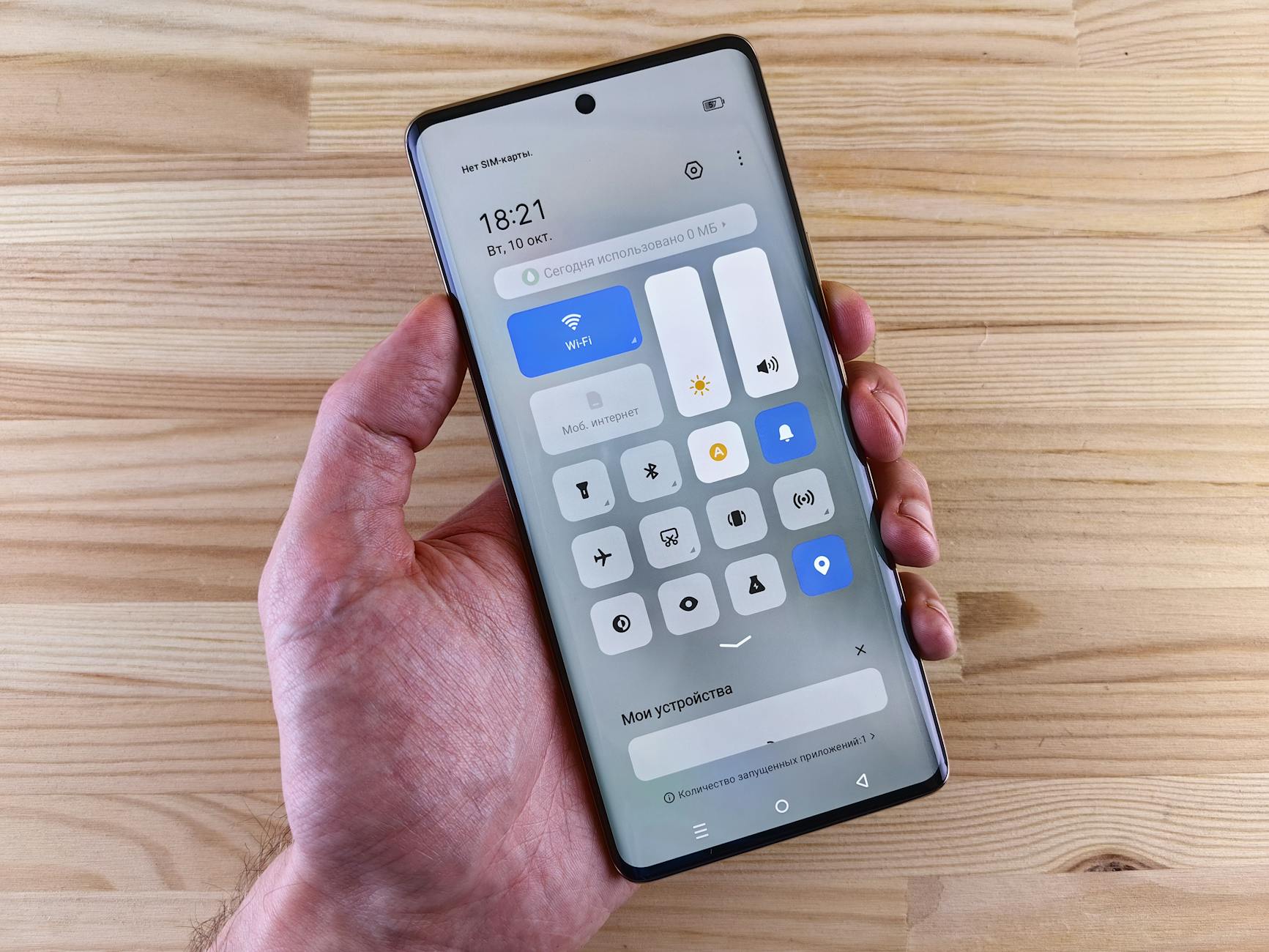 Photo by Andrey Matveev
Control data usage and limits
Data caps are common with mobile plans, and hotspot use often falls under the same restrictions. Start by knowing your plan’s limits and how hotspot data is counted. Most carriers treat hotspot data as part of a shared pool or as a separate allotment, so verify before you weave hotspot activity into your day.
Thousands of People Were Struggling With Money Until They Discovered This One Ancient Secret Hidden in Sound
>>> Unlock It Now <<<
- Set real time alerts: On iPhone, open Settings > Cellular > Personal Hotspot to see data use linked to your hotspot. On Android, Settings > Network & Internet > Data usage or Hotspot & tethering often shows a live tally. Some carriers also provide apps that track hotspot data separately.
- Enable data caps when possible: If your device or carrier app offers a “data cap” or “limit” feature, turn it on. This helps you receive a warning before you hit a pricey overage.
- Watch streaming and large downloads: Streaming video or large file transfers can blow through your data quickly. When you must, switch to lower video quality or pause large downloads when you’re not on reliable WiFi.
- Use a data monitor app if native tools aren’t enough: Apps like My Data Manager offer real time usage insights and can help you set thresholds. Always choose reputable apps with solid reviews to protect privacy.
- Keep an eye on background activity: Some apps continue using data in the background even when you aren’t actively using them. Review app permissions and restrict background data for non essential apps.
For device specific steps, refer to official guidance and trusted tech resources. Example sources cover hotspot data tracking on iPhone and Android, and explain how to set alerts or caps on both platforms:
- https://saily.com/blog/how-to-check-hotspot-usage/
- https://www.getnomad.app/blog/does-hotspot-use-more-data
- https://apps.apple.com/us/app/my-data-manager-vpn-security/id477865384
Practical tip: set a daily data target for hotspot use and reset it each morning. A simple habit like this helps you avoid surprise overages and keeps your mobile bill predictable.
Boost battery life while hotspot is on
A hotspot can be a power hog. The right tricks let you stay connected longer without carrying extra gear or sacrificing speed.
- Charge while you work: Keep a charger within reach when you’re using tethering for longer sessions. If you’re in a car, use a car charger to keep power steady.
- Use power saving modes: Enable battery saver or low power modes on your device. These reduce background activities and help your hotspot run longer between charges.
- Limit screen activity: The hotspot itself doesn’t require the screen to be on at full brightness. Dim the display and use auto brightness to conserve energy.
- Turn off hotspot when not needed: Disable tethering if you don’t have devices actively connected. It’s a simple step that saves both power and data.
- Consider cooling if you’re outdoors: A hot phone loses speed and efficiency. Shaded, ventilated spots help maintain performance and battery life.
- Check for firmware updates: Updates can include power efficiency improvements for hotspot functionality.
If you want more detailed guidance on battery optimization, see sources focused on rapid battery drain and practical tips for hotspot use:
- https://www.usmobile.com/blog/rapid-battery-drain-on-ios-and-android-a-complete-guide/
- https://www.foxnews.com/tech/speed-up-your-hot-spot-tips-significantly-improve-your-connection
Example scenario: You’re traveling and need maps and emails. Keep the hotspot on only during active sessions, then switch it off between tasks. With a portable charger, you can extend your uptime without hunting for outlets.
Manage connected devices
Limiting how many devices share your hotspot and disconnecting unused ones goes a long way toward reliability and battery health.
- Set a practical limit: Some phones don’t offer a hard cap, but you can control expectations by keeping the number of connected devices reasonable. If your device shows a max near 5 to 10, plan accordingly.
- Disconnect idle devices: Regularly review who’s connected and remove those you don’t recognize. This reduces data waste and eases battery load.
- Prioritize essential devices: If you’re sharing with multiple people, designate one or two devices as primary users and disconnect others when not needed.
- Use device visibility controls: Hide the network or only allow known devices to connect. This reduces the chance of unwanted connections and keeps your session focused.
- Consider a guest network approach: Some devices offer a separate guest network option. It’s useful when you want to share access with collaborators without giving full access to every device.
If you’re looking for device specific discussions, these resources explore practical how-tos and user experiences:
- https://discussions.apple.com/thread/253403899
- https://www.reddit.com/r/techsupport/comments/14mxtda/how_do_you_change_the_max_number_of_devices/
Keep in mind that a tighter device limit means more reliable performance for your essential tasks. If you notice slowdowns, trim the guest connections and test with a single additional device to confirm stability.
Images and practical visuals can help. A photo showing a smartphone in a café setting with a visible hotspot toggle can illustrate how easy it is to check data and power while on the move.
Key takeaways
- Know your hotspot data limits and set alerts to avoid overages.
- Use battery saver features and charge during use to extend uptime.
- Turn off the hotspot when not actively needed and manage connected devices to maintain performance.
External references provide step by step instructions for both Android and iPhone. For device specific details, check official support pages and trusted security guides:
- Android data usage and hotspot tracking: https://support.google.com/android/answer/9059108?hl=en
- iPhone hotspot data management: https://www.verizon.com/shop/consumer-guides/hotspots-a-comprehensive-guide/
Remember, smart data and power habits keep your portable hotspot reliable whether you’re on a road trip or in a cafe.
Carrier considerations and privacy in daily life
Turning your phone into a portable hotspot is a practical way to stay connected. But to keep data costs predictable and protect your privacy, you need to understand carrier rules, roaming options, and best security habits. This section covers how to check hotspot data on your plan, what to expect when you travel, and concrete steps to safeguard your connections every day.
Hotspot data on your mobile plan
Your hotspot data is usually part of your cellular plan, but the way it’s billed can vary by carrier and plan type. Start by confirming whether hotspot usage is included, limited, or treated as a separate add-on. Many plans offer a dedicated hotspot allotment or, in some cases, cap hotspot data after a certain threshold. If you exceed the limit, speeds can be slowed or you may incur overage charges.
- Check your plan details: Look for “hotspot data,” “tethering,” or “mobile WiFi” in your account portal or on your carrier’s plan page.
- Confirm exact limits: Some carriers, like Verizon and AT&T, provide explicit hotspot data caps per line and may require an add-on for higher usage. For example, certain plans include specific hotspot quotas, with overage rules clearly spelled out.
- Watch for overage and speed reductions: After you hit the hotspot cap, many carriers reduce speeds rather than bill extra data. This is especially common with premium or unlimited data plans.
- Use carrier apps and tools: Many providers offer apps that show hotspot data usage in real time and let you set alerts to prevent surprises.
If you want a quick refresher on plan specifics, reputable sources outline typical hotspot data structures and how charges are applied across major US carriers. For example, carrier guides detail how hotspot data is counted and when limits apply, helping you avoid unexpected costs. Verizon’s hotspot plans and their support information offer clear examples of what to expect, while AT&T’s hotspot data details help you compare options. See: Verizon’s Mobile hotspot plans and AT&T’s Unlimited Data plans.
Practical tip: set a monthly hotspot data alert so you know when you’re approaching the limit. This small habit prevents surprise charges and keeps your budget in check.
Using hotspots while traveling or abroad
Roaming costs can quickly escalate if you rely on your phone as a hotspot in foreign countries. Before you travel, review how hotspot data is billed for international use and compare alternatives that save money and hassle.
- Check roaming rules for hotspot data: Some carriers apply international roaming rates to hotspot data just like your phone plan. In many cases, using hotspot data overseas can be much more expensive than domestic usage.
- Consider local SIMs or eSIMs: Local prepaid SIMs or eSIM plans often provide cheaper data for hotspot use abroad. This approach can deliver predictable daily or per-megabyte rates without surprise bills.
- Portable pocket WiFi as an alternative: A dedicated portable router or pocket WiFi device can be a cost-effective solution when traveling, especially if you need to share a connection with multiple devices.
- Evaluate your data needs on the go: If your tasks are light, a local SIM with a modest data plan may be enough. For heavier use like mapping, video streams, or large file transfers, a portable router with a robust data allotment can be more reliable.
For travelers seeking cost-conscious options, third-party networks and international data strategies exist. US Mobile offers international roaming data on certain plans, with affordable add-ons and flexible terms. If you want to explore international data options, these resources provide practical comparisons and real-world insights: International roaming data plans and traveler reviews from US Mobile.
Practical example: you land in a country for a week and need reliable maps and email. A local SIM or eSIM with a hotspot-capable plan can give you steadier data at predictable rates than roaming from your home carrier. If you prefer a single, familiar option, check whether your carrier offers reasonable daily or weekly international passes and weigh them against a local solution.
External guidance can help you map the best choice for your situation. For instance, you can explore options from US Mobile and related discussions that compare roaming rates and feature sets. See: International roaming data plans and related reviews.
Protecting your privacy when using a hotspot
A hotspot is a bridge to the internet for other devices, so privacy thinking should start the moment you enable it. Simple habits can close common gaps and keep your data safer in daily life.
- Turn off device discovery: Many devices broadcast their presence when a hotspot is on. Disable discovery to limit who sees your network.
- Keep software updated: Regular updates fix security flaws and improve protection. Enable auto-update where possible.
- Use a strong password and encryption: Always pick a long, unique password and use WPA2 or WPA3 encryption. Avoid mixed mode if you can, as it can reduce protection.
- Review connected devices: Periodically check who’s connected and remove unfamiliar ones. A short, quick audit helps guard against unauthorized access.
- Use a VPN for sensitive tasks: When handling banking, personal health data, or work files, a VPN adds a layer of privacy even on trusted networks.
If you’re looking for practical, security-focused guidance, established sources offer solid context on mobile hotspot safety and best practices. See recommendations from reputable security resources that discuss safe hotspot usage and public wifi risks. Additionally, device-specific guidance from manufacturers and carriers helps you stay aligned with the latest security options.
External references provide step-by-step instructions for securing hotspots on both Android and iPhone, along with general safety considerations. Use them as a quick reference if you need device-specific details or the latest interface changes. For Android, Google’s support pages and Samsung’s hotspot guides cover the core steps; for Apple, Apple’s official hotspot setup and carrier guidance offer concise procedures.
Key takeaways
- Secure your hotspot with a strong password and up-to-date encryption.
- Regularly review connected devices and keep the network name neutral to avoid exposing personal details.
- Use a VPN for sensitive tasks, especially on shared networks or public spaces.
- Stay aware of roaming rules when traveling and consider local data options to avoid overage costs.
External resources offer device-specific steps and carrier guidance to help you stay current. For practical steps, refer to official support pages from Google, Samsung, and Apple, along with carrier guidance from major providers. Examples include Android hotspot configuration, iPhone Personal Hotspot setup, and carrier support on hotspot features. See the linked guides for the latest menus and terminology.
Conclusion
Turning your phone into a portable hotspot is safe when you follow solid steps: enable the hotspot, set a strong, unique password, choose WPA2 or WPA3 encryption, and monitor connected devices. Keep data use in check with alerts and limits, and protect traffic with a VPN when handling sensitive tasks. Regularly review plan details, update your device software, and turn off the hotspot when you’re finished. Test the setup in different environments and adjust as needed to stay productive with peace of mind.
Thousands of People Were Struggling With Money Until They Discovered This One Ancient Secret Hidden in Sound
>>> Unlock It Now <<<