There Is a Frequency That the Wealthiest Families Have Used for Generations and Most People Will Never Know It Exists
>>> Open the Door <<<

Ever wished you could see exactly how much power you have left without guessing from a tiny sliver of battery icon? Turning on the battery percentage makes planning your day simpler and helps you avoid unexpected shutdowns. It works on all major phones without installing extra apps, and you can usually toggle it in a few taps.
For iPhone users, enabling battery percentage is quick and clear. Open Settings, go to Battery, and switch on Battery Percentage. On iPhone models with Face ID, you’ll also see the percentage in Control Center when you pull down from the top right. It appears on the status bar and usually stays visible in most apps, with a few exceptions like full screen videos.
Android users have a similar path, though wording varies by brand. Open Settings, select Battery, and turn on Battery percentage or Show battery percentage. Samsung devices call it Show battery percentage, sometimes tucked under More battery settings, while Pixel phones show it in the status bar. If you don’t see it right away, try searching Settings for “battery percentage” to quickly locate the option.
Understanding this tiny toggle pays off in real life. It helps you budget power for meetings, commutes, or travel days, giving you a clearer view of when to charge. No extra apps required means you can rely on your smartphone to stay informed, not frustrated. In the sections ahead, you’ll get step by step instructions for iPhone and Android, quick tips to preserve battery, and common pitfalls to avoid.
Thousands of People Were Struggling With Money Until They Discovered This One Ancient Secret Hidden in Sound
>>> Unlock It Now <<<

How to Turn On Battery Percentage on iPhone
Seeing the exact battery level helps you plan your day without surprises. Below you’ll find concise, practical steps for turning on battery percentage on iPhone, plus quick checks for older models and fast ways to confirm your status. This section fits into a larger article about managing power on your smartphone, with tips you can use right away.
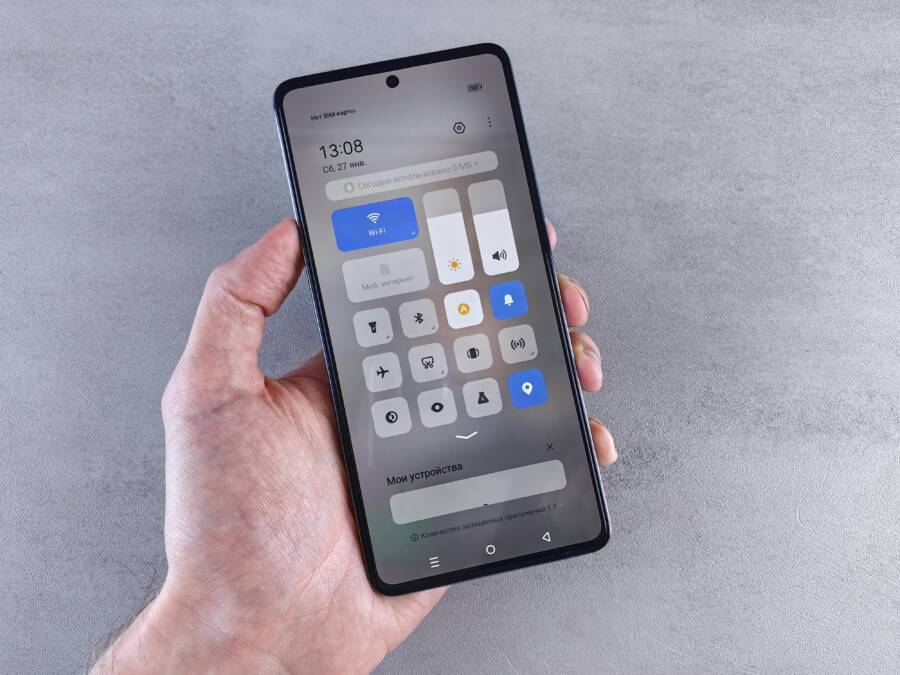
 Photo by Andrey Matveev
Step-by-Step for Newer iPhones with Face ID
Open Settings, then go to Battery and flip on the Battery Percentage switch. Once enabled, you’ll see a numeric value in the top-right corner of the status bar. This makes it easy to gauge when a charge will run out before you head into a meeting or a long drive. On iPhone models with Face ID, the percentage also appears in Control Center when you swipe down from the top-right corner. If you’re using a full-screen video or certain immersive apps, you might see the number disappear from the status bar temporarily. If you don’t see the toggle, try updating iOS or check for a Settings layout change in your current version. This small setting pairs well with everyday use of your smartphone, keeping power forecasting simple and accurate.
- Path: Settings > Battery > Battery Percentage
- Result: numeric battery level in the status bar and Control Center on Face ID models
- Quick tip: if you never quite see it, restart the phone or update to the latest iOS
If the percentage seems hidden inside an app, double-check that the app isn’t set to hide the status bar while you’re within it. For many people, the change sticks after a quick reboot or after installing a minor OS update. Once enabled, the percentage is a reliable companion for daily planning, especially during travel days or back-to-back meetings.
Helpful reference: Show the battery percentage on your iPhone or iPad. You can review the official guidance from Apple for visibility across different iOS versions and devices.
Quick Checks on Older iPhone Models
On older iPhones, the battery percentage may always appear in the status bar without needing to toggle anything. The path is simpler: open Settings, tap Battery, and make sure the option to show the percentage is enabled. You’ll see the number right in the status bar, providing an at-a-glance readout during your day. Remember that older models sometimes display the percentage differently or rely on Control Center for the readout in certain contexts. If you don’t see it, verify your iOS version and look for any device-specific notes in the Apple Support article linked below.
- Differences to note: on older models, the percentage is typically visible in the status bar more consistently, while newer models blend the readout into Control Center when necessary
- Quick check: search Settings for “battery percentage” if the option isn’t obvious
For readers using older devices, this quick check can save time when you’re juggling apps and notifications. It’s a small detail that yields big reliability in daily battery budgeting, especially for those who rely heavily on their phone for navigation or communication.
Extra Ways to Check Battery Fast
If you want even quicker confirmation beyond the status bar, use a few fast methods. You can ask Siri, “What’s my battery level?” for an instant spoken readout. A simple swipe to the right to open Control Center also shows the battery percentage for most iPhone models. If you prefer a persistent glance, add the Batteries widget to your Home Screen so the level is visible at a glance without opening apps. These options keep you informed as you go about your day, no extra tools required.
She Pressed Play on a Strange Audio Track and Within Days Her Financial Reality Started Shifting in Ways She Could Not Explain
>>> See How It Works <<<

- Siri: “What’s my battery level?”
- Control Center: swipe down from the top-right corner
- Batteries widget: place on the Home Screen for constant visibility
To further enhance visibility, Apple’s support pages offer step-by-step guidance for different versions. If you want more context, you can visit the official guide linked here. It covers variations across iOS versions and devices, helping you adapt as updates roll out.
References and further reading:
- Show the iPhone battery percentage (Apple Support)
Images are used to illustrate a typical iPhone settings screen and help you locate the Battery section visually. They provide a quick, practical reference as you follow along with the steps above. The goal is a smooth, confident setup so you can rely on the exact numbers you see.
Note: If you run into any model-specific quirks, Apple’s official documentation is the most reliable source for up-to-date instructions. You’ll often find version-by-version notes that map directly to your device. This keeps you aligned with the latest iOS changes and avoids guesswork.
Enable Battery Percentage on Android Phones
Seeing the exact battery readout at a glance helps you plan activities, trips, and meetings without second guessing. Whether you use a Samsung, Google Pixel, or another Android phone, the option to show the percentage is usually tucked away in Settings. In this section, you’ll find concise, practical steps for Samsung Galaxy devices, Google Pixel phones, and quick tips for other Android brands. Each path focuses on a simple toggle you can flip in just a few taps, keeping the information front and center as you go about your day.
Steps for Samsung Galaxy Devices
Samsung gives you two reliable routes to display the battery percentage. The simplest path is: Settings > Battery > Show battery percentage. If you prefer alternative navigation, try: Display > Status bar > Battery percentage. On some models, the toggle sits under More battery settings. After enabling, your battery percentage appears in the status bar, next to the icon. Quick edits in Quick Settings let you decide whether you want the percentage always visible or shown only when you pull down the shade. If you run into issues, a quick restart or updating your software can ensure the toggle sticks. For official guidance, see Samsung’s support article on showing or hiding the battery percentage: https://www.samsung.com/uk/support/mobile-devices/show-or-hide-the-battery-percentage-on-your-samsung-phone/
- Path: Settings > Battery > Battery Percentage
- Alternative path: Display > Status bar > Battery percentage
- Quick tip: use Quick Settings to keep it visible all the time or show it only on demand
- Pro tip: a restart or software update often resolves stubborn toggles
This option is handy for long travel days or busy workweeks. It reduces the guesswork and helps you time the next charge more accurately. If your model or software version hides the option, verify the path in Settings or check for a firmware update.
Guide for Google Pixel Phones
Google’s Pixel line makes the battery percentage easy to enable, with a couple of straightforward routes. First, you can double-swipe the notification shade to reveal the controls, then go to Settings > Battery and toggle the graph icon or the battery percentage option. If you’re in System settings, look for Developer options and enable Status bar if it isn’t already on, which can expose the percentage in the status bar. Some users also add a Battery widget for constant visibility. If you can’t find the toggle, search Settings for “battery percentage” to jump straight to the right switch. For step-by-step official instructions, check Google’s support page: https://support.google.com/pixelphone/answer/2819525?hl=en
- Path options: Settings > Battery or System > Developer options > Status bar
- Quick access: use the notification shade or add the Batteries widget for quick glances
- Tip: enabling Adaptive Battery and Battery Optimization can help overall health while keeping visibility clear
Pixel devices are known for clean UI and reliable battery management. With the percentage shown, you’ll have a dependable readout during long commutes or camera sessions where power usage spikes.
Tips for Other Android Brands
If you use another Android brand, you still likely have a straightforward path to show the percentage. Start by searching Settings for “battery percentage” or “Show battery percentage.” A common route is to long-press the battery tile in Quick Settings or to locate the option under Battery or Battery & device care. If software is up to date, the toggle should appear where you expect it. Brands like OnePlus, Motorola, and Xiaomi often mirror the Android standard with a toggle that reads “Show battery percentage” or simply “Battery percentage.” If you’re unsure, a quick check of the official support article for your device can confirm the exact steps.
Troubleshoot When Battery Percentage Won’t Show
If the battery percentage isn’t visible, it can feel like you’re navigating in the dark. This section offers precise, practical steps to get the readout back on track. You’ll find quick fixes that apply to both iPhone and Android, plus a few brand-specific tips to save time. By the end, you should be able to see the exact power level at a glance again, helping you plan your day with confidence.
 Photo by Lum3n
Common iPhone Fixes
If your iPhone won’t show the battery percentage, start with the simplest checks. A quick restart can resolve minor glitches that hide the readout. If the screen still hides the number, confirm you’re on a compatible iOS version and that the Battery Percentage toggle is enabled in Settings > Battery. For iPhone models with Face ID, the percentage should also appear in Control Center when you pull down from the top-right. If you’re in a full-screen video or immersive app, the number might disappear briefly, but it should return once you exit the full-screen mode. If the toggle is hard to locate, a quick iOS update can restore the familiar path. Apple’s official guidance confirms these steps across versions, so you can check there for version-specific changes. In practice, a restart plus a quick update fixes most visibility issues.
- Quick path: Settings > Battery > Battery Percentage
- Result: numeric level in the status bar and in Control Center on Face ID models
- Quick tip: if you never see it, restart the device or update to the latest iOS
If the readout still hides inside an app, verify the app isn’t hiding the status bar while in use. This tiny setting can affect visibility, especially in games or streaming apps. Once you confirm the system toggle is on and the device is refreshed, the percentage tends to stay put. For further context, Apple’s support page covers device-specific variations and iOS version notes, helping you adapt as updates roll out.
Helpful reference: Show the battery percentage on your iPhone or iPad.
- Apple Support articles cover visibility across devices and iOS versions.
Images and hands-on visuals help you locate the Battery section quickly. If you run into model-specific quirks, Apple’s official documentation remains the most reliable source for up-to-date steps and version notes.
Quick Checks on Older iPhone Models
Older iPhones often display the percentage in the status bar by default or require a simple toggle. Open Settings, tap Battery, and ensure the option to show the percentage is enabled. You’ll see the number in the status bar as you use the device. Some older models rely on Control Center for the readout in certain contexts, so don’t be surprised if it looks slightly different. If you don’t see it, verify your iOS version and search for device-specific notes in Apple Support. These quick checks save time when you’re juggling multiple apps and notifications.
There Is a Frequency That the Wealthiest Families Have Used for Generations and Most People Will Never Know It Exists
>>> Open the Door <<<
- Differences to note: older models tend to show the percentage in the status bar more consistently
- Quick check: search Settings for “battery percentage” if the option isn’t obvious
This small configuration makes a big difference for daily tasks, like navigation and messaging, where knowing exact remaining power helps you pace charging.
Extra Ways to Confirm Battery Level
Beyond the status bar, a few fast methods can confirm your battery level. Try asking Siri, “What’s my battery level?” for an instant readout. A swipe to open Control Center also shows the percentage on most iPhone models. If you want a persistent glance, add the Batteries widget to your Home Screen. These options require no extra apps and keep the readout front and center as you go about your day.
- Siri: “What’s my battery level?”
- Control Center: swipe down from the top-right corner
- Batteries widget: place on the Home Screen for constant visibility
If you want more context, Apple’s official guide covers differences across iOS versions and devices. It’s a solid resource when you encounter unusual behavior or new firmware changes.
References and further reading:
- Show the iPhone battery percentage (Apple Support)
Images are included to provide a quick visual cue for finding the Battery settings. They help you move through the steps with confidence, reducing the guesswork when you’re pressed for time.
Notes: If a model-specific quirk appears, Apple’s documentation remains the most reliable source for current steps and version notes. This keeps you aligned with the latest iOS changes and avoids guesswork.
Steps for Samsung Galaxy Devices
Samsung users can display the battery percentage in two common ways. The simplest path is Settings > Battery > Show battery percentage. If you prefer another route, go to Display > Status bar > Battery percentage. On some models the toggle sits under More battery settings. After enabling, your percentage appears in the status bar next to the icon. Quick Settings also lets you decide whether to show the percentage all the time or only when you pull down the shade. If issues occur, a quick restart or software update often fixes stubborn toggles. For official guidance, see Samsung’s article on showing or hiding the battery percentage.
- Path: Settings > Battery > Battery Percentage
- Alternative path: Display > Status bar > Battery percentage
- Quick tip: use Quick Settings to keep it visible at all times or on demand
This option helps during long travel days or busy workweeks. If the toggle hides, double-check the path in Settings or look for a firmware update to restore visibility.
Steps for Google Pixel Phones
Pixel devices keep the battery percentage straightforward. You can access it via Settings > Battery and toggle the battery percentage option. If you’re in System settings, look for Developer options and enable Status bar to reveal the percentage in the status bar. Some users also add a Battery widget for constant visibility. If you have trouble locating the toggle, use Settings search for “battery percentage” to jump straight to the switch. For official steps, see Google’s support page.
- Path: Settings > Battery or System > Developer options > Status bar
- Quick access: notification shade or Batteries widget
- Tip: Adaptive Battery and Battery Optimization can help overall health while keeping visibility clear
Pixel phones are known for clean UI and dependable power management. With the percentage visible, you’ll have a reliable readout during long commutes or camera sessions where power use spikes.
Tips for Other Android Brands
Other Android brands usually follow a simple path as well. Start by searching Settings for “battery percentage” or “Show battery percentage.” You may need to long-press the battery tile in Quick Settings or locate the option under Battery or Battery & device care. If your software is up to date, the toggle should appear where you expect. Brands like OnePlus, Motorola, and Xiaomi often mirror the Android standard with a toggle that reads “Show battery percentage.” If you’re unsure, check the official support article for your device to confirm the exact steps.
- Quick search tip: search Settings for “battery percentage”
- Common placements: Battery, Battery & device care, or Quick Settings tile
- Pro tip: a firmware update can restore missing toggles and align with your UI
References and additional readings:
- Samsung support article on battery percentage
- Google Pixel support page
If you follow these steps, you should regain a clear battery readout on your smartphone. The option is typically a quick toggle away, and a small update often fixes stubborn visibility issues. For most users, the fix is fast and direct, letting you plan your day with confidence again.
Why Track Battery Percentage and Pro Tips
Tracking battery percentage is more than just a number on the screen. It gives you a clear sense of power throughout the day, helps you schedule charging before meetings or commutes, and reduces the chances of a phone dying at a crucial moment. When you can see the exact level, you plan better, use your phone smarter, and avoid the annoying guesswork that comes with relying on a tiny icon. In this section, you’ll learn why tracking matters and get practical, battle-tested tips to make the most of your battery readout on both iPhone and Android.
Photo by Andrey Matveev
Clarity for daily planning
When you know the exact percentage, you can map out your day with confidence. It’s easier to decide when to top up before a long drive, a flight, or back-to-back meetings. You’ll avoid surprise shutdowns during important calls or navigation sessions. This kind of visibility reduces anxiety around device usage and helps you set realistic expectations for screen time.
- Quick readouts save time in the morning rush.
- You can factor charging into your schedule, not your mood.
- It’s especially handy for travelers who rely on maps, tickets, and apps.
To make the most of this clarity, pair the readout with a simple habit: check battery before you start a task that drains power, then set a rough target for charging after a milestone (for example, “charge after the next meeting” or “top up after the workout”).
Better charging habits
A visible percentage keeps charging decisions grounded. You’ll avoid charging too early and wasting cycles, or waiting too long and ending up with a low battery during peak use. The practical payoff is fewer interruptions and more consistent performance. If you tend to wait until the last minute, the numeric readout acts as a reliable cue to plug in sooner.
- Set a personal rule like “charge to 80% during the day, 100% overnight” to extend longevity.
- Use intelligent charging features when available, such as Optimized Battery Charging on iPhone or Adaptive Battery on Android, which can preserve battery health while keeping the percentage readable.
- Consider a quick glance at the number before heavy tasks so you’re not caught off guard.
For better long-term health, aim to keep your battery in a mid to high range whenever possible. This helps preserve peak capacity over time and reduces the frequency of full replacements.
Use cases for travel and work
Travel days, big projects, or client calls all benefit from precise power tracking. If you’re a commuter, you can monitor battery while you ride and decide when to power down to save juice for navigation once you reach your destination. For remote work or field work, the percentage becomes a reliable compass, pointing you toward charging opportunities before you head into low-signal or offline zones.
- Navigation and maps eat battery fast; a clear readout helps you plan routes around charging stops.
- In low-data environments, knowing your remaining power helps you decide when to switch to offline mode or dim the display.
- In meetings or presentations, a quick glance keeps you from worrying about your device dying mid-sentence.
Pro tips to maximize visibility and battery health
A few smart habits keep the percentage readable and your battery healthier over time. These tweaks are simple but impactful, and they work whether you use an iPhone or an Android phone.
- Keep the toggle on and the software up to date. A quick OS update can restore display consistency and ensure the readout remains visible in all apps.
- Use the home screen widget or quick settings tile. A persistent glance at the battery level saves time and keeps you informed without opening apps.
- Limit bright scenes and fullscreen video when you’re trying to squeeze out more life. Lower brightness and shorter screen timeouts reduce drain without sacrificing usability.
- Enable power-saving or battery optimization features when you know you’ll be away from a charger for a while. These modes reduce background activity while keeping the percentage visible.
- If you’re on a brand that offers adaptive battery features, turn them on. They help extend overall life while preserving critical readouts.
If you want to deepen your understanding of how to optimize battery usage, you can explore trusted guidance from device makers. For instance, Apple provides official advice on maximizing performance and battery lifespan, while Google and Samsung offer practical steps tailored to their platforms. These resources complement the quick tips here and help you tailor settings to your device and use case.
- Apple’s official tips on maximizing battery life
- Google guidance for getting the most from Android devices
- Samsung support on showing or hiding the battery percentage
References and further reading:
- Show the iPhone battery percentage (Apple Support)
- Get the most life from your Android device’s battery (Google Support)
Quick-start checklist
- Turn on the battery percentage in Settings. It should appear in the status bar and, on certain models, in Control Center or the notification shade.
- Add the Batteries widget or keep the quick settings tile visible for fast checks.
- Keep your phone updated to ensure the readout remains consistent across apps and in different states.
- Use a simple charging rule to avoid excessive charging cycles, like aiming for 80% during the day.
By keeping the percentage in view and following these practical tips, you’ll gain more control over your daily smartphone use. This approach helps you stay connected, productive, and ready for whatever the day throws at you. For more insights on battery behavior across devices, the linked resources provide a solid foundation.
Images and references are included to support practical steps and offer visual guidance where helpful. If you run into device-specific quirks, the official support pages are the best place to verify steps for your exact model and software version.
Conclusion
Turning on the battery percentage gives you precise power awareness across both iPhone and Android smartphones. For iPhone, go to Settings, Battery, and enable Battery Percentage; on Face ID models the number also appears in Control Center when you swipe down from the top right. On older iPhone models, the same path applies and the readout stays in the status bar. For Android devices, open Settings, then Battery and toggle Show battery percentage or Battery percentage, depending on the brand. Samsung users may find it under Display or More battery settings, while Google Pixel users often see it in the status bar or via the Developer options path.
Enabling this small setting changes how you plan your day. A quick glance helps you pace sessions, trips, and errands without guesswork. Keep the readout visible with a Batteries widget on the home screen or your quick settings tile so you don’t have to hunt for it.
Now is a good time to enable it and pair the readout with simple habits, like checking before heavy tasks or during long commutes. If you want to dive deeper, explore related guides on battery saving and managing app activity. Share your experience in the comments below and tell us which method worked best for your smartphone setup. Your feedback helps everyone make smarter, steadier use of power.
There Is a Frequency That the Wealthiest Families Have Used for Generations and Most People Will Never Know It Exists
>>> Open the Door <<<