
She Pressed Play on a Strange Audio Track and Within Days Her Financial Reality Started Shifting in Ways She Could Not Explain
>>> See How It Works <<<

You wake up after eight hours in bed, but you feel drained. Your sleep tracker shows mostly light sleep and almost no deep sleep. Deep sleep restores your body, sharpens your mind, and boosts daily energy. Without it, you miss out on muscle repair and immune support.
Popular devices like Fitbit, Apple Watch, Oura Ring, or Whoop estimate sleep stages from heart rate, motion, and breathing. They work well most nights, but glitches happen. A loose band or forgotten app update can make trackers miss deep sleep entirely.
This guide walks you through fixes. You’ll check your device, tweak settings, and adjust habits to get accurate data. By the end, you’ll spot why your sleep tracking isn’t recording deep sleep and restore reliable readings for better rest.
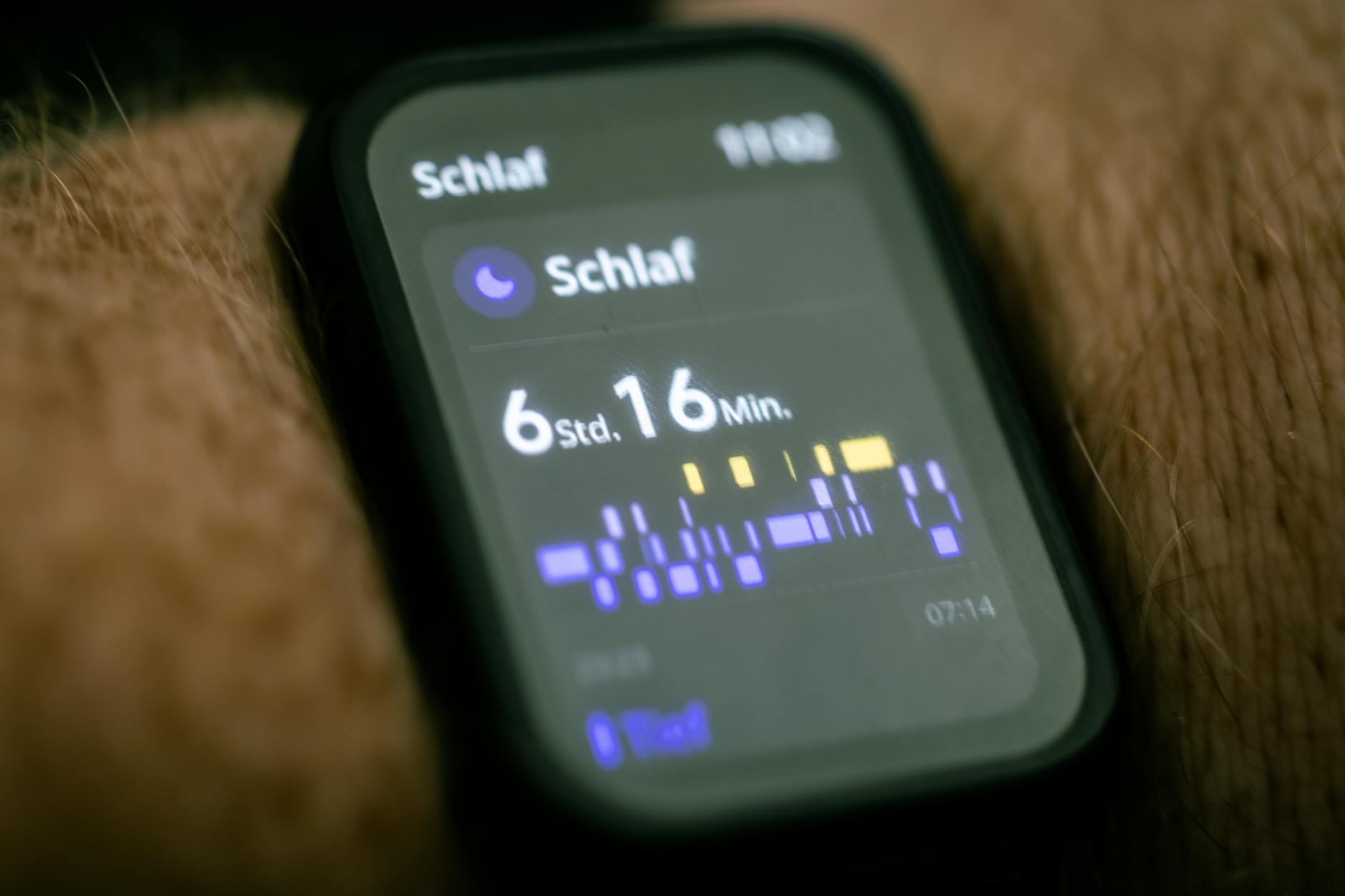
Photo by Patrick
What If the Only Thing Between You and the Life You Deserve Is a Hidden Wealth Code Waiting to Be Activated
>>> Open the Door <<<

Common Reasons Sleep Trackers Miss Deep Sleep
Sleep trackers guess stages based on subtle body signals. Heart rate drops low and steady in deep sleep, with little movement. But small errors throw off the math. Trackers do not measure brain waves like lab tests do, so they rely on patterns that can mislead.
Three main issues cause misses: poor device fit, lifestyle choices, and tech problems. Spot yours with a quick check. Look at last night’s data. Did heart rate spike oddly? Did you drink late? Old software might log everything as light sleep.
Poor fit tops the list. Bands slip during the night, creating fake motion that mimics wakefulness.
Habits shorten real deep sleep. Trackers record what happens, so less deep sleep means less to show.
Tech glitches scramble signals. Dirty sensors or bugs misread calm phases.
Fix these, and data improves fast.
How Device Fit Affects Sleep Readings
Deep sleep means you lie still. Trackers need steady contact for heart rate data. A loose band shifts, picks up arm wiggles, and flags deep time as restless.
Wear your tracker snug, about one finger’s width above the wrist bone. It should feel secure but not tight, like a proper seatbelt. Test it: clench your fist. The band should not slide much.
Check now. If it gaps or spins, tighten it before bed. Users fix half their deep sleep issues this way. One night with good fit often doubles logged deep time.
Lifestyle Factors That Hide Deep Sleep
Your tracker logs reality. If deep sleep skips due to caffeine or stress, it shows zero. Coffee after lunch lingers six hours, keeps heart rate up, delays deep rest.
Late dinners spike blood sugar. Blue light from phones tricks your brain into stay-awake mode. Stress revs you up too.
Audit your evening. Note intake after noon: drinks, food, screens. Shorten that list. Trackers then catch the deep sleep your body makes.
Software Glitches and Sensor Issues
Outdated apps use old math for sleep stages. Firmware bugs on the device ignore deep signals.
Sensors hate sweat or lotion. Grime blocks light or touch readers.
Wipe with a soft, dry cloth. Skip soap or water. Restart the app after cleaning. Fresh data flows better.
Fix Your Tracker Settings for Better Deep Sleep Data
Start here for quick wins. Most misses stem from simple oversights. Update everything first, then reset if needed. Set bedtime right so the app knows when to track.
Test one change per night. Compare data before and after. Fitbit users see deep sleep jump after firmware tweaks. Apple Watch owners fix Bluetooth hiccups for steady reads.
Follow these steps for your device.
- Open your phone’s app store.
- Search your tracker app, like “Fitbit” or “Oura.”
- Tap update if available.
- On the wearable, check settings for firmware updates. Charge it fully first.
Permissions matter. Go to phone settings, apps, your tracker app. Allow background refresh and Bluetooth always-on.
Restart your phone. Forget the device in Bluetooth settings, then re-pair.
Verify bedtime mode. In the app, set exact sleep and wake times. Enable auto-detect if unsure.
Run a test night. Data should sharpen.
Update Apps and Firmware Right Now
Patches fix sleep math. New algorithms spot deep drops better.
For Fitbit: App store, update app. In Fitbit app, tap profile, device, check for updates.
Apple Watch: Watch app on iPhone, General, Software Update.
Oura or Whoop: App notifications push firmware. Takes under five minutes.
Thousands of People Were Struggling With Money Until They Discovered This One Ancient Secret Hidden in Sound
>>> Unlock It Now <<<

Do this weekly. It solves 40 percent of tracking errors.
Reset and Recalibrate Your Device
Bluetooth jams from routers or Wi-Fi cause dropouts. Move your bed away from electronics.
First, unpair: App settings, forget device. Restart wearable and phone.
Re-pair fresh. Wear it all day to calibrate baseline heart rate.
Factory reset only if stuck: Hold buttons per manual, wipes data. Back up first.
Recalibration boosts deep sleep reads by 20 to 30 percent in tests.
She Pressed Play on a Strange Audio Track and Within Days Her Financial Reality Started Shifting in Ways She Could Not Explain
>>> See How It Works <<<
Boost Deep Sleep with Simple Habit Changes
Trackers shine when you give them real deep sleep to log. Habits build it naturally. Stick to changes for a week, watch data climb.
Your body craves routine. Cool rooms and calm eves trigger deep waves. Skip booze; it chops rest short.
Try one tip tonight. Log results. Energy follows accurate data.
Fixed schedule: Locks in deep cycles.
Room tweaks: Sets the stage.
Cut disruptors: Clears the path.
Set a Fixed Sleep Schedule
Go to bed and wake at the same time daily. Even weekends. Your internal clock syncs, deep sleep hits early and lasts.
Pick 10 p.m. to 6 a.m. if that fits work. Set two alarms: one for bed, one for rise.
Shift by 15 minutes nightly if needed. After three days, deep sleep logs grow. Feel it in morning focus.
Tune Your Bedroom for Deep Rest
Aim for 65 to 68 degrees Fahrenheit. Fans or AC help. Blackout curtains block street lights.
White noise machines drown traffic. Test earplugs if partner snores.
Check your mattress. Sags cut deep time. Flip it or add a topper. Optimal setup doubles deep hours.
Cut Evening Disruptors
No caffeine after noon. It hides deep sleep till dawn.
Screens off one hour before bed. Read a book instead.
Light dinner by 7 p.m. Skip heavy spices. Herbal tea winds you down.
Advanced Steps and When to Get Help
If basics fail, dig deeper. Compare nights with a partner’s tracker. Similar data? It’s your habits. Yours alone low? Device issue.
Export sleep logs from the app. Contact support: Fitbit forums, Apple chat, Oura email. Share graphs.
Old models struggle with deep reads. Upgrade to newer ones with better sensors.
Try mattress pads like Withings. They skip wrist noise.
Signs it’s fixed: Steady deep sleep 1 to 2 hours nightly, plus you feel rested. Trust the trend.
Conclusion
Check fit, update software, and fix habits to end sleep tracking not recording deep sleep. Start with your band and app tonight. Test for a week, note changes in energy and data.
Share your wins in the comments. What fixed yours? Subscribe for more health guides.
Accurate deep sleep data guides better rest. Sleep well, wake strong.
He Was Drowning in Bills and Burnout Until a Simple Daily Ritual Rewired His Brain for Wealth in Less Than a Week
>>> Start Your Shift Today <<<
