
What If the Only Thing Between You and the Life You Deserve Is a Hidden Wealth Code Waiting to Be Activated
>>> Open the Door <<<

Ever run into a situation where your phone can’t receive calls from one specific person, even though other calls come through just fine? This problem is more common than you might think and usually comes down to a few quick checks rather than a full reset. Most of the time, the fix is straightforward and within reach for both iPhone and Android users.
In this guide you’ll learn how to identify the cause, test different scenarios, and apply practical fixes that you can try in minutes. You’ll see exactly what to look for in settings, contact blocks, and network behavior, so you can move from mystery to clarity quickly. By the end, you’ll have a clear checklist you can reuse whenever this happens.
We’ll cover steps you can take on a smartphone right away, including simple tweaks that don’t require any special tools. The aim is to give you confidence and a clear path forward, whether you’re troubleshooting at home or on the go. Remember to avoid sharing sensitive personal information during troubleshooting, and keep your accounts and contacts secure throughout the process. This guide includes both iPhone and Android tips, with practical, everyday language you can follow.
Identify the cause: why a single contact can’t reach your phone
When one person can’t get through but everyone else can, the culprit is usually a small setting or a misread contact entry. This section walks you through the most common causes and quick fixes. You’ll learn where to look on both iPhone and Android, how to test changes, and what to verify so you can restore normal calling behavior fast. Think of this as a focused checklist you can run on your smartphone today.
She Pressed Play on a Strange Audio Track and Within Days Her Financial Reality Started Shifting in Ways She Could Not Explain
>>> See How It Works <<<

Check blocks on your device
Blocking is the typical culprit when a specific number disappears from your call list. Both major platforms offer multiple layers of blocking, so it helps to review them carefully. Here’s how to spot blocks on each platform and what to do if you find one.
- Per contact block: Some people may be saved with a block on the contact card itself. Open the contact, look for any options labeled Block or Block this Caller, and remove the block if present.
- Global block lists: Most phones provide a global reject list or a blocked numbers list. On iPhone, go to Settings > Phone > Blocked Contacts to see all numbers. On Android, open the Phone app, tap the menu (three dots) > Settings > Blocked numbers or Call blocking. Remove any number that should be allowed through.
- Third party apps: Call filtering or spam apps can block calls silently. Check any installed apps that handle calls or messages, such as spam blockers or security suites. In their settings, ensure your contact isn’t being filtered as spam or marked as unknown.
- Unblock and test: After you remove blocks, test with the same contact. If possible, have the other person call you from a number you can recognize to confirm the change took effect.
- Silent ringtone check: Some people save numbers with a silent ringtone. Open the contact’s details and verify the ringtone is not set to Silent. If it is, switch to a normal ringtone and save.
To keep things simple, take a few minutes to skim the blocks list on your phone and the apps you use for filtering. A quick unblock often fixes the issue without any further steps.
Review Do Not Disturb and call screening settings
Do Not Disturb, Focus, or call screening features can mute or route calls from specific people or unknown numbers. A single misconfigured setting can hide one contact while letting everyone else ring through.
- Focus or Do Not Disturb on iPhone: Settings > Focus. Check if a Focus profile is active and whether it is allowed to ring from Favorites or Contacts. If you see a rule that blocks your contact, disable it or adjust the allowed list. You can also schedule DND so it only blocks at certain times.
- Do Not Disturb on Android: Settings > Notifications > Do Not Disturb. Review which callers are allowed and whether calls from specific contacts are silenced. Adjust exceptions so your contact can ring through.
- Call screening features: Some devices offer call screening that routes unknown calls to voicemail. If this is enabled, a known contact may still be blocked or sent to voicemail if they’re not recognized. Check the call screening settings in the Phone app or system settings and disable or adjust as needed.
- Quick tests: After changing any DND or screening settings, ask the contact to call again. If you can, try calling yourself from a different line or have a trusted test contact call in so you can hear exactly how the call behaves.
- Default settings check: If you recently updated the OS or installed a new app, reset DND or screening to default and reapply your usual rules.
Keeping DND settings aligned with your needs helps you avoid surprises. A simple tweak can make your phone ring again with just one touch.
Verify the contact details and call format
Sometimes the problem is as simple as a mismatch in how the number is stored or dialed. A small difference in format can cause a call to misroute or not connect at all.
- Country and area codes: Ensure the number includes the correct country code if you are calling from outside the contact’s country. For example, +1 555 0100 in the United States. A missing or incorrect code can block the call.
- Saving numbers in the right format: Save numbers with the international code when you expect to call from abroad, and keep the local format for domestic use. Some devices treat spaces, dashes, or special characters differently. If a number is saved with unusual characters, consider removing them and storing a clean version.
- Test with a known good number: Have someone you trust send you a known working number in the correct format. Try calling that number to confirm your dialing method works.
- Confirmation from the other side: Ask the contact to confirm how they are dialing you. If they are using a contact card, verify their own entry and share the recommended format to ensure consistency.
- Practical quick check: Delete and re-add the contact with the correct details, ensuring the format matches your region. Then try a short test call.
By double-checking how the number is saved and dialed, you remove a common source of confusion. Small formatting mistakes can cause big call problems, especially when switching between countries or devices.
Inspect network and carrier factors
If only one contact has trouble reaching you, the issue may lie in how the network or carrier handles calls. This section covers practical checks you can perform on your phone and with your carrier to rule out network related blocks or restrictions. Stay focused on what you can test quickly and what you can ask your carrier to verify. A clear path helps you spot the root cause without lengthy tech support calls.
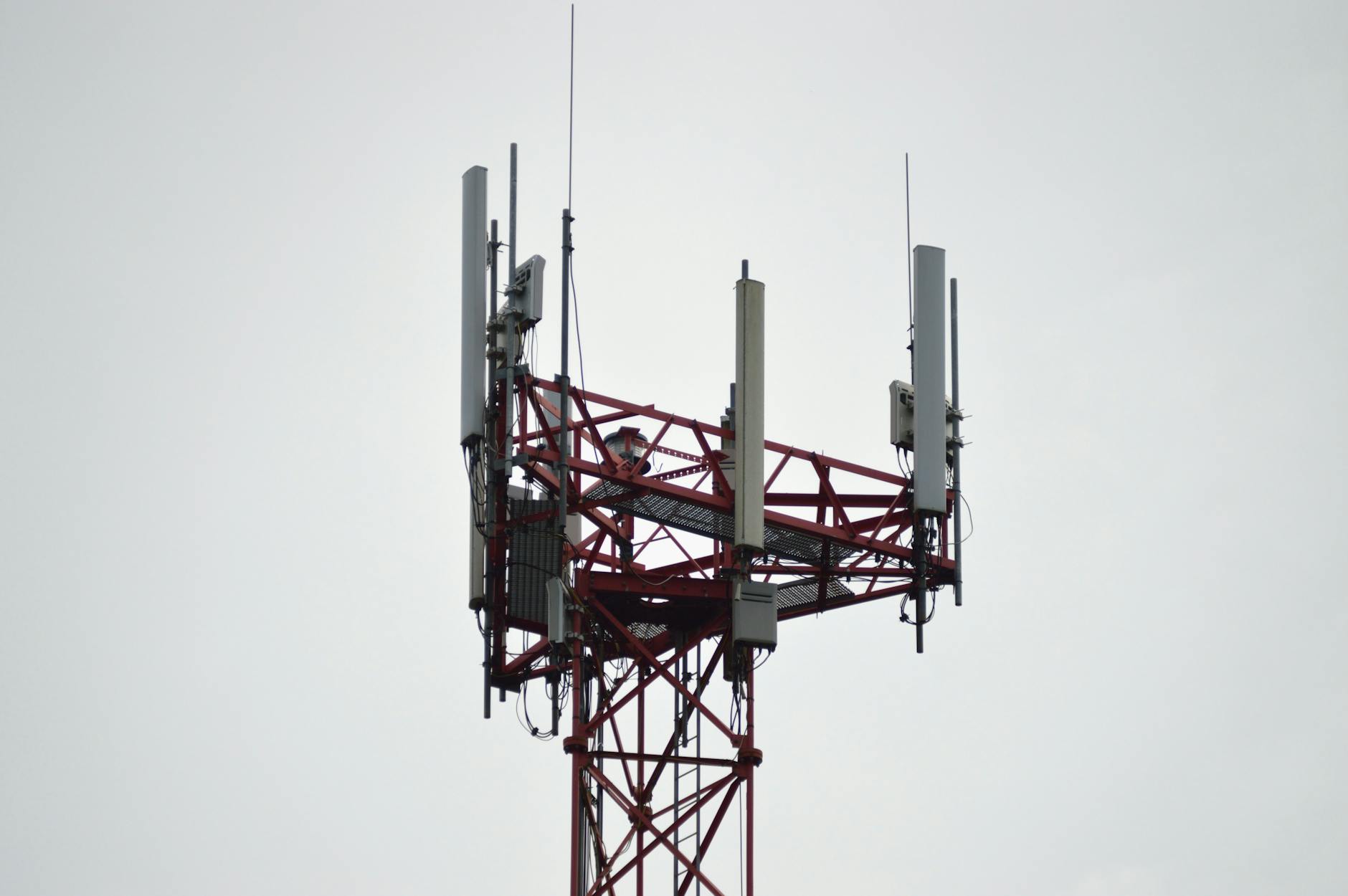 Photo by Miguel Á. Padriñán
Carrier level blocks and spam filters
Carriers sometimes block or filter calls from certain numbers or unknown callers. This can hide legitimate calls from your trusted contacts. Here are practical steps to review and resolve these blocks.
- Review carrier settings: Log in to your carrier account app or dashboard. Look for sections labeled Call Blocking, Spam Protection, or Unknown Call Rejection. If a specific number is flagged, remove it from the block list.
- Request whitelisting: If the contact is legitimate, request the carrier to whitelist the number. Provide the caller’s full number in international format, your account details, and the reason you’re requesting whitelisting.
- Check carrier messages and emails: Carriers often send alerts about blocks or changes in policy. Look for messages in the SMS inbox or emails from the carrier with instructions or status updates.
- Use a simple support script: When you contact support, present your situation clearly. Example script you can copy and paste:
- “Hi, I’m experiencing a blocking issue with a single contact. The number is +1 XXX XXX XXXX. Please verify if this number is on any block or spam filter on my line and remove it if applicable. If there is a carrier level filter, please whitelist this number. I have confirmed the contact can call other lines. I can provide any additional details you need.”
- Test after changes: Have the contact call you from a familiar number. If possible, have them call from a different line to compare how the call behaves.
Key takeaway: carrier level blocks are common culprits. A quick whitelist request and a review of carrier notices often restore normal dialing.
Review Do Not Disturb and call screening settings
DND, Focus, and call screening can quietly mute or reroute calls from specific people or unknown numbers. A misplaced rule can hide a single contact while others come through.
- Focus or Do Not Disturb on iPhone: Settings > Focus. Confirm an active profile and check if it allows calls from Favorites or Contacts. Disable or adjust the rule if needed.
- Do Not Disturb on Android: Settings > Notifications > Do Not Disturb. Review allowed callers and ensure the contact isn’t silenced. Add them to the exceptions list if necessary.
- Call screening features: Some devices screen unknown calls and route them to voicemail. Check the Phone app or system settings for screen options and disable or adjust as needed.
- Quick verification: After any change, have the contact call again. If available, test by calling from another line to hear how it’s treated.
- Reset if uncertain: If you recently updated the OS or installed a new app, revert DND or screening to default and reapply your rules gradually.
A small adjustment here can clear the path so your contact’s calls ring through normally.
Check message and call routing from the carrier app
Many carriers offer a companion app that handles call routing and spam settings. A misconfiguration in the app can block a single number even if your phone’s own settings are clean.
She Pressed Play on a Strange Audio Track and Within Days Her Financial Reality Started Shifting in Ways She Could Not Explain
>>> See How It Works <<<
- Open the carrier app: Look for sections like Calls, Spam, Protection, or Settings.
- Verify routing rules: Ensure there are no rules that drop or send your contact to voicemail.
- Review recent activity: Some apps show recent blocks or flagged calls. If you see the target number, mark it as legitimate.
- Reapply default routing: If you’re unsure what changed, restore default routing and test again.
If your carrier supports it, enabling a “no filtering” mode temporarily can confirm whether the issue is network or device related.
SECTION_IMAGE_CREDIT Photo by Miguel Á. Padriñán
Script for engaging carrier support quickly
When you call or chat with your carrier, speed up the process with a precise description. Use a short, factual message like this:
- “I need help with a call from +1 XXX XXX XXXX. My line shows this number as blocked or filtered on the network. Please check if there are any blocks, spam filters, or routing rules on my account that would affect this number. If needed, whitelisting this number should resolve the issue. I can provide any account details you require.”
Keep the tone polite and stick to the facts. If the agent asks for confirmation, provide the exact timestamps and the test results you observed.
When to escalate
If you don’t see any changes after carrier adjustments, escalate to a higher tier. Request a network trace or a service status check for your area. If mobility or roaming is involved, ask to review roaming settings and coverage on your account. Sometimes the root cause sits in a全国-wide outage or a regional maintenance window.
Bottom line: network and carrier factors are often the hidden blocker. A structured review with the carrier can reveal blocks, routing issues, or DND rules that you can fix in minutes. If you keep these steps in mind, you’ll move from confusion to clarity fast.
He Was Drowning in Bills and Burnout Until a Simple Daily Ritual Rewired His Brain for Wealth in Less Than a Week
>>> Start Your Shift Today <<<

Applied fixes you can try now
When a single contact can’t reach you, quick, practical fixes often fix the problem. This section provides targeted steps you can perform today, on either iPhone or Android. Work through each item and test after every change to confirm the result. Keep the process simple and incremental so you can spot what actually makes the difference.
Simple, quick fixes you can do today
Start with the basics. These small checks often resolve the issue without touching deeper settings.
- Restart the phone: A quick reboot clears minor glitches. After restart, ask the contact to call you again and note whether the call comes through.
- Update apps and OS: Install any pending updates for your phone system and calling apps. After updating, test again with the same contact.
- Toggle airplane mode: Turn on air plane mode for about 15 seconds, then turn it off. This resets radio connections. Have your contact try calling right after the toggle.
- Recheck blocked numbers: A blocked entry is a common culprit. Review blocked lists on your device and remove the contact if needed. Test by calling from another line to verify.
- Verify voicemail behavior: If your carrier forwards or sends calls to voicemail, confirm your voicemail is active and accessible. Have the contact test calling and leaving a voicemail if appropriate.
- Try calling from another phone: Use a different device to call your number. If that call goes through, the issue is on the caller side or your device’s reception for that line.
If you see any improvement after a step, you’ve likely found the trigger. Move on to the next item only if the issue persists.
Deeper network and software adjustments
If the quick fixes don’t solve the problem, it’s time to widen the lens. These adjustments address network behavior and software that might block a single contact.
- Reset network settings: This resets Wi‑Fi, Bluetooth, and cellular preferences without touching your data. After the reset, reconnect to networks and test the call again.
- Check carrier settings updates: Carriers push updates to improve call routing and features. Install any available carrier settings updates and re-test.
- Clear call log clutter: A long list of missed or blocked calls can sometimes confuse how the phone handles a new incoming call. Clear old entries and test with the contact.
- Ensure there is no active call forwarding: Forwarding rules can bypass the normal network path. Verify that call forwarding is off for your line and test the contact again.
- Back up before resets: If you decide to reset network settings, back up important data first to avoid loss.
- Safe, steps-first approach: If you’re unsure about a step, perform it and test the result before moving on. This keeps you in control and reduces risk.
During testing, keep the contact on standby and use a familiar number to compare how the call is treated. Small changes to network settings often yield big improvements.
Check voicemail and routing behavior
Voicemail and call routing can hide a legitimate caller if the system routes them away from your ring screen.
- Review voicemail settings: Confirm that you have voicemail active and that it’s not set to require callers to leave a voicemail after a long ring time. Ask the contact to call and listen for any voicemail prompts.
- Inspect call routing rules: Some devices allow routing based on conditions like caller ID or contact groups. Ensure no rules route this contact to another destination.
- Test with a known-good number: Have a trusted contact test with a number you know is configured correctly. If that test passes, the issue likely lies with the problematic contact’s number or format.
- Confirm ringtone assignment: A contact can be saved with a silent ringtone. Open the contact and verify the ringtone is not Silent. If it is, switch to a normal tone and test again.
If these steps change how the call behaves, you’ve pinpointed the routing or voicemail as the root cause.
Inspect device and app permissions
Sometimes a misconfigured permission can stop calls from specific contacts or in certain apps.
- Check calling permissions: Ensure your calling app has permission to access contacts and phone functions. Revoke and regrant permissions if needed, then test.
- Review third party call blockers: Security suites or spam filters can block certain numbers. Disable or adjust settings to allow your contact’s number through.
- Examine notification settings: Some devices mute an incoming call notification for certain apps. Ensure that the Phone app is allowed to alert you when a call arrives.
With permissions aligned, the path from the carrier to your speaker should be clear again.
When to consider a reset or refresh
If the problem stubbornly persists after numerous checks, a deeper refresh might be necessary. This is rarely the first move, but it can be the fastest way to restore proper behavior if software corruption or complex misconfigurations are at play.
- Factory reset as a last resort: A reset returns the device to its original state. It erases apps, data, and settings, so back up first.
- Fresh OS install: A clean install can remove stubborn software glitches. This is more technical and usually requires a computer or vendor tool.
- Weighing the risks: The upside is a clean slate; the downside is potential data loss and a longer recovery time. If you choose this path, follow official instructions precisely and keep your backups up to date.
- Simple decision tree to decide if reset is right for you:
- Have you backed up essential data? If no, back up now.
- Have you tried all standard fixes? If yes, consider reset.
- Is the problem isolated to one contact or occurs with all calls? If it’s only one contact after many tests, a reset may help but isn’t required.
- Are you comfortable restoring apps and settings after reset? If yes, proceed with caution.
- Can you afford temporary downtime? If not, postpone reset and revisit steps later.
A reset can restore normal behavior when software has become unstable. If you choose this route, plan for a calm, step‑by‑step re setup and a test after each major restoration.
Image credit: Photo by Miguel Á. Padriñán on Pexels
Photo by Miguel Á. Padriñán
Preventing future issues and final verification
After you’ve fixed the immediate problem, the best move is to prevent it from happening again. A simple, repeatable routine helps you catch issues early and keep your phone reliably reachable. This section lays out a practical test plan you can follow any time you make changes, plus a set of preventive tips to keep your calls flowing smoothly.
 Photo by Kelvin Valerio
Create a reliable test plan
A clear test plan turns changes into measurable results. Use this routine after any adjustment to confirm you’ve resolved the issue and to spot new problems early.
- Step 1: Test with the problematic contact
- Have the person call you from their usual line.
- Note whether the call rings, goes to voicemail, or is blocked.
- Record the outcome in a simple log with the date and time.
- Step 2: Test with a known good contact
- Call from a contact you know is working well on your line.
- Confirm you can receive the call and that audio and notification behave normally.
- Compare results with the first test to identify any changes.
- Step 3: Test with different call types
- Try a regular voice call, a video call, and a SIM-based call if available.
- See if any type behaves differently for the same contact.
- Step 4: Check messaging and voicemail flow
- Have the problematic contact text or leave a voicemail if possible.
- Verify that messages arrive and that voicemail prompts function as expected.
- Step 5: Document anomalies
- Note any unusual behavior such as delayed ringing, partial audio, or changes after a reboot.
- Attach screenshots or brief notes about app or OS versions.
- Step 6: Re-test after each change
- Make one change at a time, then repeat the entire test plan.
- If a single change resolves the issue, you’ve confirmed the cause and saved yourself time in the future.
A simple log makes it easier to spot patterns. If the problem returns, you’ll know which change helped last time and can apply it again.
Preventive tips and best practices
Keeping your phone in good shape reduces the chance of future call issues. Use these practical habits to maintain smooth operation over the long term.
- Schedule periodic reviews of blocks and DND settings
- Look at blocked numbers and do-not-disturb rules every month or after major OS updates.
- Remove any entries that should be allowed to ring through.
- Keep software up to date
- Install OS updates as soon as they’re available. These patches often fix known call routing issues.
- Update calling and messaging apps to ensure compatibility with the latest network features.
- Maintain clean contact lists
- Regularly review contact entries for duplicates or old numbers.
- Use a consistent format for all contacts, including international dialing where needed.
- Back up important data
- Create a backup of contacts and critical settings before making major changes.
- Store backups securely so you can restore quickly if something goes wrong.
- Validate carrier notifications
- Check for carrier messages about network changes, blocks, or outages.
- If you see any alerts, follow the recommended steps and test again.
- Keep a simple, repeatable workflow
- Create a short checklist you can reuse after any troubleshooting session.
- Use the same test contacts and steps so results stay comparable over time.
- Know when to escalate
- If issues persist after all basic checks, contact support with a concise report.
- Share the test plan results, the exact times of tests, and the configurations you changed.
A routine that blends quick checks with deliberate testing helps you act confidently. By keeping your phone’s settings aligned and your contact lists tidy, you reduce the likelihood of this problem slipping back into your day.
Tips to apply these practices in real life
- Make it a habit to test after every OS update. You’ll catch quirks before they cause real frustration.
- Keep a preferred test contact you can rely on for quick checks.
- Use a small, dedicated notebook or digital note for your test log. It will save you from repeating steps and guessing what happened.
Taking a proactive approach to prevention gives you peace of mind. When you know what to look for and how to test it, you’ll stay ahead of call issues and keep your conversations flowing.
Conclusion
Troubleshooting this issue is about quick checks and careful testing. Revisit blocks, Do Not Disturb, and carrier routing first, then test with the problematic contact and a known good number using your smartphone. Keep the step by step plan handy so you can reuse it for future issues. If this guide helped you, share your experience in the comments or subscribe for more practical troubleshooting tips.
There Is a Frequency That the Wealthiest Families Have Used for Generations and Most People Will Never Know It Exists
>>> Open the Door <<<
