
Thousands of People Were Struggling With Money Until They Discovered This One Ancient Secret Hidden in Sound
>>> Unlock It Now <<<

Ever wondered how a simple habit on your phone could reveal how you feel each day? Mood tracking is a straightforward way to notice patterns in your emotions, so you can respond rather than react. With your smartphone as a gentle daily companion, you gain clarity without extra work.
This guide shows you what mood tracking is, why it matters, and what you’ll learn. You’ll see how small, consistent entries can uncover triggers, cycles, and better paths to calmer days. We’ll cover practical steps you can start today, using apps and built in features you already have.
You’ll also learn how to pick the right approach for you. From quick daily taps to deeper reflections, there’s a method that fits your routine. By the end, you’ll have a simple plan to turn mood data into real, useful insights, helping you feel more in control and connected to your days.
Choosing the best mood tracking method on your phone
Finding the right mood tracking method is about matching your daily routine with a system that feels effortless. Your phone can be a reliable ally, offering quick taps, subtle reminders, and automatic data syncing that travels with you through every part of the day. Below are practical considerations and quick decision tips to help you pick a setup that sticks.
What If the Only Thing Between You and the Life You Deserve Is a Hidden Wealth Code Waiting to Be Activated
>>> Open the Door <<<

Why use your phone for mood tracking
Using your phone for mood tracking brings several clear advantages. First, it’s portable. You can log a mood during a coffee break, between meetings, or right after a workout without reaching for a journal. Second, logging is fast. A few taps or a short note capture your state without turning into a long, mood-suppressing task. Third, data sync happens automatically. Entries travel to the cloud and back to your other devices, so your history is always available whether you’re on your phone, tablet, or computer.
A phone also creates opportunities to associate mood with context. When you log, you’re not just noting a feeling—you’re recording the moment, location, activity, or app you were using. This makes it easier to spot patterns over days or weeks. Think of your phone as a constant companion that quietly helps you understand yourself better.
For those who want built-in options, Apple Health on iPhone offers mood tracking features that live alongside other wellness data. It’s convenient because you don’t need a separate app to log your state of mind, and you can view trends over time. If you’re curious about what built-in tools can do, it’s worth exploring how mood data ties into your overall wellness dashboard. Learn more about this integration in the linked resources below.
Related reads:
- Log your state of mind in Health on iPhone. https://support.apple.com/guide/iphone/log-your-state-of-mind-iph6a6decb13/ios
- iOS 17 mood tracking and journaling notes. https://www.macrumors.com/how-to/track-mood-with-apple-health/
Photo by Artem Podrez on Pexels
Best mood tracking apps vs built-in tools
There are two broad paths you can take: standalone mood apps and built-in health tools. Each has strengths, so your choice depends on how you prefer to log, view, and export data.
- Standalone mood apps: These apps focus squarely on mood tracking with fast entry, flexible prompts, and rich visualizations. They’re ideal if you want quick emoji taps, brief notes, or activity associations. Look for apps with simple onboarding, a clean diary-style interface, and easy export options so you can save or share your history if needed. Example features to consider include daily reminders, customizable mood scales, and activity tagging. Some popular options also offer mood insights based on patterns over time.
- Built-in health tools: These tools live in your phone’s core health ecosystem. They’re excellent if you value a unified health view and privacy baked into the platform. You’ll often get seamless syncing with other wellness data, fewer apps to manage, and backup through your device’s cloud account. They are typically easier to maintain long term since you don’t need to install new apps or manage separate logins. If you already use Health or a similar system, you can start tracking moods without extra setup.
Key decision factors to weigh:
- Ease of use: Do you prefer a quick tap every day or a short journaling session? Standalone apps often excel at speed, while built-in tools reduce setup friction.
- Data privacy: Check what data is stored, where it’s stored, and who can access it. Built-in tools may offer stronger default privacy, while third-party apps vary.
- Export options: If you want to share findings with a therapist or keep a personal backup, an app with easy export is valuable.
- Reminders: Regular prompts help build consistency. Decide whether you want gentle nudges or a hands-off approach.
- Smartphone integration: A method that plays well with other apps and features on your phone can save time and boost adherence.
If you’re unsure where to start, a practical approach is to try a single simple setup for a couple of weeks. For a quick example, you might begin with a single emoji mood log and a short note about context. If you want deeper insights, you can add journaling or activity tracking later. For those who rely on a robust ecosystem, consider starting with a built-in option and then gradually introduce a standalone app if you want more customization.
Useful reads on mood tracking options:
- Best mood tracker apps with strong daily entry features. https://www.vantagefit.io/en/blog/best-mood-tracker-apps/
- Best mood tracking apps of 2025 overview. https://mood-tracker.net/
- Mood tracking app comparisons with feature lists. https://lumejournalapp.com/the-best-mood-tracker-apps-in-2025/
Photo by Artem Podrez on Pexels
How to pick the right setup for your routine
Choosing a setup that fits your day makes mood tracking sustainable. Use this quick decision guide to tailor a system that sticks.
- How much time do you want to spend each day?
- If you travel or have a tight schedule, aim for a one-tap mood log with optional quick notes.
- If you like reflection, incorporate a 2–3 minute journaling prompt after your mood tap.
- Which data matters most to you?
- Quick mood plus a few context signals (location, activity) can reveal patterns without being time consuming.
- A daily diary entry can provide richer detail for rare mood fluctuations.
- Do you want journaling or just emoji taps?
- Emoji taps are fast and unobtrusive, great for consistency.
- Journaling provides narrative context that can deepen understanding over time.
- Should you start with a simple setup and expand later?
- Yes. Begin with one method, then add reminders, widgets, or extensions when you’re ready.
- Consider a smartphone widget or home screen reminder
- A widget or notification can serve as a silent cue to log your mood, especially on busy days.
- Use a reminder that appears at a predictable time each day or after a consistent activity, like finishing a workout.
A practical starter plan:
- Day 1 to Day 14: One-tap mood with a short optional note.
- Week 3: Add a daily brief journaling prompt or tag a key activity.
- Week 5: Introduce a widget or reminder, and review your mood trends for insights.
If you want to explore built-in options, Apple Health offers mood tracking that integrates with your broader wellness data. This approach can simplify setup and provide a clear, consolidated view of your mood alongside sleep, activity, and heart rate. For those who prefer third-party apps, look for simple interfaces and clear export options to keep your data portable.
- Apple Health mood tracking overview: https://support.apple.com/guide/iphone/log-your-state-of-mmind-iph6a6decb13/ios
- Mood tracking app comparisons with feature highlights: https://www.macrumors.com/how-to/track-mood-with-apple-health/
Photo by Artem Podrez on Pexels
This section provides a concise, practical path to selecting a mood tracking method that fits your daily life, with actionable steps and trusted references to help you decide between built-in tools and standalone apps. Use the links above to explore specific options and pick the setup that feels easiest to keep up with over time.
Getting your phone ready for mood tracking
Preparing your phone for mood tracking means setting up privacy, data safety, and a simple routine that fits your day. When you know what to adjust and where to log, you can keep a steady cadence without thinking twice. This section walks you through three practical subsections to get you started confidently.
Privacy and permissions you should know
Choosing the right mood tracking setup starts with understanding what data your apps access. Some permissions matter for a smooth log, while others are not essential for mood tracking itself. For instance, storage access helps apps save your mood history and exports, while notifications can remind you to log at your chosen time. Microphone and camera access are only necessary if you plan to add voice notes or photos to your entries.
- What to authorize: Storage for saving data and backups, and notifications for reminders. These enable consistent logging and easy data recovery if you switch devices.
- What to skip or limit: Microphone or camera access should only be granted if you intend to capture audio notes or pictures as part of your entries.
- Review privacy policies: Each app may use data differently. Look for clear statements about what is collected, how it is used, and whether data is shared with third parties.
- Minimize data collection: Favor apps that store data locally on your device or offer transparent export options. Built-in tools on your phone can also provide robust privacy controls.
- Use your phone’s privacy controls: Go to Settings to manage permissions, disable unnecessary access, and review which apps have what rights.
Helpful resources to explore permissions and privacy settings:
- Android privacy settings and permissions: https://www.android.com/intl/en_us/safety/privacy/
- How to manage permissions on mobile phones: https://oit.utk.edu/security/learning-library/article-archive/managing-permissions-on-mobile-phones/
- Change app permissions on your Android phone: https://support.google.com/android/answer/9431959?hl=en
- How to set up privacy settings on iPhone and Android: https://myla.training/general/how-to-set-up-appropriate-privacy-settings-on-iphone-and-android/
When you pick an app, skim its privacy section before installing. If a service asks for more data than you’re comfortable sharing, choose a different option. Your goal is a calm, trustworthy data flow that respects your boundaries.
Set up backups and data export
Your mood history is personal data you’ll want to protect. Setting up regular backups and easy export ensures you can move to a new device or switch apps without losing years of entries.
- Cloud backups: Most mood apps offer automatic cloud backups. This makes data available across devices and protects you if your phone is lost or damaged.
- Local exports: Some apps provide CSV or PDF exports stored on the device or shared via email. This is handy for sharing with a therapist or keeping a personal archive.
- Simple steps to back up: In most apps, open Menu or Settings, choose Backups & Data, and select your preferred method. On iOS, you can often back up to iCloud; on Android, you can back up to Google Drive.
- Keeping data safe on your phone: Use a strong screen lock, enable device encryption, and regularly review app permissions so backup services don’t access more data than needed.
Practical export options you’ll encounter:
- Moodistory: Backups and data export paths via cloud or local backups (check “Backups & Data” in the app menu). https://moodistory.com/moodistory-faqs/
- eMoods data export: Importing and exporting your mood data with options for iOS and Android. https://help.emoodtracker.com/article/20-importing-exporting-your-emoods-data
- CSV or PDF exports from mood tracking apps: These formats make it easy to archive or share your history. See examples in various app documentation like Emotly or iMoodJournal facilities. https://emotly.app/faq/
A simple routine for backups:
- Week 1: Enable automatic cloud backups and confirm a successful save.
- Week 2: Do a manual export to a local file or email a copy to yourself.
- Week 5: Verify you can restore from a backup on another device.
Tip: Keep your backup folder organized with a clear label like “MoodData_YYYYMMDD.” This helps you locate entries quickly if you ever need them.
Create a simple daily routine
A steady routine is the backbone of reliable mood tracking. Start small, then grow as you feel comfortable. The goal is consistency, not perfection.
- One-tap log plus quick context: Log your mood with a single emoji or a short, two to three word note about context (where you were, what you were doing).
- A brief daily review: Spend 1 minute reviewing yesterday’s entry. Note any patterns or notable triggers.
- A weekly check-in: Set aside 5 minutes to look for trends across the past week. Consider whether certain activities, people, or times of day coincide with mood changes.
- Daily reminders that fit your rhythm: Use your phone’s reminder feature or a calendar alert to prompt logging at a predictable time.
Concrete starter plan you can try:
- Days 1–14: One-tap mood log with a short note about context.
- Week 3: Add a 2–3 minute journaling prompt after your mood log.
- Week 5: Introduce a daily reminder on your phone and do a weekly mood review.
Practical reminder ideas:
- Morning cue: “Log mood after coffee.”
- Evening cue: “Log mood before bed and note what shaped it today.”
- Activity-linked cue: “Log mood after your workout or commute.”
If you want to explore built-in options, Apple Health can track mood alongside sleep, activity, and heart rate. This approach keeps your data in one place, reducing the overhead of managing multiple apps. For those who prefer third-party options, aim for apps with clear export options and a clean, simple interface to minimize friction.
Helpful resources for backups and daily routines:
- Moodistory FAQs for backups and data management: https://moodistory.com/moodistory-faqs/
- Importing/Exporting your mood data with eMoods: https://help.emoodtracker.com/article/20-importing-exporting-your-emoods-data
- Habit tracking apps that support reminders and mood tracking: https://zapier.com/blog/best-habit-tracker-app/
This section helps you lock in a privacy-conscious, reliable way to log moods with your phone, while keeping data portable and protected. Use the linked resources to tailor the setup to your needs and comfort level, then implement a routine that will keep your mood insights flowing day after day.
Log moods in a simple, effective way
Logging moods should feel effortless, not like a chore. The goal is to capture enough context to spot patterns without bogging you down. A simple, repeatable process on your phone helps you stay consistent and makes insights clearer over time. Use quick taps, lightweight notes, and gentle prompts to keep logging a natural part of your day.
What to log: mood, energy, sleep, triggers
Keep the core data points small but powerful. These are the entries that reliably correlate with mood shifts and help you map cycles over days or weeks.
- Mood rating: Use a simple scale (for example, 1–5 or 1–10) or emoji to capture how you feel.
- Sleep quality: Note hours slept and how rested you felt on waking.
- Energy level: Log energy on a short scale (low, medium, high) or with a 1–5 rating.
- Triggers and context: jot quick notes about events, people, or activities that might influence mood.
- Daily stressors: Identify a primary stressor or rate overall stress for the day.
- Quick notes: A two to three word context helps without becoming a diary entry.
Tips to keep it simple:
- Use one-tap mood choices and a short phrase for context.
- Pair mood with a tiny bit of context like “commute,” “late meeting,” or “workout.”
- Rely on smartphone quick log tools rather than full journaling every day.
Example log entry:
- Mood: 4 (glad)
- Sleep: 7 hours, felt rested
- Energy: 3/5
- Trigger: stressed about project deadline
- Context: after gym, afternoon meeting
For further guidance, see resources on mood tracking charts and templates that highlight how these basic data points predict mood changes. Helpful reading includes overviews of mood charts and how to translate data into practical insights, such as this guide on tracking patterns over time.
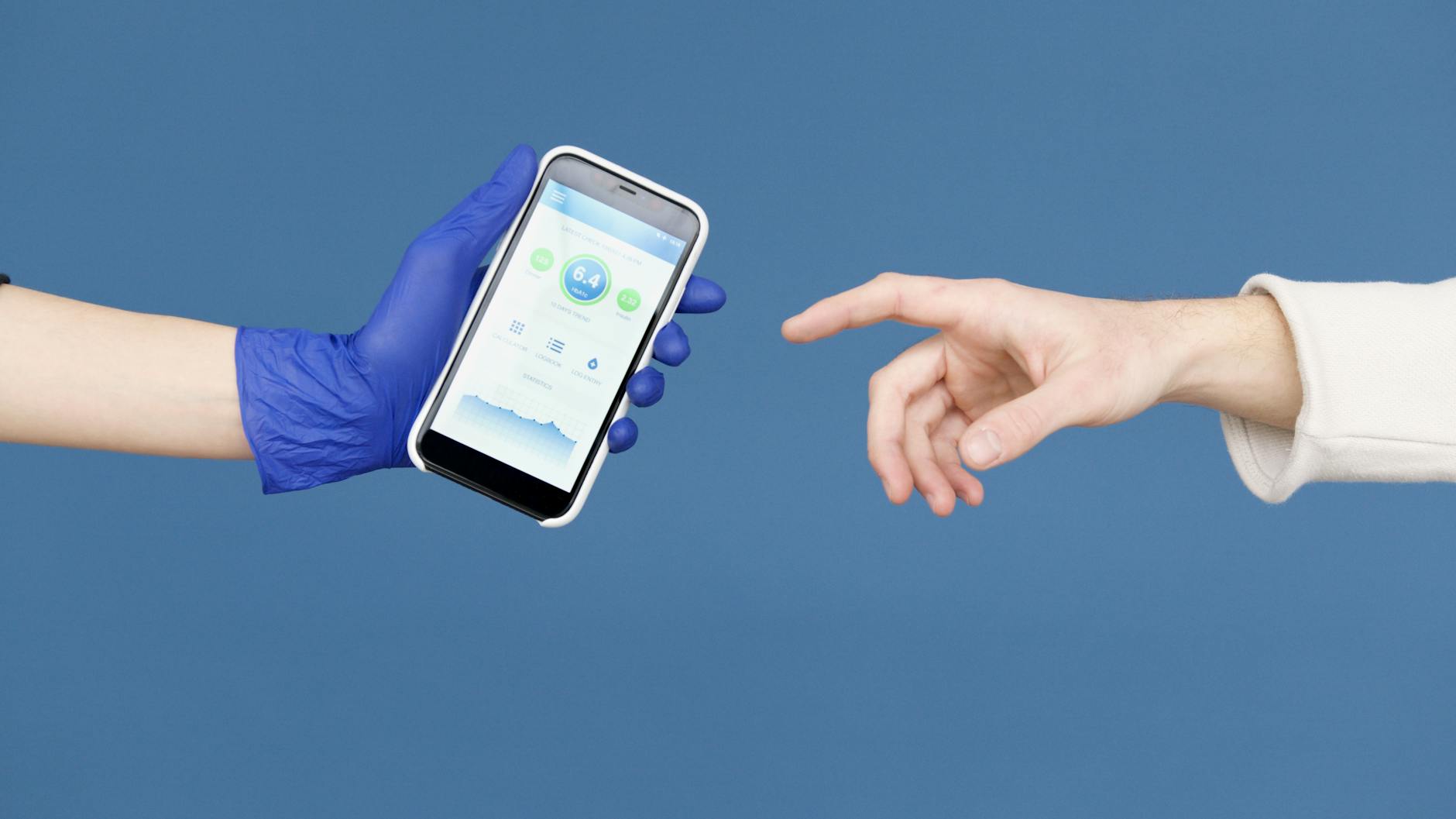 Photo by Artem Podrez
When to log and how often
Consistency matters more than frequency. A predictable cadence helps you see patterns clearly and reduces data gaps that blur trends.
- Daily at a set time: Log once a day at roughly the same time to build a stable baseline.
- Optional spot checks: A quick mood tap during the day can catch fluctuations without interrupting your routine.
- Use reminders: Smartphone notifications keep you on track, especially when life gets busy.
Why a regular routine works:
She Pressed Play on a Strange Audio Track and Within Days Her Financial Reality Started Shifting in Ways She Could Not Explain
>>> See How It Works <<<

- It creates clearer patterns you can trust.
- It reduces the guesswork about when mood shifts happen.
- It helps you distinguish temporary dips from real trends.
Starter cadence:
- Day 1 to Day 14: One-tap mood log with a brief context.
- Week 3: Add a short note about a key activity or emotion.
- Week 5: Introduce a daily reminder and review weekly trends.
If you want to deepen the view, you can pair mood with sleep and activity data from built-in health tools or a trusted app. This can provide a unified picture of how rest, exercise, and mood relate to each other.
External reads for timing and habits:
- Best habit tracker apps to support daily logging. https://clockify.me/blog/productivity/best-habit-tracker-apps/
- Mood tracking apps overview and comparisons. https://verywellmind.com/best-mood-tracker-apps-5212922
Photo by Artem Podrez on Pexels
Using prompts and automation to help logging
Prompts and automation reduce friction and keep entries consistent. The idea is to answer with a quick, repeatable format that fits into your day.
- Prompts that work:
- “Mood now, 1–5.”
- “Best/worst moment today in two words.”
- “Sleep last night (hours) and energy today (1–5).”
- Templates to save time:
- Daily mood log: Mood, Sleep hours, Energy, Primary trigger, Quick note.
- Evening reflection: Mood trend today, Notable trigger, How I responded.
- Automation options:
- Reminders: Daily alert at a fixed time.
- Shortcuts or widgets: One-tap log right from the home screen.
- Auto-fill contexts: Pre-fill common locations or activities to minimize typing.
Why prompts help:
- They keep entries fast and consistent.
- They reduce cognitive load during busy days.
- They make data easier to scan when you look back.
Keep prompts simple and answerable on a smartphone. If you notice you’re spending more time typing than logging, trim the prompts even more and favor emoji or color scales. For a deeper dive into how prompts shape mood data, check out mood tracking analyses and templates from practitioners and researchers.
External links for prompts and templates:
- Mood log templates and prompts. https://s10.ai/blog/daily-mood-log-template
- Daily mood charts and practical templates. https://positivepsychology.com/mood-charts-track-your-mood/
Photo by Artem Podrez on Pexels
This section provides a concise, practical path to logging moods with your phone, using simple data points, a steady cadence, and helpful prompts. Use the linked resources to tailor a setup that feels easy to maintain, then implement a routine that yields meaningful patterns over time.
From data to change: using insights to improve daily life
Turning mood data into real life changes starts with a simple idea: look for patterns, test small changes, and measure the impact. Your phone can help you collect the right signals with minimal effort. When you treat data as feedback, you can spot what helps and what doesn’t, then adjust your routine accordingly. This section shows how to read mood charts, connect mood to daily activities, and set tiny goals that move the needle.
Reading charts and patterns
Mood charts are more than pretty graphs. They’re a map of everyday life, highlighting when and why your mood shifts. Start with two practical ideas: daily mood bars and trend lines. A one to five scale or emoji log gives you a quick snapshot each day. Over time, trend lines show upward or downward movements that you can interpret.
- Spotting patterns after activities: If a dip appears after late meetings, long commutes, or screen-heavy evenings, you’ve found a potential trigger. Conversely, consistent rises after workouts or quiet evenings point to helpful habits.
- Sleep as a mood predictor: Nights with short or poor sleep often precede lower mood the next day. Look for lag effects—does mood improve a day after a good night’s rest or only after two nights of solid sleep?
- Time-based patterns: Weekdays can look different from weekends. A pattern might show higher mood on days with sunlight or lower mood after back-to-back screens.
To make patterns easier to see, translate data into simple visuals. Use color-coded bars for mood each day and overlay a light trend line. If you’re using a mood app, many include these views by default. When reading charts, ask yourself these quick questions: What happened the day before a mood drop? What consistent activity shows up on good days? Which days deviate, and why?
For deeper guidance on mood charts, you can explore practical templates and templates from practitioners. For example, mood chart resources help you translate raw numbers into actionable insights. If you want to see real world examples, check mood-tracking references that explain how charts reveal triggers and cycles.
Helpful reads:
- Mood charts track your mood to identify patterns. https://positivepsychology.com/mood-charts-track-your-mood/
- Mood tracking app comparisons with feature lists. https://lumejournalapp.com/the-best-mood-tracker-apps-in-2025/
A quick note on reliability: start with consistent inputs. Even a small, regular log beats sporadic, scattered entries. The more dependable your data, the easier it is to see genuine patterns and avoid chasing noise.
Linking mood with daily activities like sleep, exercise, sunlight
Mood does not exist in a vacuum. Sleep quality, physical activity, and light exposure all play major roles. Understanding these connections helps you design small experiments that fit your life.
- Sleep quality: When you sleep well, morning mood tends to be steadier. Poor sleep can amplify stress and irritability. Test this by tracking a few nights of better sleep and noting any mood changes the next day.
- Exercise: Light to moderate activity often lifts mood, especially when you pair it with fresh air or sunlight. Try short, regular workouts and watch for mood shifts within 24 hours.
- Sunlight and natural light: Regular exposure to daylight helps regulate circadian rhythms and can improve mood. A quick test is to log days with outdoor time versus indoor time and compare mood outcomes.
Simple at-home tests you can run with just your phone:
- Sleep-mood test: Record sleep duration and quality for a week, then compare to your mood scores each day.
- Movement-mood test: Add a 10 minute walk on certain days and see if mood improves the same day or the following day.
- Light-mood test: Spend 15 minutes outdoors in the morning and log mood after. Compare to days with little natural light.
How to track these links in practice:
- Sleep data is often available from built-in health tools. You can pair sleep quality with mood entries to see direct correlations.
- Exercise and movement data from your phone or a wearable can enrich mood views with activity context.
- Light exposure can be inferred from outdoor time or daylight sensor data, if your app supports it.
If you want more authoritative context on how natural light and exercise influence mood, a few reputable sources discuss these links and offer practical tips for daily life. For instance, studies on light exposure and mood show measurable benefits, and health centers often publish easy ways to increase daily sunlight safely.
External reads to explore:
- Effects of exercise with or without light exposure on sleep and mood. https://pmc.ncbi.nlm.nih.gov/articles/PMC4241899/
- Being in natural light improves mood and happiness. https://www.uclahealth.org/news/article/being-in-natural-light-improves-mood-increases-happiness
- 3 ways getting outside into nature helps health. https://health.ucdavis.edu/blog/cultivating-health/3-ways-getting-outside-into-nature-helps-improve-your-health/2023/05
Smartphone habit changes can make these tests easy to run. For example, log a quick mood and then note whether you spent time outside, slept well, or moved your body. When the data points line up, you’ll see a clearer picture of what supports your mood.
Setting small, trackable goals
Big changes can feel overwhelming. Start with tiny, trackable goals that you can actually hit. The key is to choose actions that are easy to fit into your day and that you can measure in your mood app.
- Add a 10 minute walk most days: A short walk can lift mood and improve sleep quality if done regularly.
- Improve sleep by 15 minutes: Tweak your wind-down routine or switch your bedtime slightly earlier to see mood changes.
- Write a brief reflection twice a week: A short snapshot can reveal patterns you might miss with emoji logs alone.
How to track these goals in your mood app:
- Create a simple tag or note for each goal and assign it to the day you complete it.
- Use a weekly review to compare mood with goal completion and note what helped most.
- Look for correlations between goal adherence and mood stability across the week.
A practical starter plan:
- Week 1: One easy goal, such as a 10 minute walk on most days.
- Week 2: Add a 15 minute sleep tweak and a brief reflection twice weekly.
- Week 4: Start a weekly mood review that also checks progress toward goals.
Tips to stay on track:
- Keep goals concrete and time-bound. A clear target makes it easier to log and measure.
- Tie your goals to daily routines. Pair them with a trigger like after lunch or before bed.
- Use reminders on your phone to nudge you without nagging.
If you’re using built-in tools on your phone, you can often set up reminders that align with your routine and feed data back into your mood history. For those who prefer third-party apps, look for features that let you tag activities and export your results so you can share with a therapist or coach.
External reads to help with goal setting and tracking:
- Best habit tracker apps to support daily logging. https://clockify.me/blog/productivity/best-habit-tracker-apps/
- Mood tracking app comparisons with features that matter. https://verywellmind.com/best-mood-tracker-apps-5212922
This section shows how small, deliberate actions can become meaningful mood improvements. By tracking progress and reviewing results, you turn data into a practical plan that fits your life instead of adding another task to your day.
Privacy, safety, and staying in control
Tracking your moods on a phone is a powerful practice, but it only stays helpful if your data feels safe and under your control. This section breaks down practical privacy basics, how to stay calm if data starts to feel overwhelming, and clear steps to delete or export your mood history. You’ll learn to balance insight with boundaries so logging remains a healthy habit rather than a source of anxiety.
What If the Only Thing Between You and the Life You Deserve Is a Hidden Wealth Code Waiting to Be Activated
>>> Open the Door <<<
Data privacy basics
When you log moods, you’re creating personal insights about your mental and emotional life. The right setup makes this data accessible to you while limiting access from others. Here’s a straightforward framework you can apply on any device.
- Who can see your data
- On built-in health systems, mood data often stays tied to your account and is visible mainly to you. Some platforms allow therapist or family access only if you grant explicit permission.
- Third-party mood apps can vary. Some store data locally, others push it to cloud servers. Always check who can access your data and whether it’s shared with advertisers or analytics providers.
- If you use cloud backups, your data could be stored on remote servers. Ensure the backup service has strong encryption and a clear privacy policy.
- How long data is stored
- Many apps offer unlimited storage, but you can usually adjust retention. Some services retain data indefinitely unless you delete it. Others provide a rolling window or export option to archive older entries.
- Built-in health ecosystems often keep data as long as you maintain the account, making it easier to keep a continuous history without extra steps.
- Deleting or exporting data
- Look for an Export option to download your mood history as CSV, JSON, or PDF. This keeps a portable copy you can keep offline or share with a clinician.
- Deletion should be intentional and irreversible in most cases. If you’re unsure, try a partial deletion first (like removing a single entry) to confirm how the app handles it.
- When you delete data, confirm whether backups are also affected. Some services retain copies in backups even after deletion in the main app.
- Practical steps you can take today
- Audit permissions: Go to your phone’s Settings, review app permissions, and revoke anything you don’t need (microphone or camera unless you plan to log notes with voice or images).
- Review privacy policies: Look for clear statements about data collection, usage, sharing with third parties, and data retention timelines.
- Prefer local storage when possible: If you value privacy, choose apps that store data on-device or provide straightforward export options and easy deletion.
- Use strong authentication: Enable a passcode, biometric unlock, or two-factor authentication on your mood tracking apps and device accounts.
- Quick reference links
- Apple Health data privacy and export: Health App & Privacy, and how to export health data from your iPhone. https://www.apple.com/legal/privacy/data/en/health-app/
- Share data in Health on iPhone: how to export all health data. https://support.apple.com/guide/iphone/share-your-health-data-iph5ede58c3d/ios
- Manage Health data on Apple devices: delete or manage health data. https://support.apple.com/en-us/108779
- General guidance on privacy settings for iPhone and Android: setup and controls. https://myla.training/general/how-to-set-up-appropriate-privacy-settings-on-iphone-and-android/
In practice, treat mood data as sensitive personal information. Keep your most private entries on devices you control, and use trusted apps with transparent privacy practices. If you choose a cloud-backed option, pick one with clear encryption, easy export options, and straightforward deletion processes. A mindful approach to permissions and backups helps you stay in control without sacrificing the benefits of mood tracking.
What to do if you feel overwhelmed by data
Mood data can shock you with its breadth. A sudden flood of numbers, charts, and insights can feel like too much to handle. When that happens, you can reset the moment and reframe logging as a tool, not a stressor.
- Pause logging for a short period
- Take a break for 24 to 48 hours. This pause helps your brain reset and prevents data fatigue from building up.
- Use the break to reflect on what matters most. Are you tracking mood, sleep, or energy? Focus on the core metrics that guide your actions.
- Focus on a few key metrics
- Start with mood rating, sleep quality, and a single trigger or context. These core signals often reveal the strongest patterns.
- Avoid adding new data points during a period of overwhelm. You can reintroduce additional metrics once you feel grounded.
- Talk to someone
- Reach out to a friend, family member, or clinician if you’re worried about what your data shows. A quick conversation can provide reassurance and practical interpretation.
- If you’re using mood data to monitor mental health, consider sharing trends with a clinician who can help translate patterns into supportive steps.
- Reframe mood tracking as a tool
- Remind yourself that entries are a map to act on, not a diary you must perfect. The goal is to notice patterns early so you can adjust routines or seek support.
- Practical, low-friction steps
- Limit to two prompts per day: mood rating and a single context note.
- Use a simple cue to stop logging after a few days if it feels burdensome, then resume with a lighter approach after a short rest.
- When to seek professional help
- If mood data consistently shows a downward trend, or you notice persistent thoughts of self-harm, seek immediate help from a clinician or emergency services.
Supporting resources and pragmatic tips:
- Look for mood apps that emphasize privacy, letting you export or delete data easily.
- Use a short, predictable routine for logging. A one-tap mood log with a two-word note is often enough to start.
- Remember that mood tracking is a means to understand and adjust, not a pressure to perform perfectly.
- Helpful reads on managing data overwhelm and privacy considerations:
- Best mood tracker apps with strong privacy options. https://www.verywellmind.com/best-mood-tracker-apps-5212922
In short, if data starts to feel heavy, trim work back to what moves the needle for you. A lighter, focused approach helps you stay consistent and makes insights more actionable rather than overwhelming.
How to delete or export data
Having a clean exit when you switch devices or apps matters. The steps below cover common pathways to delete or export mood data from popular options, with an emphasis on keeping copies safe and portable.
- Exporting data from mood apps
- Many apps offer a direct export feature. Look for menus labeled “Backups,” “Data export,” or “Share data.” Export formats often include CSV, JSON, or PDF.
- Save the export to a secure location on your device, then back it up to a password-protected drive or cloud storage if you want off-device access.
- Deleting data from mood apps
- Some apps allow you to delete entries individually, while others offer bulk delete options. Start with a single entry to confirm how the app handles deletion.
- If you’re deleting because you’re switching apps, consider exporting first, then deleting to keep a personal archive.
- Deleting data from built-in health tools
- Health ecosystems typically provide data management within the Health app or equivalent. You can delete entries or whole data categories, and you can also export your data before deletion.
- Practical, device-wide steps
- On iPhone: Use the Health app’s export feature and iCloud backup management to ensure you have a copy before deleting local data. https://support.apple.com/guide/iphone/share-your-health-data-iph5ede58c3d/ios
- On Android: Use Google Takeout or the app’s own export function, and confirm where backups are stored. https://play.google.com/store/apps/details?id=com.matoph.moodistory&hl=en_US
- Notes on portability
- Keep a master export in a safe place, ideally encrypted. A password manager can help seal access to sensitive data.
- If you share data with a clinician, provide a concise export that highlights the time frame and key metrics to avoid overwhelming them with raw entries.
- Quick reference links
- Moodistory export options and backups. https://moodistory.com/moodistory-faqs/
- eMoods data import/export guide. https://help.emoodtracker.com/article/20-importing-exporting-your-emoods-data
- CSV or PDF exports from mood tracking apps. https://emotly.app/faq/
This approach gives you a practical path to deleting or exporting mood data while keeping your records safe. Use the linked resources to tailor the process to your chosen app and device, then perform a clean export or deletion when you need to move on or switch tools.
Conclusion
Tracking moods with your phone offers a clear, practical path to understanding daily feelings and shaping better routines. It turns small, consistent logs into meaningful patterns, helping you spot triggers, test simple changes, and measure what works. Your smartphone becomes a dependable ally that keeps mood awareness easy, private, and portable.
Quick start checklist
- Pick a simple log: one mood status plus a short context note each day.
- Log at the same time daily or after a fixed habit, like after coffee or workouts.
- Add one small context point, such as activity or location.
- Review weekly trends to spot patterns and test one tiny change.
- Keep backups and export options in mind for future use or sharing with a clinician.
Progress comes with consistency. Start today with a two-minute plan and grow it as you gain confidence. If you’re ready, open your mood log now and commit to a week of steady entries.
She Pressed Play on a Strange Audio Track and Within Days Her Financial Reality Started Shifting in Ways She Could Not Explain
>>> See How It Works <<<