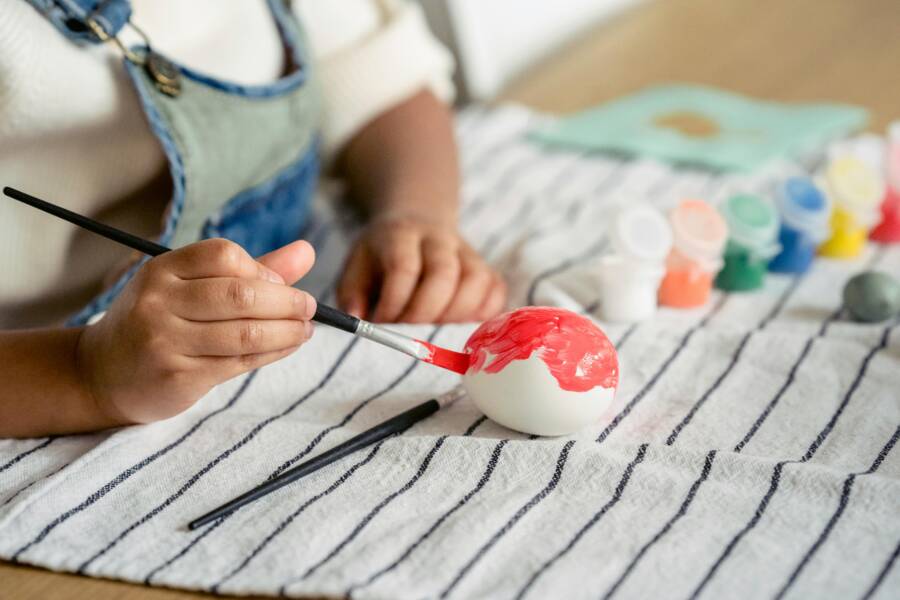
Caring for a growing stash of kid friendly projects starts with smart storage. When you bring home paints, brushes, beads, and glue from Home Depot, the real work begins after the cart is empty. A thoughtful setup keeps little hands safe, speeds cleanup, and turns messy rooms into inviting workspaces. This guide walks you through practical steps to organize and protect your DIY supplies while making it easy for kids to find what they need and put things away.
Small, steady changes can transform a weekend project into a family habit. Start with a clear plan, then tailor it to your space and your child’s age. The goal is not perfection but a system your kids can manage with a little guidance. Here’s how to build that system.
Choose the Right Storage System
Invest in storage that is sturdy, easy to clean, and simple for kids to use. The right system makes cleanup almost automatic.
- Clear plastic storage bins with lids: They let kids see what’s inside and keep contents contained. Look for stackable designs to maximize vertical space.
- Open shelving with labeled bins: This format works well for art supplies, brushes, and frequently used items. It also keeps stations visible so kids can grab what they need.
- Modular organizers for small parts: Tiny beads, brads, and fasteners belong in divided trays or small parts organizers. They prevent spills and mixed piles.
- Rolling carts or caddies: For portable projects, a light cart on wheels makes it easy to move supplies from table to workspace without carrying a heavy box.
When you select containers, consider two details. First, choose a size that matches what you typically store. Second, pick a color or label system that kids can understand at a glance. A well chosen system reduces the time you spend searching for items.
Designate Kid-Friendly Zones
Spatial zones keep projects flowing and limit chaos. A few well placed stations help kids stay focused and learn independence.
- Sorting station: A small table or tray where used scraps and completed pieces go. This keeps the workspace tidy and makes it easy to review progress.
- Workspace surface: A sturdy, easy to clean surface such as a plastic table or a washable desk top. Keep supplies within arm’s reach.
- Cleanup station: A bin for water cups, wipes, towels, and a trash bag on the floor or a low shelf. A simple cleanup routine builds good habits.
- Safety corner: A designated area with gloves, goggles, and aprons. Store them in a reachable bin so kids can access them before starting a project.
Label the zones clearly with words and pictures. Kids connect actions with spots, and that helps them develop a routine.
Organize by Item Type
Grouping supplies by use reduces the time kids spend looking for what they need. It also minimizes accidental mix ups and stains on clean clothes.
- Small parts and fasteners: Use divided trays, ice cube trays, or bead organizers. Label each section by part type and size.
- Paints and glue: Keep paints in a shallow bin with a lid to prevent spills. Place glue, brushes, and palettes in a nearby bin or tray. Consider a small paint tray for each child to limit cross contamination.
- Markers, pencils, and paper: A shallow drawer or bin with separate compartments works well. Keep one bin for markers and one for pencils plus a separate space for drawing paper.
- Tools and safety gear: Store scissors, rulers, compasses, and safety gear in a sturdy caddy. Keep sharp tools out of reach of younger kids and in a dedicated tool area.
A simple rule helps here: whenever you add a new supply from Home Depot, decide its home immediately. It reduces crowding and makes restocking effortless.
Use Clear Labeling and Easy Access
Clear labeling helps kids participate in the organizing process and reinforces routines.
- Visual labels: Use pictures on labels for younger children and text for older kids. This supports early readers and non-readers alike.
- Bold color coding: Assign a color to each category. For example, blue for paints, green for glue, yellow for paper, and red for tools. A quick glance tells everyone where items belong.
- Durable labels: Print labels on sturdy card stock or use a laminated tag. Attach labels with tape or zip ties so they last through everyday use.
Keep frequently used items at chest height. Put rarely used items on higher shelves or in a high cabinet to reduce clutter and keep the most important supplies accessible.
Shelving and Cabinets for Home Depot Buys
Home Depot offers a range of storage options that fit many spaces. Match your shelves to your room size and the kind of supplies you stock.
- Wire shelving: Strong and adjustable, they work well in garages or laundry rooms. Use shelf liners to protect supplies from dust.
- Plastic shelving units: Lightweight and easy to wipe clean. They work great for toys and craft kits.
- Wall mounted organizers: For small rooms, wall organizers with multiple pockets save floor space and keep items within reach.
- Lockable cabinets: If you store paints, solvents, or sharp tools, a lock adds an extra layer of safety and peace of mind.
Place heavier items on lower shelves for stability. Reserve top shelves for items that are used less often. A stable, well balanced setup reduces the risk of spills or accidents.
Protect Surfaces and Tools
When kids work, surfaces get messy. A little prep prevents stains and damage.
- Work mats and drop cloths: Use a vinyl table protector or a reusable art mat to catch spills and drips. This makes cleanup quick and simple.
- Easy wipe containers: Choose bins and organizers with smooth surfaces that are easy to wipe down. Regular cleaning prevents buildup of glue, paint, or dust.
- Portable tool caddies: If your kids take projects to a kitchen table or craft area, a light tool caddy keeps scissors, rulers, and brushes together and easy to carry.
- Splash guards for paints: A simple splatter shield can keep walls and counters clean while kids are painting.
A tidy space invites creativity. The less you fight with mess, the more time kids have for projects.
Safety and Cleanup
Safety matters as soon as you bring supplies into your home. Make a simple plan that kids can follow.
- Non toxic choices: Look for kid friendly paints, washable markers, and safe glues. Read labels and keep any strong solvents out of reach.
- Height appropriate storage: Set up storage that matches your child’s age. Younger kids should not access items that require close supervision.
- Locking options: Use safety locks on cabinets with sharp tools or chemicals. Teach kids to respect these spaces and explain why they are locked.
- Cleanup routines: A short checklist after each project helps kids finish strong. Include putting away supplies, wiping surfaces, and returning tools to their homes.
Keep a tray of wipes near the workspace for quick cleaning. Consistency in cleanup builds good habits over time.
Maintenance and Routine
A steady routine keeps the system working. Build a habit that stretches beyond one project.
- Weekly inventory: Quick scan for missing items or low supplies. Refill from your stock or place a quick reorder.
- Regular restocking: Store bought items like extra beads or glue sticks in their home. Maintain a fresh supply so kids can continue without waiting.
- Seasonal refresh: After big projects, reassess what you store and adjust. Swap out items that aren’t used as often and reorganize to reflect new hobbies.
- Quick checks: Set a 5 minute reset every Sunday. It keeps the system tidy and ready for the next project.
A routine that’s easy to follow pays off with fewer messes and more time for creativity.
Practical Setup for Different Spaces
Every home is different. Tailor storage to your space, not the other way around.
- Small apartments: Use wall mounted units and narrow carts that fit behind a door or in a closet. Fold away work mats and keep paints in a slim bin stored under a shelf.
- Shared living spaces: Create a corner with a compact table and a rolling cart. Clear containers can live on a low shelf so siblings can join in without stepping on others’ space.
- Garage or mudroom: Use tall, sturdy cabinets and a wide work bench. Mount peg boards above the bench to hang tools and frequently used brushes. That keeps the floor clear and the work flow smooth.
- Kids with different ages: Encourage older kids to organize their own supplies. Color coding and labeled zones let siblings share a space without confusion.
The key is to set up a system that is visible, understandable, and easy to use every day.
Quick Tips for Reusing and Refilling
Reuse is cheaper and greener. A few simple habits keep your stash in check.
- Repack loose items: Put beads, screws, and small parts into labeled containers as soon as you finish a project. It saves time later and reduces misplacing pieces.
- Refill habits: Keep an ongoing list of items you need to restock. Place the list on the fridge or a dedicated chalkboard near the craft area.
- Reuse containers: Clean old food containers or small jars for leftovers and small parts. They’re often perfectly sized for craft items.
- Rotate supplies: Move current projects to front rows and older, heavier items to lower shelves. This keeps the area dynamic and avoids drift.
Smart reuse plus a clear inventory saves money and reduces waste.
Common Mistakes to Avoid
A few missteps can derail an otherwise strong setup.
- Overcrowding shelves: Too many items on a single shelf makes it hard to reach what you want. It invites clutter and mistakes.
- Hidden hazards: Put sharp tools and solvents out of reach. Always supervise younger kids during projects.
- Poor labeling: A lack of clear labels means items get misplaced. Label every container and zone.
- Inconsistent routines: If kids see no routine, they’ll resist cleanup. Make it part of the project flow.
Aim for balance. A neat, practical space invites creativity rather than chaos.
Real-World Examples You Can Try
- Bead station: A shallow tray for beads, a partitioned organizer for different shapes, and a small jar for spare beads. A color coded label helps kids sort by color or size.
- Painting corner: A paint tray, a wipeable mat, a water cup caddy, and a bin for brushes. A separate small bin for paper towels keeps the area tidy.
- Tool tote: A light rolling tote with sections for scissors, rulers, tape, and a safety mask. Keep it near the main workspace so it’s easy to grab.
These setups show how a few targeted zones make daily projects easier and more fun.
Conclusion
Storing kids’ DIY supplies bought from Home Depot is less about fancy gear and more about thoughtful layout. A simple, clear system helps kids learn to care for their materials, contributes to safer play, and speeds project time. Start by picking a storage setup that fits your space, then designate zones that make sense for your family. Label everything in a way that is easy for kids to understand, and keep safety front and center with age appropriate tools and storage. Maintain the system with a quick weekly check, and you will see less mess and more creativity.
If you’ve built a storage system that works well for your family, share your tips in the comments. What zone did you set first, and how did it change your project flow? Your best ideas could help another family get organized faster and enjoy more hands on time together.