Thousands of People Were Struggling With Money Until They Discovered This One Ancient Secret Hidden in Sound
>>> Unlock It Now <<<

Storing B-roll on your phone might seem simple, but it can quickly take up space if you don’t have a plan. A small, smart system keeps clips organized and ready for editing, so you spend less time hunting and more time shooting.
In this guide you’ll find practical storage choices, easy organization tips, and space saving hacks that work on most phones. You’ll also get a practical workflow you can start using today, plus strategies to keep your files safe and accessible across devices.
Whether you shoot frequently or just need a reliable routine for occasional projects, these steps help you stay tidy without slowing you down. By the end, you’ll have a clear path to manage B-roll efficiently on your mobile device.
How to Choose the Best Storage Method for B-Roll on Your Phone
Keeping B-roll on your phone should feel smart, not chaotic. The right storage mix lets you edit on the go, save space for new shoots, and back up footage without fear of losing clips. Below are practical, action-oriented sections that help you decide between local, cloud, and hybrid approaches. Each tip is written for both iPhone and Android users, with simple steps you can start today.
There Is a Frequency That the Wealthiest Families Have Used for Generations and Most People Will Never Know It Exists
>>> Open the Door <<<

Local storage basics: Internal storage and SD cards
Local storage is your first line of defense for quick access to clips. Here’s how to manage it without sighs of frustration.
- Check available space quickly: On iPhone, go to Settings > General > iPhone Storage to see a color-coded breakdown of apps and data. On Android, Settings > Storage shows space used by apps, media, and system files. If you see a healthy buffer (20–40% free space), you’re in a good position to save new clips directly on the device. If not, plan a cleanup sweep first.
- Move clips from apps to a files app: Open your video app and select clips you want to keep locally. Use the Share or Save To option and choose a Files app location. On iPhone, you can export to the Files app or a third-party file manager. On Android, you can move to Internal Storage or an SD card via the Files app or gallery’s Move/Copy options.
- Internal storage vs removable storage: If your device supports an SD card, use it for nonessential B-roll to free up internal space. Keep project-critical clips on internal storage for faster access, and push bulk, non-urgent footage to the SD card. Some devices let you set default save locations per app; look for this in the app’s storage or camera settings.
- Common issues and quick fixes:
- App data taking space: Apps cache video thumbnails and temporary files. Clear cache in Settings for camera or video apps. If you’re unsure which app is hogging space, check each app’s storage usage in the device settings.
- Freeing up room without losing clips: Move clips to the Files app, then delete only the local copies from the media library while leaving a backup in the Files location. Use a cloud quick-access link later if you need a second backup.
- Simple workflow example:
- Step 1: Review space in Settings.
- Step 2: Move recent B-roll from the camera app to a dedicated “B-Roll” folder in Files.
- Step 3: If space is tight, move older clips to the SD card (Android) or iCloud Drive (iPhone users with ample space) and keep the most recent takes on internal storage for fast edits.
- Useful tip: If you’re juggling multiple devices, you can still keep a working folder on your phone while mirroring a copy to a computer or cloud service for safety.
For further guidance on checking storage space on iPhone and Android, see Apple’s and Google’s official help resources:
- https://support.apple.com/en-us/108429
- https://support.google.com/files/answer/9750920?hl=en
Cloud backup options for B-roll
Cloud backups give you safety nets beyond the device. They’re essential for long projects or when you travel light.
- iCloud (Apple users): iCloud Photo Library or iCloud Drive can store clips in the cloud. Start with Settings > your name > iCloud and enable iCloud Drive for general file backups, then enable Photos if you want automatic footage syncing. This is great for quick access across Apple devices, but be mindful of storage caps and data usage.
- Google Drive (Android and iOS): Drive is versatile for backing up files you’ve exported from a camera app. Set up Drive from the Google app, then enable automatic backups for specific folders. Photos can be backed up via Google Photos, which is separate from Drive but often linked for convenience.
- OneDrive (Cross-platform): Microsoft’s OneDrive offers automatic camera backup and folder sync. It’s useful if you’re already in the Microsoft ecosystem or want robust sharing options for collaborators.
- Dropbox (Cross-platform): Dropbox is reliable for sharing large video files with editors or clients. It also offers selective sync options to manage storage efficiently.
- Quick setup and tips:
- Automatic backups: Enable automatic backups for your B-roll folders. Choose a stable Wi‑Fi connection option to avoid mobile data overages.
- Offline access: Mark important clips for offline access in your cloud app so you can edit even when you’re away from the internet.
- Bandwidth considerations: Schedule backups during off-peak hours if your plan has data limits. If you’re traveling, consider toggling auto-backup off to conserve data.
- Privacy and data protection:
- Review access permissions and sharing settings for each service.
- Use two-factor authentication and ensure family or team sharing is configured correctly to avoid accidental exposure of raw footage.
- Quick hands-on steps:
- iPhone: Export clips from the camera gallery to iCloud Drive or Google Drive via the Share sheet. Ensure the target folder is synced on all devices.
- Android: In your Files app, select B-roll clips and choose the cloud service to back them up. If you’re using an SD card, you can copy clips to the cloud from the SD card location as well.
- When to choose cloud backups: If you shoot frequently, collaborate with others, or travel, cloud backups prevent data loss and enable seamless project handoffs.
To help you pick a cloud service that matches your workflow, start with one reliable option and expand as needed. For quick reference, Apple users often rely on iCloud, while Android users frequently pair Google Drive with Google Photos, but cross-platform options work well too. Integrate a cloud backup habit into your editing workflow so B-roll stays safe no matter what.
Hybrid storage strategy for quick access
A hybrid approach balances speed with safety. It combines local storage for fast access and cloud backups for protection against loss or device failure.
- Why a hybrid approach works: Local storage means you can scrub, edit, and assemble takes on the go. Cloud storage adds a safety net and makes collaboration effortless.
- A practical workflow:
- Step 1: Save new B-roll to local storage for immediate editing. Use a clearly labeled folder like “B-Roll – On Device.”
- Step 2: At the end of the shooting session, back up the same clips to a cloud service. Use a consistent naming convention and folder structure to keep files organized.
- Step 3: Remove older or less relevant clips from local storage after confirming cloud backups. Keep your most recent or best clips locally for fast access.
- Step 4: For large projects, create a staged archive. Keep a primary backup in the cloud and another backup on a secondary local drive or SD card.
- Criteria to switch methods:
- Project size: Small projects stay on local storage for quick edits; large projects benefit from cloud backups to avoid risking a full local library.
- Urgency: If you need edits on the fly, keep essential clips local and push the rest to the cloud as soon as you have connectivity.
- On-the-go edits: When you’re traveling or without steady internet, rely on local storage; resume cloud syncing once you’re back online.
- Simple example workflow:
- Shoot a 60-minute B-roll session. Save to local storage for immediate rough cuts.
- Back up the session to cloud storage by the end of the day.
- Move less-used footage to an SD card or off-device archive, keeping your active project easy to navigate.
- Tips for staying organized:
- Use consistent folder names and file prefixes by project and date.
- Regularly review cloud backups to delete duplicates and free space.
- Keep a brief log of what lives where to avoid missing footage during edits.
Smart storage for B-roll hinges on clear labeling, predictable routines, and choosing the right mix of local and cloud storage. By following these approaches, you’ll spend less time digging for clips and more time making compelling edits. If you want more guidance on optimizing file transfers and storage setups, check out support resources from major platforms and adopt a workflow that fits your shooting routine.
Organize B-roll with Simple, Clear Naming and Folders
A tight naming system and a clean folder structure make B-roll easier to find, reuse, and back up. When you shoot a lot, two small habits save you hours in post: consistent file names and a predictable folder tree. This section breaks down practical naming rules, a simple folder layout you can start using today, and quick tips for tagging to speed up searches.
Naming conventions that make sense
Clear, consistent names let you spot the right clip in a hurry and batch edit multiple files at once. Use a format that packs essential details into a compact string. Here are solid patterns you can adopt right away.
- Example naming formats:
BeachTrip_20251107_WideEventName-Location-Date-TightShotProjectName_date_shotType(underscore or dash; no spaces)
- Concrete guidance:
- Keep names short but descriptive. Include project or event, date, and shot type.
- Use underscores or dashes, never spaces. This keeps filenames readable in all apps and OSes.
- Stick to a single date format, like YYYYMMDD, to keep files sortable by date automatically.
- Use common shot types as consistent suffixes or keywords, such as
Wide,CloseUp,Medium,TimeLapse, orDrone.
- Practical impact:
- Consistency speeds up search across your library because you can filter by project or date without opening each clip.
- Batch actions become reliable. If you want to move all “BeachTrip_20251107_Wide” clips, you can do a bulk select by the shared string.
For reference, established naming practices emphasize clarity, readability, and consistency. You’ll see similar guidance across professional workflows that prioritize easy scanning and predictable parsing of filenames. If you want a quick read on best practices, consider sources that map out naming as a first principle for post production workflows. For example, file naming guidance from industry guides stress using dates, project names, and technical details in a readable format. See examples and explanations in links like the Frame.io file naming guide and related industry write-ups, which echo the same core ideas about consistency and clarity.
- Example:
MyTrip_SanDiego_20250714_Wide - Example:
PromoShoot_NYC_20241003_CloseUp
Tips to lock in consistency:
- Create a short naming checklist for your team or yourself. The items could be: project, date, shot type, and any key location.
- Decide on a default separator (underscore or dash) and apply it everywhere.
- Add a fixed prefix for quick project grouping when you export from different apps.
If you want a deeper read on naming conventions, see industry resources that discuss clear file naming as part of a smooth post workflow.
Video File Naming Convention & Best Practices
File Naming
Folder structure for quick access
A straightforward folder tree helps you reach any clip in a couple of taps. The goal is to mirror how you think about shoots: by project, by date, by location or by event. Here is simple, scalable structure you can start with, plus a few variations to fit different scenarios.
- Core tree you can adopt now:
- Root
- B-Roll
- ProjectName
- Date (YYYYMMDD)
- ShotType (Wide, CloseUp, Drone, TimeLapse)
- Date (YYYYMMDD)
- ProjectName
- B-Roll
- Root
- Variations you can use as your needs grow:
- By event:
Root/B-Roll/EventName/Date/ShotType - By location:
Root/B-Roll/Location/Date/ShotType - By priority:
Root/B-Roll/Active/ProjectName/Date/ShotType
- By event:
- Quick diagram (for your notes)
- Root
- B-Roll
- BeachTrip
- 20251107
- Wide
- Tight
- TimeLapse
- 20251107
- CityPromo
- 20251202
- Drone
- Street
- 20251202
- BeachTrip
- B-Roll
- Root
- How this helps:
- When you add new footage, you can place files in the right folder by project and date.
- If you need to pull all clips from a specific shoot, you can select the entire date folder in one go.
- Editors can quickly navigate to the right location without guessing where clips live.
In practice, a simple diagram helps you visualize the flow. You can sketch it on a sticky note or in your project doc:
- Root
- B-Roll
- BeachTrip
- 20251107
- Wide
- CloseUp
- 20251107
- CityPromo
- 20251202
- Drone
- Street
- 20251202
- BeachTrip
- B-Roll
If you collaborate with others, keep a short, shared guide describing your folder rules. A one-page reference reduces misplacements and keeps the whole team’s library tidy. You can also adapt the same structure to your cloud storage folders so your laptop, phone, and tablet stay in sync.
- Quick reference tips:
- Use a consistent date folder name like
YYYYMMDDto keep folders in chronological order. - Reserve a few top-level folders for evergreen content you’ll reuse often, such as
B-Roll/CommonShotsorB-Roll/Interviewsfor repeated formats. - Regularly prune duplicates. Move older or lower value clips to an archive folder to keep the active library lean.
- Use a consistent date folder name like
For cloud storage and workflow considerations, see notes from posting and syncing workflows that align folders with cloud backups. A clean structure makes backing up and sharing clips easier and safer.
Video File Naming Best Practices for Post-Production
Metadata and tagging tips
Metadata gives you a brain inside your phone. With a few keywords and notes, you can search instantly for the right clip, even after months.
- What to tag:
- Keywords: shot type, subject, location, and notable actions (e.g., “crowd”, “sunset”, “panoramic”).
- Location notes: city, venue, or landmark. If you travel often, include a country or region for quick filtering.
- Camera settings: frame rate, resolution, and whether audio is present. You don’t need to be a settings nerd; just note the basics that help you pick clips later.
- How to add metadata without a headache:
- Built-in options in common apps: Most video apps let you add keywords, captions, or tags to clips. Use these to attach short notes to each file.
- Lightweight tagging tools: Apps like photo or file managers often let you add simple tags or notes to files. Use a consistent set of tags to speed up searches.
- Keep it human: Use short phrases that describe the moment or location. Avoid overly technical jargon that you’re unlikely to remember later.
- Practical examples:
BeachTrip_20251107_Widetagged with keywords: “beach, sunset, wide, ocean”CityPromo_20251202_Dronetagged with: “drone, skyline, aerial, night”
- How metadata helps your workflow:
- You can search across devices by keyword without opening files.
- Cloud backups can carry metadata with the file, making cross-device editing smoother.
To learn more about metadata practices and how they fit into post workflows, you can consult guides that outline how tags and keywords improve searchability and organization in a production pipeline.
- File Naming
- Video File Naming Best Practices for Post-Production
By applying these naming, folder, and tagging habits, you’ll turn a cluttered B-roll library into a reliable, fast editing resource. Your future self will thank you for the clean structure and the quick retrieve moments. If you want, I can tailor a ready-to-use folder and naming template based on your typical projects and devices.
Preserve Quality While Saving Space on Your Phone
Smart storage starts with smart choices. By balancing video quality with file size, you can keep more B-roll on your device without slowing down edits or drains on your battery. This section gives practical settings, simple compression options, and a clean cleanup routine you can start using today. Whether you shoot with a high-end smartphone or a modest device, these tips help you preserve quality while staying lean.
Choose the right video settings
Choosing the right resolution, frame rate, and bitrate sets the foundation for efficient storage. Start with sensible defaults that cover most editing needs, then adjust for specific projects.
- Default setup you can rely on: 1080p at 30fps for smooth motion and broad compatibility, or 1080p at 60fps if you expect a lot of movement or plan dynamic edits. These settings keep file sizes manageable while preserving enough detail for most cuts.
- When 4K is worth it: Use 4K only when you plan heavy cropping, finishing in 4K for later upscale, or when your final deliverable demands ultra detail. For routine B-roll, 1080p offers ample quality with far smaller files.
- Understanding bitrate in plain terms: Bitrate is the amount of data used per second of video. Higher bitrate means crisper detail and better color, but also larger files. Lower bitrate reduces size but can introduce compression artifacts, especially in fast motion or detailed scenes.
- Quick reference benchmarks:
- 1080p at 30fps with a bitrate around 8–12 Mbps works well for standard edits and YouTube style outputs.
- 1080p at 60fps often needs 12–20 Mbps to keep motion smooth.
- 4K at 24–30fps commonly lands around 60–100 Mbps or higher, depending on the scene and encoder.
- How to test quickly: record a short clip at your chosen settings, export a sample, and compare the original to the export. If motion looks blocky or color shifts happen in midtones, tweak the bitrate up a notch. If the clip stays clean and you’re pressed for space, you can drop the bitrate slightly and still be fine for web delivery.
If you want deeper guidance on bitrates and how they translate to quality, check out practical explanations from industry resources like Wowza and related guides on bitrate and frame rate. For a detailed, reader-friendly breakdown, you can explore articles such as “What Is Video Bitrate (And What Bitrate Should You Use)” and related commentary on frame rate choices. These sources help you make bitrate decisions with confidence and clarity.
- What Is Video Bitrate (And What Bitrate Should You Use) — Wowza: https://www.wowza.com/blog/what-is-video-bitrate-and-what-bitrate-should-you-use
- Video Bitrate Explained: 4K and 1080p Settings Guide 2025 — DIY Photography: https://www.diyphotography.net/video-bitrate-explained-guide/
- Best Video Frame Rate or FPS for Cinematic Movies, 4K, … — VD Picture: https://www.vdocipher.com/blog/video-frame-rate/
Smartphone cameras have strong codecs built in, so keep your defaults simple at first. If you’re sharing links or delivering to a client, you can lock into a standard like 1080p 30fps and adjust during final exports if you need a more cinematic look. The priority is consistent, predictable quality that editors can work with without re-encoding multiple times.
Smart compression techniques for B-roll
Compression helps you shrink files without losing essential detail. The goal is to keep the moments that matter sharp while trimming the data that isn’t critical to the edit.
- Use in-app compression sparingly: Many phones and video editors offer built-in compression options. Choose a balanced setting that preserves edges and texture in highlights, while avoiding excessive smoothing in busy scenes.
- Preserve key details during compression: For scenes with fine textures like foliage, water, or signage, avoid aggressive bitrate reductions. A gentle reduction preserves legibility and reduces blocking in midtones.
- Preview before you commit: Most apps show a side-by-side compare or a short preview. Use this to judge if artifacts are creeping in. If you see blurry edges or color banding, back off the compression a notch.
- Simple workflow to test compression:
- Step 1: Duplicate a representative clip (a minute or less) to a test project.
- Step 2: Export at your current settings and at a slightly lower bitrate.
- Step 3: Compare side by side on the same device and screen size. Look for motion artifacts in fast pans and skin tones in human subjects.
- Practical tips for consistency:
- Keep a small set of reference clips for benchmarking every time you adjust settings.
- When in doubt, favor quality over extreme compression for clips you’ll reuse in edits.
- Quick compare tips: Use a basic side-by-side view or a split-screen export to quickly gauge impact on color, sharpness, and motion. This helps you decide if the trade-off is acceptable for your project.
If you want more guidance on the math behind bitrate and how to balance quality with file size, external guides from industry sources can help. For example, the bitrate explainers and practical frame rate recommendations provide approachable explanations that apply to smartphone video workflows.
- Video Bitrate Explained: 4K and 1080p Settings Guide 2025 — DIY Photography: https://www.diyphotography.net/video-bitrate-explained-guide/
- What Is Video Bitrate (And What Bitrate Should You Use) — Wowza: https://www.wowza.com/blog/what-is-video-bitrate-and-what-bitrate-should-you-use
A practical rule of thumb: compress with intent. Keep the moments that drive the story, and trim lossy bits that don’t add value. If you’re unsure, err on the side of higher quality for clips that will be repurposed across social platforms or long projects.
He Was Drowning in Bills and Burnout Until a Simple Daily Ritual Rewired His Brain for Wealth in Less Than a Week
>>> Start Your Shift Today <<<

Delete clean up and offload
A regular cleanup routine keeps your library lean and ready. A simple method that fits most workflows is to prune unused clips, offload large files to cloud storage, and keep a core set of high-quality takes locally for fast edits.
- Create a lightweight pruning routine: Schedule a monthly pass to review recent shoots. Delete duplicates, poor takes, and segments with little narrative value. If you’re unsure about a clip, keep it for now but add a note about its potential use.
- Offload to cloud storage: Move large, less frequently used files to the cloud. This frees space on your device while preserving access for edits on the go or when you’re traveling.
- Keep enough high-quality clips on device: Maintain a small, curated library of the strongest takes. This ensures you can assemble rough cuts quickly without re-downloading or re-exporting.
- Simple routine you can follow:
- Step 1: Identify clips you definitely won’t need (low value, repetitive shots, or repeated angles).
- Step 2: Move those clips to a cloud folder or an external drive.
- Step 3: Create a lightweight on-device folder for top takes, with clear labels like “B-Roll – Quick Edits.”
- Step 4: Schedule a quarterly audit to refine what stays on device and what gets archived.
- Quick safety checks:
- Verify cloud backups are complete before deleting local copies.
- Keep at least two backups for critical clips, preferably in different locations.
- Label archived clips so you don’t accidentally re-download them during a project rush.
A routine like this helps you stay nimble. You’ll edit directly from your phone more often, knowing the heavy footage is safely stored elsewhere. If you want, you can tailor the offload routine to your network conditions and data plan to avoid surprises on mobile data.
To support your storage decisions, you might explore cloud options that work well across devices. For instance, cross-platform services provide easy access from both iPhone and Android devices, ensuring a smooth handoff between field work and the office. You can also find guidance on setting up efficient backup workflows in reputable resources from major providers. For example, the guidance on backup strategies and organizing media in cloud services can help you keep everything accessible without clutter.
- iPhone and iPad backup guidance: https://support.apple.com/en-us/HT201250
- Google Drive backup and sync best practices: https://support.google.com/drive/answer/2423490
With a steady cleanup cadence and a solid offload plan, you maintain a fast, dependable B-roll stash on your phone.
What’s next: a clean, scalable system for naming and organizing your clips will tighten the loop from shoot to edit. The next sections walk through naming conventions, folder structures, and metadata tagging to turn a sprawling library into a fast, searchable archive. You’ll be ready to handle larger projects without losing track of your best takes. If you want, I can tailor naming templates and folder schemes to your typical projects and devices.
A Practical B-roll Workflow From Capture to Storage
Managing B-roll on a phone starts with a simple, repeatable workflow. Capture with stability, transfer efficiently, and back up smartly. When you automate these steps, you spend less time searching for clips and more time editing your story. This section breaks down a practical approach that works for both casual shooters and busy creators.
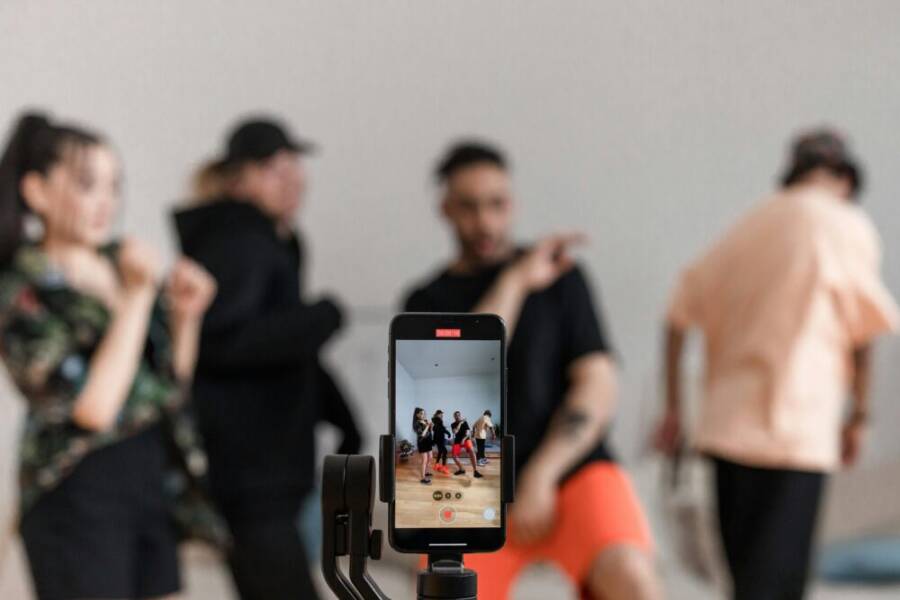
 Photo by Ron Lach
Capture tips for a phone
Stable shots win. Before you press record, set up a quick plan and keep it tight.
- Keep shots steady: Use a tripod, a small handheld stabilizer, or lean on a solid surface. If you must handhold, keep elbows tucked and use short, deliberate moves.
- Plan a short shot list: Jot down 5 to 7 quick angles per location. A few wide, a couple of medium, and a detail shot keep options open without overdoing it.
- Lock exposure when possible: Tap to lock exposure in your camera app and avoid sudden brightness shifts. If you’re moving between light zones, shoot in a consistent mode and adjust later in post if needed.
- Capture multiple angles: Record a wide establishing shot, a mid shot for context, and a tight detail. Slower pans and deliberate tilts add production value without extra gear.
- Keep clips clean and readable: Shoot in good lighting, avoid extreme shadows, and steady the frame before starting a take. Short, crisp clips are easier to edit and color correct.
- Quick on-device notes: Use the phone’s note app or a marker in your editing app to tag each clip with the intended use, location, and approximate duration.
For ideas on steady shooting and shot planning, check a practical guide like The Ultimate Guide to Capturing B-Roll and similar resources. A curated approach helps you move from capture to edit faster. The Ultimate Guide to Capturing B-Roll
Fast and safe transfer methods
Moving footage off your phone should feel fast and feel safe with clear organization.
- Transfer over wifi or air drop type options: Use a reliable wireless transfer to a computer or cloud folder. It saves time and avoids cable wear.
- Direct cable transfer when available: A quick USB-C or Lightning connection can speed up transfers, especially with large batches of clips.
- Organize during transfer: Create a folder plan that mirrors your on-device naming and project structure. Name folders as you transfer and keep a running log of what you moved.
- Practical tip: While you transfer, label clips by shot type and project. This reduces search time later and helps editors jump in immediately.
- Quick-start idea: Set up a dedicated “B-Roll On Device” folder that you push to your computer or cloud service right after a shoot, then prune locally as soon as you verify backups.
If you want a concise reference on smooth transfers and organization, consider practical workflows from editors and technicians. For quick guidance on file naming and transfer practices, see examples like the File Naming and Transfer best practices guides.
- Video File Naming and Transfer Best Practices: https://massive.io/file-transfer/video-file-naming-convention/
- File Naming Best Practices: https://workflow.frame.io/guide/file-naming
Regular backup routine
Backups are your safety net. A simple habit beats a disaster every time.
- Back up after every shoot or at the end of the day: A quick backup guards against device loss or corruption and keeps you moving.
- Ensure backups complete without errors: After a transfer, confirm all clips are present in the destination and readable. A quick restore test once a month is a smart control.
- Keep backups in two places: Local cloud and an external drive or another cloud account provide redundancy.
- Quick hands-on steps:
- Step 1: Create a project folder in your cloud storage with the shoot date and location.
- Step 2: Copy all new clips from the phone into that folder.
- Step 3: Run a quick check to verify file counts match what you recorded.
- Step 4: Schedule a monthly restore test to confirm you can pull the clips again without issue.
- Small, consistent habits beat big, irregular efforts. A predictable routine keeps your library healthy and editable.
Cloud backup options can be tailored to your workflow. If you shoot often or collaborate with others, a robust cloud backup habit becomes the backbone of your editing pipeline. For more on choosing a backup approach, see credible resources from major providers.
- iPhone and iPad backup guidance: https://support.apple.com/en-us/HT201250
- Google Drive backup and sync best practices: https://support.google.com/drive/answer/2423490
Hybrid storage strategy for quick access
A hybrid system balances speed and safety, giving you fast on-device access plus solid protection in the cloud.
- Why a hybrid approach works: Local storage lets you scrub and edit quickly, while cloud backups protect against loss.
- A practical workflow:
- Save new B-roll to local storage for immediate editing with a clear folder name like “B-Roll On Device.”
- At day’s end, back up the same clips to a cloud service with a consistent naming convention.
- Remove older or less relevant clips from local storage after you confirm cloud backups.
- For large projects, create a staged archive in the cloud and on a secondary local drive.
- When to switch methods: Small projects stay mostly on device for speed; large ones gain from cloud backups to keep the local library lean.
- Simple example:
- Shoot a 60 minute session, save locally, back up to the cloud by night, move older footage to an SD card or archiving folder.
- Organization tips:
- Use consistent folder names and file prefixes by project and date.
- Regularly review cloud backups to delete duplicates and free space.
- Keep a brief log of where each clip lives to avoid missing footage during edits.
A smart hybrid setup keeps your workflow simple and reliable. It helps you stay focused on storytelling rather than file management. If you want a tailor-made hybrid plan, I can map it to your devices and typical shoots.
- For broader guidance on cloud workflows that align with a hybrid strategy, see industry resources and practical guidance on syncing media across devices.
- Video File Naming Best Practices for Post-Production: https://www.avid.com/resource-center/video-file-naming-best-practices-for-a-smooth-post-production-workflow
- File Naming: https://workflow.frame.io/guide/file-naming
This practical workflow from capture to storage is designed to be quick to adopt and scalable as your projects grow. The next steps cover how to turn your cluttered library into a fast, searchable archive through naming, folders, and metadata tagging.
Protecting and Accessing B-roll Across Devices
Your B-roll lives across devices, apps, and clouds. A thoughtful approach keeps clips secure while making them easy to access for editors and teammates. This section lays out practical steps to protect your footage, simplify cross‑device access, and ensure you can recover quickly if something goes wrong. Think of it as the three pillars of a robust B-roll workflow: security, seamless access, and reliable recovery.
Security and privacy for your B-roll
Protecting sensitive footage starts with solid on‑device habits and smart permissions. A simple plan makes unauthorized access unlikely without slowing you down.
- Lock your screen everywhere: Use a strong screen lock on your phone. A long passcode or biometric authentication adds a crucial first barrier against casual access.
- Encrypt where possible: Enable device encryption if your OS supports it. Encryption protects clips if the phone is lost or stolen.
- Manage app permissions: Review which apps can access your photos, microphone, and storage. Revoke access from apps that don’t need it.
- Limit cloud exposure: When backing up, choose cloud services with clear privacy controls and strong access management. Keep sensitive clips in folders with restricted sharing.
- Create a simple access plan: Label clips with a private tag like “Protected” and restrict who can view or edit them. Share the minimum necessary via links with expiration dates.
- Quick safety checks:
- Enable two‑factor authentication on all cloud services you use.
- Regularly audit device and app permissions, especially after OS updates.
- If you hand your phone to others, switch to a guest profile or enable a temporary screen lock.
For additional guardrails, you can review trusted privacy resources that cover mobile protections and permissions. If you’re using an Android device, some solid privacy guidance is available from major providers, and iPhone users benefit from Apple’s privacy controls. Practical guidance on privacy and device settings helps you tune your approach without overcomplicating your routine.
- The ultimate Android privacy guide: https://www.computerworld.com/article/1620568/ultimate-guide-to-privacy-on-android.html
- Android privacy settings and permissions: https://www.android.com/intl/en_us/safety/privacy/
A straightforward rule of thumb: treat B-roll as sensitive until you prove otherwise. Keep backups in a separate location and restrict sharing to trusted teammates only. When in doubt, default to the strictest permission settings and loosen them only as needed.
Access across devices made simple
Cross‑device access should feel effortless. The goal is a smooth handoff from field to desk, with clips ready wherever you work. Use a mix of syncing, offline access, and secure sharing to keep the workflow frictionless.
- Cloud syncing that fits your rhythm: Pick a cloud service that works on both iPhone and Android. Create a dedicated B-Roll folder that syncs across devices so new clips appear where editors expect them.
- Offline availability matters: Mark key clips for offline access on all devices. This keeps you editing even when you’re on a plane or in a location with spotty internet.
- Share clips with clear, time‑bound links: When you need to collaborate, share links rather than files. Set expiration dates and limit access to the intended recipients.
- Simple steps to start:
- On iPhone and Android, export or move clips to a cloud folder that’s set to sync automatically.
- In your cloud app, mark essential clips for offline use on each device.
- Share a link with teammates or clients, and apply a reasonable expiration period.
- Practical tip: Maintain consistent naming and folder structure across devices so editors can locate the same clip regardless of where they access it.
- Quick reference to platforms:
- iCloud Drive or Google Drive often provide reliable cross‑device access, with offline options for important footage.
- OneDrive and Dropbox offer strong sharing controls and selective sync to limit local storage use.
- A light security note: When sharing, avoid embedding sensitive metadata in publicly accessible links. Use password protection where available and review sharing permissions regularly.
For guidance on cloud workflows and cross‑device syncing, see credible resources on cloud storage practices and file sharing. Supported sources cover how to structure folders and manage permissions across platforms, making cross‑device access predictable.
- Video file naming and transfer practices: https://massive.io/file-transfer/video-file-naming-convention/
- File naming best practices: https://workflow.frame.io/guide/file-naming
A practical approach is to pick one primary cloud service for sharing and a secondary for backups. This creates a simple, predictable flow that keeps your B-roll accessible without clutter.
Recovery and redundancy plans
A solid recovery plan means you can bounce back quickly after a device problem or a failed storage event. Build redundancy with multiple backups and regular restore tests.
- Keep a second backup outside the phone: Use a primary cloud backup plus a separate drive or another cloud account. Dual backups protect you if one service has an outage or data loss.
- Test restores regularly: Schedule monthly restore tests. A quick check confirms you can pull clips back without drama during a project crunch.
- Know where to get help: Bookmark official support resources for your cloud and device. Having direct paths to help saves time during a crisis.
- Easy-to-follow steps:
- Step 1: Verify that new clips are in the cloud backup and the secondary backup location.
- Step 2: Perform a quick restore test with a sample clip to confirm accessibility.
- Step 3: Update your backup log with dates and results.
- Step 4: If a device fails, switch to another device and resume work from the backup location.
- Practical safeguard tips:
- Keep two independent backups in different geographic regions if possible.
- Label archived clips clearly to avoid re-downloading during edits.
- Maintain a simple recovery checklist that you can follow in minutes.
In addition to general backup guidance, consider platform‑specific help and industry best practices. This ensures you’re aligned with known workflows and can adapt quickly to changes in services or devices.
- iPhone backup guidance: https://support.apple.com/en-us/HT201250
- Google Drive backup and sync best practices: https://support.google.com/drive/answer/2423490
A clear recovery plan reduces stress and protects the story you’re trying to tell. With a dependable backup system, you gain confidence to experiment in the field and move faster through edits.
What If the Only Thing Between You and the Life You Deserve Is a Hidden Wealth Code Waiting to Be Activated
>>> Open the Door <<<

If you want, I can tailor a practical, ready-to-use recovery plan that fits your devices and typical projects.
Conclusion
A tidy storage plan unlocks faster edits and fewer last minute scrambles on your smartphone. By combining local, cloud, and hybrid approaches, you gain quick access for on the fly cuts while keeping a safe backup in case a device fails. Clear naming, simple folders, and smart metadata make your B-roll easy to find across devices, so you spend more time storytelling and less time searching. Your workflow stays reliable, scalable, and ready for bigger projects.
A practical takeaway is to pick one strong cloud partner, one solid on-device backup, and a simple naming rule you can apply today. Start by labeling a fresh B-roll folder on your phone and back it up to the cloud you already use. If you want, share a note with your crew about how you organize clips so everyone follows the same system.
“Organized footage is not optional, it is a workflow discipline.” If you have tips from your own setup, drop them in the comments and help others build a faster path from capture to edit.
There Is a Frequency That the Wealthiest Families Have Used for Generations and Most People Will Never Know It Exists
>>> Open the Door <<<