He Was Drowning in Bills and Burnout Until a Simple Daily Ritual Rewired His Brain for Wealth in Less Than a Week
>>> Start Your Shift Today <<<

How to Speed Up an Old Phone for Basic Tasks (Android & iOS)
Your old phone drags when you just need it for calls, texts, or email. Apps load slowly, or the screen freezes mid-scroll. You’ve got basic tasks in mind, not fancy games or edits.
Good news: you can fix this without buying a new device. Simple steps work on both Android and iOS phones. They clear junk, free space, and boost speed for everyday use.
We’ll start with quick restarts that refresh your system. Next, clear storage to ditch bloated files. Manage apps by closing hogs and uninstalling extras.
Keep software updates current for better performance. Tweak settings like animations and background refresh. These changes take minutes but make your smartphone feel new again.
What If the Only Thing Between You and the Life You Deserve Is a Hidden Wealth Code Waiting to Be Activated
>>> Open the Door <<<

Android users get tips on developer options. iPhone owners learn about offloading apps. Anyone can follow along, no tech skills needed.
Picture checking email without the wait, or smooth texting during commutes. Your old smartphone handles basics like it should. Stick with us for step-by-step fixes that last.
Restart Your Phone for Quick Speed Gains
A simple restart clears memory glitches and stops background processes that slow your old phone. Think of it as a quick refresh for your smartphone’s brain. It takes seconds but delivers noticeable speed boosts for calls, texts, and browsing.
Why Restarts Fix Sluggishness
Your phone runs hundreds of tiny tasks at once. Over time, these pile up and cause lag, even on basic apps. A restart kills stuck processes and frees RAM, so your device responds faster.
Tests show restarts cut load times by up to 20% on older models. Apps launch quicker, and scrolling feels smooth again. Do this often, and your smartphone stays reliable for daily needs.
How Often to Restart
Restart your phone weekly for best results. The Asurion experts suggest this habit matches advice from security pros. It clears junk without much effort.
Daily restarts help if you notice freezes. Set a reminder, like Sunday evenings. Avoid full shutdowns unless needed; restarts work fine and save battery.
What If the Only Thing Between You and the Life You Deserve Is a Hidden Wealth Code Waiting to Be Activated
>>> Open the Door <<<
Restart Steps for Android
Power off lingering apps with these easy steps:
- Press and hold the power button until the menu appears.
- Tap Restart (not Power Off).
- Wait 30 seconds for the phone to reboot.
On some models, swipe down twice for quick settings, then tap the restart icon. Your home screen loads fresh, ready for action.
Restart Steps for iOS
Apple makes it straightforward too. Follow these for your iPhone:
- Press and hold the side button with a volume button until the slider shows.
- Drag the Slide to Power Off bar.
- Wait 30 seconds, then press the side button to turn it back on.
Newer iPhones use the Action button for faster access. The logo appears, and basics run snappier right away.
Results You Will See
After restart, open your email or messages. They load without delay. Battery holds charge better since rogue apps stop draining it.
Pair this with other tweaks for lasting gains. Your old phone handles tasks like new. Try it now, and feel the difference.
Free Up Storage Space and Clear Cache Fast
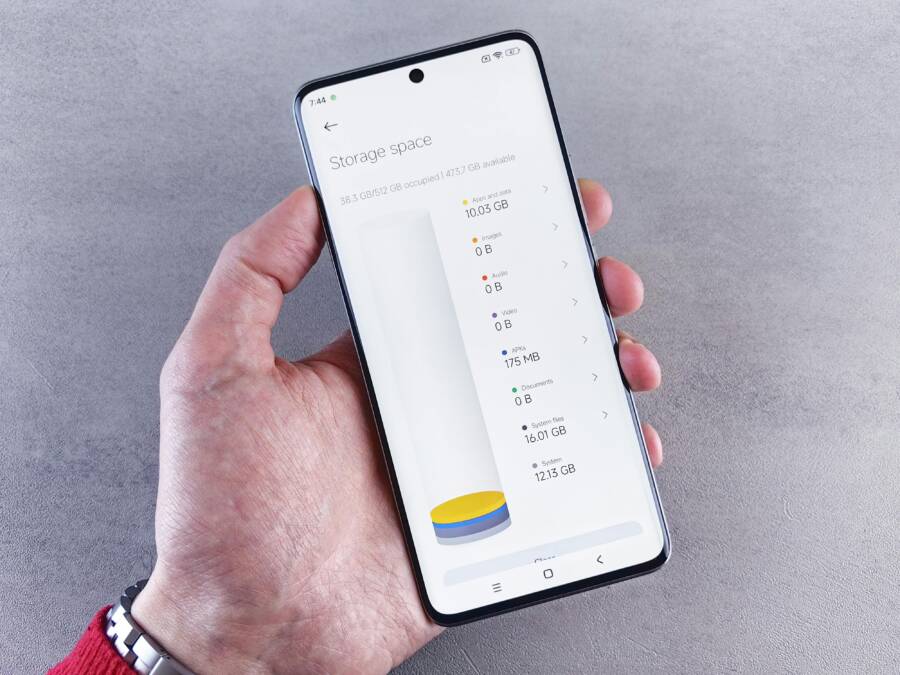
If your phone is slow yet you primarily use it for calls, texts, and light browsing, freeing up storage and clearing cache can revitalize performance quickly. These tweaks target the main culprits: bloated app data, downloaded files you no longer need, and temporary cache that bogs down apps. The goal is a smoother experience without a full reset or buying a new device. Below are practical, step by step actions you can take right now.
 Photo by Andrey Matveev
Delete Unused Apps and Old Files
Start by locating the biggest space hogs. On Android, go to Settings > Apps and review each app’s storage. On iPhone, open Settings > General > iPhone Storage to see a running list of apps and how much space they use. Uninstall apps you never use and delete files you don’t need. Don’t forget downloads and old texts. Clear out media you don’t keep long term, or move photos to a computer or cloud backup like Google Photos or iCloud. You’ll often see a noticeable jump in free space after this clean out. For extra guidance, see how to free up storage on your iPhone or Android.
- Examples of space freed: several apps with large caches, offline music or videos you no longer need, and old message attachments.
Clear App and Browser Cache Safely
Cache is temporary data that helps apps load faster, but it can accumulate and slow things down. On Android, go to Settings > Apps > Storage > Clear Cache for individual apps. On iPhone, you can offload apps to reclaim space without deleting data, or clear Safari data to remove cached web content. Clear cache for social apps and your browser where you notice lag. Clearing cache does not erase personal data; it simply frees space and can speed things up. Regular cache maintenance keeps your smartphone responsive without a full reset. For a quick reference, see how to clear app cache on your phone.
- Pro tip: target apps that boot up in the background or frequently reload data to maximize gains.
Links for further reading:
- How to Free Up Storage on Your iPhone or Android: https://www.compareandrecycle.co.uk/blog/how-to-free-up-storage-on-your-iphone-or-android
- How to clear app cache on your phone: https://www.asurion.com/connect/tech-tips/clear-app-cache-on-phone/
Manage Apps to Stop Background Drains
Clearing background activity is a practical way to squeeze more life from an aging smartphone. By forcing closures and trimming the apps that quietly sip power, you can keep basic tasks snappy without hunting for a charger every few hours. This section covers how to force close apps and limit background activity on both Android and iOS, plus how to identify and curb the biggest battery hogs. A few deliberate adjustments can make your everyday smartphone feel noticeably more responsive.
Force Close and Restrict Background Apps
On Android, open the Recent apps view and swipe away any apps you don’t need right now. For extra control, go to Settings > Battery > Background restrictions and set problematic apps to restrict or stop running in the background. On iPhone, double-click the home button or swipe up from the bottom to reveal recent apps, then flick away apps you don’t want running. Turn off Background App Refresh in Settings > General > Background App Refresh to prevent apps from waking up when you aren’t using them. Common culprits include social apps like Facebook, news apps that refresh constantly, and map or streaming apps that stay ready in the background. By limiting these, you reduce idle battery drain and free up RAM, keeping basic tasks smooth. For additional guidance, see how to turn off background apps on your iPhone and Android.
Remove Bloatware and Battery Hogs
Start by identifying apps that sit quietly in the background and drain power. On Android, check Settings > Battery to see which apps consume the most juice, then uninstall or disable unused pre-installed software. On iPhone, review Settings > General > iPhone Storage to spot the biggest offenders and offload or remove them. After trimming the obvious culprits, replace everyday needs with lean alternatives. For messaging, use a lightweight email app; for navigation, switch to a smaller map app if your default one feels bloated. If you’re unsure which apps are genuinely essential, consider removing or disabling at least one nonessential pre-installed app. Regularly reassess battery usage to keep the phone responsive for everyday tasks. For deeper guidance on removing clutter, check out the ultimate guide on removing bloatware on Android phones without root.
Update Software and Apps for Smoother Performance
If your aging smartphone still handles the basics like calls, texts, and light browsing, keeping software current can yield noticeable speed and security gains. Updates patch security holes, fix bugs, and optimize how the device uses memory. In practice, this means fewer freezes, quicker app launches, and a smoother overall experience. Below are two targeted sections to help you keep both the operating system and your apps up to date without fuss.
There Is a Frequency That the Wealthiest Families Have Used for Generations and Most People Will Never Know It Exists
>>> Open the Door <<<

Install the Latest OS and Security Patches
Keeping the operating system current is the foundation of a faster, safer phone. On Android, check for updates by going to Settings > System > Update. On iPhone, head to Settings > General > Software Update. Regular OS updates bring essential security patches and performance tweaks that help your device run more smoothly with age. Even if you don’t notice dramatic changes, you’ll benefit from quicker app compatibility, improved memory management, and fewer crashes.
If you want to maximize speed and protection, perform a force check when you suspect something is off. On many devices you can pull down to refresh the update screen to trigger a check for new patches. In practice, updates can reduce background activity and streamline system processes, which translates into snappier response when you open email, messages, or a browser.
For guidance and a deeper understanding, you can explore reliable sources on how to update Android OS and why these updates matter. Android updates are designed to improve security, add features, and keep devices running smoothly with the latest apps. You’ll find official steps and explanations at resources like Android’s OS update guide and related support pages. Regular updates help your older phone stay compatible with new apps and network standards, reducing the need for a replacement.
- Check for updates frequently, especially after major security advisories.
- Enable automatic updates where available, but monitor data usage on limited plans.
- Restart after installing updates to ensure changes take effect.
Useful reads:
- How to Update Android Phone: Guide https://www.rokform.com/blogs/rokform-blog/update-android-phone-guide?srsltid=AfmBOoqGMgaMlMUUuXbgdMN1uWvNz0znAAjnIyHBzxZgBDxhFS1KsxDP
- How to update your Android version https://support.google.com/android/answer/7680439?hl=en
- Why Android updates matter: features, security & more https://www.android.com/articles/why-are-android-updates-important/
Update Your Everyday Apps
Apps often lag behind the OS, and outdated software can slow your device down more than you realize. Start by updating apps from the Google Play Store on Android or the App Store on iPhone. Prioritize messaging and email apps since they run in the background and frequently refresh data. Keeping these core apps current reduces the chance of compatibility issues that slow down everyday tasks.
If you want more control, turn auto updates off and update manually. This prevents apps from updating at inopportune times, which can consume bandwidth and background resources. After installation, some apps may request permissions or adapt to new OS changes; take a moment to review these prompts so you know what’s changing.
Here are solid sources to guide app updates:
- How to update apps on Android – Google Play Help https://support.google.com/googleplay/answer/113412?hl=en
- Manage app updates https://support.google.com/googleplay/work/answer/9350374?hl=en
- How app updates work https://developer.android.com/google/play/app-updates
By keeping essential apps current, you reduce the chances of slowdowns caused by outdated code or inefficient background tasks. It’s a simple habit that pays off in reliably snappy performance for your everyday smartphone use.
Tweak Key Settings to Boost Everyday Speed
Older phones can feel dramatically quicker with small, targeted changes. This section covers two highly effective tweaks you can apply right away. They’re simple, non technical, and support everyday tasks like texting, email, and browsing. Think of these adjustments as a tune-up for your smartphone’s performance with minimal risk.
Turn Off Animations and Fancy Effects
Reducing or disabling animations makes the user interface feel snappier. On Android, you can reach this option in Developer Options by lowering the animation scale to 0.5x or turning it off altogether. Here’s the quick path: Settings > Developer options > Window animation scale, Transition animation scale, and Animator duration scale. If you don’t see Developer Options, unlock them by tapping the build number in About Phone seven times. On iPhone, the equivalent is in Accessibility under Reduce Motion. Turning this on stops most motion effects like parallax and screen transitions, which lightens the load on older hardware and makes everyday tasks feel faster.
Why this helps: animations consume CPU cycles and GPU time. For an older device, fewer moving parts means quicker response times when you open messages, switch apps, or browse the web. It’s a small change with a noticeable payoff, especially when you’re juggling calls and quick replies. It also reduces eye strain if you use your phone in motion or on the go, giving you a more direct, tactile feel during every tap.
Tips to consider as you customize: start with a 0.5x animation setting on Android and test how fluid your interactions feel. If it still feels sluggish, switch off animations completely. On iPhone, keep Reduce Motion on for broader benefits, especially if you’re sensitive to motion. You’ll often notice that opening apps, navigating folders, and scrolling are smoother with fewer visual effects pulling your device’s resources. For more on iPhone motion settings, see Apple’s guidance on reducing onscreen motion and related accessibility options.
- Apple: Stop or reduce onscreen motion on iPhone
- Apple: Reduce screen motion on your iPhone, iPad, or iPod touch
External reads you may find helpful:
- Reduce screen motion on your iPhone, iPad, or iPod touch
- Stop or reduce onscreen motion on iPhone
You’ll notice a quicker, more direct feel when you tap or type. It’s like trading a sprinter’s flourish for a steady, reliable push. If you’re curious how others compare Android and iPhone methods, explore official support pages for reducing motion across platforms.
Activate Battery Saver and Data Modes
Battery saver, data saver, and lean app versions can breathe life into a slow phone. Start by enabling Battery Saver or Low Power Mode during long days or when you notice lag in basic tasks. This reduces background activity and prioritizes essential functions like calls and messaging. On Android, you can also enable Data Saver to limit background data usage, which helps conserve resources when you’re on the go. For newer devices, lightweight or Lite versions of apps (like Facebook Lite) can dramatically cut background drains while keeping core features intact.
On iPhone, Battery Saver equivalents come through Power Modes and related settings. Turning these on helps apps pause background tasks, chill memory usage, and keep the UI responsive for basic operations. For data-heavy apps, Data Saver on Android and mindful data usage on iOS reduce how much work the system has to do in the background, which translates to snappier performance during everyday tasks like checking email or sending messages.
How to implement without a lot of fuss: enable Battery Saver or Low Power Mode when you notice slowdowns, then test performance with typical tasks like email replies and quick web searches. If you’re often offline or on limited data, consider enabling Data Saver on Android to prevent background refresh from consuming your plan. For practical guidance, you can review Pixel tips on Battery Saver and Apple’s battery life guidance to understand how these modes affect performance and features.
Quick actions to take now:
- Android: Turn on Battery Saver, enable Data Saver if your plan is data-limited, and consider Lite app versions for heavy social apps.
- iPhone: Enable Power Modes and review which apps run in the background. Offload or limit nonessential apps to keep memory free for daily tasks.
Useful reads to deepen your understanding:
- Use Battery Saver on a Pixel phone
- How to set up Android’s Data Saver mode
- Save battery life with Power Modes on iPhone
In practice, these settings act like a throttle on a well-worn engine. By reducing background activity and trimming extra data use, you give yourself more confident performance during everyday smartphone use. It’s a straightforward way to make your device feel noticeably more capable without a hardware upgrade.
Conclusion
A quick restart and freeing up storage should be your first moves. Both steps clear clutter, release memory, and make basic tasks feel snappier. If the phone still slows, back up your data and consider a reset or the practical option of a basic new device.
Keep software up to date. Updates fix bugs that slow things down and improve how the device uses memory. Update everyday apps too, especially messaging and email, to reduce compatibility issues that drag performance. Small tweaks in settings can have a big impact, such as reducing animations and enabling battery or data modes when needed.
Focus on the core culprits. Remove unnecessary apps and files, force close apps that drain resources, and trim background activity. Offloading or disabling nonessential software helps the phone stay responsive for calls, texts, and light browsing. If you rely on certain apps, try lightweight versions where available.
If you still feel lag, your best next step is a reset while you back up your data. A reset clears stubborn clutter and can restore speed for basic tasks. A new, affordable phone is another viable option if you need long term reliability.
Your experience matters. Share what worked for you, and subscribe for more practical guides. A few targeted tweaks can make your old smartphone feel like a capable tool again, helping you stay productive day to day.
What If the Only Thing Between You and the Life You Deserve Is a Hidden Wealth Code Waiting to Be Activated
>>> Open the Door <<<