What If the Only Thing Between You and the Life You Deserve Is a Hidden Wealth Code Waiting to Be Activated
>>> Open the Door <<<

If your phone pulls you in more than you’d like, you’re not alone. Setting app time limits can help you stay focused, sleep better, and get more out of the day.
This guide shows simple steps to cap usage on both iPhone and Android. You’ll learn where to find the built in tools, how to set limits for specific apps, and how to adjust them as your routines change.
Start small with a daily cap on your most distracting apps, then expand to include all screens for a wind down routine. With a few taps, you can create healthier habits without feeling like you’re fighting your phone.
Why setting app time limits matters and how they work
If you’ve ever felt pulled to your phone at odd moments, you’re not alone. Time limits on apps help you reclaim focus, protect sleep, and create space for real world activities. They’re not about blocking life, they’re about shaping a healthier daily rhythm. When you set steady caps, small changes compound over weeks, making it easier to stick with new habits without feeling deprived. Think of it as setting guardrails that keep your smartphone use intentional rather than compulsive.
Thousands of People Were Struggling With Money Until They Discovered This One Ancient Secret Hidden in Sound
>>> Unlock It Now <<<

Benefits of time limits for daily life
Time limits act like gentle nudges that steer your day toward what matters most. Here’s how they pay off in everyday moments.
- Improved focus during work and study. When distracting apps are capped, you spend more uninterrupted blocks on tasks. A student can finish a study sprint without the constant lure of social feeds, returning to notes with fresher concentration.
- Better sleep quality. Evening restrictions reduce exposure to late night blue light and overstimulation. When you wind down earlier, you fall asleep faster and wake up more rested, setting a positive loop for the next day.
- Less phone anxiety. Rather than mindlessly scrolling to fill every gap, you adopt a predictable routine. Knowing limits are in place lowers the pressure to check your device constantly.
- More time for real world activities. Time saved from screen fatigue can be redirected to outdoor activities, family time, or hobbies. A quick bike ride after dinner, a walk with a friend, or a puzzle with a child becomes easier to fit in.
- Steady, cumulative gains. Even small caps on one or two apps can add up over a few weeks. The early wins build momentum, making it easier to extend limits to other apps or to set a broader daily cap.
To illustrate, a busy professional might cap messaging apps to two hours a day and social media to 30 minutes. Over a typical week, that could free up 5–7 hours for planning, exercise, or reading. For families, limiting gaming apps after dinner creates more time for board games, storytelling, or an evening walk, strengthening connections without feeling restrictive.
For readers who want to dig into the broader evidence on how screen time tools help, consider credible overviews on how reducing digital distractions can improve sleep and mental well-being. See coverage from reputable health sources that explore these effects, including perspectives on how apps designed to limit use can support healthier habits. For a broader look at the science, you can explore academic discussions on screen time management and user experience considerations.
If you’re curious about the practical side, you’ll find real world insights from parents and researchers alike. A parent’s guide discusses how screen time limits work in daily life and why they’re most effective when paired with routines and conversations with kids. You’ll also find guidance on balancing limits with needed access, so kids stay engaged without feeling overly controlled. Additionally, trusted health resources highlight how reducing screen time can support sleep, mood, and stress resilience. These perspectives can help you tailor limits to your own life.
Useful perspectives and practical tips:
- Start with a single app that consistently steals your attention and set a modest daily limit.
- Use the reset each day feature to begin fresh every morning.
- Pair limits with a predictable routine, like a 30 minute family walk after dinner.
If you want a deeper dive into the health angle, see reputable sources that discuss how cutting back on screen time can improve well being and reduce stress. They provide supportive context for why time limits matter beyond just rationing device use. Health-focused overviews on screen time offer research-backed insights while staying practical for everyday life.
What counts as time in apps and how limits are enforced
Understanding how time is measured and enforced helps you trust the system and adjust it when needed. Here’s what to know.
- Time tracking is per app. The phone records how long you actively use each app. If you open a game, watch a video, or chat in a messaging app, that duration counts toward the limit for that specific app.
- Background activity matters. Some apps run in the background and may fetch updates or preload content. Time spent in the background can still influence overall limits, depending on how your device handles background usage for that app.
- Per app limits vs. total device limits. You can set a cap on each app individually or create a single daily limit across all apps. Per app limits help you curb the worst offenders, while a device-wide cap encourages a broad reduction in screen time.
- Limits reset daily. Most systems reset the counts at the end of each day, so you start fresh every morning. If your routine shifts, you can adjust limits to fit new schedules.
- Adjustments are easy. Plans change. You can temporarily raise a limit for a special project or a busy day, then revert it back. The ability to tweak limits without a full reset keeps the system practical.
- Exceptions and waivers. Some devices let you create exceptions for essential apps, like messaging or navigation. Use these sparingly to preserve the overall intent of time limits.
- Communication helps. If you share a device with a family member or colleague, talk through the limits. Clear expectations reduce friction and make the tool more effective.
In practice, this means you can design a layered approach: set strict caps on the apps that tend to derail your day, and a looser or global limit to remind you to take a break from screens altogether. A practical example could be a 20 minute daily cap on social media, a 60 minute cap on streaming apps, and a 2 hour total daily limit. If you reach the total cap early, you still have a moment to pause and choose how to spend the remaining time.
If you’d like more context on how these limits influence well being, you can review resources that summarize practical outcomes of screen time management. For readers researching the topic, credible sources discuss how reducing screen time can improve sleep, focus, and mood, while also explaining how to implement limits without feeling overly restricted. These insights can help you set realistic expectations and adjust as needed. For additional reading, check out related guidance and studies that explore the impact of time limits on daytime productivity and evening rest.
As you implement these controls, keep an eye on the overall balance. The goal isn’t to ban smartphone use completely but to cultivate a healthier relationship with it. With time, you’ll discover a rhythm that supports your priorities—work, family, health, and hobbies—without the constant pull of notifications. And if you’re curious about practical setups others have found useful, you’ll find a range of real world examples in community discussions and parental guides that detail how families implement and adapt these controls in daily life.
How to set app time limits on iPhone and iPad
Setting app time limits on your iPhone or iPad helps you reclaim focus, improve sleep, and create healthier daily rhythms. Whether you’re guiding kids or managing your own device use, these built-in tools are powerful and straightforward. Below are two practical approaches you can implement right away: turning on Screen Time and creating limits by app, and using Downtime with Always Allowed to balance daily device time. This section focuses on iOS devices, with notes on how to apply similar ideas on iPad and iPhone. For deeper setup options, Apple’s official guides are a reliable reference.
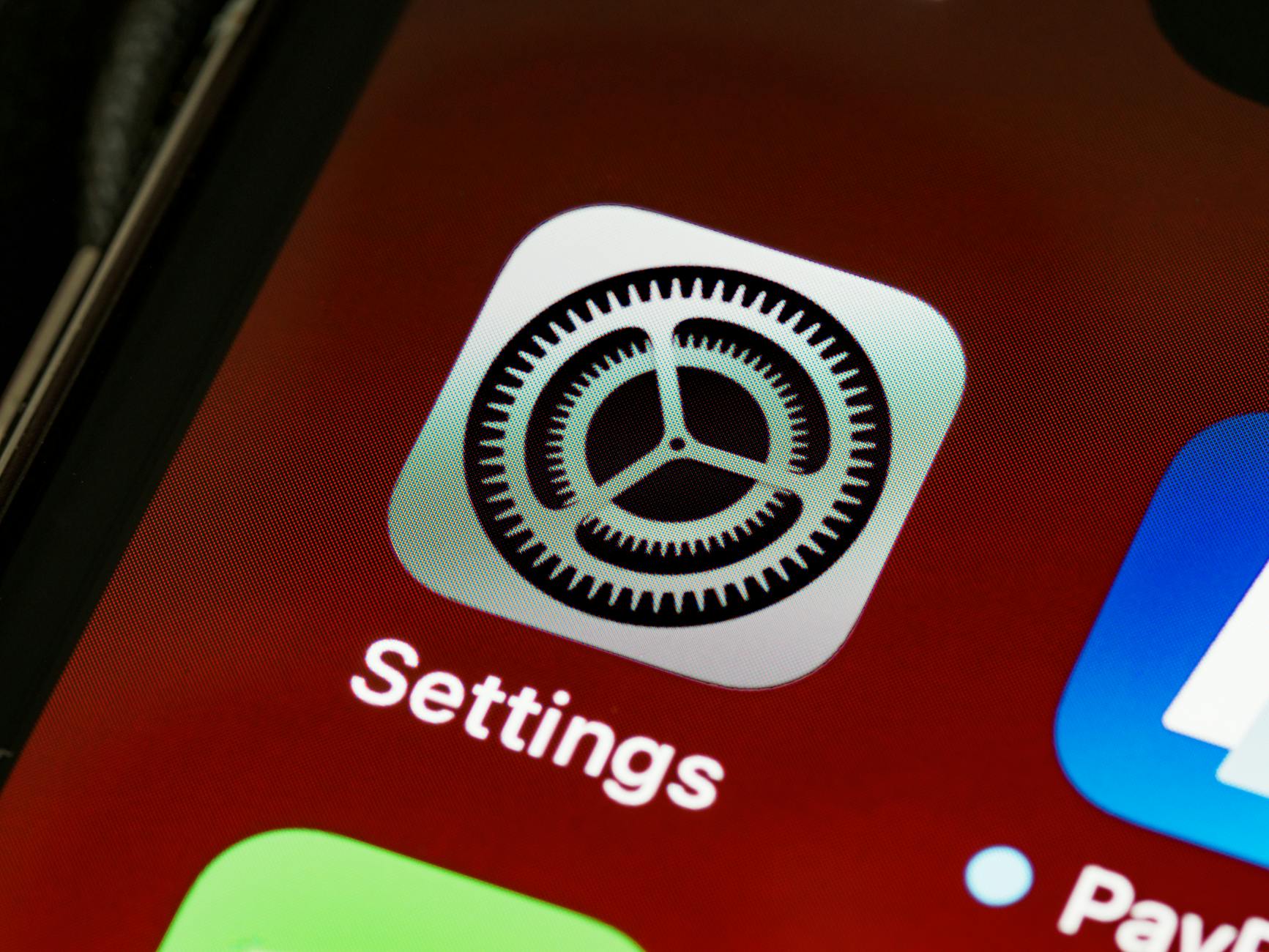
Photo by Brett Jordan
Turn on Screen Time and create a limit by app
Screen Time is Apple’s built-in tool for tracking usage and enforcing caps. It’s useful for both individuals and families, and it works across devices signed in with the same Apple ID. Here’s a concise, step-by-step workflow to set up App Limits.
- Open Settings on your iPhone or iPad.
- Tap Screen Time. If it’s not on, turn it on.
- Choose App Limits and tap Add Limit.
- Pick one or more app categories, or drill down to individual apps you want to cap.
- Tap Next, set the daily time limit for the selected apps or category, and confirm.
- Save your settings. The limit will apply once the day starts, and you’ll receive a notification when you’re nearing the cap.
If you’re setting up limits for a child, Family Sharing makes it easy to apply the same rules on multiple devices. You can manage screen time, approve or deny requests for more time, and review usage reports from your own device. For a detailed guide, see Apple’s official instructions on using Screen Time with iPhone and iPad, including how App Limits work and how to customize per-app caps. Read more about the per-app and category limits in https://support.apple.com/en-us/108806 and the steps to add limits at https://support.apple.com/guide/iphone/set-schedules-with-screen-time-iphb0c7313c9/ios. You can also explore how to set limits on iPad at https://support.apple.com/guide/ipad/set-schedules-with-screen-time-ipad37239c84/ipados.
Practical tips to maximize effectiveness:
- Start with a modest limit on your most distracting apps, then adjust as you see patterns emerge.
- Use App Limits for specific categories like Games or Social Networking rather than a blanket device cap.
- Reassess weekly. Routines shift, and your limits should adapt with them.
- Use password protection or Family Sharing controls to prevent easy bypass.
If you’re unsure how much time to allocate, use the built-in usage data to tailor caps. Screen Time shows daily averages and detailed insights that help you set realistic goals. For more context on how limits can shape daily behavior, Apple’s guide provides practical tips and examples, including how to adjust limits when plans change. See the official guide for setting and managing App Limits here: https://support.apple.com/en-us/108806 and a category-specific example here: https://support.apple.com/guide/iphone/set-schedules-with-screen-time-iphb0c7313c9/ios.
Additional reading on parental controls and child-focused setups:
- Use parental controls to manage your child’s iPhone or iPad. https://support.apple.com/en-us/105121
- A beginner’s overview of Screen Time and how to add limits for apps and categories. https://apps.apple.com/us/story/id1437328227
What to know about counting time and enforcing limits:
- Time counts when you actively use an app, not just when it’s open in the background.
- You can set per-app limits or a daily total for all apps.
- Limits reset every day, so you have a fresh start each morning.
- You can temporarily raise limits for special events or projects, then revert.
- Exceptions are available for essential apps like messaging or maps, but use them sparingly to preserve the intent.
With careful planning, you can craft a simple, reliable system: strict caps on the most disruptive apps and a looser limit overall to remind you to take breaks. For example, a plan might be 40 minutes on social apps, 1 hour on games, and a 4-hour total daily cap. Adjusting these values week by week helps you stay aligned with work, study, and family time.
If you want more context on the health effects of screen time management, credible sources summarize how cutting back can improve sleep, focus, and mood. The linked Apple resources provide concrete steps, while third-party health discussions shed light on practical outcomes and daily routines. For a deeper dive into the science behind time limits and well-being, explore the articles and studies linked in the official sources.
Thousands of People Were Struggling With Money Until They Discovered This One Ancient Secret Hidden in Sound
>>> Unlock It Now <<<
Use Downtime and Always Allowed to balance time
Downtime is a focused-hours feature that helps you create a predictable period for device-free or low-distraction activities. It’s ideal for school nights, study blocks, or winding down before bed. Always Allowed lets you pick essential apps that stay accessible during Downtime, so you’re not cut off from critical tools like messaging or maps.
Here’s how to set up and tailor Downtime for your routine.
- In Settings, open Screen Time and enable Downtime.
- Set the start and end times for your focused hours. This creates a window where most apps are restricted, encouraging you to switch to more intentional activities.
- Review and adjust the schedule on weekends or when your routine shifts. A simple bump in Downtime hours can support different days without reconfiguring every limit.
- Choose Always Allowed apps. These are the apps you need during Downtime, such as Messages for urgent contacts, Maps for navigation, or your alarm clock.
- If you need to temporarily bypass the limits for a specific day, you can extend Downtime or temporarily lift App Limits. It’s quick to revert once the day ends.
Practical scenarios to illustrate how Downtime helps:
- School nights: Set Downtime from 9:00 PM to 7:00 AM with Always Allowed for Messages, Phone, and Maps. This reduces late-night screen use while keeping essential communication open.
- Weekends: Extend Downtime to 11:00 PM on Saturdays, but allow a longer window for educational apps or reading. Always Allowed remains the same to ensure you can still coordinate plans and routes.
To learn more about configuring Downtime with Screen Time for iPhone and iPad, Apple provides step-by-step guidance in its support articles and guides, including how to set schedules with Screen Time on iPhone and iPad. You can consult https://support.apple.com/guide/iphone/set-schedules-with-screen-time-iphb0c7313c9/ios for iPhone and https://support.apple.com/guide/ipad/set-schedules-with-screen-time-ipad37239c84/ipados for iPad. For broader parental control options, see https://support.apple.com/en-us/105121 and the family setup features in the Screen Time family guidelines.
A few tips to maximize Downtime effectiveness:
- Pair Downtime with a bedtime routine. A quiet wind-down helps you fall asleep faster.
- Keep a physical activity plan ready, like a short walk or a quick stretch. It gives you a clear alternative to scrolling.
- Use a simple “check-in” moment after Downtime ends to decide how you’ll spend the next block of time. This reduces impulse bursts and helps you reclaim control.
If you want more context on how parents and schools implement Downtime in real life, official guides and user stories show practical setups. They highlight balancing limits with access for important tasks and family connectivity. When combined with App Limits, Downtime becomes a robust system that nudges you toward healthier habits without feeling overly restrictive. For official references and real-life examples, see Apple’s support resources linked above and the broader guidance on Screen Time.
If you’re continuing your journey toward healthier digital habits, you can pair Screen Time with a routine that suits your life. The key is to start small, stay consistent, and adjust as your days change. By weaving together App Limits, Downtime, and Always Allowed, you create a practical framework that respects both productivity and connection. For additional reading on how people implement these controls, explore the real-world guidance and parental reports linked in the sources above.
Note: Integrating these sections with your overall article will help readers apply the advice quickly. The official Apple resources cited here provide the most reliable setup details, while the practical examples give you a blueprint to tailor the controls to your schedule. If you’d like, I can tailor these steps further to your specific audience, such as students, parents, or busy professionals.
How to set app time limits on Android devices
Managing time on your Android phone can feel empowering, not punitive. This section focuses on two practical approaches: enabling Focus mode or App Counters to curb distractions, and setting per-app or category limits through Digital Wellbeing. You’ll learn quick toggles, customization options, and how notifications behave during focus time. If you’re juggling family devices or coordinating with others, these tools help keep everyone aligned without grabbing control from daily life.
Enable Focus mode or App Counters
Focus mode and App Counters give you a clear line between work, study, and downtime. They help you block or limit apps during chosen periods and are simple to tailor to your routine.
He Was Drowning in Bills and Burnout Until a Simple Daily Ritual Rewired His Brain for Wealth in Less Than a Week
>>> Start Your Shift Today <<<

- Turn on Focus mode quickly: swipe down to the Quick Settings panel and tap Focus or Do Not Disturb in some devices. If needed, go to Settings > Notifications > Focus mode to enable and customize.
- Schedule Focus mode: choose specific times (for example, during work hours or a study block) or set a repeating daily window. You can also create custom focus profiles for different tasks.
- Block or limit apps: in Focus mode, select the apps you want to silence or limit. You can set them to pause entirely or show only essential notifications.
- Customize which apps are affected: add your most distracting apps such as social media or gaming. You’ll see a clear list and can remove apps at any time.
- Notifications during focus time: most devices mute non-essential alerts while Focus mode is active. You can allow important messages to come through, so you stay connected when necessary.
- Quick toggling tips: use a calendar-based routine or a dedicated shortcut on your home screen. Some devices support a long-press on the power button to access focus options directly.
- Real-world tip: pair Focus mode with a planned activity, like a 30 minute reading block. When the timer ends, you can choose whether to resume or move to a different task.
If you share a device with family or colleagues, set up a shared Focus profile or use a separate user account. This keeps personal work time separate from group usage and reduces friction when someone needs access. For deeper control, some Android builds integrate Focus with Digital Wellbeing so you can see how time is spent across profiles and adjust accordingly.
For further guidance on Focus mode and how it interacts with notifications, you can review official Android Help resources that walk you through setup and customization. These references provide concrete steps for enabling Focus mode and tailoring its behavior to your daily rhythm.
- General Focus mode setup and options: https://support.google.com/android/answer/9346420?hl=en
- Pixel specific guidance on time management and Focus features: https://support.google.com/pixelphone/answer/9137850?hl=en
- Pixel Tablet setup for time management: https://support.google.com/googlepixeltablet/answer/13585913?hl=en
Practical takeaway: a well-tuned Focus mode acts like a personal assistant, nudging you toward the task at hand while keeping essential tools available when you truly need them. If you’re new to this, start with a short window and a small app list, then expand as you grow more confident.
Set limits in Digital Wellbeing by app or category
Digital Wellbeing is a central hub for time tracking and limiting usage. It lets you cap time by app or by category, set reminders, and pause limits when needed.
- Open Settings on your Android device and navigate to Digital Wellbeing & parental controls.
- Tap the chart to view usage details and identify the apps that consume the most time.
- Choose an app or category you want to limit and tap Set timer.
- Set a daily limit and enable reminders so you get a nudge before you hit the cap.
- Use Pause or Pause All to take breaks when needed, then resume later in the day.
- Review usage data regularly: a quick glance at the week’s trends helps you adjust limits to fit changing routines.
Customizing limits by app or category helps you curb the worst offenders while maintaining access to essential tools. For example, you might cap social apps at 60 minutes per day and streaming apps at 120 minutes, while keeping productivity apps fully available during work hours.
Reviewing your data matters because patterns shift. If you notice a surge in a certain activity during a busy period, recalibrate those limits. Digital Wellbeing dashboards show daily usage, app-by-app breakdowns, and trends over time, making it easier to refine your strategy without guesswork.
To explore official guidance and more nuanced steps, consider these Google support pages that detail how to manage time in apps and set timers:
- Manage how you spend time on your Android phone with Digital Wellbeing: https://support.google.com/android/answer/9346420?hl=en
- Pixel phone usage controls and timer setup: https://support.google.com/pixelphone/answer/9137850?hl=en
- Pixel Tablet Digital Wellbeing guidelines: https://support.google.com/googlepixeltablet/answer/13585913?hl=en
A practical example to try now:
- Social apps: 45 minutes per day, with a reminder 5 minutes before the limit and a one-tap pause option if you need a longer focus block.
- News and reading apps: 30 minutes per day, to avoid overloading your brain with information late in the day.
- Total device time: you can opt for a daily cap across all apps if you want a broad reduction, then adjust per app as needed.
If you’re parenting or sharing a device, Digital Wellbeing complements Family Link and parental control features. You can set limits on a child’s device and review their activity with a shared overview. For deeper setup details, the official support pages offer step-by-step instructions and practical tips.
- Android Family features and screen time controls: https://support.google.com/families/answer/7103340?hl=en
A few tips to maximize effectiveness:
- Start with a single app that drags your time down and set a realistic limit.
- Use reminders to keep you from hitting the cap too late in the day.
- Reassess weekly. Your routines change, and your limits should follow.
- Combine app or category limits with a daily device-wide cap for a balanced approach.
If you want a broader view of how digital well-being tools affect daily life, look for credible summaries that compare time management features across devices and how they influence focus and sleep. The goal is to tune the tools so they support your priorities rather than feel like a punishment.
External resources and practical references
- Digital Wellbeing overview and timer setup: https://support.google.com/android/answer/9346420?hl=en
- Pixel specific timers and usage insights: https://support.google.com/pixelphone/answer/9137850?hl=en
- Family and child-focused controls: https://support.google.com/families/answer/7103340?hl=en
If you’d like, I can tailor these steps to a specific audience—students, busy professionals, or parents—so the guidance feels even more actionable in your next update. The aim is to make these tools feel like helpful helpers, not barriers, and to keep your smartphone working for you, not against you.
Practical tips to stay on track and avoid common problems
Sticking to app time limits can be tough at first. The key is to set up a system that nudges you gently, fits your daily flow, and scales as your routines shift. Below you’ll find practical tips to keep you on track, avoid common mistakes, and turn limits into a helpful habit rather than a punishment.
 Photo by Hannah Barata
Use reminders and celebrate small wins
Gentle reminders make limits feel supportive, not restrictive. Set a brief nudge a few minutes before you hit a cap, so you can wrap up quickly or switch tasks smoothly. Then celebrate the small wins. Acknowledge progress with simple rewards or milestone checks to reinforce good habits.
- Set a daily reminder 5 minutes before the limit ends. A mini pause helps you decide if you want to wrap up or extend focus with a time-limited burst.
- Reward progress with tiny wins: a 10-minute walk, a favorite tea, or a quick stretch session after you hit a milestone.
- Log your streaks. A simple note or a quick app usage log for the week will show how your behavior shifts. Seeing improvements over one or two weeks boosts motivation.
Tips you can start using today:
- Pair reminders with a visible cue, like placing your phone out of arm’s reach during a focus block.
- Keep rewards small and immediate to reinforce the behavior.
- Review your logs every few days to spot patterns and adjust limits accordingly.
For readers exploring the broader evidence on how these practices affect focus and sleep, credible reads discuss why structured limits help reduce stress and improve rest. You can explore practical guidance in articles that compare different device settings and real-world outcomes. A good starting point is to look at general discussions on reducing screen time and staying mindful of use, which offer actionable steps you can adapt to your routine.
If you’re curious about how families implement these ideas, many community guides share simple strategies that balance limits with necessary access. These sources emphasize clear expectations and regular check-ins to keep everyone aligned. You’ll also find consumer health perspectives that connect limited phone time with better mood and energy levels.
How to integrate into your routine:
- Start with the most distracting app and a modest daily cap.
- Use a daily progress log to visualize improvements.
- Tie caps to a predictable routine, like a 10-minute evening reflection after dinner.
External references for practical context and guidance:
- Stop Doomscrolling With These iPhone and Android Wellness Settings. https://www.cnet.com/tech/services-and-software/stop-doomscrolling-with-these-iphone-and-android-wellness-settings/
- How did you seriously reduce your screen time. https://www.reddit.com/r/productivity/comments/1einyz5/how_did_you_seriously_reduce_your_screen_time/
- Apple Screen Time support and per-app limits. https://support.apple.com/en-us/108806
Common mistakes and how to fix them
Even with the best intentions, people run into familiar traps. The good news is most issues are fixable with small tweaks. Here are the top mistakes and practical fixes you can apply today.
- Too strict limits that feel punishing. If limits trigger constant resistance, dial them back by 10–15 minutes and give yourself a gentle ramp. You can always tighten later if needed.
- Forgetting to update as apps evolve. Apps change their names, add new features, or shift usage. Revisit your per-app lists every 2–3 weeks and adjust categories to reflect current habits.
- Blocking essential apps by mistake. Ensure you exclude critical apps like messaging, maps, or alarm clocks from restrictions. Periodic reviews help you keep essential tools accessible.
- Not balancing time with real life activities. Limits work best when paired with meaningful alternatives. Schedule intentional activities like a walk, a workout, or a hobby during freed time.
- Overreliance on one method. Use a combination of per-app limits, a daily device cap, and a downtime window. Layered controls create resilience when plans change.
Practical fixes you can implement now:
- Recheck your app lists. Remove apps you no longer use and add new offenders you want to curb.
- Adjust daily limits gradually. If you notice you hit the cap too often, extend by 5–10 minutes for a few days and then reassess.
- Ensure essential apps stay accessible. Use exceptions sparingly and document the rationale so they don’t undermine the system.
- Create a weekly review ritual. Compare your logs to real-life events like upcoming exams or travel plans and adjust accordingly.
Real-world guidance from experts often highlights the importance of consistency and context. For example, community discussions and credible health resources point to a balanced approach. They emphasize pairing limits with routines and conversations, so these tools support life rather than control it.
A simple plan to start fixing common issues:
- Week 1: Focus on one problematic app and set a modest limit.
- Week 2: Add a second offender if you’re comfortable.
- Week 3: Introduce a total daily cap to remind you to take a break.
Useful official guidance and practical tips:
- General Focus mode setup and options for Android devices. https://support.google.com/android/answer/9346420?hl=en
- Pixel specific guidance on time management and Focus features. https://support.google.com/pixelphone/answer/9137850?hl=en
If you want a deeper dive into app time management strategies, you can explore focused articles that compare approaches across devices and offer practical, implementable steps. These resources help you tailor limits to your daily life, reducing friction while keeping you on track.
Putting it into practice:
- Start with one or two key apps and a modest daily cap.
- Schedule a weekly review to adjust as your life changes.
- Ensure essential apps are always available, but monitored.
External references for broader setup ideas:
- Digital Wellbeing overview and timer setup. https://support.google.com/android/answer/9346420?hl=en
- Family and child-focused controls. https://support.google.com/families/answer/7103340?hl=en
If you’d like, I can tailor these steps to a specific audience—students, busy professionals, or parents—so the guidance feels more actionable for your readers. The aim is to keep limits practical, not punitive, and to help readers reclaim time for what matters most.
Conclusion
Setting app time limits on both iPhone and Android is a practical path to reclaim focus and steady daily routines. For iPhone users, start with Screen Time, add per app or category limits, and consider Downtime with Always Allowed to balance access and focus. For Android users, use Focus mode or App Counters and set timers in Digital Wellbeing by app or category to curb the biggest time drains. These steps create a layered system that nudges you toward better habits without feeling like a punishment.
A simple one week plan helps you build the new routine without overwhelm. Pick one or two apps that pull you most. Set modest daily caps and a brief reminder before the limit ends. Pair this with a fixed focus block each day, then review your logs at the end of the week. If you stay consistent, the gains compound and the changes feel natural rather than forced.
If you have questions or want to share what worked for you, drop a comment or message. Hearing different setups can spark new ideas for readers with similar goals. Quick recap to start today: choose your focus apps, set realistic limits, enable reminders, and schedule a daily review. A week from now you’ll know what needs tweaking and what already helps you take control of your time.
Smartphone use should serve your life, not govern it. Start small, stay steady, and adjust as your routines shift.
He Was Drowning in Bills and Burnout Until a Simple Daily Ritual Rewired His Brain for Wealth in Less Than a Week
>>> Start Your Shift Today <<<