There Is a Frequency That the Wealthiest Families Have Used for Generations and Most People Will Never Know It Exists
>>> Open the Door <<<

Thoughtful messages can strengthen connections, and your phone makes it easier than ever to start meaningful conversations. In this quick guide, you’ll learn how to plan what you say, choose the right wording, and use your phone’s features to make each message feel personal and timely.
We’ll cover simple steps you can use today, from drafting a clear purpose for your message to selecting the right tone for friends, family, or colleagues. You’ll also see practical templates you can adapt in seconds, plus tips on timing, courtesy, and respect for boundaries.
By the end, you’ll know how to write thoughtful messages that come across as sincere, helpful, and well timed, using your smartphone to stay connected with ease.
Plan Your Thoughtful Messages Before You Tap Send
Before you press send, take a moment to plan what you want to achieve and how your message will land. Thoughtful texting isn’t just about what you say; it’s about setting a clear purpose, tuning into the other person, and choosing the right moment. A little planning goes a long way toward avoiding misfires and building trust. Use these sub-sections as a quick blueprint you can apply to any message, from a quick update to a warm encouragement.
What If the Only Thing Between You and the Life You Deserve Is a Hidden Wealth Code Waiting to Be Activated
>>> Open the Door <<<

Set a clear purpose for the message
Start by stating your goal in one or two sentences. A precise purpose helps you stay concise and makes it easier for the recipient to respond. For example:
- Purpose: I’m requesting an update on the project timeline and next steps.
- Purpose: I’m sending a little encouragement after a tough week.
If you’re unsure what to say, draft a short line that centers on a single outcome. You can then expand just enough to add context without overwhelming the reader. Templates make this simple. For instance, a brief update request can look like: “Could you share a quick update on where we stand with the Johnson project? I’d like to know the current milestones and any blockers.” If you’re offering support, lead with warmth: “I’m thinking of you today. If you need a hand with anything, I’m here.”
When you need to craft a professional message, keep the objective visible. This approach reduces fluff and helps the recipient understand what comes next. For further guidance on concise, effective text composition, see resources like the collection of professional text message templates and tips that emphasize short, clear language and purposeful intent. Professional text message templates
Keeping a clear purpose in mind also helps you set expectations. If the message involves a response, say so. For example, “Please reply with your availability” or “Let me know if you need more details.” Clear expectations reduce back-and-forth and speed up decision making.
Think about the other person’s feelings and time
Empathy in texting starts with imagining the other person’s day. Consider their schedule, workload, and potential stress. A message that respects their time and space lands better and invites a thoughtful reply. A few practical moves:
- Use a calm, respectful tone. Even short messages benefit from courtesy and warmth.
- Acknowledge their situation. If they’re busy, a quick note like “No rush, when you have a moment” can lower pressure.
- Match the level of detail to their needs. If they’re juggling a lot, offer a concise question or a ready-made option to choose from.
When you’re unsure about tone, read the message aloud. If it sounds overly brisk or hollow, revise to add a human touch. If you need a quick template you can adapt in seconds, you’ll find examples that help you express empathy with natural language and without sounding canned. For practical phrases and tips, check out resources that focus on empathetic word choices and how to convey support over text. 40+ Powerful Ways How to Express Empathy in Words & How to Show Empathy Over Text
As you tailor the message, remember that timing matters as well. A kind tone paired with a suitable moment makes the message feel like a considerate gesture rather than an obligation. If you’re unsure about timing, a simple courtesy line can help: “I know you’re busy, so take your time to respond when you can.” That small acknowledgment goes a long way in preserving goodwill.
Choose the best moment to send
Timing can turn a good message into a great one. The goal is to maximize the chance of a thoughtful reply without interrupting the recipient. Here are practical guidelines to help you pick the right moment:
- Consider the recipient’s daily routine. If they usually reply in the morning, send a message then. If evenings are quiet, plan for after-dinner when they’re winding down.
- Avoid late-night texts unless they’re urgent or the recipient has already indicated they don’t mind late messages. A better default is to wait until morning or early afternoon.
- For recurring or time-sensitive updates, use scheduling tools to send at a predictable moment. This avoids sending messages at odd hours and helps the recipient anticipate when to read them.
If you want to standardize your timing, you can pair a message with a gentle schedule. For example, “I’ll check in again tomorrow at 9 a.m. if I haven’t heard back.” This approach sets expectations and reduces anxiety on both sides. When possible, align your timing with your relationship. Friends and family may appreciate spontaneity, while colleagues often prefer regular, predictable hours.
To learn more about etiquette around when to text and how to avoid interrupting, explore practical guides on texting timing and etiquette. Texting Etiquette: A Guide for Effective Communication
Additional tips for timing include using in-app features that let you schedule or queue messages, especially for reminders or routine check-ins. This keeps communication reliable without forcing a real-time response. If you’re sending business or client-focused messages, a well-timed note shows respect for their workflow and schedules. A thoughtfully timed message is more likely to be read, understood, and acted upon.
If you’d like more tailored templates or to expand any subsection with concrete examples, I can add quick-turnaround phrasing and ready-to-use message variants for different relationships (family, friends, coworkers, clients).
Craft Clear, Kind Texts People Read and Respond To
Thoughtful messages aren’t just about what you say. They’re about how you say it, when you say it, and how you make the other person feel attended to. In this section, you’ll learn practical ways to craft messages that are concise, clear, and genuinely considerate. You’ll also see quick examples you can adapt for friends, family, or colleagues. A well written text can spark a warm reply and keep conversations moving forward, even on a busy day.
Keep it short and direct
For routine updates or simple questions, aim for 1–3 sentences. Short messages are easier to read and respond to, especially when you’re juggling multiple chats. Start with the main point, then add one detail if needed. If you’re unsure, draft a single line that captures the ask and then trim any filler.
- Example: “Could you share a quick update on the Johnson project milestones?”
- If you need a yes/no answer, ask for it plainly: “Are you available for a 15-minute call this afternoon?”
For professional contexts, consider a one sentence objective followed by a brief call to action. If you want a template to adapt quickly, use a simple format like: “Purpose: [your goal]. Please reply with [specific response].” This keeps the conversation moving without dragging. If you’re curious about more concise phrasing, see practical templates that stress short, direct language and clear intent. Professional text message templates
Be specific about what you want or need
Concrete requests reduce back and forth. State exactly what you’re asking for and add any deadlines or options if they matter. Specificity helps the other person know what to do next and by when.
- Instead of: “Let me know what you think.” try: “Please share your top two concerns by Friday at 3 p.m., so I can address them in the update.”
- When a deadline doesn’t exist, offer a choice: “Would you prefer a 10 a.m. or 2 p.m. call tomorrow?”
Providing a deadline or a clear next step reduces guesswork. It’s also helpful to attach a ready-made option to choose from, saving the recipient time. For more on crafting precise requests in text, check out appointment and reminder templates that model specific calls to action. Appointment Scheduling Text Message Templates
Use a warm, respectful tone
Tone matters as much as content. Avoid sarcasm or bluntness, which can be misread in a quick text. A warm, respectful voice invites a thoughtful reply. If you’re unsure, read the message aloud and adjust until it sounds human, not robotic.
- Replace harsh phrases with softer alternatives: “Could you please” instead of “Send me.”
- Add a friendly opener or closing line that signals appreciation: “Hope you’re well today,” or “Thanks for taking a moment to review this.”
If you want proven ways to convey empathy in text, explore resources that focus on choosing words that convey support without sounding performative. 40+ Powerful Ways How to Express Empathy in Words & How to Show Empathy Over Text
Add a personal touch with small details
A memory, a compliment, or a shared plan can make your message feel rooted in your relationship. Personal details show you’re paying attention and value the connection. You don’t need long anecdotes; a quick line or two can do a lot.
- Mention a past moment you both enjoyed: “Thinking about our hike last weekend—that breeze was perfect.”
- Include a tiny compliment: “You handled that last meeting brilliantly.”
- Refer to a plan you share: “Looking forward to our lunch on Thursday.”
Personal touches should be natural and relevant. They shouldn’t feel forced or out of the blue. For a practical approach, you can mirror the other person’s recent messages in a respectful way, which signals continuity and care. If you’d like ready to use phrasing, I can provide variants for family, friends, coworkers, and clients.
External links are provided for further reading and ideas on how to add warmth in text messages. Top 70 Sample Text Messages to Engage Your Customers
Make the Most of Your Phone to Show You Care
Your phone is more than a device for quick updates. When used thoughtfully, it becomes a tool for showing genuine care. Small, well-timed gestures can brighten a day, reinforce bonds, and make conversations feel personal rather than transactional. In this section, you’ll learn practical ways to use voice notes, emojis, line breaks, and reusable templates to convey warmth without overthinking. Think of your smartphone as a bridge you actively build with every message.
Use voice messages when tone matters
Voice notes capture warmth, nuance, and emotion that text alone often misses. Use them when you want the recipient to hear your sincerity, cheer, or concern in real time. Best moments to send a voice note include when you’re:
- Sharing good news with genuine enthusiasm
- Offering comfort after a tough day
- Delivering a detailed update that benefits from your vocal cadence
Keep voice notes concise and authentic. A short message with a clear purpose feels more personal than a longer, edited text. Start with a warm opener, speak at a natural pace, and end with a quick invitation for a reply or follow-up. If the moment calls for storytelling, a quick anecdote can make the message memorable without stretching too long.
If you’re new to voice notes, listen to your own recording before sending it. The goal is to sound engaged, not rehearsed. For additional ideas on using voice messages to connect, you can explore resources like how to use voice notes effectively in online conversations. How to Use Voice Messages Effectively to Build Closer Connections Online
In practice, a thoughtful voice note might be: “Hey, I saw something that reminded me of our trip last year. I’m heading out now, but I wanted to wish you a great day. I’m here if you want to talk later.” This approach blends warmth with a clear purpose, making it easy for the recipient to respond when they’re ready.
For those who worry about timing, consider the recipient’s schedule and energy level. A voice note can be especially meaningful when it follows a busy day, showing you noticed their effort. If you want a broader perspective on tone and personal connection, look into perspectives on voice messaging as a way to deepen relationships. The Power of Voice Messages – Michelle Kaye
Choose the right emoji and punctuation
Emojis and punctuation can sharpen or soften a message, but they should be used with care. Emphasis should be on clarity and intent rather than decoration. A few practical guidelines:
- Use emojis sparingly. One well-placed emoji can convey warmth, while a string of icons can feel forced.
- Match the tone to the recipient. If they lean into playful banter, a light emoji can fit. If they favor straightforward style, keep punctuation clean and simple.
- Rely on punctuation to signal pace and emphasis. A period, a comma, or a dash can change how your message lands more than you might think.
Be mindful that tone is read differently by different people. A wink emoji might read as friendly in one context and confusing in another. When in doubt, err on the side of simplicity and follow the recipient’s emoji habits if you’ve noticed a pattern. You can build trust by mirroring their preferences in a natural, non-intrusive way.
If you want a quick sense of where emojis fit best, consider reading up on emoji grammar tips and when to avoid certain icons. 11 Emoji Tips to Save Your Texts
A practical example: “Congrats on the promotion! 🎉 I’m really proud of you.” Here the emoji reinforces celebration without overwhelming the message. In another case, replace a terse line with a warm tone and a minimal emoji: “Nice job today — you crushed it.” The punctuation and the short sentence keep the message readable and kind.
Remember that line endings and rhythm matter in text only as much as the words you choose. If you’re unsure about tone, a simple rule is to match the sender’s style. If they keep messages concise, reply concisely but with a friendly touch. If they’re more expressive, it’s safe to be a bit more animated in your reply. For a quick reference on tone alignment and emoji use, see practical etiquette resources. The Etiquette of Voice Notes
Use line breaks and simple formatting
Clear formatting helps your message read like a conversation, not a wall of text. Use short paragraphs and bullet-like lines to guide the reader’s eye. This makes it easier for busy friends or colleagues to grasp the key point at a glance.
- Lead with the main idea in the first line.
- Break supporting details into bite-sized chunks.
- Use bullet-like lines for options or steps to take next.
For example, instead of a long paragraph, you can style a message like this:
- Quick update: we’re on track for the release.
- Next steps: finalize the doc by Friday, share for review on Monday.
- Need from you: confirm availability for a 30-minute call.
Short, scannable blocks reduce cognitive load and invite a timely response. If you want to see how formatting can improve readability in messaging, you can explore guidance on message clarity and formatting. Professional text message templates
In a more personal context, line breaks can highlight sentiment and pacing. A warm message might read as: “I miss our talks. Hope you’re doing well. Hope we can catch up soon.” The pauses created by line breaks replicate how you’d speak in person, which adds humanity to the message.
What If the Only Thing Between You and the Life You Deserve Is a Hidden Wealth Code Waiting to Be Activated
>>> Open the Door <<<
Save replies or templates for quick, thoughtful messages
Templates save time without sacrificing care. Create a small library of reusable phrases you can adapt to different people and situations. Start with a basic set and grow it as you find what resonates most.
- Quick check-ins: “Just thinking of you. How are you today?”
- Encouragement: “You’ve got this. If you want to talk later, I’m here.”
- Gratitude: “Thank you for X. It meant a lot to me.”
Having ready-to-go messages reduces the impulse to send something generic. It also ensures your tone stays steady across conversations. If you’re unsure what templates to start with, you can pull from ready-to-use phrasing tailored to family, friends, coworkers, or clients.
For inspiration on crafting templates that feel personal rather than robotic, consider reading about empathy in text and how to maintain warmth in quick messages. 40+ Powerful Ways How to Express Empathy in Words & How to Show Empathy Over Text
External templates can also help you frame your message efficiently. For instance, a simple family update might look like: “Hi Mom, just a quick update from my day. We’re winding down now. Love you.” You can adapt this format for multiple relationships, adjusting the level of detail and the closing sentiment.
If you’d like, I can provide a ready-to-use set of templates organized by relationship type and scenario, so you can copy, tailor, and send in seconds.
There Is a Frequency That the Wealthiest Families Have Used for Generations and Most People Will Never Know It Exists
>>> Open the Door <<<
External links are provided for further reading and practical ideas on ready-to-use phrasing and templates. Top 70 Sample Text Messages to Engage Your Customers
Templates and Real Life Scenarios
Thoughtful messages come alive when you tailor them to real moments. This section provides practical templates you can use right away, along with real life scenarios to show how small, well-crafted words can matter. You’ll find quick friend and family check-ins, professional notes, and a sincere apology format you can adapt in seconds. A few templates incorporate the idea of a smartphone as your everyday tool for connection, whether you’re texting, voice noting, or scheduling reminders.
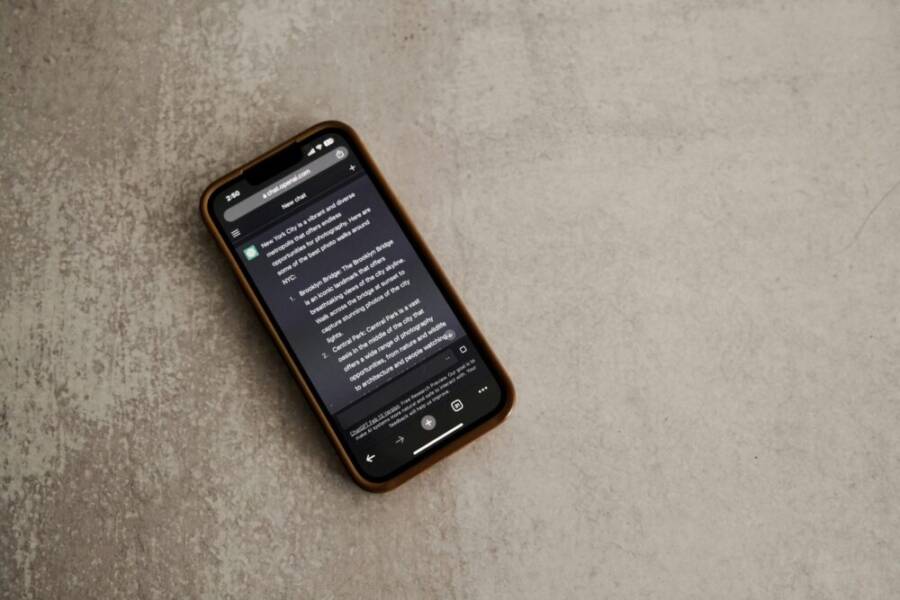
 Photo by Airam Dato-on
Friend check-in message templates
Keeping in touch with friends is often the simplest way to show you care. Use these short checks-ins to open a warm conversation or to offer support without overloading. Each template is friendly, direct, and easy to personalize.
- “Hey, just thinking of you today. How’s your week going so far?”
- “Hi there! Wanted to see how you’re doing. Any new plans or small wins to share?”
- “Hey, I heard you had a busy week. Want to vent or grab a virtual coffee later this afternoon?”
Tip: adapt the tone to your friend. If you know they’re juggling a big project, offer specific support like, “If you want to talk through a plan, I’m here.”
- For extra warmth, add a personal memory: “Remember our trip last summer? Hope you’re smiling today.”
- If you’re short on time, end with a simple invitation: “Want to catch up tomorrow?”
For inspiration on keeping conversations thoughtful and natural, check out practical guidance on empathetic wording and quick templates. 40+ Powerful Ways How to Express Empathy in Words & How to Show Empathy Over Text
Family message templates
Family messages often carry warmth and reassurance. Use these concise options to check in, share news, or offer help without making the moment heavy.
- “Hi Mom, just a quick update from my day. We’re winding down now. Love you.”
- “Hey Dad, how’s your week going? I’m free this evening if you want to chat.”
- “Thinking of you today. If you need anything, I’m here.”
If you want to add a bit more detail, a short note about a shared plan can strengthen the connection: “We’re planning a family dinner on Sunday. I’ll bring dessert.” For ideas on making family messages feel personal, consider templates that fit different ages and communication styles. Top 70 Sample Text Messages to Engage Your Customers
Work note templates
Clear, respectful work messages move projects forward without friction. Use these templates for coworkers or clients to request updates, confirm details, or share progress.
- “Could you share a quick update on the Johnson project milestones? I’d like to confirm the current timeline.”
- “Thanks for your work on the draft. Please send any changes by Friday at 3 p.m., so I can finalize the doc.”
- “Happy to help. Let me know if you’d prefer a quick 15-minute call this afternoon.”
In professional contexts, a precise action item helps reduce back and forth. If you need a ready-to-use framework, try: “Purpose: [goal]. Please reply with [response].” This keeps the chat focused and efficient. For more on concise business texting, explore templates that emphasize clarity. Professional text message templates
Apology templates
A sincere apology can repair a misstep quickly. Use these options to acknowledge impact, own the mistake, and propose a path forward.
- “I’m sorry for what happened. I value our relationship and want to make this right. Can we talk soon?”
- Simple, direct option: “I’m sorry for the trouble I caused. I’ll do better next time.”
- If you need a bit more context: “I regret my words in our last conversation. I was wrong, and I want to listen to how you felt.”
For more nuanced apologies that help rebuild trust, you can review examples focused on respect and listening. Heartfelt Examples of Respectful Apology Letters to a Family Member
If you want ready-to-use variations tailored to specific relationships, I can provide a set organized by friend, family, coworker, or client.
External resources offering practical templates and ideas include a collection of apology templates to choose from. 10 Best Templates to Say Sorry for the Inconvenience
Using a simple structure helps: acknowledge the impact, take responsibility, and offer a next step. Even a short note like “I’m sorry for the mix-up. I’ll fix it and keep you updated” can go a long way.
If you’d like, I can assemble a ready-to-send set of templates for common situations, so you can copy, customize, and send in seconds.
External templates can also help you frame a thoughtful apology. Sorry Quotes: Heartfelt Apology Messages & Cards for Relationships
Would you like me to expand any subsection with more concrete examples or tailor templates for a specific relationship mix (for example, a mix of coworkers and clients for a small team)? I can also assemble a ready-to-use template library organized by relationship type and scenario.
Safety, Etiquette, and When to Pick Up the Phone
Using your phone to send thoughtful messages means balancing care with boundaries. This section covers how to protect privacy, avoid pressuring responses, and know when a quick phone call or in person chat is the better choice. Clear, respectful communication builds trust and keeps relationships strong, whether you’re texting a friend, family member, or coworker. Remember, sometimes a real conversation is faster and more accurate than a thread of messages.
Respect privacy and consent
Before sharing private information or forwarding messages, ask for permission. It only takes a beat to pause and check in. This simple step protects trust and avoids accidentally exposing sensitive details to the wrong person.
- If someone sends you a message intended for a specific person, respond with, “Would you like me to forward this to them?” If they say yes, forward with care and confirm the recipient’s desire to receive it.
- When you’re tempted to share a funny or personal moment, consider whether the content reveals something private. If in doubt, err on the side of asking. A quick line like, “Is it okay if I share this with [name]?” keeps boundaries intact.
- Forwarding messages requires extra caution. If the content could put someone in an awkward position or expose confidential information, skip it or crop the details that aren’t essential.
Consent is not just a checkbox; it’s a practice. People have different comfort levels about what should be shared and with whom. Acknowledge their preferences by asking upfront and respecting the answer. For practical guidance on consent, you can explore professional texting etiquette resources that emphasize safeguarding privacy and reducing unsolicited messages. 12 Business Texting Etiquette Rules to Remember
If you’re managing sensitive information at work, keep conversations on a need-to-know basis and use secure channels when available. The goal is to avoid embarrassment or harm from a careless share. In short, treat private info the way you’d want your own to be treated.
Don’t pressure others to respond
Pressure and guilt trips damage trust and can turn a simple message into a stress trigger. Avoid double texting and the urge to chase a reply with multiple messages. Respect is shown through patience and space.
- Do not send a string of follow ups in rapid succession. If there’s no reply after a reasonable window, consider a single, polite check-in rather than a barrage.
- Use a neutral tone and clear expectations when you need a response. For example, “Could you share a quick update when you have a moment?” is far more respectful than “Did you miss this? I need it now.”
- If someone is busy, acknowledge it. A line like, “No rush, I know you’re swamped. Let me know when you have a moment,” reduces pressure and preserves goodwill.
Double texting can be acceptable in certain contexts, but it’s best used sparingly and with consideration. If you’re unsure, err on the side of giving the other person time to reply. For practical perspectives on double texting and how to handle it gracefully, see reliable discussions and tips from etiquette resources. The Dos and Don’ts of Double Texting
In professional settings, keep requests concise and anchored to a single action. If you need a reply by a deadline, state it plainly and provide a reasonable window. This clarity reduces back-and-forth and protects the recipient’s time.
For more on sensitive topics and respectful communication, consider resources that outline thoughtful language choices and how to avoid pressuring others. What Is Double Texting (and How I Learned to Stop Doing It the Wrong Way)
Remember, respect grows when you give space. If your message leaves the recipient feeling relieved rather than pressured, you’ve earned trust and set a positive tone for future conversations.
If in doubt, choose a call or in-person chat
When you’re unsure about tone, or when the topic is sensitive or nuanced, switch to voice or face-to-face. A quick call can prevent misinterpretation and move things forward faster than a long thread of texts.
- Text first, then call if needed. Start with a brief text to outline the topic, then propose a call to discuss details. This approach honors the other person’s time and gives them a choice.
- Assess urgency and context. Urgent or highly nuanced topics often land better in real time. If you’re proposing a plan, confirmation, or a sensitive apology, a call adds warmth and clarity.
- Be mindful of timing. If you know the other person is busy, offer flexible options. “Would you have time for a 5- to 10-minute call later today or tomorrow?” is considerate and practical.
Shifting to a call or in-person chat keeps the conversation human and reduces the chance of misread cues. It’s also a reliable way to convey empathy, enthusiasm, or accountability with nuance that text alone can’t capture. For guidance on when to text first and when to pick up the phone, you can explore etiquette resources that emphasize thoughtful timing and the value of voice communication. The New Phone Call Etiquette: Text First and Never Leave a Voicemail
If you’re coordinating with a team or client, a brief introductory text followed by a scheduled call can streamline decision making. For example, “I’d like to align on the scope. Are you available for a 10-minute call at 3 p.m. today or 11 a.m. tomorrow?” This keeps momentum without pressuring the other person.
In practice, the choice to call often signals that you’re serious about the topic and value the recipient’s time. It’s a small investment that yields better understanding and stronger connection over time.
If you’d like more concrete prompts for turning a text into a timely call, I can provide ready-to-use phrases that fit different relationships and settings. See practical guidelines on texting etiquette and switching to voice when appropriate. Texting Etiquette: A Guide for Effective Communication
Would you like me to tailor a set of call-first prompts for specific relationships (family, friends, coworkers, clients) or add more examples showing how to transition from text to call smoothly?
Conclusion
Thoughtful messaging on your phone is about clarity, care, and timing. Use a clear purpose, show empathy, and pick the right moment to send. A warm tone, short and specific asks, and small personal touches go a long way, whether you’re texting a friend or a colleague. Let your smartphone be a flexible tool, using voice notes, line breaks, and templates to keep things human and efficient.
Quick recap of main tips:
- Start with a clear purpose and a specific ask.
- Prioritize empathy, respect, and appropriate timing.
- Use voice notes or line breaks to add warmth and readability.
- Save ready templates for quick, thoughtful messages.
- Don’t pressure for a reply; offer flexible timing and options.
Give these tips a try this week and tweak them to fit your relationships. I’d love to see the templates you create, so share a few examples in the comments. If you want, I can help tailor a ready to use library of messages for family, friends, coworkers, and clients.
What If the Only Thing Between You and the Life You Deserve Is a Hidden Wealth Code Waiting to Be Activated
>>> Open the Door <<<