Thousands of People Were Struggling With Money Until They Discovered This One Ancient Secret Hidden in Sound
>>> Unlock It Now <<<

Are group chats piling up on your phone? You’re not alone, and you’re not stuck with chaos. This guide shows you how to reduce noise, stay connected, and regain control in a few practical steps.
You’ll get quick setup tips, reliable app options, and everyday habits you can apply today. We’ll cover how to name and organize chats, mute distractions, and use simple checklists that fit into a busy day.
By the end, you’ll know exactly what to do when notifications overwhelm you, without missing important messages. It’s all about keeping conversations doable, not driving yourself crazy with your smartphone.
Understand why group chats feel overwhelming
Group chats can feel like a constant soundtrack you didn’t choose. Messages ping in, replies pile up, and you end up chasing threads you never started. This section peels back the common reasons chats become noisy and offers practical insight to regain calm without losing connection. Think of it as a systems check for your phone and your focus. By understanding the drivers, you can tailor your settings and habits to fit your real life.
What If the Only Thing Between You and the Life You Deserve Is a Hidden Wealth Code Waiting to Be Activated
>>> Open the Door <<<

Common culprits behind chat overload
Group chats become overwhelming for real, everyday reasons. Here are the top factors that push conversations into noise territory, with relatable scenarios so you can spot them in your own life.
- Nonurgent messages piling up during work hours. A project chat can buzz every few minutes with “quick questions” that aren’t urgent, forcing you to continually glance at your screen. This builds a sense of urgency that isn’t there, and you end up responding hastily just to clear the thread.
- Multiple chats competing for attention. You’re in a family chat, a work project thread, and a social group all at once. Each ring, badge, or banner competes for your attention, making it hard to decide where to focus.
- Real-time conversations for planning. Planning activities, events, or spontaneous meetups often happens in real time. The result is a flurry of messages, emoji reactions, and last-minute changes that keep you in the loop longer than you expected.
- The always-on pull of a smartphone. Every alert is a potential doorway into conversation. One ping can pull you into a chat you weren’t actively using, creating an unplanned distraction loop that drains time and energy.
To manage this overload, recognize where your attention leaks happen. A few quick fixes can blunt the noise. For example, consider turning off nonessential banners during focused work periods, or creating separate chats for urgent versus casual updates. A credible perspective on the broader impact of group chats notes that these threads can be comforting yet time-sucking, so it helps to set clear boundaries around when you engage. Psychology and mental health sources offer practical ideas for reducing stress from group chats while staying connected.
How notifications affect focus
Notifications train our brains to react to every alert, even when the message is not urgent. Banners, sounds, and badge alerts are designed to grab attention, but they can disrupt deep work and slow your responses.
- Banners that pop up mid-task pull you away from what you’re doing. Even a short interruption adds context-switching costs, making it harder to resume with the same momentum.
- Distinct ping tones create a Pavlovian loop. The sound signals a new message, so you respond before you fully assess the importance, which can lead to unnecessary interruptions.
- Badges keep a constant sense of urgency. A growing number on the app icon acts as a visual reminder to check in, even if you don’t have time to engage thoughtfully.
The cumulative effect is a slip in sustained attention. Each interruption breaks your flow, and it takes time to reestablish it. Research shows that notifications can reduce cognitive control and slow decision making. It can feel like a constant tug between staying informed and staying productive. To counter this, implement simple actions that fit into a busy day. For example, enable Do Not Disturb during focused work blocks, set one or two check-in windows for chats, and mute nonessential conversations. A broad set of studies also confirms that interruptions impact mental load and productivity, so limiting alerts is a smart move. Read more on how notifications shape focus in reputable research and thought leadership pieces.
If you want practical steps, start with these quick wins:
- Create “focus hours” on your calendar when you mute group chats except for emergencies.
- Move nonurgent chats to a daily summary thread so you only check in once a day.
- Use snooze settings to delay nonessential alerts for a specified period.
- Keep essential chats unmuted, so you don’t miss critical information.
For more on how notifications affect workload and mental energy, you can explore this overview of notification effects and their impact on daily life. This helps you weigh the tradeoffs between staying responsive and preserving focus. Beyond the buzz on notifications provides a nuanced look at how disabling or tweaking notifications can change your workflow.
What success looks like when you tune out the noise
When you pull back from constant chatter, you should notice clearer days and sharper responses. Here’s the vision of success you’re aiming for.
- Fewer interruptions, more meaningful engagement. You’re not constantly rechecking your phone; you respond when it makes sense, and you feel less scattered.
- Faster, more accurate replies. With fewer competing messages, you can read, decide, and answer more quickly rather than chasing a dozen threads at once.
- Clearer status updates. Messages arrive in a predictable rhythm, so everyone understands expectations about response times and decision deadlines.
- A calmer digital life. You’re in control of when and how you engage, not the other way around. Your attention stays focused on important tasks, not on every ping.
To make this concrete, use a simple checklist after this section. The checklist helps you translate the concept into action.
Checklist: Tune out the noise
- Identify your most disruptive chats and mute them during focused hours.
- Set two daily check-in windows for group chats.
- Move nonurgent updates to a digest thread or a weekly summary.
- Enable Do Not Disturb during deep work and important meetings.
- Establish a clear rule for urgent messages and share it with your contacts.
By adopting these habits and configuring your phone thoughtfully, you’ll create space for the conversations that matter while keeping your day from getting hijacked by alerts. For readers seeking a broader view on how excessive notifications shape mental health, see research on notifications and well-being. Research on how alerts affect mental health offers actionable takeaways for keeping your daily life balanced.
If you’re navigating this topic in real life, you’ll find that calm is achievable with intentional tweaks. Your next steps are to pick one or two changes to test this week, then review the results. You’ll likely notice a real difference in mood, focus, and the speed of your replies.
Tune your phone and app settings
Managing group chats without overwhelm starts with tuning both your device and each app you use. This section breaks down practical, ready-to-implement steps. You’ll learn how to master per app notifications, set up focus or do not disturb modes, and adopt simple smartphone habits that reduce interruptions over time. Think of this as a playground for calmer mornings and more intentional communication throughout your day.
Master per app notifications
Customizing notification behavior per app helps you keep essential messages while silencing the rest. Here are clear, quick action steps for popular chat apps:
- WhatsApp
- Mute groups or chats you don’t need to hear from constantly. In a chat, tap the group name, then choose Notifications and select Mute. You can pick 8 hours, 1 week, or Always. Consider muting nonessential groups during work hours.
- Change notification tone and vibration to distinguish urgent updates from casual chatter. In Settings > Notifications, tailor tone, vibration, and popup style so you can recognize a message’s importance at a glance.
- Use archive or delete old conversations to reduce visible clutter. Archiving hides chats from your main feed without removing them.
- Quick action: Open a group chat → tap the group name → Notifications → Mute. You’ll still receive messages, but you won’t be pinged constantly.
- Messenger (Facebook)
- Mute conversations for a set period or customize notification types. In a chat, tap the info icon, then Notifications. Choose Mute, or adjust to limit alerts to only mentions or direct messages.
- Filter group alerts by prioritizing groups you actually engage with. For example, allow chats related to family or work while muting hobby groups.
- Quick action: Long-press a chat in the conversation list → Mute notifications → pick a duration.
- iMessage
- Silence distractions in busy threads by muting a conversation. Swipe left on a thread in Messages, tap the bell icon to mute. This keeps you from seeing new messages as banners while preserving access when you want to read later.
- Use Focus-compatible settings to allow only certain conversations through during work or focus blocks.
- Quick action: Open iMessage → swipe left on a thread → Mute.
- Telegram
- Mute chats and channels you don’t need immediate updates from. Open the chat → tap the three-dot menu → Mute → choose a duration or Always.
- Create custom notification profiles for different groups. This helps you switch between personal, work, and family settings without tweaking each chat again.
- Quick action: Chat → Menu → Mute → select duration.
- Google Chat
- Turn off reaction notifications or limit alerts to direct messages for noisy channels. In Google Chat, go to Settings → Notifications and adjust “Reaction notifications” and other alert types.
- Use notification summaries to bundle updates you actually need, reducing the sense of being interrupted every time a message lands.
- Quick action: Open Chat → Menu → Settings → Notifications → toggle reactions and adjust summaries as needed.
- Quick setup tips you can apply today
- Identify the top three chats that pull your attention most. Mute nonessential ones during deep work.
- Create a daily digest thread for nonurgent updates so you check in once a day rather than throughout the day.
- Enable a single “check-in” window in the morning and afternoon to review messages rather than constant scrolling.
- If you want deeper customization on Android or iOS, focus modes like Focus and Do Not Disturb offer added control, see the next subsection for details.
For additional guidance on per app settings plus official how-tos, you can review these reliable resources:
- WhatsApp: How to mute or unmute individual or group chat notifications. https://faq.whatsapp.com/694350718331007
- Google Chat: Turn Google Chat notifications on or off on Android. https://support.google.com/chat/answer/7655718?hl=en&co=GENIE.Platform%3DAndroid
- iPhone tips: Stop, mute, and change message notifications on iPhone. https://support.apple.com/guide/iphone/stop-mute-and-change-notifications-iph62faab6a4/ios
In practice, the goal is not to silence every alert but to make the important ones stand out. A readable smartphone workflow emerges when you know which chats deserve your attention and when you can get back to work without guilt.
Use focus and do not disturb features
Both operating systems offer powerful ways to reduce interruptions while staying reachable for the right people. Here’s how to set up Focus on iOS and Do Not Disturb on Android, plus a look at notification summaries.
- iOS Focus modes
- Create a Focus that allows notifications only from chosen people or apps. Go to Settings > Focus, create a new Focus or edit an existing one, then tap People to permit certain contacts and Apps to allow notifications.
- Schedule Focus times so it kicks in automatically during meetings, workouts, or late-night hours. You can also set a Home Screen page to hide distracting apps during Focus.
- Use Focus Status to let others know you are in a Focus mode, avoiding repeated ping requests.
- Android Do Not Disturb (DND)
- Customize who can interrupt you and which apps can notify you. Open Settings > Notifications > Do Not Disturb, then tailor Priority only contacts, alarms, or specific apps.
- Set automatic rules for work hours, bedtime, or driving. This keeps interruptions predictable and minimizes task-switching.
- Create a quiet period with exceptions. You can still receive calls or messages from certain people if they’re marked as priority.
- Notification summaries
- iOS and Android both offer a way to group notifications and deliver them at scheduled times. This keeps your feed tidy and reduces the impulse to respond to every ping.
- A summary helps you scan for urgent updates without constantly checking your phone. You can review the day’s most important alerts in one place.
- Quick setup steps you can follow now
- Decide when you want to be reachable. For example, set Focus from 9 am to 12 pm and 2 pm to 5 pm on weekdays.
- In Focus or DND, allow only essential chats or apps. This keeps you in control while preserving important connections.
- Enable a daily notification summary if your device supports it, and schedule it for a time you’re already checking email or messages.
- If your device supports it, turn on Focus Status so teammates know you’re in a Focus and may not respond immediately.
For further reading on how Focus settings can help with group chat management, see:
- Set up a Focus on iPhone. https://support.apple.com/guide/iphone/set-up-a-focus-iphd6288a67f/ios
- Discussion on adding group texts to iOS Focus. https://discussions.apple.com/thread/254356268
In practice, these modes are most effective when you pair them with clear expectations. Tell your colleagues that you respond within a defined window, and stick to it. By using Focus or Do Not Disturb, you create predictable boundaries that protect your time without cutting off important lines of communication.
Smartphone health tips for fewer interruptions
Small, steady habits compound into real relief over time. Try these practical routines to reduce interruptions and improve your relationship with your phone.
- Schedule quiet hours
- Block out periods each day when you mute most chats and focus on essential tasks. Treat these hours like meetings you can’t miss.
- Use a recurring calendar event to remind you when quiet hours start and end. The ritual makes the behavior automatic.
- End-of-day wind down
- Create a routine to review chats before bed and, if needed, move nonurgent conversations to the next day.
- Turn off nonessential banners and push notifications an hour before sleep to improve sleep quality and mood.
- Regular review of active groups
- Once a week, revisit your group list and reassess which chats truly add value. Archive or mute any that are more draining than helpful.
- Consider reorganizing chats into folders or folders-like groups on your home screen if your device supports it.
- Use digest summaries
- Swap real-time updates for a daily or weekly digest in groups that are high noise. You’ll stay informed without constant pinging.
- Encourage others to post important updates only in the designated digest channel to keep everyone aligned.
- Practical behavior changes that stick
- Keep essential chats unmuted during work hours, but mute others. This creates a predictable cadence for when you check messages.
- When you finish a task, do a quick scan of the most active chats. Clear action items from discussions to reduce back-and-forth.
- Use a single notification center for nonwork chats to avoid bouncing between apps.
A well-rounded approach to smartphone health matters just as much as the settings you tweak. Small gains add up, and you’ll notice calmer days, faster decisions, and less mental fatigue. If you want more insights on how to balance notifications with well-being, explore credible research that examines how alerts affect cognitive load and daily functioning.
- Practical perspective on notifications and mental well-being. https://www.pausa.co/blog/research-how-notifications-impact-mental-health
Putting these ideas into practice is the fastest way to regain control. Start with one or two changes this week, then build from there. You’ll feel the difference as your workflow and mood improve, and you’ll still stay connected to the conversations that matter.
External links provided above offer deeper exploration and official instructions. They complement the steps you take and help you tailor settings to your exact devices and apps. If you’re ready, pick a focus area—per app notifications, a dedicated Focus mode, or a daily digest—and implement it today.
Choose the right tools to reduce noise
Choosing the right tools is the first step to keeping group chats manageable. The goal is to use apps and features that align with your group mix, help you organize conversations, and set clear expectations for how everyone stays in touch. In this section we’ll look at how to pick apps, implement structure like threads or channels, and establish ground rules so conversations stay productive rather than chaotic.
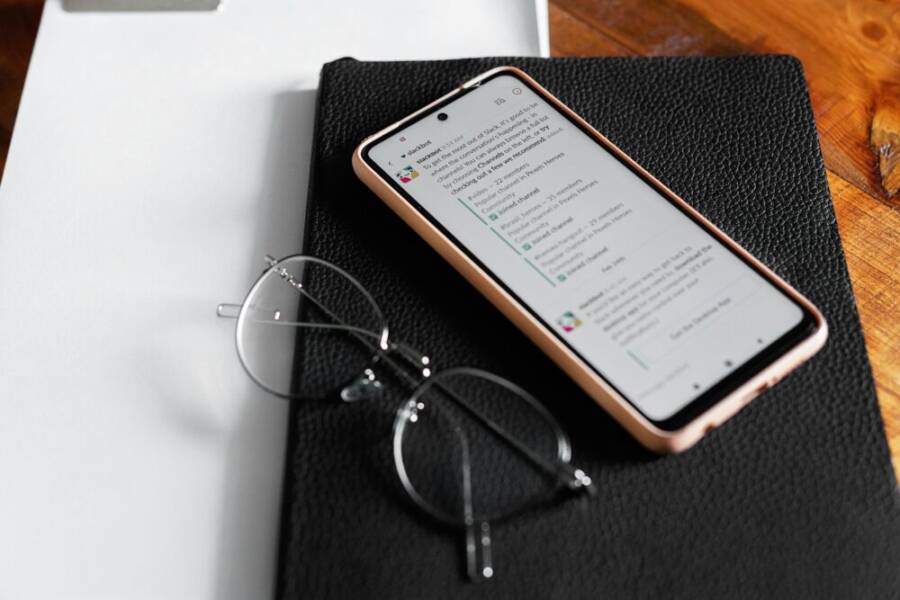
 Photo by Mikhail Nilov
Pick apps that fit your group mix
When you manage multiple groups, cross-device compatibility and privacy are critical. Some apps excel for personal chats, others for work, and a few strike a balance. Here’s how to choose:
- WhatsApp: Strong for mobile-first, broad reach; great for family and casual groups. Its end-to-end encryption is solid for personal use, but group management can become noisy if there are dozens of active threads. You can mute and archive to control visibility, yet you’ll still receive messages if you don’t mute. Strength: ubiquity; limits: fewer granular control options for business-like workflows.
- Facebook Messenger: Excellent for multi-device use and reach across your social graph. It’s handy for quick, informal updates and has good integration with other Facebook services. The flip side: privacy controls can be trickier, and notification clutter remains a risk if you’re in many active chats.
- Signal: Known for privacy and security with robust encryption. It handles cross-device use well and keeps data minimal on servers. The trade-off is a smaller network and fewer features for organizing large groups.
- Telegram: Great for large groups and channels, fast delivery, and flexible notification controls. It supports threads in channels and large file sharing. The caveat: not all conversations are end-to-end encrypted by default; privacy settings require careful setup.
- Google Chat: Strong for work-like collaboration, integrates with other Google services, and works well across devices. It’s ideal for project-based groups but may feel less personal for casual chats.
Balance these strengths against the limits. If privacy is paramount, weigh WhatsApp against Signal and Telegram. If multi-device collaboration is your top need, Google Chat or Messenger might suit better. For a quick, benchmarked overview of popular options, check insights from trusted reviews like PCMag’s best private messaging apps and related comparisons.
- For a broader comparison across privacy and cross-platform use, see: https://www.pcmag.com/picks/best-secure-messaging-apps
- If you’re weighing privacy-focused choices, this privacy-centric resource offers practical considerations: https://www.securemessagingapps.com/
Tip: aim for one or two go-to apps per group type. If a single app can cover both personal and light work-use, you cut duplication and reduce noise.
Use threads, spaces, or channels to organize
Topic-based threads and dedicated spaces are a simple way to keep conversations tidy. They act like separate rooms inside a larger building, so a family chat won’t spill into a work project and vice versa.
- Threads in Messenger or Google Chat keep replies linked to a specific topic, reducing the need to scroll through unrelated chatter.
- Channels in Telegram or Spaces in Google Chat give you a top-level view of announcements, with threaded discussions for deeper dives.
- Google Chat’s rooms and threaded conversations let you separate project updates from casual chatter, so you can focus during the day and catch up later with context.
Quick setup ideas:
- Create a dedicated thread for urgent updates, and a separate one for casual check-ins.
- Name spaces clearly with a simple convention like “Project X – Updates” and “Family – Plans.”
- Limit the number of active threads to avoid fragmentation; set a rule to move long-form discussions to a dedicated channel.
If you want practical tutorials on how to implement these structures, explore guides that compare how threads, spaces, and channels work across popular apps. For example, you can learn more about how to organize group chats effectively here: https://www.roybahat.com/how-to-create-and-run-a-successful-groupchat-a-starter-guide-983b0003e319
Image captures often illustrate the concept well. For a visual example, try outlining your own setup in a short diagram inside your notes app, then recreate it in your chosen chat tool.
Set ground rules with admins and members
Clear governance keeps groups orderly. A few practical steps can prevent chaos while preserving connection.
- Assign admins who can moderate, archive, or mute conversations as needed. Admins should model good behavior by keeping critical threads focused and removing duplicates.
- Establish simple messaging rules. For instance, define response expectations (e.g., check-in within 24 hours on work projects) and set boundaries about nonessential chatter.
- Outline how to handle urgent messages. Decide what counts as urgent and how to escalate outside the chat if needed.
A practical example: designate one admin for project chats who can move off-topic messages to a daily digest thread. Another admin could handle privacy settings, ensuring new members understand the rules. Having these rules documented in a pinned message or shared doc helps everyone stay aligned.
- Quick reference: if you want a concise checklist on how to set up group governance, see reliable guidelines like this overview of group chat management: https://trueconf.com/blog/reviews-comparisons/group-chat-app
Image: if your group uses a shared workspace app, a simple policy card can live in the chat’s pinned messages. It acts as a constant reminder of expectations even for new members.
There Is a Frequency That the Wealthiest Families Have Used for Generations and Most People Will Never Know It Exists
>>> Open the Door <<<

Checklist: ground rules for smooth collaboration
- Assign at least two admins for each active group.
- Publish a short set of posting guidelines and response times.
- Create a dedicated digest channel for nonurgent updates.
- Establish a clear process for reporting spam or off-topic behavior.
- Review and adjust roles quarterly to keep the group fresh.
With the right tools, a clear structure, and practical rules, you create a reliable rhythm for every conversation. Your readers will appreciate a calmer digital life that still keeps them connected.
Further reading on organizing group chats with topic-based spaces and channels:
- How to start group chat on Android: https://i.oslohavn.no/how-to-start-group-chat-on-android/
- A practical guide to using group chats for work and life: https://www.roybahat.com/how-to-create-and-run-a-successful-groupchat-a-starter-guide-983b0003e319
Create healthy group chat habits
Building healthy group chat habits keeps conversations productive and your day calmer. Clear naming, focused topics, and smart use of admin tools help you stay connected without drowning in messages. Think of your chats as a shared workspace: when everyone knows where to post and what to post, the noise drops and collaboration improves. As you apply these tips, you’ll notice faster updates, fewer misunderstandings, and more time for what matters.
He Was Drowning in Bills and Burnout Until a Simple Daily Ritual Rewired His Brain for Wealth in Less Than a Week
>>> Start Your Shift Today <<<

Name groups clearly and keep topics focused
A simple label can save hours of scrolling. When you name a group, use a pattern that signals purpose and audience. For example, “Family – Plans” or “Work Project X – Updates” immediately tells you what to expect. If a group covers multiple topics, include a keyword like “Phase 2” or “Budget” in the title so you can scan your chats at a glance.
Beyond names, tag topics inside messages to help readers skim quickly. A short line at the top of a post can set expectations for what follows. For instance, start with a status line like “Update: design review complete; next steps” or “Reminder: meeting at 3 PM.” Tags such as [Urgent], [FYI], or [Decision] act as navigational anchors, letting readers decide what to open and respond to first.
In practice, a well labeled group reduces cognitive load and boosts responsiveness. It also helps newcomers catch up faster, which matters in both family and work contexts. If you manage a mix of personal and professional chats, consider separate groups with consistent naming conventions to avoid crossovers.
For quick guidance on how to craft clear labels and topic tags, these resources offer practical examples and templates:
- 12 tips for designing a better group chat experience
- How to create and run a successful groupchat: a starter guide
These references help you implement a labeling system that fits your everyday life and work flow.
Limit how many groups you join
A crowded chat list is a constant distraction. Set a practical cap for yourself and prune groups as needed. A sensible limit might be: no more than five active groups that you check daily, plus a couple of “as needed” spaces for specific events. This keeps your attention focused on conversations that actually matter.
Pruning starts with a quick, honest audit. List all your groups and identify which ones drain energy without delivering value. Move those chats to a digest channel or archive them if the platform allows. Archiving keeps conversations accessible for later reference but removes them from your main feed, reducing visual clutter.
Tips to maintain the cap:
- Schedule a weekly review. If a group hasn’t produced a meaningful update in two weeks, consider archiving or muting it.
- Shift nonurgent updates to a daily or weekly digest thread. That way you stay informed without constant pinging.
- Use auto-archiving or mute nonessential groups during focused hours. This prevents constant interruptions while preserving connectivity.
A realistic approach works best. Start with a small limit and adjust as you experience what you actually need. If you’re juggling work and personal circles, separate groups by purpose to preserve clarity and reduce overlap. Tools like archived chats or muted threads can be your best friends when you want to trim without losing history.
To explore practical perspectives on group chat management and best practices, check out introductory guides like the starter guide for group chats and etiquette resources. These explain how to set boundaries and maintain harmony across different circles. You can also read about modern etiquette for group chats to see how social norms shape our digital behavior.
Share updates concisely and with context
Conciseness matters in a busy chat. Aim for messages that are easy to skim and that provide enough context to stand on their own. Start with a brief summary, then include the essential details. Use bullets or numbered steps to break information into digestible pieces. A clear call to action at the end helps readers know what comes next.
Structure helps. A typical update might look like:
- What happened: brief status
- What it means: impact or decision needed
- Next steps: who does what by when
Keeping tone neutral and specific reduces back-and-forth. Avoid hidden assumptions or vague phrases. If a message affects several people, specify responsibilities and deadlines. When replying to a thread, quote the relevant line or summarize the point you’re addressing to minimize misinterpretation.
Context remains key. Even a short update should remind readers why the information matters. If you’re announcing a change, include the rationale and any impacts on timelines or roles. If you need a decision, state the options and the preferred path with a concrete deadline. With practice, your updates become reliable signals rather than noise.
To deepen your understanding of writing clear group updates, look at design and startup guides that emphasize concise, action-oriented communication. These resources illustrate how to structure messages so they’re fast to read and quick to act on. You can also find etiquette guidance that helps teams stay respectful while staying productive.
For reference on crafting effective group updates and best practices in real world chats, these materials offer useful frameworks:
- A starter guide to creating and running group chats
- Modern etiquette for group chats
Use admin tools to keep things tidy
Admins play a crucial role in keeping chats navigable. A few straightforward practices can prevent chaos while preserving the value of each conversation.
- Pin important messages. A pinned post can highlight decisions, timelines, or next steps, so everyone sees the most critical information first.
- Create a digest summary after big events. A concise recap at the end of a project phase or event helps catch everyone up without scrolling through pages of chatter.
- Archive after milestones. When a project closes or a topic becomes dormant, archiving keeps the chat history accessible but out of the daily feed.
Assign clear roles. Designate admins who can moderate, archive, or mute conversations as needed. Use a simple governance rule set that outlines response expectations and escalation paths for urgent matters. This keeps discussions focused and reduces the risk of drift.
A practical example: one admin handles project chats and moves off-topic messages to a daily digest thread, while another manages privacy settings and onboarding for new members. Document these rules in a pinned message or shared doc so everyone stays aligned.
To help you implement your own governance, review a concise checklist on setting up group chat governance. It covers roles, posting guidelines, and a process for reporting spam or off-topic behavior. You’ll find this especially useful if you manage several groups across teams.
Checklist: ground rules for smooth collaboration
- Assign at least two admins for each active group.
- Publish a short set of posting guidelines and response times.
- Create a dedicated digest channel for nonurgent updates.
- Establish a clear process for reporting spam or off-topic behavior.
- Review and adjust roles quarterly to keep the group fresh.
With the right tools and a simple structure, you create a steady rhythm for every conversation. Your readers will appreciate a calmer digital life that still keeps them connected.
Further reading on organizing group chats with topic-based spaces and channels can offer more ideas on structure, naming conventions, and governance. For practical guidance, you can explore articles and guides that compare how threads, spaces, and channels work across popular apps, and see real-world examples of successful group chat setups.
Daily routines and quick fixes
In a world full of buzzing chats, a simple, repeatable routine can keep group conversations manageable without losing connection. This section offers compact, actionable steps you can apply today. Think of it as a regular maintenance plan for your phone and your time. You’ll learn a fast end of day ritual, a weekly prune, a plan for urgent alerts, and clear signs that it’s time to leave a group. A little discipline goes a long way toward calmer days and sharper focus.
End of day cleanup routine
End each day with a quick 5 minute sweep to silence the loudest offenders and preserve momentum for tomorrow. Here’s a simple 5 minute checklist you can run in under five minutes.
- Mute or archive: Identify the top three chats that tend to pull you off track. Mute them for the next business day or archive if you don’t need to see updates until tomorrow.
- Summarize and move: If a chat has nonurgent updates, copy the key points into a digest thread or a single note. This reduces back-and-forth while keeping essential context accessible.
- Quick status update: Post a short summary in relevant groups to confirm what you know and what’s still pending. It helps others read your intent without pinging you repeatedly.
- Do Not Disturb setup: Ensure your device is in a focused mode for the night. A quick toggle to DND or Focus can block nonessential alerts until morning.
- Shutdown routine: Close the day by turning off banners for nonessential chats and setting a reminder to review again at a fixed time tomorrow.
If you want a practical example, imagine a work project chat where the day’s last messages include a couple of decisions and some questions. You mute the group, archive discussions that aren’t time sensitive, and copy the decisions into a daily digest thread. You finish by posting a one-liner that captures status and next steps. This routine creates a clean slate for the next day and reduces cognitive load as you wind down.
For further reading on end-of-day chat management and how it affects focus, see guidance from productivity writers and researchers who discuss the impact of daily routines on mental bandwidth. A concise overview of how to structure your evening workflow can help you adopt a consistent habit. You can also explore practical perspectives on minimizing interruptions while staying connected.
Weekly review and prune
A weekly sweep keeps your chats aligned with current priorities and prevents stale threads from dragging you down. Schedule a fixed slot, 20–30 minutes, and treat it like a recurring appointment you can’t miss.
- Audit active chats: List every group and ask two questions. Is this chat still valuable? Do updates routinely require my input? If not, consider archiving or muting.
- Reorganize spaces: Move long-running but low-activity discussions to a digest channel or archive them. This reduces clutter and makes your main feed easier to scan.
- Update ground rules: If you’ve added new admins or roles, revisit posting guidelines and response times. Ensure everyone knows how urgent messages should be handled.
- Adjust notification settings: Some chats may no longer need real-time alerts. Tweak per-chat notifications so only high-priority updates ring through.
- Document the changes: Keep a short note of what you changed and why. A quick reference helps new members understand the system.
A thoughtful weekly prune is more about preserving value than chasing perfection. By trimming obsolete threads, you keep the conversation flow predictable and reduce the mental overhead of keeping up with dozens of chats.
If you’re curious about broader app-agnostic strategies for weekly pruning, you can check resources that discuss how to design a sustainable group chat routine and etiquette. These guides offer templates and examples you can adapt to your own groups.
Plan for urgent messages
Urgent messages deserve a clear, predictable path so you don’t miss time-sensitive information. A simple plan keeps everyone on the same page and protects your focus.
- Dedicated urgent thread or label: Create a specific channel, thread, or label for truly urgent updates. Messages outside this path should not demand immediate attention.
- Define what counts as urgent: Publish a short rule set that explains what triggers an urgent alert (e.g., deadline within 2 hours, critical safety update). Share this with all members.
- Set response expectations: State how quickly you will respond to urgent messages (for example, within 30 minutes during work hours). Encourage others to respect the window.
- Use visual cues: Implement a distinct tag or color for urgent messages. Simple cues help you assess importance at a glance.
- Review and adjust: After a few weeks, evaluate whether the urgent channel is effective. Remove or widen criteria if needed.
A practical example: a project group uses a dedicated “Urgent” thread for blockers that affect deadlines. Everyone posts only critical updates there. Regular updates or casual planning stay in the general chat. This keeps urgent information fast to spot and act on, while preserving context in the main threads.
For further ideas on urgent message workflows and best practices, you can explore articles that compare how different apps handle threads and labels for urgent communications. These resources provide concrete ways to implement a simple, shared understanding across teams or circles.
When to leave a group
Knowing when to leave a group is essential for preserving time and mental energy. If a chat is draining more than it adds value, exiting can be a healthy choice.
Key signs it’s time to leave:
- The chat routinely asks for your input but never uses it productively. If you’re stuck in a loop with no progress, it’s a signal to step back.
- You consistently mute or archive with little impact on your day. If the noise remains even after adjustments, the group isn’t serving you.
- The purpose has shifted away from your interests or responsibilities. When a group no longer aligns with your needs, stepping away is reasonable.
- The group has become a ritual rather than a tool. If posting turns into a habit without outcomes, you may be better off elsewhere.
Steps to leave gracefully:
- Announce briefly: A short message that you’re stepping back and why can prevent hard feelings. For example, “I’m stepping back from this group to focus on current priorities. I’ll still be reachable via direct message for urgent updates.”
- Offer an alternative: Propose a digest channel or a single point of contact for essential updates. This shows you still care about the outcomes.
- Remove yourself with courtesy: If there’s no clear option to opt out, mute and archive first. When you’re ready, you can leave without fuss.
- Consider a temporary pause: If you’re unsure, take a temporary break. Reassess in a few weeks and decide with clarity.
If you’re exploring how others handle leaving groups, you’ll find practical guidance with examples and tips on exit etiquette. It helps to read real-world scenarios to understand how to minimize friction while protecting your time.
Bottom line: leaving is not a failure. It’s a choice that preserves your ability to engage in conversations that truly matter.
To help you spot and act on the right moments to exit, you can review guides that cover leaving group chats gracefully and the best ways to communicate your boundaries. You’ll see practical language you can borrow to keep the vibe respectful.
External resources referenced here provide broader context and practical steps for managing your group chat life. They complement the strategies you apply and help you tailor them to your devices and apps. If you’re ready, pick one area to adjust this week—urgent message handling, end-of-day cleanup, or a thoughtful prune—and test it in your next cycle.
Conclusion
A calmer messaging life comes from small, repeatable steps: tune per app notifications, set Focus or Do Not Disturb, use digest threads, and run a regular weekly prune. By organizing chats, naming groups clearly, and agreeing simple ground rules, you gain real clarity and speed in your day. You’ll notice fewer interruptions, faster responses, and a healthier balance with your smartphone use. Start with one change this week, track the results, and share what worked for you to help others achieve similar calm.
She Pressed Play on a Strange Audio Track and Within Days Her Financial Reality Started Shifting in Ways She Could Not Explain
>>> See How It Works <<<
