Windows often form the least obvious line of defense in a home, yet a sturdy lock can deter break-ins and give you peace of mind. This guide shows you how to choose and install window locks from Home Depot, and how to pair them with other safeguards for stronger protection. You’ll find practical, step-by-step advice to fit most homes, whether you’re updating older windows or outfitting a new one.
If you want simple security improvements that fit most budgets, you’re in the right place. We’ll cover what to buy, how to install it, and how to test everything so you know your windows stay protected when you’re away or asleep.
Identify window vulnerabilities and set a plan
Before you shop, take a quick inventory of your windows. Ground level and basement windows pose the clearest risk because they’re easy to reach. Windows near driveways, on side alleys, or those that lack nearby lighting can also be overlooked by an attentive intruder.
Make a simple plan that fits your home. Decide which rooms to prioritize based on how often you’re away, how accessible the windows are, and whether there are pets or children in the house. Your plan should include a mix of lock types and, where practical, a few security add-ons that act as a second line of defense.
Choose the right locks from Home Depot
Home Depot carries a broad selection of window locks designed for different window styles. Here’s how to match the product to your needs.
- Sash locks for double hung windows: These lock onto the sash frames and prevent the window from opening more than a small amount. They’re a quick upgrade for classic two panel windows.
- Sliding window locks: These are ideal for sliders and casement style windows. They usually slide into a keeper or latch onto the frame to restrict opening.
- Locking latches and cam locks: Often used on single hung or smaller windows, these lock when pushed or rotated into a locked position.
- Window stops and security pins: Adds physical resistance by preventing the sash from tilting or opening beyond a safe limit.
- Auxiliary devices: Consider security bars, wedge locks, or reinforced strike plates for extra protection on vulnerable openings.
When you shop, look for key details that matter for long-term performance:
- Material: Zinc alloy, steel, or heavy-duty plastic components tend to last longer in typical home environments.
- Finish: A durable finish reduces corrosion, especially in kitchens or laundry rooms with higher humidity.
- Installation hardware: Ensure screws are long enough to bite into the window frame without splitting it.
- Compatibility: Confirm that the lock works with your window style, including size and channel type.
- Security rating: Some products note tamper resistance or child safety features which can be helpful in multi-tenant homes.
To help you visualize what to buy, the brass window lock shown here is a strong, simple option for many homes. It’s designed to secure the sash without obstructing operation.
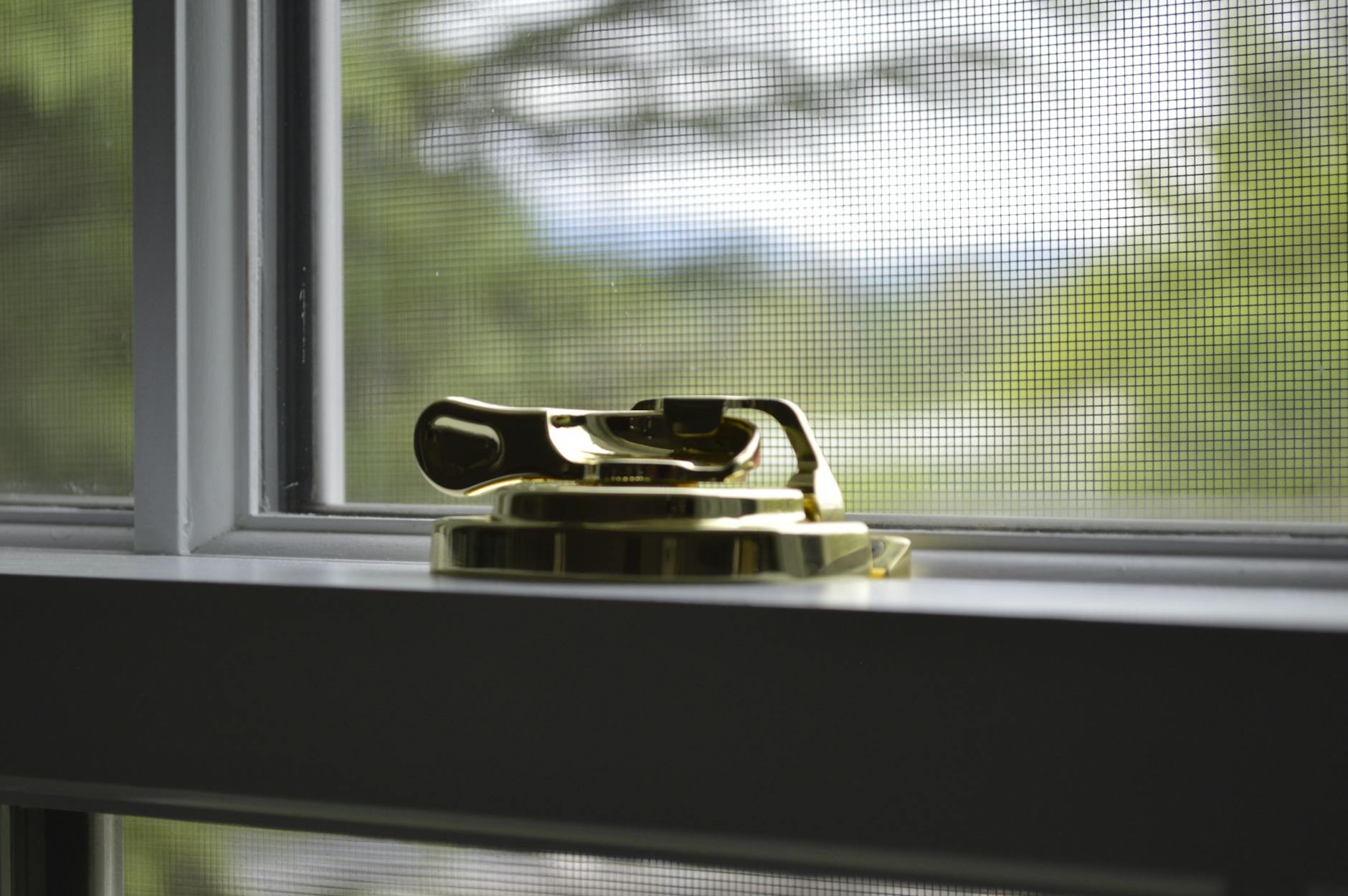
Photo by Chris Thornton. Credit: https://www.pexels.com/@ulov
Install window locks correctly
A proper install ensures the lock functions reliably and holds up to daily use. Gather the right tools for your specific product. In most cases you’ll need a drill, a screwdriver, a level, and a pencil. Read the product instructions and confirm the mounting holes align with the window frame.
Step by step guide
- Prepare the window: Clean the surface where the lock meets the sash and frame. Check for existing hardware that could interfere with installation.
- Mark the holes: Use a pencil to mark screw locations on the frame. Double-check that the marks will align with the lock’s mounting holes.
- Install the hardware: Use the provided screws and hardware. Tighten each screw firm but not over-tight, to avoid warping the frame.
- Check alignment: Close the window and test the lock. It should engage smoothly and not bind the sash.
- Test opening limits: For sliding or casement windows, ensure the lock prevents the window from opening more than the desired amount.
- Verify durability: Open and close several times to confirm the hardware remains aligned after repeated use.
- Clean up: Wipe away any dust and store extra screws in a labeled container for future maintenance.
If you’re installing multiple locks, do each window type separately. Double-hung, single-hung, and sliding windows each have their own mounting quirks. Following the manufacturer’s instructions will save time and frustration.
Enhance security for sliding windows and ground floor openings
Sliding windows can offer convenient views, but they also expose vulnerabilities. Pair a sliding lock with additional measures to deter intruders.
- Install a secondary latch: A bottom sash lock or a supplemental keeper increases resistance to forceful entry.
- Add a window stopper: A simple wedge or pin prevents the sash from sliding open beyond a safe distance, even if the primary lock is bypassed.
- Use a security bar: A movable bar installed in the track can stop the window from sliding, giving you a strong physical barrier.
Pairing these features with a solid lock creates layered security. It’s a practical approach that fits most homes and tenants’ needs.
Smart options and accessories
If you want a modern touch, look for smart window accessories that integrate with home automation systems. Some locks and sensors connect to a hub or app, letting you monitor the status of each window from your phone. Smart sensors can alert you if a window is opened while you’re away, and some products trigger an audible alert or trigger a home security system.
When choosing smart options, verify compatibility with your existing devices, consider battery life, and read user reviews about reliability. If you rent, check with your landlord before installing smart devices to ensure you meet lease terms.
Budgeting and shopping tips
Security upgrades don’t have to break the bank. Start with the windows at highest risk and expand as needed. Here are practical tips for shopping at Home Depot:
- Compare similar products: Look for the same lock type from different brands to evaluate price versus durability.
- Check warranties: A longer warranty often signals higher quality. Read what the warranty covers and for how long.
- Check installation requirements: Some locks are easier to install and maintain than others. If you’re renting, choose options that you can remove cleanly.
- Consider bulk purchases: If you’re outfitting a large home, a small discount on multiple units can add up.
- Read reviews: Real-world experiences reveal issues like squeaking, loosening screws, or fit problems that specs don’t show.
- Favor reputable brands: Defender Security, Keeney, and Prime-Line are common names in home improvement stores and offer a range of window security products.
Budget planning should balance upfront cost with long-term value. A reliable lock that lasts years pays off in fewer replacements and better peace of mind.
Maintenance and testing
Locks need occasional attention to stay effective. Schedule a monthly quick check to ensure everything remains aligned and functioning.
- Inspect screws: Over time screws can loosen. Tighten them if you notice any movement when you operate the lock.
- Clean moving parts: Wipe away dirt and debris that can slow operation.
- Test the lock: Close and lock the window several times to confirm it engages smoothly.
- Check the frame and sash: Look for cracks or warping that could affect the fit.
If you notice any wear, replace the lock promptly. Regular maintenance helps prevent a small issue from becoming a bigger security problem.
Quick-start checklist
- Map windows by risk level and priority.
- Choose at least two lock types for high-risk openings.
- Install according to manufacturer instructions and ensure proper alignment.
- Add an auxiliary measure for sliding or ground-floor windows.
- Consider a smart sensor for monitoring your most vulnerable openings.
- Schedule regular maintenance and testing.
Common mistakes to avoid
- Skipping measurement checks: A lock that doesn’t fit properly is useless. Measure carefully and choose the right size and style.
- Over-tightening screws: It’s easy to crack frames, especially on vinyl or wood windows.
- Mixing mismatched hardware: Use the manufacturer’s screws and anchors designed for the lock system.
- Ignoring weather exposure: Outdoor windows need corrosion-resistant hardware or protective finishes.
- Underestimating maintenance: Locks need attention just like any other moving part in your home.
Where to buy and return policies
Home Depot makes it straightforward to buy, install, and return window locks. Look for:
- In-store help: Staff can assist with selecting the right lock and measuring requirements.
- Online reviews and product specs: Read before you buy to understand installation specifics.
- Return window: If a lock doesn’t fit or function as promised, you usually have a reasonable period to return it.
- Warranties: A solid warranty provides extra assurance for higher-priced locks.
Conclusion
Securing windows with locks from Home Depot is a practical, effective way to improve home safety. Start by identifying vulnerable openings, then choose the right locks for each window type. Install with care, add smart or auxiliary options as needed, and maintain your hardware through regular checks. Small steps now can prevent bigger problems later, giving you more confidence whether you’re home or away.
If you’re ready to upgrade, begin with the windows that are easiest to reach and most at risk. You’ll gain immediate benefits in security and peace of mind, and you’ll create a foundation for more protective measures over time. Have questions about fitting a particular window style or need help choosing a specific lock product from Home Depot? Share your scenario and we’ll tailor guidance to your home.
Photo by Chris Thornton. Credit: https://www.pexels.com/@ulov