What If the Only Thing Between You and the Life You Deserve Is a Hidden Wealth Code Waiting to Be Activated
>>> Open the Door <<<

Ever find yourself needing a quick scan but you don’t have a bulky scanner on hand? Your phone can save the day, turning paper chaos into digital clarity in minutes. This guide shows you how to use your device to capture clean, shareable documents with just a few taps.
With built in tools on most smartphones, you can snap pages, crops them automatically, and adjust brightness for legible text. The process is simple, fast, and free, so you can avoid printing or emailing photos that look messy. You’ll learn practical steps that work whether you’re at home, in the office, or on the go.
Why bother with a phone scan? It’s portable, instant, and perfect for receipts, forms, notes, and contracts. You can save files as PDFs, store them in the cloud, or send them straight to colleagues or clients. The best part is how the workflow stays light and unobtrusive so you can keep working.
This guide covers prep steps, iPhone and Android methods, and quick editing tips. You’ll discover how to ensure your scans are legible, well organized, and ready to share. By the end, you’ll scan faster, with confidence, and keep your important documents safe in one accessible place.
There Is a Frequency That the Wealthiest Families Have Used for Generations and Most People Will Never Know It Exists
>>> Open the Door <<<

Why Use Your Phone to Scan Documents
In today’s fast moving workflow, your smartphone is a powerful ally for turning paper into clean, shareable digital files. Scanning with your phone is not a gimmick; it’s a practical, reliable alternative to traditional scanners that fits into real life. Whether you’re handling receipts, contracts, or notes, a phone scan keeps you organized without slowing you down. Below you’ll find why this approach works so well and how to maximize the results.
Portable and Ready Anytime
Your phone goes wherever you go, so your documents can, too. There’s no need to pack a separate device or hunt down a local print shop. A quick capture in a cafe, a meeting room, or on the bus is enough to create a legible, organized file. The portability is especially useful for those moments when speed matters, like getting a contract back to a client before a deadline.
- Key benefit: speed and accessibility combine to reduce friction in your day.
- Image reference:
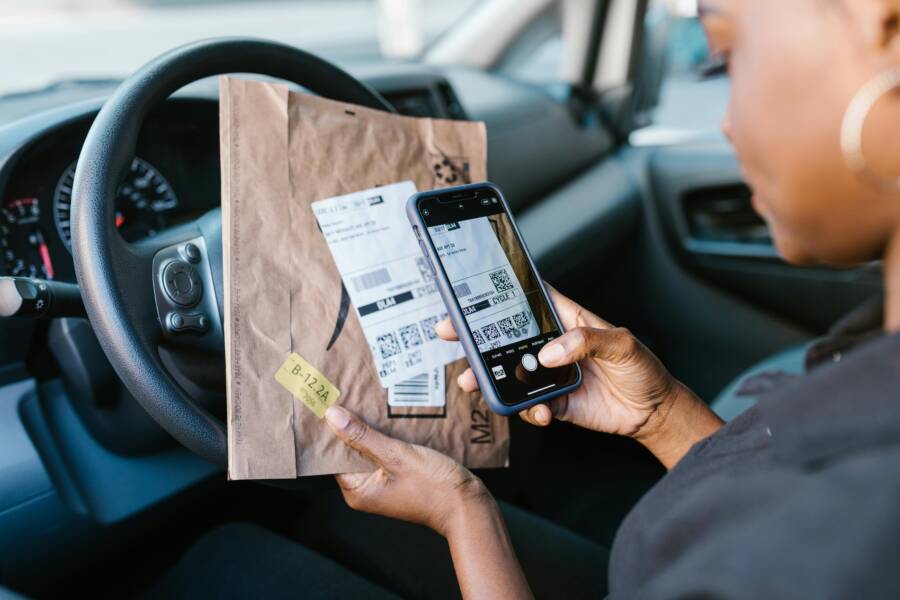
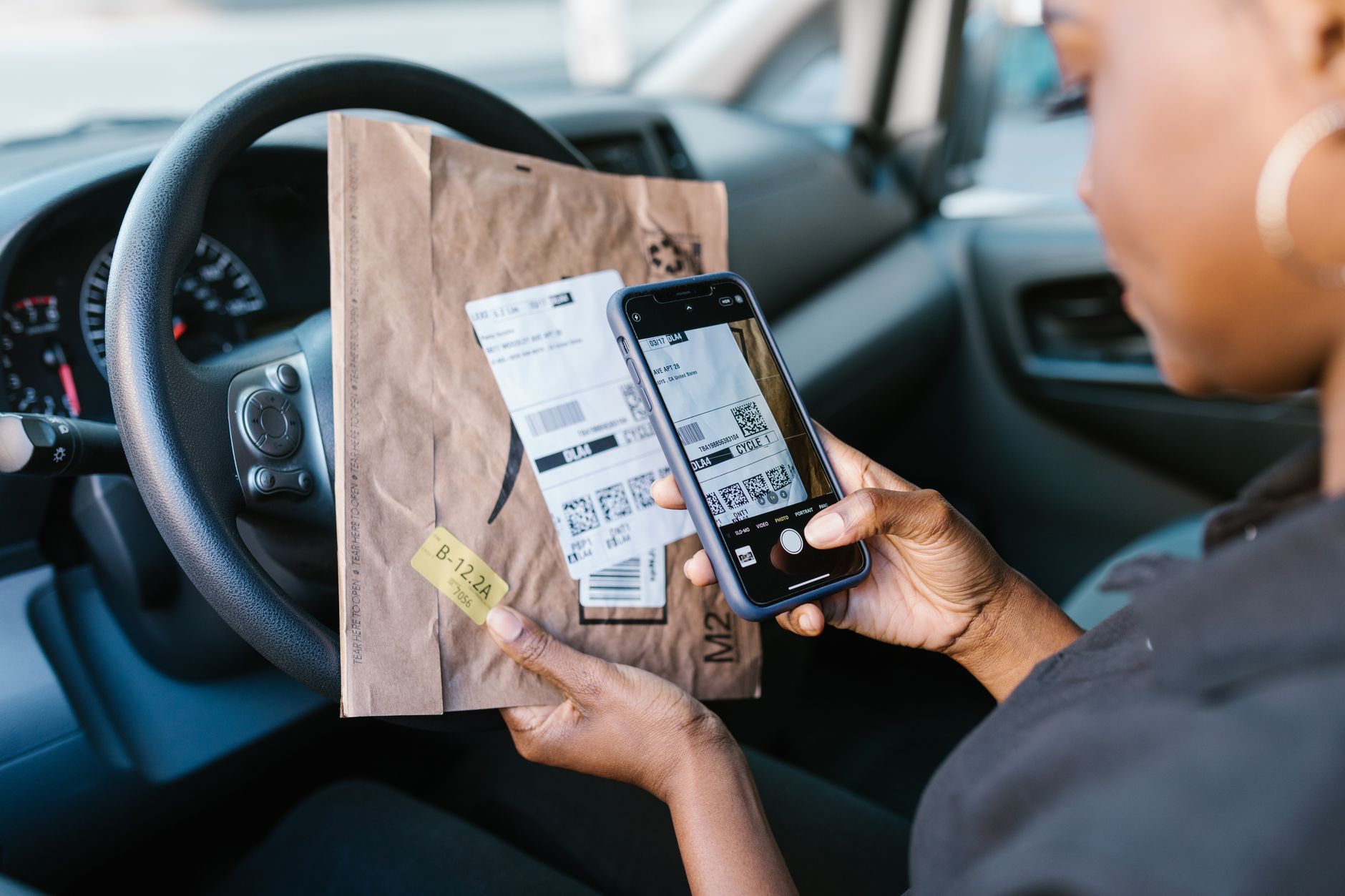 Photo by RDNE Stock project
Quick Setup, No Special Equipment
No extra gear is required. Most modern phones have built in scanning features or apps that turn a photo into a PDF with minimal effort. This eliminates trips to the office supply store or delays waiting for a coworker to lend a scanner. You can scan in color or grayscale, adjust brightness and contrast, and crop unwanted edges in a few taps.
- Takeaway: a simple, one device solution keeps your process lean.
- Link: For a broad view of mobile scanning options, see industry roundups like HP Tech Takes’ overview of mobile scanning apps. Best 5 Mobile Scanning Apps for your Phone
Consistent, Legible Results
Modern scanning tools are designed to optimize readability. They detect page edges, straighten skewed pages, and boost text clarity. The result is a document that reads like it came from a professional scanner, not a phone photo. This consistency is crucial when you need to archive, share, or sign documents later.
- Pro tip: choose a scanning mode that emphasizes text sharpness for contracts and forms, and use color only when the document includes important color information (like forms with colored fields).
Easy Storage and Sharing
Phone scans integrate with cloud storage, email, and collaboration apps. Save everything as PDFs or image files, then organize by date, project, or client. The ability to share a single link or attach a file to a message speeds up approvals and reduces back and forth.
- Practical tip: create a dedicated folder structure like “Projects > 2025 > Client A” to keep scans tidy and searchable.
Improved Document Security
Digital copies reduce the risk of losing physical paper. When you back up scans to encrypted cloud storage and password protect PDFs, you add an extra layer of security. This is especially important for sensitive documents like contracts or financial statements.
- Security note: always review app permissions and enable auto lock on your device to guard access.
Versatility Across Tasks
Phone scanning works for more than just documents. You can capture whiteboards, receipts for expense reporting, business cards, and notes from meetings. This versatility makes your phone a central hub for information capture. You’ll also notice faster triage of documents during busy days when you can digitize on the spot.
- Scenario example: you’re at a conference and need to share a speaker slide deck. A quick scan to PDF makes it easy to circulate with teammates.
Real-World Considerations
While phones offer many advantages, a few practical tweaks improve results:
- Lighting matters. Use natural light or a bright, even light to avoid glare and dark shadows.
- Flat surfaces work best. If a page is wrinkled, flatten it gently for a cleaner capture.
- Avoid glossy pages that reflect light; if necessary, adjust angle to minimize glare.
- Alignment helps. If the page is skewed, use the automatic alignment feature or crop the edges manually.
- Link: For readers exploring the broader benefits of mobile scanning, consider resources like Mopria’s overview of mobile scan apps. 6 Benefits of Mobile Scan Apps
Images That Speak Louder Than Words
A well captured scan saves time and avoids back and forth. When you share a scan, add a brief note to explain its purpose. A clean, well named file makes it easier for others to understand what they’re receiving, which speeds up approvals and reduces confusion.
- Example naming convention:
ClientA_Contract_2025-04-28.pdfto reflect content and date.
How This Section Fits Into Your Workflow
Using your phone to scan documents is not just about capturing pages. It’s about shaping a workflow that keeps your work moving and your files consistent. With careful capture, smart organization, and secure sharing, you can cut clutter and save time.
- Additional tip: set up a routine where you scan daily or weekly, then file scans in a clearly labeled folder. This habit prevents pileups and makes retrieval fast.
Suggested Resources
- A broad look at mobile scanning apps and their benefits can help you pick the right tools for your needs. For a deeper dive, check out the latest roundups of top scanner apps. Top 10 Best Document Scanner Apps You Need to Try
- If you want a quick read on mobile scanning advantages, this guide highlights practical reasons to use a phone for scanning. 5 Advantages of Using a Mobile Scanner
Image credits: If you’re including visuals, place them where they support the point you’re making. A practical photo can illustrate the mobility and ease of scanning on the go. Remember to credit the photographer. Photo by RDNE Stock project.
Prepare Your Phone and Documents for Scanning
A smooth, fast scan starts before you lift the camera. Getting your phone ready and organizing the document properly pays off with sharper text, fewer edits, and a cleaner final file. Here’s a practical checklist to set you up for success.
Choose the right device and app setup
Your phone is the tool, but the app you use shapes the result. Start by selecting a scanning app or built-in feature that lets you save as a PDF and export with minimal fuss. If you’re exploring options, a quick glance at popular mobile scanning apps can help you pick one that fits your workflow. For broader guidance on which apps to consider, see industry roundups like HP Tech Takes’ overview of mobile scanning apps. Best 5 Mobile Scanning Apps for your Phone
- Tip: ensure the app can auto-detect page edges and straighten skew to reduce manual cropping.
- Accessibility note: many apps offer color and grayscale modes. Pick the setting that preserves readability and reduces file size.
Clear the camera lens and check your hardware
A clean lens makes a visible difference in capture quality. Wipe the lens with a soft microfiber cloth before you shoot. If your phone case creates a marginal obstruction, remove it for the scan. A scratch-free lens produces crisper text, which is essential for legibility later in a long review or contract.
- Practical tip: avoid using the camera’s digital zoom. It often reduces sharpness. If you must crop later, rely on the app’s edge detection instead.
If you rely on your phone’s built-in camera to scan, test the feature before you need it in a rush. A quick test capture helps you confirm that the app’s scan-to-PDF workflow is working as expected. For a quick look at how apps streamline this process, see SwiftScan’s quick scanning guide. SwiftScan – Quick Scanning Guide
Prepare the document for a clean capture
Some papers are bumpy, glossy, or wrinkled. A few simple steps can dramatically improve results:
- Flatten the page gently on a flat surface. A smooth surface reduces warping and reflections.
- Remove staples, clips, or bindings that might obscure text near the edges.
- If you’re scanning on glossy paper, tilt the page slightly to reduce glare. You can also adjust lighting to minimize reflections.
- Align the page so the text sits within the scan frame rather than at an extreme angle.
If you’re dealing with stacks, separate pages so each scan has a single, clear document. This reduces misreads and makes automatic edge detection more reliable.
Optimize lighting for readability
Lighting is a make-or-break factor. Natural daylight is usually the best option, but avoid harsh sun that creates shadows. If you’re indoors, position the document under evenly distributed light. A desk lamp with a diffused shade can help, as long as the light is not directly behind the document and causing glare.
- Best practice: aim for uniform brightness across the page to prevent bright spots or dark bands that hide text.
Bridge formatting and file naming
Plan how you’ll save and organize scans before you begin. A consistent naming convention and folder structure save you time later. Think about including the client name, document type, and date in the file name, like ClientA_Contract_2025-04-28.pdf. This practice makes retrieval easier during reviews or audits.
He Was Drowning in Bills and Burnout Until a Simple Daily Ritual Rewired His Brain for Wealth in Less Than a Week
>>> Start Your Shift Today <<<

- Organization tip: set up a folder structure that mirrors your projects, for example, “Projects > 2025 > ClientA.” A little discipline here pays off when deadlines loom.
Test a quick capture to calibrate your workflow
Do a short test run with a page that has both text and a simple graphic. Check for edge alignment, legibility, and the file size. If the scan needs tweaks, adjust brightness, contrast, or color mode and recapture. A test run helps you nail the exact settings you’ll use in real situations.
- Pro tip: if you’re scanning multiple pages, create a quick sequence and keep the same settings across pages for consistency.
Consider security and privacy from the start
Think about where your scans live. If you’re capturing sensitive documents, enable encryption in your cloud storage and password-protect PDFs when your app supports it. Verify that the app’s permissions align with your privacy needs, and avoid saving sensitive files in shared devices or folders without adequate protection.
- Security note: review each app’s settings, including auto-lock on your device and any cloud sync options. A small safeguard now saves trouble later.
Real-world scenarios you’ll encounter
- You’re traveling and need a receipt for an expense report. A quick scan in good lighting makes the receipt readable and easy to attach to the expense form.
- You’re at a conference and want to share a speaker slide deck. Scanning the slides as a PDF keeps the content legible and ready for teammates.
- You’re at home and need a contract scanned for an e-signature. A clean, edge-aligned capture speeds up the signing process.
Quick references and additional reading
- For a broader view of mobile scanning options and how they fit different needs, explore resources that compare apps and their features. Best 5 Mobile Scanning Apps for your Phone
- If you want practical guidance on scanning with a phone, this guide covers steps and tips to improve results. How to Scan Documents with Your Phone: A Step-by-Step Guide
By investing a few minutes up front to prepare your device and documents, you’ll shorten the time from capture to a polished, ready-to-share file. This foundation makes the rest of the process flow smoothly, whether you’re at home, in the office, or on the road.
Scan Documents on iPhone Step by Step
Scanning documents with your iPhone can be a breeze when you know where to look and what to use. This section breaks down practical, step by step methods so you can choose the best approach for your situation. You’ll learn how to capture clean scans, edit edges, and organize files for quick sharing. The goal is to keep the process fast, accurate, and ready for sending or storing. A smartphone is more than a phone here; it’s a portable scanning tool that fits in your pocket and your workflow. Below you’ll find three focused approaches to fit different tasks and preferences, with real-world tips to boost readability and consistency.
Use the Notes App to Scan
The Notes app on iPhone offers a built-in, reliable way to scan documents without extra software. Start by creating a new note or opening an existing one, then tap the camera icon and select Scan Documents. Position your phone so the document sits within the on-screen frame; the app will auto-capture when it recognizes the page, or you can capture manually with the shutter button. After scanning, adjust the edges to fit the page precisely, and add more pages if needed. Save the scans as a single PDF or export individual pages to share. You can even add signatures or IDs directly within the note for quick approvals. For convenience, you can export a complete bundle as a PDF to email, cloud storage, or a project folder. This approach is ideal when you want a simple, integrated workflow without leaving your Notes environment. If you’re new to this, Apple’s guide on scanning with Notes is a solid reference to get started: https://support.apple.com/guide/iphone/scan-text-and-documents-iph653f28965/ios. For a practical, quick read on starting and using Notes for scanning, see the official Apple support article: https://support.apple.com/en-us/108963. Keep in mind that you can also combine scans with signatures when you need them, making it a compact solution for contracts and forms. Remember to name files clearly, like ClientA_Contract_2025-04-28.pdf, so colleagues can find them fast.
Quick Scan with Camera App
If you need a fast capture and you’re short on time, the iPhone camera app can be a surprisingly effective scanner, especially when you use a mode that supports live text and easy saving. Open the Camera app and look for a Scan mode if your device offers it; some models provide a built-in document scanning feature that aligns and crops automatically. If you don’t have a dedicated scan mode, use Live Text to extract text from the image later and save as an image or PDF. To save, tap the shutter to snap a photo and use the editing tools to crop edges and adjust brightness. Save as a PDF when you need a document-like file, or keep a high-quality image if you’ll embed the page in another document. Use this method when you want a quick capture on the go and plan to perform minor edits later. For broader guidance on camera-based scanning and Live Text, Apple’s Live Text guide offers detailed steps: https://support.apple.com/guide/iphone/use-live-text-iphcf0b71b0e/ios. This approach is often preferred over Notes when you need a fast, separate image file that can be shared via messaging apps or stored in a project folder.
Scan and Manage in Files App
The Files app can handle batch scans and give you a tidy, organized repository for all documents. Open Files and select the location where you want the scans stored, then use the built-in scanner to capture multiple pages quickly. Create a dedicated folder structure like “Projects > 2025 > ClientA” to keep scans organized by client or project. After scanning, you can rename files, merge pages into a single PDF, and choose export options such as AirDrop, email, or cloud storage. The Files app is especially useful when you need to manage large batches of pages or integrate scanned documents with other file types in your workflow. For a detailed walkthrough of scanning within the Files app, you can refer to guides like the MacRumors how-to article on scanning in the iOS Files app: https://macrumors.com/how-to/scan-documents-ios-files-app. For a broader look at how to scan documents using iPhone’s Files app, Apple’s official guide provides step-by-step instructions: https://support.apple.com/en-us/108963. This method helps you maintain a centralized, searchable archive, ready for quick retrieval and sharing.
Scan Documents on Android Phones Step by Step
Scanning on the go has never been easier. Whether you’re filing receipts, contracts, or notes, your Android device can turn paper into tidy, shareable PDFs in minutes. This section covers three practical approaches so you can pick the one that fits your workflow. You’ll learn how to scan with Google Drive, use your camera or gallery apps, and explore other built-in options. Each method is designed for speed, accuracy, and simple sharing.
Scan with Google Drive
Google Drive’s built-in scanning feature is a reliable option for most Android users. It detects document edges, straightens pages, and saves your scans as PDFs or image files. Start by opening Drive, then tap the “+” button and choose Camera or Scan. Position the document to fill the frame, then capture pages one by one. After scanning, you can adjust colors and brightness to improve readability, crop any excess edges, and save as a single PDF or multiple files. Share instantly via link or email, or export to cloud storage for later access. This method keeps things simple and integrates directly with your existing Drive setup, making it ideal for everyday use.
- Quick tip: if your document has mixed color sections or highlights, try the color mode that preserves important details while keeping file sizes reasonable.
- Related resource: for broader context on mobile scan options, see industry discussions like HP Tech Takes’ overview of mobile scanning apps.
The 3 Best Mobile Scanning Apps of 2025
 Photo by cottonbro studio
There Is a Frequency That the Wealthiest Families Have Used for Generations and Most People Will Never Know It Exists
>>> Open the Door <<<
Use Your Camera or Gallery App
Many Android devices come with built-in scan modes in the camera or gallery apps. These features let you capture pages and save them as PDFs or images with minimal taps. If your device doesn’t offer a dedicated scan mode, you can still create a clean PDF by taking a high-quality photo and using an editing step to crop and adjust brightness. The key is to ensure the page sits flat and well lit so text stays crisp. Once captured, you can merge pages into a single PDF or keep them as separate files in your preferred folder. This approach is fast, familiar, and requires no extra software.
- Quick note: Live Text or OCR features may help extract text later if you need a searchable document.
- Helpful link: check out tools that compare or describe practical scanning methods across Android devices.
How to scan documents on your Android phone or tablet
Other Built-in Options
Beyond Google Drive, several native options exist on Android devices that keep scanning simple. Microsoft Lens (now part of the Microsoft 365 ecosystem) offers edge detection, OCR, and export to PDF or Office formats. Samsung and other manufacturers often provide their own scan apps with quick setup. These tools are lightweight, reliable, and designed to work well with your existing apps and cloud storage. If you prefer a straightforward, no-fuss setup, try the built-in option first and then explore a dedicated scanner app if you need additional features.
- Quick-start idea: open the app, select document scan, align the page, capture, and export as PDF to your preferred location.
- Related reading: a concise overview of built-in scanners and popular alternatives.
Microsoft Lens – PDF Scanner
Edit, Enhance, and Share Your Scans
After capturing a document, the real work begins. Editing, enhancing, and sharing your scans ensures they’re readable, properly organized, and ready for review or signing. This section covers practical ways to polish scans and deliver them in professional formats.
Quick edits that matter
Small adjustments can make a big difference. Tweak edge alignment, straighten pages, and adjust brightness or contrast to improve legibility. If your app supports it, apply a lightweight color or grayscale filter to reduce file size without sacrificing text clarity. For many documents, a clean black and white or crisp grayscale look is enough to make text pop.
- Tip: aim for consistent text clarity across pages, especially when compiling multi-page documents.
When to crop and straighten
Cropping removes unnecessary margins, while straightening fixes skew. These two steps dramatically improve readability, particularly on forms and contracts. Many scanning tools automatically detect page edges; if not, manual adjustments are quick and precise. A neat edge frame helps when you later merge pages into a single PDF.
- Reminder: keep important content near the center of the frame to avoid cutting off fields or stamps.
Enhancing readability with text features
OCR (optical character recognition) makes scanned text searchable and editable. If your workflow relies on extracting data from forms, invoices, or receipts, enable OCR and save as searchable PDFs when possible. Some apps offer automatic text recognition during export, which saves time in later edits or data entry.
- Note: not all scans benefit from OCR. For documents with complex formatting or heavy graphics, a balance between image clarity and text recognition is key.
Saving in the right format
Choose the format that best fits your workflow. PDFs are ideal for contracts and forms, while image formats work well for quick sharing. If you plan to annotate or sign, PDFs with embedded text fields or fillable forms can save you steps later. Many apps let you export to cloud storage, email, or collaborative platforms with a single tap.
- Best practice: standardize on a single format per project to keep your archives consistent.
Organizing and naming your scans for quick retrieval
A thoughtful naming convention speeds up reviews and audits. Include client or project identifiers, document type, and date. For example, ClientA_Contract_2025-04-28.pdf. Pair this with a folder structure that mirrors your workflow, such as “Projects > 2025 > ClientA.”
- Organizational tip: add tags or metadata if your app supports them; they improve searchability across devices.
Sharing securely and efficiently
Sharing should be fast and secure. Use password-protected PDFs for sensitive material and share via encrypted cloud links when possible. If you’re sending to a team or a client, a single link is often enough for quick access. When appropriate, set expiration dates on shared links to limit access.
- Security reminder: confirm recipients have the necessary permissions before granting access.
When to edit in separate apps versus in one ecosystem
Some people prefer editing within a single app for speed, while others benefit from specialized tools. For instance, you can edit scans in a document editor within the same ecosystem, or use a dedicated scanner app with advanced edge detection and OCR. If you’re already using a suite like Adobe Scan, you’ll find robust editing features built in.
- Executive tip: try a primary app for initial edits, then fine tune in a secondary app if you need advanced OCR or redaction features.
Real-world workflows you can adopt
- A contract bundle: scan each page, crop precisely, run OCR, and export as a single PDF. Name the file by client and date, then store in the project folder.
- Expense receipts: capture in color if needed for legibility, apply grayscale to reduce file size, and save as a consolidated PDF for easy emailing.
- Meeting notes: snap whiteboard pages, straighten, and save as a PDF with a descriptive title for quick sharing with teammates.
- Practical example: you’re preparing a client proposal. Scan slides or handouts as PDFs, then merge them with your contract draft to send a complete package.
Helpful resources for smart editing and sharing
- A broad look at mobile scanning apps and their editing capabilities can help you pick the right tools. Best Document Scanning Apps for iPhone and Android
- A practical guide on editing scans with popular tools, including OCR features and export options. Adobe Scan: Edit scans on iOS
- An overview of top mobile scanning apps and OCR performance to inform your app choice. The best mobile scanning and OCR software in 2025
- A quick how-to on editing scanned documents on mobile devices. How to Edit a Scanned Document on Your Mobile
If you want to broaden your toolkit, exploring dedicated scanning apps can be worthwhile. Some offer advanced features like batch processing, automatic color optimization, and more precise edge detection.
How this section supports your workflow
Editing, enhancing, and sharing are the final polish steps in turning a photo into a professional document. When done well, your scans look clean, are easy to archive, and travel smoothly through review cycles. The right tools and habits reduce back-and-forth and keep your projects moving forward.
- Quick reminder: keep a consistent naming scheme and folder structure to avoid hunting for files under pressure.
Top Tips for Perfect Phone Scans Every Time
A clean, legible scan is a small habit that pays big dividends. Whether you’re archiving receipts, submitting forms, or sharing contracts, great scans save time and reduce back and forth. Here are focused, practical tips you can apply right away to get consistently reliable results from your smartphone.
Lighting and setup for sharp captures
Good light is the foundation of readable text. Aim for bright, even illumination without glare. Natural daylight works well, but avoid direct sun that creates harsh shadows. If you’re indoors, soften shadows with a diffused light source and place the document on a neutral, non-reflective background.
- Position the page flat and fully within the frame. A slight tilt can cause distortion, so keep the surface level.
- Use a steady hand or a stable surface. If possible, prop your phone to avoid motion blur.
- For quick reference, many apps auto-adjust brightness and contrast. If your app doesn’t, you can fine tune after capture.
If you want a broader view of mobile scanning options, explore industry insights like HP Tech Takes’ overview of mobile scanning apps. Best 5 Mobile Scanning Apps for your Phone
Prevent skew and capture edges like a pro
Most phone scanners excel at edge detection, but you’ll still get better results with deliberate framing. Align the document so its edges are parallel to the screen edges. Keep the page centered to avoid cropping important text.
- Use the on-screen guides many apps provide to help you line up edges.
- If the page is slightly curved or wrinkled, flatten it gently and retry. A single clean capture is worth a second shot.
- For multi-page documents, capture each page individually to avoid merging errors later.
For a quick look at practical scanning methods across devices, see practical guidance on mobile scanning apps. The 3 Best Mobile Scanning Apps of 2025
Color, grayscale, and OCR considerations
Color is useful when color fields carry important meaning. Otherwise, grayscale or black and white often reduces file size without sacrificing readability. If your workflow relies on text search, OCR is a must. Enable it when exporting to searchable PDFs and verify the results on a test page.
- Keep color only for documents where color conveys essential information.
- When you don’t need color, a crisp grayscale scan is faster to process and easier to store.
- If you’re unsure, run a quick comparison: one color scan and one grayscale, then choose the one that looks best for your needs.
For guidance on how to optimize OCR and editing, you can reference industry resources on mobile scanning and OCR performance. The best mobile scanning and OCR software in 2025
File naming and organization from the start
A consistent naming convention saves minutes during reviews. Include client or project identifiers, document type, and date in the filename. For example, use ClientA_Contract_2025-04-28.pdf. Pair this with a folder structure that mirrors your workflow, such as “Projects > 2025 > ClientA.”
- Create a dedicated folder for each project and keep updates in one place.
- If you’re batching pages, name the final file clearly, like a merged contract bundle.
- Add simple tags if your app supports them to improve searchability later.
For a quick reference on organizing scans, check guidance like the Files app workflows and related tips. Best Document Scanning Apps for iPhone and Android
Secure sharing that preserves privacy
Security should be part of your scanning routine. Save sensitive files to encrypted cloud storage and use password-protected PDFs when possible. Share via encrypted links rather than large email attachments. If you must send to multiple recipients, consider setting an expiration on the shared link to limit access.
- Confirm recipients have the right permissions before granting access.
- Use strong, unique passwords for PDFs that contain confidential information.
- Keep an eye on app permissions and disable any that aren’t essential.
Sharing best practices are often covered in practical scanning guides and app reviews. Five tips for secure mobile document sharing
Quick checks before you hit share
A fast verify pass can prevent embarrassing errors. Do a final glance for edge alignment, legibility, and completeness.
- Confirm every page is legible and not cropped too tightly.
- If you’re merging pages, ensure the order matches the original sequence.
- Run a quick color or grayscale test to confirm readability on all screens.
Real-world workflows show that a five-second check can save hours of back-and-forth later. For added context on efficient editing and sharing, see resources on mobile editing workflows. Best Document Scanning Apps for iPhone and Android
Quick reference scenarios to master everyday scans
- Receipts for expense reports: a clean grayscale scan keeps file sizes small and easy to attach.
- Contracts and forms: edge alignment and OCR-enabled exports speed up review and signing.
- Whiteboard notes: capture before the ink fades, then crop and save as a PDF for sharing.
Each scenario benefits from the same core habits: good light, flat alignment, and consistent naming. A smartphone becomes a reliable extension of your workflow when you keep these basics in mind.
How this tip sheet fits into your workflow
Perfect phone scans are not a one-off task. They’re part of a repeatable process that keeps your documents tidy and easy to share. With consistent settings, careful framing, and smart organization, you’ll cut down on editing time and speed up approvals. The goal is to make every scan ready for immediate use, whether you’re at the desk, on the road, or traveling between sites.
- For ongoing guidance on scanning with a smartphone, you can review broader tutorials and app comparisons to refine your toolkit. Scan to PDF from Your Phone (Crisp & Small) – 2025 Guide
Conclusion
Using your smartphone to scan documents saves time and keeps your work moving. From iPhone to Android, the steps are simple: capture with a built-in scanner or camera, adjust edges and brightness, and export as a clean PDF or image. This approach works well for receipts, forms, and contracts, and it plays nicely with cloud storage for quick sharing.
On iPhone, you can start with the Notes app or the Camera app and finish in Files for batch captures. On Android, Google Drive or the native camera/gallery options offer fast, reliable results. In both ecosystems, OCR and edge detection help you keep files readable and easy to search.
Make a small daily habit of scanning and filing in a clearly labeled folder. The payoff is a faster review cycle, easier retrieval, and less paper clutter. A tidy archive means less stress when deadlines loom and more time for real work.
Try it today with one document you’d normally print. Save time daily, share your scans with teammates, and drop your best tips in the comments. If you found this useful, check out related guides in this hub and keep your workflow sharp.
She Pressed Play on a Strange Audio Track and Within Days Her Financial Reality Started Shifting in Ways She Could Not Explain
>>> See How It Works <<<
