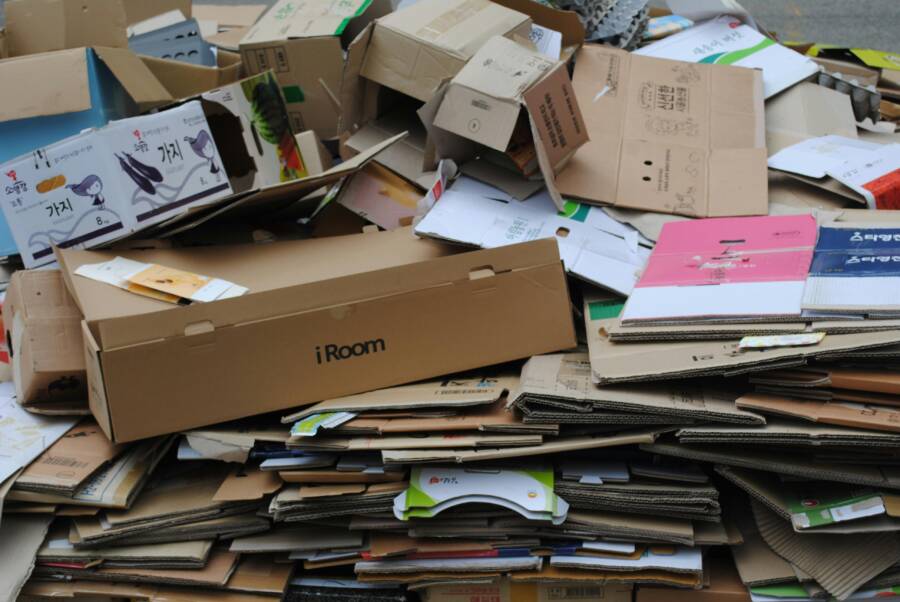
Home Depot boxes are built to handle heavy loads, but the real value shines after you bring them home. Instead of tossing them after a single use, you can stretch their life with smart reuse. From organizing closets to helping with a move and even feeding your garden, cardboard packaging can cut clutter, save money, and reduce waste. This guide walks you through practical, actionable ideas to get the most from Home Depot cardboard boxes and packaging.
Home improvement stores tend to ship large, sturdy boxes that hold up well against everyday wear. Reusing them starts with a simple mindset: plan ahead, keep a few sizes handy, and store flattening plans in a visible spot. With a little effort, you turn what looks like waste into useful tools for daily life.
Why Reuse Boxes from Home Depot
Reusing boxes offers immediate benefits for your home and wallet. The most obvious advantage is cost savings since you can skip new packing supplies for storage, moving, or crafts. Beyond money, there is the ease of reuse. A sturdy corrugated box can be repurposed many times if you treat it with respect. Try these angles:
- Durability that matters: Home Depot boxes are designed for heavy items and often resist crushing in storage. Their strength helps protect items during transport or stacking in tight spaces.
- Quick organization: Different box sizes become labeled storage bins for seasonal decorations, tools, or craft supplies. A few simple labels make retrieval painless.
- Waste reduction: Reusing a box keeps it out of the landfill and lowers demand for new packaging materials.
- Time and effort: Instead of shopping for new storage solutions, you repurpose what you already have, which speeds up your project.
Think of cardboard reuse as a small, steady habit rather than a one time project. A few well chosen sizes stored flat can become a versatile toolkit for most homes. The goal is practical, not fancy.
Smart Ways to Reuse for Home Organization
A well organized home reduces stress and gives you more time for the things you enjoy. Cardboard boxes are the convenient base for a clean, simple system.
Closet and Drawer Organization
Use boxes to partition closets or shelves. Cut the tops off, then lay them on shelves to create tiered sections. Label each box with contents and season. For example, a box can hold winter accessories or summer scarves. When you pull the box from the shelf, you know exactly what’s inside without digging through a crowded closet.
Under Bed Storage
Flat, shallow boxes slide neatly under beds. They are perfect for off season clothing, socks, or holiday decor that doesn’t see daily use. If you add a simple fabric or labeled lid, you can stack several under the bed while keeping dust out.
Garage and Tools
Smaller boxes are ideal for organizing screws, nails, fasteners, and small tools. Stack labeled boxes on a shelf so you always know where to find what you need. For larger items like spray cans or hoses, keep a couple of bigger boxes on hand for seasonal gear.
Gift Wrapping and Seasonal Packaging
Boxes make wrapping simpler when you pair them with tissue paper and ribbon. Use the interior flaps to create a built in divider for multiple gifts in one box. When the season ends, flatten the box and store it flat until next year.
Kids’ Projects and Toys
Cardboard invites kids to build forts, play houses, or maze puzzles. A few large boxes can become a treasure chest, a pretend kitchen, or a rainy day craft station. Involve kids in cutting and decorating to spark creativity while teaching them about reuse.
Labeling and Color Coding
Keep a small set of markers and a roll of clear tape to label boxes. A color code helps multiple family members stay organized. For example, red for holiday decorations, blue for seasonal sports gear, and green for gardening supplies.
Reuse Ideas for Moving and Shipping
Moving or shipping items is a major reuse opportunity. Boxes designed for Home Depot shipments can save money and protect belongings when you stay organized.
Plan Your Move with Box Zones
Assign a color or label to each room. Keep the labeled boxes grouped by zone. This approach avoids rummaging through boxes later and makes loading and unloading more efficient.
Protect Fragile Items
Wrap delicate items in packing paper or old towels before placing them in the box. Fill gaps with shredded paper or crumpled scrap cardboard to prevent shifting. Label boxes as fragile so movers know to handle them with care.
Create a DIY Moving Cart
If you have several boxes of similar sizes, you can stack them with a sturdy base. Add a simple handle with rope or a strap for moving lighter loads around the house. This makes light to medium loads easier to move without a dolly.
Reusable Packing Materials
Keep a stash of boxing tape, packing paper, and bubble wrap to reuse alongside the boxes. When boxes are no longer sturdy enough for heavy items, cut them into flat sheets for cushioning or padding in new boxes.
Returnable and Refillable Use
If you rent a van or truck, you can bring back any empty boxes for a small reuse cycle. Some communities run box sharing programs where households swap boxes for a few weeks during a move. Check local options first.
Cardboard in the Garden and DIY Projects
Cardboard has surprising uses beyond storage. In the garden and for DIY tasks, it can be a simple, affordable helper.
Gardening and Mulching
Flattened boxes can act as a weed barrier under mulch. Lay cardboard sheets over bare soil, then cover with mulch or compost. The cardboard suppresses weeds while breaking down over time. Avoid glossy or wax coated cardboard as coatings can linger in the soil.
Seed Starters and Trays
Small, flat pieces of cardboard work well as seed starter trays. Poke a few drainage holes, fill with potting mix, and place seeds. When seedlings are ready, transplant the whole box into soil, encouraging healthy root growth.
Composting and Break Down
Shredded cardboard breaks down faster in compost. It adds carbon to the mix and helps balance greens. Make sure to tear or shred boxes into small pieces to speed decomposition. Avoid treated cardboard or packaging with lots of tape and labels.
Crafts and DIY Home Projects
Cardboard is a fantastic material for low cost, high creativity projects. Build a birdhouse, a simple shelf, or a wall grid for notes. Use a craft knife to cut clean lines and finish with paint or decoupage for a polished look.
Pet Habitat and Play Areas
A sturdy box can become a temporary play area or shelter for pets. With careful ventilation holes and a soft internal layer, it can serve as a cozy hideout. Always monitor pets to ensure the setup is safe and stable.
Care, Cleaning and Prep for Reuse
The best reuse plans start with well prepared boxes. A little care goes a long way to extend their life.
Inspect Before Reuse
Look for moisture, mold, or strong odors. If a box feels damp or smells musty, air it out or set it aside for recycling. Boxes with significant wear can still be used for non delicate storage or crafts.
Clean Up
Wipe out dust with a dry cloth. If there is sticky residue, use a damp cloth with a mild soap solution and let it dry completely. Avoid soaking boxes, which can warp the cardboard.
Tape and Reinforcement
Remove old tape and adhesive remnants. Replace with fresh packing tape when you need a box that will hold weight. For added strength, reinforce corners with extra tape before loading.
Size and Shape Matters
Keep a yard of box sections in different sizes. This helps when you need a temporary container for an odd shaped item or a quick packing job. Cuts can create lids or dividers to fit inside.
Storage for Reuse
Store flattened boxes in a dry place. A closet shelf or a dedicated tote keeps them ready for the next project. Label the tote with the box sizes inside so you can grab the right one fast.
What to Do When You’re Finished with Reuse
Eventually every box reaches the end of its life in your home. Having a simple plan helps reduce waste even further.
Flatten and Recycle
Most curbside programs accept flattened cardboard. Remove tape and non cardboard inserts, then crush the box as flat as possible to save space. Dry cardboard stacks appeal to recycling crews and help with pickup efficiency.
Upcycle for One Last Project
If the box is still sturdy but you no longer need it for storage, look for a final project. A larger box can become a cat shelter or a play mat for kids, while smaller pieces can be used for lining drawers or shelves.
Donate or Pass Along
Consider donating usable boxes to a local charity, school, or community group. They often run programs that require packaging for donations or crafts. A quick social post or sign at your building can connect you with someone who can use them.
Rethink the Packaging Lifecycle
If a box has printed logos or heavy inks, some programs discourage recycling. In that case, flatten and reuse as packing material inside larger boxes, or cut into sheets for protection inside a larger container. Always check with your local recycling rules to avoid mixing incompatible materials.
Practical Examples to Jumpstart Your Routine
- You just finished a big home project. Save the largest box for tool storage and lay smaller ones flat along the back wall of a closet. Label each size so you can grab the right one later.
- Your closet is a jumbled mess. Insert a few smaller boxes on a shelf to create a tiered system for belts, hats, and gloves.
- Moving across town? Color code boxes by room, pack fragile items with packing paper, and write the destination room in large letters on the side.
- The garden is waking up. Place shredded cardboard at the base of raised beds to suppress weeds and gradually blend into soil as it breaks down.
Final Tips for Sustainable Box Practices
- Pick up a marker and label as you use boxes. A simple tag on the outside identifies contents and destination.
- Keep a small supply of tape, scissors, and a utility knife in one spot so you can adapt boxes on the fly.
- If you find rolling up boxes tedious, dedicate a weekend to prepare a batch of boxes for the next few months. A short upfront effort saves days of last minute scrambling.
- Consider a local swap program or a community center that accepts clean cardboard. It can be a quick way to extend the life of boxes beyond your home.
Conclusion
Reuse turns Home Depot cardboard into a reliable resource for organization, moving, and creative projects. The trick is to keep a few sizes on hand, prep them with a quick once over, and label them for fast retrieval. You can transform clutter into storage, cut costs on packing, and still keep your footprint smaller. Start with a simple plan this week: pull out a large box for storage, trim a few smaller pieces for a project, and set aside a space for flattened boxes ready for recycling. By treating cardboard as a reusable asset, you help your home run smoother and reduce waste in your neighborhood.