She Pressed Play on a Strange Audio Track and Within Days Her Financial Reality Started Shifting in Ways She Could Not Explain
>>> See How It Works <<<

Ever thought you could still use your phone without it hijacking your day? You’re not alone. Many people want to keep their smartphone handy while cutting down on constant distractions that steal focus and time.
This post shows simple, doable steps to regain control. You’ll learn why disruptions happen and how tiny, steady changes add up. No quitting your phone required, just smarter habits that keep you in the driver’s seat.
Small tweaks matter. For example, turning off nonessential notifications and creating prioritized times to check apps can dramatically reduce interruptions. By the end, you’ll have a practical plan that fits a busy life and helps you stay present online and offline.
Know Your Distractions and Your Goals
Distractions come in many forms, but the path to reducing them is simple: know what pulls your attention and set goals that fit real life. This section helps you spot the major culprits and then turn that awareness into concrete, doable steps. You’ll learn why certain apps grab your attention and how to train your focus without giving up your phone entirely.
What If the Only Thing Between You and the Life You Deserve Is a Hidden Wealth Code Waiting to Be Activated
>>> Open the Door <<<

Spot Your Top Distractors
Common culprits are easy to identify once you look closely. Social apps, games, endless feeds, and constant messaging all compete for your attention. Each one has a different pull: some reward you with quick hits of dopamine, others promise connection or relief from boredom. The key is to name the pull and measure its impact so you can decide what to adjust.
To make this quick and actionable, use this 1–2 minute worksheet. Circle the level of pull for each app and note the impact on your day. Then capture a simple action you can take.
- App: Social app A
- Pull: Low / Medium / High
- Impact: Minor / Moderate / High
- Action: e.g., check only at set times
- App: Game B
- Pull: Low / Medium / High
- Impact: Minor / Moderate / High
- Action: e.g., limit to weekend play
- App: Messaging C
- Pull: Low / Medium / High
- Impact: Minor / Moderate / High
- Action: e.g., mute nonurgent threads after hours
- App: Feed D
- Pull: Low / Medium / High
- Impact: Minor / Moderate / High
- Action: e.g., turn off sound, hide on home screen
Quick tips to reduce pulls without removing apps
- Change where you place apps on your screen. Put those with the strongest pull on a less accessible page or in a folder.
- Turn off nonessential notifications. You don’t have to silence everything, just the ones that interrupt focus most.
- Use a daily “check window.” Choose two or three short time blocks to review apps instead of grazing throughout the day.
- Opt for micro-bans. If you want a quick break, do a 60-second reset away from your device before returning to tasks.
If you want to explore more on why notifications distract us, credible insights show how even passive alerts can steal attention and time. For a broader view, see resources like counters to screen distractions and practical steps to reclaim attention, such as articles on reducing screen time and mindful phone use. You can read more here: https://www.cnn.com/cnn-underscored/electronics/cutting-down-on-screen-time-essentials and https://www.scripps.org/news_items/6310-8-tips-to-reduce-screen-time-for-adults.
Set Clear, Realistic Goals
Clear, actionable goals keep you steady on track. The aim is to build habits that feel possible every day, not grand, unsustainable changes. Use simple, SMART-like language and create 2–3 ready-to-use templates you can copy into your routine.
Templates you can start using today
- Daily limit on social apps
- Goal: Limit social app usage to 45 minutes per day.
- How to do it: Set a timer for 15 minutes, three times a day, and stop when the timer runs out.
- Notifications after hours
- Goal: Turn off nonessential notifications after 9 pm.
- How to do it: Use Do Not Disturb with exceptions for calls from important contacts only.
- Phone out of reach during work
- Goal: Keep the phone out of reach while working.
- How to do it: Place the phone in a designated spot (bag, drawer, or another room) before you start focused work.
If you want near-term guidance on breaking the habit and building better routines, you can explore tips from trusted sources that focus on practical steps. For example, articles that cover tracking screen time, setting personal goals, and easing into changes tend to provide straightforward templates you can adapt to your life. For more reading, see https://www.becomingminimalist.com/break-your-cell-phone-habit/ and https://www.scripps.org/news_items/6310-8-tips-to-reduce-screen-time-for-adults.
Two ready-to-use goal templates you can copy now
- Template A: Time-bound usage
- Goal: Restrict social apps to 60 minutes per day, split across two blocks.
- Timeline: 14 days to establish.
- Measurement: Daily screen time report.
- Template B: Silent evenings
- Goal: No nonessential notifications after 8 pm.
- Timeline: 21 days to form.
- Measurement: Do Not Disturb enabled; review each day.
Another practical approach is to pair goals with a simple environment tweak. For instance, keep your phone in another room during focused tasks or use a dedicated device for work tasks only. This aligns with the idea that small changes, consistently applied, lead to real gains.
To further support goal setting, consider reading about practical steps to cut down screen time and mindful phone use, which offer easy-to-implement approaches that fit busy schedules: https://www.cnn.com/cnn-underscored/electronics/cutting-down-on-screen-time-essentials and https://www.medium.com/thrive-global/distracted-in-2016-reboot-your-phone-with-mindfulness-9f4c8ad46538.
If you want to blend these ideas into a seamless section for your post, you can restructure or expand any part to fit your voice. The aim is to give readers tangible steps they can take this week, grounded in real-world behavior and simple templates.
Make Distractions Smaller with Built In Tools
Smartphone distractions don’t have to derail your day. Built in tools on iOS and Android offer powerful ways to filter what matters, create quiet periods, and reduce visual pull without giving up your phone. Below you’ll find practical, step by step guidance to set up these features and keep your attention where it belongs.
Notifications that Matter
Filtering notifications is the fastest way to reclaim focus. Start by deciding which alerts truly require your immediate attention and which can wait. Then configure your devices to surface only the essentials.
- Four-step setup
- Review each app’s notification settings and categorize them as essential, occasional, or nonessential.
- Turn off nonessential alerts or switch them to silent. If an app supports a notification summary, enable it.
- Create exceptions for critical people and urgent communications only.
- Test for a day and adjust if you still feel pulled in too often.
- Quick example for common apps
- Email: set to notify only for high priority messages
- Messaging: allow important contacts, mute group chats after hours
- Social: disable banner alerts, keep badges off for nonessential platforms
Practical setup ideas you can apply today include enabling notification summaries on iPhone to see important updates at a glance and using Android’s Modes to silence everything except critical apps. For more on reducing interruptions, see Apple’s guidance on summarizing notifications and prioritizing alerts, which helps you see what truly matters. You can explore here: https://support.apple.com/guide/iphone/summarize-notifications-reduce-interruptions-iph1fbe7d2b9/ios and general strategies at https://www.digitalminimalist.com/blog/how-to-reduce-your-screen-time.
Reader tip: keep a small, private list of “must-not-miss” alerts. Keeping this list lean makes it easier to resist the impulse to constantly check your phone.
Focus Time and Quiet Hours
Structured Focus Time turns your phone from a constant distraction into a tool that supports work and rest. Use Focus Mode or Do Not Disturb with schedules, exceptions for important people, and automatic resets to maintain momentum.
- Quick start steps
- Create a dedicated Focus or Do Not Disturb profile for work, study, and personal time.
- Add a few essential contacts as exceptions so you don’t miss important messages.
- Schedule Focus times or tie them to your calendar and location.
- Set an automatic reset when the window ends so you don’t forget to switch back.
- Sample daily schedule
- 7:30–9:00 am: Work Focus with calls from key colleagues allowed
- 12:00–1:00 pm: Brief check-in window, notifications muted otherwise
- 6:00–8:00 pm: Personal Focus, no nonurgent alerts
- 9:00 pm onward: Sleep Focus to minimize stimulation
iPhone users can set Focus modes that auto-switch by time, location, or app usage. You’ll find options to tailor notifications so that only essential alerts come through during work hours. Android users can employ Do Not Disturb with app-specific exceptions and time-based schedules to keep distractions at bay. For setup ideas and automation tips, see Apple’s Focus setup guide and Android’s Do Not Disturb overview: https://support.apple.com/guide/iphone/set-up-a-focus-iphd6288a67f/ios and https://support.google.com/android/answer/9069335?hl=en. For a broader look at customizing Focus modes, check out expert guides like Mastering iPhone Focus Modes: https://www.themobilebase.ca/blogs/news/mastering-iphone-focus-modes-how-to-customize-them-for-your-life?srsltid=AfmBOopbpKald-lkuaB2Zu8fi83jiRH7miH3b5ZMfoU8eIJ_YezoIu2Q.
Tip: make Focus mode visible on your lock screen or home screen so you can see at a glance when it’s active. This helps you stay consistent with your plan and reduces accidental toggling.
Distraction Reductions with Display Tweaks
Sometimes the pull is visual as much as functional. Small display tweaks can dramatically cut down on the urge to reach for your device.
- 2–3 actionable settings you can apply in minutes
- Grayscale: switch the display to grayscale to lessen the
Build a Focus Habit That Sticks
Reducing phone distractions without quitting means building a simple, repeatable routine you can trust. A solid focus habit hinges on small blocks of work, intentional breaks, and meaningful substitutes for the time your phone used to steal. In this section, you’ll find practical guidance you can apply today, plus pointers to where to learn more. The goal is steady progress, not perfection.
Try the Pomodoro Approach
A classic way to train focus is the Pomodoro technique. It centers on short, intense work blocks followed by regular breaks. The standard rhythm is 25 minutes of focused effort, then a 5 minute break. During the 25 minutes, place your phone out of easy reach or in another room to remove visible temptations. The key is to commit to one block at a time and protect that time from interruptions.
How to start simply
- Choose a task you want to finish or move forward. Clear a minimal amount of context so you can dive in.
- Set a timer for 25 minutes. Work without checking your phone, email, or social apps.
- When the timer ends, take a 5 minute break. Stand up, stretch, or step outside.
- After four pomodoros in a row, take a longer break of 15 to 30 minutes.
Adjustments to fit your task and energy
- Short, high-energy tasks: Shorter blocks can help. Try 20 minutes of work with a 4 minute break.
- Long or complex tasks: Extend the work window to 30 minutes or even 50 minutes, with a 5–10 minute break. The key is to keep the rhythm consistent so your brain stays in “work mode.”
- Low-energy days: Shorten the blocks to 15 minutes with a 3 minute break. The point is consistency, not stiffness.
- Busy days with hard interruptions: Increase breaks or add a quick reset between blocks. A 60-second away-from-phone reset can reset your attention and reduce the urge to check.
Tips that make the method stick
Thousands of People Were Struggling With Money Until They Discovered This One Ancient Secret Hidden in Sound
>>> Unlock It Now <<<

- Prepare before you start: close or silence nonessential apps, and set expectations with colleagues or family about your focus times.
- Use a single timer for all blocks. A dedicated Pomodoro timer reduces mental load and makes the rhythm easy to follow.
- Track your progress: a tiny log of completed blocks helps you see momentum and spot patterns in what disrupts your focus.
- Pair with a simple rule: check your phone only at the end of a block or during the designated break. If you must resolve something urgent, have a brief note ready and return to the task.
Why it works
What If the Only Thing Between You and the Life You Deserve Is a Hidden Wealth Code Waiting to Be Activated
>>> Open the Door <<<
- It creates predictable structure, not willpower. The brain loves a routine, and a steady cadence reduces the pull of constant scrolling.
- It makes distraction visible. By timing your work and breaks, you can see exactly where phone interruptions creep in and adjust.
Learn more about the Pomodoro method from practical guides such as Todoist’s overview of the technique and the official Pomodoro Technique site:
- The Pomodoro Technique — Why it works & how to do it: https://www.todoist.com/productivity-methods/pomodoro-technique
- Pomodoro Technique – Time Management Method: https://www.pomodorotechnique.com/
If you want a broader take or community tips, you can browse discussions like this guide on mini focus blocks: https://www.reddit.com/r/Productivitycafe/comments/1f8p7df/the_ultimate_guide_to_the_pomodoro_technique/
As you experiment, keep this mindset: small, repeatable blocks beat heroic but unsustainable efforts. A steady rhythm of focus blocks, with the phone kept out of reach, builds a reliable habit you can count on when energy dips or deadlines loom.
Replace Phone Time with Real Activities
When you reach for your phone out of habit, have a real, appealing alternative ready. Replacing the habit with enjoyable activities cushions the transition and makes it easier to resist the pull of the screen. The aim is to fill the time your phone used to consume with something that brings you joy, growth, or connection.
Ideas for enjoyable alternatives
- Short walks or a quick stretch session. Fresh air or a bit of movement can reset your energy and sharpen focus for the next task.
- Reading a chapter or article related to your interests. A 10–20 minute reading sprint can satisfy curiosity without pulling you into endless scrolling.
- A hobby or creative micro-session. Try doodling, journaling, knitting, or a quick photography practice around your home or neighborhood.
- Social time that’s offline. A brief chat with a neighbor, friend, or family member can fulfill the need for connection without the lure of apps.
Structuring these activities into your day
- Schedule time blocks just like you schedule meetings. Put them on your calendar or set a recurring alarm so you don’t have to decide in the moment.
- Start with one reliable alternative per block. If you’re replacing the time you’d normally spend scrolling, a 15- to 20-minute activity is a good anchor.
- Make the activity easy to access. For example, keep a book within reach or prepare a small tote with a notebook, a crossword, or a sketch pad.
Practical scheduling ideas
- After lunch, replace your usual phone check with a 15-minute walk. Fresh air can boost afternoon energy and reduce afternoon device checks.
- Before bed, swap scrolling for a short, relaxing activity like a puzzle or light reading. A calm close to the day supports better sleep.
- In the morning, use a 20-minute block for a hobby or learning activity. Building momentum early helps you carry it through the day.
Quality choices for real activities
- Quick walks: even 10 minutes around your block can shift mood and focus.
- Reading: choose something engaging but not overly long. A chapter a night can be enough to feel progress.
- Hobbies: pick low-friction activities that don’t require setup. A small knitting kit or a sketchbook sits nicely on a coffee table.
- Creative bursts: a 10-minute photo walk or a micro-writing exercise can satisfy your curiosity and reset your attention.
Where to find inspiration for replacements
- 99 Alternatives To Scrolling On Your Phone offers a broad catalog of ideas to try. https://www.thegoodtrade.com/features/digital-detox-ideas/
- People share helpful personal replacements that work in real life, like short gym sessions or quick outdoor time: https://www.reddit.com/r/digitalminimalism/comments/1inmuhg/i_want_to_replace_1_hour_of_screen_time_with/
- Creative, mindful activities you can do anywhere include reading, puzzles, or simple crafts: https://jessalittlecreative.com/blogs/news/76-creative-mindful-activities-to-do-instead-of-doomscrolling-on-instagram?srsltid=AfmBOoqs66FvgpDPhtB_56dzAAUuZvxkZsP1c1GgMDqafNlwLCPk1UXE
A few practical tips to keep replacements effective
- Keep materials handy. A lightweight notebook, a small puzzle book, or a sketchpad reduces friction to start.
- Make it social when helpful. A quick phone-free walk with a friend can satisfy social needs just as well as online chats.
- Track progress. Note how often you reach for the phone and what replacement you chose. Over time you’ll notice patterns and refine your approach.
The goal is to create a dependable menu of activities that you actually enjoy and can access without effort. When phone time is replaced with something rewarding, you’ll discover you miss it less and stay productive longer.
External resources can offer deeper guidance and fresh ideas. For example, exploring mindful digital habits and practical screen-time reductions can provide tested templates you can adapt to your life:
- 99 Alternatives To Scrolling On Your Phone: https://www.thegoodtrade.com/features/digital-detox-ideas/
- 76 Creative, Mindful Activities To Do Instead Of Doomscrolling: https://jessalittlecreative.com/blogs/news/76-creative-mindful-activities-to-do-instead-of-doomscrolling-on-instagram?srsltid=AfmBOoqs66FvgpDPhtB_56dzAAUuZvxkZsP1c1GgMDqafNlwLCPk1UXE
By pairing the Pomodoro approach with purposeful replacements, you can build a focus habit that sticks. The rhythm of focused work blocks, paired with enjoyable offline activities, reduces the urge to reach for your phone. It’s about creating a day that supports quiet progress, not a constant battle against distractions.
Create a Simple, Sustainable Plan
Distractions don’t vanish overnight. A sustainable plan keeps you in control by blending small, repeatable actions with clear milestones. In this section, you’ll find a practical two week plan and a simple method to log progress, spot patterns, and keep your momentum going. The goal is steady improvement, not perfection. Think of it as building a reliable routine that respects your life and your phone.
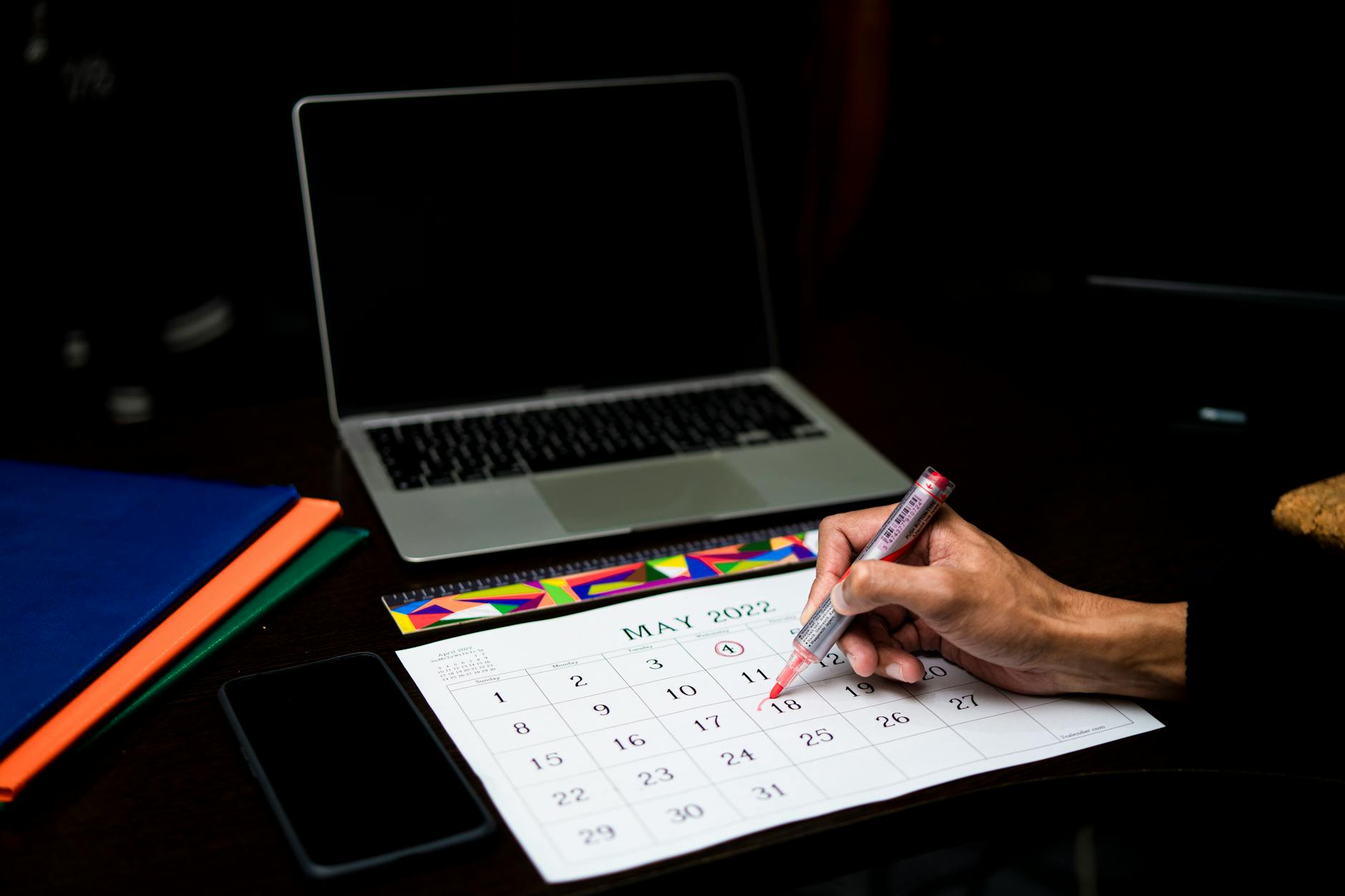
Photo by Edge Training
A 2 Week Trial Plan
Outline a day by day starter plan for 14 days. Begin with a simple morning setup, mid day checks, and an evening reflection to build momentum. The aim is consistency, not complexity.
- Day 1 to Day 3: Create your baseline
- Morning: Review your top distractors and set one small goal for the day (for example, “check social apps only twice today”).
- Midday: Do a 10-minute phone check window after finishing a focused block.
- Evening: Jot down what pulled you, what helped, and one tweak for tomorrow.
- Day 4 to Day 7: Introduce focused windows
- Morning: Establish a 60 to 90 minute primary focus block without nonessential alerts.
- Midday: Use a 15 minute, scheduled check window to handle urgent items.
- Evening: Reflect on which apps still pull attention and move them to a lower priority page or folder.
- Day 8 to Day 11: Add a replacement activity
- Morning: Pick one offline activity you enjoy as a direct substitute for scrolling.
- Midday: Keep notifications muted except for essential contacts.
- Evening: Note how the replacement activity felt and if it reduced the urge to grab the phone.
- Day 12 to Day 14: Lock in the rhythm
- Morning: Confirm your focus blocks and a brief post-work unwind ritual that excludes phone use.
- Midday: Review progress, adjust the check windows if needed.
- Evening: Final reflection on momentum and the tweaks that worked best.
A few practical prompts to guide daily execution
- Morning: Identify one distraction to reduce today and one replacement activity to try.
- Midday: Use a fixed check window to avoid grazing.
- Evening: Capture one win and one area to improve tomorrow.
If you want extra guidance on building sustainable habits, credible resources outline simple, practical steps to reclaim attention without quitting your phone. For example, you can explore mindful approaches to screen time and routine-based plans from trusted outlets:
- https://freedom.to/blog/mindful-phone-habits/
- https://www.cirkledin.com/library/mental-health-and-well-being/digital-detox-guide-7-day-phone-reset/
Track, Adjust, and Keep Momentum
A straightforward logging system helps you see patterns without turning this into a chore. Track short metrics, notice which settings shift your behavior, and tweak gradually. The emphasis is on small wins and steady gains rather than perfect results.
- Simple progress log
- Daily check: How many times did you pick up the phone outside your planned windows?
- Focus blocks completed: Number and length of uninterrupted work periods.
- Replacement activity use: Which activities did you actually choose and how long did you engage?
- Pattern spotting
- Time of day: Do you reach for the phone more in the morning or after lunch?
- Context: Are certain apps more tempting at work or during leisure time?
- Environment: Does being in a particular room or location increase urges?
- Tactical tweaks
- Shift notifications: Move nonessential alerts to a silent summary or off entirely during focus blocks.
- Adjust focus windows: If a window feels too short, extend it by 10–15 minutes; if it feels too long, shorten it.
- Relocate the phone: Place it in another room during deep work or use a dedicated device for work tasks.
A simple way to log progress is to keep a compact two-column note near your phone. Column one records the date and a quick tally (e.g., “2 checks outside window,” “3 focus blocks completed”). Column two captures the tweak you made (e.g., “enabled notification summary,” “moved apps to folder on second home screen”). Review this log weekly to identify clear patterns and guide future adjustments.
Small wins matter. Celebrate the moment you finish a full focus block without reaching for your phone. Each tiny success compounds into bigger shifts over two weeks and beyond. If you want to explore how others structure similar tracking, you can read practical guides on logging progress and adjusting habits at these reputable sources:
- https://www.reddit.com/r/ProductivityApps/comments/1f2lutt/best_app_for_screentime_tracking/
- https://www.canopy.us/blog/best-screen-time-apps/
Encourage momentum with gentle accountability. Share your 2 week plan with a friend or family member and schedule a brief 5 minute check-in mid-way. This creates a social cue that reinforces the habit without turning your plan into a burden.
A final note on logging: keep it simple and consistent. The goal is visibility, not perfection. The more you log, the easier it becomes to spot what actually works for you and where you might drift. If you want deeper insights into effective tracking methods, consider resources that break down behavior change into actionable steps, such as the ones linked above.
External links provide extra guidance, but the core value comes from your daily practice. Small, repeatable actions build a sustainable path to fewer distractions and more intentional phone use.
Images: If you’d like to illustrate this section further, a calm desk setup or a person planning their day can reinforce the idea of structured, sustainable planning. Ensure any image used aligns with the topic and tone of the article.
Conclusion
Small, steady changes add up when you tackle phone distractions without quitting. Start with quick wins like trimming notifications, setting focused windows, and moving distracting apps to a less visible spot on your home screen. Pair these with simple replacement activities and a two week plan to build a reliable routine you can trust, not one you dread. Begin today, celebrate each block of focused work, and share your results to inspire others on the same path with their smartphone.
There Is a Frequency That the Wealthiest Families Have Used for Generations and Most People Will Never Know It Exists
>>> Open the Door <<<
