She Pressed Play on a Strange Audio Track and Within Days Her Financial Reality Started Shifting in Ways She Could Not Explain
>>> See How It Works <<<

Many people notice tense eyes after long phone sessions. If you scroll late at night or binge use during the day, you may feel tired, headachy, or dry. Those symptoms are common but avoidable with small changes.
This guide shares practical steps you can apply today. You’ll learn how to adjust display settings, schedule breaks, improve room lighting, and try blue light filters. Each tip is simple and doable, even on a busy day.
By the end, you’ll have a straightforward routine to reduce eye strain without sacrificing what you want from your phone. With small tweaks, you can feel clearer and more comfortable while staying connected.
Understanding Eye Strain From Phone Screens
Long hours staring at a phone can leave your eyes tired and uncomfortable. This section explains how eye strain happens and what you can do about it in practical, everyday steps.
Thousands of People Were Struggling With Money Until They Discovered This One Ancient Secret Hidden in Sound
>>> Unlock It Now <<<

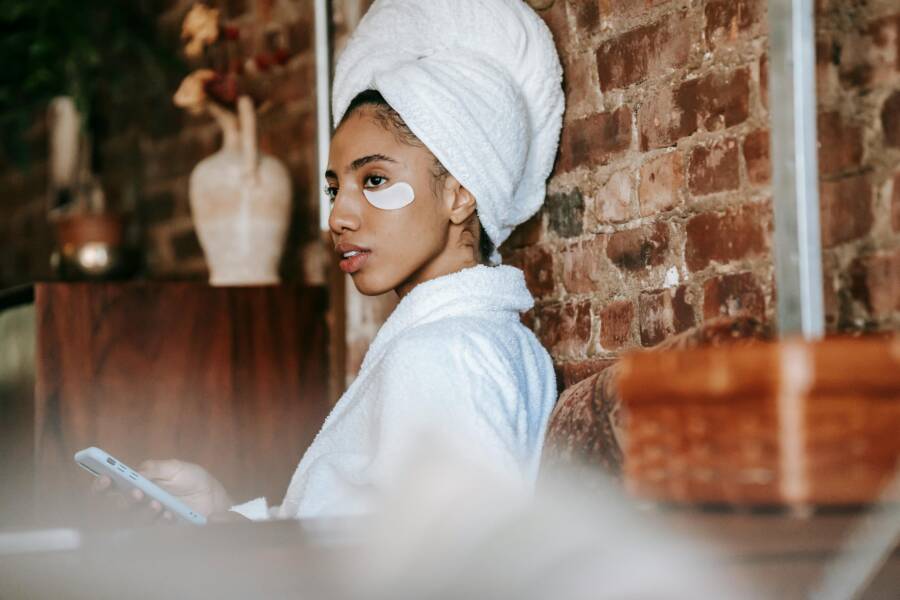
 Photo by Sora Shimazaki
Common signs of screen eye strain
After a long phone session, you might notice several telltale symptoms. Your eyes can feel tired or dry, and you may experience blurred vision when you look away from the screen. Headaches are common, especially near the temples, as your eye muscles work hard to focus. You might also feel neck or shoulder tension from hunching over the device. These sensations are your body signaling a need for a break or a small adjustment in how you use your phone. If you notice these signs regularly, try simple changes like taking short rests every 20 minutes and increasing blinking to keep eyes lubricated.
How phone screens tire your eyes
Small text, close viewing distance, and a bright screen force your eyes to work more than usual. When you focus on tiny characters up close, the ciliary muscles constantly adjust, which can lead to strain and fatigue over time. Constant focusing also reduces the time your eyes relax between focusing events, amplifying discomfort. A quick takeaway: aim to give your eyes a break every 20 minutes by glancing away for 20 seconds and adjusting your screen size or font so text isn’t too small.
The role of light, glare, and motion
Ambient light and reflections on the screen can irritate your eyes quickly. If there’s a bright lamp behind you or sunlight bouncing off your display, you’ll notice more eye strain. Fast moving images or scrolling can also boost strain, as your eyes try to track motion smoothly while staying sharp on content. To reduce discomfort, adjust room lighting to minimize reflections, tilt the screen slightly to reduce glare, and consider enabling a dimmer mode or blue light filter in the evenings. Keep the screen at a comfortable distance and use larger text when possible.
Practical Steps to Reduce Eye Strain
A few practical steps can make a big difference in how comfortable your eyes feel after screen time. This section breaks down four straightforward actions you can implement today. Each tip focuses on real-life adjustments you can apply whether you’re at home, in the office, or on the go. Remember, small changes add up to noticeably less fatigue and fewer headaches.
Adjust display settings for comfort
Tweaking display settings is one of the quickest ways to ease eye strain. Start with brightness. Match your screen to the surrounding light and enable auto-brightness if you prefer. On iPhone, open Settings > Display & Brightness and adjust the brightness slider or turn on Auto-Brightness. On Android, go to Settings > Display > Brightness and enable Adaptive brightness or similar. Font size and text readability matter too. Increase text size and use bold text if needed to reduce squinting. Contrast can help some users by boosting legibility; aim for a level where letters feel crisp without appearing harsh. Readability improves when you enable larger UI elements or use a comfortable system font. A quick before and after example: before, small gray text on a bright background; after, larger, high-contrast text with a dimmer screen and enhanced font weight. For more precise steps, see the official guidance on adjusting brightness on iPhone. https://support.apple.com/en-us/109351
Use blue light filters and dark mode
Blue light filters and warmth adjustments can reduce eye fatigue, especially after sunset. Night Shift on iPhone and similar features on Android shift the screen toward warmer colors, softening the blue light that can disrupt comfort and sleep. The built-in dark mode changes the UI to a darker background with light text, which can lower glare during evening use. Each feature has its own tradeoffs: warmth can slightly shift color accuracy, while dark mode may not suit every app or task. Use blue light filters in the evening or in low light to promote comfort. Turn on dark mode when you’re in dim environments or working late. If you’re curious about the science, check reputable guidance on blue light and night mode, including recommendations from the American Academy of Ophthalmology. https://www.aao.org/eye-health/tips-prevention/should-you-use-night-mode-to-reduce-blue-light
Improve lighting and viewing distance
Proper lighting and a mindful viewing distance are simple ways to cut glare and reduce strain. Aim for a well-lit room with even lighting, avoiding harsh overhead lights directly behind or above you. A lamp placed beside you can create gentle ambient light that reduces screen glare. Keep the phone at roughly arm’s length from your eyes, with the top of the screen a little below eye level to maintain a natural neck posture. Adjust the screen angle to minimize reflections from windows or lamps. If you wear glasses, ensure they have an anti-reflective coating or adjust prescription lenses as needed. Quick checks: dim the room if the screen is bright, angle the device away from reflective surfaces, and use larger text when reading longer passages. Practical tips and more on setting up a comfortable viewing space can be found here. https://www.theeyeavenue.com/how-to-protect-your-eyes-from-phone-computer-screens/
Incorporate breaks with a simple routine
Regular breaks protect your eyes from fatigue and dryness. The 20-20-20 rule is a reliable default: every 20 minutes, look at something 20 feet away for 20 seconds. It gives your eyes a chance to relax their focusing muscles. Pair this with short micro breaks every 5 to 10 minutes for rapid relief. A timer helps you stay consistent; set a gentle alert on your phone or watch. Build a daily routine that weaves these breaks into your day. For example, during a typical workday, pause after every task or email batch and do a quick eye rest, then resume. If you want a tested framework, consult the American Optometric Association’s resources on digital eye strain and break recommendations. https://www.aoa.org/AOA/Images/Patients/Eye%20Conditions/20-20-20-rule.pdf
Healthy Phone Habits for Long Term Eye Health
Small daily habits add up to big relief for your eyes. This section covers practical routines, simple reminders, and smart habits that protect your vision as you use your smartphone. You’ll learn how to set up a steady eye care plan, pick tools that keep you on track, and cultivate habits like blinking and staying hydrated that keep eyes comfortable over weeks and months.
He Was Drowning in Bills and Burnout Until a Simple Daily Ritual Rewired His Brain for Wealth in Less Than a Week
>>> Start Your Shift Today <<<

Create a daily eye care routine
A steady routine makes eye comfort second nature. Start with a morning or evening sequence that you can repeat every day. For example, begin with a 5 minute glass of water and a quick stretch, then set a timer for breaks during screen time. Use the 20-20-20 rule: every 20 minutes, look at something 20 feet away for 20 seconds. Pair this with a blink habit to boost tear film and reduce dryness. Keep your text size comfortable and dim the display in the evening to ease your eyes. Build a simple routine you can repeat on weekdays and weekends alike. A practical reference on minimizing digital eye strain offers additional tips on routine building and break patterns. You can explore it here: https://midwesteyecenter.com/tips-to-help-minimize-digital-eye-strain/
Incorporate small, repeatable steps so you don’t have to rethink your day. For instance, after finishing a task, take a short eye rest before resuming. Consider a quick nighttime wind-down that lowers screen brightness and adds a few minutes of relaxing activities away from the phone. A well-timed routine reduces fatigue, headaches, and eye dryness while you stay connected. For more on practical routines and when to take breaks, see additional guidance from eye care resources: https://www.aoa.org/AOA/Images/Patients/Eye%20Conditions/20-20-20-rule.pdf
What If the Only Thing Between You and the Life You Deserve Is a Hidden Wealth Code Waiting to Be Activated
>>> Open the Door <<<

Use reminders and limit screen time
Setting gentle reminders helps you pause before fatigue sets in. Use built-in features like iPhone Screen Time or Android Digital Wellbeing to track usage and enforce breaks. On iPhone, go to Settings > Screen Time to view activity and set App Limits or Downtime. On Android, open Settings > Digital Wellbeing & parental controls to schedule limits and enable wind-down at night. If you prefer third party apps, look for tools that prompt regular micro breaks and summarize daily usage. A few popular recommendations emphasize reducing doomscrolling and protecting eye health with mindful usage. For further ideas, consider these guides and apps: https://support.apple.com/en-us/108806 and https://www.cnet.com/tech/services-and-software/stop-doomscrolling-with-these-iphone-and-android-wellness-settings/
Pair reminders with a simple daily limit. For many, a 1–2 hour cap on high intensity screen apps works best, followed by a 5–10 minute eye rest. When you reach the limit, switch to a non-screen activity for a short walk or a quick stretch. If you want a quick setup, enable Screen Time on iPhone and balance it with app categories you use most. Learn how to turn on Screen Time here: https://support.apple.com/en-us/108806
Blink often and stay hydrated
Blinking keeps the surface of the eye lubricated and comfortable, especially during long sessions. When you focus on a small screen, you blink less, which can lead to dry eye and irritation. A simple habit to adopt is a soft, intentional blink every time you glance at your phone, followed by a small water break every hour. Hydration supports tear production and overall eye moisture, so keep a water bottle handy and sip regularly. If you notice dry eye signs persisting, consider a blink training approach or apps designed to prompt regular blinking. Research and tools on blink training and eye hydration are discussed in the linked resources: https://www.nature.com/articles/s41746-025-02053-8
To make blinking automatic, pair it with a cue in your daily routine. For example, blink twice after every notification, or during every minute you pause to review a feed. Staying hydrated throughout the day matters just as much as blinking. A simple rule of thumb is to drink a glass of water with each meal and another between them. When your body is well hydrated, your eyes stay moister and more comfortable during screen use. For broader context on eye health and screen time, you might find these articles helpful: https://tneye.care/screens-and-eye-health/
When to Seek Help and Additional Tips
Even with careful use, your eyes can tell you when it’s time to check in with a professional. If you notice warning signs or persistent symptoms, a quick eye exam can prevent longer issues down the road. This section outlines clear red flags and what to expect during a visit, so you can act confidently rather than worry.
Red flags that need an eye exam
Pay attention to any signs that don’t settle with a short break. Persistent eye pain or a new, significant change in vision should prompt a professional evaluation. Floaters or flashes of light, especially if new or increasing, can signal a retinal issue that needs care. Double vision that remains after resting your eyes deserves prompt assessment as well. Frequent or worsening headaches around the eyes or temples can indicate a strain pattern or a treatable condition behind the scenes. If you notice these together with any of the above, schedule an appointment soon rather than waiting. In many cases, early detection protects your long-term eyesight and reduces worry. For a quick read on when to schedule an exam, see guidance from Eye Contact Madison. https://www.eyecontactmadison.com/when-to-schedule-an-eye-exam-six-signs-you-shouldnt-ignore/
If you’re ever unsure, trust your body. Sudden vision changes or severe symptoms require professional input right away, rather than hoping they pass. Mayo Clinic’s symptom checker offers a helpful framework for deciding when to seek care. https://www.mayoclinic.org/symptom-checker/eye-problems-in-adults-adult/related-factors/itt-20009075
What to expect at an eye check
A visit for screen related symptoms is usually straightforward and reassuring. The clinician will start with questions about your daily screen time, lighting, and any patterns you notice. A simple eye exam may include a basic vision test, a check of how your eyes move together, and a quick look at the front part of the eye. If needed, the doctor might test how your eyes handle focus and depth, and check tear production for dryness. In many cases, they can identify simple causes like dryness or strain and offer easy fixes. If a more thorough evaluation is needed, expect a longer visit and possibly scheduling follow-up tests or imaging. Pearle Vision’s overview of what to expect can help set your mind at ease. https://www.pearlevision.com/pv-us/eye-health-and-conditions/eye-condition/what-is-digital-eye-strain
During the appointment, you’ll receive practical tips tailored to your routine. For example, the doctor might recommend blue light hygiene, better lighting, or a small adjustment to your screen distance. If glasses or contacts are part of your daily life, you may be advised to update the prescription or try anti-reflective coatings. It’s normal to leave with a clear plan: a quick at-home routine, a few product recommendations, and a follow-up if any symptoms persist. For a broader view on digital eye strain and the exam process, see guidance from Optometrists.org. https://www.optometrists.org/eye-exams/what-to-expect
If you’re at all worried about a specific change, don’t wait. A short check can provide peace of mind and keep you productive. For dependable, action-focused guidance on digital eye strain, consider resources from the American Optometric Association. https://www.aoa.org/AOA/Images/Patients/Eye%20Conditions/20-20-20-rule.pdf
Note: incorporate regular eye exams into your routine, especially if you rely heavily on a smartphone for work or study. A friendly visit now can prevent headaches and visual fatigue later, and it sets a baseline for tracking changes over time.
Conclusion
Small changes add up when you reduce eye strain from your phone. Try adjusting brightness and text size first, then add a 20-20-20 break to build a simple routine. A few days of steady tweaks in lighting, distance, and breaks can make a noticeable difference for your eyes and comfort. Share the results you notice with your smartphone use and let others know what worked for you.
She Pressed Play on a Strange Audio Track and Within Days Her Financial Reality Started Shifting in Ways She Could Not Explain
>>> See How It Works <<<