She Pressed Play on a Strange Audio Track and Within Days Her Financial Reality Started Shifting in Ways She Could Not Explain
>>> See How It Works <<<

Moving data from an Android phone to an iPhone can feel like a hassle, but the process is smoother than you might think. This guide lays out the reliable options you can use, from Apple’s official methods to cloud, cross platform, and desktop transfers. You’ll learn what data can move, how long it takes, and which approach fits your smartphone setup best.
He Was Drowning in Bills and Burnout Until a Simple Daily Ritual Rewired His Brain for Wealth in Less Than a Week
>>> Start Your Shift Today <<<

If you’re starting fresh with a new iPhone, the simplest path is Apple’s Move to iOS app. It’s designed to transfer essentials like contacts, photos, messages, and calendars quickly and securely. For those who prefer a cloud based route or already rely on Google services, you’ll find clear steps to sync contacts, photos, and files between your Android and iPhone using familiar accounts.
Beyond official options, desktop tools and cross platform apps offer fast transfers for large data packs or specific files. This introduction covers what you need to know about time estimates, data types, and backups, so you can choose a method that minimizes downtime and keeps your smartphone data intact.
Prepare for the switch: plan what to move and get ready
Before you start moving data from Android to iPhone, take a moment to plan. A clear plan reduces downtime and minimizes surprises. Think of this step as laying out a shopping list for your new iPhone. You’ll decide what to move, confirm that both devices are backed up, and verify that you have enough space and the right accounts ready to go. This preparation pays off with a smoother transition and fewer post-mwitch headaches.
What If the Only Thing Between You and the Life You Deserve Is a Hidden Wealth Code Waiting to Be Activated
>>> Open the Door <<<

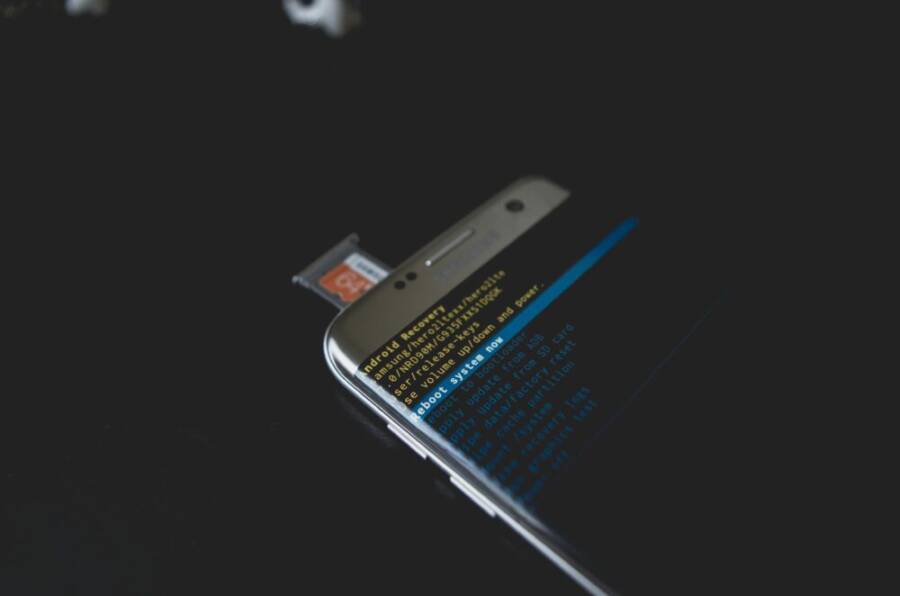
 Photo by Kelvin Valerio
https://www.pexels.com/@kelvin809
Photo by Kelvin Valerio
https://www.pexels.com/@kelvin809
Decide what data to transfer
When you switch devices, not every item moves automatically. Decide what is essential and what can be re downloaded later. Here are the common data types people move and how they typically behave:
- Contacts: Usually transfer easily via Google or iCloud accounts.
- Photos and videos: Often move with cloud sync or direct transfer, but you may need to enable photo library transfer on both sides.
- Messages: Text messages and iMessage history can be transferred with official tools, but some message formats may require reinstallation of messaging apps.
- Calendars: Syncs through your Google, iCloud, or Microsoft accounts; ensure calendars you rely on are active on the new device.
- Call logs: Depending on the method, may transfer or require re-collection after sign in.
- App data: Some apps carry data across if you sign in with the same account; others may require reconfiguration or re-download.
- Files and documents: Cloud storage apps like Drive, Dropbox, or iCloud Drive help keep files accessible after setup.
Key takeaway: map out a data inventory before you begin. Mark items you want to move, items you’ll re-download, and items you don’t plan to carry over. This prevents last-minute scrambles and ensures you don’t miss anything important.
Back up both devices before you start
Backups are your safety net. If something goes wrong during the transfer, a recent backup lets you restore to the prior state. Here’s how to prepare:
- Android backups: Most Android devices back up data through your Google account. Ensure backup is enabled and up to date. Typical steps include opening Settings > Google > Backup, then confirming Backup to Google Drive is on and the correct account is selected. Keep in mind that some app data may require re-download after you sign in on the new device.
- iPhone backups: You can back up with iCloud or a computer. In iPhone settings, you’ll connect to iCloud and enable iCloud Backup, or use a computer backup via Finder (on macOS) or iTunes (on Windows). A recent backup protects photos, messages, app data, settings, and more. Keep the backup until the transfer completes and you’ve verified data on the new iPhone.
Having a current backup on both ends gives you a safety margin. If the transfer stalls or data doesn’t show up as expected, you can retry with confidence that you haven’t lost anything.
Check storage and account readiness
Before you start moving data, confirm you have enough space and working accounts. Practical checks include:
- iPhone storage: Check available space to ensure you can accommodate the data you plan to transfer. Go to Settings > General > iPhone Storage to see a breakdown and free space.
- Apple ID: Make sure you have an active Apple ID and sign in on the new iPhone. An active account is crucial for app purchases, iCloud, and many cross-platform features.
- Google data readiness: If you’re using Google services to move data, confirm that Google data is synced and accessible. This helps ensure contacts, photos, and files can be accessed on the iPhone either via Google apps or through cloud drives you rely on.
- App compatibility: Some Android apps may not have direct equivalents on iOS, or they may require a new sign in. Plan for any app data migration or replacements you’ll need after the switch.
Tip: use the Move to iOS option from Apple if you’re starting fresh with a new iPhone. It guides you through moving supported data types and helps you avoid missing critical items. For a deeper look at what the Move to iOS tool can transfer, see Apple’s guidance on moving data between Android and iPhone. You can also review how to move content manually for items that aren’t automatically transferred. For a broader overview, see Apple’s documentation on transfer methods. Move content manually from your Android device to your iPhone or iPad | Move from Android to iPhone or iPad
If you’re relying on cloud backups, keep in mind that you’ll need to sign in to the corresponding accounts on the iPhone to access the data. For Android backups through Google, make sure your Google account is ready on the Android side; for iCloud, ensure you’re connected to Wi-Fi and signed in on the iPhone. For a quick checklist, see Apple’s guidance on backing up and moving data between platforms. How to back up your iPhone or iPad with iCloud | Back up iPhone
If you want a quick path that aligns with Apple’s official workflow, review Move to iOS transfer coverage. It outlines which items are supported and how to initiate the switch. Move content manually from your Android device to your iPhone or iPad
Finally, if you prefer a direct device-to-device transfer, Apple also explains how you can transfer data by connecting your devices during setup. It’s a solid option when you want a hands-off move and a single process. Use a wired connection to transfer data to a new iPhone or iPad
By taking these steps, you build a solid foundation for a smooth transition. You’ll know what to move, have a current backup, and be sure your accounts are ready to go when the switch happens. This alignment makes the actual transfer faster and less stressful.
Sources and related guidance:
- Apple: Move content manually from your Android device to your iPhone or iPad
- Apple: Move from Android to iPhone or iPad
- Apple: Use a wired connection to transfer data to a new iPhone or iPad
- Google: Back up or restore data on your Android device
- Google: Back up your device with Google One
- Google Pixel support: Back up or restore data on your Pixel device
- Apple: How to back up your iPhone or iPad with iCloud
- Apple: Back up iPhone
- Apple: Backup methods for iPhone or iPad
Note: If you’re looking for a quick status check before you start, you can verify iPhone storage space and review storage recommendations as you plan your transfer. Apple’s guidance on storage management is a good reference. How to check the storage on your iPhone and iPad
Images and visual cues can help you stay organized during this prep phase. A simple checklist graphic or a screenshot of Settings screens can be a helpful companion in your article.
How Move to iOS works
When you set up a new iPhone, Move to iOS creates a bridge from your Android device to the iPhone. The Android app runs on your old device and wires data over a secure Wi Fi connection to the iPhone during the initial setup. Think of it as a guided handoff where you pick what to move and the iPhone fills in the rest. While the transfer covers many essentials, apps themselves aren’t moved automatically; you’ll download compatible apps from the App Store after setup and sign back into services that require it.
A simple way to picture the flow is this: start your iPhone during setup, open Move to iOS on your Android, and let the two devices connect. The data you choose to move is sent over Wi Fi to the iPhone, where it lands in the right places—contacts in Contacts, photos in Photos, messages in Messages, and calendars in Calendar. If an item is tied to a cloud service, you’ll reconnect to that service on the iPhone so it stays in sync. This process keeps your essential information intact while letting you begin life on iOS with familiar data at hand.
If you want a quick reference, Apple’s official guidance walks you through the setup and transfer steps. It’s a reliable starting point when you’re moving from Android to iPhone. Move from Android to iPhone or iPad
 Photo by Sami Abdullah
How to think about the transfer window
- Time varies by data volume and network speed. A few minutes for light transfers, longer for large photo libraries or heavy message histories.
- You should plan for a quiet window. Avoid interruptions so the connection stays stable.
- After the transfer, you’ll still manage some items manually. For example, some apps require new sign-ins or re-downloads.
External resources provide detailed steps and troubleshooting tips if you run into issues during setup. For reference, see Apple’s official transfer guidance and related support articles.
- Move from Android to iPhone or iPad: Apple support
- Move content manually from your Android device to your iPhone or iPad: Apple support
Data types and the setup experience
- You control what travels with you during the setup flow. Only data on the Android side gets moved to the iPhone.
- Data moves into the appropriate apps or sections on iPhone, making the new device feel familiar from day one.
- If you use cloud services, you’ll sign into the same accounts on iPhone to keep your data in sync.
A practical note: if you’re trying Move to iOS on a device that’s already set up, you can erase the iPhone to start fresh and use the same process. Apple’s wired transfer option is another path for direct device-to-device movement when a clean start is preferred. Use a wired connection to transfer data to a new iPhone or iPad
Images in this section illustrate the transfer concept and help explain the flow, giving you a quick mental model of how the moves align with your everyday smartphone use.
Data that can transfer with Move to iOS
Move to iOS covers the core items most people want to carry across. You’ll likely see these appear in the iPhone apps in the right places, ready for you to start using. Note that some app data requires re login or re download after setup, and some content may need to be re-synced from cloud services.
- Contacts: Transfers are seamless when your contacts are stored in Google or iCloud associated accounts.
- Text messages and iMessage history: Included in the transfer, but some message formats or app-specific chats may require reinstallation of the messaging apps.
- Photos and videos: Your camera roll and media files usually move and land in the Photos app on iPhone.
- Calendars: Your events and schedules migrate if they’re in a connected account like Google or iCloud.
- Call history: Often included as part of the transfer method, though some long-term call log details might be re-collected after login.
- Web bookmarks: Saved websites can come over if they’re tied to the same browser accounts you’ll use on iPhone.
- Mail accounts: Email setup gets carried over by reconnecting accounts on the iPhone.
- WhatsApp messages and media: Can transfer if you have a local or cloud backup available on Android and you reinstall WhatsApp on iPhone with the same number.
- Voice recordings: Moves to Voice Memos or Files on iPhone depending on file type.
- Dual SIM labels and related settings: These can migrate if your Android setup uses multiple lines and the iPhone supports the same configuration.
- Some free apps: If the app is available on both platforms, it may appear in the App Library after the transfer, ready for reinstallation.
When you’re done, you’ll have a solid baseline of essential data on your iPhone. You’ll still sign into many apps again and may need to reconfigure some services, but you’ll be off to a strong start with the core items in place.
If you want to confirm exactly what can transfer, Apple’s official page is the best reference. It explains the supported data types and the steps to initiate the transfer. Move from Android to iPhone or iPad
A note on cloud data
- Cloud-based items like contacts, calendars, and mail can require re authentication when you first open the corresponding app on iPhone.
- For cloud photos and files, you’ll sign into the same cloud accounts on the iPhone to access your content right away.
Recent updates note: in 2025, Move to iOS expanded capability in some scenarios, and you may see new options during setup that streamline moving common items. If you’re unsure whether a specific item will transfer, check the support page or test with a small batch first.
The step-by-step guide in the next subsection will show you how to perform the transfer cleanly and quickly, using Move to iOS as the main method.
Step-by-step guide to using Move to iOS
Follow this concise flow to move data from Android to iPhone with ease. The steps assume you’re starting a new iPhone or you’re willing to erase and reconfigure the device to use Move to iOS during setup.
- Prepare the iPhone
- Turn on your new iPhone and begin the setup process.
- When prompted, choose to move data from Android.
- If the iPhone is already set up, you’ll need to erase it to repeat the setup flow. Make sure you’ve backed up anything you want to keep.
- Prepare the Android device
- On Android, install Move to iOS from the Google Play Store.
- Open the app and accept the terms. You’ll see a code on the iPhone during setup that you’ll enter on Android to establish the connection.
- Establish the connection
- Connect both devices to a stable Wi Fi network or follow the on-screen prompts to use a direct connection if available.
- The Android app will display a code; enter it on the Android device to pair with the iPhone.
- Select what to transfer
- The Move to iOS screen will show a checklist of data types. Choose Contacts, Messages, Photos, Videos, and Calendars as desired.
- You can deselect items you don’t want moved to your iPhone, such as large media libraries if you plan to download them from cloud services later.
- Begin the transfer
- Start the transfer and wait for the progress bar to reach 100 percent.
- Keep both devices awake and close to each other to avoid interruptions.
- Complete setup on the iPhone
- After the transfer finishes, continue the iPhone setup. Sign in to Apple ID, reauthenticate cloud accounts, and reinstall any apps you need from the App Store.
- Check that essential data arrived in the right places. If something is missing, you can restore from a cloud backup or manually re-download from the cloud.
If you’re curious about a wired alternative, Apple documents how a direct cable transfer can speed things up and simplify the process. Use a wired connection to transfer data to a new iPhone or iPad
Practical tip: if your Android device has a lot of media or large files, you might start the transfer and still finish on the iPhone later. Some media can be kept in the cloud and downloaded as needed after setup.
External references provide more details on each step and help with troubleshooting. For a comprehensive overview, see Apple’s transfer guides and community discussions that cover common questions during setup.
- Move from Android to iPhone or iPad: Apple support
- Switch from Android to iPhone: Apple official page
Limitations and tips for Move to iOS
Move to iOS is highly useful, but it isn’t a perfect one-click solution for every situation. Some data can’t transfer, and some items require post-transfer actions. Understanding these limits helps you plan and avoid frustration.
Common limitations
- App data and apps themselves: You’ll need to download apps on the iPhone and sign in again.
- DRM-protected music: These files may not transfer or play as expected.
- In-app data and game saves: Some apps store data locally or in a cloud that isn’t shared automatically. You’ll reauthenticate or re-download these items.
- Custom ringtones and system settings: These items do not travel with the transfer.
Pro tips to maximize success
- Start with a clean state: Use the Move to iOS path during the initial iPhone setup for the broadest compatibility.
- Keep both devices near each other on a stable network during the transfer to avoid interruptions.
- Prepare accounts ahead of time: Sign in to Google, Apple, or other cloud services on both devices so you can resume work quickly after the move.
- Check large media libraries: If your photos or videos are huge, consider uploading to a cloud service before the transfer and then syncing to the iPhone after setup.
- Verify backups: A fresh iPhone backup after the transfer gives you a restore point in case you need to revert.
What to do if something goes wrong
- If the transfer stalls, restart the process with both devices in standby mode and retry.
- If data does not appear on the iPhone, verify account sign ins for cloud services and re-download apps as needed.
- For persistent issues, consult Apple support or the product forums for guidance and potential updates.
Recent changes in 2025 have improved transfer speed and expanded language support, making Move to iOS more versatile for diverse user groups. If you’re moving data for the first time, you’ll appreciate the clearer prompts and improved guidance during setup. You can check the official steps and latest notes to confirm what’s currently supported. [Move from Android to iPhone or iPad] and [Move content manually from your Android device to your iPhone or iPad]
To wrap up, Move to iOS remains a solid, official option for moving key data from Android to iPhone. It reduces setup friction, keeps your important information accessible, and pairs well with cloud backups and post-transfer organization. If you want a smoother start, follow the step-by-step guide and keep the limitations in mind as you plan your switch.
Sources and related guidance:
- Apple: Move content manually from your Android device to your iPhone or iPad
- Apple: Move from Android to iPhone or iPad
- Apple: Use a wired connection to transfer data to a new iPhone or iPad
- Google: Back up or restore data on your Android device
- Google: Back up your device with Google One
- Google Pixel support: Back up or restore data on your Pixel device
- Apple: How to back up your iPhone or iPad with iCloud
- Apple: Back up iPhone
- Apple: Backup methods for iPhone or iPad
If you’re ready to check storage and plan your transfer, Apple’s storage guidance helps ensure you have enough space on the destination device. How to check the storage on your iPhone and iPad
Photo by Sami Abdullah
Cloud and cross‑platform options for flexible transfers
Moving data between Android and iPhone often works best when you mix cloud storage, cross‑platform apps, and a few device‑specific tricks. This section outlines practical cloud and cross‑platform options you can rely on, with quick steps so you can pick the method that fits your setup. You’ll see how to move photos, documents, and contacts without losing momentum, all while keeping your workflow smooth on a single smartphone or multiple devices.
Cloud storage like Google Drive for specific data
Cloud storage shines when you want to shuttle specific data types without a full device swap. Google Drive can handle documents, photos, and certain contacts by syncing them to the cloud and then pulling them onto your iPhone after you sign in. On Android, upload the items you need to move to Drive, organize them in a dedicated folder, and set appropriate sharing permissions. Then, on the iPhone, install Google Drive, sign in with the same Google account, and download or access the files you need from the app.
Thousands of People Were Struggling With Money Until They Discovered This One Ancient Secret Hidden in Sound
>>> Unlock It Now <<<

- Photos and videos: Upload from Android to Drive and access them on iPhone through the Drive app or Google Photos.
- Documents and spreadsheets: Save locally to Drive from Android, then open or edit on iPhone via Drive.
- Contacts: Sync via Google Contacts and pull them into the iPhone’s contacts app by signing into the Google account and enabling contact sync.
Tip: Keep a lightweight folder structure so you can quickly locate items after sign‑in. If you rely on Drive for ongoing access, set up automatic camera upload on Android to keep images current and accessible on iPhone. For a broader overview of Drive on iOS, see Google Drive’s iPhone and iPad support pages. How to use Google Drive – iPhone & iPad
If you prefer a direct path to move data, Apple also provides guidance for moving content manually from Android to iPhone using cloud data as the backbone. This can be a good fallback when the full Move to iOS flow isn’t practical. Move content manually from your Android device to your iPhone or iPad
Why cloud first matters: it reduces the risk of data loss during a big swap and creates a retrievable archive. It’s especially helpful for photos, documents, and contact records you want to verify before finalizing the switch.
Direct cross‑platform transfers and 6 digit code apps
Cross‑platform transfer apps with a 6 digit code are built for quick handoffs. They work across Android and iPhone, letting you initiate transfers with a simple code, often over a local network or the internet. The key is a straightforward flow: select files on the source device, generate a code, and enter that code on the destination device to start the transfer. Speeds depend on network conditions and the amount of data, so plan accordingly.
- Send Anywhere: Uses a 6 digit key for quick transfers. The sender generates a 6‑digit key, the recipient enters it to begin the transfer. It supports multiple file types and platforms.
- Quick Share style tools: Some newer cross‑platform flows resemble a close cousin to AirDrop, letting you beam files between Android and iPhone when supported by both sides.
Getting started is typically as simple as installing the app on both devices, choosing your files, generating the key, and entering the key on the other device. For a baseline reference, see how 6‑digit key transfers work in Send Anywhere. What is ‘6-digit Key Transfer’?
Note: speeds and compatibility vary by device and app version. If you’re moving large media libraries, you may want to pair this approach with cloud backups to ensure you have a backup while the transfer is in progress.
Send Anywhere and similar tools
Send Anywhere remains a popular choice for cross‑platform transfers because of its simple code‑based workflow and broad device support. The process usually involves:
- On the Android device, open the transfer tool and select the files you want to move.
- Tap Send to generate a 6‑digit key.
- On the iPhone, open the same app and enter the 6‑digit key to receive the files.
- Benefit: No need for cables or account sign‑ins, and it works across most major platforms.
- Limitation: Large transfers can take longer if the network is slow, and some file types may require app‑specific steps after transfer.
For how to send files with Send Anywhere and what to expect, review the official support article. How to send files
If you want a broader look at cross‑platform transfer tools, you can also explore general comparisons of popular options. For instance, LocalSend is an open‑source alternative that works across devices without tying you to a single cloud service. LocalSend: Share files to nearby devices
Cross‑platform sharing features you should know about
In 2025 there are notable cross‑platform sharing enhancements that aim to blur the lines between Android and iPhone workflows. Quick Share and AirDrop style workflows are now part of the living ecosystem, with ongoing expansion to more devices and brands. Here’s what to expect and how it can help your data moves.
- Quick Share and AirDrop integration: Google announced that Quick Share can interact with Apple’s AirDrop on compatible devices, enabling direct transfers without third‑party apps in some scenarios. This reduces steps and speeds up the exchange on a shared local network. The latest updates show initial support on newer Pixel devices with plans to broaden to more models. For the latest status, check Google’s blog and the iOS AirDrop pages. Android Quick Share can now work with iOS’s AirDrop
- Cross‑platform messaging and file formats: Enhanced RCS and cloud link sharing improve how you move data via messaging apps, especially when you want to keep conversations and attachments intact. Apple has integrated more cross‑platform support in iOS, and Google continues to push broader compatibility across devices.
- Cloud‑driven speed: Expect faster transfers when both devices are on stable connections to the same cloud provider. If you’re moving a lot of media, cloud backup can serve as a staging ground before final device setup.
What this means for your workflow is simpler sharing between smartphone ecosystems. If you’re in a mixed device household, you’ll notice fewer friction points when sending files, photos, and documents.
Realtime update: Android Quick Share now works with AirDrop on compatible devices, bringing a direct cross‑platform path closer to a seamless share experience. This is especially helpful for quick photo or document swaps without leaving the native ecosystems. Android Quick Share can now work with AirDrop
This does not replace full device migrations, but it does make ad hoc transfers easier during setup or after you start using the new iPhone.
Putting it all together, cloud first for selective items, then add cross‑platform transfer tools for quick handoffs, and use direct device‑to‑device options when you want a fast, local exchange. Each approach has a role depending on what you’re moving and how you want to access it on the new smartphone.
External resources and quick references
- Move content manually from Android to iPhone or iPad: Apple support
- Move from Android to iPhone or iPad: Apple support
- Use a wired connection to transfer data to a new iPhone or iPad: Apple support
- Move content with Google Drive on iPhone: Google Drive support
- Sync Google Contacts with your mobile device: Google Contacts support
- What is 6-digit Key Transfer: Send Anywhere support
- How to send files with Send Anywhere: Send Anywhere support
- Android Quick Share and AirDrop integration: official announcements and reviews
If you’re ready to decide, start with Google Drive for specific data you want to keep in the cloud, use a 6‑digit code transfer for a quick handoff of selected files, and keep an eye on cross‑platform sharing features that may speed up future moves. The goal is to minimize downtime while preserving the essentials you rely on every day.
Desktop tools for fast, reliable transfers
When you’re moving data from Android to iPhone, desktop transfer tools can speed things up and handle larger data sets more reliably than some cloud-based options. These programs sit on your computer and connect to both devices via USB, delivering a consistent, wired transfer that minimizes interruptions and data loss. Below you’ll find a quick overview of the best-known desktop options, plus practical tips for choosing the right one for your data size.
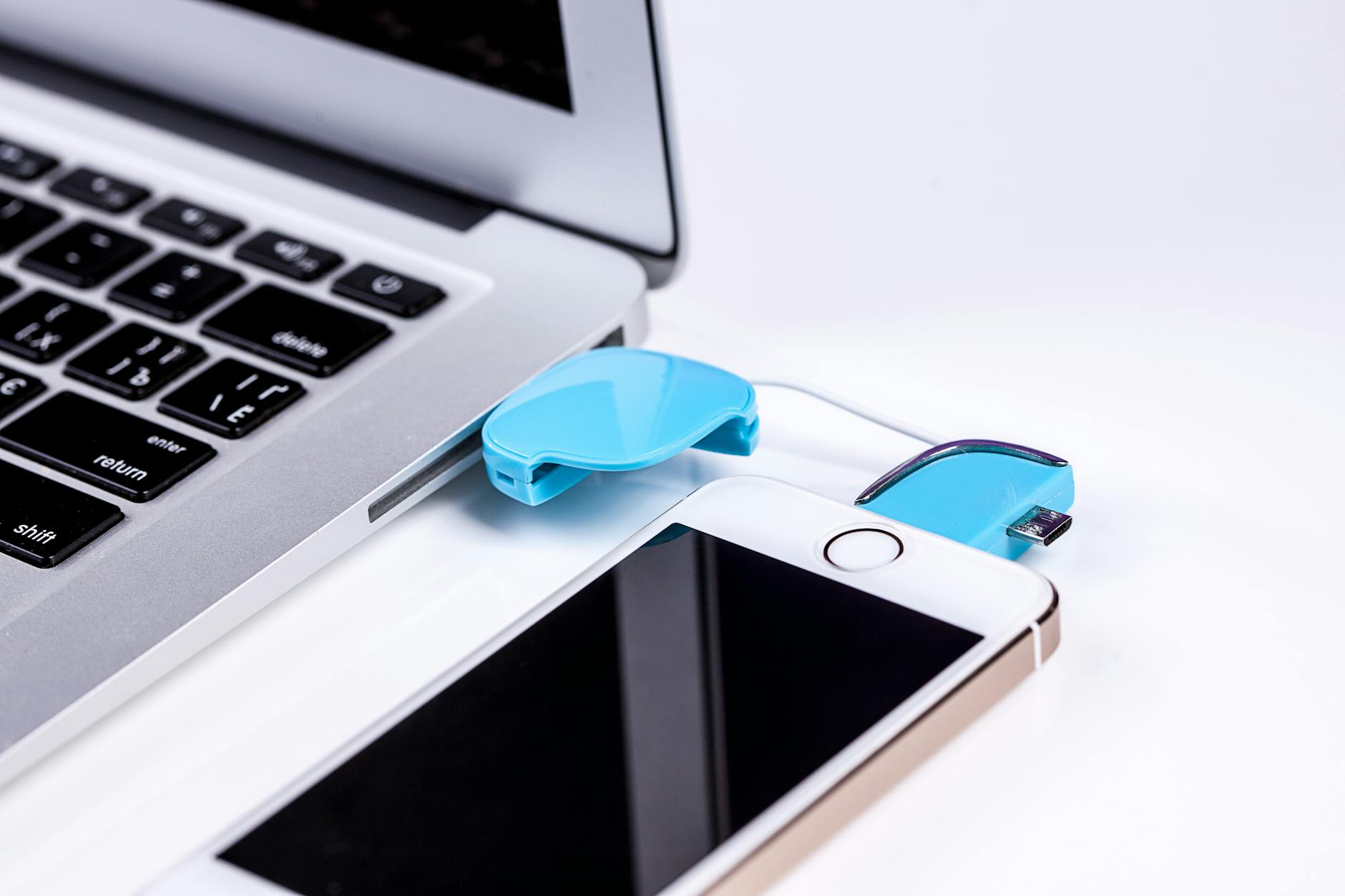 Photo by Pixabay
MobileTrans and other desktop transfer tools
MobileTrans is designed for fast, reliable device-to-device transfers using a wired connection. It supports a wide range of data types and moves them directly from Android to iPhone when you connect both devices to your computer. With USB-C to Lightning cables, you can establish a stable link that reduces the risk of incomplete transfers and data fragmentation.
- How MobileTrans works: You install the tool on your computer, connect your Android and iPhone with the appropriate cables, and select the data you want to move. The program then transfers items like contacts, photos, messages, calendars, music, videos, and app data that can cross platforms.
- Data types commonly moved: Contacts, messages, photos and videos, call logs, calendars, notes, and select app data. Some app data depends on the app’s cross-platform sign-in and cloud storage, so you may still need to reauthenticate after the move.
- Quick setup with USB-C to Lightning: If your Android device uses USB-C, pair it with a USB-C to Lightning cable to connect to the iPhone. This wired setup tends to be faster and more stable than wireless transfers, especially for large libraries like photo albums or music collections.
When you’re weighing this option, consider the data volume and how comfortable you are with a desktop workflow. For large batches of media or extensive app data, a wired desktop transfer can save time and reduce re-downloads after setup.
If you want to verify the current capabilities and steps, check the official MobileTrans guides. You’ll find step-by-step instructions for transferring data between Android and iPhone, plus a detailed list of supported data types. https://mobiletrans.wondershare.com/phone-to-phone-transfer.html
For a broader view of what MobileTrans offers, you can review the product guide that covers moving contacts, photos, music, videos, SMS, and more. https://mobiletrans.wondershare.net/guide/
If you’d like an alternative with broad Android to iPhone coverage, AnyTrans is another trusted desktop option. It emphasizes moving Android data to iPhone and managing iOS content across devices. See the official pages for moving data and managing iOS content. https://www.imobie.com/anytrans/move-android-to-iphone.htm?srsltid=AfmBOooxkuibZ6NR7WykIHKP6IRrXKU3TCqXp67QroTwpdl1WhYtMjzL
,Tip: Always back up both devices before a desktop transfer. A recent backup plus a test transfer of a small batch can help catch issues early and prevent data loss.
Other trusted tools and tips
Beyond MobileTrans, several reputable desktop tools offer strong performance and flexible data handling. AnyTrans from iMobie is a popular choice for moving Android data to iPhone and for broad iOS data management. It provides a cross‑platform workflow and a set of features aimed at keeping app data, media, and messages organized during the move.
- AnyTrans advantages: Strong data type support, clear migration paths from Android to iPhone, and robust iOS data management tools. It’s a solid option if you want a single tool that can later handle ongoing iPhone data organization.
- AnyTrans tradeoffs: It can be more feature‑rich than you need for a one‑time move, and some users report a steeper onboarding curve compared with simpler wired transfers.
When comparing wired desktop tools to cloud or direct setup methods, think about reliability, speed, and control. A wired desktop transfer typically offers stable throughput and minimal network variability, which is helpful when you’re moving sizable photo libraries or complete message histories. In contrast, cloud-based approaches reduce hardware steps but depend on network quality and can require more manual reconfiguration after the move.
For a closer look at AnyTrans, explore the official pages detailing Android to iPhone data migration and overall iPhone data management. https://www.imobie.com/anytrans/move-android-to-iphone.htm?srsltid=AfmBOorFx7_j-eNu_YS12zNvIeKJ47I-sDoA21jBS9Ip_WenH75jFVjG
If you’re curious about how a desktop transfer compares to other approaches, you can read more about cross‑platform transfer concepts and stand‑alone tools. These sources summarize the strengths and limitations of each method without overwhelming you with jargon.
- AnyTrans Features – Move Android Data to iPhone: https://www.imobie.com/anytrans/move-android-to-iphone.htm?srsltid=AfmBOooxkuibZ6NR7WykIHKP6IRrXKU3TCqXp67QroTwpdl1WhYtMjzL
- AnyTrans Official Download: https://www.imobie.com/anytrans/download.htm?srsltid=AfmBOorGJpGwnJ7VMxoI0EmuALKoWzID1JG71etZWeekFC9HD5DihuiB
Choosing the right tool for large data sets
If you’re moving thousands of photos, videos, or music files, a desktop transfer tool typically offers the most predictable results. Wired connections reduce the chance of interruptions and can complete the job faster than wireless options. For smaller moves, a cloud-first approach or cross‑platform apps might be more convenient.
- For mid-sized moves: A desktop tool with selective transfer options helps you pick exactly what to move, avoiding unnecessary data bloat.
- For very large moves: A wired desktop transfer is usually the fastest and most reliable path, especially when you have a stable USB-C to Lightning setup.
If you want a quick reference point, review the official transfer guides from the tools you’re considering. They lay out supported data types and the exact steps to initiate a move.
Practical tips for a smooth desktop transfer
- Prepare a clean workspace: Close other programs that might interrupt the transfer and ensure both devices are charged.
- Use the right cables: A USB-C to Lightning cable provides a dependable wired connection for most setups.
- Verify data integrity: After the transfer, skim key categories like contacts, photos, and messages to confirm everything landed where you expect.
- Plan for post‑transfer reauthorizations: Many apps require you to sign in again after the move. Have your account credentials handy.
- Keep a local backup handy: Even with a desktop transfer, a recent backup gives you an extra safety net.
If you want to see how these desktop options stack up against each other, the comparison resources from the official pages can be a helpful guide. For MobileTrans and AnyTrans, you’ll find detailed data on supported data types and workflow steps in their product guides.
Links for quick reference:
- Official MobileTrans data transfer guide: https://mobiletrans.wondershare.net/guide/
- MobileTrans phone transfer overview: https://mobiletrans.wondershare.com/phone-to-phone-transfer.html
- AnyTrans Android to iPhone move: https://www.imobie.com/anytrans/move-android-to-iphone.htm?srsltid=AfmBOooxkuibZ6NR7WykIHKP6IRrXKU3TCqXp67QroTwpdl1WhYtMjzL
- AnyTrans official download: https://www.imobie.com/anytrans/download.htm?srsltid=AfmBOorGJpGwnJ7VMxoI0EmuALKoWzID1JG71etZWeekFC9HD5DihuiB
As you plan your transfer, a practical approach is to combine methods: use a desktop tool for the bulk move, then fill in gaps with cloud sync or targeted cross‑platform transfers for specific items. This balance minimizes downtime and helps you reach a ready-to-use iPhone more quickly.
Images and visuals can complement this section to reinforce the transfer concepts and give readers a quick mental model of wired versus wireless flows. If you include visuals, choose diagrams that map out a typical desktop transfer flow with labeled data types and connection steps. Photo by Sami Abdullah
Troubleshooting and a smooth post transfer setup
Moving data from Android to iPhone can go smoothly, but issues do happen. This section helps you handle common problems, verify data after the move, and tighten privacy and security settings once the transfer finishes. You’ll find practical steps that you can apply right away, plus quick fallbacks if something goes wrong. Think of it as your post transfer health check for a clean, usable iPhone setup.
Common problems and quick fixes
Transfers can stall or misbehave for several reasons. Here are the most frequent hiccups and straightforward workarounds to get you back on track.
- Transfer fails at 0 or 100 percent
- Retry with a fresh start. Restart both devices, reconnect to a stable network, and run the transfer again.
- If you’re using Move to iOS, consider starting from a clean iPhone setup. If the iPhone is already configured, you may need to erase and begin again.
- Check for app or system updates on both devices. An out of date OS can block data movement.
- Slow transfer or interrupted connection
- Move to iOS works best on a strong Wi-Fi or direct connection. Swap to a different network or use a wired transfer where possible.
- Keep devices close and free from heavy background tasks. Pause large downloads or streaming apps during the move.
- For large photo libraries, start with a smaller batch. Transfer a core set first, then gradually move the rest after setup.
- Missing data after transfer
- Verify the items you chose to move. Some data sits in cloud services or requires reauthentication after sign in.
- Sign back into cloud accounts on the iPhone. Reconnecting Google, iCloud, or other services often restores missing items.
- If a particular item did not arrive, re-download it from the cloud or from the relevant app store. Some apps store data only after you log in again.
- Apps not appearing or needing re-login
- Apps often require reinstallation or re-authentication after the move. Open the App Store on iPhone and reinstall needed apps, then sign in.
- Check if an app has a separate data migration option. Some apps move data only when you sign in with the same account.
- Photos and videos appear in the wrong place
- Confirm the destination library. On iPhone, photos land in the Photos app; if you used a cloud service, ensure it is active and syncing.
- If duplicates show up, use a photo management app to deduplicate or re-sync from the cloud.
- Messages not fully transferred
- Some message histories may not migrate in full. After setup, verify conversations and contact threads. You may need to install the messaging app again and sign in to restore attachments.
Pro tip: keep a small backup of essential items before you start. If something goes wrong, you can revert to a known-good state without losing critical data. For a quick refresher on official guidance, review Apple’s transfer resources and troubleshooting tips. Move from Android to iPhone or iPad
Verify data and re login accounts
After the transfer completes, it is smart to double check that everything you rely on is present and accessible. This quick audit helps you avoid surprises in the days ahead.
- Contacts
- Open the Contacts app and skim a representative sample from various groups. If some contacts are missing, sign in to the Google or iCloud account on the iPhone and enable contact sync.
- Photos and videos
- Browse the Photos app and confirm the most recent shots are there. If you used a cloud backup, open the cloud app to verify all albums and memories are accessible.
- Messages
- Check text messages and iMessages. If older conversations are missing, re-login to the messaging app or re-authenticate the iMessage service where applicable.
- Calendar events
- Open Calendar and review a few key dates. If events disappeared, ensure the calendars are active in the accounts you use (Google, iCloud, Microsoft).
- Emails and bookmarks
- Sign into email apps and confirm that mail accounts show up. Check browser bookmarks by opening your preferred browser and reviewing saved sites.
- App data
- For apps that require sign in, launch each app and re-enter credentials. Many apps store data in the cloud, but some data stays local or needs a fresh setup.
- Files and documents
- Open cloud storage apps (Drive, Dropbox, iCloud Drive) and confirm you can access documents. If anything is missing, upload or re-sync from the source account.
A quick verification checklist keeps you confident. If you see gaps, reauth and re-download as needed, then retry the relevant items. For specific guidance on what data can transfer with Move to iOS, Apple’s official page is the best reference. Move from Android to iPhone or iPad
Re-login tips to reduce friction
- Use the same accounts on both devices whenever possible. This speeds up data restoration and keeps settings intact.
- Enable two-factor authentication for critical apps, then verify prompts during sign in.
- Keep a note of essential passwords or use a trusted password manager to sign back into apps quickly.
Smartphone users who rely heavily on cloud services will notice fewer post transfer issues by ensuring cloud accounts are ready before the move. If you’re unsure about a specific data type, test with a small batch first to confirm behavior.
Privacy, security, and device settings
A post transfer cleanup is a great time to tighten privacy and review security settings on both devices. This helps protect your data as you start using the iPhone and keep Android data management tidy. Here is a practical checklist you can apply right away.
- Review account permissions
- On both devices, check which apps have access to contacts, location, camera, microphone, and photos. Revoke any unnecessary permissions.
- For Android, visit Settings > Apps > [App] > Permissions. For iPhone, go to Settings > Privacy & Security and review each category.
- Security basics
- Ensure screen lock is enabled on both devices. Use a strong passcode on iPhone and a secure lock on Android.
- Turn on Find My iPhone and Find My Device where available. This helps you locate a lost phone and protect data.
- Update OS and apps. Keeping software current reduces vulnerabilities and improves compatibility with new features.
- Data protection across accounts
- Reauthenticate cloud services on the iPhone. Sign in to Google, iCloud, and other providers to maintain access to your data.
- Review backup settings. Confirm automatic backups are enabled for iCloud on iPhone and Google Drive on Android where relevant.
- Privacy controls you should consider
- Limit ad tracking and diagnostic data sharing where possible.
- Review location settings for apps that don’t need it and set to while using the app or never, as appropriate.
- Device-to-device data hygiene
- Remove old, unused apps and files from the Android device before transferring if you want a leaner baseline on the iPhone.
- Set up storage management on the iPhone to avoid surprises. Check available space and recommendations.
A quick privacy and security sweep ensures you start fresh with clear permissions and reduced risk. Apple and Google both provide guidance on protecting your data after you switch platforms. For Apple, you can review how to back up and secure your iPhone, and for Google, how to manage your account and data. How to back up your iPhone or iPad with iCloud | Back up iPhone | Sync Google Contacts with your mobile device
Post transfer, take a moment to walk through key settings. Confirm privacy options, review location and camera access, and recheck app sign-ins. A few deliberate checks now save headaches later and help you enjoy your new iPhone with confidence. For further reading on post transfer setup and privacy best practices, see Apple’s and Google’s support pages linked earlier.
External links and resources
- Move from Android to iPhone or iPad: Apple support
- Move content manually from your Android device to your iPhone or iPad: Apple support
- How to back up your iPhone or iPad with iCloud: Apple support
- Back up iPhone: Apple support
- Google Drive on iPhone: Google Drive support
- Sync Google Contacts with your mobile device: Google Contacts support
By following these steps, you create a solid post transfer routine. You confirm data integrity, reestablish access to essential apps, and lock in privacy measures that protect you from the moment you start using the iPhone. The goal is a smooth transition where you can focus on the new features and capabilities of your smartphone without worrying about missing data or security gaps.
Conclusion
Moving data from Android to iPhone works best when you choose a method that fits your data size and task at hand. For a fresh start, Move to iOS offers a smooth setup path that handles core items quickly, especially with a stable connection. If you have a large media library or you prune data first, a wired desktop transfer or cloud backed approach can save time and reduce redownloads. For smaller moves or selective data, cloud services and cross platform apps are quick and flexible. Share this guide with others who are switching smartphones, and tell us which method you found most reliable for your smartphone transition.
What If the Only Thing Between You and the Life You Deserve Is a Hidden Wealth Code Waiting to Be Activated
>>> Open the Door <<<