She Pressed Play on a Strange Audio Track and Within Days Her Financial Reality Started Shifting in Ways She Could Not Explain
>>> See How It Works <<<

Moving apps to an SD card can free up precious internal storage and keep your phone running smoothly, especially when space is tight. This guide shows you when it works, how to do it safely with built-in options, and what adoptable storage means for your device. You’ll learn practical steps, common pitfalls, and quick fixes so Android stays responsive without losing important data.
If you’re juggling apps and files, you’re probably wondering whether moving apps to the SD card will slow things down. The short answer is yes in many cases, since SD card speed isn’t on par with internal storage. But with a fast card and careful choices, you can reduce clutter and still keep essential apps reachable.
What you’ll gain here is a clear, step by step plan you can follow on most Android phones in 2025. We’ll cover when moving apps makes sense, how to use built in options safely, what adoptable storage means for your day to day use, best practices to avoid glitches, and practical troubleshooting you can try quickly. This is written for real world use, with plain language and concrete tips you can apply right away.
What moves are possible and what to expect
Moving apps to an SD card is a practical way to reclaim internal storage, but not every app is eligible. This section explains what you can realistically move, how to verify eligibility on your device, and the key limits you should keep in mind. Think of it as a quick sanity check before you start, so you know what to expect and avoid surprises.
There Is a Frequency That the Wealthiest Families Have Used for Generations and Most People Will Never Know It Exists
>>> Open the Door <<<


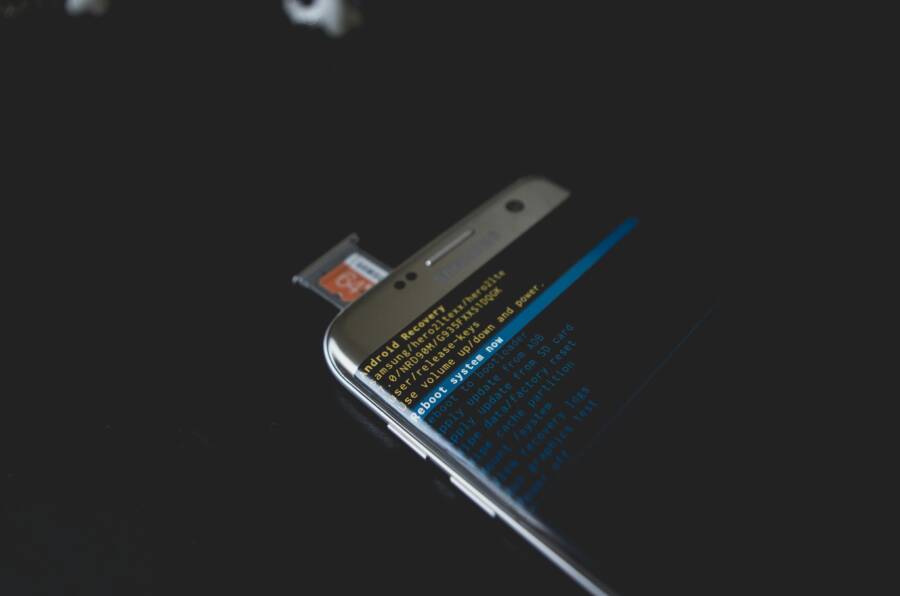
Photo by Kelvin Valerio
Which apps can move
Most phones support moving certain kinds of apps to the SD card, but there are clear limitations. In practice, you’ll find that:
- Non essential, non boot-critical apps: These are the easiest to move. Think utility tools, lighter productivity apps, and smaller social apps that don’t start at boot.
- Apps without widgets or heavy background tasks: Widgets and services that run continuously can complicate a move. If an app relies on live widgets or persistent background processes, it’s less likely to be movable.
- Some games: Lighter games or those that don’t load large assets at launch may move, but many larger games keep core data on internal storage for performance.
- System apps and critical services: These usually stay internal. If an app is integral to the OS or needs to start immediately during boot, expect it not to move.
Before you try, expect that you may only move a portion of your apps. If the app developer designed it to run primarily from internal storage, it won’t move even if space is available. For readers who want a quick preview, this aligns with common Android behavior across devices.
How to check if an app can move
Verifying movability is fast and you can do it without third party tools. Follow these steps:
- Open your device’s Settings.
- Go to Apps (or Apps & notifications), then choose See all apps.
- Tap the app you’re curious about.
- Open Storage (or Storage & cache).
- If you see a Move to SD card or a similar option, the app can be moved. If you see a grayed-out or missing option, the app cannot move on this device.
- If the app shows a Change button, select it and choose the SD card to move to.
Tips across Android versions help. On many devices with Android 9 and newer, the Change button appears in Storage. If your phone shows the option under a slightly different label, look for anything related to transferring storage or changing install location. If the Change button is missing, the app isn’t movable on that device. For further guidance, you can consult reputable how-to guides and official docs that cover install location options across Android versions.
- A practical reminder: not all devices expose the same options. Some manufacturers modify the stock behavior, so your experience may vary depending on the model and Android version.
Limits and caveats
Moving apps to the SD card brings space relief, but it’s not a cure for all storage woes. Here are the practical limits you should know:
- Not all data moves: Some apps store essential data on internal storage even when the app itself is movable. This means you might save only a portion of the app without freeing all data.
- Performance depends on the SD card: The speed of the microSD card matters a lot. A slow card can cause longer load times and occasional stutters, especially for apps that stream data or load assets on start.
- Brand and device quirks: Some brands disable or limit this feature on certain devices. Even with the same Android version, you may see different behavior from, say, a Samsung or a Google Pixel device.
- Adoptable storage caveat: If you format the card as internal storage (adoptable storage), the card behaves like built-in storage, but it becomes tied to that device. Move the card to another phone and you may lose the app configuration. This approach can improve space, but it’s not universally compatible and requires wiping the card.
- App behavior varies: Some apps won’t run smoothly from the SD card, especially those with high I/O needs or large caches. You might notice slower launches or reduced responsiveness.
- Future updates: Android and app updates can change movability. An app that moves today might not move after a future update, or it could move back automatically.
To decide whether to move or skip, use this quick checklist:
- Is the app non essential, not boot critical, and free of widgets? If yes, it’s more likely movable.
- Does the app use a lot of live data or heavy assets at startup? It may perform better staying internal.
- Do you have a fast SD card (Class 10 or UHS) with reliable read/write speeds? If not, the performance hit may be noticeable.
- Is the app frequently updated? Updates can change movability status, so recheck after major releases.
- Will you remove or replace the card soon? If your card is detachable, consider leaving important apps on internal storage.
If you want real-world references, several guides outline the typical movability process and the typical outcomes across devices. For example, Android Authority explains how to move apps to an SD card on Android, including the step-by-step process and common caveats. You can read more here: How to move apps to an SD card on Android. Also, the Android Developers docs cover the broader concept of app install locations, which helps frame what you’re changing when you move apps.
External resources you may find helpful:
- How to move apps to an SD card on Android: https://www.androidauthority.com/how-to-move-apps-to-sd-card-706902/
- App install location guidance from Android Developers: https://developer.android.com/guide/topics/data/install-location
In practice, think of this as a selective cleanup. Move a few lighter apps first, monitor performance, and then decide if you want to move more. If your device supports adoptable storage and you’re comfortable with the trade-offs, formatting the card as internal storage can simplify the process. But always back up important data before making major changes to storage. For many users, a well-chosen subset of apps moved carefully yields the best balance of space and performance. For deeper insights on what works best on your specific phone, you can explore community discussions and official guidance from the Android ecosystem.
Using the built-in Move to SD Card feature
If your goal is to free up internal storage without losing access to essential apps, the built-in Move to SD Card option is your friend. This approach is simple, device-agnostic to a point, and works on many Android smartphones. You’ll typically move lighter, non essential apps first and monitor performance before committing more space. Keep in mind that SD card speed matters, and some apps simply aren’t designed to run from external storage. For a quick reality check, you can verify movability directly in Settings, then decide whether to proceed.
Step by step for common Android UI
Using the built-in Move to SD Card feature is straightforward on most devices. Here’s a simple path you can follow on a typical smartphone:
- Insert a fast SD card into your device.
- Open Settings and go to Apps (or Apps & notifications).
- Tap the app you want to move.
- Open Storage and look for the option to Move to SD Card or a similar choice.
- Tap Change or Move to SD, then confirm.
- Wait for the transfer to complete.
Note that there are minor variations by brand and Android version. Some devices show the option under a different label or place the move control in a separate storage menu. If you don’t see it, your device might not support moving that particular app or the feature may be restricted by the OS version. For a quick reference on how this works, see practical guides like Android Authority’s walkthrough and the official app install location guidance from Android Developers.
- Learn more about practical, common steps here: How to move apps to an SD card on Android
- Official guidance on where apps can install and store data: App install location | Android Developers
What to do if ‘Change’ is missing
Sometimes the Move to SD Card option doesn’t appear. Here are practical alternatives and considerations:
- Some apps cannot move at all. If you see no Change button or Move to SD option, the app is likely not movable on your device.
- Try moving a different app. If another app moves successfully, it confirms the feature is active on your phone.
- Check for updates. A newer app or system update can re-enable movability for certain apps.
- Reboot the device. A fresh start can restore temporarily hidden options.
- Review OS and brand limitations. Some manufacturers disable this feature or limit it to specific app types.
If you still don’t see the option, you’re not alone. OS and app design choices vary by device and version. For broader context, you can explore developer documentation and community guides that discuss why some apps refuse to move.
To dive deeper, you can reference guidance such as:
- Community and support discussions about missing Move to SD Card options on various devices.
Move to SD vs Storage used nuance
Understanding the difference between moving a single app to the SD card and adopting the SD card as internal storage is essential. Here’s how the two paths differ in practice:
- Move to SD Card: The app’s core files relocate to the external card while the OS keeps essential data on internal storage. This reduces internal space used but may introduce slower access if the card isn’t fast enough.
- Adoptable storage (formatting the card as internal storage): The SD card becomes part of the device’s internal storage pool. It behaves like built-in storage, but the card is tied to that device. If you remove or replace the card, app data and configurations can be affected. Adoption generally increases available space but comes with trade-offs in data portability and potential compatibility issues.
A simple decision guide:
- Start with Move to SD for a handful of small to medium apps. This helps you gauge performance and reliability.
- Consider adoptable storage only if you truly need more space and you’re comfortable with the trade-offs, including potential data lock-in to the device.
For extra context on adoptable storage and how it fits into modern Android, see these references:
- Adoptable storage basics from Android Open Source Project: Adoptable storage | Android Open Source Project
- How SD card as internal storage works and its limitations: How To Use SD Card As Internal Storage On Android | Adoptable Storage On Android
- A broader look at adoptable storage on Android Central: Everything you need to know about your SD card and adoptable storage
In practice, treat this as a targeted cleanup. Move a few lighter apps first, then assess performance. If your smartphone supports adoptable storage and you’re comfortable with the risk, formatting the card as internal storage can simplify management. Always back up important data before making major storage changes. With careful selection, you can reclaim space without sacrificing daily usability, especially if you rely on a well-chosen subset of apps.
External references you may find helpful include official documentation on app data management and practical walkthroughs from trusted tech sites. For a deeper dive into where Android stores data and how install-location choices affect performance, you can consult the Android Developers documentation and related community articles.
Adoptable storage: Format as internal
Adoptable storage is a bold move for Android power users. By formatting an SD card as internal storage, you effectively merge the card with the phone’s built-in space. This can unlock a lot more room for apps and data, but it also locks the card to a single device. Below you’ll find a concise guide to decide if this is right for you, how to implement it carefully, and what to expect once the card is adopted.
She Pressed Play on a Strange Audio Track and Within Days Her Financial Reality Started Shifting in Ways She Could Not Explain
>>> See How It Works <<<
Photo by Kelvin Valerio
Pros and cons
Adoptable storage can dramatically increase available space, but it comes with trade-offs. Here are the core benefits and drawbacks in plain terms:
- Pros:
- Easier space management: The card becomes part of the internal pool, so you gain a bigger overall storage headroom.
- More room for apps and data: You can install more apps and store media without immediately hitting the internal limit.
- Reduced clutter on the home screen: Fewer quick-jap storage decisions if you’re tight on space.
- Cons:
- Potential slower performance: If the card isn’t fast, you may see longer load times or stutter in apps.
- Card tied to one device: The adopted card is encrypted to the device; it won’t work on another phone without reformatting.
- Erasing the card if you switch phones: Moving to another device typically requires backing up, then reformatting and restoring.
- Possible incompatibilities: Some brands or OS versions restrict adoptable storage or alter its behavior.
Quick visual cue: If you want maximum space and you’re unlikely to switch phones soon, adoptable storage is worth considering. If portability and device-to-device use matter, you’ll likely prefer Move to SD Card instead.
For deeper context on how adoptable storage works and its limitations, see Android Open Source Project guidance and trusted explainers:
- Adoptable storage basics from Android Open Source Project: https://source.android.com/docs/core/storage/adoptable
- How SD card as internal storage works and its limitations: https://fossbytes.com/android-sd-card-internal-storage-adoptable-storage
Step-by-step format as internal
If you decide to format the card as internal storage, follow a careful, device aware process. This path is best when you plan to keep the card in one smartphone for a long time and you’re comfortable with the data implications.
- Back up everything on the SD card first. Formatting will erase the card and encrypt its content for the device.
- Insert the SD card into the smartphone and go to Settings.
- Open Storage and select the SD card.
- Choose the option to Format as internal (often labeled as Adoptable Storage).
- Confirm the action and wait for the process to complete.
- When prompted, choose to move data to the newly adopted storage. You can move apps and media in stages to monitor performance.
- After the setup, keep an eye on app performance and storage balance. If you notice slowdowns, consider moving heavier apps back to internal storage.
If you don’t see the option, your device may not support adoptable storage or your OS version may restrict this path. Some models require a specific sequence or vendor UI tweaks. For a practical walkthrough that aligns with many devices, check guides like the Android Authority step-by-step and official install-location information from Android Developers:
- How to move apps to an SD card on Android: https://www.androidauthority.com/how-to-move-apps-to-sd-card-706902/
- App install location guidance from Android Developers: https://developer.android.com/guide/topics/data/install-location
What happens to data and devices
Formatting the card as internal storage encrypts it and ties it to the device. That means the card becomes part of the phone’s storage pool, and app data may be optimized for the internal architecture. Here’s what to expect:
- Encrypted by default: The adopted card is protected by the device’s encryption keys, so it won’t mount on other devices without reformatting.
- App data behavior changes: Some apps store important data on internal storage even when the app runs from the adopted card. If you remove the card, those apps may lose access to data or fail to start.
- Portability considerations: If you switch phones, you’ll likely need to reformat the card and reinstall apps from your backup.
- Backup remains essential: Always back up important data before changing storage settings. This protects you from unexpected data loss during the transition.
To help you learn more about the broader install-location concept and how adoptable storage fits in, you can explore these references:
- App install location guidance from Android Developers: https://developer.android.com/guide/topics/data/install-location
- A broader look at adoptable storage on Android Central: https://www.androidcentral.com/adoptable-storage
In practice, treat adoptable storage as a way to reclaim space when you’re committed to a single device for the long term. Start with a small subset of apps and media to gauge performance, then decide whether to expand. If you’re comfortable with the trade-off, formatting the card as internal storage can simplify management and maximize available space.
External references you may find helpful include official documentation on app data management and practical walkthroughs from trusted tech sites. For a deeper dive into where Android stores data and how install-location choices affect performance, consult the Android Developers documentation and related community articles.
Best practices and troubleshooting
Moving apps to an SD card can be a smart way to reclaim internal storage, but it’s not a free-for-all. The goal here is to balance space savings with reliable app performance. Below you’ll find practical guidelines, quick checks, and troubleshooting steps you can apply on most Android devices. The ideas stay grounded in real-world use, so you can decide what fits your smartphone setup without guesswork.
Card speed and quality
App performance from an SD card hinges on speed and reliability. A card that’s too slow will cause longer load times, stutter during streaming, and sometimes app crashes. That’s why choosing a high-quality card matters more than you might expect.
- Look for A2 ratings and U3 friendship with fast read/write speeds. A2 indicates better random input/output operations, which helps apps run smoother from the card. U3 ensures sustained write performance, which is important for apps that stream data or save large files on startup.
- Avoid ultra-cheap, low-end cards. They tend to have inconsistent speeds and higher failure rates, which leads to unpredictable app behavior and data risks.
- Test speed before moving many apps. A simple, effective method is to measure both read and write performance with a quick local test. Try a small batch of apps first and monitor load times and responsiveness.
A practical starting move: choose a reputable card from a known brand that offers Class 10 or UHS speed ratings and an A2 performance tier. If you want to compare options, see independent reviews and buying guides for microSD cards from trusted tech outlets. For a broad sense of what fast cards look like in practice, you can explore expert reviews and buying guides like the best microSD cards of 2025. For a concrete hands-on option, Kingston’s Canvas Go! Plus line offers widely compatible A2, U3 cards that suit Android devices well. See Kingston Canvas Go! Plus microSD Cards for details.
- Useful reference: practical tests and comparisons in professional roundups can help you set expectations before you buy. You can start with microSD card reviews and speed comparisons to pick a card that meets your needs.
Tips to validate card speed in your own setup:
Thousands of People Were Struggling With Money Until They Discovered This One Ancient Secret Hidden in Sound
>>> Unlock It Now <<<

- Copy a few large files to the card and time the transfer. Shorter times indicate better sustained write speeds.
- Run a quick app launch test after moving a couple of lightweight apps. If launches feel noticeably slower, the card may not be fast enough.
- Check that your device supports the card’s maximum speed class. Some devices won’t tap into the card’s top speed, but a faster card still tends to perform better overall.
If you want additional context on card speed and compatibility, see general microSD card guides and reviews from reliable outlets. The aim is to avoid bottlenecks that undermine app responsiveness rather than chasing the fastest possible card for every scenario.
- Related reading: microSD card reviews from major outlets (for example, tech sites that benchmark speed and reliability).
Performance tips
Keeping the system smooth while using an SD card requires a few disciplined habits. Treat the SD card as a supplement, not a replacement for a well-balanced storage plan.
- Move small essentials first. Start with lightweight apps that don’t rely on widgets or constant background activity. This gives you a realistic sense of how the card affects performance.
- Prioritize large apps and games. Move larger apps that don’t require fast boot times first, then observe how your device handles them. If they feel sluggish, keep them internal.
- Consider adoptable storage only if you’re sure. Formatting the card as internal storage increases total space, but it ties the card to one device. If you switch phones often, this isn’t ideal.
- Keep most data on the SD card, not just apps. Photos, videos, and documents can live on the card or in the cloud, while apps stay on internal storage when possible.
- Regular maintenance helps. Clear cache occasionally and avoid loading heavy apps on slow cards. A lean app set on internal storage often yields better day-to-day performance.
- Manage updates smartly. Apps updated to larger data footprints can shift movability, so recheck after major updates.
To support your decision, you can read practical guides that walk through moving apps to SD cards, plus official guidance about where apps install and store data. A reliable starting point is Android Authority’s step-by-step walkthrough, which aligns with built-in Android options. For the install-location concept and its implications, Android Developers provides official guidance you can reference as you plan your configuration.
- Read more: How to move apps to an SD card on Android
- Official guidance: App install location
Troubleshooting common issues
Even with careful planning, gremlins show up. Here are quick fixes for the most common problems when you move apps to an SD card.
- App crashes after moving. Some apps crash if their essential data remains on internal storage or if the card is slow. Move the app back to internal storage, then test with a slower card or a smaller app. If the problem persists, keep it internal and consider other space-saving options.
- Apps not visible after move. If an app disappeared from the launcher or settings show it as installed but not accessible, reboot the device, reinsert the SD card, and re-check movability. Sometimes re-initiating the transfer helps.
- Significant lag after moving many apps. A heavy shift can stress the card and the file system. Move back a portion of apps to internal storage, reboot, and re-evaluate. Ensure cache cleaning is part of routine maintenance.
- Updates reinstalling on internal storage. Android may favor placing updates on internal storage if the card’s performance is suspect. Recheck movability after updates and consider moving the app again if performance allows.
- Card becomes unavailable or unreadable. If the system cannot access the card, power off the device, remove and reinsert the card, then reboot. If the card fails repeatedly, test it in another device or format it back to a standard external card if adoptable storage isn’t required.
When you run into issues, these quick steps help you regain control:
- Move back critical apps to internal storage, then reboot.
- Re-check the card status in Storage settings and reseat the card if needed.
- Verify you’re using a high-speed card and that it remains properly seated.
- Reassess which apps are on the card and remove any that consistently misbehave.
If you need further guidance, you can consult a mix of community discussions and official resources. For example, threads about SD card behavior on different devices can provide real-world insights, and official guidance on app data management helps you understand install locations for various Android versions. See relevant resources on stability, updates, and troubleshooting from trusted outlets.
- Practical reference: troubleshooting SD card issues on Android devices
- Manufacturer support: SD card troubleshooting for popular brands
Alternatives to moving apps
If the idea of moving apps feels risky or impractical, there are solid ways to free space without relocating apps.
- Offload media to the cloud or local storage. Storing photos, videos, and large files off the internal space unlocks room for essential apps and system files.
- Remove unused apps. A regular cleanup of rarely used apps is one of the fastest ways to reclaim space.
- Use lightweight app versions. Many popular apps offer lighter or web-based alternatives that use less storage and RAM.
- Optimize storage use. Review app caches and media downloads, and delete unnecessary files.
A quick decision checklist to help you pick the best path:
- Do you rely on portability across devices? If yes, avoid adoptable storage and keep the card as external.
- Is space the immediate bottleneck? Start with offloading media and removing unused apps.
- Do you need more room without slowing the system? Move only small, non essential apps first; monitor performance before expanding.
- Are you comfortable with potential data lock-in? If not, skip adoptable storage and stay with standard Move to SD Card.
If you want practical references on how to free space without moving apps, you can explore guides that discuss cloud storage options, lightweight app alternatives, and general storage management strategies.
- See guides on offloading media to cloud storage or local storage
- Read about lightweight app options and how they fit in limited space
In summary, best practices mean starting small, choosing fast and reliable microSD cards, and watching for performance changes as you move more data. Adoptable storage can be a powerful option for long-term space gains, but it comes with portability trade-offs. Use the troubleshooting tips to handle hiccups quickly, and keep a set of core apps on internal storage to ensure smooth operation. If you follow these steps, you’ll enjoy a cleaner, more responsive device without sacrificing essential apps or data. For deeper context on how adoptable storage fits into the Android ecosystem, you can explore official guidance and trusted explainers from major outlets.
Conclusion
Moving apps to an SD card can free space without sacrificing core phone performance when done carefully. Start small, test performance, and keep backups in case you need to revert. Safety first means backing up data before any format or move, and choosing a fast, reliable card to minimize lag on your smartphone. By combining the built in Move to SD Card option with optional adoptable storage only when you’re comfortable with trade offs, you can reclaim space while keeping your essential apps responsive.
Quick start plan
- Verify your device model and Android version and locate the built in Move to SD Card feature.
- Try moving one light app, then monitor load times and responsiveness on your smartphone.
- Decide whether to adopt the card for long term gains or offload media and keep critical apps on internal storage.
- Always back up before major changes and share your results in the comments to help others optimize their setup.
What If the Only Thing Between You and the Life You Deserve Is a Hidden Wealth Code Waiting to Be Activated
>>> Open the Door <<<
