There Is a Frequency That the Wealthiest Families Have Used for Generations and Most People Will Never Know It Exists
>>> Open the Door <<<

Picture this: Sarah runs a popular blog while chasing kids and a full-time job. She jots post ideas during soccer practice. Her content calendar on her phone keeps her on track, no laptop needed.
Tired of forgetting post ideas? A content calendar plans your posts, tracks fresh ideas, and sets clear due dates. It turns chaos into a steady flow of content.
Your smartphone keeps everything in one spot. You edit on the go, check tasks at lunch, and cut stress. No more late nights scrambling for inspiration.
This post shows why your phone beats desktop tools for busy creators like bloggers and social media pros. You’ll get top app picks that sync fast. Follow simple setup steps to launch yours today.
There Is a Frequency That the Wealthiest Families Have Used for Generations and Most People Will Never Know It Exists
>>> Open the Door <<<
We cover daily habits that save time, plus pitfalls to dodge like app overload. Ready to take control? Stick around for practical next steps that fit your life.
Why Use Your Phone for Content Planning
Your phone puts content planning right in your pocket. It frees you from desk-bound tools and lets you manage your calendar anytime. Busy creators like Sarah handle ideas during commutes or breaks. This approach builds habits that stick.
Boost Productivity with Mobile Access
Instant access to your content calendar slashes planning time. You pull out your smartphone and open an app in seconds. No waiting for a computer to boot or hunt for files. This speed keeps momentum going.
Think about it. You check tasks at a coffee shop or update deadlines mid-day. Desktops demand setup and focus, but phones fit stolen moments. Creators gain an edge here.
Tip: Swipe to your planning app during downtime. It beats laptop startup by minutes each session.
Mobile tools boost output too. Content creators who plan on phones post more often. One creator’s system cut creation time while keeping posts steady (The Two-Hour Content Creation System I Used to Stay Consistent). Apps like these help over 200 billion downloads last year show user trust (Mobile App Download Statistics & Usage Statistics (2025)).
You plan faster and execute better. Your calendar stays current without extra effort.
Capture Ideas Before They Fade
Ideas strike at odd times: walks, drives, or store lines. Your phone captures them fast with voice notes or quick adds. Dictate thoughts hands-free while moving. No fumbling for paper.
Lost notes vanish forever. Phones store everything in your calendar app. Search later or tag for easy find.
Example: Spot inspiring graffiti? Snap a photo, add it to your calendar as a visual prompt. Link the image to a post slot in seconds. Your smartphone turns fleeting sparks into planned content. No more “I’ll remember that” regrets.
Top Apps to Manage Content on Your Phone
Your smartphone packs apps that handle content calendars with ease. Pick free tools for basics or paid ones for advanced features like analytics and team sharing. These options sync across devices and fit quick checks during your day. Let’s break down top picks that work right now.
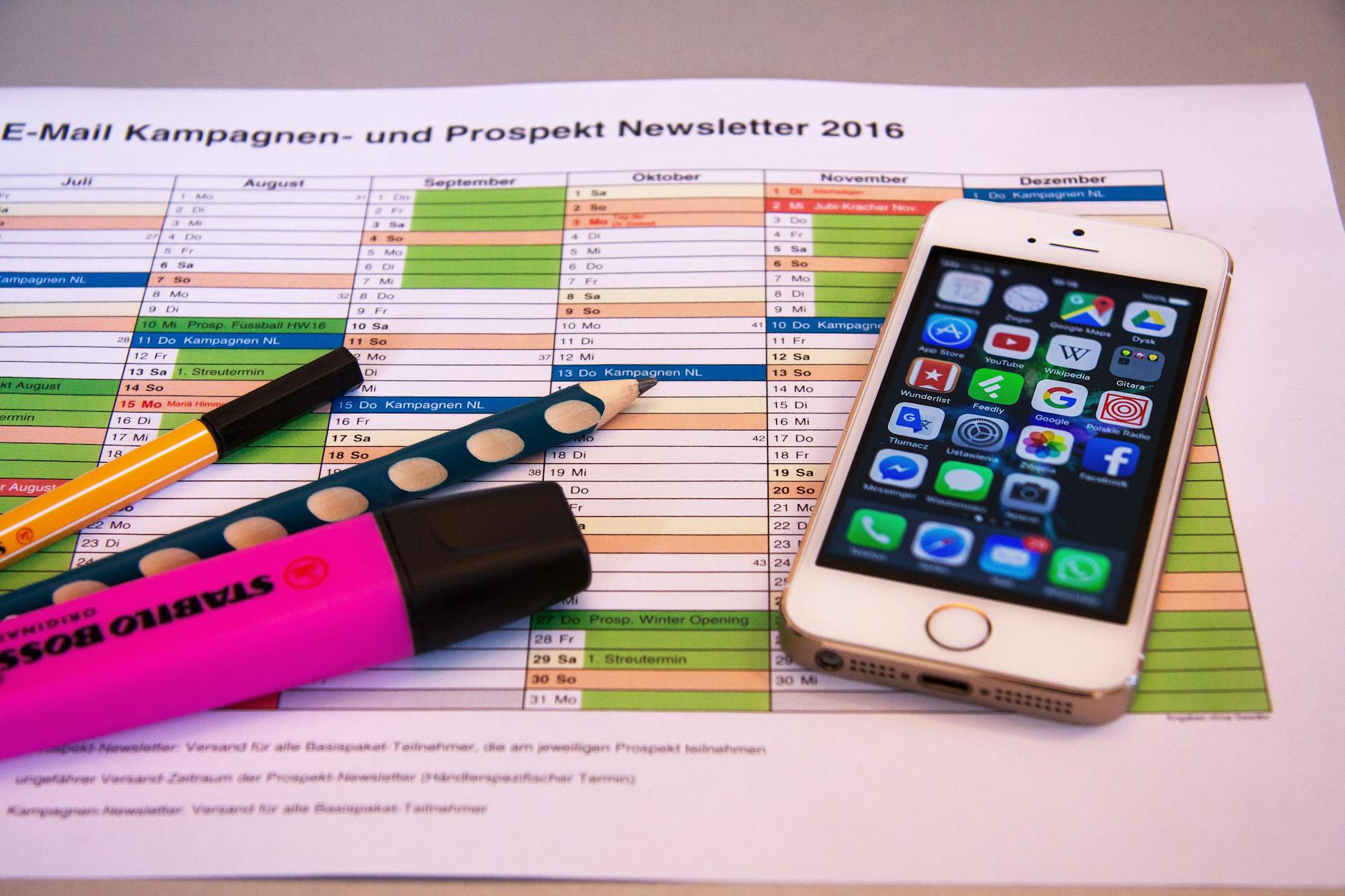
Photo by Pixabay
Free Apps That Get the Job Done
Google Calendar stands out as a top free choice. It syncs your content plans across all devices. Create separate calendars for blog posts, social updates, or video ideas. Color-code them for quick scans: blue for drafts, green for ready-to-post. Add detailed events with notes on topics, keywords, and due dates. Set reminders to review a week ahead. Your smartphone pulls it up fast for edits on the go.
Check out Google’s setup guide for Android to start. One user tip: link tasks to Google Docs for seamless drafting.
Don’t overlook your phone’s native Notes app. Tweak it into a content hub. Make folders like “Ideas” or “Drafts.” Turn lists into checklists for post steps: research, write, edit. Pin key notes to your home screen. Export to calendar apps with a tap. These changes take minutes but organize chaos into clear plans. Both tools keep you productive without spending a dime. (152 words)
Thousands of People Were Struggling With Money Until They Discovered This One Ancient Secret Hidden in Sound
>>> Unlock It Now <<<

Paid Apps for Pro Features
Paid apps add polish with analytics and team tools. Buffer shines for social media schedules. Connect accounts like Instagram or Twitter. Drag posts into slots, preview timing, and track engagement stats. Setup takes under five minutes: sign up, link profiles, import your calendar. Collaborate by inviting team members to queues. See which posts perform best and adjust future plans.
Later offers visual grids perfect for Instagram or Pinterest. Plan feeds month ahead with drag-and-drop. Analytics show top content types. Share access for feedback without email chains. Install on your smartphone, authorize social logins, and upload media packs. It pulls ideas from your free calendar for smooth upgrades.
Thousands of People Were Struggling With Money Until They Discovered This One Ancient Secret Hidden in Sound
>>> Unlock It Now <<<
These apps cost $5 to $15 monthly but pay off in time saved. Test free trials first. Your content stays sharp, and teams stay aligned. (148 words)
Step-by-Step Setup for Your Mobile Calendar
Set up your content calendar on your smartphone in minutes. These steps build on apps like Google Calendar. Customize it to match your posting rhythm across platforms. You’ll reschedule posts with ease and stay ahead of deadlines. Let’s get started.
Customize Views for Your Needs
Switch views to fit your planning style. Tap the menu in Google Calendar and pick month for a broad overview or week for detailed schedules. See all posts at once.
Filter by platform next. Create separate calendars for Instagram, blog, or Twitter. Assign colors: red for social, blue for writing. Hide others with a tap to focus.
Reschedule fast with drag-and-drop. Hold a post event and slide it to a new day. No typing needed. Check these Google Calendar display tips for more tweaks. Your view stays clear and action-ready. (98 words)
Link Tasks to Publishing Tools
Connect your calendar to tools you use daily. Open settings and add integrations. Link to the Canva app for graphics or WordPress for posts.
Start with OAuth login. Grant access so events pull in drafts. For example, set a “Design Cover” task that opens Canva directly.
Enable auto-post for ready content. Apps like Buffer pull from your calendar slots. Schedule a tweet or story to go live at peak times. Test one link first to confirm sync. Your workflow speeds up as tasks flow to publishing without extra apps open. Everything stays in one spot on your phone. (97 words)
Add Alerts That Work
Set notifications that fit your day. In event details, tap reminders and pick times: 1 day ahead or 2 hours before. Customize sounds for post deadlines.
Use snooze to push alerts forward. Tap to delay by 30 minutes if you’re in a meeting. It keeps pressure light.
Turn on quiet hours in phone settings. Block pings from 10 p.m. to 7 a.m., but allow key ones. Prioritize publish alerts over idea brainstorming. Your smartphone nudges you without overwhelming. Stay on track and rested. (92 words)
Daily Habits to Keep Your Calendar Smooth
Keeping a calendar smooth on your phone isn’t about one big hack. It’s about small, reliable habits you practice every day. When you treat your calendar like a living plan, you’ll move from reactive to proactive planning. The goal is a rhythm you barely notice, yet it consistently delivers content on schedule and with less stress.
Handle Changes Without Panic
Things won’t always go as planned, and that’s normal. When a deadline shifts, react calmly and update in one place. Duplicate entries can save you from accidental overwrites; simply create a “Draft” version and move content as needed. Back up critical calendars weekly so you never lose a post idea or publish date. A quick backup routine on your smartphone ensures you can recover with one tap. If you rely on Google Calendar, use its backup options and link drafts to your notes for quick restoration when life gets busy. For reliable backups, see Google One’s Android backup guidance. Back up your device – Android – Google One Help
Measure Success and Tweak
Regularly review what worked and what didn’t. Note the top posts and the time windows when you publish best. Use analytics apps to track engagement and traffic trends from your phone, then refine your plan accordingly. Keep a simple log of changes: what you posted, when, and which channels performed best. This habit helps you plan smarter, not harder. If you export or back up calendar data, you can spot patterns over time and adjust posting cadence. For a solid guide on backing up Google Calendar, explore tips here: How to Back up Google Calendar and Restore It: 2 Ways and check reliable backup practices at Google support. Your phone becomes a powerful analytics hub when you treat it as your command center.
Skip These Mobile Planning Pitfalls
When you plan on your phone, tiny mistakes can add up fast. Understanding common pitfalls helps you stay tidy, save time, and keep your content calendar reliable. Below are two quick sections to help you spot and fix the issues before they impact your schedule. Think of your phone as a compact command center, not a cluttered desk. A few mindful tweaks keep momentum strong and content flowing.
Don’t Overpack Your Schedule
A crowded calendar is a quick path to burnout. Aim for a balance where about 80 percent of the week is planned and 20 percent remains flexible. Signs of overload include back-to-back posts with near zero buffer, missed deadlines, and rushed drafts that lose quality. If you start to sense tension, prune tasks or move them to a later slot. This keeps you from scrambling and helps maintain consistent output. For added clarity, consider linking tasks to a simple note or document so you can move ideas without losing context. Learn more about avoiding calendar overload in this guide on common content calendar mistakes: https://gtdesign.co/the-top-5-content-calendar-mistakes-and-how-to-avoid-them/ and see signs you might be overbooked here: https://www.calendar.com/blog/too-many-meetings-15-signs-you-need-to-rethink-your-schedule/.
Always Back Up Your Data
A lost phone should not erase your entire plan. Always enable cloud sync and have export options ready. Regular backups protect drafts, briefs, and timelines, especially if your device is damaged or stolen. If you rely on Google Calendar, use its backup features and keep a secondary copy of critical calendars in another app or service. A quick backup routine on your smartphone means you can recover with a tap. For practical backup guidance, explore Google One’s Android backup guidance and related support resources: https://support.google.com/googleone/answer/9149304?hl=en&co=GENIE.Platform%3DAndroid. This small habit saves big headaches when you least expect it.
Conclusion
Starting today is the fastest path to real progress. Your first week should be simple: pick one free app, set up one posting week, and jot down three ideas you want to publish. A well organized calendar on your phone keeps topics, deadlines, and drafts in one place, so you can stay consistent without chasing scattered notes.
The main benefits show up quickly. Quick access, clear reminders, and a visual plan reduce guesswork and stress. When you see your content calendar light up with scheduled posts, you gain momentum that feeds more ideas and better timing. A single well tuned workflow saves time, helps you post more reliably, and strengthens your audience trust.
Now it is your turn. Choose an app, set your first week, and keep this routine visible on your home screen. Share the app you picked in the comments so others can compare and decide. If you found these tips useful, subscribe for more practical ideas you can apply right away. Your daily consistency matters, and steady posting growth follows from small, purposeful steps.
He Was Drowning in Bills and Burnout Until a Simple Daily Ritual Rewired His Brain for Wealth in Less Than a Week
>>> Start Your Shift Today <<<
