
She Pressed Play on a Strange Audio Track and Within Days Her Financial Reality Started Shifting in Ways She Could Not Explain
>>> See How It Works <<<

Sarah grabbed her smartphone during a sunny park outing. She filmed a silly dance with her dog in 15 seconds flat. She shared it on TikTok, tweaked the speed for Instagram Reels, and cropped it for YouTube Shorts. Views poured in: thousands across platforms overnight.
That’s the power of repurposing. It means you shoot one video once, then adjust it to fit TikTok, Reels, and Shorts perfectly. No need to start from scratch each time.
Why bother? You save hours of filming and editing. Your content hits bigger audiences on each app. Followers grow faster as algorithms push your clips wide.
This post breaks it down simply. You’ll learn to trim clips right, add platform-specific effects, and match trending sounds. Follow these steps to multiply your reach without extra work.
There Is a Frequency That the Wealthiest Families Have Used for Generations and Most People Will Never Know It Exists
>>> Open the Door <<<

Ready to turn one video into three hits? Let’s go.
Prep Your Phone Videos for All Platforms
You shoot one clip with your smartphone, then tweak it for TikTok, Reels, and Shorts. Good prep means less hassle later. Focus on versatile footage that fits all three. Start with solid basics to make repurposing simple.
Shoot Versatile Clips with Your Phone
Grab your smartphone and film in vertical mode from the start. This 9:16 aspect ratio matches TikTok, Reels, and Shorts perfectly. Hold the phone steady with both hands or prop it on a small tripod. Shaky footage distracts viewers and hurts engagement.
Face a light source like a window or the sun. Natural light flatters your face and keeps colors vibrant. Speak clearly into the mic, about a foot away. Enunciate words and avoid background noise for crisp audio.
Test different lengths right away. Record the same action in 15-second bursts for quick hooks, 30 seconds for more detail, and up to 60 seconds for Shorts. Pick topics that adapt easy, like a quick recipe demo where you mix ingredients step by step. Or share a travel tip, such as packing hacks for a weekend trip.

Photo by Blue Bird
These habits build clips you slice and dice without regret. Check this guide on vertical videos for framing tips like the rule of thirds.
Basic Edits to Save Time Later
Open your smartphone’s built-in editor or a free app like CapCut. Trim excess footage first. Cut the start and end to keep only the strong parts. Aim for punchy pacing that grabs attention in three seconds.
Adjust speed next. Slow motion works for recipe reveals; speed up travel tips to fit 15 seconds. Add burned-in captions for silent viewers. Type key phrases like “Step 1: Chop onions” in bold white text with a black outline.
Export settings matter for each platform:
| Platform | Resolution | Length | File Tips |
|---|---|---|---|
| TikTok | 1080×1920 | Up to 60s | MP4, under 287MB |
| Reels | 1080×1920 | 15-90s | MP4, square pixels |
| Shorts | 1080×1920 | 15-60s | MP4, 4MB for 60s |
Save versions at these specs. Your smartphone handles this fast. Batch edits turn one raw file into ready posts. See short-form video tips for more on orientation and cuts.
Tweak Videos to Go Viral on TikTok
Your phone video shines after basic prep. Now tweak it for TikTok to spark shares and views. TikTok favors clips that ride trends and popular sounds. These tweaks pull viewers in right away and boost the algorithm. You sync your footage, layer reactions, and add punchy text. Watch one clip explode across feeds.
Grab Attention Fast with Trends and Sounds
Trends move quick on TikTok. Jump on them to grab eyes in the first second. Start by hunting trending audio with your smartphone. Open the app and tap the search icon. Type words like “viral sound” or check the For You Page. Sounds with green arrows show heat levels.
TikTok’s Creative Center lists top tracks. Pick one that fits your clip, say a upbeat beat for a dance or recipe reveal. Preview videos using that sound to spot patterns. Users react the same way every time, so mimic top performers.
Sync your footage next. Import your smartphone clip into CapCut or TikTok’s editor. Drag the sound onto the timeline. Match cuts to beats, like chopping veggies on the bass drop. Speed up or slow parts for rhythm. This creates that addictive flow viewers replay.
Strong sync tips to nail it:
- Cut on the downbeat for energy.
- Loop a 3-second hook if your clip runs long.
- Test playback at half volume to check balance.
Add your spin with reactions. Film quick face cams on your smartphone reacting to the action. Overlay them in corners, like wide eyes at a recipe twist. This builds connection fast. Text pops work too. Overlay bold calls to action such as “Try this now!” or “Tag a friend who needs this”. White text on black outline stands out. Place it low so it doesn’t block faces.
Why does this combo win? Trends signal relevance to the algorithm. Sounds drive discovery. Reactions and text keep viewers hooked. One repurposed smartphone clip from the park dance example? Pair it with a viral “silly pet” sound. Add your laugh reaction and “Duet this!” text. Views climb as others join in.
Users report 10x growth from sound switches alone. Scroll creator pages in your niche for fresh picks. Refresh daily since trends shift. Batch tweak three versions of your clip with different audios. Post the winner based on early stats. Your smartphone footage turns viral with these moves.
Boost Engagement on Instagram Reels
Instagram Reels reward clips that spark interaction. Take your repurposed smartphone video and layer in elements that prompt likes, comments, and shares. These touches keep viewers watching longer and push your content to more feeds. You turn a simple park clip into a Reel that fans save and send to friends.
Reels thrive on quick, fun visuals paired with direct prompts. Use your phone’s editor to add loops, speed changes, and comment calls. Viewers engage more when they feel pulled in. Post consistently with these tweaks, and watch your reach grow.
Add Interactive Elements for More Shares
Interactive features make Reels stick. They encourage pauses, replies, and forwards. Start with your basic phone footage, then apply these in apps like Instagram’s editor or CapCut.
Boomerangs loop short bursts for hypnotic effect. Film a 2-second action on your smartphone, like waving a pet toy or stirring a drink. Import it, select the boomerang tool, and let it repeat seamlessly. This holds attention during quiet moments. Pair it with a question overlay: “What’s your pet’s favorite toy?” Viewers stop scrolling to react.
Speed ramps shift pace for drama. Slow a key moment, then ramp up to fast-forward. In your recipe clip, slow the pour of batter, then speed through mixing. Tap the speed icon in the editor, drag sliders to adjust sections. This mimics pro edits without fancy gear. It boosts dwell time, which Instagram’s algorithm loves.
Calls to comment drive the most shares. Place bold text at the end: “Comment your top tip below!” or “Share if this helped you.” Make it specific to your niche, like “Tag a friend who dances with their dog.” Studies show direct asks lift comments by 30%. Test phrases on your smartphone screen before posting.
Here are quick ways to layer these elements:
- Boomerang opener: Loop the first 3 seconds to hook fast.
- Speed ramp peak: Slow 50% on reveals, then 2x speed for action.
- Comment close: Flash text twice with upbeat music swell.
Combine them in one Reel. Your park dance? Boomerang the dog’s spin, ramp speed on your twirl, end with “Duet this move!” Check proven engagement hacks for visual examples.
These steps take under 5 minutes per clip. Track results in Instagram Insights. Reels with interactions outperform static posts every time. Your smartphone footage gains life here, pulling in comments that fuel more views.
Make YouTube Shorts Stand Out
Turning phone footage into standout Shorts means more than just cropping it vertical. It’s about crafting moments that loop naturally, tease with cliffhangers, and use text hooks that prompt a second view. This section focuses on building loopable Shorts that keep viewers watching, repeat, and share. You’ll learn practical techniques you can apply in minutes, with quick edits that fit the YouTube Shorts format.
She Pressed Play on a Strange Audio Track and Within Days Her Financial Reality Started Shifting in Ways She Could Not Explain
>>> See How It Works <<<
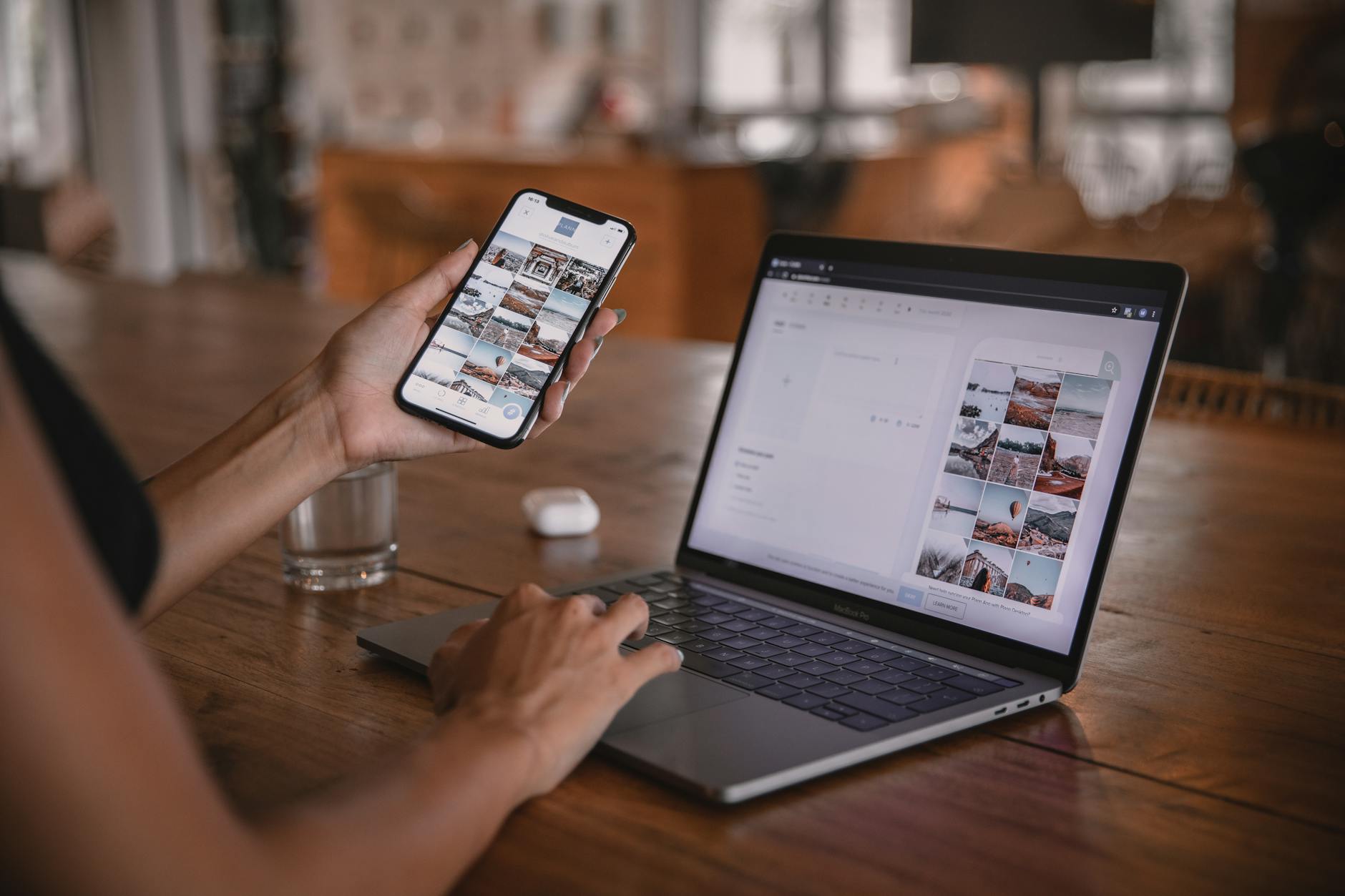
Photo by Plann
Create Loopable Shorts That Keep Viewers Watching
Seamless looping is a rhythm you can plan. Start with a strong opening that mirrors the closing frame, so the video feels continuous when it repeats. A cliffhanger at the end invites a rewatch. Text hooks reinforce the loop by giving context at the moment of wrap.
Key ideas to implement:
- Seamless loops: Structure the video so the last frame visually or conceptually matches the first frame. This can be achieved by repeating a motion or using a mirrored shot. A simple approach is to cut the clip in two parts and place the first part at the end, creating a natural loop.
- Cliffhangers: End with a mystery or a question that the viewer can only answer by watching again. For example, show the setup of a quick recipe, then pause at the moment you reveal the result.
- Text hooks: Place short prompts at strategic moments. Use bold white text with a dark outline for readability. Phrases like “Watch until the end” or “Can you guess the final step?” prompt engagement without feeling gimmicky.
How to apply these ideas in practice:
- Start with a quick teaser in the first 1 to 2 seconds. A bold visual or motion cue draws attention fast.
- Build to a near finish, then loop back to an opening moment. The transition should feel natural, not jarring.
- Add a closing line that nudges a second view. For instance, place a question or a surprising stat just as the loop restarts.
If you want a concrete blueprint, here’s a simple three-part pattern you can reuse:
- Hook (0–2 seconds): Show a striking visual or bold text.
- Build (2–8 seconds): Demonstrate the core action or tip in a compact sequence.
- Loop setup (8–12 seconds): End with a frame that mirrors the opening or raises a question, then instantly loop.
A practical example could be a quick “three-ingredient smoothie” demo. Show the ingredients pouring in, a quick blend, and a final close-up of the glossy drink. End with a text prompt like “Want the recipe? Watch again.” The clip loops back to the pouring shot, making the sequence feel continuous.
To further boost loopability, study successful Shorts in your niche. Look for how creators place their first and last frames to connect. You can also experiment with micro-edits that align beats across the loop, such as syncing the last chop to the first chop of the recipe.
For more ideas on looping strategies, check these resources:
- How to craft looping videos that feel seamless on Shorts.
- Practical tips for looping in short-form content.
- Creative approaches to end-screen loops and prompts.
Links:
- https://www.reddit.com/r/VideoEditing/comments/111ub1q/how_do_you_make_looping_videos_on_youtube_shorts/
- https://www.mariosomedia.com/blog/seamlessloop
- https://www.quora.com/How-do-I-make-seamless-loop-video-from-an-existing-short-video
This approach works because it trains viewers to expect the loop, which increases watch time and boosts algorithm signals.
If you’re new to loopable edits, start with a sobering 15-second clip and build up from there. Practice makes the loop feel natural, not forced. The more you experiment, the better you’ll become at spotting loop points and crafting magnetic hooks.
Post Everywhere and Track What Works
You’ve created a versatile phone video and now you want it to shine on TikTok, Reels, and Shorts. The key is posting intelligently across every relevant platform while watching the numbers closely. This section gives you a practical path: how to distribute your content without duplicating effort and how to quantify what actually moves viewers. Think of it as a repeatable system that turns one good clip into three high performing posts.
Post Everywhere with a Single Core Clip
Start with a single core clip filmed in vertical 9:16 format on your smartphone. From there, adapt the same footage for each platform rather than shooting separate videos. This approach saves time and preserves the original emotion and energy.
- Prepare platform specific variants: keep the first 2–3 seconds visually compelling, then tailor captions and on-screen text to each audience.
- Save clean versions for each platform: TikTok, Reels, and Shorts each have preferred length ranges and text styles. Use a single source file and export optimized copies for each channel.
- Optimize metadata: craft platform aligned titles, descriptions, and hashtags. On each app, a tight hook in the first line lifts watch time and discovery.
- Design thumbnails thoughtfully: while some platforms auto-select, a strong thumbnail even in vertical video can boost early clicks.
To keep things simple, treat your core clip as a master file. If you’re filming in a public place, capture ambient sound and a clear outro moment you can reuse or remix. Your smartphone makes this workflow fast, especially when you set up quick export presets.
Align Captions and Accessibility Across Platforms
Captions unlock a big share of your potential audience, especially when viewers watch without sound. Add concise captions that reflect the spoken content and highlight key steps or tips.
- On-screen text: use bold, high-contrast text and place it where faces aren’t covered by captions.
- Language options: consider adding a short, easy to read caption track in another language if your audience includes bilingual viewers.
- Accessibility sweep: ensure color contrast is strong and that text remains readable on small screens.
If you don’t have time to caption manually, many editors offer auto-captioning that can be quickly cleaned up. Even a light captioning pass boosts engagement and retention.
Quick-Prep for Faster Cross-Platform Edits
- Record once, edit once, then export platform friendly versions.
- Create a simple naming convention for files: clipname_platform_length_version.
- Build a small toolkit: a couple of transitions, a text style, and a looping hook you can reuse.
- Maintain consistency in your brand voice and visual style so viewers recognize your clips across feeds.
As you scale, you’ll want a simple workflow to keep track of what works. A well-organized master file and consistent export presets reduce bottlenecks and let you push more content faster.
Track What Works: Core Metrics to Watch
Tracking is where you turn activity into insight. Focus on a handful of metrics that reveal how different formats perform on each platform.
- Views and watch time: you want people to finish the clip. Compare average watch time across formats to see where your hook lands.
- Completion rate: the percentage of viewers who watch to the end. Higher rates signal engaging content and good pacing.
- Engagement rate: likes, comments, shares, and saves relative to views. This shows how your content resonates beyond passive viewing.
- Follower growth: track how many new followers come from each platform after posting specific clips.
- Salience of sound and captions: identify whether viewers engage more with videos that use clear captions or strong audio cues.
Set up a simple dashboard that updates daily or weekly. Even a basic spreadsheet with date, platform, video id, length, and the five metrics above can reveal patterns over time.
Tools to Centralize Analytics
You don’t need to juggle multiple dashboards. Several tools bring metrics from TikTok, Reels, and Shorts into one view, helping you compare apples to apples.
- Shortimize: track and analyze short-form video performance across TikTok, Instagram Reels, and YouTube Shorts in one place. This helps you spot cross-platform winners quickly.
- Social Insider Free Tools: light analytics for YouTube Shorts, with views and engagement data to inform future content.
- Measure Studio: offers data-driven comparisons across platforms, helping you see where your clips perform best.
- Microlaunch: practical dashboards for tracking performance across short-form video channels.
For deeper dives, you can explore community discussions and case studies to see how creators interpret analytics and iterate their strategies. A balanced mix of data and experimentation often yields the best results.
Build a Feedback Loop That Drives Faster Wins
Turn data into action with a simple loop:
- Post a core clip in three variants tailored to each platform.
- Monitor the key metrics for 48 to 72 hours.
- Identify the strongest performer and the elements it shares with other variants.
- Apply the winning elements to a new core clip and recycle your approach.
- Review results and refine your export presets for next time.
This cycle keeps you moving fast without sacrificing quality. The more you repeat it, the quicker you’ll zero in on what resonates with each audience.
Quick Win Templates You Can Use Right Now
- Template 1: Hook + Three Quick Steps. Start with a bold hook in the first second, then deliver three practical steps. Caption each step clearly and finish with a call to action.
- Template 2: Visual Loop with Text Prompts. Create a loopable moment in the middle and end with a prompt that nudges a second view, like “Want the full recipe? Watch again.”
- Template 3: Reaction Overlay. Add a short face cam reacting to the main action. Place it in a corner so it never covers the key content.
Keep a library of ready-to-go prompts and templates. When you next shoot, you’ll be able to drop in the cues and export ready-for-upload clips in minutes.
Example: From One Clip to Three High-Impact Posts
Imagine a quick kitchen tip filmed with your smartphone. You export three versions:
- TikTok version: 30 seconds with a fast pace, bold captions, and a trending sound.
- Reels version: 15 seconds with a looping hook and a quick call to action.
- Shorts version: 60 seconds that builds a mini tutorial and ends with a cliffhanger.
Publish them on the same day, then compare engagement and watch time. The winner guides your next batch of clips.
If you want more ideas on tracking and optimization, check these resources:
- Shortimize | Track & Analyze Short-form Video Performance
- FREE YouTube Shorts Analytics from Social Insider
- How to analyze and track performance across TikTok, Instagram Reels, and YouTube Shorts from Microlaunch
By posting everywhere with a clear measurement plan, you turn a single smartphone clip into momentum across three major platforms. The right combination of format, captions, and timing makes those numbers rise, and your audience grows with it.
Conclusion
Repurposing phone videos for TikTok, Reels, and Shorts lets you turn one clip into three powerful posts. You protect your time, keep your message consistent, and reach bigger audiences across platforms. The core idea is simple: shoot once, edit once, and export tailored versions for each app.
If you follow these steps, you can expect a noticeable lift in views and engagement. The right edits sync with trending sounds, add clear captions, and use looping or cliffhanger hooks that prompt a second look. This approach makes your content feel fresh on each platform while staying true to your core message.
Now is the moment to act. Grab your phone, film a short, and start editing it for three formats. You’ll likely see a broader reach, faster growth, and more opportunities to connect with viewers who care about your niche. That momentum compounds as you iterate and refine your presets, captions, and posting cadence.
Share your repurposed video in the comments with a link so others can learn from your approach. Seeing real examples helps readers apply these tactics to their own content. And if you want more ideas, revisit this guide to fine tune your process and keep improving results.
A final thought: consistency beats perfection. Keep producing, keep testing, and your phone footage will keep expanding your audience across TikTok, Reels, and Shorts.
He Was Drowning in Bills and Burnout Until a Simple Daily Ritual Rewired His Brain for Wealth in Less Than a Week
>>> Start Your Shift Today <<<

What If the Only Thing Between You and the Life You Deserve Is a Hidden Wealth Code Waiting to Be Activated
>>> Open the Door <<<
