There Is a Frequency That the Wealthiest Families Have Used for Generations and Most People Will Never Know It Exists
>>> Open the Door <<<

Is your old phone starting to feel slower and less reliable? You’re not alone, and small tweaks can make a big difference in performance, battery health, and everyday usability.
This guide covers both iPhone and Android, showing practical tweaks, easy upgrades, and tips to extend your device’s life. Learn how simple software updates, smarter charging, and a few cleanups can transform an older device into a reliable companion.
With clear steps and realistic goals, you’ll discover how to reclaim speed, optimize memory, and keep your phone secure. By the end, you’ll know exactly what to tweak first to breathe new life into your trusty device.
Assess Your Phone and Set Realistic Goals
Before you start reviving your old device, take a moment to assess where it stands today and set practical targets. A clear picture of battery health, storage availability, and performance will help you decide which tweaks to tackle first. This section guides you through a simple, device-agnostic approach to evaluation and goal setting, so you can see real progress without chasing a moving target.
Thousands of People Were Struggling With Money Until They Discovered This One Ancient Secret Hidden in Sound
>>> Unlock It Now <<<

Check Battery Health and Storage
Start with the basics: battery health and how much storage you have left. These two factors often determine how fast your phone feels and how long you can go between charges.
- Battery health check: On many devices, you’ll find a Battery or Power section in Settings. Look for terms like “Battery Health,” “Maximum Capacity,” or “Peak Performance.” For iPhone users, Apple explains how to review battery health and usage, including recommendations if the health is degraded. You can read more about how to understand and view battery health here: Understand your iPhone battery usage and health. For guidance on battery drain and what to do when it improves or worsens, see the Apple support overview: If the battery in your iPhone or iPad drains too quickly.
- Quick tips if health is low: consider enabling optimized charging to reduce wear, disable background refresh for rarely used apps, and avoid charging to 100% all the time. If recalibration is needed, follow Apple’s guidance on battery health reporting recalibration.
- Storage check: Go to Settings and check how much space is available. If you’re hovering near full, you’ll notice sluggish behavior and longer app launch times. Freeing space can deliver an immediate speed boost.
- Quick space freeing tactics include: review large apps and media, offload unused apps, move photos and videos to the cloud or a computer, and delete cached data from apps you don’t frequently use.
- If you’re unsure where to start, try a quick cleanup pass: remove duplicate photos, purge old messages with large attachments, and clear app caches where possible. A structured cleanup often reveals several gigabytes of breathing room.
- Storage and battery synergy: Less stored data means less metadata for the system to manage. You’ll typically notice smoother scrolling, faster app switching, and shorter app launch times after some cleanups.
To a reader, these checks are more than numbers. They’re a map of how your device is aging and what you need to adjust to keep performance steady. For a deeper dive into battery health specifics across platforms, Apple and Google offer practical, step-by-step guidance. For Android, explore how to maximize battery life and manage battery saver modes: Get the most life from your Android device’s battery.
Monitor Usage Patterns
Understanding how you actually use your phone makes the goals realistic. Track a typical day to identify bottlenecks and opportunities to reclaim speed or battery life.
- What to observe: screen-on time, app load times, frequent network-dependent tasks, and background activity. If you notice a handful of apps consuming a lot of power or memory, you’ve found your first targets.
- How to measure: note your battery percentage at wake-up and at bedtime, or record app launch times for a few key apps. If you want a more precise read, use built-in diagnostics or reputable third-party tools to compare before and after results.
View Available Storage at a Glance
A quick visual read of your storage helps you decide what to tackle first.
- What to check: free space, percent used, and the types of data occupying space (apps, photos, videos, and cached data).
- Immediate actions: offload or delete unnecessary apps, back up photos or videos to the cloud or computer, and purge large files you no longer need. If you’re curious about how much space is typical for common app types, you can compare with device-agnostic guidelines and adjust accordingly.
Set Realistic, Measurable Goals
With a clear picture, translate insight into concrete outcomes. Pick 1 or 2 goals that will make the biggest difference in everyday use.
- Goal ideas:
- Faster boot and app readiness
- More free storage for apps and media
- Longer battery life between charges
- Metrics to track:
- Battery: note the battery level after a full day of typical use and compare to your baseline.
- Storage: measure free space after cleanup and after a week of regular use.
- Performance: time how long it takes to open a handful of commonly used apps or to boot the device.
- Set a timeline: aim to assess progress weekly for the first month. If you hit your target earlier, you can refine your goals for the next phase rather than repeating the same steps.
Prepare for the Next Steps
Once you’ve set your goals, you’re ready to move into practical steps that improve performance, extend battery life, and refresh software behavior. The upcoming sections will guide you through testing performance, optimizing apps, and aligning outcomes with measurable results. If you want a quick reference while you work, keep Apple and Google’s official guidance handy for device-specific tweaks and troubleshooting tips:
- Apple battery health and usage basics: Understand your iPhone battery usage and health
- Android battery best practices: Get the most life from your Android device’s battery
By starting with a clear assessment and realistic goals, you set the stage for meaningful improvements that make your old phone feel notably more capable.
Boost Performance with Simple Tweaks
Small, focused changes can make your older phone feel noticeably snappier. This section highlights practical tweaks you can apply now to reclaim speed, extend battery life, and improve overall responsiveness. Think of it as a tune-up checklist you can run in a weekend, not a hardware upgrade.
Clean Up and Free Space
Extra storage frees the system from chasing data and reduces background activity, which translates to faster launches and smoother scrolling. Start with these actionable steps and you’ll often see an immediate lift.
- Remove unused apps: If an app sits idle, delete it. On most devices you can offload, or uninstall, apps you haven’t used in weeks. This reduces background processes and metadata the system must manage.
- Clear app caches: Cached data can accumulate quickly. Clearing caches frees space and can speed up app launches. For iPhone users, you can clear Safari caches and cookies, while Android users can clear cache per app from Settings > Apps. If you want a quick guide, see Apple’s steps for clearing cache on iPhone and Android’s method for clearing cache and cookies.
- Apple guidance: Clear your cache and cookies on iPhone
- Android guidance: How to clear cache and delete cookies on your phone
- Android cache help: Free up space by clearing app cache and data
- Back up photos and move files off the device: Move photos and videos to iCloud, Google Photos, or a computer. This frees up the most space and often speeds up photo-heavy tasks.
- Offload or transfer large media: If you’re near full, consider moving large videos or albums to the cloud or to a PC. This reduces time spent indexing and searching for media.
- Quick front‑line cleanup: Delete duplicates, purge old message attachments, and clear app caches where possible. A structured pass often reveals several gigabytes of breathing room.
Why this helps: when the system has more free space, it has fewer operations to juggle, leading to faster app switching and smoother UI. For ongoing maintenance, set a monthly quick clean plan so you don’t climb back to a full device.
If you want to go deeper into freeing space on Android and iPhone, these official resources offer step-by-step guidance on clearing cache and managing storage.
- Clear your cache and cookies on iPhone
- How to Clear Cache and Delete Cookies on Your Phone
- Free up space – Android Help
Update Software and Manage Apps
Keeping software current is one of the most reliable ways to improve performance and stability. It also helps extend battery life and ensure new apps run efficiently.
- Check for OS updates: Regular updates bring performance enhancements, security patches, and bug fixes. On iPhone, open Settings > General > Software Update. On most Android devices, go to Settings > System > Software Update. If you don’t see updates, check with your device maker’s support site.
- Update essential apps: Update apps you use daily first. App updates fix bugs that slow you down and improve memory usage. Turn on automatic updates if you prefer hands-free maintenance.
- Remove bloatware or rarely used apps: If a preinstalled app or seldom-used program takes up space and memory, consider removing or disabling it. This reduces background activity and frees RAM for the apps you actually use.
- Limit background activity: Some apps refresh in the background and drain memory and battery. For essential apps, allow background activity; for the rest, restrict or turn off background data in Settings.
- Manage memory with care: If your device supports it, reset or clear memory caches periodically. This keeps memory fragmentation from slowing things down and reduces background processes.
Practical tips and nudges: aim to update your OS and key apps every few weeks if possible. If you notice lag after an update, you may need to revisit background activity and storage. For guidance on battery life and Android optimizations, see the official Android battery best practices.
- Apple battery health and usage basics
- Android battery best practices
Tweak Settings for Speed and Battery
Small tweaks in settings can have outsized effects on both speed and endurance. Keep things simple and nontechnical so you stay in control.
- Turn off unnecessary animations: Reducing motion and animation effects can speed up interface transitions. On iPhone, you can enable Reduce Motion in Accessibility settings. Android devices offer similar animation scale controls in Developer Options or Accessibility settings.
- Enable battery saver modes when needed: Battery saver or low power mode reduces background activity and keeps essential tasks running longer. Use it during heavy use away from a charger.
- Restrict location services when not needed: Location access can wake radios and drain power. Turn off location services for apps that don’t need it, or set to “While Using” instead of “Always”.
- Use lightweight modes where available: Some apps offer a “lite” version that uses less memory and data. If you don’t need feature parity, switch to the lighter option for better responsiveness.
- Keep OS and apps aligned: Consistency between OS version and app versions helps prevent incompatibilities that slow things down.
A few concrete actions you can take today:
- In iPhone, reduce motion and enable Low Power Mode during long days away from a charger.
- In Android, limit background data for apps you don’t need constantly, and switch off location for nonessential apps.
For readers who want a quick reference on reducing animation and conserving energy, official guides provide step-by-step instructions:
- How to clear cache on iPhone
- Get the most life from your Android device’s battery
External links offer practical steps you can follow while you tune your device for speed and stamina. They’re helpful if you want to see the official recommendations and default settings for your model.
- Clear your cache and cookies on iPhone
- How to Clear Cache and Delete Cookies on Your Phone
- Free up space – Android Help
By applying these tweaks, you create a smoother, more responsive phone that handles daily tasks with less friction. You’ll notice faster app launches, quicker scrolling, and more reliable performance when you need it most.
Refresh the Look and Feel Without Cost
Giving your old phone a fresh vibe doesn’t require new hardware. With small layout tweaks, smart widget use, and cohesive visuals, you can reclaim a clean, stress-free daily experience. This section covers practical ways to customize your home screen, unify wallpapers and icons, and refresh your device’s feel with affordable upgrades.
There Is a Frequency That the Wealthiest Families Have Used for Generations and Most People Will Never Know It Exists
>>> Open the Door <<<
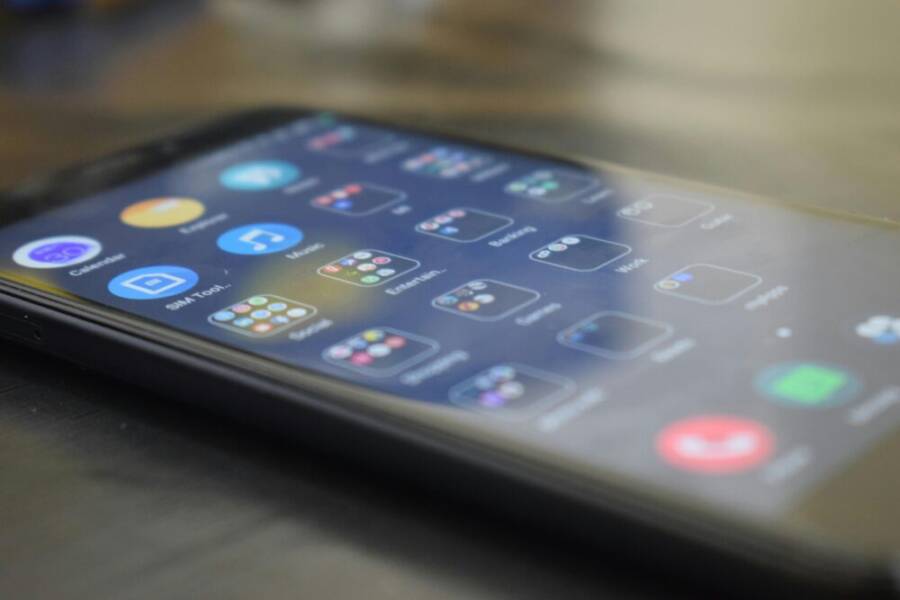
 Photo by Amarnath Radhakrishnan
Customize Your Home Screen and Widgets
A well organized home screen reduces friction and speeds up daily routines. Start with a simple setup that you can expand later.
- Group apps by daily tasks: Create folders or use a dedicated page for essential activities like Communication, Productivity, and Media.
- Prioritize a few widgets: Use weather, calendar, reminders, and a quick note widget to cut taps. Widgets should add value, not clutter.
- Keep a clean dock: Limit the number of apps in the bottom dock to the ones you use most. This speeds app launching and reduces visual noise.
- Sample simple daily workflow:
- Home screen: Calendar widget showing today’s meetings, a weather widget, and a to-do list.
- First page: Core apps for work and communication (Email, Messaging, Camera, Notes).
- Second page: Media and browsing (Music, Podcast, Browser, Maps).
- Practical tips by platform:
- iPhone users can customize with widgets on the Home Screen and adjust app icon sizes for readability. For reference, see Apple’s guide on customizing apps and widgets on the iPhone Home Screen.
- Android users can resize widgets and arrange home screens using the default launcher or a lightweight launcher if you prefer. A pro approach is to design a single home page with essential widgets and one secondary page for rarely used apps.
For deeper ideas on how to craft your layout, you can review official setup guides from Apple and Android resources:
- Customize apps and widgets on the iPhone Home Screen
- Get the most life from your Android device’s battery
If you want a broader inspiration pool, explore community setups that showcase clean, efficient home screens without third party tools:
There Is a Frequency That the Wealthiest Families Have Used for Generations and Most People Will Never Know It Exists
>>> Open the Door <<<
- iPhone setup ideas
- Android home screen ideas
Change the Theme, Wallpapers, and Icons
A cohesive look can transform how your device feels every time you pick it up. Pick a simple mood and stick with it across wallpapers and icons for a polished appearance.
- Choose a unifying color palette: Soft neutrals or a single accent color help reduce visual noise.
- Wallpaper strategy: Use solid colors or muted photos with plenty of negative space. Rotate wallpapers every couple of weeks to refresh the vibe without clutter.
- Icon packs and icon consistency: If you like icons, pick a minimal icon pack or keep default icons with subtle tweaks. Avoid busy or oversized icons that clash with your wallpaper.
- Minimalism in practice:
- Use a single wallpaper across the home screen and lock screen for consistency.
- Limit the number of icon packs and keep their style uniform.
- Swap to a hyper-readable font size to improve legibility.
Tips to implement quickly:
- On iPhone, you can apply a cohesive aesthetic by selecting a wallpaper and using a simple widget layout that mirrors the color accents. The official iPhone customization guide shows how to tailor the home screen look with apps and widgets.
- On Android, most launchers support custom icon packs and consistent grid layouts. A clean setup often means fewer home screen pages and a single row of essential widgets.
For more official guidance and ideas, these links are valuable:
- Customize apps and widgets on the iPhone Home Screen
- Widget Club’s guide to home screen customization
- How to customize your Android home screen like a pro
If you’re curious about real-world examples, communities share their minimalist setups that balance style and usability without overloading the screen.
Images often capture a vibe better than words. A clean look usually starts with a solid wallpaper and a restrained widget set. If you want visual cues, search for “iPhone home screen customization” or “Android home screen ideas” for fresh ideas that stay practical and fast.
Upgrade Accessories for a Fresh Feel
Small hardware updates can dramatically refresh the device experience without touching the core device. Focus on affordable, protective, and practical additions that feel premium without a premium price.
- Screen protector: A good tempered glass or film protector can refresh touch sensitivity and reduce glare. If you’ve got scratches, a new protector can also restore a sense of newness.
- Case upgrade: A lightweight, grippy case changes the feel in your hand and protects against drops. Choose a design that matches your daily routine, whether you’re commuting, traveling, or working from a cafe.
- USB charging cable: A sturdy, braided USB-C or Lightning cable improves charging reliability and lengthens lifespan for daily use.
- Quick refresh ideas:
- Pair a clear case with a subtle color accent that fits your style.
- Choose a case with a comfortable grip for long scrolling sessions.
- Keep a spare charging cable in your bag or car for convenience.
Why these upgrades help:
- They protect the device from everyday wear and tear, which reduces the chance of performance issues caused by physical damage.
- A fresh feel comes from tactile changes as well as visual ones, making your phone feel more like a fresh device.
If you’d like to explore trusted guides on choosing accessories, you can find reputable suggestions from manufacturers and tech outlets that emphasize fit and protection:
- Screen protection tips and best practices
- Choosing a protective case for your phone
To keep things balanced, avoid too many accessories at once. A single high-quality upgrade can significantly improve daily use and give your device a renewed sense of reliability.
Images: If you want a visual anchor for this section, you can use a photo that shows a phone with a clean home screen and a slim, modern case. Photo credit is optional if you include an image, and you can add it from Pexels if it fits the article’s visuals.
Extend Lifespan with Safe Habits and Upgrades
Giving your old phone extended life is about smart habits and practical upgrades, not chasing new hardware. In this section, you’ll find clear, actionable steps to care for the battery, protect your data, and plan upgrades that fit your budget and needs. Think of it as a field guide for keeping your device reliable day to day.
 Photo by cottonbro studio
Battery Care and Replacement Options
Battery health drives performance more than you might guess. Replacing a worn battery can restore speed, extend daily usability, and prevent unexpected shutdowns. Here’s how to decide when a replacement makes sense and what to expect from a repair.
- When a replacement makes sense
- Your battery health drops toward or below 80 percent of its original capacity. This is a common threshold where performance starts to suffer and charging becomes unreliable.
- You notice rapid battery drain, frequent unexpected shutdowns, or the device won’t hold a charge long enough for a full day. If these issues appear even after minimal usage, a replacement can restore reliability.
- Charging becomes inconvenient or inconsistent, with longer charging times or calibration issues.
- If you rely on peak performance for work or school, replacing the battery can prevent bottlenecks that slow you down.
- How to choose a service
- Look for authorized or reputable repair shops with clear pricing and a warranty on parts and labor.
- Ask about the battery type and the exact components used. Reputable shops will use OEM or high-quality equivalents.
- Check for a diagnostic before any work to confirm battery health and to rule out other issues.
- Request a written estimate covering parts, labor, and a post-repair test.
- What to expect from a repair
- Expect a straightforward replacement process, typically a few hours for many shops or same-day service at some locations.
- You’ll receive a test run after replacement: charge cycles, battery health reading, and a basic performance check.
- Aftercare matters: keep the device updated, avoid unnecessary heat exposure, and follow any break-in guidance the shop provides.
- Quick guidance on battery health expectations
- Apple users often see guidance around replacing when health declines to around 80% capacity. See the official guidance for battery health and usage on iPhone for context and steps.
- Android devices vary by manufacturer, but the principle holds: lower health often means shorter run time and less predictable charging.
- Helpful resources
- For iPhone battery health specifics and guidance, see Apple support pages. These practical tips help you decide when to replace and how to maintain after the repair.
- Android users can consult manufacturer or Google support on battery life and saver modes to extend life between charges.
- Realistic takeaway: a single, well-timed battery replacement can restore a large portion of the device’s daily reliability without the cost of a new phone. For a quick start, run a battery health check in Settings and compare the result to your daily usage.
- Quick tip: if you’re unsure about replacement cost or timing, price a service with labor and parts, then compare to the cost of a mid-range replacement phone. Often, the math favors upgrading only when the battery and performance hurdles become persistent.
- Quick action checklist
- Check Battery Health in Settings and note the percentage.
- Research two reputable repair shops with warranty options.
- Schedule a diagnostic to confirm battery health and plan replacement if needed.
- For a deeper look at battery health thresholds across devices, you can explore official guidance from Apple and Android communities.
- Battery care reminder: enable optimized charging where available to slow battery wear on a daily basis.
- Related read: understand battery health basics and what affects longevity.
Protect Your Data and Privacy
Your old phone holds a lot of personal data. Protecting it is as important as boosting speed. Use a practical backup plan, keep software current, and adopt safe app habits. Here’s a quick, actionable checklist you can follow.
- Regular backups
- Enable automatic backups to a trusted cloud service or local computer.
- Schedule a monthly backup routine, and perform a manual backup before major updates or transfers.
- Verify backups by restoring a sample file or two to confirm data integrity.
- Security updates and device health
- Keep the OS and critical apps up to date. Patches fix security flaws and improve stability.
- Review app permissions periodically. Revoke access that seems unnecessary or invasive.
- Turn on find my device features so you can locate or wipe the device if it’s lost or stolen.
- Safe app habits
- Install apps only from official stores and verify app permissions before installation.
- Avoid granting location or microphone access to apps that don’t need them for core functions.
- Regularly review installed apps and remove ones you no longer use.
- Quick checklist readers can follow
- Enable automatic backups and confirm backup completion.
- Update OS and essential apps within a week of release notes.
- Review app permissions and remove unused or risky ones.
- Activate device protection features such as biometric unlock and screen lock with a strong passcode.
- Shortcuts for peace of mind
- Enable two factor authentication (2FA) for important services accessed from your phone.
- Use a reputable password manager to simplify login security without reusing passwords.
- External guidance
- For general device security practices, see official help guides from Apple and Google. These explain how to maintain security without slowing down daily use.
- Quick win: practice a lightweight privacy routine every quarter—review what apps have access to location, camera, and mic; prune what you don’t need.
- Example quick reference: a 5-minute privacy tune-up
- Review permissions for your top five apps.
- Update or enable a two factor method for your primary accounts.
- Run a backup and verify restoration on a test file.
- The payoff: steady hands on a trustworthy device. Your data stays safer, and you keep control over what apps can see and do.
Plan Practical Upgrades If Needed
If your device still isn’t meeting your needs after improvements, plan practical upgrades with a clear lens on budget, real needs, and resale value. This approach helps you decide whether to stick with the current model or move to a newer one.
- Set a budget and timeline
- Decide how much you’re willing to spend within a defined period.
- Consider whether the price buys meaningful gains in speed, battery life, and camera quality.
- Build a plan that prioritizes features you actually use.
- Assess the phone’s needs
- Speed and reliability: does it still feel responsive for your daily tasks?
- Battery endurance: can you last through a typical day without a mid-day charge?
- Software compatibility: are essential apps still receiving updates and security patches?
- Evaluate resale value
- If you’re thinking about selling or trading in, research current values for your exact model.
- A well-maintained device with a fresh battery and a clean software slate often fetches more.
- Factor in potential trade-in credits when weighing a upgrade versus a new device.
- Realistic upgrade tactics
- If you must upgrade, consider models that balance price with meaningful gains in battery life, speed, and camera performance.
- Look for trade-in programs or refurbished options from reputable retailers to stretch your budget.
- Don’t rush into a new device; align the upgrade with a specific need such as heavy multitasking or longer battery life.
- Practical decision framework
- Step 1: List the top three pain points (speed, battery, software support).
- Step 2: Check the price of a replacement phone that specifically addresses those pain points.
- Step 3: Compare the cost of upgrades (battery, memory, or OS updates) to the price of a newer device.
- Step 4: If the new device offers substantial gains for your use case, plan the purchase with a small, controlled rollout (backup, transfer, secure wipe).
- Actionable tips
- Prioritize devices with strong battery life and a long software support window.
- Choose refurbished options from trusted brands with a warranty.
- Time your upgrade around seasonal sales to maximize value.
- Where to start
- If you’re considering a major upgrade, read reviews focused on performance and longevity for the models you’re eyeing.
- Compare storage options, RAM, and processor capability to ensure smoother multitasking.
- Quick takeaways
- Upgrades should solve real issues, not just offer novelty features.
- A balanced budget approach can yield solid gains without overspending.
- Resale value matters; a well maintained device can offset the cost of the upgrade.
- Related guidance
- Look to official guidance and reviews from reputable outlets for model comparisons and real-world battery life tests.
- For practical steps on upgrading and data migration, check trusted manufacturer resources and well-known tech publications.
By following these sections, you extend the usable life of your device in a thoughtful way. The emphasis stays on practical habits, careful data protection, and upgrades that fit real needs and budgets. If you want to see concrete model comparisons or backup workflow templates, I can tailor the recommendations to your current phone and region.
Note: For further reading on battery health thresholds and upgrade options, consider these sources:
- Apple battery health and usage basics
- Get the most life from your Android device’s battery
Conclusion
Small changes add up to big gains in speed, battery life, and look. Start with one tweak at a time and watch your old phone come alive again. A clean system, smarter charging, and a cohesive home screen can transform daily use, like a smartphone that finally feels fresh. Ready for more results? Try a targeted upgrade or setting tweak this week and measure the difference.
He Was Drowning in Bills and Burnout Until a Simple Daily Ritual Rewired His Brain for Wealth in Less Than a Week
>>> Start Your Shift Today <<<
