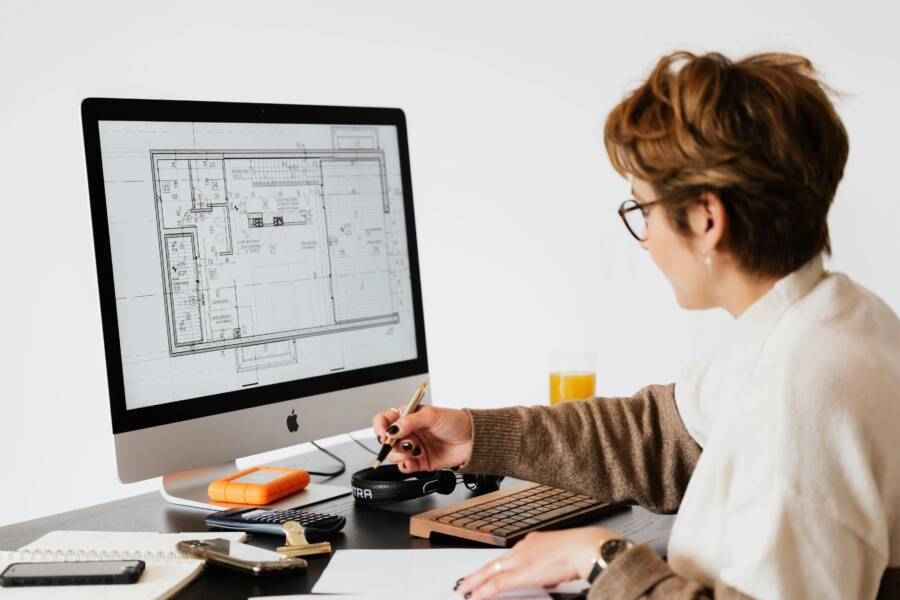
Giving teens a hand in planning a Home Depot project sets them up for real world skills. They learn how to set goals, manage a budget, and follow through from idea to finished product. The process also creates a chance for parent and teen to collaborate, share responsibilities, and celebrate a job well done together.
A well planned project helps teens build confidence without becoming overwhelming. When they drive the choices, they stay invested. The key is to balance guidance with independence. A clear structure keeps things on track and safe while still letting creativity shine.
Why letting teens lead matters
Allowing teens to plan a home improvement project shows them that their ideas matter. It teaches practical math when budgeting and simple engineering when sizing materials. It also builds project management skills such as setting a timeline, ordering supplies, and coordinating tools. Most importantly, it gives them a sense of ownership that comes from seeing a plan become a real object in the home.
Teens who participate in hands on tasks tend to develop stronger problem solving habits. They encounter unexpected bumps, such as a delayed delivery or a wrong cut, and learn how to adapt. They also learn how to ask for help the right way, which is a crucial life skill. The end result is not just a piece of furniture or a garden feature. It is a tangible reminder that they can turn ideas into reality with careful planning.
Start with a clear, age appropriate project
Choosing the right project is the first big move. A good teen project has a clear outcome, manageable scope, and enough challenge to stay engaging. It should also offer a chance to learn a new skill without requiring specialized equipment.
Project ideas that work well for teens
- A sturdy plant stand for the living room
- A simple bookshelf for a bedroom or study
- A small outdoor bench that makes a seating area
- A raised garden bed or a wooden planter box
- A wall mounted organizer or key rack
When selecting, involve your teen in the decision. Ask what space needs a touch of organization or a dash of style. Use a quick checklist: Is the design simple to assemble? Are the materials readily available? Is safety in sight with the tools involved?
Set goals and define success
Clear goals guide planning and keep momentum. A teen may want a project that looks good, fits a specific space, or teaches a new technique. Write down the goals and agree on a couple of measurable outcomes. For example, “build a plant stand that fits in the corner of the living room and holds three pots without wobble” or “assemble a bookshelf with at least five shelves and a clean finish.”
Concrete success criteria help you stay honest about progress. They also provide a reference point for evaluating results once the project is finished.
Create a simple planning framework that sticks
A straightforward framework keeps the project moving without dragging on. Here is a practical approach you can adapt.
- Define the goal. What will the finished piece look like, and where will it go?
- Design the plan. Sketch a basic layout or use a simple plan from the store. Decide on dimensions, joint type, and finish.
- Budget and materials. List every item, from screws to sandpaper. Compare prices and set a total cap.
- Timeline. Break the work into steps and assign rough dates. Build in a buffer for busy weeks.
- Safety and supervision. Identify tools that require adult oversight and PPE needs.
- Checkpoints and sign off. Agree on a couple of review points to ensure the project stays on track.
A three column shopping list helps. Column one is “item.” Column two is “estimated cost.” Column three is “notes.” Use it to track price updates or substitutions as you shop.
Budgeting and cost control
Budgeting teaches teens to value money and make trade offs. It also introduces them to the realities of project costs. Start with a realistic ceiling and let them plan around it. This invites them to find affordable alternatives rather than assuming the first option is best.
Tips to keep costs in check
- Prioritize must have items over nice to have extras. This keeps the core structure solid.
- Use Home Depot’s online listing to compare products. Check bulk pricing and seasonal discounts.
- Consider reusable or multi use tools. If a future project could reuse storage containers or fasteners, that saves both cash and clutter.
- Don’t forget safety gear. A basic set of eye protection, gloves, and a dust mask is essential and often affordable.
- Build a small contingency into the budget. A reserve of 10 percent covers surprises without derailing plans.
Shopping with purpose at Home Depot
A purposeful trip to the store saves time and reduces impulse buys. Prepare ahead with a detailed shopping list based on the plan. Bring measurements, a rough cut list, and a pencil to make quick notes.
Ask for help when needed. Home Depot associates can suggest appropriate tools for beginners, verify material compatibility, and propose safer alternatives. If a teen plans to cut wood, for example, confirm the correct blade and safety guards and discuss why they matter.
Smart shopping tactics
- Group items by function: cutting tools, fasteners, finishes, and hardware.
- Check the store app for real time stock and home delivery options.
- Look for starter kits that cover the basics. A kit may deliver savings and simplify decisions.
- Reserve large items for pickup or delivery to avoid transport hassles.
Safety and supervision you can count on
Safety should never be an afterthought. Even a simple project can involve risks when tools are in use. Set boundaries and build a framework of supervision that fits your teen’s experience.
Core safety rules
- Wear protective gear every time you work. Eye protection, gloves, and closed toe shoes matter.
- Use the right tool for the job and keep blades sharp. Dull tools can slip and cause injuries.
- Store tools openly and away from small hands until you’re ready to use them.
- Read instructions and follow the manufacturer’s safety guidelines before starting any task.
Make supervision a partnership. Let your teen lead the planning and decision making, while you supervise the actual use of tools and the handling of materials. This approach builds trust and reduces risk.
Document the journey and reflect
A project becomes a learning record when you document it. Photos along the way show progress, and a short write up after completion captures what your teen learned.
Ways to document
- Take weekly progress photos. Show the evolution from plan to finish.
- Create a simple learning log. Note new skills, problems solved, and what you would do differently next time.
- Record a quick video recap. Have your teen describe what went well and what surprised them.
Reflection closes the loop. It helps teens see how planning and execution connect, and it creates a resource for future projects.
A practical example to guide your own plan
Consider a teen led project like a small plant stand. The plan starts with a simple design that fits a sunlit corner and holds three pots.
Essential steps
- Sketch a three tier stand with measurements. A 12 inch wide base, 6 inch gaps, and a top shelf for the heaviest pot.
- Materials list. Soft pine boards, wood screws, wood glue, sandpaper, stain or paint, sealant, and felt pads for the feet.
- Tools needed. A handheld saw, a drill with bits, a sanding block, clamps, and a screwdriver.
- Budget outline. Wood about 15 to 25 dollars, hardware around 10 to 15, finish 5 to 15 dollars, total under 60 dollars.
- Timeline. One weekend for cutting and assembly, another day for finishing.
- Safety plan. Eye protection, gloves, dust mask, and adult help with any cutting tasks.
During the shopping trip the teen compares two types of wood for strength and looks at finish options. They calculate the amount of stain needed for the three shelves and decide on a simple matte finish for a clean, modern look. Back home, they assemble the stand, sand rough edges, and apply the finish. The final product sits in its planned spot and serves as a practical reminder of what they can accomplish when they plan carefully.
Common mistakes and how to avoid them
Even well meaning plans stumble without awareness. Here are some frequent missteps and simple fixes.
- Underestimating time. Build in extra days for tricky steps or drying times.
- Overcomplicating the plan. Keep the initial design simple and expand only after success.
- Skipping safety checks. Always verify tool safety and wear protective gear.
- Failing to verify measurements. Double check dimensions before cutting or purchasing.
- Not documenting progress. A quick photo log makes the learnings stick.
Make adjustments as you go. The goal is steady progress, not perfection. If a step feels off, pause, review, and adjust rather than forcing a risky route.
Encouraging ongoing growth beyond one project
Let this be the start of a habit rather than a one off event. After finishing one project, talk about what the teen enjoyed most and what they want to tackle next. Build a simple portfolio with photos and notes from each project. This can become a motivating record that shows real improvement over time.
Involve siblings or friends to broaden the learning circle. A small crew can brainstorm ideas, share tools, and compare results. The shared experience adds accountability and can make the process more enjoyable.
A final word on guidance and independence
The aim is to empower teens while keeping the experience safe and productive. You remain a guide who reframes challenges as opportunities. You provide structure that helps your teen plan, decide, and execute. But the core decisions stay theirs. The finished project is proof that thoughtful planning and careful effort create real value.
Conclusion
Letting teens plan their own Home Depot project builds practical skills that stick. It teaches budgeting, time management, problem solving, and responsibility in a hands on, engaging way. Start with a suitable project, outline a simple planning framework, and stay involved enough to guide safety and choices. Expect a few bumps and use them as teaching moments. In the end, you gain a confident collaborator in your home and your teen gains a lasting sense of capability. The finished piece, plus the memories of the process, becomes a lasting reminder that good planning really does turn ideas into something tangible. If you’re ready, start today with a clear goal and a simple checklist, and let your teen lead the way.