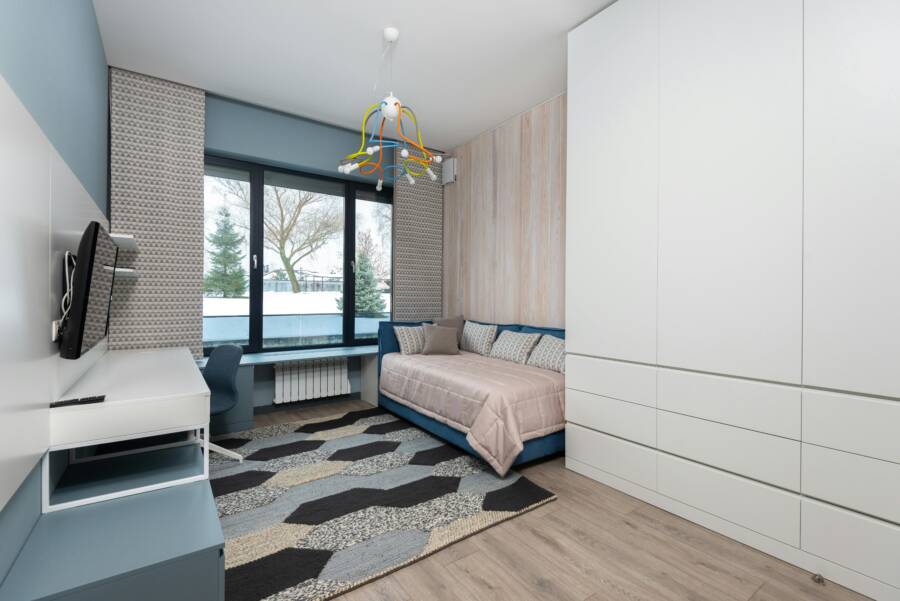
Peel and stick wallpaper is a simple, mess free way to refresh a room. Home Depot offers a wide range of patterns and textures that can transform a space in a weekend. With a little planning and the right tools, you can install this type of wallpaper yourself and skip the hiring of a professional.
Introduction Getting started is easier than you might think. Peel and stick wallpaper uses a self adhesive backing that you press onto clean, smooth walls. No paste, no paste mixups, and no heavy equipment. This guide walks you through preparing your wall, measuring for accuracy, and applying a fresh look that lasts. You’ll learn how to choose the right pattern, work with seams, and finish with clean edges.
Why choose Home Depot peel and stick wallpaper Home Depot shelves a large variety of options that suit many spaces. Here are the benefits you’ll notice right away.
- Easy removal. If you rent, are decorating a rental, or plan to change the look with the seasons, removable wallpaper is a big plus.
- Quick update. Most projects can be completed in a weekend, not days. It’s a practical option for a fresh, modern feel.
- A wide range of styles. From soft neutrals to bold botanicals, there’s a pattern to fit every room and lighting condition.
- Clear pricing. You can compare patterns by price, finish, and width to fit a budget.
What you’ll need before you start A smooth installation depends on good prep. Gather these common items before you open the first box.
- Peel and stick wallpaper rolls. Choose patterns with the correct repeat for your space.
- A clean, dry wall surface. Painted wall surfaces typically work best.
- Tools: a measuring tape, a straightedge, a sharp utility knife, a pencil, a level or chalk line, and a smoothing tool or plastic squeegee.
- Optional but helpful: a seam roller, a microfiber cloth, and a small wall patch kit for tiny holes.
- A helper can speed things up, especially with long walls.
Prep your wall The wall you choose should be ready for a new look. Take a few minutes to prepare.
- Clean the surface. Wipe away dust, fingerprints, and oils with a mild cleaner. Let it dry completely.
- Inspect for damage. Fill any small holes or dents with lightweight spackle. Let it dry, then lightly sand until smooth.
- Remove old wallpaper and residue if needed. If the surface feels bumpy after patching, sand again or apply a thin primer coat. A smooth base makes seams nearly invisible.
- Protect nearby areas. Use painter’s tape on trim, outlets, and switch plates to keep edges clean.
Measure, plan, and cut accuracy at this stage saves you time on the wall. Start by measuring the wall height and width.
- Measure twice, cut once. Decide how many full strips you need and plan for trimming at the top and bottom.
- Account for pattern matches. If your wallpaper has a repeating design, add extra length for each strip to align the pattern.
- Create a plan line. Use a level to draw a light vertical line at the wall’s edge or at the center of the wall. This gives you a reference point for straight placement.
- Cut strips with extra length. Add 4 to 6 inches to the length of each strip. You can trim to fit after you apply it.
Step by step installation The actual application is straightforward, but patience matters. Follow these steps in order.
-
Start at a reference line. Hold the first strip along the reference line, aligning the top edge with the wall. This keeps the rows straight.
-
Peel the backing gradually. Start in one corner and peel away a small section of backing. Keep the exposed adhesive tight to avoid sticking to itself.
-
Align with precision. Position the wallpaper so that the strip’s edge lines up with the wall seam or reference line. If you’re matching a pattern, take a moment to align the design before making contact.
-
Press from top to bottom. Use your smoothing tool or a clean, dry hand to press the strip against the wall. Work out from the center to the edges to push out air pockets.
-
Smooth and secure. Run the smoothing tool along the surface from the center outward. This helps set the adhesive and remove air bubbles. If you see bubbles, lift the edge and reapply.
-
Trim at edges. Use a straightedge and a sharp utility knife to trim excess at the ceiling, baseboard, and along corners. A clean edge makes the result look professional.
-
Repeat with care. Align the next strip with the previous edge. Check that the pattern matches if applicable, then press and smooth as before.
-
Check seams. Seams should be tight but not crushed. If you see a gap, lift the edge gently and reseat the strip.
Special cases and tricky spots Walls with outlets, switches, or irregular corners require a careful approach.
- Outlets and switches. Cut a small X inside a square template on the wallpaper to fit around the outlet. Alternatively, cut a narrow slit left to right and crease around the box. Press the sides flat afterward.
- Corners. When you reach a corner, you may overlap slightly to ensure full coverage. Trim the edge on the last strip after you finish the adjacent side.
- Textured walls. If your wall has a strong texture, you might notice more seams. A primer or smoothing layer can help, and be prepared to trim carefully along textures.
Pattern matching and seams The visual impact of wallpaper often depends on seam quality.
- Align carefully. Start each new strip with the edge to line up the design. Small misalignments are easier to fix early in the process.
- Press firmly along the seam. A firm press reinforces the adhesive and helps the seam vanish into the surface.
- Choose patterns with forgiving repeats. Some designs work well even with minor misalignment, especially when used on a feature wall or a short room.
Removal and reuse One of the big selling points is the ability to remove without harsh scrubbing.
- Peel gently. Start at a corner and pull slowly. If the wallpaper resists, warm it with a hair dryer for a few seconds to soften the adhesive.
- Don’t pull too fast. Slow removal reduces the chance of wall damage.
- Reuse is variable. Some patterns stick well to reusable surfaces and can be reapplied. Most standard peel and stick wallpaper performs best when used once.
- Prep again for a new look. If you plan to reuse, store the strips flat and avoid folding or bending the adhesive.
Maintenance and cleaning Keeping your wallpaper looking fresh is simple.
- Wipe with a damp cloth. Use a mild soap if needed, then rinse with clean water. Avoid harsh scrubbing that can dull the finish.
- Avoid moisture on non bathroom areas. Prolonged exposure to steam or excessive humidity can affect adhesion over time.
- Check seams occasionally. If you notice edges lifting, press them back into place and re-smooth with the tool.
Choosing the right pattern and finish Home Depot offers many patterns and finishes. A few tips help you pick wisely.
- Consider room lighting. Lighter colors brighten small rooms; darker patterns add drama to larger spaces.
- Match the décor. If you have bold furniture, a quieter wallpaper can balance the room. For a minimalist look, choose solid colors with a soft texture.
- Review durability. For high traffic walls, choose a durable finish with a washable surface.
- Use samples. Bring home swatches to see how the print interacts with natural light during different times of day.
Where to buy and how to shop Home Depot keeps a large selection of peel and stick wallpaper in different widths and lengths. Here’s how to shop for the best deal.
- Check width and length. Wider rolls cover more area with fewer strips, while thinner rolls may be more affordable for small projects.
- Look for user reviews. Real experiences help you gauge ease of installation and how well patterns align on the wall.
- Compare finishes. Matte finishes hide small walls flaws, while a satin finish offers a subtle sheen that catches room light.
- Watch for returns. If you’re unsure about a pattern, buy a small amount first to test it in your space.
Pro tips for a smooth project
- Work with a helper. A second pair of eyes helps you spot misalignments early.
- Take your time with the first strip. The rest will go faster if you start strong.
- Use a light touch on edges. Pressing too hard can cause the wallpaper to stretch.
- Keep tools ready. A sharp knife and a clean smoothing tool save time and improve results.
- Double check measurements. A small error early on multiplies on the wall.
Common mistakes to avoid
- Skipping wall prep. A rough surface makes seams visible.
- Rushing the process. Quick work often leads to air pockets or gaps.
- Skipping a test strip. A small sample helps you avoid surprises with color and pattern.
- Choosing the wrong edge. A crooked starting line will throw off the entire wall.
DIY timeline and expectations Most rooms can be transformed in a weekend with peel and stick wallpaper.
- Day 1: Prep the walls, measure, and cut strips. Start with the first wall and complete two to three rows.
- Day 2: Complete remaining walls, align patterns, and trim edges. Tidy up and clean the room.
If you’re replacing a room’s look, you might want to patch small areas and prime the wall first. A little planning saves time and results in a cleaner finish.
Final thoughts and next steps Peel and stick wallpaper from Home Depot offers a practical path to a refreshed space. It’s simple to install, forgiving for beginners, and easy to remove if you want to try a new look later. Start by picking a style that suits your space, gather the right tools, and follow the steps laid out here. With patience and care, you’ll enjoy a fresh, stylish wall that looks professionally finished.
If you’re ready to shop, browse Home Depot’s current selection, order swatches to compare tones at home, and map out your wall before checkout. A small project can deliver a big payoff, and you’ll gain confidence with every strip you place.
Conclusion A well done peel and stick installation transforms a room without a lot of mess or expense. With Home Depot as a source, you have access to a broad range of patterns and finishes to fit any style. Start with a clean wall, plan your layout, and apply each strip with care. The result will be a room that feels new without the disruption of traditional wallpaper installation. If you’re ready for a change, this approach makes it easy to experiment and revise as your tastes evolve.