
Home improvement projects tend to pile up. One room needs a fresh coat of paint, another needs new lighting, and the garage is begging for better storage. Grouping projects lets you shop once, rent tools once, and schedule deliveries together. The result is less back-and-forth, fewer trips to the store, and lower overall costs.
If you want to get more done with less hassle, this guide shows how to plan, batch, and execute multiple Home Depot projects as a coordinated effort. You’ll learn how to identify clusters, build a practical timeline, and use store services to your advantage. The goal is simple: more progress with fewer trips and fewer wasted materials.
Why grouping matters for time and money
Grouping projects is all about batching work that shares parts, tools, or rooms. When you batch, you avoid duplicating trips for paint colors, fasteners, or drop cloths. You also cut down on delivery charges by coordinating a single delivery window for multiple orders. Finally, you reduce the risk of mismatched finishes and last minute substitutions because you plan everything in one pass.
The practical benefits are clear. Fewer trips means less fuel, less time away from other tasks, and less mental noise while you shop. Bulk buying often lowers the per unit price for common items like screws, nails, and painting supplies. And by aligning timelines, you can rely on Home Depot for coordinated deliveries and easier scheduling of installation or removal services if needed. With a solid plan, you can complete several projects in a single phase rather than finishing one and starting another weeks later.
Spot your project clusters at Home Depot
A smart approach starts with a big picture view of your space. Look for areas that share materials, tools, or rooms. Here are common clusters you can target:
- Painting and finishes: walls, trim, ceilings, caulk, tape, rollers, and brushes all fit together. If you’re repainting multiple rooms, plan the color palette and finish type in one go.
- Flooring and surfaces: laminate, vinyl, tile, underlayment, and grout. These projects often require similar tools and disposal considerations.
- Storage and organization: shelves, hooks, organizers, and closet systems. This cluster benefits from a single approach to measurement, cut lists, and fasteners.
- Lighting and electrical upgrades: ceiling lights, wall sconces, outlets, and switches. You can batch these with related decor tasks to simplify wiring and compatibility checks.
- Outdoor refreshes: mulch, plant pots, fresh soil, outdoor lighting, and weatherproofing materials. Outdoor projects often share weatherproofing products and cleanup supplies.
- Kitchen and bath updates: vanity, faucet upgrades, countertops, and backsplashes. These often need precise measurements and compatible finishes.
Image to illustrate a hands-on approach to home improvement is a natural fit for this section.
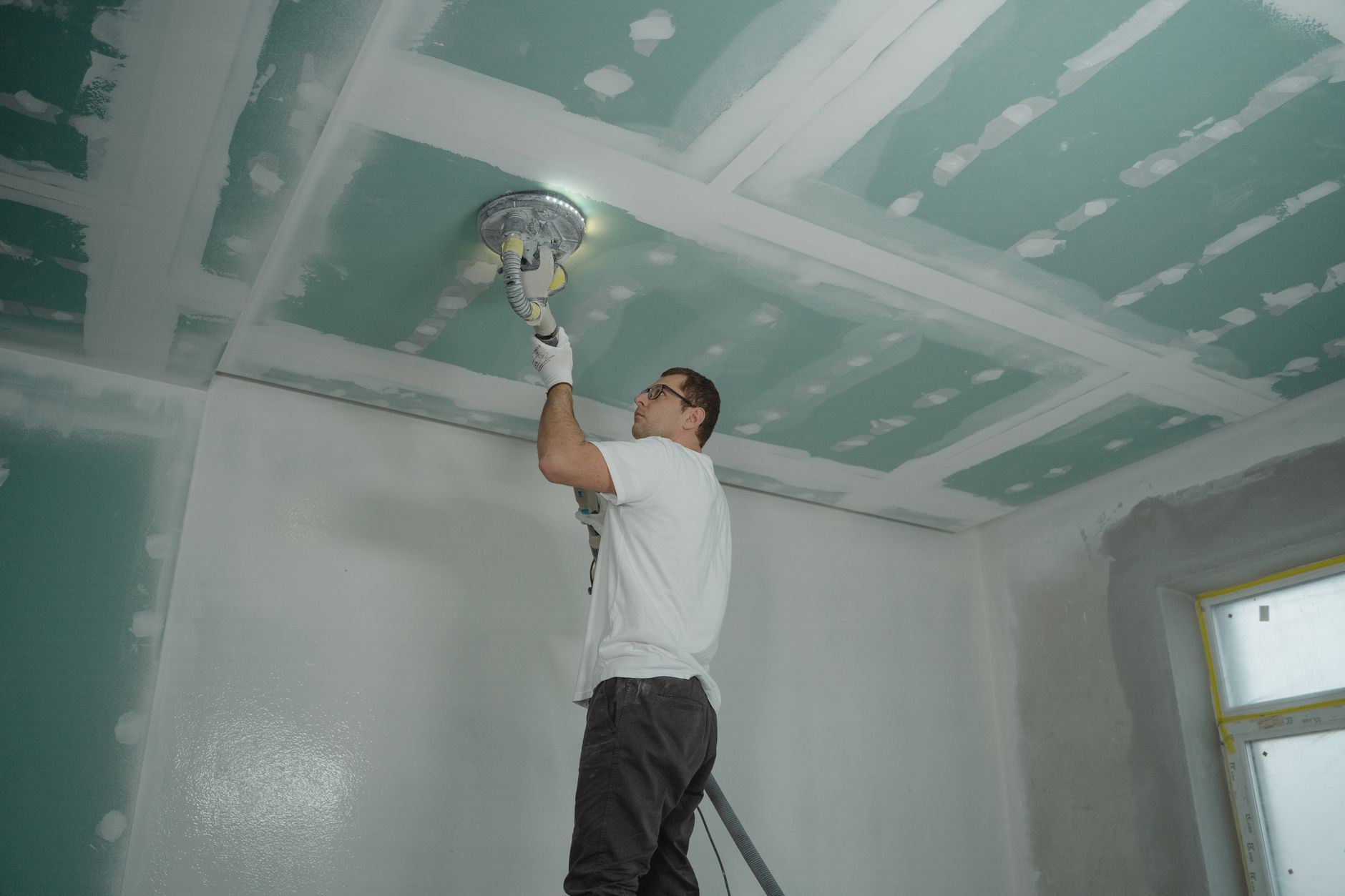
Photo by Tima Miroshnichenko
Plan a batching calendar that works
Once you’ve identified clusters, turn them into a concrete plan. A batching calendar keeps tasks flowing and ensures you have the right items on hand when you need them.
- List the projects you want to tackle. Put the room or area first, second, and so on.
- Break each project into steps. For example, painting might be primer, paint, caulk, and touchups.
- Group steps by shared materials. If you need the same primer for two rooms, schedule those priming steps together.
- Check tool needs. If you require a tile cutter for multiple surfaces, align those tasks in one batch.
- Schedule deliveries. Plan a single delivery window for all the bulk items. If possible, pair this with a pickup plan for tools you only need temporarily.
- Reserve time for cleanup and contingencies. A small buffer reduces stress if a project runs long.
This approach minimizes trips back to the store and helps you make progress without waiting for a separate window for each item. It also makes it easier to estimate budget and time. A clear batch plan keeps everyone in the household aligned and reduces the risk of duplicate purchases.
Tools and services at Home Depot that support grouping
Home Depot offers several ways to simplify grouped projects. While specifics may vary by location, the following options generally help you coordinate purchases and work.
- Online ordering with store pickup or delivery: You can place multiple orders in one session and schedule deliveries that align with your batching plan.
- Bulk purchases and price awareness: Buying in larger quantities often reduces the cost per unit for common items like paint, fasteners, and sealants.
- Tool rental and supply rental: If your batch requires specialized equipment that you don’t use often, renting can be cheaper than buying. Schedule the rental to span the entire batch window.
- Installation and contractor services: For projects that require professional help, coordinating installation services with your batch can save time and ensure compatibility between materials.
- Planning and measurement support: Speak with store associates for help with measurement, recommendations, and product compatibility. They can help avoid misorders and reduce returns.
A practical example plan you can adapt
Let’s walk through a three project batch that many homes undertake over a single weekend or two. You’ll see how to cluster tasks and how to sequence them for maximum efficiency.
Project 1: Living room refresh
- Tasks: paint walls, paint ceiling, replace outlet covers, install new light fixtures.
- Materials: primer, ceiling paint, wall paint, brushes, rollers, painter’s tape, masking film, outlet covers, new light fixtures.
- Batch logic: primer and ceiling paint for the ceiling and walls go together; switch out outlets while the walls dry. If fixtures require ceiling box checks, plan that early.
Project 2: Kitchen upgrade
- Tasks: replace faucet, install a new backsplash, upgrade hardware on cabinets, paint adjacent walls.
- Materials: faucet, backsplash tiles, tile adhesive, grout, cabinet handles, paint, brushes.
- Batch logic: order all hardware in one go; plan tile work after the grout cures for a dry, clean finish.
Project 3: Garage storage system
- Tasks: install modular shelving, add wall hooks, seal the concrete floor, add a new lighting fixture.
- Materials: shelving, hooks, floor epoxy or sealant, light fixture, bulbs.
- Batch logic: coordinate shelving and hooks because they use similar fasteners; schedule floor sealer after the initial primer coats have cured.
Putting it all together, you’d shop for all paint, primer, and related supplies in one trip. You’d gather all fasteners, tiles, and back splashes in another pass. Then you’d arrange delivery for the large items and reserve tool rental for the weekend. The result is a smoother workflow with fewer surprises.
Avoid common mistakes that waste time and money
Grouping projects sounds simple, but a few pitfalls can undermine the plan. Here are practical fixes.
- Overlooking room relationships: If two projects share walls or wiring, plan them together to avoid repeated demolition or repainting.
- Underestimating drying times: Paint and sealants need proper cure time. Build buffer windows into your batch plan.
- Misjudging tool needs: Renting or borrowing tools in advance reduces delays. List every tool and accessory you’ll need.
- Buying too much at once: Only buy what you will actually use in the batch to avoid waste. Keep an item ledger to track usage.
- Ignoring delivery windows: Coordinate deliveries to align with your batch start and finish. Late deliveries disrupt the plan.
Putting a practical plan into action
To get started, pick a weekend or two when you can focus on multiple tasks. Start with a simple audit of what you already own versus what you need. Then draw a simple grid on paper or a note app with columns for project, steps, materials, tools, and delivery date.
- Build a master materials list. Group items by the batch they belong to and label them clearly.
- Create a timeline. Assign a start date for each batch and outline the order of tasks so you don’t backtrack.
- Book deliveries and rentals early. This helps you avoid last minute rush choices and higher costs.
- Track progress. Check items off as you complete each task and adjust the plan if you encounter a snag.
Case study: a two week sprint that saves time and money
A homeowner planned three related updates across two rooms and a garage. They grouped painting, flooring, and storage upgrades into a single schedule.
- Week 1: Stage the space and prep. Paint primer goes on both rooms, then the ceilings get a fresh coat. While walls dry, order flooring options and start measuring for shelves.
- Week 2: Install. Install new outlets in the living room if needed, lay flooring in both rooms, and mount garage shelving. Schedule delivery of long items to land on the same day as the installation window.
With one batch plan, they cut down trips to the store, minimized material waste, and avoided repeated tool rentals. The overall project timeline compressed from weeks to days, with a tighter budget and clearer expectations.
What to do next for a smoother group plan
If you want to turn grouping into a routine, build a simple system you can reuse.
- Maintain a home improvement inventory. Keep a running list of supplies and whether you have them in stock. Update it after each batch.
- Build a reusable supplier plan. Know which items you buy often and what size quantities you typically need.
- Set a quarterly batching target. Even a small plan over three months can prevent backlog and keep your space evolving.
- Use a single checkout for related orders. A consolidated order reduces confusion and helps with budgeting.
The bottom line
Grouping projects at Home Depot is not about squeezing every task into a single weekend. It’s about thoughtful planning, coordinated purchases, and coordinated timing. When you batch, you reduce trips, minimize waste, and unlock savings through bulk purchases and shared delivery windows. The approach works whether you’re tackling a single room refresh or a broader home upgrade.
Key takeaways
- Identify clusters where materials and tools overlap. Paint and finishes, flooring, storage, lighting, and outdoor improvements are common groups.
- Build a batching calendar. Align tasks by shared materials and delivery windows to streamline execution.
- Leverage store services. Online ordering, delivery, tool rental, and installation options support a grouped approach.
- Plan for contingencies. Build buffers for drying times and unexpected changes to avoid delays.
If you’re ready to start, map your next two to three projects on a simple board or in a note app. List the rooms, gather the common materials, and set a delivery window that covers all the big items. With everything aligned, you’ll move from one project to the next with confidence and control.
As you plan, keep the end result in mind. A space that feels cohesive and well finished usually costs less to complete when you group tasks. You’ll save time and money, and you’ll enjoy the process more as you see progress build across rooms.
Conclusion
Batching home improvement work is a smart way to reduce stress and cut costs. When you know what to buy, when to have it delivered, and how to sequence tasks, you unlock real efficiency. Start by spotting your natural clusters, then build a practical plan that brings those clusters together. With a clear calendar and the right Home Depot services, you can transform multiple areas of your home in a single, focused effort. Give it a try and watch the savings add up as your projects move forward together.