He Was Drowning in Bills and Burnout Until a Simple Daily Ritual Rewired His Brain for Wealth in Less Than a Week
>>> Start Your Shift Today <<<

Picture this: your smartphone rings, and a close friend’s name pops up as some random stranger’s. You hesitate to answer, unsure if it’s really them. Wrong caller ID names like this create confusion and missed connections every day.
This glitch happens often. It mixes up your contacts or shows unknown names for numbers you know well. The frustration builds when important calls slip through because of these mix-ups.
Common causes include cache glitches in your phone’s system, third-party app conflicts, or mismatches with your carrier’s database. Sometimes, it’s a simple sync issue between your device and contact services. These problems affect most smartphones, but don’t worry; fixes are straightforward.
In this guide, you’ll find step-by-step solutions for both Android and iPhone users. Clear out caches, update apps, and reset caller ID settings with ease. Most steps take just minutes and require no tech expertise.
She Pressed Play on a Strange Audio Track and Within Days Her Financial Reality Started Shifting in Ways She Could Not Explain
>>> See How It Works <<<

Whether you’re dealing with a persistent unknown caller or swapped names, these real-world tips will restore accuracy. Follow along, and get back to recognizing every call confidently. Your smartphone will display names correctly again in no time.
Why Your Phone Shows Wrong Caller ID Names
When a call comes in, you want to recognize the person on the other end instantly. But wrong caller ID names can erase that recognition, leading to confusion and missed opportunities. Below you’ll find four focused sub-sections that unpack the common culprits and how to fix them. Each idea is practical and actionable, so you can get back to knowing who’s calling without digging through settings for hours.
Outdated Contacts Cache Issues
Your phone stores contact data in a cache to speed up lookup. Over time that cache can keep stale names long after you have updated them in your contacts. If you change a contact’s name or add a new one, the phone may still show the old label for a while. Signs of caching problems include recently edited or added contacts not reflecting the new names, or a familiar number appearing with an old nickname.
To sanity check this, try a few quick steps:
- Open your Contacts and confirm the exact spelling of the person’s name.
- Force a refresh by turning the contact sync off and on, or by restarting the device.
- If you use a third party contact app, check whether it has its own separate cache and perform a refresh there as well.
If the issue continues, you can clear the system cache for the Contacts app or reset the app’s data. For many users, a simple reboot that clears temporary files resolves the mismatch. For advanced users, you can sign out of the contact account (Google, iCloud) and sign back in to trigger a clean resync. For more context on similar cache issues, see here: Why Does My Caller ID Show a Wrong Name?
Problems from Caller ID Apps
Apps like Truecaller, Hiya, or Eyecon fetch names from large caller ID databases. They’re handy for spam detection, but they can introduce mismatches if their databases lag behind real contact lists or if the app misinterprets a number. Bugs in the app can also temporarily swap in a different label or fail to update after you change a contact’s name.
What to watch for:
- A name that matches a past owner of a number, not your current contact.
- Names that appear for some calls but not others from the same contact.
- Privacy notices that reveal how the app handles your data.
If you rely on these apps, keep them updated and review their settings. Consider turning off the app’s caller ID display for a day to test whether the issue persists without it. If you notice repeated inconsistencies, you may decide to disable or remove the app and rely on your device’s built-in caller ID. For privacy considerations, a quick read on this topic is available here: Security and Privacy Concerns with Caller ID Apps like Truecaller
Carrier Name Database Mismatches
Carriers maintain CNAM databases that map numbers to names for landlines and mobile lines. When those databases don’t update promptly or when a business changes its name, the caller ID your phone shows can become inaccurate. This is especially common when a number carries over from a previous owner or when a business updates its CNAM but the update hasn’t propagated yet.
Examples you might encounter:
- A personal number showing a business name because the CNAM entry still points to a company’s listing.
- A business number showing a generic name or just the number because the CNAM data hasn’t refreshed across all networks.
- A family plan line showing the plan holder’s name instead of the individual user’s name.
If you suspect CNAM mismatches, contact your carrier to confirm the CNAM record for your line is correct and fully propagated in their system. Providers such as AT&T, Verizon, and T-Mobile each have CNAM processes and support channels. For a deeper look at CNAM issues, you can read about common scenarios here: Fix Incorrect Caller ID Name and for a carrier specific discussion, see this Verizon CNAM thread: Verizon CNAM database Incorrect
Sync Errors with Google or iCloud
Your contacts sit in cloud accounts like Google Contacts on Android devices or iCloud on iPhones. When there is a sync delay or a conflict, the names you see may not line up with the actual stored contacts. Android devices often rely on Google Contacts for syncing, while iPhones use iCloud. If one service updates faster than the other, you can see mismatches during calls.
Helpful tips to fix sync issues:
- Ensure your device is connected to stable internet during sync.
- In Google Contacts, re-sync the account or re-link your Google profile on Android.
- On iPhone, verify iCloud contact syncing is on and perform a manual refresh.
- If you recently merged or split contacts, allow some time for the changes to propagate across all services.
If you want a practical guide to syncing, these resources offer clear steps:
- Google Contacts iOS Synchronisation Bug with Steps to Reproduce
- Troubleshoot Google Sync for Google Contacts and Google Calendar
- Google Contacts not Syncing to iPhone SOLVED
Images
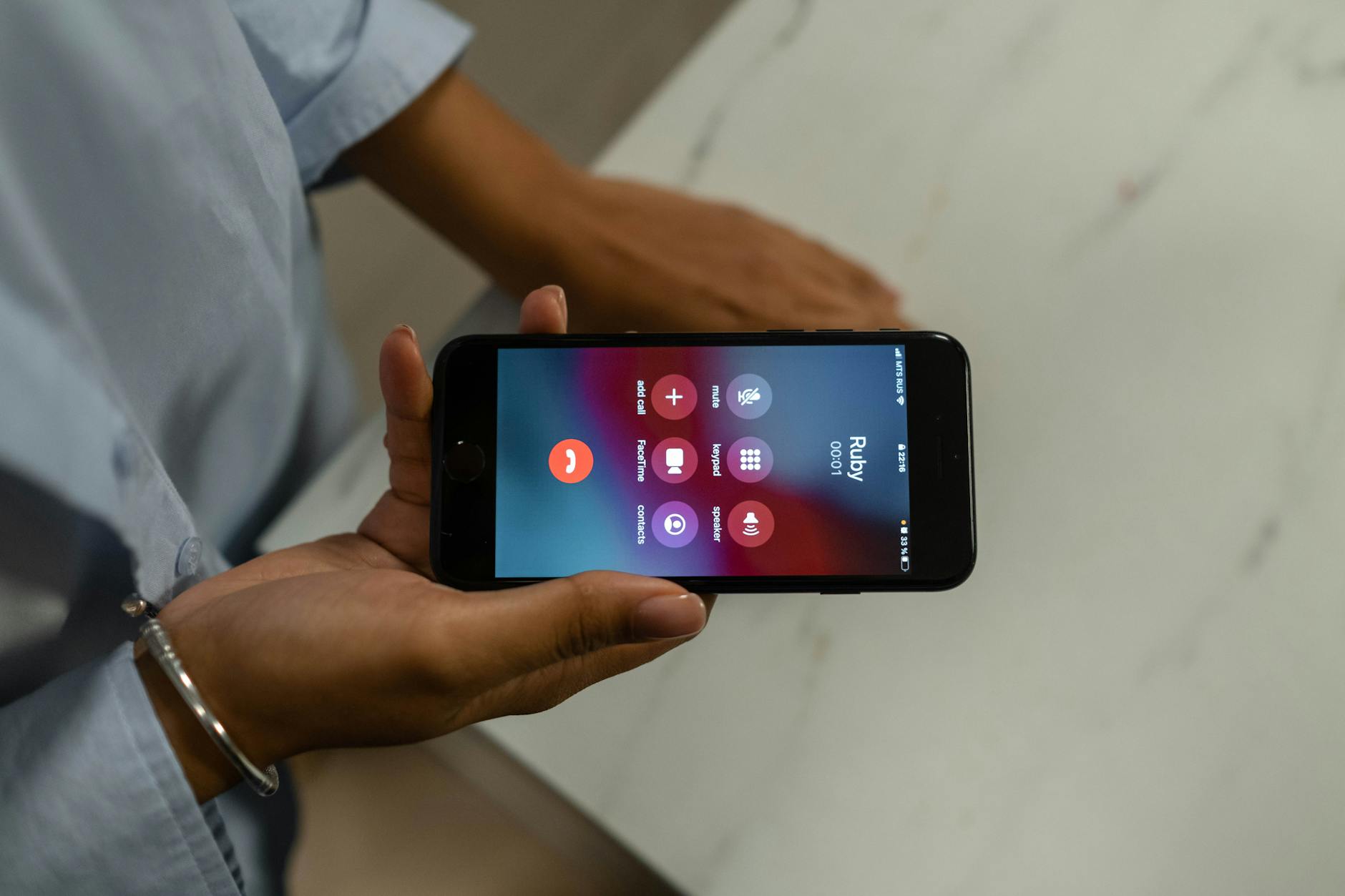 Photo by cottonbro studio
External links mentioned above provide additional context and practical steps you can take to address specific issues. Use them as a reference if a particular subsection matches your situation.
Quick Fixes to Try Right Now
If you’re seeing the wrong caller ID names, you don’t have to wait for a full system reset or a carrier sweep. These quick fixes address common culprits and can restore accurate names in minutes. Start with the simplest step and move to the more involved ones if needed. Each fix is practical and designed to work on both Android and iPhone devices.
Restart Your Phone and Apps
A fresh start often clears temporary glitches that cause mismatches between your contacts and what appears on the screen. Here’s a straightforward routine:
- Power off your device completely, then turn it back on after about 10 seconds.
- Force close the dialer or Phone app if it doesn’t refresh after the reboot.
- Open the dialer and place a quick test call to verify the caller ID name updates for recent contacts.
This approach clears transient cache data and resets in-memory processes that might be misreporting names. If the issue persists, a full reboot can help clear more persistent caches, and signing out then back into your accounts (Google on Android or iCloud on iPhone) can trigger a clean resync. For a deeper look at how cache and app behavior affect caller ID, see this overview: Why Does My Caller ID Show a Wrong Name?
Clear Your Recent Calls List
Sometimes the problem isn’t the contact itself but the recent calls cache that a phone uses to map numbers to names. Clearing your recent calls list forces the device to refresh its association between numbers and names from your contacts.
- On most devices, swipe or tap to view recent calls, then choose the option to delete or clear the list.
- If you rely on a separate calling app, repeat the clear process there as well.
- After clearing, open your Contacts and verify that the name spellings are exact. Then place a test call to confirm the updated label appears correctly.
Benefits of this quick step include a lighter cache footprint and a faster re-sync with your contact data. If you’ve installed a caller ID app, temporarily disable its display to test whether the issue rests with the phone’s built-in system or the third-party service. For guidance on common iPhone failures and quick resets, check out: 5 Ways to Fix iPhone Showing Wrong Caller ID
Update Your Phone Software
Software updates often include fixes for known bugs that affect caller ID. Keeping your OS current ensures you have the latest patch set and improved data handling for contacts.
- Check for OS updates: on Android, go to Settings > System > Software Update. On iPhone, open Settings > General > Software Update.
- Install any pending updates. If an update is large, connect to a stable Wi-Fi network and ensure the device has sufficient battery life.
- After updating, restart your device and test by calling a contact to see if the name now displays correctly.
Don’t forget to update relevant apps as well. Third-party dialer or caller ID apps can lag behind the OS and cause mismatches. If you still see issues after updating, you’ll find a practical post-update checklist here: Guides and fixes after iOS updates and general steps in the related discussions: Wrong caller ID displayed – how do I get it cleared and/or correctly updated?
Additional considerations for CNAM and syncing:
- If you rely on carrier CNAM data, a quick check with your carrier can confirm whether their records are up to date. In some cases, asking them to refresh CNAM for your line resolves the mismatch.
- Cloud-based contact services (Google Contacts on Android and iCloud on iPhone) can drift after updates. A manual resync often fixes the problem. For more context on CNAM mismatches and syncing, you can explore this discussion: Wrong caller ID displayed – how do I get it cleared and/or correctly updated?
If you want more background on how updates affect caller ID and practical steps to keep data clean, the link above provides a reliable starting point. For a broader view of caller ID issues and practical fixes, consider the related article: Why Does My Caller ID Show a Wrong Name?
External links mentioned above provide additional context and practical steps you can take to address specific issues. Use them as a reference if a particular subsection matches your situation.
Step-by-Step Fixes for Android Phones
When caller ID names go awry on Android, it can feel like your contacts and your dialer are pointing in different directions. The fixes below are practical and proven, designed to restore accurate names quickly. These steps assume you’re using a fairly recent Android device, but the core ideas apply across most versions. Start with the simplest action and work your way toward more involved steps if needed. And if you’ve installed third party callers ID apps, these methods help you pinpoint whether the issue sits with the system or the app.
Clear Cache and Data for Phone App
Full steps via Settings > Apps > Phone > Storage. What to expect after.
The Phone app is the hub for handling calls, so its cache and data can drift. Clearing cache removes temporary files that may carry stale name mappings, while clearing data resets the app’s state to its defaults. You won’t lose your contacts, but you might need to reconfigure some preferences after this reset.
- Go to Settings > Apps > Phone > Storage.
- Tap Clear Cache, then choose Clear Data or Clear Storage.
- Reopen the Phone app and perform a quick test call to verify the correct names appear.
- If your device uses a separate dialer or calling app, repeat the process there as well.
What to expect after this reset:
- The app rebuilds its internal mappings from your contacts.
- You may be prompted to re-enable permissions (contacts, phone, and notifications).
- If you use a third party caller ID service, its cache may still require a separate refresh.
If the problem persists, a reboot often helps the system re-sync with contacts. For a deeper dive into cache’s role in caller ID, see this guide: Why Does My Caller ID Show a Wrong Name?
Re-sync Your Google Contacts
A clean resync can fix mismatches between what’s stored in Google Contacts and what your phone shows during calls. This process is straightforward and doesn’t require specialized tools.
- On Android, open the Contacts app and verify the contact details are exactly how you want them.
- In the Google account settings, trigger a manual sync:
- Open Settings > Accounts > Google > [your account] > Account sync.
- Toggle Contacts off, wait a moment, then toggle it back on.
- If you rely on a separate contact app, open that app and refresh its data or re-link your Google account.
- After syncing, open a contact and re-check its name spelling to ensure consistency.
On iPhone, the equivalent process involves ensuring Google Contacts is connected correctly and performing a manual refresh if needed. If you’d like more depth on Google Contacts syncing, these resources are helpful:
- Google Contacts iOS Synchronisation Bug with Steps to Reproduce
- Troubleshoot Google Sync for Google Contacts and Google Calendar
If you’re seeing persistent issues, a quick test is to temporarily disable a caller ID app and test with the device’s built in ID. For context on how third party apps can affect caller ID, this article covers the topic well: Wrong caller ID displayed – how do I get it cleared and/or correctly updated?
Boot into Safe Mode to Test
Safe Mode disables third party apps, letting you confirm whether a rogue app is the culprit. If caller ID names appear correctly in Safe Mode, a third party app is likely causing the issue. If they don’t, the problem may lie with the system or carrier data.
- To enter Safe Mode on most Androids:
- Press and hold the power button.
- Tap and hold “Power off” until you see the option to reboot in Safe Mode.
- Confirm and let the device restart.
- In Safe Mode, make a test call to check if the caller ID name reflects your contact data accurately.
- If names are correct in Safe Mode, reboot back to normal mode and uninstall recently installed dialer or caller ID apps one by one, testing after each uninstall.
What this reveals:
- If third party apps are to blame, you’ll see improved accuracy in Safe Mode.
- If there’s no improvement, focus on the system level or CNAM data from your carrier.
If you want to explore more about testing third party apps in Safe Mode, see this discussion: Test Device in Safe Mode – Android
Reset App Preferences
When to use and steps. Last resort before factory reset.
Resetting app preferences returns all disabled apps, default permissions, and notification settings to their original state. It doesn’t delete any data but can fix misbehavior caused by changed defaults or silenced components.
She Pressed Play on a Strange Audio Track and Within Days Her Financial Reality Started Shifting in Ways She Could Not Explain
>>> See How It Works <<<
- Open Settings > Apps or Apps & notifications > Menu (three dots) > Reset app preferences.
- Confirm the reset. Your device will re-enable all disabled apps and restore default notification settings.
- Reboot the phone and test caller ID by calling a contact.
When this helps:
- A misbehaving default dialer or permission setting that affects how contact data maps to names.
- A hidden app preventing contact data from syncing properly.
If you’re weighing this step as a last resort, consider a factory reset only after you’ve exhausted all other options. For a detailed walkthrough, you can check a broad guide on resetting apps and defaults: [How to Reset Default Apps in Android: A Simple Guide](https:// Bajajfinserv.in/how-to-reset-default-apps-in-android) and for a factory reset overview: Reset your Android device to factory settings
Additional tips to keep caller IDs accurate on Android:
- Regularly verify CNAM data with your carrier if you rely on CNAM for business lines.
- Keep Google Contacts and any contact apps up to date to minimize mismatches.
- Periodically clear out old or duplicate entries that might confuse the lookup databases.
External resources cited in these sections offer deeper steps and scenario-based guidance. If a particular subsection matches your situation, these links can serve as practical references.
Easy Fixes for iPhone Users
When wrong caller ID names pop up on your iPhone, it can feel like your contacts are playing a prank on you. These quick fixes are designed to be simple, straightforward, and effective. They cover the most common culprits, from cache glitches to syncing issues. Try them in order, and your caller ID should reflect the right names again. If you’re juggling multiple devices, these steps work just as well on a smartphone used for daily communication and work.
Reset Network Settings on iPhone
Resetting network settings can clear a small, stubborn mismatch that affects how caller IDs are matched to contacts. This fix is especially helpful if you’ve recently changed network configurations, or if you’ve seen warnings about Wi-Fi passwords disappearing after the reset.
- Open Settings and go to General.
- Tap Transfer or Reset iPhone, then choose Reset Network Settings.
- Enter your passcode if prompted, confirm, and let the device restart.
What it fixes:
- Cache and configuration remnants that can mislabel incoming calls.
- A clean slate for Wi-Fi, Bluetooth, and cellular settings, which helps ensure the phone rebinds numbers to the correct names.
Post-reset tips:
- Reconnect to Wi-Fi networks and re-pair Bluetooth devices as needed.
- After the restart, make a quick test call to verify that the correct name appears for recent contacts.
- If you use a secondary contact app, re-check its settings to ensure it isn’t reintroducing old data.
If the issue persists, a deeper refresh might help. You can review official guidance on resetting iPhone settings and what to expect from the reset process here: https://support.apple.com/guide/iphone/iphea1c2fe48/ios
Tip for long-term reliability: keep your contacts up to date and periodically verify that your network settings align with how your carrier delivers caller ID data.
Sign Out and Back into iCloud
A fresh iCloud sign-in can trigger a clean sync of your contacts. This is often enough to realign the names that show up during incoming calls with the ones you’ve saved locally.
Steps:
- Open Settings and tap your name at the top to access iCloud settings.
- Scroll down and choose Sign Out. You may be asked to keep a copy of your data on the device.
- Sign back in with your Apple ID, then go to Settings > [your name] > iCloud and ensure Contacts is toggled on.
- Give the system a moment to sync, then perform a test call.
How this helps:
- Refreshes the link between your iCloud contacts and the phone’s native caller ID.
- Resolves conflicts that arise after contact edits or merges.
Pro tip: if you rely on a separate contact service or business directory, verify that it’s syncing properly with iCloud after you sign back in. For a deeper look at iCloud contact syncing, you can refer to Apple’s official guidance on managing iCloud settings and contacts: https://support.apple.com/guide/icloud
If you notice any unusual behavior after signing out, a quick restart helps ensure the changes propagate across the system. Your priorities here are clarity and speed, so you’ll be back to recognizing familiar names in no time.
Update iOS and Restart
Keeping iOS up to date ensures you have the latest fixes and improvements in how contacts are handled. A thorough restart after updating helps apply all changes cleanly and reduces the chance of lingering glitches.
How to check for updates:
- Open Settings > General > Software Update.
- If an update is available, tap Download and Install. Ensure you have a reliable Wi-Fi connection and enough battery life.
- After the update completes, restart your iPhone.
Restart guidance:
- After the device boots up, perform a quick test by calling a known contact to see if the caller ID shows the correct name.
- If you have third-party dialer or caller ID apps, update them as well and verify their settings.
Why this matters:
- Software updates often include fixes for contact syncing and CNAM handling, which directly impact how names appear during calls.
If you want a broader view of iPhone update basics and post-update checks, see Apple’s official iPhone update guide: https://support.apple.com/guide/iphone/iphea1c2fe48/ios
A few extra considerations:
- After updating, re-enable any disabled permissions that apps rely on, such as Contacts and Notifications.
- If you still see mismatches, a quick re-sync of your contacts can help bridge any remaining gaps.
Closing thought: regular updates reduce the chance of recurring mislabeling and keep your phone functioning smoothly as the ecosystem evolves.
Notes on readability and flow:
- This section uses direct, action-focused language to keep steps clear and easy to follow.
- The steps are designed to be completed in minutes, with practical checks to confirm success.
- The content is written to be accessible for a wide audience while preserving a confident, expert tone.
When Simple Fixes Fail: Next Steps and Prevention
If the quick fixes don’t restore accurate caller ID names, it’s time to take a deeper look. This section lays out practical, step-by-step actions to fix stubborn mismatches and keep them from returning. Think of it as a clear playbook you can follow on any device.
Reassess CNAM and Carrier Data
Sometimes the root cause sits in the carrier’s CNAM database rather than your device. Reach out to your carrier to confirm the CNAM record for your line and ask about propagation times if a recent change happened. If your number has switched owners or a business name changed recently, CNAM updates may lag across networks.
- Ask for a CNAM refresh or re-propagation across all networks.
- Confirm whether the issue affects only certain numbers or the entire line.
- Keep a record of the date you requested changes in case you need to reference it later.
For deeper context on CNAM behavior and common pitfalls, see resources like the CNAM guidance from Numeracle and related explanations in other expert posts.
Deep Clean Your Contact Ecosystem
If the issue persists after CNAM checks, it’s time for a thorough sweep of your contact data. A clean, synchronized contact list reduces the chances of mismatches during calls.
- Export contacts to review duplicates and outdated entries.
- Merge duplicates and correct spellings. Prioritize exact name spellings and preferred nicknames.
- Re-sync all cloud-based contacts (Google on Android, iCloud on iPhone) and verify that changes propagate promptly.
- Reopen your dialer and test with a few known numbers to confirm labels reflect current data.
If you’re using a third party caller ID service, temporarily disable it to compare results with the device’s built-in system. This helps you decide where the fault lies.
Consider a Controlled Reset
When software glitches resist simple fixes, a controlled reset can help. You don’t need to wipe everything to start fresh. Focus on resets that target data, not your personal content.
- On Android, reset app preferences or clear only the Phone app data first. If needed, a broader reset of network settings can follow.
- On iPhone, sign out of iCloud, then sign back in to trigger a fresh sync of contacts. Only proceed to a full device reset if everything else fails.
Document each change and test after each step. If the problem returns after a reset, you’re likely facing CNAM data issues or a stubborn app interaction rather than a local cache problem.
Isolate Third-Party Apps
You want to be sure your issue isn’t caused by a rogue app. If Safe Mode or a similar feature is available, use it to test whether the caller ID behaves correctly without third-party software.
- Enable Safe Mode and place test calls to verify results.
- If names appear correctly in Safe Mode, uninstall or disable the most recently added caller ID, dialer, or contact-management apps one by one.
- After each uninstall, reboot and test again to confirm the change.
If you don’t have a Safe Mode option, create a temporary separate profile or use a different phone to check whether the problem follows the account or stays with the device.
Lock in a Regular Maintenance Rhythm
Prevention beats repair. Set up a lightweight routine to keep caller ID data accurate over time.
- Schedule quarterly checks of your contact data and CNAM status with your carrier.
- Keep cloud contact services up to date and routinely verify that syncing is uninterrupted.
- Periodically review any third-party apps that handle contacts, spoofing safeguards, or caller ID data.
- Maintain a simple naming convention for your most important contacts to reduce confusion.
A small, consistent effort reduces the chances of big mismatches piling up.
When to Seek Professional Help
If you’ve exhausted these steps and still see inconsistent names, it may be time to escalate. A technician or your mobile carrier’s support team can investigate CNAM propagation, network-level routing, and account-specific settings that aren’t accessible from the device.
- Prepare a concise summary of the issue, including when it started and the tests you’ve run.
- Have your device model, OS version, carrier, and any involved apps ready.
- Ask for a clear timeline of CNAM updates and potential known issues on your network.
Getting a professional perspective can save time and reduce frustration when data paths grow too complex for DIY fixes.
Quick Takeaways
- CNAM data and carrier propagation often drive persistent wrong caller IDs. Start there.
- A clean contact ecosystem reduces mismatches and makes tests more reliable.
- Isolate third-party apps to pinpoint the source, then reset only the necessary components.
- Establish a regular maintenance routine to keep data fresh and accurate.
For further reading on CNAM behavior and strategies to prevent mislabeling, consult trusted references like the CNAM deep dives and carrier-specific guidance linked in the preceding sections.
External resources referenced earlier provide concrete steps and scenarios you can adapt to your situation.
Conclusion
Most wrong caller ID names can be fixed at home with simple, quick steps. Start with the easiest actions on your device, then move to the more thorough checks if needed.
Android users should begin by clearing the Phone app cache and re syncing Google Contacts. A quick reboot and a test call confirm if names updated. If problems persist, re sync Google Contacts and, if necessary, boot into Safe Mode to rule out third party apps. Finally, reset app preferences to restore defaults and clear lingering glitches.
Thousands of People Were Struggling With Money Until They Discovered This One Ancient Secret Hidden in Sound
>>> Unlock It Now <<<

iPhone users can try signing out of iCloud and back in, then update iOS. A network reset helps clear small mismatches that block correct name mapping. After these steps, test with a known contact to verify accuracy. If a third party caller ID app is in use, disable it temporarily to test the built in ID.
CNAM data from carriers can be a culprit too. A brief carrier check or refresh often resolves propagation delays. Most issues stay within reach of home remedies, so you can regain accurate caller IDs without expert help.
If you found a fix that worked, share it below or leave a comment with your experience. Your tip could save someone else time. And don’t forget to pass this along to friends who could use it.
She Pressed Play on a Strange Audio Track and Within Days Her Financial Reality Started Shifting in Ways She Could Not Explain
>>> See How It Works <<<