There Is a Frequency That the Wealthiest Families Have Used for Generations and Most People Will Never Know It Exists
>>> Open the Door <<<

If your phone suddenly shows System UI has stopped you’re not alone. This message usually means the system UI that powers your home screen and app launcher ran into a hiccup. The good news is most fixes are quick and you don’t need expert help.
This guide focuses on Android devices, where this error is most common, but many steps apply to general phone troubleshooting as well. You’ll start with fast wins like rebooting and clearing a few caches, then move to deeper checks such as updates, app conflicts, and safe mode.
By the end you’ll have a clear checklist you can follow step by step to get back to a smooth, responsive phone. You’ll learn how to identify the real cause, apply practical fixes, and prevent future interruptions.
What If the Only Thing Between You and the Life You Deserve Is a Hidden Wealth Code Waiting to Be Activated
>>> Open the Door <<<

What the System UI has stopped error means and why it happens
When your Android phone suddenly shows a message like “System UI has stopped,” it can feel alarming. Think of System UI as the nerve center that powers your home screen, app launcher, quick settings, and overall look and feel of the device. A tiny glitch or minor corruption in this core layer can freeze the home screen, cause apps to crash when you try to open them, or make navigation feel sluggish. Most of the time the issue isn’t a full-blown system failure; it’s a hiccup that can be resolved with a few targeted checks. Below you’ll find a clear explanation of what System UI does, why it can fail, and how to approach fixes without drama.
She Pressed Play on a Strange Audio Track and Within Days Her Financial Reality Started Shifting in Ways She Could Not Explain
>>> See How It Works <<<

What System UI does and why it stops
System UI is the interface you interact with every day. It renders the home screen, the app drawer, status bar icons, and transitions between screens. When System UI stops responding, you lose access to the launcher and navigation, which can make the phone feel unresponsive. A small corruption or a brief software glitch can interrupt the flow, leading to a freeze or a crash that pops up the error message. Imagine the System UI as the conductor of a busy orchestra; if the conductor steps away or trips for a moment, the whole performance stumbles. In many cases a quick reboot or cache clear brings the music back in sync.
For more context on what System UI is and why problems pop up, a straightforward explanation from tech guides can help. For example, Microsoft’s guidance on similar issues describes the core interface of the device and emphasizes cache clearing and safe mode as practical steps to diagnose the root cause. You can explore that overview here: https://learn.microsoft.com/en-us/answers/questions/2344610/system-ui-keeps-saying-system-ui-isnt-responding.
If you’re curious about common patterns and practical troubleshooting from device management perspectives, you can also review this overview of System UI issues on Android devices: https://www.hexnode.com/mobile-device-management/help/system-ui-issues-in-android-devices/. It lays out typical symptoms and a structured path to resolve them, which aligns well with everyday user experience.
Common causes of the error
Understanding the usual suspects helps you pick the right fixes quickly. Here are the top culprits, described in plain terms so you can picture what’s happening on your phone.
- Low storage: When the device runs out of space, System UI can struggle to create or update the necessary screens and menus.
- Bad updates: A system or app update can leave bits of code out of place, causing the launcher to fail or crash.
- Conflicting apps: A recently installed or updated app can clash with the System UI, especially if it uses overlays or accessibility features.
- Corrupted cache: Stale or corrupted cached data for System UI or related services can lead to freezes and errors.
- Unfinished installs: If an update or app install didn’t finish properly, essential components may not load as they should.
These are common, practical causes you can test for in a straightforward way. If you want a quick checklist to cross off during troubleshooting, keep reading the next sections for hands-on steps and proven methods.
For a concise, step-by-step approach that mirrors these ideas, see how other guides structure the same concepts. For instance, a straightforward guide on System UI not responding offers practical steps like cache clearing and safe mode to identify whether a third party app is the root cause: https://support.google.com/android/thread/226094620/system-ui-not-responding-blank-screen-can-t-power-off-reset?hl=en.
If you prefer a broader context with concrete steps, this Android troubleshooting overview covers common UI issues and fixes that align with the causes listed here: https://allthings.how/how-to-fix-system-ui-isnt-responding-error-on-android/. It provides easy-to-follow methods that readers can apply immediately.
Diagnosing on your device
Before you start swapping parts or apps, you want reliable symptoms to confirm that System UI is the culprit. Here are simple ways to tell if the problem is rooted in System UI rather than a single app or network issue.
- Symptoms to watch: The home screen freezes or takes long to respond, the launcher crashes when you open the app drawer, or the issue appears right after a software update.
- Check recent activity: Look at recently installed apps or updates. If the problem started after a new app is added or updated, that app could be conflicting with System UI.
- Observe patterns: If the problem occurs in Safe Mode, that strongly points to a third party app rather than the core system. Safe Mode disables non-essential apps, helping you isolate the source.
- Initial quick checks: If you notice the issue right after a reboot or during a particular action, note the sequence. A pattern like “crash when opening a specific panel” narrows down the possible causes.
If you want a deeper walkthrough of symptoms and diagnosis, you can consult a practical guide that outlines steps like rebooting, clearing cache, and testing Safe Mode to see whether the problem persists. Here is a resource that covers similar diagnostic steps: https://drfone.wondershare.com/android-issue/android-system-ui-stopped.html.
In parallel, consider a consumer-focused guide that delves into the common signs of System UI issues and how to validate them with simple checks. This resource explains how to observe the home screen behavior, launcher responsiveness, and app interaction to confirm System UI involvement: https://www.quora.com/What-is-the-system-UI-isnt-responding-on-Android-and-is-it-something-to-worry-about.
By following these sections, you’ll have a clear understanding of what System UI is, why it can stop, and how to determine whether the error is due to System UI itself or external factors. In the next parts of the article, you’ll find practical fixes arranged in a logical sequence from quick wins to more thorough solutions, so you can get back to a smooth, responsive Android experience.
Quick fixes you can try right away
When System UI stops responding, you want fast wins you can apply without diving into complex setups. These quick fixes are designed to restore responsiveness with minimal risk. Start with the simplest steps, then move to a couple of deeper checks if needed. Think of them as a short, practical drill to get your home screen back to normal.
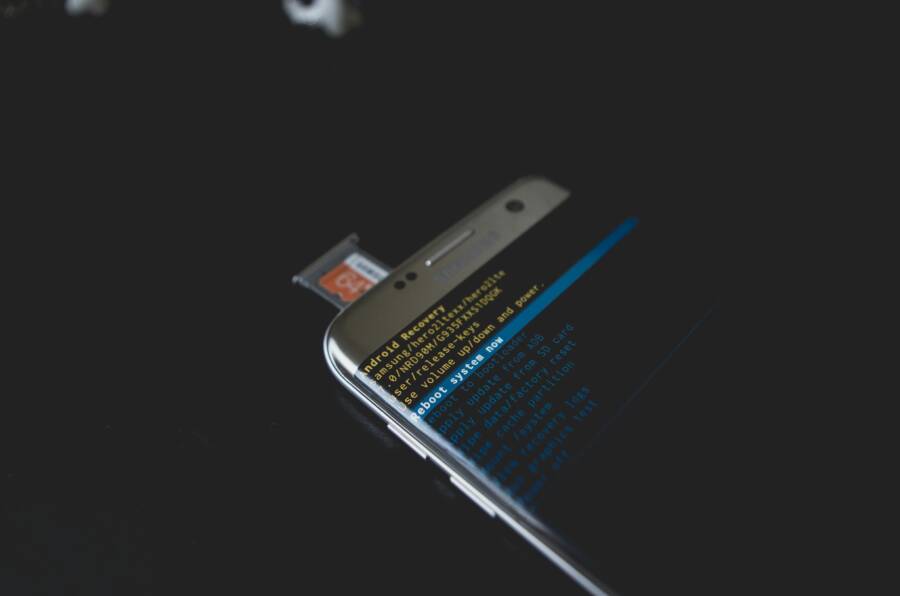
 Photo by Kelvin Valerio
Restart your phone
A simple restart often clears temporary glitches that cause System UI to misbehave. It refreshes background services and gives the launcher a clean slate without touching your data.
- How to do it on most Android devices:
- Press and hold the Power button until the Power menu appears.
- Tap Restart. If you don’t see Restart, choose Power off and then turn the device back on.
- On some devices, you may need to confirm with a long press or use the combination of Power + Volume buttons to power off.
- What to expect after the reboot:
- The home screen and launcher reload from scratch.
- Background processes reinitialize, often smoothing out the hiccup.
- Your apps remain intact; this is not a data-wiping action.
If the issue crops up again, re-try the restart one more time. It’s a quick, non-destructive first step that fixes many temporary glitches.
Force stop and clear cache for System UI
If a background process or cached data is stuck, forcing System UI to stop and clearing its cache can reset its state without erasing your personal data.
- Steps to follow:
- Open your device’s Settings.
- Go to Apps & notifications (or just Apps on some devices).
- Find System UI (or Launcher on some models; names vary by vendor) and select it.
- Tap Force stop. Then choose Storage & cache and select Clear cache.
- If you see an option labeled Clear storage or Clear data, skip it unless you’re sure it’s needed. Clearing data can reset preferences and settings.
- Why this helps:
- It removes corrupted cached files that can trigger freezes or error popups.
- It refreshes the app’s state without removing your personal data.
Note: Some devices may label the launcher as the System UI or use a different name for the core UI app. If you don’t see System UI, try clearing the cache for the Launcher or Home app instead. For additional context on how clearing cache helps, see guides that outline these steps in practical terms:
- How to fix “System UI isn’t responding” on Android (Microsoft support overview). https://learn.microsoft.com/en-us/answers/questions/2344610/system-ui-keeps-saying-system-ui-isnt-responding
- All Things How’s Android troubleshooting guide to System UI issues. https://allthings.how/how-to-fix-system-ui-isnt-responding-error-on-android/
Boot into Safe Mode to test for app conflicts
Safe Mode disables all third party apps, letting you see if the problem is caused by an app you installed. If the issue disappears in Safe Mode, a recently added or updated app is likely the culprit.
- Quick entry methods for popular devices:
- Most Samsung devices: Press and hold the Power button, then tap and hold Power off until the Safe Mode prompt appears, then confirm.
- Most Pixel devices: Press and hold the Power button, then tap and hold Power off until Safe Mode appears, then confirm.
- Many OnePlus and other Android devices: Press and hold the Power button, then tap and hold Power off until the option to Reboot to Safe Mode shows, then confirm.
- What to look for:
- If System UI works normally in Safe Mode, start testing recently installed apps one by one.
- Uninstall any apps added or updated just before the issue started.
- When to exit Safe Mode:
- Restart your phone to return to normal mode.
For further reading on Safe Mode and app conflict testing, you can review these guides:
- How to fix System UI isn’t responding on Android (All Things How). https://allthings.how/how-to-fix-system-ui-isnt-responding-error-on-android/
- Microsoft’s guide on System UI not responding and Safe Mode testing. https://learn.microsoft.com/en-us/answers/questions/2344610/system-ui-keeps-saying-system-ui-isnt-responding
Check storage and close background apps
Low storage and heavy background activity can slow down the System UI and trigger the error message. Freeing space and limiting background apps often restores smooth performance.
- Quick cleanup checklist:
- Free up storage: Open Settings > Storage, review what’s taking space, and delete or move large files you don’t need.
- Close heavy apps: Swipe away or Force Stop apps that are using a lot of memory in the recent apps view.
- Remove unused apps: Uninstall apps you no longer use to reclaim memory.
- Disable or limit animations: If you’re comfortable, reduce or turn off animations in Developer options to ease the load on the UI.
- How this helps:
- More free memory means the System UI can render home screens and menus without stuttering.
- Fewer background processes reduce the chance of conflicts and slowdowns.
If you want a broader view on similar storage and performance tips, these resources provide solid context:
- Guide to freeing up space and cleaning up Android devices. https://www.guidingtech.com/fix-system-ui-has-stopped-issue-android/
- Quick Android performance tips and checks. https://www.online-tech-tips.com/how-to-fix-android-system-ui-isnt-responding-error/
If you’d like more practical checks beyond the basics, see how other experts structure a quick, action-oriented approach to System UI problems. The step-by-step paths in the linked guides mirror the flow you’ll use here to get back to a responsive smartphone experience.
If you follow these quick fixes and keep an eye on how your device behaves, you’ll likely narrow down the cause fast. In the next section, we’ll move to more thorough fixes that address deeper system and app-level issues.
Deeper fixes if quick fixes do not help
If rebooting and cache clearing didn’t restore normal behavior, it’s time to go deeper. These fixes target the underlying software state more directly. Approach each step with care, and test after each one to confirm whether the issue improves. You’ll often find that the root cause lies in a recent update, a conflicting app, or corrupted settings. Think of this as tightening the screws on a stubborn device until everything runs smoothly again.
Update Android OS and apps
Keeping the operating system and apps current is the most reliable way to fix systemic glitches. Updates fix bugs, close security holes, and improve compatibility with your hardware. Before you start, back up important data so you don’t risk losing anything during the process. A stable network connection is essential; use Wi-Fi whenever possible to avoid interruptions.
Steps to update Android OS:
- Open the device’s Settings.
- Tap System or Software Update (name varies by device).
- Check for updates and install if available.
- If an update is pending, allow the device to complete the installation and restart.
Steps to update apps:
What If the Only Thing Between You and the Life You Deserve Is a Hidden Wealth Code Waiting to Be Activated
>>> Open the Door <<<
- Open the Google Play Store or your device’s app store.
- Go to “My apps & games” or the updates tab.
- Update all apps or at least those you suspect might be related to the issue.
- Restart the phone after updates complete.
Why this helps:
- System updates fix known bugs that can affect the launcher and UI components.
- App updates ensure compatibility with the latest OS changes and security patches.
If you want a quick reference on why updates matter for System UI problems, see guides that cover the role of updates in stabilizing the UI on Android: Hexnode’s overview of System UI issues in Android devices and related troubleshooting steps. You can read more here: https://www.hexnode.com/mobile-device-management/help/system-ui-issues-in-android-devices/
For readers seeking a broader view on practical fixes, this article outlines common paths including OS and app updates as part of a steady troubleshooting flow: https://allthings.how/how-to-fix-system-ui-isnt-responding-error-on-android/
Tip: After updating, monitor the behavior for 24 to 48 hours. If the problem returns, proceed to the next deeper fix. A single problematic update can sometimes create a transient mismatch that becomes noticeable only after a reboot or a heavy task.
Clear System UI and Launcher cache or data
If updates don’t fully solve the issue, clearing the System UI or launcher cache and, in some cases, data can remove lingering corruption without erasing your personal files. Clear cache first, then decide whether to clear data based on the observed behavior.
Concrete steps (paths vary by device):
- Open Settings > Apps & notifications (or Apps).
- Locate the System UI entry. On some devices, this might be listed as Launcher or Home app.
- Select Storage & cache or Storage.
- Tap Clear cache. If you still see the issue after this, you can try Clear storage or Clear data as a last resort.
What clearing cache vs clearing data means:
- Clear cache removes temporary files the app uses to run. It is safe and non-destructive to personal data.
- Clear data resets the app’s settings and preferences to their defaults. You’ll lose custom settings, saved preferences, and any configurations tied to that UI entry.
When to choose which:
- Start with Clear cache. It fixes most glitches caused by corrupted temporary files.
- Move to Clear data only if the problem persists after the cache is cleared and you’re ready to reconfigure preferences.
If your device hides System UI behind a different name, you can apply the same steps to the Launcher or Home app. These steps align with common troubleshooting practices and are supported by expert guides that map out cache and data clearing as essential steps: https://learn.microsoft.com/en-us/answers/questions/2344610/system-ui-keeps-saying-system-ui-isnt-responding and https://allthings.how/how-to-fix-system-ui-isnt-responding-error-on-android/
Note: Clearing data will reset your home screen layout, launcher preferences, and any customizations. If you rely on a particular launcher, you may need to reconfigure it after this step.
Uninstall recently installed apps
A recently added or updated app can conflict with the System UI, especially if it uses overlays, accessibility features, or theme changes. If the issue began after installing a new app or after a big update to an existing one, this is a prime suspect.
What to do:
- Review recent installs and updates in the last few days.
- Uninstall the most likely culprits one by one.
- After each uninstall, restart the device and check whether the System UI behaves normally.
How to identify likely culprits:
- Look for apps that request extensive overlay permissions or accessibility control.
- Consider apps that modify home screen behavior, widgets, or theme changes.
- If the problem started after a specific app update, that update is a strong candidate.
After removing suspect apps, test the device again. If the issue clears up, you’ve found the culprit. If not, reintroduce stability by continuing to the next step. For further guidance on recognizing app conflicts and performing methodical uninstalls, see this practical guide: https://www.guidingtech.com/fix-system-ui-has-stopped-issue-android/
When you’re done, review app permissions for potential conflicts. Some apps may request permissions that affect the launcher or UI components in unexpected ways. A methodical pass through permissions can help you spot anomalies that cause System UI hiccups.
Reset app preferences or wipe cache partition
If nothing else fixes the problem, you’re looking at two powerful recovery options. Resetting app preferences and wiping the cache partition address deeper, system-level inconsistencies. Each has different implications, so choose based on what you’ve observed so far.
- Reset app preferences
- This restores all disabled apps and notification settings to their defaults without removing any apps or data.
- It can fix issues caused by disabled critical system apps or altered permissions.
- After resetting, you’ll need to re-enable any disabled apps and reconfigure some system settings.
- Wipe cache partition (advanced)
- This action clears the temporary files used by the system during startup and normal operation.
- It does not erase personal data, but it can remove low-level corruption in system caches.
- The exact steps vary by device, but you generally enter recovery mode to perform this action.
- After wiping the cache partition, reboot the device and observe whether System UI remains stable.
Caveats:
- Resetting app preferences can alter how some apps behave, particularly if you depend on custom defaults or notifications.
- Wiping the cache partition is safe for data, but you’ll need to set up some preferences again after reboot.
If you want a deeper dive into why these two options are effective for stubborn UI issues, you can explore guides that walk through each method with device-specific instructions: https://www.androidcentral.com/threads/process-com-android-systemui-has-stopped and https://www.guidingtech.com/fix-system-ui-has-stopped-issue-android/
As you work through these deeper fixes, keep track of changes and test after each step. A methodical approach helps you confirm the root cause without blind experimentation. If you follow these steps carefully, you’ll often restore a smooth, responsive smartphone experience without losing personal data or forcing a factory reset.
If you’re ready, we’ll move to a structured conclusion that ties these fixes to practical, repeatable routines. You’ll have a clear playbook to reference whenever System UI falters again.
When to consider a factory reset and how to back up
If System UI issues persist after quick fixes, a factory reset can be a last resort to restore a clean slate. But a reset wipes data, apps, and customizations. It’s not a cure for hardware problems, and it won’t fix issues caused by hardware failure or damaged storage. Use a factory reset only after you’ve tried safer steps and you’re comfortable restoring your stuff from a backup. Think of it as rebuilding from a known good baseline rather than repairing a broken app.
Before you decide, weigh the symptoms. If the phone is unstable across many apps, the launcher behaves unpredictably after updates, or you’ve recently installed problematic software, a reset can remove the offending configuration. If you’re unsure, consider a staged approach: start with backups and quick fixes, then move to deeper options if needed.
Below you’ll find a practical plan for safely backing up first, then carrying out a factory reset, and finally restoring your data after the reset. This approach keeps your important information intact and minimizes downtime. As you read, keep in mind that a factory reset targets the OS state and does not fix hardware issues. A reset should be followed by careful data restoration and monitoring to confirm the issue is gone.
Back up your data first
Backing up protects everything you value and makes the reset less painful. Create a redundancy so you can restore quickly and resume your normal smartphone use.
- Essential data to back up
- Photos and videos
- Contacts and messages (SMS/MMS)
- App data and settings where possible
- Documents, notes, and calendar entries
- WhatsApp, chat apps, and other messaging histories
- Any offline maps, offline playlists, or downloaded content
- Safe backup methods
- Cloud backup: Use Google Drive or Google One to back up photos, contacts, app data, and settings. Automatic backups can run in the background once enabled.
- Local backup: Copy files to a computer or external drive; use USB cable transfer for photos, videos, and documents.
- App-specific backups: Some apps offer their own cloud backups or export options (for example, chat histories or game progress).
- Quick backup checklist
- Enable automatic backups (Google account)
- Sync contacts to your Google account
- Copy essential media to a computer or external drive
- Save important app data or export chats where available
- Confirm you can access backup locations on another device
Helpful context and step-by-step references you can follow include official guidance on backing up data to Google accounts and restoring afterward. For a solid, device-agnostic overview, see Google’s backup instructions here: https://support.google.com/android/answer/12760783?hl=en. If you want to explore how to restore data after a reset, this Google support article is a reliable starting point: https://support.google.com/android/thread/298988094/restore-backed-up-data-after-factory-reset?hl=en.
If you prefer a broader, device-agnostic backup path, the official Google article on backing up or restoring data covers the essentials: https://support.google.com/android/answer/2819582?hl=en. For additional practical tips on backing up without cloud storage, you can consult high‑level guides like YouTube walkthroughs or vendor-specific procedures, but ensure you verify the steps against your device model.
- Quick practical tip
- Do a quick test of your backup. Create a small file and ensure you can retrieve it from the backup location. This helps you confirm the backup works before you reset.
Factory reset steps
A factory reset returns the device to its original software state. It removes apps, data, and settings, returning the OS to its default configuration. This is why preparation is essential.
- High level steps
- Back up everything you value (as described above).
- Open Settings and locate System or General Management.
- Find Reset options and choose Factory data reset (the exact labeling varies by device).
- Review the warning, confirm you want to wipe all data, and proceed.
- Wait for the device to reset and reboot into a fresh setup screen.
- Device caveats
- Some devices offer the option to remove all accounts first; this is a good precaution to avoid account lockouts after the reset.
- If the device has a corporate or work profile, ensure you know how the reset interacts with management policies.
- If you use a passcode or biometric lock, you’ll need to set these up again after the reset.
- If the phone has a removable SD card, back up or remove it if you don’t want to lose data stored there.
- What to prepare in advance
- A stable power source or a fully charged battery to avoid interruptions during the reset.
- Your Google account credentials or other logins you’ll need after setup.
- A plan for reinstalling essential apps, especially those tied to work or personal productivity.
For readers who want a practical reference on the reset process and its impact, the Google backup articles offer relevant context about prerequisites and post-reset restoration. See Back up or restore data on your Android device: https://support.google.com/android/answer/2819582?hl=en and Restore backed up data after factory reset: https://support.google.com/android/thread/298988094/restore-backed-up-data-after-factory-reset?hl=en.
- Quick note on timing
- Don’t rush the process. A reset can take several minutes to complete, and the first boot after a reset often requires extra time as the system reindexes and sets up initial services.
What to do after the reset
The reset is not the end of the story; it’s the start of a careful rebuild. The goal is to restore your data and apps with minimal risk of repeating the same problem.
- Restore data and apps
- Begin with essential apps first and gradually add others. This helps you spot the moment the issue reappears.
- Restore contacts and messages from your backup, then gradually re-add media and documents.
- Reinstall apps one by one from the official store. Avoid sideloading or installing APKs from untrustworthy sources, especially during the early testing phase.
- Reintroduce apps slowly
- Start with core productivity apps and those you use most often.
- Monitor performance after each app install. If a problem returns, you’ll know which app is the likely culprit.
- Check for app updates right away; some issues stem from outdated apps not fully compatible with the reset state.
- Monitor for the issue returning
- Use the phone normally for a day or two, paying attention to the same symptoms you had before.
- If the problem crops up again, consider whether it’s tied to a specific app, setting, or network condition.
- If the issue remains after a complete restore, you may need to pursue deeper system-level fixes or hardware checks.
- Helpful references for restoring after a reset
- Restore backed up data after factory reset: https://support.google.com/android/thread/298988094/restore-backed-up-data-after-factory-reset?hl=en
- How to restore an Android phone from a Google or Samsung backup: https://www.androidauthority.com/restore-android-phone-from-backup-3229485/
- Back up or restore data on your Android device: https://support.google.com/android/answer/2819582?hl=en
- Practical tip
- Keep a small, prioritized list of apps you must have on day one. Reinstall those first so you can assess the system stability with the essentials in place.
If you follow these steps carefully, you’ll have a solid path from backup through reset to a stable, rebuilt device. In the next sections, you’ll find a concise checklist and a practical playbook you can reuse anytime System UI hiccups show up again. You’ll also see how to tailor the process to your own usage patterns and ensure you’re not reintroducing the same problem with every reinstall.
References and further reading
- Back up your data and restore it later on Android: https://support.google.com/android/answer/12760783?hl=en
- How to restore data after factory reset: https://support.google.com/android/thread/298988094/restore-backed-up-data-after-factory-reset?hl=en
- Comprehensive guide to restoring an Android phone from backups: https://www.androidauthority.com/restore-android-phone-from-backup-3229485/
Thousands of People Were Struggling With Money Until They Discovered This One Ancient Secret Hidden in Sound
>>> Unlock It Now <<<
