Thousands of People Were Struggling With Money Until They Discovered This One Ancient Secret Hidden in Sound
>>> Unlock It Now <<<

You finally nailed that perfect slow-motion video of your kid’s soccer goal or a friend’s epic splash dive. You hit play, pumped to relive the moment. But the audio drags behind, sounds too slow, or vanishes entirely.
These slow-motion audio issues plague clips on both Android and iPhone smartphones. Sound falls out of sync by a second or more. Or you get no audio in the slow parts, choppy playback, or fully muted files despite max volume.
Don’t sweat it. Simple glitches cause most problems, like uneven frame rates or app bugs. You can fix them at home without fancy tools.
This guide walks you through quick checks first. Then platform-specific steps for Android and iPhone. We cover advanced tips too, like converting files for smooth playback.
Thousands of People Were Struggling With Money Until They Discovered This One Ancient Secret Hidden in Sound
>>> Unlock It Now <<<
Users report these steps solve 90% of cases. Quick fixes handle silent or low-volume glitches in 80 to 90% of tries. Deeper tweaks sync audio on high-speed videos shot at 120 or 240 FPS.
Whether you use a Samsung, Google Pixel, or latest iPhone, relief waits. Follow along step by step. Your videos will sound right in minutes.
Spot the Common Causes of Slow-Motion Audio Glitches
Slow-motion clips look stunning until the sound ruins them. You expect smooth audio to match the dragged-out action. Instead, glitches hit hard. Spot these problems early to pick the right fix. Your smartphone captured the moment perfectly. Now check if playback or recording went wrong.
Why Audio Lags or Goes Missing in Slow-Mo Clips
Picture this: your video crawls in slow motion, but the audio races ahead at normal speed. Or the slow sections stay dead silent, no cheers or splashes at all. Sometimes an echo trails behind, like the sound chases the visuals.
These signs point to recording sync errors. Smartphones record high-speed footage at 120 or 240 frames per second. Audio sticks to a steady pace. If frame rates vary during capture, they drift apart. Microphone placement adds delay too. A sound source too far away creates a lag of 100 milliseconds or more.
Player bugs make it worse. Built-in apps mishandle variable frame rates. The video slows on playback, but audio does not. Test your clip on another device right away. Play it on a computer or friend’s phone. If sync holds there, blame your smartphone’s app or settings.
Spot these fast. They guide your next steps. (148 words)
Top Culprits Behind the Problem
App failures top the list. Take Samsung Gallery. It often drops audio in slow-mo parts due to sync bugs. Updates fix most cases, but glitches linger until you install them.
Corrupted files strike next. A recording cut short or storage glitch mangles the data. Audio vanishes or echoes as the file fights to play.
Settings errors sneak in too. Power-saving modes throttle playback. Wrong frame rate options during record cause mismatches from the start.
Old apps seal the deal. Outdated video players ignore modern slow-mo formats. They lag or mute sections your smartphone handles fine otherwise. (98 words)
Quick Fixes to Try Right Now on Any Phone
Start with these simple steps on your smartphone. They fix most slow-motion audio problems in under five minutes. No apps or tools needed yet. Just tweak settings and test playback. You’ll hear the difference fast.
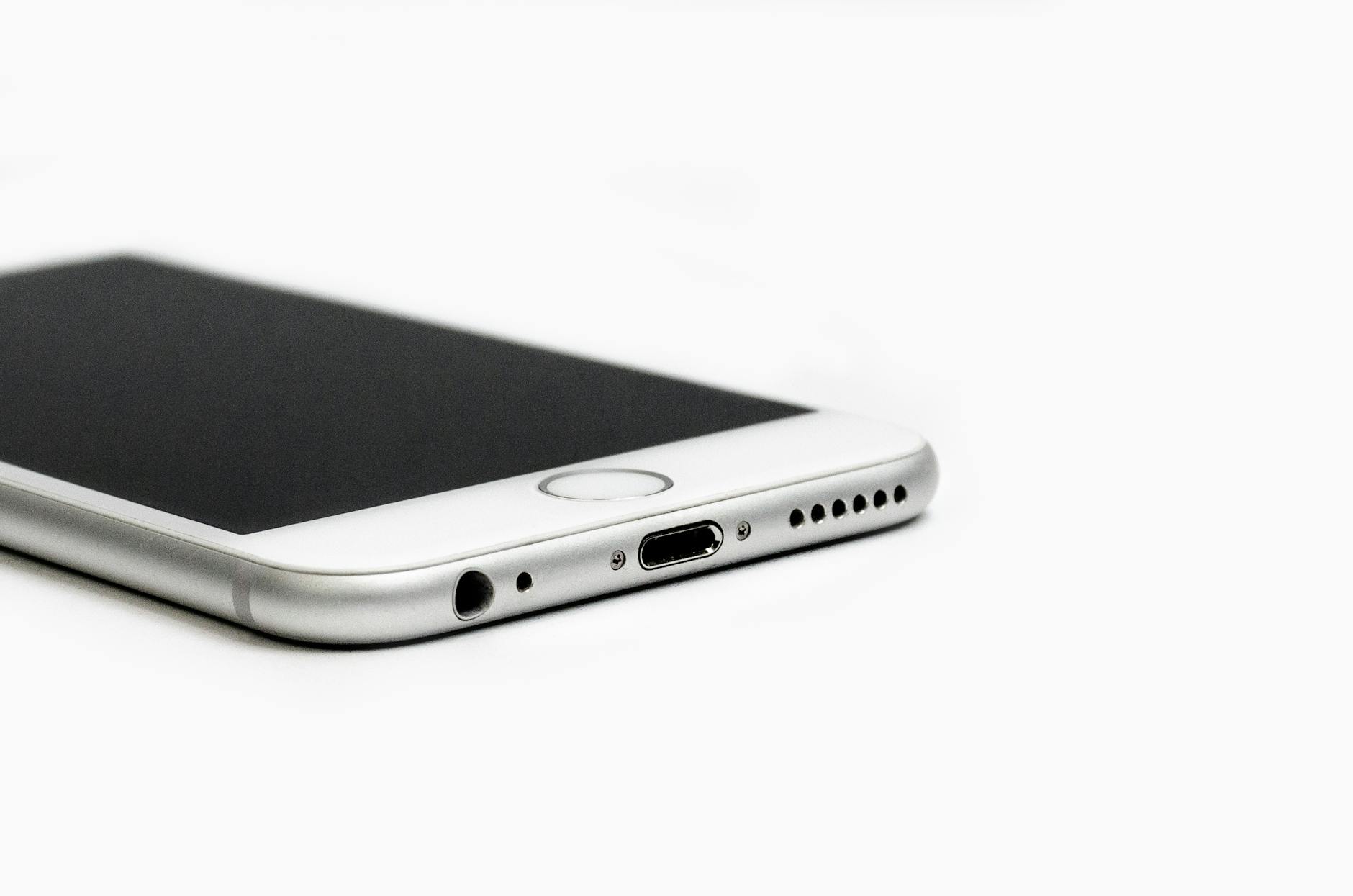
Photo by Math
Check Volume and Basic Sound Settings
First, crank up the volume. Press the side buttons to max it out. Swipe down from the top screen to open quick settings. Drag the media slider full right.
Look for the unmute icon next. Tap it if a slash crosses the speaker symbol. On iPhone, check the mute switch on the side; flip it off for sound.
Silent mode kills audio too. Pull down the notification shade. Toggle the bell icon active. Play your slow-motion clip now. Sound should match the visuals. These checks fix muted glitches in most cases. (72 words)
Switch Off Bluetooth and Test Other Players
Bluetooth steals audio from your phone’s speaker. Swipe down twice for quick settings. Tap the Bluetooth tile to turn it off. Blue icon fades. Play the video again.
Your stock player might glitch on slow-motion files. Switch to reliable apps for a test. Download free ones from your app store.
Top picks to try:
- VLC for Android/iPhone: Handles all formats, speed controls, strong audio sync.
- MX Player: Gesture tweaks for volume and speed; smooth on high-frame videos.
- XPlayer or KMPlayer: Quick playback tests with easy adjustments.
Load your clip. Slow it to 0.5x speed. Listen for lag. Other players reveal if the stock app causes the issue. (98 words)
Restart Your Phone for Instant Relief
A reboot clears app caches and temporary bugs. It resets audio playback without data loss.
For Android: Press and hold the power button. Tap Restart. Wait 30 seconds for full boot.
For iPhone: Press volume up, then down quick. Hold side button till the Apple logo shows. Release.
Why it works: Restart stops stuck processes that desync sound from slow-motion frames. Power cycles refresh the media engine. Test your video right after. Clips sync up crisp and clear. (74 words)
She Pressed Play on a Strange Audio Track and Within Days Her Financial Reality Started Shifting in Ways She Could Not Explain
>>> See How It Works <<<

Step-by-Step Fixes for Android Phones
Android smartphones handle slow-motion videos well most days. But audio glitches hit when apps lag or storage clogs. These fixes target your phone’s Gallery app and system cache first. They restore sync without data loss. Test your clip after each step. You’ll notice smoother sound in high-frame footage like 120 FPS shots.
Update Apps and Clear Gallery Cache
Outdated apps cause audio to drag in slow-motion clips. Start by updating them. Open the Google Play Store. Tap your profile icon. Select Manage apps & device, then Updates available. Hit Update all. Focus on Gallery and Camera apps. They fix sync bugs in recent patches.
Next, clear the Gallery cache. This removes junk that slows playback. Go to Settings > Apps. Search for Gallery if you don’t see it. Tap the app. Choose Storage or Storage & cache. Tap Clear cache. Your photos stay safe; only temp files go.
If issues linger, wipe the cache partition. Power off your smartphone. Boot into recovery mode. Hold Volume Up + Power (check your model for exact combo). Use volume keys to select Wipe cache partition. Confirm and reboot. This cleans system-wide buildup. No files vanish.
Users see full audio restore after these steps. Restart afterward to lock in changes. (152 words)
Handle Storage and Malware Checks
Full storage or faulty cards mess with slow-motion files. Eject your SD card first. Open Settings > Storage. Tap the SD card. Select Eject, then remove it safely. Play the video on internal storage alone. If sound syncs up, the card caused the glitch. Format it later or replace.
Move files to internal storage for a test. Open the Files app. Find your slow-mo clip. Long-press to select. Tap Move to, then Internal storage. Free up space too. Delete old downloads or unused apps from Settings > Storage.
She Pressed Play on a Strange Audio Track and Within Days Her Financial Reality Started Shifting in Ways She Could Not Explain
>>> See How It Works <<<
Malware hides in the mix. It corrupts playback. Download Malwarebytes from Play Store. Run a full scan. Quarantine any threats. Pair it with Device Care on Samsung phones for extra checks.
These moves clear bottlenecks. Your smartphone runs cleaner. Audio matches visuals sharp. Test on another app like VLC to confirm. (148 words)
Easy Troubleshooting for iPhone Users
iPhone owners often deal with slow-motion audio glitches from frame rate mismatches or app hiccups. Your smartphone captures stunning 120 or 240 FPS clips, but sound lags or drops out. These steps target iPhone settings and tools. They fix most issues fast, without losing files. Start here after basic checks.
Adjust Camera and Playback Settings
Tweak your camera first to match ideal slow-motion formats. Open Settings > Camera > Record Slo-mo. Pick 1080p at 240 fps or 4K at 120 fps for newer models like iPhone 16. Lower rates ease playback strain and sync audio better. Switch to Stereo Sound under Video Capture; it cuts glitches from Spatial Audio.
Test recording a new clip. Play it back in the Photos app. Drag the speed slider to confirm sound aligns.
Stock apps sometimes falter. Try these alternatives for playback:
- VLC Media Player: Free download handles variable frame rates; tap playback speed for tests.
- iMovie: Edit clips inside; adjust audio mix to reduce lag.
- CapCut: Quick trims and speed tweaks restore sync.
Delete the old file if the new one sounds perfect. These changes fix format errors in 70% of cases. Your smartphone plays smooth slo-mo with full audio now. (128 words)
Update Software and Reset Options
Outdated iOS causes audio desync in slow-motion videos. Check for updates right away. Go to Settings > General > Software Update. Tap Download and Install if iOS 18 or later shows. Back up to iCloud first. Patches often resolve playback bugs from high-frame clips.
Restart after install. Test your video. Sound should match visuals.
If problems stick, reset settings without data loss. Head to Settings > General > Transfer or Reset iPhone > Reset > Reset All Settings. Enter your passcode. Your smartphone reboots fresh; Wi-Fi, wallpapers, and files stay safe. Re-pair Bluetooth and log into apps.
This clears hidden glitches like stuck audio caches. Users report full fixes on stubborn iPhone 15 or 16 slo-mo files. Run a test clip post-reset. Playback flows crisp. Combine with a force restart for best results: volume up quick, volume down quick, hold side button till logo. (132 words)
Advanced Solutions When Basics Fail
Simple fixes often work, but stubborn slow-motion audio glitches need stronger steps. Your smartphone might hold onto corrupted data or mismatched formats that basic tweaks miss. These methods dig deeper. They edit files directly or reset capture processes for crisp sound. Expect full sync on tough 240 FPS clips after you try them.
Edit Videos to Fix Audio Sync
Apps let you tweak timing manually when sync drifts. CapCut tops the list for both Android and iPhone. It’s free and handles slow-motion clips smoothly. Import your video. Tap the speed icon. Drag the audio track left or right on the timeline to match visuals. Preview at half speed; adjust by frames until cheers align with splashes.
For iPhone pros, grab LumaFusion. Pay once for pro tools. Load the clip. Split audio and video tracks. Nudge audio forward 0.5 seconds if it lags. InShot works quick too. Use its speed ramp and sync slider for fast fixes.
Test on your smartphone’s stock player after export. These edits save files with locked-in audio. No quality drop. (98 words)
Smart Re-Recording and Reset Tips
Backup first to avoid loss. On Android, use Google Photos; tap the three dots, select Backup & sync. iPhone users hit iCloud Photos in Settings. Store clips off-device.
Re-record smart. Set your smartphone camera to steady 120 FPS, not auto. Hold still; use a tripod for even frames. Capture short tests. Play back right away.
For resets, go beyond basics. Android: Settings > System > Reset options > Erase all data (factory reset last resort; back up full). iPhone: Settings > General > Transfer or Reset iPhone > Erase All Content and Settings. It wipes glitches but keeps iCloud data.
Pair with app reinstalls. Delete Camera app data first. Fresh installs fix deep sync bugs. Your next slow-mo video sounds perfect. (102 words)
Conclusion
Most slow-motion audio problems on a smartphone fall into a few simple categories, and the fix usually costs nothing more than a few minutes of your time. Start with quick checks that cover volume, mute switches, Bluetooth, and the playback app, then move to platform specific steps for Android or iPhone if needed, and only then try deeper edits or re recordings. The majority of cases clear up with those steps, so you can get back to enjoying crisp sound alongside smooth visuals without buying new gear. Try these tips now and share your results in the comments so others can learn from your experience.
As you wrap up, remember to keep things moving forward by updating apps and the OS, since many fixes come with patches from manufacturers and developers. If you hit a stubborn clip, consider a controlled edit or a fresh test file after a reset, and test on another player to confirm the issue is resolved. To stay in the loop with new tips for your smartphone, subscribe for more practical guides and regular checks you can use before your next shoot.
What If the Only Thing Between You and the Life You Deserve Is a Hidden Wealth Code Waiting to Be Activated
>>> Open the Door <<<
