He Was Drowning in Bills and Burnout Until a Simple Daily Ritual Rewired His Brain for Wealth in Less Than a Week
>>> Start Your Shift Today <<<

If you rely on sleep tracking to guide your health and energy, an unrecorded night can feel more frustrating than lighting mismatches on a charger. You’re not alone; many people run into gaps where the data just doesn’t show up on their phone. The good news is that most issues have simple fixes you can try tonight.
This guide walks you through the common culprits behind missing sleep data and a clear, step by step plan to get things recording again. You’ll learn what to check first, from app permissions to sensor access, and how small tweaks can make a big difference in accuracy. By the end, you’ll feel confident in keeping your data reliable so you can notice real patterns instead of guessing.
First, we’ll look at the basics. Sometimes the problem is as simple as an update that changed settings, or a device not syncing properly when Bluetooth is flaky. Other times the sensor on your wrist or the phone’s own motion detector isn’t waking up for the night. We’ll cover how to verify that your app is allowed to track sleep, how to keep Bluetooth and the phone charged, and how to verify that the right data sources are selected.
Next, we’ll walk through practical fixes you can apply tonight. This includes a quick reset of the app, ensuring the time zone is correct, and checking the phone’s power saving features that might mute background activity. You’ll also see how to keep your phone within reach without interfering with your sleep, how to set up a consistent bedtime routine for more reliable readings, and how to test after a few nights to confirm the fix sticks.
There Is a Frequency That the Wealthiest Families Have Used for Generations and Most People Will Never Know It Exists
>>> Open the Door <<<

Finally, we’ll address long term habits that reduce data gaps. Regular app updates, clean data storage, and a simple routine for charging and syncing can keep your sleep data steady. If you’ve tried many fixes before, this checklist will help you narrow down the cause and choose the right solution. With a reliable record, you’ll spot trends that lead to better rest and more energy during the day.
Why sleep tracking may miss a night and what to check first
Missing a night of sleep data can feel like a blind spot in your health picture. This section breaks down the most common culprits and gives you a practical, step by step plan to troubleshoot. You’ll learn why sleep apps need sensor access and background activity, how power saving can interfere, and what to do when updates or wearing position throw a wrench in the readings. Think of it as your quick diagnostic guide to keep your data reliable night after night.
Sensor permissions and background activity
Sleep apps rely on several data sources to build an accurate picture: your phone’s accelerometer, gyroscope, and sometimes heart rate sensors. They also need to read data while you sleep, which means they must run in the background. If permissions or background access are off, the app may miss the entire night or record partial data.
- On iPhone (iOS): Ensure the app has Background App Refresh enabled and that the app is allowed to access motion and fitness data. Go to Settings > [App Name] > Background App Refresh and toggle it to On. Then check Settings > Privacy > Motion & Fitness to ensure access is granted.
- On Android: Grant the necessary sensor permissions and disable any aggressive background limits. Check Settings > Apps & notifications > [App Name] > Battery > Battery optimization and set to “Not optimized” if available. Also review Settings > Apps > [App Name] > Permissions to confirm motion, activity, and location access are allowed.
Quick steps you can follow now
- Open iPhone Settings, toggle Background App Refresh for the sleep app to On.
- In Privacy, confirm Motion & Fitness data access is enabled for the app.
- On Android, disable battery optimization for the sleep app.
- Verify the app has permissions for motion and physical activity data.
- Open the app and run a quick test night to confirm data is recorded.
Related guidance and platform specifics can help you navigate corner cases. For iOS, Apple’s own guidance on controlling app tracking permissions can impact some sleep apps, so review any prompts you see during setup. For Android, don’t let background limits hide under a vague prompt; explicitly allow the app to run in the background.
External resources:
- https://support.sleepcycle.com/hc/en-us/articles/4405339342354-Fixing-the-Background-Permissions-Error-on-iOS
- https://www.androidpolice.com/prevent-apps-from-sleeping-in-the-background-on-android/
Battery saver and power optimization blocking data
Power saving modes are designed to extend battery life, but they can mute background data collection. If your sleep app doesn’t wake up in the night, it’s often because the phone paused background activity.
- iPhone users rarely need to chase power saver, but iOS does have Low Power Mode that can affect background tasks. When Low Power Mode is on, some background tasks run less frequently. If you notice missing data, turn it off temporarily to test.
- Android users will see battery optimization and background restriction prompts more often. Don’t assume all sleep data is safe under optimized settings; you may need to whitelist the app.
Step-by-step instructions
- iPhone: Open Settings > Battery and turn off Low Power Mode for overnight testing.
- iPhone: If the app has any background task warnings, grant permission to continue background activity.
- Android: Go to Settings > Battery > Battery optimization and set the sleep app to Not optimized.
- Android: In Creative or Manufacturer-specific power settings, whitelist the app from aggressive restrictions.
- Restart the phone after changes, then run a test night to confirm data is captured.
Common prompts you might see during setup
- “Allow Sleep App to run in the background?” Choose Yes or Always allow.
- “Restrict app background activity?” Choose No or Open to Whitelist.
- “Battery saver is on” prompts; turning it off during initial setup helps confirm data flow.
Helpful reads and examples
- Android background handling guides and how to prevent suppression of background tasks
- Apple support notes on app tracking permissions and background activity
App and device updates cause issues
Outdated apps or older device firmware can disrupt data flow. A minor mismatch between app version and OS can cause sensors not to feed data into the app correctly.
What to check
- Latest app version: Make sure you’re on the latest release. Developers fix bugs and improve data integration in updates.
- Device OS: Update your phone’s operating system to the latest stable version supported by your device.
- Restart after updates: A quick reboot helps the system apply new permissions and clear glitches.
How to update
- iPhone: Open App Store, tap your profile picture, and update the sleep app. Then go to Settings > General > Software Update to install any OS updates.
- Android: Open Google Play Store, check for updates for the sleep app, and install. Then go to Settings > System > Software Update for OS updates.
- After updating, restart your phone and run a test night to verify data flow again.
Note on restarts
- A restart clears background processes that may have stalled, ensuring the app can resume full monitoring after updates.
Wearing position and sensor reliability
Even with the best app, data can go missing if the wearable isn’t worn properly. Sensor misalignment, loose bands, or incorrect placement can degrade measurement quality and create gaps in data.
Placement practicalities
- Wrist wear: For most trackers, the device should sit snugly a finger width above the wrist bone. If it slides, tighten the band a notch.
- Dominant hand: Some users notice more accurate readings when wearing on the non-dominant wrist.
- Sensor alignment: Ensure the device is horizontal with the screen facing up. A tilt can throw off movement detection.
Tips to improve accuracy
- Wear consistently: Put the wearable on before you lie down to sleep and keep it on through the night.
- Check sensor cleanliness: Wipe the sensors gently if skin oils or sweat build up.
- Adjust tightness: A comfortable, secure fit helps the sensors stay in range without being uncomfortable.
- Calibrate if offered by the brand: Some devices let you run a quick calibration routine to fine tune readings.
Final notes
- Consistency is key. Even small changes in how you wear the device can affect data continuity. If you notice gaps, review placement and try a few nights with a fixed routine.
- If data still misses nights after checking permissions, power settings, updates, and wear, consider testing with a different sensor source (for example, using both phone motion and wrist sensor data) to determine where the gap originates.
Related links
- https://support.coros.com/hc/en-us/articles/360042390872-How-COROS-Watches-Track-Sleep
- https://www.techenvoke.com/how-use-a-smartwatch-to-track-sleep-accurately/
- https://www.youtube.com/watch?v=Wmmp8xKpBSU
By following these checks, you’ll quickly understand why a night might go unrecorded and how to fix it. With permission settings verified, power features tuned, updates applied, and correct wearing habits, your sleep data will start reflecting the real patterns of your nights. If you want, I can tailor these steps to your specific phone model and watch brand for a tighter, device-focused guide.
Quick checks you can run before you sleep
A good night’s rest should also support accurate sleep data. These quick checks are designed to be simple, repeatable, and non-disruptive. Run them tonight and you’ll build a reliable baseline for your tracking over the coming weeks. If you’ve had data gaps before, use this section as your nightly pre-sleep routine to tighten up the readings without waking the household.
Review app permissions and health access
Sleep data depends on permissions and health connections. When these are misconfigured, the app can miss the entire night or log only partial data. Here’s how to verify quickly on both platforms and ensure Health or Google Fit are actively connected.
- iPhone (iOS)
- Open Settings and scroll to the sleep app. Turn on Background App Refresh.
- Go to Settings > Privacy > Motion & Fitness and confirm the app has access.
- If the app supports HealthKit, ensure it is allowed to read and/or write Health data.
- Quick test: open the app, start a short sleep test, and verify data appears in the morning.
- If you use Google Fit data integration, you may also need to check the Health app permissions on iOS to allow data flow.
- Helpful reference: review guidance on controlling app permissions and background activity.
- Android
- Open Settings > Apps & notifications > [App Name] > Battery > Battery optimization, and set to “Not optimized” if available.
- Check Settings > Apps > [App Name] > Permissions to confirm motion, physical activity, and location are allowed.
- If the app syncs with Google Fit, ensure Google Fit has permission to write health data from the phone.
- Quick test: run a night-test in the app and confirm it records properly.
What to do if data still looks sparse
- Reopen the app after granting permissions and run a fresh night test.
- Confirm there is a recent Health or fitness data source connected, such as Google Fit on Android or Apple Health on iOS.
- If you see prompts during setup asking about data sharing, choose the option that keeps data flowing in the background.
External resources you may find helpful:
- https://support.sleepcycle.com/hc/en-us/articles/4405339342354-Fixing-the-Background-Permissions-Error-on-iOS
- https://www.androidpolice.com/prevent-apps-from-sleeping-in-the-background-on-android/
Turn on background activity and disable battery optimization
Background activity is essential for sleep tracking to capture data all night. On some devices, aggressive battery saving stops the app from running while you sleep.
- iPhone
- Ensure Low Power Mode is off during testing to rule out missed data due to background limits.
- If the app shows a background task warning, grant permission to continue background activity.
- Android
- Whitelist the sleep app from battery optimization.
- Some devices have manufacturer-specific power settings; add the app to the “never sleep” or unrestricted list.
- After applying changes, restart the device to ensure the new rules take effect.
Step-by-step quick-start
- iPhone: Settings > Battery and toggle Off Low Power Mode for the overnight test.
- iPhone: In the sleep app, confirm background activity is allowed.
- Android: Settings > Battery > Battery optimization > Not optimized for the sleep app.
- Android: Check any vendor power settings and mark the app as exempt.
- Restart the phone, then run a test night to confirm data is captured.
Common prompts you might see during setup
- “Allow Sleep App to run in the background?” Answer Yes.
- “Restrict app background activity?” Answer No or whitelist.
- “Battery saver is on” prompts; temporarily turning it off during setup helps confirm data flow.
Helpful references for background behavior
- General Android background handling guides
- Apple support notes on background activity and permissions
Ensure device is worn and connected
Even the best software needs good wear and proximity to work well. If the wearable isn’t worn correctly or the phone is far away, readings can drop.
Practical wearing tips
- Wrist wear: Place the device about a finger width above the wrist bone and ensure the band is snug but comfortable.
- Non-dominant wrist: Some people get more accurate data on the opposite wrist.
- Sensor alignment: Keep the device flat with the screen facing up for best motion detection.
Overnight setup tips
- Put the wearable on before lying down and keep it on through the night.
- Check the sensor area for oils or sweat that can affect readings; wipe as needed.
- If your device supports calibration, run it before bed to fine tune accuracy.
Quick checks if data is missing
- Make sure the phone remains nearby or within the recommended range for the wearable’s connection.
- Verify the sleep app is using the correct data sources, such as the wrist sensor and phone motion data.
- If possible, test with an alternative data source to see where the gap originates.
Related resources
- https://support.coros.com/hc/en-us/articles/360042390872-How-COROS-Watches-Track-Sleep
- https://www.techenvoke.com/how-use-a-smartwatch-to-track-sleep-accurately/
Keep apps updated and OS stable
Outdated apps or an OS glitch can disrupt data flow. Before you settle into a night of tracking, make a quick check to ensure everything is up to date.
What to verify
- App version: Confirm you’re on the latest release from the store.
- OS version: Install the latest stable OS update supported by your device.
- Restart: A quick reboot helps apply new permissions and clear minor glitches.
How to update
- iPhone: Open App Store, update the sleep app, then go to Settings > General > Software Update for OS updates.
- Android: Open Google Play Store, update the sleep app, then Settings > System > Software Update for OS updates.
- After updating, restart the phone and run a test night to verify data flow again.
Why updates matter
- Developers fix bugs that affect data collection.
- OS updates can change how sensors are accessed, so re-check permissions after updating.
Tip
- Consider enabling automatic updates for both apps and OS to keep the setup current with minimal effort.
Wearing position and sensor reliability (revisited)
A small change in how you wear the device can lead to big changes in data continuity. If you’ve had gaps, re-check placement and try a consistent overnight routine.
Placement reminders
- Wrist wear: A snug fit keeps sensors in range without discomfort.
- Non-dominant wrist: Try switching wrists if readings seem off.
- Sensor orientation: Keep the device flat and screen up for better detection.
Calibration and maintenance
- Clean sensors gently to remove oils and sweat.
- If the brand offers a quick calibration, run it to recalibrate readings.
- Keep the device firmware updated so calibration data stays compatible with the app.
Final thoughts
- Consistency matters. Small changes in how you wear the device or where you place the phone can affect data quality.
- If data still misses nights after permissions, power settings, updates, and wear have been checked, test with a different data source to identify where the gap lies.
- If you want, I can tailor these steps to your exact phone model and watch brand for a tighter, device-focused guide.
External reading and example paths
He Was Drowning in Bills and Burnout Until a Simple Daily Ritual Rewired His Brain for Wealth in Less Than a Week
>>> Start Your Shift Today <<<
- https://www.diversido.io/blog-categories/healthcare
- https://mindsea.com/blog/apple-health-android-health-connect-integration-platforms-for-health-wellness-and-fitness/
If you follow these checks, you’ll quickly identify why a night might not show up and how to fix it. With permissions verified, power settings tuned, updates applied, and wearing habits consistent, your sleep data will start reflecting real patterns again.
Platform specific checks for iPhone and Android users
When your sleep data stops recording, the issue often sits at the platform level. iPhone and Android devices handle permissions, background activity, and health data streams differently. This section lays out clear, action oriented checks tailored to Apple Health on iPhone and Google Fit on Android. You’ll learn how to verify data flow, re-link apps if needed, and refresh connections so your sleep data stays reliable across your smartphone.
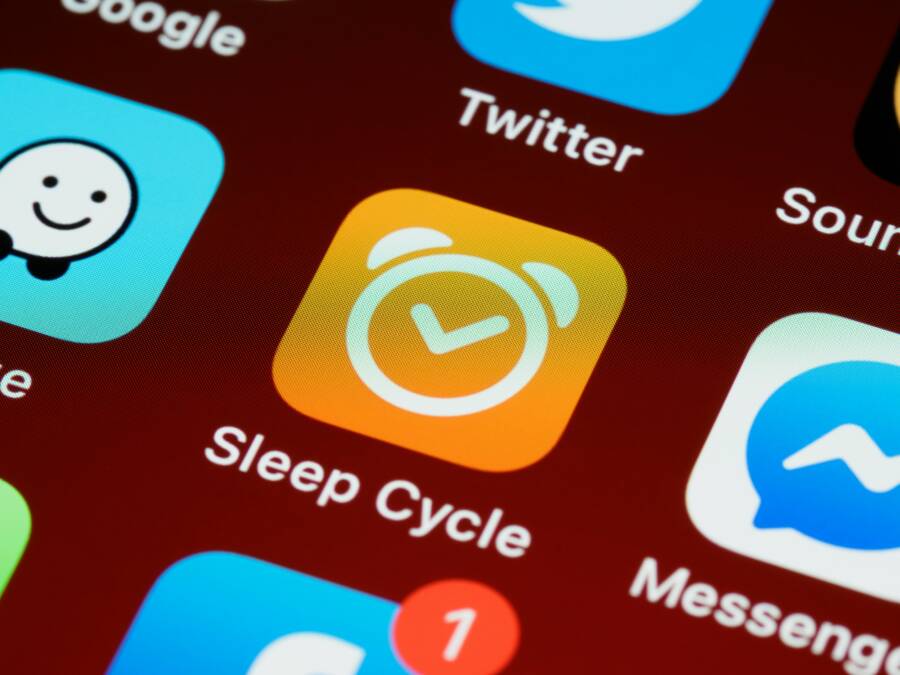
 Photo by Brett Jordan
Apple Health and iPhone sleep tracking integration
Apple Health acts as a central hub for sleep data on iPhone. To ensure Apple Health receives sleep information correctly, start with the data stream and re-link apps if the connection has drifted. First confirm the sleep app is allowed to write to Health and that Health itself is syncing data to the right sources.
- Verify the data stream
- Open the Health app and check Sleep or Home app sections to confirm data appears from your sleep tracking app.
- If you use Health Data sharing, make sure Sleep data from the third party app is allowed to be written to Health.
- Re-link apps if needed
- In the sleep app, disconnect Health data sharing and then re-enable Health data access.
- If the app prompts for HealthKit permission during setup, grant it again and choose allow all data categories related to sleep.
- Refresh connections
- Remove the app from Background App Refresh and re-enable it.
- Force quit the sleep app, reopen, and run a short sleep test.
- In Settings > Privacy > Health, ensure the sleep app has permission to read and write Health data.
- Quick verification
- Sleep a few minutes in a controlled test and check the Health app the next morning for a new Sleep entry.
- If data is missing, re-run the linking process and test again.
Helpful resources you can consult
- Control app tracking permissions on iPhone
- How to fix Apple Health app permissions
If you’re syncing with Apple Health, make sure your iPhone’s health ecosystem isn’t blocking data flow. Apple’s guidance on app permissions and background activity can influence how sleep data gets processed.
External links
- https://support.apple.com/guide/iphone/control-app-tracking-permissions-iph4f4cbd242/ios
- https://support.apple.com/en-us/108906
Android and Google Fit integration
On Android, Google Fit can act as the central sink for sleep data or as a bridge to other apps. Link your sleep apps to Google Fit, confirm all permission grants, and ensure data moves smoothly between services.
- Link sleep apps to Google Fit
- In the sleep app, look for an option to connect to Google Fit and grant the requested permissions.
- If the app offers Health Connect as an intermediary, consider enabling that pathway for broader compatibility.
- Confirm permission grants
- Open Google Fit and ensure it has permission to write health data and to read data from your sleep app.
- In the Android system settings, verify that the sleep app is not restricted by battery or background limits.
- Ensure data flow
- Do a quick test night and check Google Fit to see the sleep data appear.
- If data is delayed or missing, re-authorize the connection and re-test.
Quick reader checklist
- Is the sleep app connected to Google Fit or Health Connect?
- Are motion, activity, and location permissions granted to the sleep app?
- Is battery optimization disabled for the sleep app?
- Did you restart the phone after granting permissions?
Further reading and official guidance
- Android permissions for health and fitness APIs
- Health Connect migration guidance
External links
What If the Only Thing Between You and the Life You Deserve Is a Hidden Wealth Code Waiting to Be Activated
>>> Open the Door <<<

- https://developers.google.com/fit/android/authorization
- https://developer.android.com/guide/health-and-fitness/health-connect-guidelines/migrate/migration-guide
- https://developer.android.google.cn/health-and-fitness/guides/health-services/permissions
Third party sleep apps and services
Interoperability matters when you use multiple apps or devices. Sleep data should flow across Apple Health, Google Fit, and the sleep apps you rely on. Testing data flow across apps helps catch gaps early, and knowing what to do when syncing stalls keeps your nights consistent.
- Interoperability basics
- Most sleep apps can push data to Apple Health on iPhone and to Google Fit on Android. Some use Health Connect as a bridge.
- Check each app’s integration section for specific setup steps and data categories supported.
- Testing data flow
- Start a test sleep session in your primary app and then check all connected services within 15 minutes.
- Verify that data appears in Apple Health or Google Fit as well as in the originating sleep app.
- What to do if syncing stops
- Reauthorize connections one at a time. Disconnect then reconnect Apple Health, Google Fit, or Health Connect.
- Reinstall the sleep app if permissions or data streams still fail.
- Clear the app cache or storage for the sleep app and retry the sync.
Useful resources
- How to integrate health data from wearables (Apple Health, Google Fit)
- Troubleshooting Apple Health and Health Connect integration
- Google Fit troubleshooting connections and data issues
External links
- https://llif.org/2025/04/28/how-to-integrate-health-data-from-wearables-apple-health-fitbit-google-fit/
- https://support.levels.com/article/640-troubleshooting-apple-health-and-health-connect-integration
- https://support.mydatahelps.org/hc/en-us/articles/4412370079123-Google-Fit-Troubleshooting-Connection-and-Data-Issues
Tips for seamless cross platform syncing
- Keep all apps updated to the latest versions.
- Enable automatic data syncing where available.
- Periodically review permission prompts and data sharing settings.
Images and visuals to support this section
- Platform flow diagrams showing how Sleep App → Health/GF → Health apps
- Step by step permission screenshots for iPhone and Android
- A simple troubleshooting checklist graphic
Note: If you want, I can tailor these steps to your exact phone model and the sleep apps you use for a tighter, device specific guide.
What to do if data still doesn’t record after a night
If a night goes unrecorded, you want a clear path to fix it fast. This section breaks down practical, minimal steps you can take tonight to chase down the cause and restore reliable tracking. You’ll tackle data flow between wearable and phone, verify firmware, and confirm the data streams are healthy. Each step is designed to be actionable, with quick checks you can perform before bed so the next morning data looks complete.
Re-sync data and check firmware
A fresh sync often resolves stubborn gaps. Start by reconnecting the wearable to the phone, then verify you’re running the latest firmware on both devices. Here’s a concrete, repeatable sequence:
- Open the wearable app on your phone.
- Go to Settings or Profile > Devices, select your wearable, and choose “Sync Now” or “Resync Data.”
- Confirm the phone and wearable are connected via Bluetooth, then watch for a brief data transfer indicator.
- Check firmware levels:
- On the wearable: In the companion app, look for Firmware or Software Update and run any available update.
- On the phone: In the phone’s settings, confirm the relevant app is up to date. If the app shows a prompt for firmware or device updates, follow it.
- After updating, perform a quick test night: wear the device, set it to track sleep, and verify data appears in the morning.
Why this matters
- Fresh syncing ensures data pipelines open properly. Firmware updates often fix sleep detection quirks and improve sensor reliability.
If you run into trouble
- Some wearables require stepping through a pair/unpair cycle to reestablish a clean data stream. Follow on-screen prompts to re-pair if necessary.
Helpful references
- For steps on reconnecting and firmware checks that align with common wearables, see guidance from sleep tracking communities and device vendors. A good starting point is a practical guide focusing on syncing and firmware updates. External resources provide deeper firmware troubleshooting for popular trackers.
- Links for deeper reading and device-specific guidance:
- https://sleeptrackerreviews.com/sleeptrackerreviews.com#primary
- https://www.ouraring.com/hc/en-us/articles/11386965862931-Firmware-Update-Troubleshooting
What to verify after re-sync
- The data source list in the app includes the wearable as the primary sleep sensor.
- The night you tested shows up with a timestamp that matches your local time.
- No error banners about Bluetooth or data transfer remain visible.
Clear cache or reinstall the app
If data still looks sparse after re-sync, clearing the app cache or reinstalling can clear hidden glitches without losing your history. Use the following approach to stay safe and avoid data loss.
When to clear cache
- If you notice slow app performance, lag in data processing, or repeated errors during nightly tracking.
- After a minor app update that introduces new permissions prompts or UI changes.
How to clear cache safely
- Android: Go to Settings > Apps > [Sleep App] > Storage and tap Clear Cache. Do not tap Clear Data unless you must reset app settings.
- iPhone: iOS doesn’t offer a direct “clear cache” button. Instead, offload the app (Settings > General > iPhone Storage > Sleep App > Offload App) or delete and reinstall the app. Your data history typically remains in the cloud or within Health/fitness services, but confirm where your data is stored before you remove the app.
Safe reinstallation steps
- Back up essential data sources: note which sleep metrics you rely on and ensure they’re mirrored in Health (iOS) or Google Fit/Health Connect (Android).
- Uninstall the sleep app from your phone.
- Reinstall from the official store and sign back in.
- Re-link any health data integrations (Apple Health, Google Fit, Health Connect) if prompted.
- Start a test night to confirm the app can record from the start of your sleep.
Backup reminder
- If your data is stored in the cloud or linked to a health hub, you typically won’t lose past nights. Still, take a quick note of your last recorded night and confirm you can access it after reinstall.
External guidance and examples
- For Android cache clearing and safe force stops, see practical how-tos from Android support guides.
- For iOS reinstall routines and Health data re-linking, refer to official health data integration tutorials.
- Example resources:
- https://support.bettersleep.com/en/articles/6809648-android-how-to-clear-cache-or-force-stop-app
- https://digitalcitizen.life/reset-android-apps
Backup considerations
- Before reinstalling, ensure Health or Google Fit has the data you care about and that you can re-enable sharing after reinstallation.
- If you rely on cross‑app data, confirm that both Apple Health and Google Fit are set to read and write the same sleep categories.
Reset your device and factory reset wearables if needed
If non-destructive options fail to restore data, a safe, minimal reset should be attempted next. Treat factory reset as a last resort after you’ve exhausted other steps. Here’s a measured approach:
Non-destructive resets first
- Reboot your phone: a simple restart can clear stuck background tasks affecting sensor data.
- Restart the wearable: power off, wait 10–20 seconds, then power back on.
- Reconnect devices: re-pair Bluetooth connections if you notice miscommunication between phone and wearable.
When to consider a factory reset
- The issue persists after software updates, re-pairs, cache clears, and app reinstalls.
- You’ve tried multiple devices or multiple sleep apps with the same result, suggesting a broader data path problem.
Important warnings before a factory reset
- Factory reset wipes all user data on the wearable. You will need to reconfigure settings and re-download firmware if required.
- Check if the manufacturer offers cloud backups or export options so you can restore critical info after reset.
Factory reset steps (last resort)
- Backup: Save any custom alarm settings, screen configurations, or watch faces if supported.
- On the wearable, locate Settings > System > Reset or Factory Reset.
- Confirm reset and follow on-screen prompts. Do not disconnect power during the process.
- After reset, re-pair with your phone and reinstall the companion app.
- Restore from backup if available and run a test night.
What to watch for after a reset
- Confirm the app sees the wearable immediately after pairing.
- Check that the sleep data stream starts recording from the first moment of your sleep.
- Run at least two nights of testing to confirm stability.
Clear warnings
- A factory reset may wipe alarms, saved workouts, and other preferences. Be prepared to set these up again.
- If your device supports cloud backup, enable it before resetting.
External references and cautions
- Manufacturer guides often include device-specific reset instructions. Always prefer the official manual for the exact steps.
- If you’re unsure, contact support before performing a factory reset to avoid data loss.
Contact support and check known outages
If you still don’t see data after trying the above, it’s time to reach out for help and check for outages. You’ll gain access to faster troubleshooting and potentially known issues that match your symptoms.
How to reach support
- Open the sleep app and navigate to Help or Support > Contact Us.
- Provide a concise description: your device model, OS version, app version, last night’s timestamp, and whether the issue occurs with all nights or a specific period.
- Attach logs if the app supports exporting them. Include relevant screens showing the missing data pattern.
What details to include
- Your phone model and OS version
- Wearable model and firmware version
- App version and any recent changes
- Steps you already tried
- A recent screenshot of the data gap, if possible
Checking for outages or service alerts
- Review the status pages for the service you rely on. Major sleep apps and health ecosystems publish outages and maintenance windows.
- Use a status tracker to verify current issues and estimated resolution times.
Helpful external resources
- Downdetector for real-time outage monitoring
- Official status dashboards for Fitbit, Garmin, Apple Health, Google Fit, and partner apps
- Useful links:
- https://downdetector.com/
- https://status.fitbit.com/summary
- https://status.cardiogram.com/history.atom
What to expect from support
- A typical response includes a quick diagnostic flow, possible account verification, and recommended next steps.
- If the issue is widespread, they may publish a service alert with a timeline for fixes.
Tips for faster resolution
- Have screenshots ready of error messages and data gaps.
- Show the steps you’ve already tried to avoid backtracking.
- If you have multiple devices, include model numbers and firmware versions for each.
Following these steps keeps your sleep data accurate and gives you a reliable record night after night. If you want, I can tailor these steps to your exact phone model and wearable brand for a tight, device-specific guide.
External resources you can consult
- Apple Health integration and permission controls
- Google Fit integration and permissions management
- Sleep tracking app support and outages status
Would you like me to customize these steps for your specific phone model and wearables? I can tailor the sequence to your exact setup and include brand‑specific tips.
Prevent future gaps and keep data reliable
Keeping your sleep data trustworthy means building habits that minimize friction between your phone, your wearable, and the apps you trust. A short, repeatable routine and regular checks can prevent gaps before they happen. Think of it like tuning a mode in a car — a few small, consistent steps keep the data flowing smoothly all night long.
Create a simple nightly routine for tracking
A concise nightly routine helps your smartphone capture a complete night without you thinking about it. Here’s a practical routine you can follow every evening.
Mini checklist
- Place and secure your wearable before lying down. Ensure it sits snugly and is oriented correctly.
- Keep your phone within arm’s reach but away from the bed clutter. A quiet bedside spot reduces accidental disconnections.
- Verify sleep app permissions are enabled and background activity is allowed.
- Confirm the device is charged or charging before you sleep.
Reminders to keep devices charged
- Charge both the phone and the wearable around your usual bedtime. A 70–100% battery level reduces the chance of a mid-night cutoff.
- If you travel or switch charging spots, recheck that the wearable remains paired and the sleep app is allowed to run in the background.
Tips to make it stick
- Set a consistent bedtime cue, like a 10 minute wind-down, so you’re always in the same power state when you start tracking.
- Run a quick test night after you adjust settings to verify data appears in the morning.
- If you occasionally forget, place a sticky note on the charger with a simple reminder to start the night with tracking enabled.
Helpful context
- Background permissions are a common snag. If data still seems incomplete, revisit permission settings and re-allow background access as needed. For iOS users, re-checking Background App Refresh can fix stubborn gaps; for Android, ensure battery optimization isn’t quietly throttling the app. See guidance on how these checks work in practice.
External references:- https://support.sleepcycle.com/hc/en-us/articles/4405339342354-Fixing-the-Background-Permissions-Error-on-iOS
- https://www.androidpolice.com/prevent-apps-from-sleeping-in-the-background-on-android/
Regular maintenance checks
Schedule a lightweight, regular review of your sleep setup every few weeks. Regular checks catch small issues before they become gaps.
What to review
- Permissions: Confirm the app still has motion, activity, and location access where applicable.
- Updates: Ensure both the sleep app and the phone OS are current. Updates often fix data integration glitches.
- Connections: Revisit connections to Health or Google Fit and re-authorize if needed.
A simple maintenance cadence
- Week 1: Check app permissions and background activity. Do a quick test night.
- Week 3: Scan for any OS prompts about battery optimization or background restrictions. Whitelist if needed.
- Week 5: Reconfirm data appears in the companion health app (Apple Health or Google Fit) after a test night.
Practical notes
- On iPhone, you may need to refresh Background App Refresh and Motion & Fitness data access. On Android, disable battery optimization for the sleep app if it’s blocking data overnight. For deeper steps see official guidance on app tracking permissions and background activity.
External references:- https://support.apple.com/en-ca/guide/iphone/iph4f4cbd242/ios
- https://sleep.urbandroid.org/docs/sleep/sleep_tracking.html
Data privacy and backup considerations
Protecting your data means understanding what is shared and how you back it up. A straightforward approach keeps your records intact and portable across devices.
Exporting and storing data
- Export options: Use built-in export features or third-party export apps to save your sleep data as JSON or CSV for offline storage.
- Safe storage: Save exports to a secure cloud drive or encrypted local folder. Keep a backup copy in at least two places.
What gets shared with apps
- Review which sources feed your sleep data. If you connect Health or Google Fit, understand what categories are shared and with which apps.
- Limit data sharing to only what you need for your sleep insights. When in doubt, disable sharing of sensitive or non-essential metrics.
Practical steps for a quick backup routine
- After a week of tracking, export the month’s data and save it to a secure location.
- Review app permissions and disable any permissions you don’t actively use.
- If you rely on Health or Fit as a central hub, verify that the hub is configured to write data to the sleep app and to other connected services.
Additional context
- If you want easy, ongoing exports, consider automation options that push Health data to a secure destination. See options for Apple Health exports and Health Connect migrations for broader compatibility.
External references:- https://apps.apple.com/us/app/health-auto-export-json-csv/id1115567069
- https://healthyapps.dev/how-to-configure-automatic-apple-health-exports
- https://blog.elcomsoft.com/2019/01/securing-and-extracting-health-data-apple-health-vs-google-fit/
A quick privacy sanity check
- Before sharing data with any new app, review its privacy policy and data handling practices.
- Look for settings to disable analytics sharing or crash reports if you prefer tighter control.
Tips for safer backups
- Keep a simple index of what metrics you track and where they live (Health, Google Fit, or the Sleep app itself).
- Periodically test that a backup restore would bring back your key metrics, so you’re not surprised later.
Links to useful guides and tools
- Health data export and management tools for Apple Health and Google Fit help you maintain control over your sleep history.
- Health Auto Export for Apple users provides automated JSON/CSV exports.
- Health data configuration guides help you automate visibility across devices.
By following these checks and routines, you’ll minimize data gaps and keep a reliable record night after night. If you’d like, I can tailor these steps to your exact phone model and wearables for a tighter, device-focused guide.
Conclusion
If sleep data didn’t record last night, run through the core fixes again: verify sensor permissions and background activity, disable battery optimization for the sleep app, update both apps and your OS, ensure proper wearing position, and re-link any health data streams on your smartphone. A quick re-sync and a fresh test night often clear lingering gaps, especially after firmware or app updates. Keep your wearable snug and within range, and use a consistent bedtime routine to improve reliability over time on your smartphone. Try these steps tonight and monitor results over the next week; if you want more tailored tips for your exact model, subscribe for more practical guidance.
What If the Only Thing Between You and the Life You Deserve Is a Hidden Wealth Code Waiting to Be Activated
>>> Open the Door <<<