She Pressed Play on a Strange Audio Track and Within Days Her Financial Reality Started Shifting in Ways She Could Not Explain
>>> See How It Works <<<

Ever connected to a saved network only to find the internet won’t load on your smartphone? You’re not alone. This bug shows up on both Android and iPhone when your device thinks it’s connected but can’t reach the internet.
In this quick guide, you’ll learn practical, non destructive steps to solve the problem fast. We’ll start with simple checks that don’t risk your data, then move to deeper fixes if needed. Most people fix this with just a few actions on their smartphone.
Understanding why saved networks fail to connect on your phone
Saved networks should just work. When they don’t, it’s often a mix of simple misconfigurations and small, fixable glitches. In this section you’ll learn why your phone keeps failing to connect to networks it already remembers, so you can solve the issue quickly and get back online.
 Photo by Brett Jordan
There Is a Frequency That the Wealthiest Families Have Used for Generations and Most People Will Never Know It Exists
>>> Open the Door <<<

Common causes of saved network connection failures
Saved networks can fail to connect for several reasons. Password changes are common culprits: if the network password changes and you don’t update it on your device, the phone tries to join with an old credential and fails. IP conflicts can occur when a router assigns the same address to multiple devices, leaving your phone without an eligible address to use. DNS problems can prevent name resolution, so even if you connect, browsing won’t load.
Router settings matter too. Some routers use aggressive security features that block newer or unknown devices temporarily. MAC address filtering may block your phone if its hardware address isn’t on the allow list. Dual band networks add another layer to check: your phone might be trying to connect to the 2.4 GHz network while the 5 GHz network is the one with access, or vice versa. On some phones, these issues appear as “connected but no internet” or a quick disconnect after joining.
Here’s how these issues show up on your smartphone:
- Password changes: you see a prompt to re-enter a password or the network appears but won’t complete the handshake.
- IP conflicts: you might see a partial connection icon, then a quick drop, or repeated “obtaining IP address” messages.
- DNS problems: the connection shows as active, but websites don’t resolve to addresses.
- Router settings and MAC filtering: the phone connects briefly, then is rejected or shows limited connectivity.
- Dual band networks: the device connects to one band but can’t reach the internet, or it keeps switching between bands without a stable connection.
If you recently updated your router or changed security settings, rechecking these items is a good habit. Apple’s guidance on router and access point settings is a useful reference when you’re troubleshooting on an iPhone, and it also helps with iPad and Mac ecosystems. You can explore this guidance here: https://support.apple.com/en-us/102766
How software updates can trigger connectivity issues
Operating system updates can reset network preferences or introduce tiny bugs that affect saved networks. In 2025, many iPhone users reported WiFi issues after major iOS updates, especially with iOS 18.x and subsequent patches. Android users saw similar patterns tied to security fixes and network stack tweaks during patch cycles.
What this means for you:
- After an update, recheck your saved networks. Sometimes a quick forget and rejoin solves the problem.
- Look for subsequent patches. Manufacturers often release follow-ups to fix newly found bugs.
- Revisit network settings. A fresh look at your WiFi preferences can reveal that a setting was reset or altered during an update.
Helpful steps to take after an update:
- Ensure you have the latest patch installed. On iPhone, go to Settings > General > Software Update. On Android, check Settings > System > System update.
- Rejoin your saved networks. Forget the network then reconnect, re-entering the password if needed.
- Test the connection in different scenarios (home, office, or a cafe) to determine if it’s device or network specific. For persistent trouble, resetting network settings can clear stale configs and is often effective on both platforms.
Apple users often respond to these issues by applying settings adjustments or waiting for the next update. If you want a deeper dive into recommended steps after an iPhone update, see Apple’s guidance here: https://support.apple.com/en-us/111786
The role of power saving modes and VPNs
Power saving features and VPNs can slow or block WiFi connections. When the phone is in a low power state, background tasks that keep the network alive may be restricted, which can cause saved networks to stall during handshake or session establishment.
On iPhone, Private Relay can sometimes interfere with certain network operations. On Android, VPN apps and system-level VPNs can affect how the device negotiates a connection with the router. If you rely on a VPN or privacy features, you should test connectivity with them disabled to see if they’re the root cause.
What to test:
- Temporarily disable power saving modes and observe if the saved network connects. If it does, you may need to adjust the mode’s aggressiveness or whitelist trusted networks.
- Turn off Private Relay on iPhone to see if the network connects without it. Go to Settings > Privacy > Private Relay and toggle off for testing.
- Disable any VPN app on Android and retry joining the saved network. Some VPNs add general traffic routing rules that can interfere with local network discovery.
- If the network works when these features are off, re-enable them gradually to identify the specific interaction causing the issue.
Tips for a smoother test:
- Perform a controlled test in a single location with a stable router. This minimizes variables that could mask the real cause.
- After testing, re-enable power saving or VPNs one at a time to verify stability. Keeping a log of changes helps you reproduce fixes later.
Helpful reference for network privacy and security settings is Apple’s guidance on network privacy and the impact of Wi-Fi settings on iPhone devices. You can review it here: https://support.apple.com/en-us/111786
—
If you’re dealing with consistent saved network problems after an update or with a specific router, the next steps will help you rule out the most common culprits. In practice, many users find success by a simple sequence: forget the network, rejoin with the correct password, check security features like MAC filtering, and test without VPN or power-saving constraints. If the problem persists, resetting network settings on your phone often solves stubborn cases by restoring defaults (you’ll need to re-enter passwords and reconnect devices afterward). See how this option is described in Apple’s support article here: https://support.apple.com/en-us/111786
For a broader list of potential fixes and step-by-step guidance, you can also consult a comprehensive WiFi troubleshooting guide from a reputable source like DEV Community: https://dev.to/bryan_collins_abcd0214d94/how-to-fix-problems-with-wifi-connection-complete-troubleshooting-guide-3jhn
If you want more practical, device-specific tips, consider checking Apple’s guidance on connecting to Wi-Fi networks and managing router settings: https://support.apple.com/en-us/102766
Remember, most saved network issues come down to a mismatch between credentials, router settings, and the phone’s current network state. With a little methodical testing, you can usually fix the problem without diving into more complex configurations. For iOS users facing the iPhone WiFi bugs reported in 2025, following the quick checks and reset options described above will address the majority of cases.
Quick fixes you can try right away
When saved networks won’t connect, a few fast, non destructive steps can often restore the connection. These fixes are designed to be quick to perform and easy to repeat if needed. Treat this like a triage: start with the simplest actions and move to slightly deeper ones only if the problem persists. You’ll often find the issue is a small misconfiguration or a momentary radios reset rather than a hardware fault.
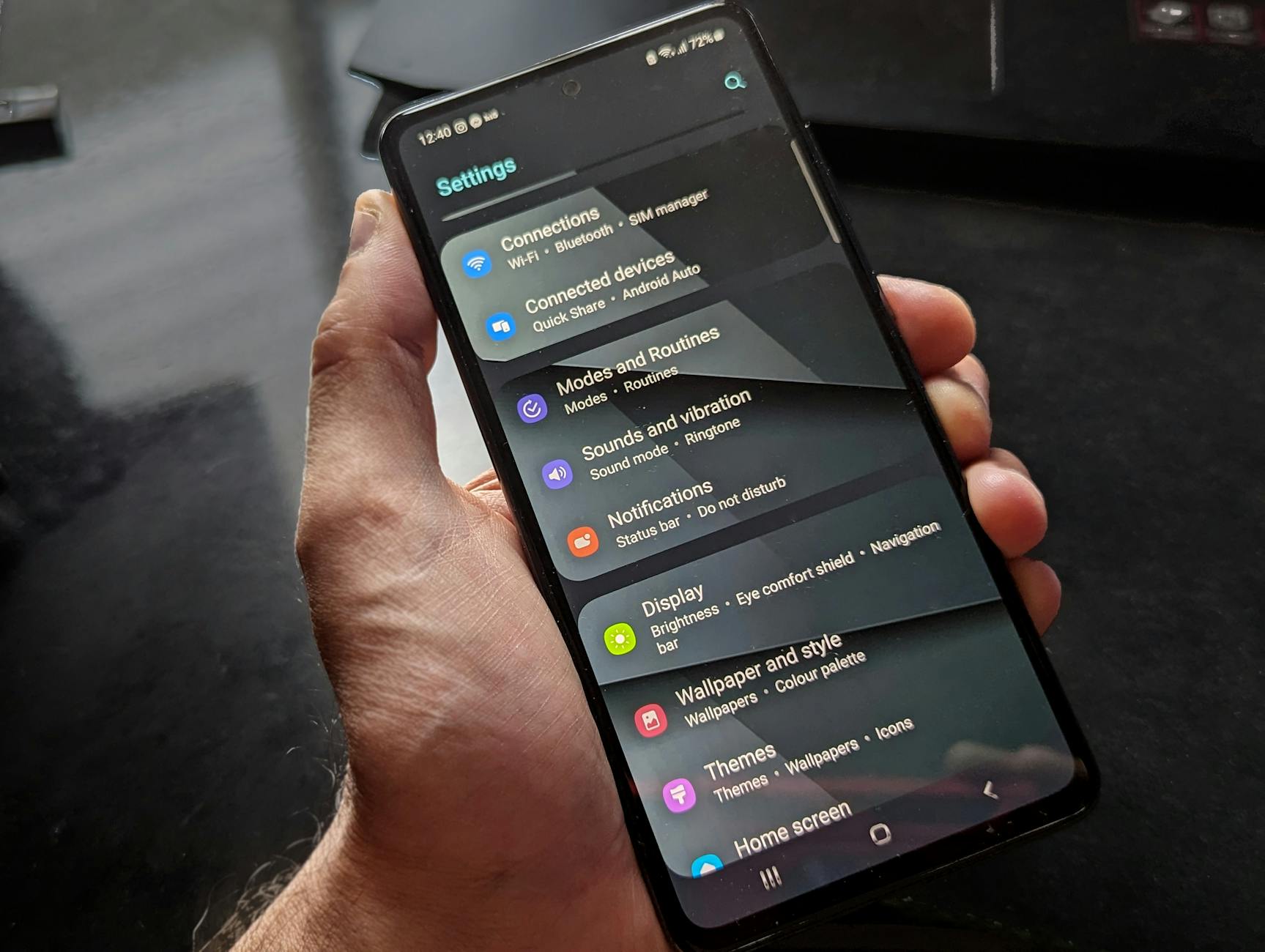 Photo by Watford London Media
Toggle airplane mode and restart devices
A quick reset of wireless radios can clear stubborn connection hiccups. Turn on Airplane Mode for about 10 seconds, then turn it off to reset WiFi and cellular radios. Do this on the phone first, then restart the router. If you’re using an Android phone or iPhone, the steps are simple:
- On the phone: swipe down or up to access the quick settings, enable Airplane Mode, wait 10 seconds, and disable it. Then restart the device to ensure all radios start fresh.
- On the router: unplug the router for about 15 seconds and plug it back in. Allow a minute for it to boot up fully, then test the saved network on your phone again.
- After trying this, recheck the connection in a stable environment, ideally at home where you know the network works.
If you want authoritative guidance on forget and rejoin workflows, see Apple’s article on forgetting Wi-Fi networks for iPhone and iPad: Forgetting a Wi‑Fi network and Apple’s general Wi‑Fi connection guidance: Connect to Wi‑Fi on your iPhone or iPad.
Forget the network and reconnect
Sometimes the saved network carries outdated settings that block a clean handshake. Forgetting the network clears old config, then reconnecting forces a fresh credential exchange.
- On iPhone: Settings > Wi‑Fi, tap the active network, choose Forget This Network, then confirm. Reconnect by selecting the network again and entering the password.
- On Android: Settings > Network & internet > Wi‑Fi, long-press the network name, choose Forget, then reconnect with the correct password.
- After you reconnect, verify that the router isn’t blocking the device with MAC filtering or other security checks. If you run into trouble, Apple’s guidance on connecting to Wi‑Fi provides a reliable reference: If you can’t connect to Wi‑Fi on your iPhone or iPad.
This approach also aligns with the official procedures for forgetting networks on other Apple devices, ensuring you maintain consistency across your ecosystem: How to forget a Wi‑Fi network on iPhone, iPad, Mac, or Apple Vision Pro.
Check for updates on your phone and router firmware
Software updates fix bugs that can disrupt saved networks. After updates, a quick review of network settings often clears the path to normal connectivity.
- On your phone: Install the latest OS update. On iPhone, Settings > General > Software Update. On Android, Settings > System > System update.
- On your router: Check the admin page for firmware updates and apply any available version. Some routers push updates automatically, but a manual check ensures you’re not missing a critical fix.
- After updating, rejoin your saved networks. If needed, forget the network, then reconnect with the correct password.
- Test connectivity in multiple locations to confirm the issue is resolved and not isolated to one environment.
For guidance on iPhone updates and network behavior after updates, Apple’s support articles are a solid reference: If you can’t connect to Wi‑Fi on your iPhone or iPad and Connect to Wi‑Fi on your iPhone or iPad. If you want more general troubleshooting after updates, DEV Community offers a thorough walkthrough: How to Fix Problems with WiFi Connection: Complete Troubleshooting Guide.
Disable VPN or Private Relay during testing
VPNs and Private Relay can interfere with local network discovery and access. When you’re testing saved networks, disable these features to see if they’re the root cause.
- On iPhone: Settings > Privacy > Private Relay, turn it off temporarily for testing. If needed, revert after testing to preserve privacy.
- On Android: Disable any VPN apps you’ve installed, or turn off system VPNs in Settings > Network & internet > VPN.
- If the connection improves without these features, re-enable them one by one to identify the exact interaction that breaks the network.
Apple provides specific guidance on Private Relay and network impact: Manage iCloud Private Relay for specific websites and networks. You can also review how to enable or disable Private Relay here: How to Turn On/Off Private Relay on iPhone. If you need to adjust settings for particular networks, Apple’s official support articles are the most reliable source: Connect to Wi‑Fi on your iPhone or iPad and If you can’t connect to Wi‑Fi on your iPhone or iPad.
Tips for testing with privacy features off:
- Perform a controlled test in a single location with a stable router to minimize variables.
- Re-enable VPNs or Private Relay one at a time after testing to confirm stability and capture a baseline case for future reference.
If you still see issues after these quick checks, you may be dealing with a more persistent misconfiguration. Apple’s and Google’s official support pages cover deeper steps to reset network settings and reconfigure connections: Forget a Wi‑Fi network on iPhone, iPad, Mac, or Apple Vision Pro and a broader network reset option described in Apple’s Wi‑Fi guidance: If you can’t connect to Wi‑Fi on your iPhone or iPad.
What to do if problems persist
- Re-check credentials and security settings on the router. In some cases, you’ll want to confirm the network name (SSID) and the exact password.
- Consider resetting network settings on your phone. This clears stale configs and often resolves stubborn issues. Do this only after backing up important settings, as you’ll need to re-enter Wi‑Fi passwords afterward. Apple’s article covers this reset step as part of broader troubleshooting: If you can’t connect to Wi‑Fi on your iPhone or iPad.
If you’d like a broader, device-agnostic checklist, you can explore a comprehensive Wi‑Fi troubleshooting guide from a respected community resource: How to Fix Problems with WiFi Connection: Complete Troubleshooting Guide. This can help you identify edge cases and keep your smartphone connected more reliably.
In short, most saved network problems boil down to a mix of credentials, router settings, and the device’s current state. A methodical approach—airplane mode reset, forget and reconnect, updates, and disabling privacy features during testing—will fix the majority of cases without diving into complex changes. If you’re dealing with a stubborn router or a persistent bug after an update, resetting the network settings on your phone is often the final, effective step. You’ll rejoin networks quickly after that, with the passwords you already know. For iOS users, Apple’s official steps provide a reliable path to resolution: How to forget a Wi‑Fi network and Connect to Wi‑Fi on your iPhone or iPad.
Android specific fixes for saved networks not connecting
When your Android phone remembers a network but won’t join or stay online, it can be frustrating. The fix often lies in simple, non-destructive steps that reset the device’s WiFi behavior without erasing all your data. Below you’ll find practical, Android-focused actions you can take to get saved networks connecting reliably again. Keep in mind that some steps require re-entering passwords after reset, so have them handy.
Disable power saving mode and optimize WiFi settings
Power saving modes can curb background tasks that keep WiFi alive, causing saved networks to stall during the handshake. On Android, start by turning off aggressive battery optimizations for WiFi and related services, then ensure the device keeps WiFi awake during use.
- Turn off any battery saver or adaptive battery features temporarily and test the connection.
- In Settings, go to WiFi preferences and set “Keep Wi-Fi on during sleep” to Always or Always when plugged in.
- If your device has a data saver mode, disable it while testing. This prevents apps from throttling network access in the background.
- Ensure the network is set to a stable preference by avoiding overly aggressive sleep timers for the screen.
If you’re unsure where to look, you can start by checking Settings > Battery > Battery saver and Settings > Network & Internet > WiFi. These steps help keep the smartphone’s WiFi radio active long enough to complete the handshake with the router. For a broader look at Android network settings, How-To Geek’s guide offers a clear path: reset network settings on Android and related steps. https://www.howtogeek.com/710873/how-to-reset-network-settings-on-android/
Reset network settings
A network reset clears saved networks, Bluetooth pairings, and mobile data settings. It is a safe next step when a stubborn saved network won’t connect. After the reset, you’ll need to rejoin networks and re-pair Bluetooth devices, so keep passwords handy.
- Open Settings and find System or Backup & reset, then choose Reset network settings.
- Confirm the action and wait for the device to reboot.
- Reconnect to your saved networks with the correct password and test stability.
This approach is commonly recommended for Android devices and aligns with guidance from Android troubleshooting sources. It’s a clean slate that can resolve conflicts caused by lingering, misconfigured network entries. If you’d like a reference, you can check a practical Android reset network settings guide here: https://www.androidpolice.com/reset-network-settings-android-ios/
Clear cache after major updates
Significant OS updates can leave minor cache files that interfere with networking. A non-destructive cache wipe helps the network stack start fresh without touching personal data.
There Is a Frequency That the Wealthiest Families Have Used for Generations and Most People Will Never Know It Exists
>>> Open the Door <<<
- Clear system cache or perform a cache partition wipe if your device supports it through recovery mode. This is generally non-destructive for your apps and files.
- After clearing cache, reboot and rejoin saved networks.
- If your device offers a “cached data” option in Storage settings, a light purge can help without a full reset.
Keep the process simple: a cache clear after a major update can reduce odd behaviors without risking your data. For Pixel and Samsung users, 2025 updates have prompted such cleanups more often, so staying on top of patches can help long term. For reference on how to reset network-related caches, see Pixel and Samsung guidance on WiFi connection troubleshooting in recent threads: https://support.google.com/pixelphone/community-guide/241976118/troubleshooting-wifi-connectivity-problems?hl=en and https://us.community.samsung.com/t5/Galaxy-S23/Wifi-Issues-after-the-April-2025-Update/td-p/3214396
Use Safe Mode to identify conflicting apps
Safe Mode disables third party apps and services, letting you see if another app is causing the issue. If WiFi connects in Safe Mode, a recently installed app is likely the culprit.
- On most Android phones, press and hold the power button, then tap and hold “Power off” until Safe Mode appears. Confirm to reboot into Safe Mode.
- Test the saved networks in Safe Mode. If the network works, gradually restart apps or services to identify the offender.
- Once you identify the app, uninstall it or disable it to restore normal connectivity.
If you need a quick reference, Pixel and other Android forums include steps to boot into Safe Mode and test network behavior. See Google Pixel Community threads for guidance: https://support.google.com/pixelphone/community-guide/241976118/troubleshooting-wifi-connectivity-problems?hl=en
Note on 2025 Android updates
Some 2025 Android updates caused WiFi glitches for a subset of users. Pixel and Samsung devices reported intermittent issues after major patches, so applying subsequent updates and checking known issue notes is smart.
- After an update, recheck saved networks and rejoin as needed.
- Look for patched releases that address WiFi stability and apply them promptly.
- Monitor device maker notes or official support pages for known issues and recommended workarounds.
If you want quick references on post-update WiFi behavior, you can explore Samsung and Pixel community discussions and official support notes. For Samsung users, see reports of WiFi issues after the April 2025 update: https://us.community.samsung.com/t5/Galaxy-S23/Wifi-Issues-after-the-April-2025-Update/td-p/3214396. For Pixel users, Google’s troubleshooting threads offer practical steps: https://support.google.com/pixelphone/thread/239525852/wifi-keeps-turning-off-also-doesn-t-work-in-safe-mode?hl=en and https://support.google.com/pixelphone/answer/6183600?hl=en
Remember, 2025 patches can change how WiFi behaves on your device. Keeping a watchful eye on update notes helps you catch a bug early and apply the right fix.
What to test after applying these Android-specific fixes
- Reconnect to your saved networks and confirm the handshake completes.
- Test in multiple locations to rule out router-specific quirks.
- If you still see problems, repeat the steps in a slightly different order or combine them (for example, disable Battery Saver, then reset network settings, then rejoin).
- Keep a quick log of what you changed and when; it makes it easier to reproduce a fix later.
If you’d like a broader, device-agnostic checklist, you can explore a comprehensive WiFi troubleshooting guide from a reputable source like DEV Community: https://dev.to/bryan_collins_abcd0214d94/how-to-fix-problems-with-wifi-connection-complete-troubleshooting-guide-3jhn
From here, you’ll have a reliable path to restore saved network connections on most Android phones. If the problem persists after trying these steps, the next move is to investigate device-specific quirks and consult official support for your exact model. For example, Samsung’s and Google’s communities often reveal model-specific tips after major updates.
iPhone and iOS specific fixes for saved networks not connecting
When a saved network on your iPhone fails to connect, it can be frustrating. This section focuses on iPhone and iOS specific fixes that address the unique ways Apple handles WiFi, network settings, and privacy features. Use these steps in order, testing connection after each action. A calm, methodical approach often restores reliable access without a full reset.
Reset network settings on iPhone and rejoin networks
Resetting network settings on a iPhone can clear stubborn misconfigurations that blocking a handshake with your router. It does not erase your apps or data, but it does remove saved WiFi networks, Bluetooth pairings, and network-related preferences. After the reset, you must rejoin networks and re-enter their passwords.
- How to reset:
- Open Settings.
- Tap General.
- Scroll to Transfer or Reset iPhone and choose Reset.
- Tap Reset Network Settings and confirm.
- What gets reset:
- All saved WiFi networks and their passwords.
- Paired Bluetooth devices.
- VPN and cellular settings that affect network behavior.
- After the reset:
- Reconnect to your WiFi networks and re-enter passwords as needed.
- Reconfigure any VPNs or private network profiles you use.
- Quick tip: if a network name or password has changed, this reset helps clear stale data that previously blocked access. For reference on the reset process, Apple’s support article is a solid guide: https://support.apple.com/en-us/111786
This approach works well when you’ve tried the basics and suspect something in the hidden network state has gone off the rails. A fresh start often makes the difference.
Forget saved networks and re-add them
Forgetting a saved network forces a clean credential exchange. It eliminates stale entries that might still be interfering with a proper handshake.
- Steps on iPhone:
- Go to Settings > Wi‑Fi.
- Tap the network you’re connected to, or the “i” button next to it.
- Choose Forget This Network, then confirm.
- Reconnect by selecting the network again and entering the password.
- After rejoining:
- Verify the password is correct with no typos, and ensure you’re connecting to the right network (some routers broadcast multiple SSIDs).
- Pro tips:
- If you’re unsure about the password, check the router label or batch of saved credentials in your router’s admin page.
- If you use MAC address filtering on the router, ensure your iPhone is allowed again after forgetting the network.
- For reference on how to forget a Wi‑Fi network across Apple devices, see Apple’s guide: https://support.apple.com/en-us/102480
Regaining a clean handshaking process often resolves the issue quickly. It also makes future changes easier to troubleshoot.
Address iOS 2025 issues and update impact
iOS updates can bring temporary WiFi quirks. In 2025, some iPhone users reported WiFi instability after major iOS updates, especially on the iPhone 17 series with new hardware. Patches usually follow, but you should test after each update to confirm stability.
What to do after an update:
- Check for the latest patch. On iPhone, go to Settings > General > Software Update.
- Forget and rejoin saved networks if you notice issues.
- Try the network at different locations to see if the problem is device specific or location dependent.
- If the problem persists, resetting network settings often resolves lingering misconfigurations.
If you want a reference on updates and network behavior, Apple provides guidance on WiFi and updates: https://support.apple.com/en-us/111786 and general Wi‑Fi guidance: https://support.apple.com/en-us/111107. For a broader troubleshooting perspective after updates, DEV Community offers a complete walkthrough: https://dev.to/bryan_collins_abcd0214d94/how-to-fix-problems-with-wifi-connection-complete-troubleshooting-guide-3jhn
When you update, keep an eye on subsequent patches. If a specific issue remains after a patch, Apple Support often provides targeted fixes in later releases.
The role of Private Relay and router compatibility on iPhone
Private Relay and router compatibility can influence how well an iPhone connects to local networks. Private Relay is designed to protect privacy, but in some setups it may interfere with local network discovery or access with certain routers.
- Private Relay impact:
- Temporarily disable Private Relay to see if local network connections improve. Go to Settings > Privacy > Private Relay and toggle it off for testing.
- If the network works without Private Relay, re-enable it afterward and adjust per-network settings as needed.
- Router compatibility:
- Some routers or mesh systems expose features that clash with iPhone settings. Ensure firmware is up to date and consider testing with a basic router to isolate the issue.
- Practical steps:
- Test with Private Relay off, then with it on a few networks to identify any pattern.
- If you rely on a specific router feature, check the router’s compatibility notes with iOS devices and apply any recommended settings.
Helpful references:
There Is a Frequency That the Wealthiest Families Have Used for Generations and Most People Will Never Know It Exists
>>> Open the Door <<<
- Private Relay guidance and its network impact: https://support.apple.com/en-us/102022
- General WiFi connection guidance for iPhone: https://support.apple.com/en-us/111107
In many home setups, a short test with privacy features off helps quickly identify the root cause.
Images
 Photo by Brett Jordan
Caption: Smartphone controls at a glance, a reminder that tiny settings can fix big network headaches.
External resources
- For forgetting a Wi‑Fi network on iPhone and iPad: https://support.apple.com/en-us/102480
- Connect to Wi‑Fi on iPhone or iPad: https://support.apple.com/en-us/111107
- Reset iPhone settings to defaults: https://support.apple.com/en-ca/guide/iphone/iphea1c2fe48/ios
- Recommended settings for Wi‑Fi routers and Apple devices: https://support.apple.com/en-us/102766
If issues persist after these checks, you’re not alone. The path to a reliable connection is often a few deliberate steps: confirm credentials, reset or re-add networks, review update behavior, and test with privacy features temporarily off. The goal is a stable, predictable connection across your iPhone and its network.
When the problem might be hardware or router related
If your saved networks won’t connect despite multiple attempts, the problem may lie with the router itself or the hardware in your home or office. In many cases, the root cause isn’t the phone. A few targeted checks can reveal whether the issue sits in the device, the router, or the network environment. Below you’ll find practical steps to isolate a hardware or router related problem and avoid chasing software quirks that aren’t there.
Test on another network to confirm the issue
The fastest way to distinguish hardware from network trouble is to try a different network. Move away from your home WiFi and connect your phone to a different WiFi network, such as a neighbor’s or a public hotspot, if security allows. Observe whether the saved network on your device connects and stays online on the new network. If the problem follows the device across networks, the phone is more likely at fault. If the new network works normally, the issue is almost certainly with your router or home network setup.
- Steps to perform:
- On your phone, join a different WiFi network and test basic tasks like loading a webpage or streaming a short video.
- Return to your home network and re-test to confirm consistency.
- Note any patterns, such as the issue only appearing with certain router settings or only on certain bands.
If you need a practical reference, Apple’s guidance on connecting to WiFi and managing router settings provides solid context for both iPhone users and troubleshooting in mixed ecosystems. See their router recommendations here: https://support.apple.com/en-us/102766. For broader WiFi troubleshooting practices, DEV Community offers a comprehensive troubleshooting guide you can skim for relevant tips: https://dev.to/bryan_collins_abcd0214d94/how-to-fix-problems-with-wifi-connection-complete-troubleshooting-guide-3jhn.
Check router settings and firmware
Many connection hiccups boil down to router configuration. A quick audit of common router settings can reveal blocks that prevent a smartphone from joining or staying connected. Use this checklist to guide your review:
- MAC filtering: Ensure your device’s MAC address is allowed on the network. If MAC filtering is enabled and your phone isn’t listed, add it or temporarily disable filtering to test.
- Security mode and password: Verify the security type (WPA2/WPA3) and ensure the password hasn’t changed. Some older devices struggle with newer security configurations, or vice versa.
- Firmware version: Run a firmware check on the router’s admin page. If a newer version is available, install it. Firmware updates fix bugs and improve compatibility with modern devices.
- IP assignment method: Confirm the router is using a compatible DHCP range and there are enough addresses for connected devices. A crowded pool can cause devices to fail obtaining an IP address.
- Band selection and smart home devices: If your router uses dual bands, test whether the issue occurs on 2.4 GHz, 5 GHz, or both. Some devices have trouble on one band but connect fine on the other.
- Guest network isolation: If you’re using a guest network, verify it allows client devices to access the internet and local resources as needed.
If updating firmware, follow the manufacturer’s instructions and reboot after the update. After adjusting settings, forget and rejoin the saved networks on your smartphone to ensure the new configuration takes effect. For authoritative guidance on router settings and Apple devices, refer to Apple’s recommended settings for Wi‑Fi routers and access points: https://support.apple.com/en-us/102766.
If you’re troubleshooting in a mixed ecosystem, a practical external reference can help you map router behavior to device responses: an in-depth Wi‑Fi troubleshooting guide from a reputable source like DEV Community: https://dev.to/bryan_collins_abcd0214d94/how-to-fix-problems-with-wifi-connection-complete-troubleshooting-guide-3jhn.
When to consider hardware repair or replacement
If testing on another network points to the phone as the likely breaker, or if multiple networks expose the same symptom, you may be looking at a hardware issue or a failing router. Here are scenarios that suggest hardware evaluation is wise:
- Persistent instability across multiple routers or access points. If you’ve tried different hardware and the problem remains, the fault may be in the phone’s radio or antenna hardware or in a component that handles WiFi.
- Physical damage or heat issues. Phones that overheat or have visible damage can exhibit degraded wireless performance.
- Router hardware nearing end-of-life. If your router is several years old, it may not handle newer security standards or multiple devices well.
- Network interface degradation. Some devices show “connected, no internet” even when the router seems fine; this can indicate a failing WiFi chip or a broken antenna.
In these cases, reach out to the device manufacturer or the router maker for diagnostics and possible replacement options. If you’re within a warranty window, filing a claim can save time and cost. For a broader view of what to expect when hardware is the issue, Apple’s support resources and community discussions provide useful context on device-level connectivity problems: https://support.apple.com/en-us/111786 and related threads in the Apple support ecosystem.
How to approach a hardware or router support path
When you suspect hardware or router problems, a structured support approach helps you move quickly to a resolution:
- Document symptoms and steps you’ve already tried. A concise log helps the support rep reproduce and diagnose the issue faster.
- Collect model information. Note your phone model, router model, firmware version, and the network’s SSID and security type.
- Check warranty status. If the router or device is still under warranty, insist on a replacement or repair option.
- Contact the right party. Start with the device manufacturer for phones, then the router maker if the issue clearly hinges on the router. Your ISP can help if the router is provided as part of your service.
If you want a reliable starting point for device-specific support and reset options, Apple’s and Google’s official guidance can be very helpful. For example, Apple’s support page on forgetting a Wi‑Fi network and Connect to Wi‑Fi on iPhone or iPad offers clear steps you can share with readers: https://support.apple.com/en-us/102480 and https://support.apple.com/en-us/111107.
External reading can also broaden your understanding of how to approach persistent hardware problems. DEV Community’s comprehensive WiFi guide remains a solid reference: https://dev.to/bryan_collins_abcd0214d94/how-to-fix-problems-with-wifi-connection-complete-troubleshooting-guide-3jhn.
Key takeaways:
- Hardware or router problems often show up when the issue follows the device across networks or when multiple networks fail to deliver reliable access.
- A quick router settings audit and a firmware update can resolve many problems without touching your phone.
- If all else fails, reach out for hardware diagnostics or replacement options while keeping a close eye on warranty terms.
External resources:
- Recommended router settings for Apple devices: https://support.apple.com/en-us/102766
- How to fix WiFi problems with a complete troubleshooting guide: https://dev.to/bryan_collins_abcd0214d94/how-to-fix-problems-with-wifi-connection-complete-troubleshooting-guide-3jhn
By staying methodical and using these steps, you can quickly determine whether the issue is hardware related and move toward a durable fix that keeps your smartphone online wherever you roam.
Conclusion
Most saved network problems come from simple software or settings misalignments, not hardware failure. A quick sequence—airplane mode reset, forget and reconnect, check for updates, and test with privacy features off—solves the vast majority of cases for your smartphone. If issues persist, a network settings reset on the device often clears the last stubborn hiccup without risking your data.
Try the steps in order, then share what worked for you in the comments. A small, methodical approach can restore a reliable connection across home and on the go. If you found a specific trick that helped, tell other readers so they can fix it faster.
What If the Only Thing Between You and the Life You Deserve Is a Hidden Wealth Code Waiting to Be Activated
>>> Open the Door <<<
