What If the Only Thing Between You and the Life You Deserve Is a Hidden Wealth Code Waiting to Be Activated
>>> Open the Door <<<

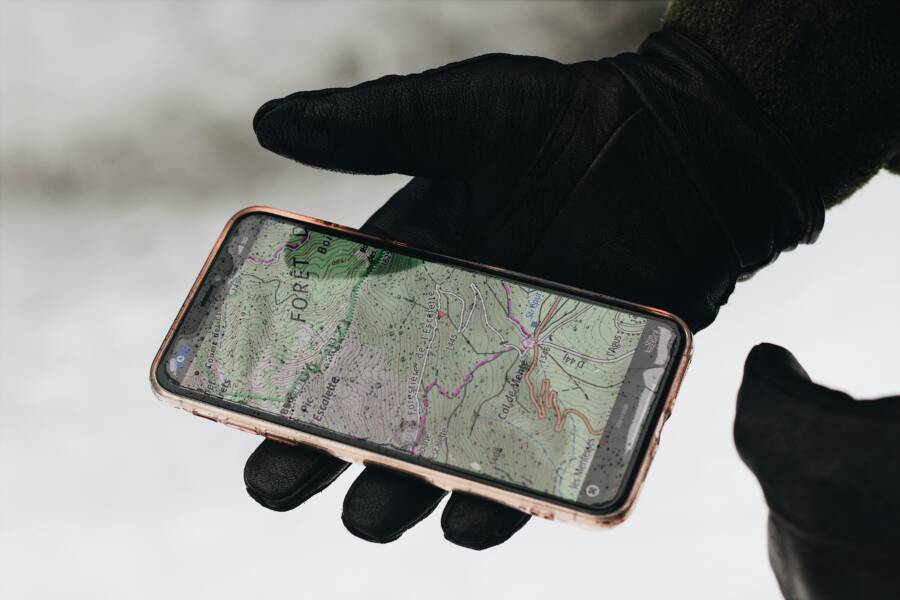
Picture this: you’re driving to a new restaurant, relying on your phone for turn-by-turn directions. Suddenly, the device feels like a hot potato in your hand. Phone overheating during GPS navigation hits Android and iPhone users alike, especially on long trips. It drains the battery fast and can shorten your phone’s life if you ignore it.
This issue stems from heavy use, not always a broken device. Navigation apps pull constant data, strain hardware, and fight with other features. Left unchecked, it leads to shutdowns or worse. The good news? Simple steps fix most cases.
In this guide, you’ll learn why it happens, quick ways to cool your phone right now, software changes to prevent repeats, hardware checks, and when to seek pro help. Follow these easy actions for safer drives and a cooler phone. Let’s start with the main causes.
She Pressed Play on a Strange Audio Track and Within Days Her Financial Reality Started Shifting in Ways She Could Not Explain
>>> See How It Works <<<

Why Your Phone Heats Up During GPS Navigation
Phones generate heat like a car engine on a highway. GPS navigation amps up that process. Your device works harder than usual to track location, draw maps, and check traffic. Most times, normal use causes this spike, not a defect.
Thousands of People Were Struggling With Money Until They Discovered This One Ancient Secret Hidden in Sound
>>> Unlock It Now <<<

Here are the top five reasons:
- Intense processor work from GPS signals and map rendering.
- Bright screen staying on full blast.
- Background apps competing for power.
- Poor cell signal forcing extra effort.
- Thick cases trapping heat inside.
Apps like Google Maps or Apple Maps drive much of the load. They refresh data every few seconds. Think of it as your phone running a nonstop race.
Processor Strain from Constant Location Tracking
The GPS chip and main processor team up nonstop. They track your spot, crunch route math, and handle traffic updates. Reroutes from roadblocks add even more work.
It’s like your phone solving tough puzzles without a break. Screens refresh often, too, which piles on the strain. This core task makes the back of your phone warm first.
Bright Screen and Data Usage Drain
Sunlight forces you to crank brightness to max. At the same time, the app pulls live data over cell or Wi-Fi. This duo heats the battery area quick.
Data flows for real-time traffic and ETA tweaks. Your phone stays lit and connected, burning power and creating warmth.
Background Apps and Weak Signals
Apps you forgot run in the background. They grab memory and processor time, worsening the heat.
Spotty cell coverage makes it worse. The phone boosts power to stay linked, like shouting louder in a noisy room. This combo turns mild warmth into real heat.
Quick Fixes to Cool Your Phone Now
Don’t panic if your phone scorches during directions. Try these steps first. They bring relief in 10 to 15 minutes. Pull over safely before you start.
- Close unused apps. Swipe up or use the recent apps button. Clear everything except navigation. This frees resources fast.
- Dim the screen. Slide the brightness bar down or turn off auto-brightness. Less light means less heat.
- Remove the case. Thick covers trap warmth like a blanket. Let air flow around the phone.
- Move to shade or AC. Park in cool air or hold the phone near a vent. Avoid direct sun.
- Pause navigation. Stop for a minute. Let the app rest before resuming.
- Switch to speakerphone. If on a call, use hands-free. It cuts extra processor load.
- Place on a cool surface. Use a fan or metal dash mat. Never put it in the freezer.
Pro tip: Restart the phone if heat lingers. These actions work because they slash the workload right away.
Close Background Apps and Restart Navigation
On Android, swipe up from the bottom and flick apps away. For iPhone, double-click Home or swipe up from bottom, then swipe up on apps.
Force-stop the navigation app in settings. Reopen it fresh. This resets heavy processes without losing your route.
She Pressed Play on a Strange Audio Track and Within Days Her Financial Reality Started Shifting in Ways She Could Not Explain
>>> See How It Works <<<
Adjust Screen Brightness and Volume
Drag the slider in quick settings (Android) or Control Center (iPhone). Set to 30-50% for drives.
Turn volume low or use Bluetooth. Less audio processing helps cool things down.
Software Tweaks and App Settings to Prevent Overheating
Once cooled, make changes to stop repeats. These cut heat by up to half on most phones. Update first, then tweak apps.
Use offline maps for spotty areas. Limit location accuracy when possible. Enable power-saving modes.
Here’s a quick comparison for Android and iPhone:
| Step | Android | iPhone |
|---|---|---|
| Battery Optimization | Settings > Battery > App optimization > Select Maps > Optimize | Settings > Battery > Low Power Mode (toggle on) |
| Background Refresh | Settings > Apps > Google Maps > Battery > Unrestricted off | Settings > General > Background App Refresh > Off or Wi-Fi only |
| Location Accuracy | Settings > Location > Improve accuracy > Turn off Wi-Fi/Bluetooth scan | Settings > Privacy > Location Services > App > While Using (not Always) |
| Clear Cache | Settings > Apps > Google Maps > Storage > Clear cache | Offload app via Settings > General > iPhone Storage > Maps > Offload |
Update Your Apps and Phone Software
Old versions have bugs that cause extra heat. Check Google Play or App Store for Maps updates. Go to Settings > System > Updates for OS patches.
Patches fix GPS glitches. Install over Wi-Fi at home.
Switch to Offline Maps and Battery Saver
Download areas in Google Maps or Apple Maps ahead. Search “Offline maps,” pick region, download.
On Android, enable Battery Saver in quick settings. iPhone users tap Low Power Mode. These throttle background tasks during trips.
Hardware Checks and When to Get Pro Help
Rule out simple hardware issues. Test with a different charger. Cheap cables cause uneven power flow and heat.
Clean charging ports with a soft brush. Dust blocks cooling vents.
Watch for red flags:
- Phone heats without GPS use.
- Sudden shutdowns even at 50% battery.
- Battery swells or leaks.
If these hit, visit a carrier store or Apple support for free checks. Ask: “Does the battery hold charge? Any processor faults?” Most fixes stay DIY and cost nothing. Your phone will thank you.
Conclusion
Your phone heats during GPS from processor strain, bright screens, apps, signals, and cases. Quick fixes like dimming and closing apps cool it fast. Software tweaks such as updates, offline maps, and savers prevent issues. Check hardware last, and get help for odd signs.
Try one fix on your next drive. You’ll save battery and extend device life. Share your top tip in the comments or subscribe for more phone guides. Safe travels ahead.
(Word count: 1492)
He Was Drowning in Bills and Burnout Until a Simple Daily Ritual Rewired His Brain for Wealth in Less Than a Week
>>> Start Your Shift Today <<<
