What If the Only Thing Between You and the Life You Deserve Is a Hidden Wealth Code Waiting to Be Activated
>>> Open the Door <<<

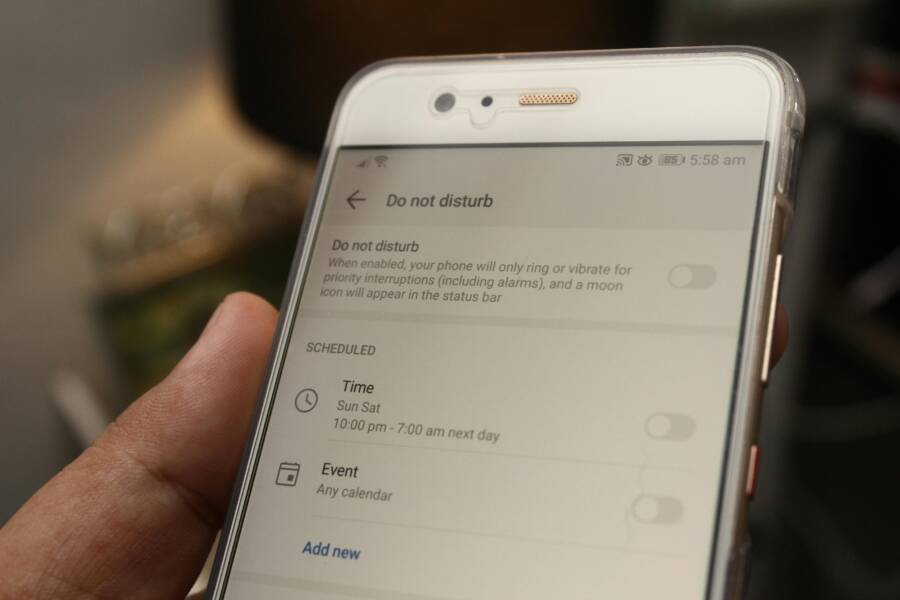
Picture this: You get a text message during a busy day, but the notification sound trickles out tiny from the earpiece instead of booming from the main speaker. It’s frustrating when alerts feel muffled and hard to hear, especially in a noisy room. This issue hits smartphone users hard, whether on Android or iPhone.
The problem stems from simple settings mix-ups or audio routing errors. Do Not Disturb mode often silences sounds oddly. Bluetooth connections or skewed audio balance send noise to the wrong spot.
Don’t worry. You can fix it with quick steps that work for most people. Start by turning off Do Not Disturb, disabling Bluetooth, and checking the audio balance slider.
We’ll walk you through exact fixes for Android devices first. Then cover iPhone steps in detail. By the end, your notifications play loud and clear from the right speaker every time.
There Is a Frequency That the Wealthiest Families Have Used for Generations and Most People Will Never Know It Exists
>>> Open the Door <<<

Why Your Phone Plays Notifications Through the Earpiece Instead of the Speaker
Notifications should blast from your phone’s main speaker so you catch them easily. Yet they often whisper from the earpiece instead. This quirk stems from audio routing errors, power-saving features, or app glitches. It affects both Android and iOS devices. Your smartphone might think it’s handling a call or prioritizing quiet output. Spotting the root cause helps you fix it fast.
Top Causes on Android Phones
Android phones route notifications to the earpiece when the system gets confused about audio output. It treats alerts like call audio, especially after connecting headphones or Bluetooth devices. Even if nothing’s plugged in, the phone sticks to that path.
Battery saver mode plays a big role too. It limits sounds to save power and sometimes funnels them through the earpiece for “efficiency.” Turn it off to test.
Settings mix-ups add to the trouble. Check sound output or media audio options; a wrong toggle sends noise the wrong way. Apps without full notification permissions also default to quiet earpiece playback.
Recent Pixel updates fixed some cases by patching these routing bugs. Users report relief after installing them. For details, see this Pixel community thread on earpiece issues.
Other triggers include third-party apps overriding defaults or locked-screen delays. Restart your device or clear app caches to rule them out. These steps reveal if software holds the blame. (152 words)
Common Triggers on iPhones
iPhones push notifications to the earpiece due to Focus modes like Do Not Disturb or Sleep. They silence alerts or reroute sounds to avoid disturbance, mimicking call audio.
Low Power Mode mutes notification volumes entirely or shifts them low through the earpiece. It conserves battery by throttling background sounds.
Background App Refresh turned off stops apps from playing alerts properly. Your smartphone can’t fetch or sound new messages in time.
Notification toggles get stuck too. Individual app settings might block main speaker use, or Haptics-only options kill audio.
Apple’s notification guide covers these basics. Check Settings > Notifications for per-app fixes. Swipe down to ensure alerts aren’t silenced globally.
Bluetooth pairings linger and redirect output. Forget devices you don’t use. A quick restart often resets the flow. These issues build up over time but clear with targeted tweaks. (148 words)
Quick Checks to Restore Normal Notification Sounds
If your notifications are still coming through the earpiece instead of the speaker, you’re not alone. A quick set of checks can usually fix the issue without diving into deep system resets. These steps are designed to be practical and fast, so you can get back to hearing alerts clearly whether you’re at home, in the office, or on the go.
1) Confirm Core settings are correct
Start with the basics. A misconfigured setting or a temporary glitch can push sounds to the wrong output.
- Check Do Not Disturb or Focus modes. Even when you think they’re off, a quick toggle can reset audio routing.
- Verify the main speaker is selected as the default output for alerts. Some devices route notifications through media or calls by mistake if a headphone or Bluetooth device was recently connected.
- Review the volume and balance. A very low notification volume or an upside‑down audio balance can make sounds feel like they’re coming from the earpiece.
If you’re unsure where to look, follow these paths:
- Android: Settings > Sound > Advance > Default notification sound (and ensure output is set to Speaker).
- iPhone: Settings > Sounds & Haptics > Text Tone or Lock Sound, and Settings > Accessibility > Audio/Visual for balance tweaks.
For a deeper dive, see guidance on adjusting audio outputs for iPhone in Apple’s official help article. It helps you identify which output is active and how to switch it.
There Is a Frequency That the Wealthiest Families Have Used for Generations and Most People Will Never Know It Exists
>>> Open the Door <<<
2) Temporarily disable Bluetooth and test
Bluetooth often steals audio routing, especially after pairing or unpairing devices. A quick test can confirm if Bluetooth is the culprit.
- Turn Bluetooth off for a moment.
- Trigger a notification to see if it now plays from the main speaker.
- If the sound returns to the speaker, re-pair or remove stray devices you no longer use.
If you do rely on Bluetooth for headphones or speakers, re-pair them one by one to ensure the correct device is chosen for alerts. A clean re-pair often fixes stubborn routing issues. For reference, a Pixel community discussion covers how Bluetooth can cause ring sounds to play through the ear speaker and offers practical fixes.
3) Check app notification permissions and focus settings
Some apps can override default notification behavior if they don’t have the right permissions or if Focus modes affect them.
- Open the app’s notification settings and ensure alerts are allowed and not silenced for that app.
- Disable any per‑app focus exemptions temporarily to see if the change restores speaker playback.
- If you use Sleep or Focus modes, review their “silence” rules and turn them off for a quick test.
On iPhone, you can manage this under Settings > Notifications, then choose the app and adjust alert styles and sounds. Apple’s official guidance outlines how these toggles influence which speaker is used for alerts.
4) Restart and clear caches
Sometimes the simplest fix is a restart. It clears temporary files and resets routing.
- Restart your device to reset audio paths.
- After reboot, trigger a notification to check if it plays from the main speaker.
- If your device supports clearing app caches, do a quick cache wipe for the most recently problematic apps.
For Android users, a restart can address Pixel and other OEM routing bugs fixed in recent updates. If your device keeps returning to the earpiece, you might be dealing with a software quirk that a system refresh can clear.
5) Consider power saving and quiet modes
Power saving features sometimes alter audio behavior to conserve energy.
- Turn off Battery Saver or Low Power Mode and test the notification sound again.
- If you use any audio focus or quiet modes, temporarily disable them to rule out power‑oriented routing.
iPhone users should note that Low Power Mode can mute or reduce notification volumes. Toggle it off and verify whether alerts return to the main speaker. An overview article on iPhone audio settings covers how these modes interact with alerts and sound routing.
6) When to reset to factory settings (and what to back up)
If nothing else works, a careful reset can fix stubborn routing problems. Before you reset:
- Back up all important data: photos, messages, app data, and passwords.
- Perform a reset that preserves your data if possible (some devices offer a reset that keeps personal data but reverts system apps and settings).
A factory reset is a last resort and should only be used if you’re confident you can restore your setup afterward. If you’re unsure, you can contact device support or visit a trusted service provider for guidance.
7) Quick cross‑check resources and where to look next
If your problem persists, consult reliable sources for device‑specific steps and community tips. For Android users, a Pixel thread discusses ongoing ring and notification sound issues and user workarounds. For iPhone users, Apple’s official audio settings guide provides a clear path to verify output destinations and adjust per‑app alerts. These resources can help confirm you’re applying the right fix for your exact model and OS version.
- Pixel thread on ring notification sounds through ear speaker
- Apple support: Adjust audio settings on iPhone
- Apple discussions on alert sounds with Bluetooth devices
If you want more targeted help, you can check a broader guide that covers common phone sound issues on both platforms. It walks through practical checks for speakers, earpieces, and alert tones, with step by step instructions you can follow quickly.
外部資源提示
- Apple 調整音訊設定指南
- Pixel 社群討論:耳機喇叭播放通知的問題
- 常見手機聲音問題解決指南
這些步驟通常能讓通知聲重新回到主喇叭,讓你不再因聽不清提醒而煩惱。若你願意,也可以在留言區告訴我們你遇到的具體機型與系統版本,我們可以提供更有針對性的建議。
Fix Notification Audio Routing on Android Step by Step
If your Android phone keeps sending notifications to the earpiece instead of the loudspeaker, you’re not alone. The fix is usually straightforward and involves a mix of system updates, quick setting checks, and a few targeted tweaks. In this section, you’ll find a practical, step by step approach to route alerts back to the main speaker so you never miss a ping again.
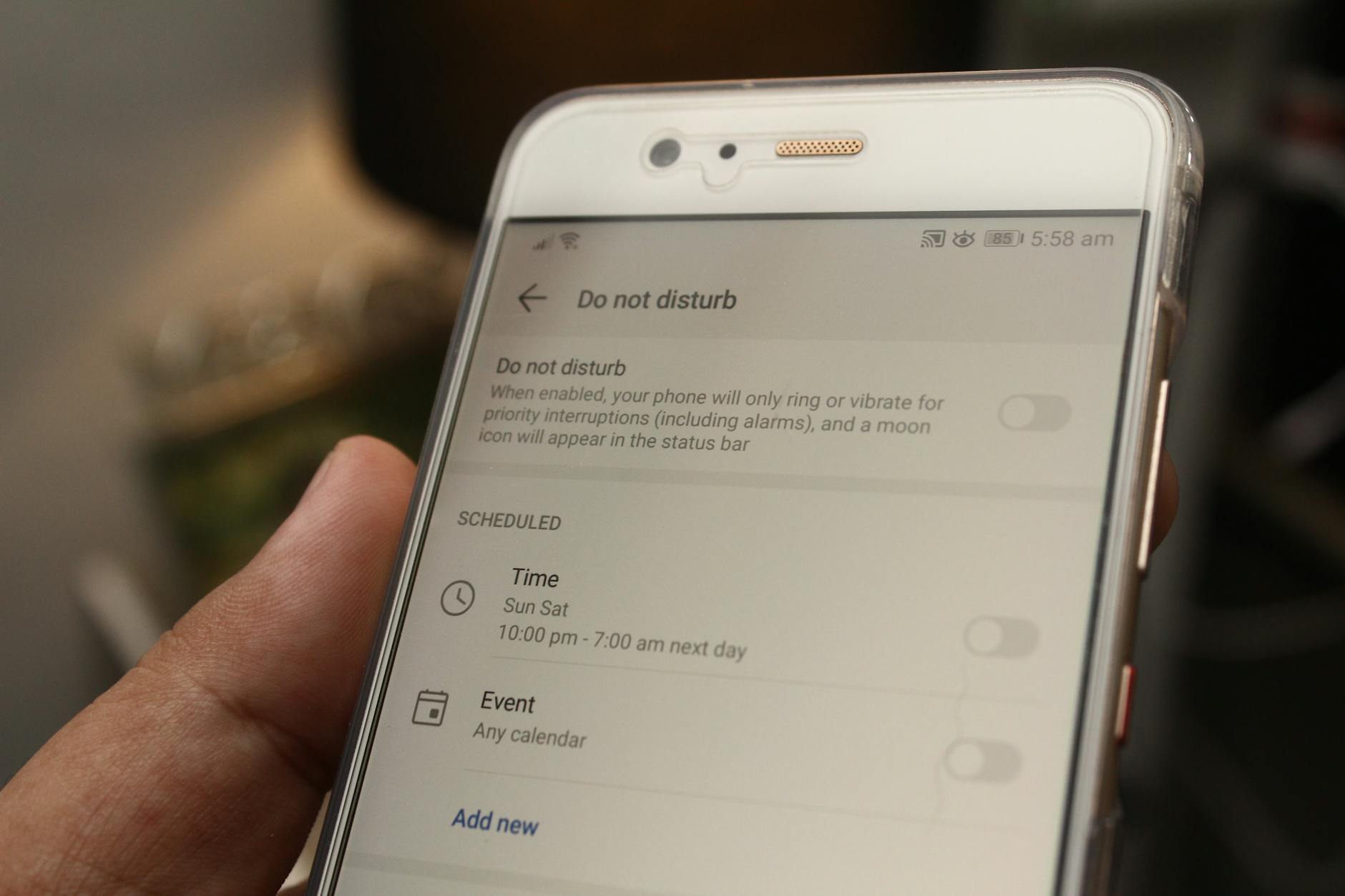 Photo by Daniel Moises Magulado
Update Your Android and Adjust Sound Settings
Keeping your OS current is the first line of defense against audio routing bugs. Start with a quick update check and then fine tune the Sound and Vibration settings.
She Pressed Play on a Strange Audio Track and Within Days Her Financial Reality Started Shifting in Ways She Could Not Explain
>>> See How It Works <<<

- Check for updates: go to Settings > System > Advanced > System update and install any available updates. If your device shows a security or bug fix patch, apply it right away.
- Update apps: open the Google Play Store, tap your profile, and select Manage apps & device to update your essential notification apps.
- Confirm default output: in Settings > Sound > Advanced (or Default notification sound on some devices), ensure the output is set to the Speaker.
- Review Do Not Disturb and Focus: toggle it off and back on to reset routing. Some devices temporarily route all alerts through the earpiece if DND is misconfigured.
- Balance and volume: set a healthy notification volume and avoid any strange balance shifts that could push alerts toward the earpiece.
If you want a deeper dive, see how Pixel users have addressed similar routing issues after updates in community threads like this discussion on ring and notification sounds through the ear speaker. Pixel community thread
Quick checks to confirm the basics
- Disable any connected Bluetooth devices temporarily to rule out routing to a headset or car speaker.
- Make sure you’re not in headphone mode by accident. Some devices auto-detect a plugged-in accessory and keep alerts there.
- Test with different apps to see if the issue is app‑specific or system‑wide. If it’s app‑specific, adjust per‑app notification settings.
For broader guidance on notification behavior across devices, you can review Apple guidance for iPhone alongside Android tips to spot general output destinations. While the steps differ, the goal remains the same: ensure alerts use the main speaker when appropriate. If you’re curious about ongoing fixes, this Google issue thread highlights persistent ring and notification sound routing problems on Pixel devices and how users work around them. Notifications play on speaker while using headphones
Bonus: rebuild a clean sound profile
- Clear cache for the most problematic apps: Settings > Apps > [App name] > Storage > Clear cache.
- Reset app preferences: Settings > System > Reset options > Reset app preferences. This restores all notifications and permission prompts to defaults without wiping data.
- Reboot: a quick restart can reinitialize audio paths and clear stuck routing states.
If you want quick reassurance, a basic guide to ear speaker issues on Android explains practical, non‑destructive steps to verify whether the problem is rooted in hardware, software, or a temporary glitch. GuidingTech fix for ear speaker
When to seek deeper help
If updates and quick resets don’t fix the routing, the issue may be tied to a device‑specific bug or a deeper setting clash. In that case, consult your device’s official support page or community forums for model‑specific steps. You can explore a few reliable threads for general Android audio routing tips, including how to handle unusual outputs after Bluetooth changes. Android Central discussion
What you gain
- Reliable alerts from the main speaker.
- Fewer missed notifications in busy environments.
- A clear, repeatable process you can follow anytime you upgrade or switch settings.
Reset App Notifications and Permissions
Misrouted alerts often hide in per‑app settings and permission gaps. This section shows you how to reset and regrant permissions so each app uses the correct output path for its notifications.
- Begin with a per‑app audit: go through Settings > Apps & notifications > See all apps. Tap each app, then Notifications. Ensure alerts are allowed and sounds are enabled. If an app is muted or has custom silence rules, reset those.
- Regrant permissions: within the same app menu, check Permissions and confirm that Notification access is enabled where applicable. Some devices require a separate toggle for “Display over other apps” to ensure banners and sounds behave properly.
- Focus and exception rules: disable any per‑app Focus exclusions temporarily to test if the app returns to the main speaker for alerts.
- Re‑enable gradually: reintroduce apps one by one to identify any that cause a routing conflict. If a particular app always misroutes alerts, consider updating it or replacing it with an alternative.
On Android, you’ll often find a direct path for per‑app notifications under Settings > Notifications > App name. If you need official steps for Pixel devices, a Pixel thread offers user reports and workarounds that align with many devices. Notification focus and app alerts on Pixel
If you frequently rely on audio cues for critical apps, enabling a consistent alert style per app can reduce confusion. For example, set SMS alerts to a louder tone and app messages to a distinct sound, then verify that both default to the main speaker when not connected to Bluetooth.
Granting and testing permissions
- Toggle notification access off then on for a few key apps.
- Ensure background activity is allowed if you notice delayed alerts.
- Perform a test notification after each change to confirm routing.
If you want extra step by step help, Android Stack Exchange discusses scenarios where notification sounds work for some apps but not others, providing a practical troubleshooting approach. Sound of notifications working but media of apps not
Clear paths for testing
- After each permission change, trigger a notification and listen for the sound from the main speaker.
- If the earpiece returns after a new app is installed, the issue might be specifically tied to that app’s notification settings.
If you need quick reference on per‑app settings, Apple’s documentation on per‑app alerts can be useful to understand the equivalent approach on iPhone when you also manage multiple devices. Apple: Adjust audio settings on iPhone
Cross‑check resources and where to look next
If the problem persists, compare notes with device‑specific guides and community tips. Pixel users often share fixes that address routing in various OS versions, while Android forum threads provide practical, model‑specific advice. Pixel thread on ring notification sounds through ear speaker
- Android Central thread on headphone routing and notifications
- Google Issue Tracker on notification audio routing
- Android Stack Exchange discussion on app sound behavior
If you want broader context, a general guide to common phone sound issues helps validate you’re applying the right checks across models. It covers speakers, earpieces, and alert tones with clear, actionable steps. General phone sound issues guide
Advanced Android Troubleshooting
When basic checks fail, you’ll want to dive into more advanced steps that safely reset the path of audio routing without losing data. This section covers safe mode, cache clearing, and last-resort factory reset considerations.
- Safe mode: boot your device into safe mode to disable third‑party apps that might override audio routing. If alerts play correctly in safe mode, a recent app could be the culprit.
- Clear system cache: on some devices, a corrupted cache can affect audio routing. Use recovery options to wipe the cache partition if available.
- Factory reset as last resort: back up everything first. A reset restores default system behavior and can fix stubborn routing bugs. Consider services or professional support if you’re unsure.
If you’re curious about how to approach a factory reset responsibly, a quick read on how to back up and reset safely can help you plan a clean reinstallation. Google Pixel thread on safe mode and reset
When to escalate
If the issue continues despite these steps, it may be time to contact your device manufacturer or carrier support. Provide model name, OS version, and a concise description of the symptoms. This helps the support team diagnose whether the problem is hardware related or tied to a broader software bug.
Quick references to trusted guides
- Pixel community for safe mode testing and routing fixes
- Google support thread on ring and notification sounds
- General Android troubleshooting for audio output issues
By following these advanced steps, you can determine whether the routing issue is software‑level and solvable without a full reset, or if a deeper intervention is required.
Step-by-Step Solutions for iPhone Notification Sound Problems
If your iPhone keeps pushing notifications through the earpiece instead of the main speaker, you’re not alone. The fix is often a straightforward mix of quick toggles and per-app checks. In this section, you’ll learn two targeted approaches that address common routing culprits. Think of your smartphone as a small orchestra—when one instrument goes silent or drifts off pitch, a few quick adjustments can bring back the harmony.
Turn Off Interfering iPhone Modes
Focus, Sleep, and power-saving features can quietly reroute alerts. Start by turning these modes off briefly to reset the audio path, then test a notification to see where the sound lands.
- Focus and Do Not Disturb: Disable any active Focus modes, then re-enable them one by one to isolate the setting that affects audio routing. If your alerts remain muted or misrouted, a temporary disable can reveal whether Focus is the culprit.
- Low Power Mode: This mode can dampen alert levels to conserve energy. Turn it off and listen for a normal notification volume from the main speaker.
- Background App Refresh and general sound settings: Ensure these aren’t quietly silencing alerts. Verify that the default alert tone is audible and selected for the main speaker.
To verify the correct destination for alerts, visit Apple’s guidance on notification behavior and audio output settings. This official resource helps you confirm where iPhone sends sounds and how to adjust per-app alerts for accurate routing. Receive notifications in the way you expect on your iPhone – Apple Support
This quick review often solves the problem without a full reset. If the issue persists, it’s worth a deeper dive into per-app settings and potential device-specific quirks.
Reset Notifications for Specific Apps
Some apps override default behavior through their own notification settings or background activity rules. A precise reset can restore speaker playback for all alerts.
- Per-app checks: Go to Settings > Notifications, then select each app. Make sure alerts are allowed and sounds are enabled. If an app is muted or uses a custom silent rule, reset that setting.
- Regrant notification access: In the same app menu, verify that Notification access is enabled where applicable. Some devices require an extra toggle for “Display over other apps” to ensure banner alerts and sounds behave properly.
- Focus exemptions: Temporarily disable any per-app Focus exemptions. This helps determine if an app’s focus rules are locking alerts to the earpiece.
- Re-enable gradually: Reintroduce apps one by one. If a specific app consistently misroutes alerts, consider updating it or replacing it with an alternative.
For iPhone users, Apple’s official steps outline how to adjust per-app alerts and ensure sound output goes to the main speaker when not connected to Bluetooth. This can be especially helpful if a single app is responsible for the routing confusion. Change notification settings on iPhone
When to Get Extra Help or Reset Your Phone
Most of the time, you can fix notification routing with a few quick tweaks. But there are situations where professional help or a full reset is the wiser path. Use this guidance to decide when to DIY and when to seek support, and what to back up before you hand over your device.
Photo by Daniel Moises Magulado
When it’s time to involve a technician or manufacturer support
- The problem persists after all quick fixes. If you’ve gone through the core checks, disabled Bluetooth, toggled Focus modes, restarted, cleared caches, and tested per-app settings without any lasting improvement, it’s time to escalate.
- You notice unusual symptoms. Repeating issues like sound routing that affects calls or alerts across multiple apps may point to a hardware fault or a deeper software bug.
- Your device is under warranty or you’ve recently received a major OS update. Some updates introduce rare routing bugs; manufacturers often release patches faster than individual users can apply them.
- You rely on critical alerts. If missed notifications could impact safety or work, getting a pro opinion helps ensure you don’t miss anything while you troubleshoot.
If you choose to contact support, have these ready: model name, OS version, steps you’ve already tried, and a concise description of when the issue occurs. This makes diagnostics faster and increases the chance of a helpful fix.
When a factory reset makes sense
A factory reset should be a last resort after all other options have been exhausted. It can restore the phone to its original behavior and clear stubborn routing glitches that software updates haven’t fixed. Before you reset, prepare by backing up everything important.
- backing up photos, messages, and app data
- exporting important chats or accounts
- saving passwords and app configurations
A reset wipes or refreshes the system so you get a clean slate. If you’re unsure about the process, check the device maker’s official guidance or talk to support. You’ll typically find reset options under Settings > System > Reset options on Android or Settings > General > Transfer or Reset on iPhone.
For Android users, professional threads and support pages offer model‑specific reset paths and data preservation tips. If you want to read about common experiences and safe reset practices, see discussions like the Pixel community threads about audio routing after updates. Pixel community thread
For iPhone users, Apple’s official reset guidance explains what resets do and how to back up first. This helps you avoid data loss during the process. Apple support: Reset iPhone settings to their defaults
How to back up before a reset
- Photos and videos: back up to iCloud or Google Photos, or copy to a computer.
- Messages and call logs: export important conversations if supported by your device.
- App data and passwords: use a password manager and note any app-specific backup steps.
- Settings and preferences: consider taking screenshots of key configurations so you can re-create them quickly.
A careful backup plan reduces the risk of data loss and speeds up restoration after the reset. If you’d like a quick reference, several guides walk through backup best practices for both Android and iPhone users.
Alternatives to a full reset
If you’re wary of wiping data, try these non-destructive options first:
- Reset network settings. This can fix routing without touching personal data.
- Reinstall problematic apps. Remove and reinstall only the apps that misbehave.
- Update or roll back OS versions if feasible. A newer patch may fix the bug, or you may revert to a stable build.
These steps give you a calmer path to a solution while preserving your daily data. They’re especially useful if the problem seems tied to a single app or a recent update.
Quick references to trusted guides
- Android: Pixel community discussions on ring and notification sound routing
- iPhone: Apple’s guidance on notification behavior and audio output
- General phone sound issues guide for cross‑platform checks
If you want targeted, model‑specific steps, those resources offer practical paths and user experiences. They’re valuable when you’re weighing whether a simple setting change will do or a reset is unavoidable.
What you gain by knowing when to reset
- Peace of mind from a clear plan and safe backup
- A reproducible sequence to test post‑reset
- Lower risk of data loss and faster setup after restoration
By understanding when to seek expert help or perform a reset, you shield yourself from unnecessary downtime and get back to hearing alerts clearly, wherever you are. If you’re unsure, start with professional guidance to confirm this is the right move for your device.
Conclusion
Fixing notification sounds that route through the earpiece is usually quick and solvable on any smartphone. Restarting the device, toggling Focus or Do Not Disturb, and turning Bluetooth off are simple steps that reset audio routing and often restore normal behavior. Keeping the system and essential apps updated helps close routing gaps that cause muffled alerts.
A few deliberate checks make a big difference. Verify the default output for alerts is the main speaker, test with multiple apps, and confirm notification volume is set high enough to hear clearly. If you use power saving features, disable them briefly to rule out hidden routing rules. Revisit per app settings to ensure each app can play sounds from the main speaker.
Prevention matters too. Set a weekly quick audit of sound settings and recent updates to catch misrouting early. Maintain a clean Bluetooth inventory and remove devices you no longer use. Regularly review Focus and notification permissions so new or updated apps don’t drift toward the earpiece again. This approach cuts surprises and keeps alerts reliable for your smartphone routine.
If you still can’t hear alerts clearly, share your experience in the comments with your device model and OS version. Your note could help others troubleshoot faster. Remember, these fixes are for any smartphone, and with a little persistence you’ll regain crisp, dependable notifications.
She Pressed Play on a Strange Audio Track and Within Days Her Financial Reality Started Shifting in Ways She Could Not Explain
>>> See How It Works <<<