There Is a Frequency That the Wealthiest Families Have Used for Generations and Most People Will Never Know It Exists
>>> Open the Door <<<

You’re on an important call, but the other person’s voice comes through your phone’s earpiece so faint you strain to hear. You turn up the volume, yet it stays low. This frustrates countless users every day.
Low call volume on a phone earpiece hits both iPhone and Android owners. Dirt buildup, wrong settings, or signal issues often cause it. Most fixes take just minutes at home, with no special tools needed.
You’ve come to the right place. This guide walks you through common causes first. Then it covers quick checks anyone can do.
Next, follow step-by-step fixes for iPhone users. Simple tweaks like cleaning the speaker or adjusting audio settings often solve the problem right away. Android steps come after, with tips for Samsung, Google Pixel, and others.
Thousands of People Were Struggling With Money Until They Discovered This One Ancient Secret Hidden in Sound
>>> Unlock It Now <<<

We’ll end with what to do if basic steps don’t work. You can regain clear sound fast. Most people fix this without a trip to the repair shop.
What If the Only Thing Between You and the Life You Deserve Is a Hidden Wealth Code Waiting to Be Activated
>>> Open the Door <<<

Common Causes of Low Earpiece Volume on Your Phone
Low volume from your phone’s earpiece during calls often traces back to simple, everyday problems. Dust gathers over time, settings slip out of place, or software hiccups mute the sound. Spotting these causes helps you fix the issue fast. Let’s break down the top reasons your smartphone audio stays faint.
Physical Blockages and Dirt Buildup
Pocket lint and dust love to sneak into your phone’s earpiece grille. You carry your smartphone everywhere, so tiny particles build up fast. They clog the small holes that let sound out. This blocks air flow and muffles voices on calls.
Cases make it worse. A tight-fitting cover presses against the grille and traps debris inside. Screen protectors with raised edges do the same. Sound waves can’t escape freely, so audio drops low even at max volume.
Think of it like a straw with gunk inside. Air pushes through fine until buildup narrows the path. Your earpiece works the same way. Clean it wrong, and you push dirt deeper.
Users report this on both iPhone and Android devices. For example, dust accumulation in the earpiece tops the list of complaints. Check your grille under bright light. If you see specks, that’s your culprit.
Here are signs of blockage:
- Sudden drop in volume: Sound was fine yesterday, faint today.
- Crackly audio: Static mixes with voices.
- No change with volume up: Buttons max out, but you still strain to hear.
Remove your case first. Test a call. If volume improves, the cover caused part of the problem.
Misadjusted Volume Settings
You crank the side button during a call, but nothing happens. In-call volume often sits separate from media or ringer levels. Users mix them up all the time. Media blasts loud for videos, yet calls whisper through the earpiece.
Smartphone makers split controls for a reason. Call volume stays low to avoid feedback or ear strain. But sliders reset or default low after restarts. Check during a test call. Swipe down or tap the volume bar. Drag it full right.
Features add confusion. Hearing Aid Mode boosts certain frequencies but cuts overall output. It helps some users, but others hear less. Phone Noise Cancellation filters background sound. Turn it off if your calls sound muffled.
Bluetooth pairings linger too. Your phone routes audio to a ghost device. This starves the earpiece. Go to settings and forget old connections.
Common slip-ups include:
- Media vs. call sliders: Videos loud, calls soft.
- Accessibility tweaks: Modes like Mono Audio alter balance.
- Do Not Disturb: Silences calls without full mute.
Test with speakerphone. If loud there but weak on earpiece, settings need a reset. Most phones let you tweak this in a few taps.
Software Glitches and Updates Needed
Your phone runs smooth until a glitch hits the audio path. Outdated operating systems miss patches for sound bugs. New apps clash with old firmware. Calls route wrong, and earpiece volume tanks.
Post-update woes strike hard. A system refresh promises speed but breaks drivers. Earpiece output drops as software settles. Restart helps short-term, but full fixes take more.
Bluetooth cache clogs the works. Paired devices store data that interferes. Your smartphone thinks headphones connect, so it lowers earpiece power. Clear the cache in settings under Bluetooth or apps.
Android users see this after custom ROMs or heavy multitasking. iPhone owners blame iOS betas. Both need current software for stable audio.
Signs point to software:
- Intermittent low volume: Fine one call, weak next.
- Works on speaker: Hardware fine, routing off.
- Recent changes: Update or app install before drop.
Update your OS now. Back up first. Reboot after. If glitches persist, safe mode tests apps. Hold power and tap safe mode. Call volume normal? Blame a third-party app.
Quick Checks to Boost Your Call Volume Right Away
You spot the problem during a call. Don’t panic. Start with these simple tests. They take seconds and often lift your earpiece volume back to normal. Many smartphone users fix low sound this way before deeper troubleshooting.
Grab a friend for a test call. Dial them up and run through each step. Note changes right away. These checks target the top causes we covered earlier.
Verify In-Call Volume Slider
During a live call, your phone shows a volume bar. Press the side buttons or swipe down from the top. Drag the slider all the way up.
People miss this because media volume sits separate. Calls use their own control. Max it out now. Sound should boom clear.
If the slider won’t budge, tap the screen to wake it. Some phones hide the bar until you touch. Test again. You’ll hear the difference fast.
Wipe the Earpiece Grille Clean
Dust clogs holes fast. Hold your phone under light. Shine a flashlight on the top grille. Specks mean blockage.
Use a soft toothbrush or compressed air. Brush gently side to side. Blow out debris. Avoid toothpicks; they scratch.
Guiding Tech shares tips on this basic clean. iPhone and Android earpieces both suffer. Wipe now. Call volume jumps as air flows free.
Take Off Case and Screen Protector
Your case presses tight. Edges block the grille. Pop it off. Peel any protector too.
Test a call bare. Voices ring louder without pressure. Tight covers trap sound, just like a lid on a cup.
Put them back later if volume holds. Swap for slimmer ones. This quick swap saves many trips to the shop.
Break Bluetooth Connections
Old pairings route sound wrong. Swipe down to quick settings. Tap Bluetooth to off. Or go to settings and forget devices.
Your phone might send audio to earbuds that aren’t there. Earpiece starves. Disconnect all. Test the call.
Users fix this on iPhones per iGeeksBlog. Android works the same. Clear links boost output now.
Restart the Phone
Power glitches mess audio paths. Hold the side button. Slide to restart.
Wait 30 seconds. Phone boots fresh. Test volume on reboot. Software resets clear temporary bugs.
This works on every smartphone. Simple reboot often restores full earpiece power. If low sound returns, move to next fixes.
Run these checks in order. One usually spikes your volume. Track what helps. You’ll talk clear again fast.
Step-by-Step Fixes for iPhone Earpiece Volume
When you’re on a call, the last thing you want is fuzziness or whispering voices. This section presents practical, easy-to-follow fixes specifically for the iPhone earpiece. Each tip is designed to be tried in minutes, using steps you can perform at home without special tools. The goal is to restore clear call audio so you can hear and be heard with confidence.
Adjust iPhone Volume Settings
Adjusting the built-in call volume can resolve many low-volume issues. Start with a quick check of where your volume controls live during a call and how combinations of settings may affect what you hear.
- Locate the in-call volume: While on a call, press the side volume buttons to verify the in-call slider responds. If you don’t see the on-screen control, wake the screen and try again.
- Set the right balance: The iPhone separates call volume from media volume. Ensure the in-call slider is at the maximum while not causing feedback or distortion. If you’re using features like Hearing Aid Mode, try turning it off to see if overall output improves.
- Review accessibility tweaks: Mono Audio or other balance features can shift sound in ways that feel worse on calls. Disable these features temporarily to compare call quality. If you typically use Bluetooth devices, ensure the audio route is set to the earpiece and not a connected accessory.
- Quick test: Call a contact and verify if the earpiece volume improves after adjusting these controls. If you notice an improvement on speaker but not on the earpiece, the issue is likely not hardware but a setting or routing path.
If you want a deeper dive into Sounds & Haptics and related settings, see guides that walk you through optimizing these controls for iPhone. For practical steps you can follow today, this resource helps you navigate the exact menus you’ll use during an average iPhone session.
Clean and Unblock the Earpiece
Dirt and debris are common culprits behind muffled call audio. The earpiece grille is a small target, but it’s surprisingly easy for dust, pocket lint, or skin oils to create a thin film that dampens sound.
- Inspect and plan: Use a bright light to check the earpiece grille for visible debris. If you see particles, you should clean it before testing again.
- Gentle cleaning tools: A soft-bristled toothbrush or a can of compressed air works well. Light, side-to-side brushing helps move particles out of the grille. Avoid sharp tips or pressing hard, which can damage the speaker mesh.
- Avoid risky methods: Do not insert pins, toothpicks, or hard tools into the grille. These can scratch the metal mesh or push debris further inside.
- Re-test after cleaning: After a careful clean, place a quick call to compare audio. If the volume improves, you’ve likely eliminated the obstruction.
If you want a visual walkthrough, you can check guides that cover cleaning the iPhone earpiece without risking damage. They show clean methods that work for both iPhone users and those with Android devices who share similar grille designs.
There Is a Frequency That the Wealthiest Families Have Used for Generations and Most People Will Never Know It Exists
>>> Open the Door <<<
Disable Special Audio Modes
Special audio modes can unintentionally reduce earpiece output, especially if you have hearing accommodations or noise control features enabled. Turning these off can restore your natural earpiece power during calls.
- Hearing Aid compatibility: If this toggle is on, some users notice a narrower audio range. Turn it off temporarily to see if call volume improves.
- Balance and mono audio: If Mono Audio or unusual balance settings are enabled, test with standard stereo output. Many users find stereo provides a stronger and more natural call sound.
- Noise cancellation: In some environments, noise cancellation can affect how loud voices come through on the earpiece. Try disabling it to test if voices come through more clearly.
- Bluetooth routing check: If your phone is routing audio to a Bluetooth device by default, temporarily disable Bluetooth to ensure the earpiece receives the full signal.
If you’d like to confirm how to adjust these controls on iPhone, you can reference guides that map out where to find the Hearing Aid option and related audio tweaks. These sources offer step-by-step instructions to verify which modes are active during a call.
Note: If you’ve recently updated iOS or installed new apps, these modes may reset. After disabling the modes, restart the phone and re-test the earpiece volume.
What to do next if these steps don’t fix the problem? Consider deeper checks or professional help, but in most cases these adjustments restore clear voice quality within minutes.
Relevant reading: guides that explain how to optimize Sounds & Haptics and disable specific audio modes on iPhone, along with practical steps for testing call audio pathways.
External resources for quick reference
- A primer on iPhone sound settings and how to adjust in-call volume
- Quick tips for common audio issues on iPhone with step-by-step paths to verify routing
Note: If you’d like, I can add precise menu paths or screenshots tailored to your exact iPhone model and iOS version to make these steps even clearer.
Step-by-Step Fixes for Android Phone Earpiece Volume
If you’re reading this, you’ve likely wrestled with grumbling calls where the other person sounds distant or muffled through the earpiece. This section lays out practical, section-by-section fixes for Android devices. Each fix is designed to be completed in minutes, using settings and steps you can perform at home. You’ll work from quick checks to deeper tweaks, with real-world tips for common Android brands like Samsung, Google Pixel, OnePlus, and more. By following these steps in order, you’ll usually restore clear voice quality without a trip to the repair shop.
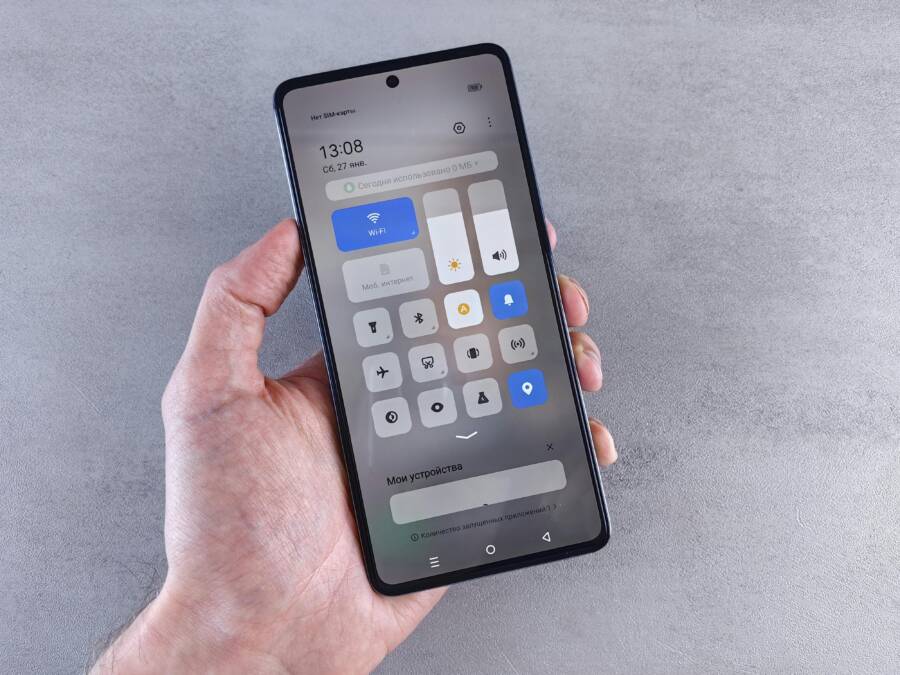
 Photo by Andrey Matveev
SECTION 0: Tweak Android Sound Settings and Restart
In many cases, the earpiece volume issue comes down to how the audio is routed during a call and what the in-call volume is actually controlling. Start here to rule out simple misconfigurations and temporary glitches. This approach is fast, repeatable, and safe for everyday use.
- Verify in-call volume and routing: During a call, check the in-call volume slider. Make sure it’s all the way up. Some phones keep media volume and call volume separate; adjust both if needed. If you use Hearing Aid Support or Mono Audio, disable them temporarily to compare results.
- Check builder-introduced sound paths: Some devices default to routing audio to a connected Bluetooth device even when it’s not active. In Settings, go to Bluetooth and forget devices you no longer use. Then place a test call to see if the earpiece volume improves.
- Restart the device: A quick reboot can wipe out minor software hiccups affecting the audio path. Hold the power button, choose Restart, and test the earpiece volume after the device reboots.
- Reset accessibility features if needed: If you have specialized accessibility options enabled, such as balance adjustments, test calls with those features off. If the earpiece gets louder, reintroduce features one by one to identify the culprit.
Why this step helps: It targets the most common culprits without touching hardware. You’ll often find that a simple restart and a quick setting refresh restores normal earpiece output. If the problem persists, move to the next section to explore Bluetooth and developer options that can quietly cap volume.
External reference for related Android audio routing tips: https://www.howtogeek.com/www.howtogeek.com#how-to-turn-off-absolute-bluetooth-volume-on-android
SECTION 1: Handle Bluetooth and Developer Tweaks
Bluetooth quirks, especially on Android, can push audio away from the earpiece and toward a Bluetooth device you no longer use. Developer options offer a few targeted tweaks that help you regain direct control of the earpiece’s volume.
- Disable Bluetooth Absolute Volume: This is a common culprit for low earpiece volume when a Bluetooth device is involved. Turning this off lets your phone and the Bluetooth accessory set their volumes independently, which often boosts the earpiece output. Steps vary by model, but in general:
- Go to Settings > About phone and enable Developer options (tap Build number seven times if needed).
- Return to Settings > System > Developer options.
- Find and toggle off “Disable absolute Bluetooth volume” (or similar wording that re-links to absolute volume). Reconnect your Bluetooth device if necessary and test.
- Note: After changing this setting, a reboot can help apply the change cleanly.
- For a quick walkthrough, see guides like How to Disable Absolute Bluetooth Volume on Android.
- Clear Bluetooth cache and reset connections: Bluetooth data can become corrupted or misrouted, causing audio to skip paths. Clear the Bluetooth cache or reset Bluetooth settings, then re-pair a known good headset or test with the earpiece alone.
- Keep the path simple: Remove any unnecessary Bluetooth devices from the pairing history. A clean slate often eliminates misrouting that robs the earpiece of power.
- Test with a known-good device: Pair a familiar headset or earphones and place a test call. If the earpiece volume improves, the issue is tied to a prior Bluetooth device or its settings.
Why this step helps: Bluetooth misrouting is one of the most frequent, invisible causes of low earpiece volume on Android. By separating Bluetooth control from the earpiece and cleaning up pairings, you restore a direct audio path for calls. For a deeper dive into absolute volume and device-specific paths, you can consult these resources: https://www.howtogeek.com/www.howtogeek.com#how-to-turn-off-absolute-bluetooth-volume-on-android and https://www.androidpolice.com/android-disable-absolute-bluetooth-volume/
SECTION 2: Update and Re-Pair Devices
Software and firmware updates can quietly change how audio is handled. If you’ve postponed updates, now’s a good time to install the latest OS updates and re-pair Bluetooth devices to ensure the most reliable audio path for calls.
- Check for OS updates: Go to Settings > System > Software Update (or Settings > About phone > System updates, depending on brand). Install any available updates, then reboot. Even minor updates can fix audio drivers that affect the earpiece.
- Re-pair Bluetooth devices: Remove all known Bluetooth devices, then re-pair a single, reliable headset or use the earpiece alone to test the baseline volume. This ensures a clean pairing handshake and proper audio routing.
- Confirm Bluetooth permissions: After updates, some apps regain or lose permissions. Ensure your preferred calling apps have microphones and Bluetooth access as needed.
- Clear app caches if issues persist: If a specific calling app seems to route audio oddly, clearing its cache or reinstalling the app can help, returning control of the audio path to the system default.
Why this step helps: Software updates can reset audio drivers or routing behavior. Re-pairing devices ensures the system recognizes only intended audio paths. It’s a straightforward, non-invasive remedy that yields quick wins.
External reference for Bluetooth path resets and absolute volume management: https://www.androidauthority.com/android-disable-absolute-bluetooth-volume-3391110/
Images and visuals
- If you’re including visuals, consider a simple diagram showing audio routing between the earpiece, Bluetooth, and speaker. A before/after shot of a test call can illustrate improvements.
Notes on practical application
- Your Android device brand may label menus slightly differently, but the core concepts apply across Samsung, Pixel, OnePlus, and others.
- If you find the issue tied to a specific app, check in-app settings for call volume or audio routing. Some apps let you force hands-free or earpiece mode, which can counterintuitively mute the earpiece.
Helpful tip: If you’ve recently installed a Magisk module or rooted tools, these can interfere with audio drivers or volume controls. Consider temporary deactivation to test whether they’re the cause.
External link references
- How to Disable Absolute Bluetooth Volume on Android: https://www.howtogeek.com/www.howtogeek.com#how-to-turn-off-absolute-bluetooth-volume-on-android
- Android Absolute Bluetooth Volume: How to Fix Issues: https://www.techrounder.com/android/android-disable-absolute-bluetooth-volume-how-to-fix-it/
If these steps don’t restore the expected earpiece clarity, there are deeper hardware checks and professional options to consider, but most users see a noticeable improvement after this section.
When DIY Fixes Fail: Next Steps for Low Volume
If the basic at‑home fixes don’t restore clear earpiece audio, it’s time to move from do‑it‑yourself steps to targeted diagnostics or professional help. This section outlines practical next steps for readers who have tried the quick checks and still hear muffled voices on calls. You’ll learn how to decide between in‑store diagnostics, mail‑in repair services, and local tech pros, plus what to expect during each path.
Recognize when it’s time to escalate
Most low earpiece volume issues are fixable without hardware work. If you’ve exhausted cleaning, settings, and Bluetooth routing, you’re likely dealing with a deeper software or hardware cause. Before booking a repair, gather details to streamline the process:
- Model, OS version, and recent updates or app installs.
- A concise description of when the problem started and whether it affects all calls or only certain apps.
- A short test log that notes outcomes from your last DIY steps.
When you can present a clear history, technicians can diagnose faster and with less back‑and‑forth. If the issue persists after a reboot and a full reset of suspect settings, escalate to professional help.
Professional diagnostics: what to expect
A reputable shop or service will start with a diagnostic test to confirm whether the earpiece, microphone, or routing path is at fault. Expect:
- A hands‑on inspection of the earpiece grille and internal components.
- A check of the audio path through the system and any connected accessories.
- Verification of software drivers and call routing settings on the device.
- A written estimate that itemizes the suspected fault and the proposed repair.
If the problem turns out to be a hardware fault, the technician will typically offer a replacement part or a full speaker assembly service. For devices with a known warranty, you might qualify for free or discounted service through the manufacturer or authorized partners.
For a sense of what a professional service experience looks like, you can explore options like smartphone repair providers that advertise diagnostic services and quick turnaround times. See examples from established chains and independent shops to compare your choices.
Choosing a repair service: what to consider
When selecting where to fix low earpiece volume, weigh these factors:
- Accreditation and warranty: Look for shops with certified technicians and a warranty on parts and labor.
- Speed versus price: Some shops offer same‑day service; others provide mail‑in options that may take longer but cost less.
- Location and convenience: A nearby walk‑in center can save time, but mail‑in services can be easier if you’re juggling a busy schedule.
- Parts quality: Reputable shops use original or high‑quality replacement components. Ask about brand compatibility and whether you’ll receive OEM parts.
If you’d rather go with a well‑known repair network, start by checking their diagnostic offerings and store locations. This helps you compare pricing and timelines without surprises.
External references you might find useful when researching repair options:
- Smartphone diagnostic services from a major repair network.
- Independent shops that advertise in‑person diagnostics and same‑day repair.
- Manufacturer‑authorized service centers for warranty coverage.
How to prepare for a repair visit
Bring these items to your appointment to speed things up:
- Your device, charging cable, and any accessories you’ve used with it.
- A brief history of the problem and a list of troubleshooting steps you’ve already performed.
- Proof of purchase or warranty information if you’re seeking covered service.
Ask these questions to the technician:
- What is the suspected cause, and what tests will confirm it?
- Are OEM parts used, and is there a warranty on the repair?
- What are the expected turnaround times and costs?
Having clear answers helps you avoid sticker shock and ensures you’re getting the service you expect.
What if you prefer to DIY with professional guidance
Some readers want to stay hands‑on but still get expert input. In this case, consider services that offer guided diagnostics or remote support. You can describe your symptoms, share test results, and get step‑by‑step recommendations from a tech pro without leaving home. This approach often reduces unnecessary repairs and focuses on the exact component that needs attention.
For a broader view of professional options and the paths they offer, see articles and listings from repair specialists who outline diagnostic and repair processes. While you review, keep in mind the trade‑offs between cost, speed, and reliability.
Quick payer’s guide: estimating cost and value
Costs vary widely by device, location, and fault. A typical breakdown might include:
- Diagnostic fee (often applied to the total repair bill)
- Parts (earpiece speaker, micro components, or full assembly)
- Labor (variable by shop and complexity)
- Potential add‑ons (screen protection, cleaning, or data backup)
If you’re working within a budget, compare the total estimated repair cost against the price of a replacement device or a refurbished model. Sometimes a careful price comparison makes the decision obvious.
External resources for price guidance and service comparisons can help you benchmark value. Look for transparent quotes and clear guarantees before you commit.
When to consider a replacement device
If your device is older or the repair is approaching the cost of a newer model, replacement can be a smart move. A fresh device often brings improved audio pathways and longer software support. Before you switch, check trade‑in programs or promotions that can soften the financial hit.
If you decide to replace, you’ll find useful guidance on assessing new models and extracting good value from your budget. Many readers find it helpful to evaluate device health across critical functions, not just the earpiece.
Putting it all together: action plan
- Confirm you’ve exhausted quick DIY fixes.
- Compare local shops, mail‑in services, and manufacturer options.
- Gather device details and problem history.
- Obtain a written diagnostic and upfront estimate.
- Decide between repair, replacement, or guided remote support based on value and timeline.
With a clear plan, you can restore audio clarity without delays or guesswork, and you’ll know you chose the right next step for your device. For deeper reading on trusted repair pathways, you can review stores and guides that cover in‑shop diagnostics and common earpiece issues.
Conclusion
Low call volume on a phone earpiece is usually fixable at home. Start with a quick clean of the earpiece grille and a fresh in call volume check. Most readers find the issue resolved within minutes after removing dust and confirming the correct audio route.
If the sound still falls short, the next steps are simple and safe. Recheck Bluetooth connections, test with speakerphone, and reset a few key settings. These actions address the two most common culprits in a smartphone setup: routing errors and misconfigured volume controls.
A large share of problems come from temporary glitches or benign missteps. Reboot the device and verify that in call and media volumes aren’t fighting for the same slider. For many users, this is enough to restore clear voices on the earpiece.
Try these steps now and see how your calls improve. If you still hear muffled voices after trying the guide, drop a note in the comments with your model and OS version. The community can share tailored tips, and you’ll get more precise guidance. Clear calls ahead are within reach when you approach the fix with these straightforward checks.
What If the Only Thing Between You and the Life You Deserve Is a Hidden Wealth Code Waiting to Be Activated
>>> Open the Door <<<