She Pressed Play on a Strange Audio Track and Within Days Her Financial Reality Started Shifting in Ways She Could Not Explain
>>> See How It Works <<<

Picture this: You push through a grueling 10K loop around downtown blocks, sweat dripping, legs burning. You check Strava at the end, and it shows just 8K. What gives? Your tough workout vanished into thin air on the map.
This is GPS drift, a common headache for city runners. It happens when signals from satellites get blocked or bounced around by tall buildings, leading to wavy paths, short distances, or zigzags on your phone or watch screen. Busy streets make it worse with extra signals from WiFi and cars. Don’t worry. You can fix it with simple steps.
In this guide, we’ll cover the top causes of GPS drift during city runs. Then, quick checks to tweak your phone or watch right now. Finally, smart habits to prevent issues on future outings. Follow along, and your tracking will match your real effort.

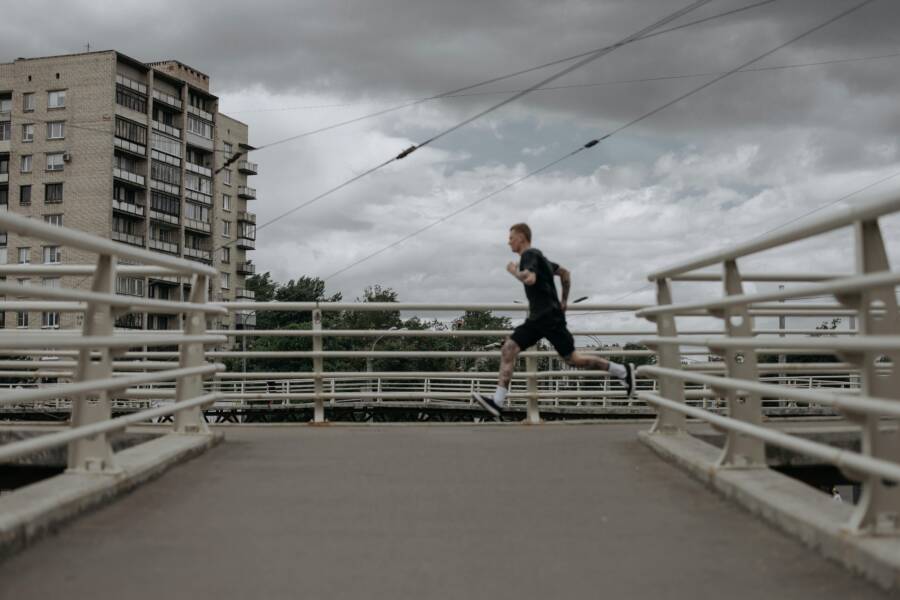
Photo by cottonbro studio
He Was Drowning in Bills and Burnout Until a Simple Daily Ritual Rewired His Brain for Wealth in Less Than a Week
>>> Start Your Shift Today <<<

Top Causes of GPS Drift During City Runs
GPS relies on clear lines to satellites overhead. Cities mess that up fast. Runners spot it more because you move quick with sharp turns around corners.
Skyscrapers block direct signals. Reflections off glass walls send false pings. WiFi hotspots and car metal add noise. Even trees or traffic jams pile on. One runner I know looped a full city block five times. Her app showed a straight line half the length. Frustrating, right?
Key culprits include:
- Tall buildings that shadow the sky.
- Signal bounces called multipath errors.
- Dense networks from phones and towers.
- Moving obstacles like buses.
Understand these, and fixes make sense.
How Tall Buildings Block and Bounce Signals
Imagine GPS as a straight string from sky to your device. Skyscrapers snap it. You lose the clear sky view needed for locks on multiple satellites.
Worse, signals hit building faces and bounce back. Your device picks up these delayed echoes as real positions. Paths look like drunk snakes on maps.
Stick to routes with open sky above. Test a park path nearby. You’ll see straighter tracks. Science backs it: GPS needs four satellites minimum, but cities drop that count quick.
Other Urban Culprits Like WiFi and Cars
WiFi routers blast signals that confuse GPS chips. Cell towers do the same in packed areas. Cars with metal frames reflect waves too. Subways underground spike errors as you pass vents.
Dense spots like Times Square or Taipei’s night markets amplify this. Runners in tight alleys fight the most drift. Check your map post-run. Wiggles match hotspot clusters?
Quick Checks to Fix GPS on Your Phone or Watch
Start here for fast wins. Most drifts stem from settings or glitches. Grab your device now.
Follow these numbered steps:
- Turn off battery saver. It cuts GPS power to save juice. Go to settings, search “battery,” and disable low-power mode.
- Restart everything. Power cycle your phone or watch. Clears temporary bugs.
- Enable high accuracy location. On Android, swipe down, tap location, pick “high accuracy.” iOS users go to Settings > Privacy > Location Services > turn on precise location.
Test in an open park first. Run a short loop and check the map. Smoother already?
He Was Drowning in Bills and Burnout Until a Simple Daily Ritual Rewired His Brain for Wealth in Less Than a Week
>>> Start Your Shift Today <<<
Apple Watch or Garmin? Update via their apps. Phones work fine for most, but watches shine outdoors.
Update Apps and Calibrate Your Compass
Outdated apps ignore fixes. Open Google Play or App Store. Update Strava, Nike Run Club, or your tracker.
Compass drift worsens GPS. Calibrate with figure-8 swings. Hold phone flat, swing slow in eights outdoors. Apps prompt this sometimes. Why? Compass aligns direction. Wrong heading pulls GPS off track.
One runner fixed loops by updating and swinging. Her block circles snapped straight.
Thousands of People Were Struggling With Money Until They Discovered This One Ancient Secret Hidden in Sound
>>> Unlock It Now <<<

Switch to Best GPS Mode Settings
Power-saving modes throttle signals. Flip to high accuracy. It uses WiFi and cell data for better locks, even with WiFi off.
Android: Settings > Location > Improve accuracy > scan for WiFi and Bluetooth.
iOS: It’s automatic in precise mode.
For Garmin or Apple Watch, pair tight with phone. Enable all sensors. Battery dips a bit, but accuracy soars. Run a test mile. Compare old wavy line to new true path.
Smart Running Habits to Beat City GPS Drift
Tweaks help, but habits lock in gains. Build these into your routine.
Pick open routes. Pause tracking in canyons. Run dual apps for cross-checks. Footpods add backup distance sans GPS.
Track changes over weeks. Fewer zigzags mean real progress. Have you tried pausing mid-run yet?
Accessories like external GPS units help serious folks, but start simple.
Choose Routes and Times with Less Interference
Early mornings beat peak traffic. Fewer cars mean less bounce. Hit park edges or wide boulevards.
Apps like OpenSignal map weak spots. Avoid narrow alleys between towers. One trick: scout satellite view on Google Maps pre-run. Spot building walls.
Runners swear by dawn jogs. Signals stay clean till crowds build.
Test Gear and Backup Tracking Methods
Phone in pocket bounces less than hand-held. Watches hug your wrist tight.
Compare gear: Run same route on phone then watch. Note differences.
Footpods clip shoes for stride-based distance. No satellites needed. Log what works in a notes app. “Garmin nailed it today.”
Mix methods. GPS for path, footpod for miles. True totals emerge.
Conclusion
GPS drift hits city runners hard from blocked signals, bounces, and urban noise. Quick fixes like high accuracy mode, updates, and restarts straighten maps fast. Smart habits such as open routes and backups keep it gone.
Test one tip on your next run. See the distance match your sweat?
Share in comments: What fixed your drift? Let’s help each other track true miles. Lace up and run strong. Your stats will thank you.
(Word count: 1487)
She Pressed Play on a Strange Audio Track and Within Days Her Financial Reality Started Shifting in Ways She Could Not Explain
>>> See How It Works <<<