Thousands of People Were Struggling With Money Until They Discovered This One Ancient Secret Hidden in Sound
>>> Unlock It Now <<<

Feeling the frustration of launching your favorite mobile game only to see it fail to connect, especially during a critical multiplayer match. This issue pops up in popular titles like PUBG Mobile, Call of Duty Mobile, and Genshin Impact, turning a fun session into a dead end. If you’ve ever shouted at a frozen loading screen, you’re not alone.
This guide breaks down simple, reliable steps to fix games not connecting to the internet on your phone. You’ll learn quick checks you can do anywhere, shareable tips for both Android and iOS, and how small tweaks can restore a smooth online experience. The fixes work for most common causes, from weak signals to app glitches and mistaken settings.
Start with the basics and move to network tweaks and permissions, then try a few advanced steps if needed. You’ll see how a quick update, a permission change, or a reset of network settings can make a big difference. By the end, you’ll have a clear path to get back into online play without the hassle.
If you’re short on time, focus on three core ideas: confirm your internet is active, check the game permissions and background data, and refresh your connection. These moves often resolve the problem for many players. For those with lingering issues, the later steps cover more technical options in an approachable way.
What If the Only Thing Between You and the Life You Deserve Is a Hidden Wealth Code Waiting to Be Activated
>>> Open the Door <<<

This guide uses plain language and practical steps you can follow today, no matter what smartphone you own. Whether you’re gaming during a commute or at home, you’ll regain fast, reliable online access for your favorite titles.
Check Your Basic Internet Connection
When your game runs into connection issues, the quickest path back to play is to verify the basics. A strong, stable internet connection is the backbone of online gaming on a phone. This section walks you through practical checks you can perform on the spot, so you can spot problems fast and get back to your session.
Test WiFi and Mobile Data Speeds
Start by confirming whether your connection is actually delivering usable data speeds. Open a browser or a different app and try loading a site or streaming a short video. If a page hangs or a video buffers, switch networks and test again. On Android, go to Settings > Network & Internet to view your current connection, toggle between WiFi and mobile data, and check the signal strength. On iPhone, open Settings > Wi-Fi or Settings > Cellular to compare networks and switch if needed.
To get a clearer picture, use a dedicated speed test. Speed tests measure download, upload, and latency, which directly impact gaming performance. A fast, stable connection usually shows low ping and consistent throughput. If the signal is weak, you’ll see higher latency and variability, which can cause timeouts in fast-paced games.
Here are practical steps to test like a pro:
- Run a quick test on your current network with a reputable tool. Speedtest by Ookla is widely used for its accuracy and simple results. You can try the mobile version for Android or iOS to test on the go. Use a one-tap test to capture download, upload, and ping values, then compare against the speeds you’re guaranteed by your plan. Speedtest Mobile
- If the results look underwhelming, switch to an alternate network. If you’re on WiFi, disconnect and use cellular data to see if the game connects more reliably. If you’re on mobile data, try a short WiFi hotspot from another device if available.
- Consider the signal strength. Even with a decent plan, a phone near a router or in a crowded building can struggle. Move closer to the router or remove physical interference (thin walls, microwaves, or dense furniture) when possible.
- Review consistency, not just peak speed. A steady, moderate connection often beats a fast but fluctuating one for gaming. If latency spikes frequently, that’s a sign something in the path is unstable.
If you want a simple reference point, start with a speed test on the network you’re using during your gaming session. Compare the results to what you expect from your plan and to other devices on the same network. A noticeable gap often points to issues outside the game itself, such as router congestion, background downloads, or network throttling.
For more context on what your numbers mean, you can check out the Speedtest apps’ overview and download options. This helps you understand how to interpret results and how to choose a test server that matches your location. Speedtest by Ookla
Tip: signal strength matters more than you might think. Even a few bars of 5G or a strong 4G signal can handle casual play, but a marginal connection will create timeouts when the game needs quick data bursts.
Restart Phone and Router Right Now
If speed tests show problems or you’re still facing timeouts, a quick restart can clear temporary glitches that build up in both your phone and your network gear. Here are exact steps to perform a clean reset of both devices, which often resolves stubborn connection hiccups.
- Restart your phone
- Hold the power button on your device.
- Tap “Restart” or “Reboot” when the option appears.
- Wait for the device to power back up completely before trying to reconnect.
- Restart your router
- Unplug the router from power.
- Wait 30 seconds.
- Plug it back in and wait for the lights to stabilize.
- If you have a separate modem, reset that as well by unplugging for 30 seconds and replugging.
Why this helps: a restart clears temporary caches, resets stuck network processes, and re-establishes clean connections to your Internet Service Provider. This simple step can fix issues that aren’t tied to a single app and affects all devices on the network.
If you want a deeper dive into router resets and best practices, you can review a practical guide that covers when to restart versus reset and how to reboot a modem and router simultaneously. It’s a straightforward resource for more advanced troubleshooting. Your Router May Be the Culprit for Your Slow Speeds. Here’s How to Reset It Properly
If you still experience issues after a restart, there may be other factors at play, such as permissions, app background activity, or specific network settings on your phone. The next sections cover those angles so you can fix the problem without extra guesswork.
Update Games and Your Phone Software
Keeping your game connections smooth often starts with two simple habits: updating the game itself and keeping your phone’s software up to date. Updates fix bugs, close security gaps, and improve network handling. If you’re seeing frequent disconnects, start here before trying more complex fixes. The combination of fresh app code and a current OS can restore reliable online play.
Update the Game App Immediately
When a game stops connecting, check for an update first. Developers push fixes that address server changes, login issues, and data handling that can affect connectivity.
What If the Only Thing Between You and the Life You Deserve Is a Hidden Wealth Code Waiting to Be Activated
>>> Open the Door <<<
- Google Play Store (Android):
- Open the Google Play Store and search for the game.
- Tap Update if it appears. If you don’t see Update, the app is current.
- After updating, force close the game and reopen it to ensure the new data loads.
- If updates aren’t appearing, you might need to refresh the store cache or check your internet connection. For official guidance, see Google Play Help on updating apps. How to update apps on Android – Google Play Help
- App Store (iOS):
- Open the App Store and tap your profile picture (top right).
- Scroll to see pending updates and tap Update next to the game.
- After updating, close the app completely and relaunch to load the latest fixes.
- If you rely on automatic updates, verify that setting is enabled so you don’t miss future patches. You can also review Apple’s guidance on updating apps for iOS. While Apple’s official pages are your best source, many readers find guidance on updating through the App Store helpful.
- Quick follow-up steps:
- Restart the game after updating to reset in-app connections.
- Check auto-update settings on your device so future patches install without delay.
Why this matters: many connectivity issues are caused by outdated game code that doesn’t play nicely with server changes or API updates. Keeping the game current reduces the chance of misaligned network calls and stale authentication tokens.
Helpful resources:
- How to update apps on Android – Google Play Help. Link
Install Latest Phone OS Updates
Beyond updating the game, the operating system on your phone may need an upgrade. OS updates fix bugs, improve network management, and tighten security, all of which influence how apps connect to the internet.
- Android:
- Open Settings > System > System Update.
- Check for updates and install any available ones.
- Reboot your device after the update completes.
- Android users should also check for recommended security and maintenance updates. For more, see Android’s guide on updating your Android phone. How to Update or Upgrade Your Phone’s OS Version – Android
- iOS (iPhone):
- Open Settings > General > Software Update.
- If an update is available, download and install it.
- After installation, restart your iPhone to ensure all system services come up cleanly.
- If you’re unsure about your current OS version, or if an update is blocked by your carrier or device model, consult Apple’s guidance for updating iOS devices. In some cases, older software can block newer network features, so staying current helps keep connections stable.
Things to watch for:
- Battery drain during downloads: OS updates can run in the background and consume power. If you’re on the go, try to apply updates when you can connect to a charger or use a time when you don’t need the device for critical tasks.
- Compatibility caveats: Some older devices may not support the very latest OS version. If an update isn’t available for your model, you’ll still benefit from the latest security patches and app compatibility improvements.
If you’re curious about whether your current software is up to date or how to verify it, check out the official Android and iOS update resources. Android’s page on checking and updating your version is a solid starting point. Check & update your Android version
For iOS devices, you’ll generally find the right steps in Settings > General > Software Update, as noted above.
Note: keeping both your game and your phone software current reduces the chance of blocked connections and random disconnects. If updates don’t resolve the issue, you can move on to more network-specific fixes in this guide.
Fix Game App Permissions and Cache
Games often fail to connect because your smartphone blocks background activity or fills up with old cache files. These settings control how apps access the internet when not in the foreground. Fix them to let your game sync data freely and stay responsive. Start with background data and notifications, then clear the cache safely.

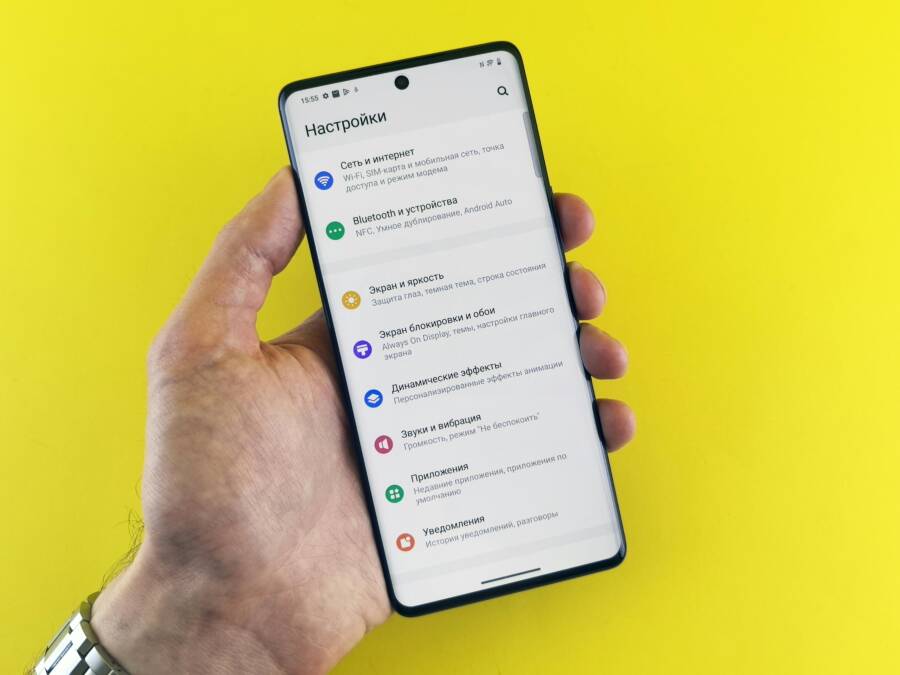
Photo by Andrey Matveev
Enable Background Data and Notifications
Your game needs permission to use data and send updates even when you switch apps. Battery savers and data limits can pause this, causing connection drops. Turn on background data and disable optimization to keep things running smoothly.
Follow these steps for Android:
- Open Settings > Apps (or Apps & notifications).
- Select your game from the list.
- Tap Mobile data & Wi-Fi (or Data usage).
- Toggle on Background data and Allow background data usage.
- Go back to the app info, tap Battery > Battery optimization, and set the game to Don’t optimize.
Samsung users might see extra steps under Battery and device care > Battery > Background usage limits. For official Google guidance on background data, check Turn on background data – Google Play Help.
For iOS:
- Open Settings and scroll to your game.
- Tap Cellular and toggle on Cellular Data.
- Go to Settings > General > Background App Refresh and set it to Wi-Fi & Cellular.
- Check Low Power Mode in Settings > Battery and turn it off if active.
Apple details cellular settings in their iPhone guide. Test the game after changes. It should pull server data without delays now.
Quick tip: If your smartphone still restricts the app, restart it to apply settings fully.
Clear Cache Without Losing Saves
Corrupted cache files can block server logins and multiplayer links. Clear them to refresh connections, but back up your progress first. Most games tie saves to accounts like Google Play Games, Game Center, or in-app profiles.
He Was Drowning in Bills and Burnout Until a Simple Daily Ritual Rewired His Brain for Wealth in Less Than a Week
>>> Start Your Shift Today <<<

Before you start, log into your game account and confirm cloud sync works. This protects levels, items, and stats.
Android steps:
- Open Settings > Apps.
- Select your game and tap Storage & cache (or Storage).
- Tap Clear cache. Skip Clear storage unless you want a full reset.
- Relaunch the game and sign in to reload fresh data.
Clearing cache frees space without touching your account data. It often fixes stalled connections tied to outdated temp files.
iOS steps:
- Open Settings > General > iPhone Storage.
- Find your game and tap Offload App.
- Confirm, then tap Reinstall App from the same screen.
- Open the game and log back in; your cloud saves restore automatically.
Offloading keeps documents and data intact while dumping the cache. Reinstall pulls the latest version clean.
After clearing, run a quick match or sync check. Your smartphone should handle game traffic better. If issues persist, these tweaks combined with prior steps like updates usually seal the deal.
Tweak Network Settings for Stable Play
A stable online connection is the backbone of a satisfying mobile gaming session. If your game keeps stuttering, timing out, or dropping you mid-match, you may only need small network tweaks. This section focuses on practical, low-friction steps you can perform on Android or iOS to improve stability. Think of these tweaks as fine tuning a car engine for a smoother ride rather than a full rebuild.
Disable VPN and Proxy Apps
VPNs and proxies can add extra hops in the connection path, which increases latency and sometimes causes conflicts with game servers. If you use a VPN or any proxy app, turn it off and test the game again. If the VPN is essential for other tasks, at least disable it while you’re gaming to verify whether it’s the source of the problem.
- How to disable on Android:
- Open Settings and go to Connections or Network & Internet.
- Tap VPN and switch off any active connections.
- If you frequently switch networks, consider temporarily uninstalling the VPN app to test for conflicts with the game.
- How to disable on iOS:
- Open Settings and tap VPN (if visible) to disconnect.
- Also review any profiles tied to VPN apps and remove them if they cause issues with the game.
If you prefer a quick reference, you can check a practical guide on turning off VPN on Android without causing app or network issues. You’ll find clear steps for common devices and a reminder to re-test after changes. How to Turn Off VPN on Android Without Causing App or Network Issues
If you need a broader overview on VPN options and potential conflicts with gaming, a YouTube walkthrough covers manual disable steps across popular devices. How to Disable a VPN Manually on Any Device
In cases where a VPN is required for other apps, consider creating a separate profile or user that you switch to for gaming. This keeps your everyday browsing VPN-protected while preserving a clean path to game servers during play.
When VPNs are off, re-test the game. If the issue persists, proceed to the next steps. Sometimes the root cause lies in how your network handles DNS or routing rather than the VPN itself.
Reset Network Settings or Change DNS
If VPN disconnection doesn’t fix the problem, a full network reset on the device can clear stubborn misconfigurations. This is a stronger step and should come after you’ve exhausted lighter options. It resets WiFi, Bluetooth, and cellular settings to their defaults, which often resolves flaky connections. After a reset, you’ll set up your networks again from scratch.
- Android steps:
- Open Settings > System > Reset options > Reset Wi-Fi, mobile & Bluetooth.
- Confirm the reset and let the device reboot.
- Reconnect to your WiFi network and re-enter passwords.
- iOS steps:
- Open Settings > General > Reset > Reset Network Settings.
- Confirm and let the device reboot.
If you prefer not to reset everything at once, you can switch to a more targeted approach by changing DNS. Using a fast, reliable DNS can shave a few milliseconds off response times and improve stability for some networks.
- Switch to Google DNS (8.8.8.8) as a starting point:
- Android: Settings > Network & Internet > Advanced > Private DNS or DNS settings, then set a custom DNS to 8.8.8.8.
- iOS: Settings > Wi‑Fi > [Your Network] > Configure DNS, switch to Manual, and add 8.8.8.8 and 8.8.4.4.
- If you want a broader DNS refresh, try reputable gaming-oriented DNS options and test performance before committing long term.
Why this helps: a misbehaving DNS or a corrupted network configuration can cause delays in server lookups and handoffs. A clean slate plus a faster resolver gives your device a direct route to game servers.
For deeper guidance on DNS choices for gaming, see articles that compare gaming DNS options and explain how to set them up. Best DNS for Gaming in 2025 Best DNS servers for gaming
After applying a network reset or DNS change, restart your phone to ensure all settings take effect. Then re-launch the game and run a quick test match or two to confirm the improvement.
Tip: if you’re on a crowded network (apartment building, cafe, or campus), a DNS tweak can sometimes stabilize the lookup path even when the connection itself is fine. If you notice continued instability, consider connecting to a different network or creating a personal hotspot from another device to isolate the issue.
Images to illustrate network tweaks:
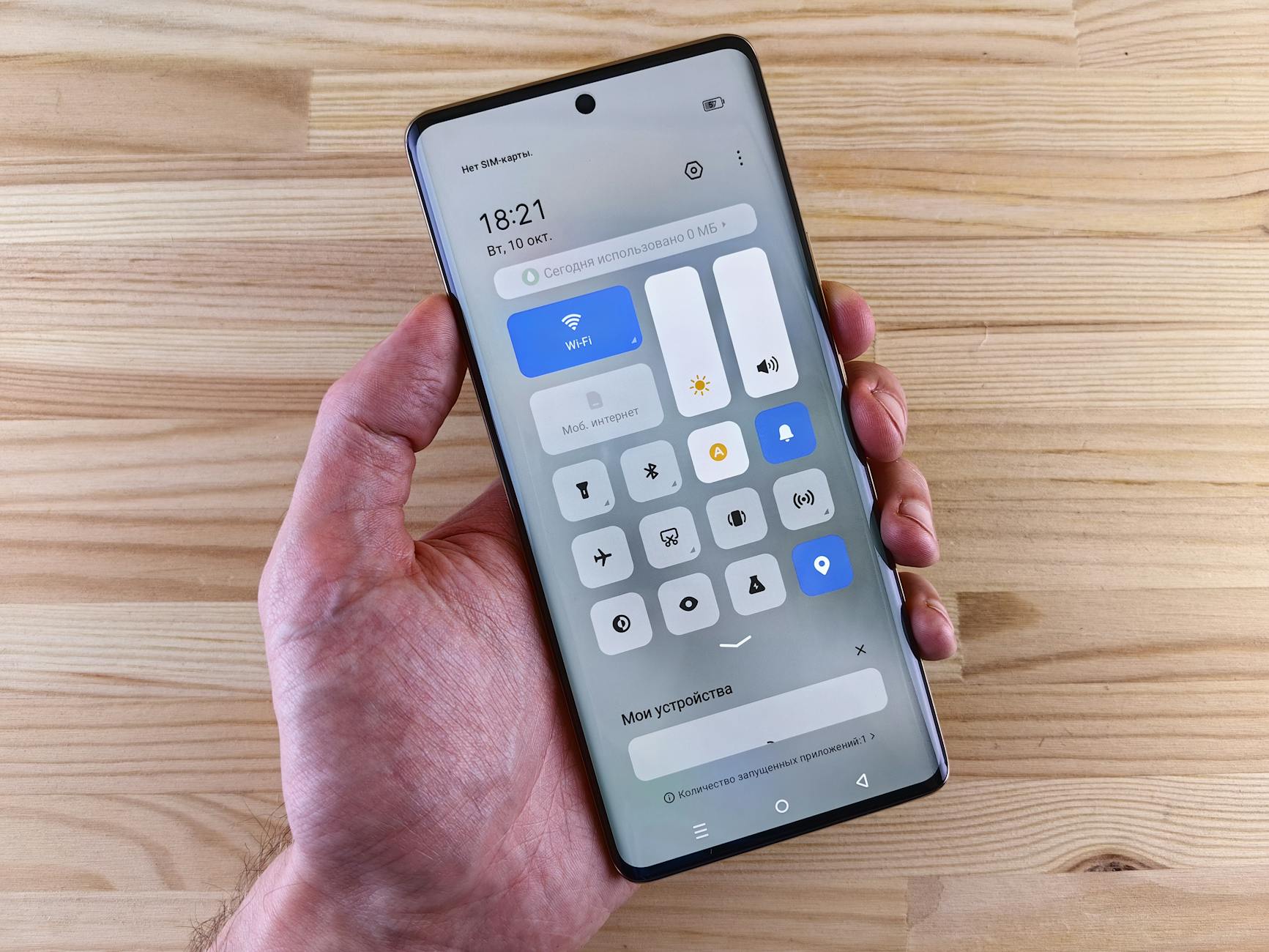 Photo by Andrey Matveev
Caption: A quick look at the settings path can reveal where VPNs or proxies might be interfering with the game.
If you still experience issues after a reset or DNS change, you may be facing app-specific problems or permissions. The next subsection covers how to verify and adjust game permissions and clean caches, which often resolves stubborn connections.
Try Advanced Fixes and When to Get Help
If the basics haven’t cleared up the problem, it’s time to tackle a few deeper fixes. These advanced steps are still straightforward, but they address issues that might block your device from talking to game servers. By following these steps, you can spot whether the fault is on your phone, the game, or the network. If you still can’t get online after trying these, you’ll know who to contact for further help.
Reinstall the Game or Check Date and Time
Reinstalling the game can reset corrupted files that block connections. It’s quick and usually safe; you won’t lose your progress if the game saves to the cloud or your account. If you have any doubt, perform a quick backup or ensure cloud saves are enabled before you begin. After reinstall, launch the game to see if the connection improves. If you still see problems, verify the device’s date and time. A wrong clock can cause authentication failures and server rejections.
- How to reinstall on Android or iOS:
- Remove the game, then reinstall from the store.
- Reopen the game and sign in to reload your data.
- If you want a guided walkthrough, a practical guide covers reinstall and restart steps for both platforms. For reference, see how to reinstall or restart the game on iOS and Android. 🔄 How to Reinstall / Restart the Game (iOS & Android) — Knit Out Help Center
- Check date and time settings:
- Android: Settings > System > Date & time. Enable automatic date & time if available.
- iOS: Settings > General > Date & Time. Set to automatic.
- A smartphone with the correct time helps avoid token and certificate mismatches that servers require.
- Why this matters: servers use time-based tokens. If your clock is off by even a few minutes, you can be blocked from logging in or initial handshakes may fail.
If you’d like a quick reference on reinstalling apps across platforms, you can consult a general guide that explains uninstalling and reinstalling on Android and iOS. Reinstalling an App on Android or iOS: What You Need to Know
For a broader view on how date and time can affect connectivity, see the Android community’s guidance on fixing date and time settings. How to fix date and time on home page – Android Community
If you still encounter problems after a reinstall and time check, move on to the next advanced steps. The goal is to isolate whether the issue lies with the game itself or the device settings.
Contact Game Support or Carrier
When the cause is not obvious, reaching out to the right support channel can save time. Game developers often have in-app help centers or dedicated support pages. Carriers can also have outages that affect data on your device. Checking both helps you determine whether the problem is tied to your phone or to a broader network issue.
- Contact the game developer:
- Look for in-app help or the developer’s support site. The App Store or Google Play listing usually provides contact details.
- In-app diagnostics or crash reports can help the team pinpoint server or authentication problems.
- If the game isn’t working but other apps are fine, it’s likely an issue on the game side rather than your device.
- Reach out to your carrier:
- Check for any carrier outages in your area. A local network problem can look like a device issue.
- If other apps lose data while you’re gaming, the carrier is a plausible culprit.
- Some carriers publish live outage maps or status pages; use them to confirm whether the fault is widespread.
- When to engage support:
- If the issue persists after testing on a different network.
- If you’ve ruled out device settings and you see irregular authentication or server errors.
- If your device works with other games but not with this title, developer support is the right next step.
Helpful resources:
- How to contact an app developer for iOS devices, including locating contact details on the App Store. How to contact an app developer
- Google Play Help guide on contacting an Android app’s developer. Contact an Android app’s developer – Google Play Help
- If you want a broader look at carrier-related outages and solutions, online outage trackers can help identify if the issue is local or widespread. Downdetector
If you find the problem originates with the game or its servers, you’ll often see official notices on the developer’s site or social channels. In that case, there’s little you can do beyond waiting for fixes. If the issue is with your carrier or local network, you can try switching networks or using a personal hotspot to regain access while the outage clears.
Conclusion
A quick, methodical approach can restore online play on your phone without a lot of fuss. Start with the simplest fixes and work your way to the more involved steps. In most cases, following these steps in order will get you back into your game fast and with less frustration.
- Verify your internet connection is active and stable. Run a speed test, compare networks, and note latency.
- Update the game and your phone’s OS. Fresh code and system fixes fix many disconnects.
- Review game permissions and clear cache. Allow background data and refresh app storage to restore communication with servers.
- Tweak the network settings. Disable VPNs, reset network defaults, or switch DNS to a gaming friendly option.
- Reinstall the game if needed and confirm device date and time are accurate.
- If problems persist, contact the game developer or your carrier for tailored help.
Prevention tips help keep connections reliable over time. Use strong, unique passwords for accounts, and keep updates weekly for both apps and the OS. Stick to trusted WiFi networks, especially on public spots, and avoid letting background downloads compete with gaming data. Regular checks protect you from sudden outages and token errors.
Smartphone behavior matters here. These tweaks are easy to apply and are designed to be non disruptive. A few careful steps can prevent most mid game disconnects and improve overall reliability for online play.
If you’ve found a fix that worked for you, share your experience in the comments and help others. And once you’re back in a match, consider trying a quick game now to confirm the connection stays solid.
There Is a Frequency That the Wealthiest Families Have Used for Generations and Most People Will Never Know It Exists
>>> Open the Door <<<
