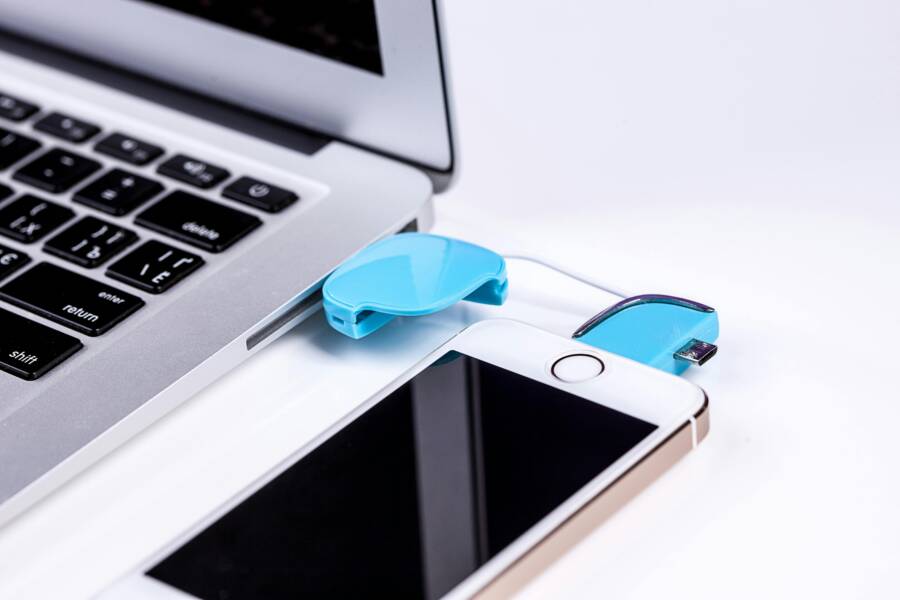
Ever tried to connect your smartphone to a computer and see nothing but a charging screen? The missing file transfer option can stop you from saving new photos, backing up videos, or moving documents with a simple drag and drop. This guide helps you understand what went wrong and how to get back to smooth transfers fast.
When a USB connection pops up as charging only, you’re facing the most common hurdle. Your device may default to charging instead of file transfer, which blocks access to the phone’s storage. We’ll walk through the quick checks that fix this, starting with the easiest steps you can take in minutes.
A faulty cable or a tired port often hides the real culprit. A lot of times the problem is just a loose connection or a data-capable cable that only charges. We cover how to test with another cable, swap USB ports, and rule out common hardware quirks without needing a tech expert.
Software can quietly get in the way too. Outdated drivers on your computer or a glitch in the phone’s settings can keep the MTP mode from appearing. You’ll learn simple driver updates, how to reinstall devices, and tips to reset connections without losing data.
If the issue lingers, there are a few more angles to try. Cleaning the phone port, enabling USB debugging, or using an alternative transfer method can bridge the gap. These steps are safe and reversible, designed to help you avoid data frustration.
Benefits of fixing file transfer mode extend beyond quicker backups. You’ll be able to share vacation snaps, organize media, and move work files with confidence. A reliable USB connection also reduces the need for cloud workarounds and keeps your workflow smooth.
SEO quick checklist
- Target keyword: MTP, file transfer mode, USB transfer
- Include a short, practical workaround in the opening
- Mention common causes like cables, ports, and drivers
- Use concise sentences and clear steps for skimmability
- Include an inline tip about smartphone usage in context
Start with Simple Hardware Checks to Get Transfers Working Fast
When file transfers from your phone to your computer stall, the first fix is usually the simplest: check the hardware. A loose connection, a charging-only cable, or a dusty port can hide behind a charging icon and block MTP mode. These steps are quick, non-destructive, and often restore a reliable USB link in minutes. Think of it like a quick tune-up before you dive into deeper troubleshooting.
Pick the Right USB Cable and Port
Your cable choice matters more than you might expect. Some cables only carry power and cannot transfer data. If your phone shows charging or a battery icon but nothing else, you’re likely dealing with a charging-only cable. Start by confirming the cable can handle data transfer and is not just a power cable. Look for cables labeled for data sync or those sold as “data cables” rather than “charging cables” alone.
Here are practical ways to verify and use the right setup:
- Choose original or well-known, data-capable cables. A reputable cable brand reduces the risk of compatibility quirks and ensures consistent data transmission. If you’re unsure, test with a cable that comes in the phone’s original packaging or find a commonly recommended alternative from trusted brands.
- Clean and inspect the ports. Dust, lint, and pocket debris can block the connection. Power down devices before cleaning, and use a soft motorized air puff or a dry pickup brush to clear the port, then gently reinsert the cable.
- Connect with care. Align the cable plug straight with the port and insert with steady pressure. A wiggle or partial insertion can mimic a faulty cable. If you hear a connection ding on the computer but nothing shows up, re-seat the plug and try again.
- Swap ports to rule out a bad jack. If you have multiple USB ports, try another one on the computer. Front-panel USB ports can be less reliable on some desktops, while older laptops may have USB 2.0 ports that don’t handle certain data speeds well with newer devices.
- Understand charging versus data cues. If the device only charges or the computer doesn’t recognize the phone at all, switch to a different cable and retry. Cable quality is often the Achilles heel; reputable sources explain how to distinguish data-capable cables from charging-only options. For a quick guide, see articles that detail data transfer cables and their logos or specs. https://www.slashgear.com/1908888/usb-data-cable-identify-how/
If you want a quick, trustworthy read on identifying data cables and avoiding the common “charging only” pitfall, this guide is helpful: https://www.pcworld.com/article/2530811/buying-a-usb-c-cable-beware-these-6-crucial-gotchas.html
Common failure patterns to watch for:
- The device only charges, even when connected to a PC.
- Transfer speed stalls at a low rate or drops to zero.
- The phone shows a charging icon but no data transfer option appears on the screen.
If you’re persevering with a stubborn setup, a data-capable cable from a reputable brand can save hours of frustration. For examples of why these cables fail early and how to pick a durable one, see this resource: https://www.anker.com/blogs/chargers/why-some-charging-cables-fail-early-and-how-to-pick-a-durable-one
In practice, this means starting with a clean, firmly seated connection using a known good data cable and a reliable USB port. It’s a simple step, but it often fixes the issue and keeps your workflow moving. A reliable link between the two devices also reduces the need for cloud workarounds and speeds up tasks like photo backup, file transfer, and document sharing. And it gives your smartphone a dependable lane for data, not just power.
Restart Your Phone and Computer
If the hardware checks don’t yield results, a clean restart can reset stubborn USB states on both ends. A restart clears minor software glitches, reinitializes drivers, and prompts the devices to re-negotiate the USB connection cleanly. It’s the digital version of rebooting a router after a poor Wi‑Fi day.
Follow these simple steps to restart with purpose:
- Save your work on both devices. A quick save helps avoid data loss if anything is unsaved when the devices shut down.
- Power down the phone first. Turn off the smartphone completely, not just put it to sleep. This ensures all USB subsystems reset.
- Cleanly reboot the computer. Close programs, then shut down the PC completely. If you’re in a pinch, a full restart (not a quick reboot) often resolves more stubborn driver hiccups.
- Reconnect after the reboot. Wait a few seconds for the phone and computer to initialize, then reconnect the cable. If needed, cycle the connection once more by unplugging and reinserting the cable.
- Watch for the data prompt. On Android devices, you should see a notification offering different USB modes. Choose “File Transfer” or “MTP” to establish the data link. If the prompt doesn’t appear, try a different USB port or another cable.
If you’re dealing with a Windows PC and Android device, Microsoft’s guidance on USB connection behavior can help you diagnose permission and driver issues that crop up after updates: https://learn.microsoft.com/en-us/answers/questions/3963514/all-of-a-sudden-android-phone-does-not-connect-thr
Restarting is a low-risk, high-reward move. It often clears the path for file transfers to resume without jumping into deeper settings. If you’ve tried all the hardware checks and a restart still doesn’t fix the problem, the next steps will look at more targeted software tweaks and alternate transfer methods.
How to Adjust USB Settings on Your Phone for File Transfer Access
When your phone refuses to appear as a storage device, the simplest fixes are often the most effective. This section covers two practical paths: first, how to enable the USB notification and select File Transfer, and second, how to turn on Developer Options and set default USB behavior to ensure smooth, consistent transfers in the future. Follow the steps in a calm, sequential way, and you’ll often fix the issue within minutes.
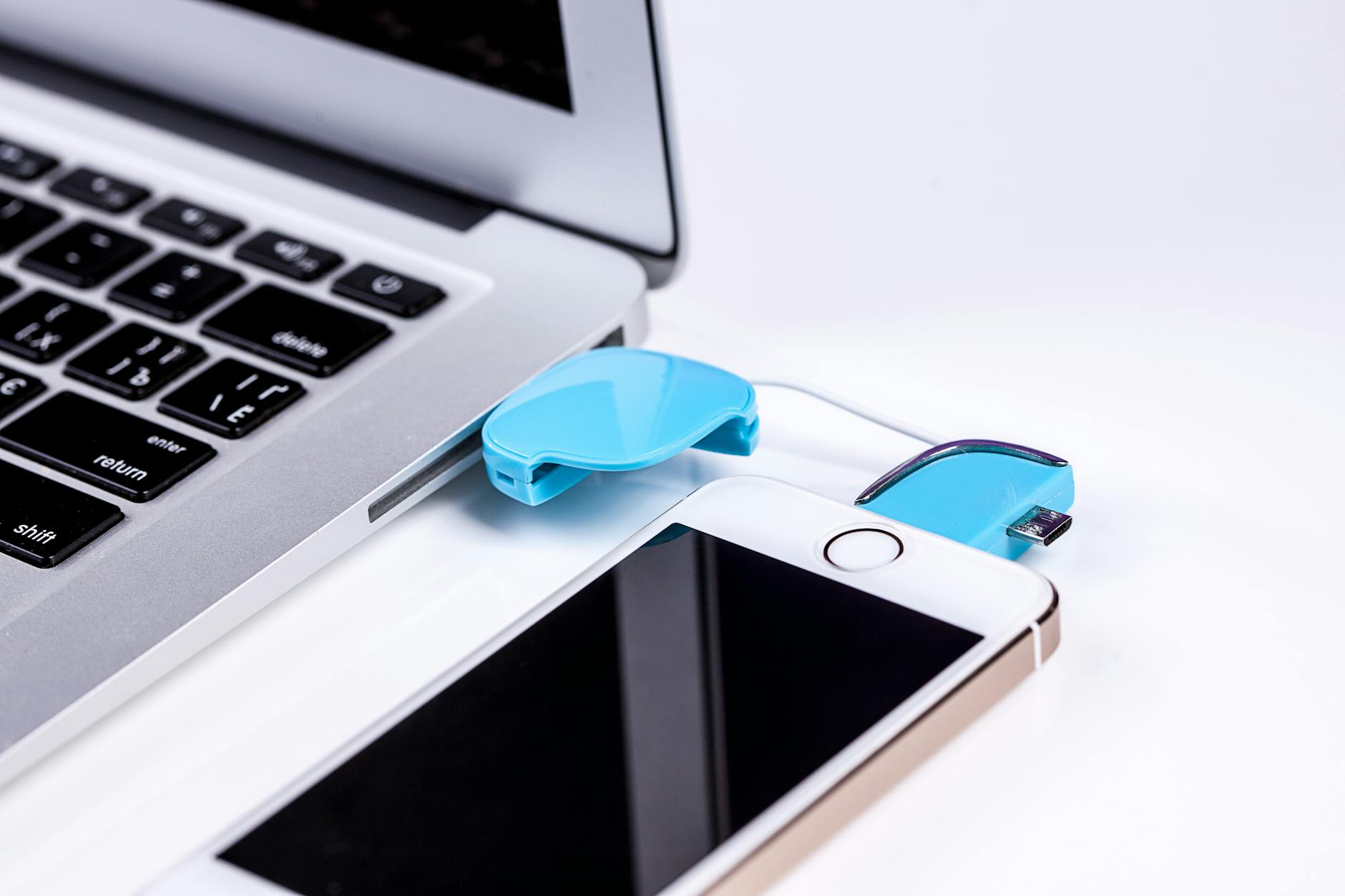 Photo by Pixabay
Enable the USB Notification and Choose File Transfer
Most Android devices will prompt you with a USB notification the moment you connect them to a computer. If you miss the notification, you still have reliable ways to force the File Transfer option to appear.
- Connect the phone to the computer with a data-capable USB cable. Use a cable you know supports data transfer.
- Swipe down from the top of the screen to open the notification shade. You should see a USB-related notification that reads something like “Charging this device via USB” or “USB charging this device.” If you don’t see it, refresh the connection by unplugging and replugging the cable.
- Tap the USB notification. A menu appears with several modes, including “File Transfer,” “MTP,” or “Transferring files.” Choose the File Transfer option. Your phone storage should mount on the computer as a drive.
- If you still don’t see the option, try a different USB port on the computer or use a different cable. Some USB ports (especially on older laptops) may only support charging or provide limited data speed.
- Confirm on the computer if a prompt asks you to allow access to data. Some devices require you to grant permission for the connected computer to access files. Approve the prompt to establish the link.
If the notification fails to appear, here are quick workarounds:
- Reboot both devices and reconnect. A fresh handshake can trigger the notification again.
- Try a direct USB port on the computer rather than a hub. Some hubs can block proper data negotiation.
- Temporarily switch to a different USB mode you see in the menu, then reselect File Transfer. A quick toggle can unlock the data channel.
- Check for software updates on both devices. Updates often include fixes for USB connectivity quirks.
A handy reference for identifying data-capable cables and avoiding charging-only pitfalls is available here: https://www.pcworld.com/article/2530811/buying-a-usb-c-cable-beware-these-6-crucial-gotchas.html
For a quick overview of why the USB file transfer prompt might not appear, this support thread provides practical steps: https://support.google.com/pixelphone/thread/1459465/i-don-t-see-charging-this-device-via-usb-notification-when-i-plug-usb-c-cable-to-transfer-file-to-and-from-my-pc?hl=en
If you want a broader set of guidance on USB behavior across devices and messages, this Microsoft discussion offers additional tips: https://learn.microsoft.com/en-us/answers/questions/3963514/all-of-a-sudden-android-phone-does-not-connect-thr
Key takeaways
- Always start with a known-good data cable and a reliable USB port.
- The notification is your friend; don’t ignore it when you connect.
- If the prompt doesn’t appear, a quick restart or port swap often fixes it.
Visual cue and quick test
A simple check you can perform: once File Transfer is selected, open “This PC” on Windows or “Finder” on Mac, and look for the phone’s storage. If you can see and access the files, you know the link is solid. If not, recheck the cable or try a different computer USB port.
To learn more about selecting the right data cables and avoiding charging-only variants, see this guide: https://www.slashgear.com/1908888/usb-data-cable-identify-how/
After you confirm File Transfer is active, test by moving a small file such as a photo or a document. This confirms the data path is working and the transfer speed is stable. If you notice unusually slow speeds or interruptions, it’s a signal to re-evaluate the cable and port quality.
Visual recap: what you should see
- USB notification shows with a mode selection
- File Transfer or MTP is highlighted
- Storage appears on the computer
- File transfer proceeds without errors
If you still encounter issues after these steps, you may be dealing with a deeper software or permission problem. In that case, moving to the Developer Options path can lock in a default behavior that prevents the mode from slipping back to charging only.
The role of storage access policies
Some devices require you to authorize access for each computer. If a prompt asks you to allow access and you miss it, the system can stay locked in charging mode. Always grant access when the prompt appears, and remember to check the option that lets you access files in the future. This small permission helps prevent repeat issues on future connections.
Further reading on configuring USB behavior across devices can help you understand differences among brands and Android versions. For a broader view, explore this resource: https://stackoverflow.com/questions/32343380/how-to-set-android-m-default-usb-config-to-mtp-rather-than-charging-only
When to move to Developer Options
If the problem is inconsistent, enabling Developer Options and setting a persistent USB default can prevent the issue from returning. This approach is a powerful way to control the connection behavior directly from the device.
Caption: A clear, stable USB data connection creates a reliable bridge between your phone and computer, letting you transfer files without friction.
Troubleshoot Your Computer to See Phone Files
When your phone isn’t appearing as a storage device, it’s easy to panic and try every setting at once. The truth is, most issues boil down to a few reliable checks. Start with simple hardware tests, then move to targeted software tweaks. By following these steps, you’ll quickly determine whether the problem lies with the cable, the port, the drivers, or the transfer settings on your phone. This section covers two practical paths you can take to get back to file transfers fast.
Fix USB Recognition on Windows
Windows users often run into a yellow exclamation mark in Device Manager. That symbol signals a driver or hardware conflict that blocks the phone from showing up as a USB storage device. The goal here is to reestablish a clean, recognized connection without losing data.
- Open Device Manager and locate your phone under Portable Devices or Universal Serial Bus controllers. If you see a yellow warning, right-click and choose Update driver. If Windows can’t find a better driver, select Browse my computer for driver software and point to the correct folder if you have a driver from the manufacturer.
- If the device shows up but with a warning, try Uninstall device. Disconnect the phone, reboot the computer, and reconnect to force Windows to reinstall the driver fresh.
- Check for universal drivers that you might need. Some PCs benefit from a generic MTP driver package from the manufacturer or Windows itself. After installs, reconnect and verify that the phone appears in File Explorer with its own drive letter.
- If the warning persists, double‑check the USB mode on the phone. Set it to File Transfer or MTP, then replug. Some devices require you to confirm a permission prompt on the phone to grant access to files on the PC.
- For a deeper dive into resolving yellow marks in Device Manager, you can consult Windows-specific guides that walk through error codes and common fixes for MTP devices. See resources like Windows Central’s step-by-step approach to yellow icons in Device Manager and related driver issues.
A quick reference helps you avoid common missteps:
- Ensure you use a data-capable cable, not just a charging cable.
- Try a different USB port, preferably a direct port on the computer rather than a hub.
- Reconnect after driver updates or reinstalls to confirm the new configuration sticks.
If it still doesn’t show up, reset USB settings on the PC and the phone. Sometimes a complete re-pair is the fastest path back to a reliable link. A practical video guide covers Android to PC transfers and USB mode changes, offering a visual walkthrough of these steps.
Helpful reads:
- How to fix USB device not recognized and related driver issues
- A practical guide to MTP device errors and recovery steps
- Microsoft guidance on USB connection behavior and permission prompts
In practice, the first sign of progress is the absence of the yellow exclamation mark. When Windows recognizes the device, you’ll see the phone’s storage appear in File Explorer, ready for a drag and drop transfer. If you still hit a wall after driver updates, moving toward the macOS path or alternate transfer methods can save time.
References to basic cable quality and port reliability can also save you from repeating the same mistakes. A reliable data cable and a clean port are the backbone of a stable link between your smartphone and PC.
Set Up File Transfer on Mac
Mac users have their own quirks and steps to ensure smooth file transfers. The main challenge is getting Android File Transfer or another compatible app to speak the same language as Finder. The goal is to mount the device so you can browse and copy files as easily as you would from a USB drive.
- Download the official transfer app for Mac, such as the Android File Transfer tool. Install it and keep the application up to date to avoid compatibility hiccups.
- Connect your Android device with a data-capable USB cable. Use the same cable you’d use for charging, but ensure it supports data transfer.
- Open the transfer app and follow the on-screen prompts. The app should display the device contents, allowing you to copy, move, or delete files as needed.
- If the Finder doesn’t show the device, try ejecting and reconnecting, or switch to a different USB port. Some Mac models handle data paths differently, so a port swap often resolves the issue.
- Be mindful of the Photos app on Mac. If Photos automatically imports from the device, you might want to disable auto-import during troubleshooting to keep the focus on file transfer rather than media management.
If you run into trouble on Mac, several reputable resources outline how to configure Android File Transfer for reliable operation. For many users, the built-in Mac file management experience improves once Android File Transfer is functioning correctly. If the official app isn’t working well, alternatives like MacDroid can offer Finder integration and different transfer flows.
A quick outline to get you started:
- Download and install the Mac transfer app
- Use a data-capable USB cable
- Browse device storage directly in Finder or the transfer app
- Copy files to your Mac, then organize as needed
For an easy reference, you can check guides that explain how to install Android File Transfer on Mac and address common issues like Finder not recognizing the device. These resources shed light on typical pitfalls and how to avoid them.
Practical tips for a smoother Mac experience:
- Avoid letting Photos import automatically while you’re troubleshooting. This keeps focus on the raw file transfer task.
- If you see the device but cannot access files, re-plug after a quick reboot or try another USB port.
- Keep the transfer app updated to avoid incompatibilities with newer macOS versions.
Helpful reads:
- Mac-friendly steps to fix Android File Transfer issues
- Alternatives to Android File Transfer for Mac users
- Finder integration tips for external devices
With these steps, you should be able to establish a steady file path between your Android phone and your Mac. Once the link is reliable, you can move photos, documents, and videos with confidence, avoiding the temptation to rely solely on cloud transfers. If you still encounter issues, it may be time to test another transfer method, such as wireless options, while keeping the door open for a deeper look at USB settings on both devices.
External resources referenced in this section provide practical visual guides and official downloads to support your setup:
- Android File Transfer official download page
- MacDroid and other Mac transfer alternatives for Finder integration
- Finder and Photos app workflows related to device imports
In all cases, the objective is straightforward: a reliable, predictable path to move your files between your smartphone and your computer, whether you’re backing up memories or delivering work on the go.
Use Advanced Fixes When Basic Steps Fail
When the basics don’t move the needle, it’s time to escalate. This section covers targeted, deeper fixes you can safely try to restore a reliable file transfer path between your phone and computer. Think of it as a second wave of troubleshooting that respects your data and keeps you moving forward. A quick, patient approach often wins back the USB link without needing professional support.
Run ADB Commands to Force File Transfer Mode
If the simplest cable swaps and restarts haven’t worked, ADB offers a direct way to push the system toward File Transfer mode. Start with a clean, controlled sequence to avoid partial changes that could cause more trouble.
- Preparation
- Enable USB debugging on the phone: go to Settings > About phone, tap Build number seven times to unlock Developer options, then turn on USB debugging in Settings > System > Developer options.
- Install the Android SDK Platform-Tools on your computer if you haven’t already.
- Use a data-capable USB cable and connect the phone to your computer.
- Exact commands
adb devicesto verify your phone appears.adb kill-serverfollowed byadb start-serverto reset the ADB daemon.adb shellto drop into a shell on the phone.- Inside the shell, try
svc usb setFunctions mtpto switch the USB function to MTP. - If you need a broader reset, exit the shell and run
adb shell "setprop persist.sys.usb.config mtp,adb"from your computer. - Reboot the phone and then reconnect the USB cable.
- Reboot and verify
- After reboot, reconnect and check for the standard File Transfer prompt on the phone.
- On the computer, open File Explorer or Finder to confirm the phone appears as a drive.
If you spot a permissions prompt on the phone, accept it to authorize the computer to access files. Use a different USB port or cable if the prompt still won’t appear. For a practical walkthrough of these steps, you can reference technical guides that cover enabling MTP with ADB and related USB tweaks: https://stackoverflow.com/questions/54959259/enable-mtp-using-adb and https://stackoverflow.com/questions/71082875/using-adb-to-enable-file-transfer-mtp-usb-debugging-enabled-device-set-to-char
- Quick notes
- These commands assume you have a basic level of ADB access. If your device blocks certain operations, you may need a rooted environment or vendor-specific tools.
- If the device still won’t switch to MTP, revert to hardware checks and consider a different transfer method while you pursue deeper fixes.
Why this helps: ADB commands bypass some software layers that sometimes block MTP negotiation. It gives you a direct, repeatable way to push the system into the right USB mode, especially when normal prompts fail. If you’re a frequent traveler or you rely on quick file moves, this approach can save time and frustration.
Extra Tips to Rule Out Other Problems
If the ADB route feels too technical or you want a broader safety net, use these checks to certify there’s no lurking issue behind the scenes. A smartphone connection is only as reliable as its smallest component, so rule out every potential bottleneck.
- OS updates and firmware
- Keep both devices up to date. A fresh OS patch can fix USB stack issues that show up after updates.
- Check for adapter or hub quirks on the computer side as well. Some hubs introduce data negotiation problems that block file transfer modes.
- App permissions and security settings
- On Android, permission prompts can block access even after a cable is recognized. Ensure you grant access and, if available, set the computer as a trusted device.
- Review any mobile security apps that might throttle USB connections or require explicit permission every time.
- Hardware tests
- Test with another computer to determine if the issue is device- or PC-specific.
- Inspect the USB port and port cables for wear or visible damage. A loose or bent connector can cause intermittent failures.
- Try a different USB cable that you know supports data transfer. Some cables are labeled data capable but perform poorly in real life.
- Alternate transfer paths
- If you need to move files urgently, wireless options like a local network share or a dedicated transfer app can keep you productive while you finalize USB fixes.
- For Mac users, third-party tools can fill gaps when Android File Transfer behaves inconsistently.
Helpful, trustworthy references you can consult for deeper USB behavior and driver issues include:
- How to fix MTP USB Device Driver problems on Windows: https://toolbox.easeus.com/driverhandy/fix-mtp-usb-device-driver-problem-in-windows-7.html
- Fixing MTP USB device driver problems on Windows 10/11: https://www.auslogics.com/en/articles/fix-mtp-usb-device-driver-failed-windows-10/
- Android File Transfer not working on Mac: https://www.macdroid.app/article/fix-android-file-transfer/
Key takeaways
- Always use a data-capable cable and test across ports.
- ADB can bypass stubborn software blocks but may require some familiarity with developer options.
- If one path stalls, switch to an alternative transfer method while you continue advanced fixes.
When to Move On to a Deeper Software Reset
If the advanced steps still don’t produce a reliable file path, a deeper software reset can be worth it. This isn’t a factory reset, but more of a targeted reset that won’t wipe your data.
- On the phone
- Reset USB settings (if available) to default and re-pair the device with the computer.
- Clear any background apps that monitor USB activity and restart the phone afterward.
- On the computer
- Reinstall the USB drivers for your device or update them from the manufacturer’s site.
- Try a clean user profile or a portable OS environment to rule out user-specific configuration issues.
- Documentation and support
- If you still struggle, search for device-specific guides from reliable sources. Brand pages and major tech sites often publish step-by-step procedures for persistent USB issues.
- Keep the model and OS version handy when you contact support, so the staff can reproduce the problem quickly.
If you want a visual reference, a practical guide to ADB and file transfer issues can be helpful: https://www.macdroid.app/article/fix-android-file-transfer/
In fast-moving work life, having a dependable way to move files matters. These advanced fixes are your toolkit for when the basics fail, keeping your workflow steady and efficient, whether you’re at home, in the office, or on the road.
Conclusion
Fixing the file transfer mode not appearing on your phone is usually a mix of simple checks and smart wiring choices. Start with a solid data cable and a steady USB port, then confirm the on screen prompt for File Transfer or MTP. These basics unlock the data path fast and avoid most repeat issues.
In most cases, a quick restart of both devices or a port swap resolves stubborn prompts. If the problem returns, enable USB debugging or try an alternate transfer method to keep work moving. A consistent, data capable cable paired with reliable ports makes future transfers predictable and efficient.
To avoid future snags, set a default USB behavior on your device and keep drivers up to date. A targeted approach saves time and keeps your workflow smooth, whether you’re backing up memories or moving work files. Your smartphone becomes a dependable bridge for quick file moves, not a bottleneck.
What fixed it for you? Share your results in the comments so others can learn from your setup. If you found this guide helpful, consider sharing the post or subscribing for more practical USB and file management tips. The goal is easy file management every time you connect.