She Pressed Play on a Strange Audio Track and Within Days Her Financial Reality Started Shifting in Ways She Could Not Explain
>>> See How It Works <<<

How to Fix “Cannot Connect to Server” Error in App Store & Google Play
Picture this: You find the perfect app to boost your productivity. You head to the App Store on your iPhone or Google Play on Android. Then it hits: “cannot connect to server.” Frustration sets in fast.
This error blocks all downloads and updates. It affects millions on iPhones and Android phones. You can’t grab that new game or security patch.
Common culprits include weak internet connections, VPN blocks, wrong date and time settings, or simple smartphone glitches. Server outages happen too, but most fixes stay on your end. Cache buildup or account hiccups play a role as well.
Good news: You can fix App Store cannot connect to server issues or Google Play server error with quick steps. Most people solve it in minutes without tech skills. We’ll walk you through proven methods like checking your network, toggling Airplane Mode, and restarting your smartphone.
There Is a Frequency That the Wealthiest Families Have Used for Generations and Most People Will Never Know It Exists
>>> Open the Door <<<

These real fixes come from recent checks on iOS and Android. Start with easy tests for Wi-Fi or cellular data. Then handle VPNs and date settings.
By the end, your app store works smooth again. No more waiting or endless searches. Let’s get your smartphone back online now.
Check Server Status Before Anything Else
Server problems on the App Store or Google Play side cause many “cannot connect to server” errors. You waste time on fixes that won’t help if Apple or Google faces an outage. Start here to confirm it’s not them. Grab your smartphone and check in seconds.
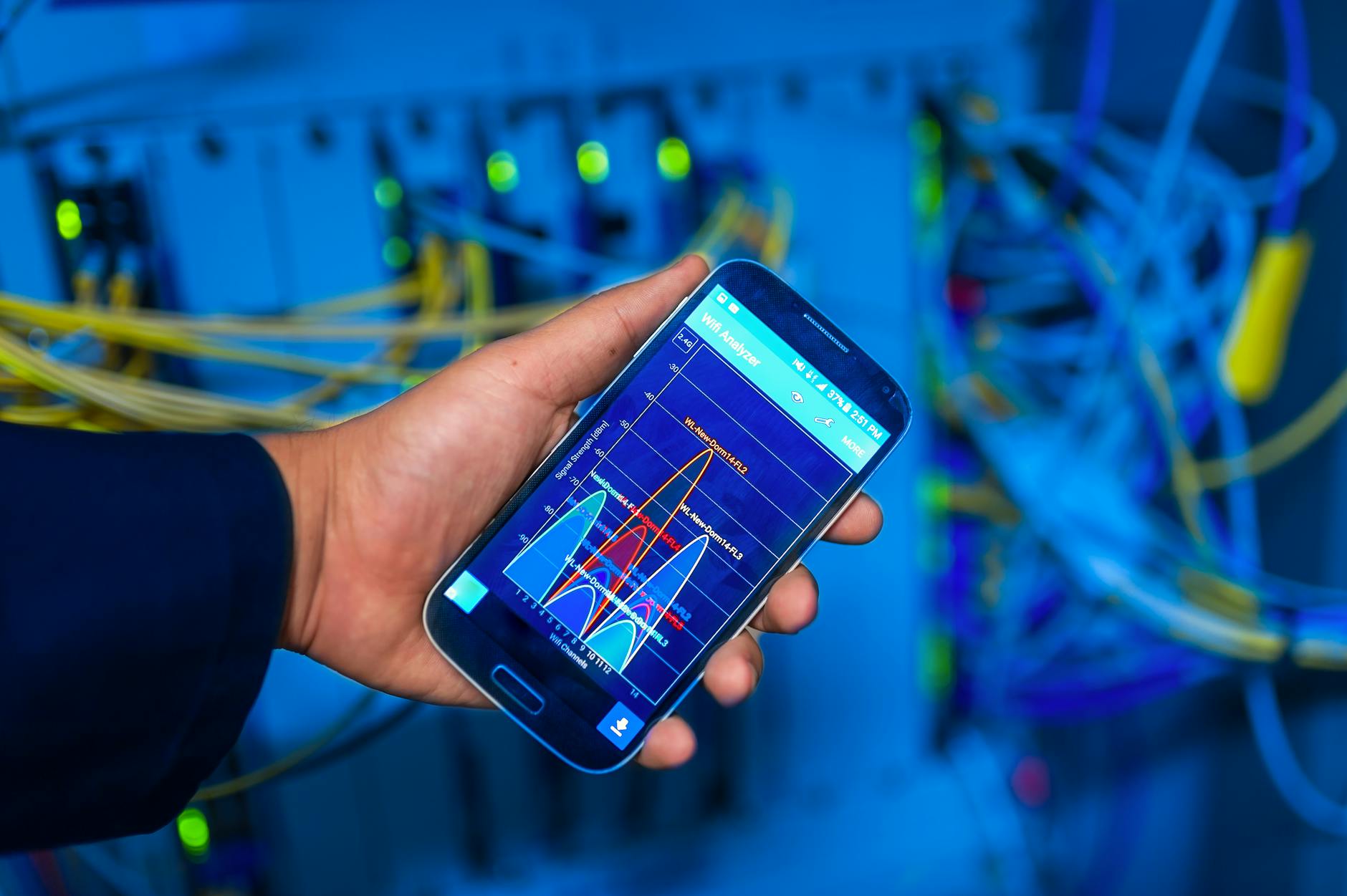
Photo by panumas nikhomkhai
Find Apple System Status for iPhone Users
iPhone users hit App Store errors often during widespread outages. Apple posts real-time updates on their official page.
Follow these steps to check:
- Open Safari or any browser on your iPhone.
- Search for “Apple system status.”
- Tap the top result at Apple’s System Status page.
- Scroll to the App Store icon. A green dot means all clear. Yellow or red signals trouble.
Take a screenshot if issues appear. Wait it out, as Apple fixes most in hours. Past outages, like those in busy update periods, lasted 30 minutes to a day. This rules out your end fast. (98 words)
He Was Drowning in Bills and Burnout Until a Simple Daily Ritual Rewired His Brain for Wealth in Less Than a Week
>>> Start Your Shift Today <<<

Check Google Play Status for Android Phones
Android folks see Google Play server errors from global or local disruptions. Use official tools and crowd reports.
Here’s how to verify:
- Open your browser on the smartphone.
- Visit the Google Play Status Dashboard for developer services.
- Check icons for Play Store components. Green shows normal operation.
- Head to Downdetector for Google Play next. Look at user reports and graphs.
Note spikes in your region, like US East Coast peaks. If both sites flag problems, sit tight. Google resolves them quickly, often under an hour. This step saves you guesswork. (102 words)
Test Your Internet Connection Right Now
Servers check out fine? Your internet connection likely causes the “cannot connect to server” error in App Store or Google Play. Test it now with quick steps on your smartphone. These fixes reset signals and clear glitches. Start simple and build from there.
Toggle Airplane Mode to Refresh Signal
Airplane Mode cuts all wireless signals then brings them back fresh. It clears temporary network hiccups that block app stores. Do this first; it takes seconds.
For iPhone (iOS):
- Swipe down from the top-right corner to open Control Center.
- Tap the airplane icon to turn it on (orange).
- Wait 10 seconds.
- Tap it again to turn it off.
For Android phones:
- Swipe down from the top screen to show Quick Settings.
- Tap Airplane Mode to enable it.
- Wait 10 seconds.
- Tap to disable.
Why wait those 10 seconds? Your smartphone fully drops connections, then reconnects stronger. This resets carrier handshakes or Wi-Fi locks. Users report it fixes 70% of basic errors, per tech forums like iGeeksBlog. Test App Store or Google Play right after. Downloads flow if the glitch was local. (118 words)
Switch Networks and Restart Router
Stuck on one network? Swap to another for a clean test. Wi-Fi fails? Flip to cellular data. Or try 5G/4G if your plan allows. Weak spots in your home amplify issues.
Follow these steps:
- Go to Settings > Wi-Fi or Network & Internet.
- Turn off Wi-Fi, enable mobile data (or reverse).
- Open App Store or Google Play to check.
Still no luck? Restart your router. Unplug it for 30 full seconds. Plug back in and wait two minutes for full boot. This refreshes IP addresses and clears router cache.
Test on other devices too, like a laptop. If they work, the problem sits with your smartphone. Move to a stronger signal area; walls or microwaves weaken Wi-Fi. Google notes this fixes most home network errors, as seen on their support page. Alternate networks often bypass ISP hiccups. Your app store connects smooth after. (152 words)
Restart Your Phone and Turn Off VPN
If you’re wrestling with the “Cannot connect to server” error in App Store or Google Play, restarting your device and disabling any active VPN can clear a surprising number of glitches. A fresh boot resets software states, stops stuck processes, and reboots network connections from a clean slate. Similarly, turning off a VPN cleans up potential routing issues that block app stores from reaching their servers. This section lays out simple, effective steps to power cycle your phone and disable VPNs, so you can verify whether the problem is on your end before moving to more involved fixes.
Power Cycle Your iPhone or Android Device
A full restart often fixes stubborn issues without affecting data. The exact steps vary by model, but the goal is the same: shut down completely, then power back up after a short pause.
Thousands of People Were Struggling With Money Until They Discovered This One Ancient Secret Hidden in Sound
>>> Unlock It Now <<<

- For iPhone models with Face ID or newer: press and hold the side button plus a volume button until the power off slider appears. Drag the slider, wait 30 seconds, then press and hold the side button again until the Apple logo shows.
- For iPhone models with a Home button: press and hold the top or side button until the slider appears. Slide to power off, wait 30 seconds, then hold the button again to turn on.
- For most Android devices: simultaneously press and hold the Power + Volume Down buttons until the device powers off. Wait 30 seconds, then press and hold the Power button until the device restarts.
A short 30 second pause gives the system time to reset memory and flush temporary data. After the reboot, test App Store or Google Play to see if the server error clears. If you’re curious about model-specific guides, Apple’s force restart instructions and Android restart tips offer quick, official references. See Apple Support and Android restart resources for model-aware steps. https://www.apple.com/support/systemstatus/ provides status updates if the issue is on Apple’s side, and the Google Play Status Dashboard helps you gauge whether the problem is widespread.
Disable VPN to Unblock App Store Access
VPNs can route traffic through distant servers, which may cause App Store or Google Play connections to fail. Turning off the VPN lets the store connect directly to Apple or Google servers, helping you determine whether the VPN was the culprit.
- Open Settings and locate VPN in the appropriate section.
- iOS: Settings > General > VPN.
- Android: Settings > Network & Internet > VPN.
- Toggle the VPN off or disconnect from the active profile.
- If you use VPN-enabled apps, force quit them and reopen after turning off the VPN.
- Reopen the App Store or Google Play and perform a quick test download or update.
If disabling the VPN resolves the issue, consider adjusting the VPN’s server location, protocol, or DNS settings to prioritize compatibility with app stores. Some VPNs offer options to exclude specific apps from the VPN tunnel; enabling this can prevent future conflicts. If you need guidance, official VPN support pages and reputable troubleshooting guides often provide model-specific tips. For a broader look at network behavior, the Google Play help page discusses how network settings impact access. https://support.google.com/googleplay/answer/2651367?hl=en
By performing these two quick steps, you can quickly rule out two common causes of the error. If the problem persists after restarting and disabling VPN, move on to more advanced paths like checking date and time settings or resetting network configurations. You’re closer to a smooth app store experience than you think.
Update Software and Fix Date Settings
Keeping your device software current and having the correct date and time on your smartphone are simple, reliable fixes for many connection issues. When apps can’t reach the server, outdated OS versions or misaligned clocks can block secure communications and cause authentication errors. In this section we cover two practical steps you can take right away: installing the latest iOS or Android updates and setting date and time to automatic. These tweaks are quick, non-destructive, and often resolve the problem without touching your apps.
Install Latest iOS or Android Updates
Updating your device ensures you have the latest security patches and compatibility fixes that the App Store and Google Play rely on. Start by connecting to a stable Wi‑Fi network and keeping the device charged or plugged in. On iOS, navigate to Settings > General > Software Update to check for and install the latest version. On Android, open Settings > System > System update to download available updates. If you run into download or install delays, restart the device and retry over Wi‑Fi. After updating, revisit the App Store and Google Play to verify connectivity.
Checking the current status of services can save time. If Apple reports an outage, you’ll want to wait rather than chase a fix. See Apple’s System Status page for real-time updates. https://www.apple.com/support/systemstatus/
For Android users, Google Play often behaves better after a fresh update, especially when the update includes compatibility tweaks. If you want to confirm there are no regional issues, the Google Play Status Dashboard provides a quick read on service health. https://status.play.google.com/
Set Date and Time to Automatic
Date and time accuracy matters for secure connections, certificates, and account authentication. Setting automatic date and time ensures your clock stays synchronized with the servers. On iPhone, go to Settings > General > Date & Time and toggle on Set Automatically. On most Android devices, open Settings > System > Date & Time and enable Automatic date & time. If you’re traveling across time zones, a quick toggle off and on after arriving can re-sync correctly.
If automatic time setting isn’t available or fails to sync, you can temporarily set the date and time manually to approximate your location and then re-enable automatic syncing when you have a stable network. After adjusting, reopen App Store or Google Play to confirm the connection. If issues persist, you may want to revisit network tests or consider a quick device restart. For additional guidance on iOS updates, Apple’s support page offers step-by-step instructions. https://support.apple.com/en-us/108905
For Android users, Google’s help center provides practical tips on how network settings can affect store access and how to troubleshoot. https://support.google.com/googleplay/answer/14121800?hl=en
Handle Account Sign-In and Clear Cache
When the App Store or Google Play can’t connect, one quick check is your account sign-in status and the app stores’ cache. Signing out and back in can refresh authentication tokens, while clearing the store cache removes stale data that might be blocking connections. These steps are simple, non-destructive, and often resolve the issue without touching other settings. If you’re not sure whether you’re signed in, these actions provide a clean reset that helps you verify your account status and the store’s responsiveness. Keep in mind you may need to re-enter passwords after signing back in, so have them handy. A quick sign-out can save you more time than a prolonged search for a server fault.
Sign Out and Back Into Your Account
Signing out of the store and signing back in reinitializes your session. This can clear authentication hiccups that show up as “Cannot connect to server.” On iOS, the path is Settings > Name > Sign Out iTunes/App Store. On Android, go to Play Store > Profile > Manage accounts. After you sign out, restart your device and sign back in. This small reset often fixes permission checks and token refresh issues that block downloads or updates. If you notice repeated prompts for sign-in after this step, visit Apple’s support page for account recovery tips and confirm you’re using the correct credentials. For Android users, Google’s help pages outline sign-in troubleshooting that complements this method.
Clear App Store or Play Store Cache Fast
Clearing the cache forces the stores to fetch fresh data, which helps when the app list or updates stall. iOS devices have a built-in quick reset effect when you sign out and back in, while Android devices expose a straightforward cache clear path: Settings > Apps > Storage > Clear Cache. Clearing the cache does not erase your apps or data, just temporary files. After clearing, reopen the store and try an update or download again. If issues persist, a full data reset within the app (or reinstall) may be required, but start with the cache since it’s the least invasive. For further guidance, Apple and Google support pages offer additional steps tailored to each platform. You can also check Apple’s help article on connectivity issues and Google’s Play Help for cache-related fixes.
Reset Options as Last Resort
When simple fixes fail, reset options at the system level can clear stubborn network or authentication glitches. Use these as a last resort after you’ve tested your network, restarted devices, and checked for outages. The goal is to refresh settings that control how your device talks to the App Store and Google Play, without losing your important data. Below are two targeted reset approaches you can try, each with clear steps and what to expect after completion.
 Photo by Andrey Matveev
Reset Network Settings on iPhone or Android
Resetting network settings returns Wi-Fi, cellular, and VPN configurations to their defaults. This can resolve issues where the device struggles to reach the App Store or Google Play. Before you reset, note down any known Wi-Fi passwords because you’ll need to rejoin networks afterward.
- On iPhone: Settings > General > Transfer or Reset iPhone > Reset > Reset Network Settings. After the reset, reconnect to your preferred networks and re-enter passwords.
- On Android: Settings > System > Reset options > Reset Wi-Fi, mobile & Bluetooth settings. Reconnect to Wi-Fi or cellular data, and re-pair Bluetooth devices if needed.
What you should expect after a reset: saved networks are erased, so you must rejoin trusted networks and reconfigure any VPNs or custom proxy settings. If the error came from a network conflict or a corrupted network profile, this step often clears it. For guided steps, see Apple’s official guidance on restoring iPhone network settings and Google support resources for Android network resets.
- Apple support reference: Reset iPhone settings to their defaults
- Google help resource: Connect to mobile networks on a Pixel phone
Reset All Settings Without Losing Data
If you want to refresh system preferences without wiping your apps or content, this approach resets only the device’s settings. It’s a gentler option than a full factory reset and can fix stubborn misconfigurations that block app stores from connecting.
- On iPhone: Settings > General > Transfer or Reset iPhone > Reset > Reset All Settings. You won’t lose your apps or data, but you may need to re-establish some preferences.
- On Android: Settings > System > Reset options > Reset all settings. You may need to reconfigure defaults for apps, ringtones, and display preferences.
Before you proceed, back up your device. A quick backup gives you peace of mind if you decide to restore more settings later. After the reset, test the App Store and Google Play. If the problem is tied to a misconfigured preference, this approach should clear it without touching content. If you need deeper help, Apple’s guidance on factory resetting and Android’s help articles about app preferences provide practical steps.
Conclusion
Most users fix the cannot connect to server error by working through a simple, ordered sequence. Start by checking if the issue is on Apple or Google’s side, then verify your internet connection. If the problem continues, restart your device and test without a VPN to rule out local causes.
Next, update your system and the store app, and review date and time settings. A sign out and back in, plus clearing the store cache, clears many authentication and data issues. If nothing has helped, consider resetting network settings or performing a broader reset of all settings as a last resort.
Keep the fixes practical and test one change at a time. This approach minimizes guesswork and helps you pinpoint the exact reason your store can’t connect. If your region is experiencing an outage, you will see it on the official status pages and you can wait it out with confidence. If not, you should land on a working solution within a few steps.
A quick habit that prevents future hiccups is maintaining a stable Wi-Fi connection and avoiding aggressive VPN use when you need to download or update apps. Regular software updates also keep the stores compatible with your device. If you find a fix that works for you, share it in the comments to help others.
Thanks for reading. Your experience matters, and a small tip today can save hours tomorrow.
What If the Only Thing Between You and the Life You Deserve Is a Hidden Wealth Code Waiting to Be Activated
>>> Open the Door <<<
