There Is a Frequency That the Wealthiest Families Have Used for Generations and Most People Will Never Know It Exists
>>> Open the Door <<<

Ever been on a call or mid-workout and your headphones show as “paired” but refuse to connect to your phone? It happens to Android and iPhone alike, turning a simple audio moment into a frustrating tech snag. This guide breaks down the most reliable fixes in plain language, so you can get back to listening with confidence.
First, start with the basics. Turn Bluetooth off, wait a few seconds, then turn it back on. Check the device you want to connect is powered, close enough, and in pairing mode. If you still see the issue, restart both your phone and the accessory. These quick steps solve many common glues in one go.
If the basic steps don’t help, it’s time for a deeper clean fix. On Android, clearing the Bluetooth cache or resetting network settings often does the trick. On iPhone, forgetting the device and re pairing it usually clears the roadblocks causing the problem. If you notice the problem only with one accessory, test it with another headset or speaker to confirm where the fault lies.
Sometimes the culprit is software. Check for the latest updates for your phone and the accessory, and install them if available. A quick check in Safe Mode can reveal if another app is causing the conflict. If the issue persists, try the device’s own reset or contact the maker for compatibility guidance.
Thousands of People Were Struggling With Money Until They Discovered This One Ancient Secret Hidden in Sound
>>> Unlock It Now <<<

This post walks you through each step in a clear, step by step way. By the end, most users will have a solid plan to move from “paired” to connected, with practical fixes you can apply right away. You’ll learn exactly what to try first, how to test the connection, and what to do if everything else fails.
Common Reasons Your Bluetooth Device Won’t Connect
When a device shows as paired but refuses to connect, it’s usually not a hardware dead end. More often, simple environment factors or power settings are to blame. This section covers two frequent culprits and how to quickly test and rule them out. You’ll learn practical steps you can take right away to restore a reliable connection, without jumping into deeper fixes.
Spot Interference and Distance Problems First
Wireless devices share the same 2.4 GHz airspace. Walls, furniture, and other obstacles can fade Bluetooth signals, especially when you’re more than a few feet away. Nearby WiFi routers and microwaves can generate noise that clashes with Bluetooth, causing dropped connections or a failed pairing to connect. Quick checks make the issue clear: move closer to the phone and the accessory, and stand away from dense walls or metal objects. If you notice improvement, you’re uncovering the interference pattern. For more on how 2.4 GHz traffic can disrupt Bluetooth, see this guide on interference and fixes: https://pcguide.com/wifi/wi-fi-bluetooth-interference
Check Battery and Power Saving Modes
Low power can throttle Bluetooth performance. If either device runs on weak battery, you may get a stuck or slow connection. Smartphone power saving modes can also affect Bluetooth behavior, turning off background processes that keep devices linked. To test, fully charge both devices and attempt a fresh connection. If you’re seeing issues even with good battery, disable any battery saver settings temporarily and re-pair. On Android and iPhone, turning off battery optimization for Bluetooth or disabling low power modes during testing can resolve stubborn pairing problems: https://www.google.com/android/answer/9769184?hl=en
Basic Fixes That Work on Any Phone
If you’ve got a Bluetooth device stuck on “paired” but not actually connecting, you’re not alone. This section covers two simple, high-impact fixes that apply to nearly every phone. They’re fast, easy to perform, and do a surprising amount of good without diving into deep system resets. Think of these as the baseline checks you run before you start more involved troubleshooting. You’ll often notice a real difference after these quick wins, especially if you’re balancing a busy day with a Bluetooth headset, speaker, or car system.
Restart and Toggle Bluetooth the Right Way
Full steps: power off both the phone and the accessory, wait 30 seconds, power everything back on, then toggle Bluetooth off and on again. This sequence resets the radios cleanly and clears lingering connection ghosts that can cling to devices. The waiting period helps ensure caches and temporary settings reset properly, so when you turn Bluetooth back on, the devices see each other as new. If you’re dealing with a stubborn pair, this is the simplest and most reliable first move.
If you want to confirm you’ve done it right, follow these quick checks: ensure the accessory is in pairing mode, keep them within a few feet of each other, and look for a fresh connection prompt. You should hear a confirmation chime or see a new status in Bluetooth settings. If the problem persists, try the same steps on a second device to determine whether the issue is with the phone or the accessory. For Android users, see how these steps align with official guidance: https://support.google.com/android/answer/9769184?hl=en
There Is a Frequency That the Wealthiest Families Have Used for Generations and Most People Will Never Know It Exists
>>> Open the Door <<<
Update Your Phone’s Software Quickly
Keeping your system up to date can fix hidden bugs that block Bluetooth pairing from connecting. On Android, go to Settings > System > Software update. On iPhone, open Settings > General > Software Update. Software updates often include small fixes that improve device compatibility and radio stability, so a mismatch between the phone and the accessory can be resolved after an update. If you see no updates available, the issue might lie with a specific app or the accessory itself, but updating is still worth trying first. For reference, Android’s official guide and Apple’s update steps are linked here: https://support.google.com/android/answer/9769184?hl=en and https://support.apple.com/en-us/118575
In practice, this approach is about safety and consistency. Newer software brings drivers, security patches, and performance tweaks that improve Bluetooth behavior. After updating, re-pair the devices from scratch to ensure the new software recognizes the accessory cleanly. If you’re testing on multiple devices, compare results to identify whether the problem is device-specific or widespread across your ecosystem. This method is straightforward, and in most cases, it yields a reliable restoration of the connection.
Easy Android Fixes for Paired Bluetooth Issues
When a device shows as paired but won’t connect, the fix is usually straightforward. These two sections tackle the most effective, low-effort steps you can take on an Android phone. They’re designed to be quick to perform and easy to test. Think of them as the first checkpoints before you dive into deeper troubleshooting. You’ll often see a solid improvement with these moves, especially if you’re juggling a busy smartphone routine.
Forget the Device and Pair Again
Sometimes the simplest path is the right one. Forgetting the accessory and starting the pairing process from scratch clears out misconfigurations that linger after a failed connect. Here’s how to do it on most Android phones:
There Is a Frequency That the Wealthiest Families Have Used for Generations and Most People Will Never Know It Exists
>>> Open the Door <<<
- Open Settings > Bluetooth and locate the device in the Paired devices list.
- Tap the gear icon or the “i” info button next to the device, then choose Forget or Unpair.
- Put the accessory back into pairing mode. This step is crucial and varies by device, but usually involves holding a button until a LED blinks.
- Return to your phone’s Bluetooth menu, select the accessory from the discovered devices, and complete the pairing prompt.
After re-pairing, test the connection by playing audio or initiating a call. If it connects, you’re back in business. If not, switch to a different headset or speaker to confirm whether the issue sits with the phone or the accessory. For a quick reference on the standard steps, see the official Android guidance on fixing Bluetooth problems and the process to pair a device. https://support.google.com/android/answer/9769184?hl=en
Clear Bluetooth Cache Without Losing Data
A corrupted cache can cause unpredictable Bluetooth behavior without affecting your files. Clearing the Bluetooth data cache resets the radio’s temporary storage while keeping your app data intact. This is a safe, non-destructive way to clear out stale or damaged Bluetooth state.
- Go to Settings > Apps & notifications (or Apps) > See all apps.
- Tap the three-dot menu and choose Show system.
- Find and select Bluetooth (the system app), then choose Storage & cache.
- Tap Clear cache. Do not tap “Clear storage” or you may reset Bluetooth settings.
Why this helps: the Bluetooth cache can accumulate outdated connection data. Clearing it forces the system to rebuild clean state during the next pairing attempt, removing old pairing ghosts that block a fresh connection. After clearing, re-pair your device from the Bluetooth settings. If you’re curious about more in-depth steps, you can review the Android guidance on clearing Bluetooth cache and related settings. https://support.google.com/android/thread/213135073/reset-delete-data-and-clear-cache-for-bluetooth-or-for-settings?hl=en
iPhone Fixes When Bluetooth Stays Stuck on Paired
If your iPhone shows a device as “paired” but won’t actually connect, you’re not alone. The fix often lies in re-establishing a clean link between the iPhone and the accessory. Below are two precise steps you can try on an iPhone. They’re simple, quick, and effective for most common pairing ghosts. After you complete each step, test the connection by playing audio or making a quick call to confirm the device is live again. If it doesn’t work, proceed to the next fix and re-test.
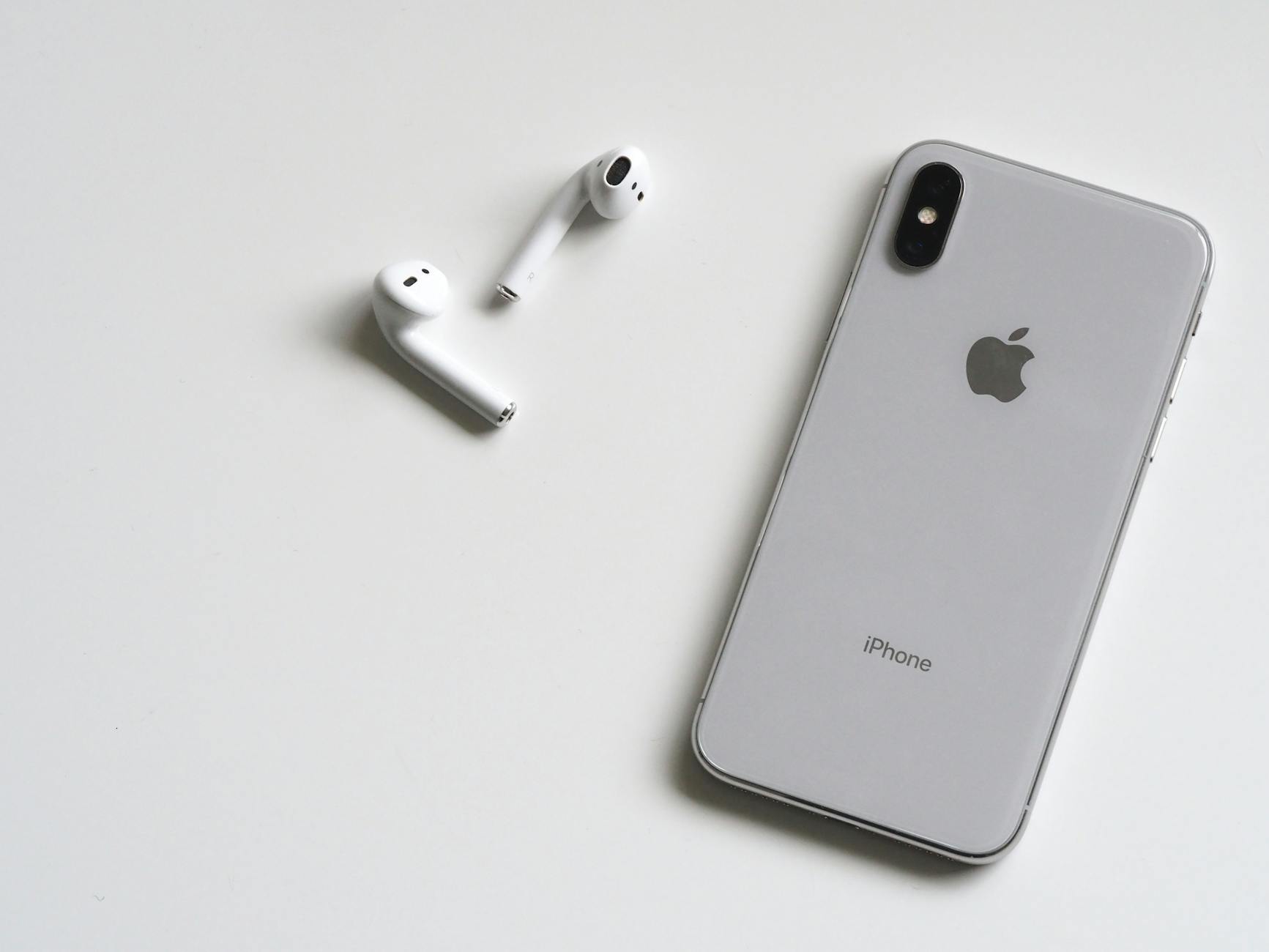
Photo by Jess Bailey Designs
Forget and Re-Pair on iPhone
Forgetting the device and re-pairing clears lingering settings that can block a fresh connection. Start by opening Settings and tapping Bluetooth. Find the stubborn accessory in the list, tap the info button (the small “i” or gear), and choose Forget This Device. Confirm the action. Put the accessory back into pairing mode, then return to Settings > Bluetooth and select the device from the discovered list. Complete the pairing prompts, then test the connection with audio playback or a call. If the issue persists, repeat the process with a second device to determine whether the problem is the iPhone or the accessory. For reference, see Apple’s guidance on connecting Bluetooth accessories: https://support.apple.com/en-us/105108
Reset Network Settings If Needed
Resetting network settings on the iPhone returns wireless configurations to their defaults without erasing personal data. This can clear misconfigurations that block Bluetooth. Before you proceed, back up anything connected to the network, and be prepared to re-enter Wi‑Fi passwords. On your iPhone, go to Settings > General > Transfer or Reset iPhone > Reset > Reset Network Settings. Confirm and allow the device to reboot. After the reset, rejoin your Wi‑Fi and re-pair your Bluetooth accessory. If problems continue, consult Apple’s steps for Bluetooth troubleshooting and resetting iPhone settings: https://support.apple.com/en-us/guide/iphone/iphea1c2fe48/26/ios/26 and https://support.apple.com/en-us/111804
Advanced Steps and Prevention Tips
When you’ve run through the basic fixes and your Bluetooth still refuses to cooperate, it’s time to focus on advanced steps and smart prevention. These tactics help you avoid future hiccups and keep your smartphone and accessories playing nicely together. Think of this as tuning your wireless setup for reliability, not just a quick fix.
Reset Your Bluetooth Accessory
Resetting the accessory is a straightforward, high-impact move. It clears all previous pairings, forcing the device to start fresh when you reconnect. This is especially useful if the headset or speaker has been connected to multiple phones or tablets. After the reset, you’ll need to re-pair from scratch, so be ready to put the device back into pairing mode.
How it works: a factory-like reset wipes stored Bluetooth addresses and temporary data. You’ll restore the path for a clean handshake with your smartphone. If you’re unsure how to reset a specific model, check the manufacturer’s guide or use a trusted setup article. For quick reference, you can review general reset procedures for common wireless products here: https://support.jbl.com/us/en/howto/how-to-reset-true-wireless-stereo-headphones-us/000018051.html
Post-reset tips: re-pair from your phone’s Bluetooth settings, keep devices close during pairing, and watch for a fresh connection prompt. If the reset doesn’t fix the issue, try another accessory to determine whether the problem lies with the phone or the device. A reset often reduces stubborn pairing ghosts and restores dependable connections, especially for busy days when a smartphone doubles as a daily audio hub. For more reset options across brands, you can also glance at another reliable guide here: https://www.soundcore.com/blogs/earbuds/how-to-reset-earbuds-and-pair-them-to-any-devices
Conclusion
Fixing a Bluetooth device that stays stuck on “paired” is all about following a clear, repeatable path. Start with the basics and move through platform specific fixes in the order you test them. Most people find relief after a couple of quick steps, like toggling Bluetooth, restarting devices, or forgetting and re pairing.
Remember to test one change at a time. That approach helps you pinpoint the root cause, whether it’s interference, power saving, or a stubborn cache. If you’ve only had trouble with one accessory, verify its compatibility by trying a different headset or speaker. A single failing device can mislead you into thinking the phone is at fault.
Patience matters. Software updates, resets, and re pairing can take a few minutes, but they pay off with a reliable link between your smartphone and audio gear. After each fix, perform a simple test such as playing a track or taking a quick call to confirm the connection is solid. If all else fails, reach out to support with a clear summary of the steps you’ve tried.
If you found a fix that worked for you, share it in the comments so others can benefit. Subscribe for more practical, no fluff tech guides that help you stay connected with less frustration.
She Pressed Play on a Strange Audio Track and Within Days Her Financial Reality Started Shifting in Ways She Could Not Explain
>>> See How It Works <<<
