He Was Drowning in Bills and Burnout Until a Simple Daily Ritual Rewired His Brain for Wealth in Less Than a Week
>>> Start Your Shift Today <<<

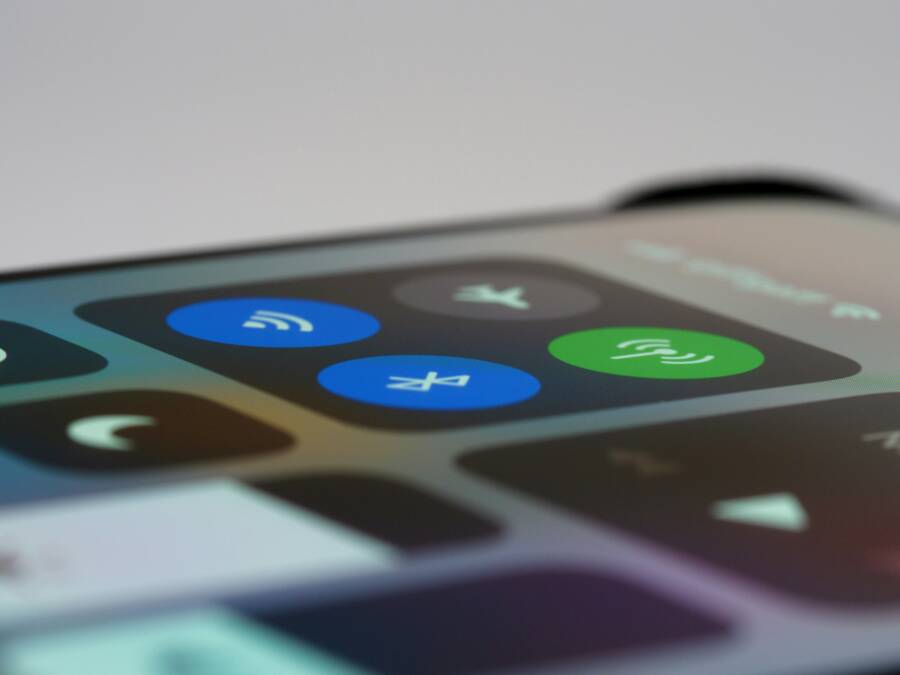
Airplane mode keeps radios quiet, but Bluetooth can still act up when you try to pair a device. If your phone won’t connect to a Bluetooth accessory while airplane mode is on, you’re not alone. This guide walks you through practical checks and fixes that work on most smartphones. It’s designed for quick results, with simple steps you can follow without technical jargon.
Airplane mode is useful in flights and saves battery, yet Bluetooth should still work once you re-enable it. Sometimes the issue is minor, a setting that needs a nudge, or a quick update to your software. Other times, the problem runs deeper and needs a careful approach. Either way, this guide helps you diagnose and fix the problem efficiently.
Thousands of People Were Struggling With Money Until They Discovered This One Ancient Secret Hidden in Sound
>>> Unlock It Now <<<

Quick checks you can try now
- Confirm airplane mode status. Make sure you really turned on airplane mode and then verify Bluetooth is allowed to run in that mode. On many devices, you can turn Bluetooth back on even when airplane mode is active.
- Check the Bluetooth toggle. Open the quick settings panel or the Bluetooth settings screen and ensure Bluetooth shows as on. If it’s off, turn it on and try pairing again.
- Make the target device discoverable. Some accessories only appear when they are in pairing mode. Put the device in pairing state and keep it near your phone.
- Move closer. Bluetooth works best within a few meters. If you are far away, move closer to the accessory.
- Reboot your phone. A simple restart clears minor glitches that can block connections.
- Update the system. Check for OS updates. A recent fix can resolve Bluetooth issues with airplane mode.
- Check for interference. Other devices and some Wi Fi networks can interfere with Bluetooth. If you have many active devices nearby, try disconnecting a few.
- Test with another accessory. If you have another Bluetooth device handy, try pairing it to determine if the issue is with the original accessory or the phone.
- Do not forget about your priorities. When you’re testing, avoid turning airplane mode on and off repeatedly. Instead, test one change at a time.
When to suspect a platform difference
He Was Drowning in Bills and Burnout Until a Simple Daily Ritual Rewired His Brain for Wealth in Less Than a Week
>>> Start Your Shift Today <<<
Smartphone makers handle airplane mode differently. On some Android models, you must toggle Bluetooth back on after enabling airplane mode; on others, Bluetooth remains active automatically. iPhone and other iOS devices usually give you a straightforward option to keep Bluetooth on while airplane mode is active, but glitches can happen. If one platform acts oddly, the other may work as expected. Knowing this helps you tailor the steps you take next.
Troubleshooting by platform
iPhone (iOS) users
- Enable Bluetooth while airplane mode is on. Go to Control Center or Settings and switch Bluetooth on. If the device still won’t appear, restart in airplane mode and try again.
- Forget and re pair the accessory. In Settings > Bluetooth, tap the device name and select Forget This Device. Then put the accessory back in pairing mode and reconnect.
- Reset network settings. If the problem persists, reset the network stack. Go to Settings > General > Transfer or Reset iPhone > Reset > Reset Network Settings. This won’t erase personal data but will reset saved Wi Fi networks and passwords, VPNs, and Bluetooth pairings.
- Update the OS. An iOS update can fix Bluetooth issues that show up with airplane mode. Check Settings > General > Software Update.
- Consider a broader reset if needed. If nothing helps, you can reset all settings. This restores defaults for system settings but does not erase your data. It can resolve stubborn misconfigurations affecting Bluetooth.
Android devices
- Turn airplane mode on, then re enable Bluetooth. Check the quick settings panel and confirm Bluetooth is active. Some devices require you to toggle it after enabling airplane mode.
- Re pair the device. In Settings > Connected devices or Bluetooth, remove the troubled accessory by selecting Forget or Unpair. Then re put the device in pairing mode and connect again.
- Clear Bluetooth cache (where available). In Settings > Apps or Apps & notifications > Show system apps, find Bluetooth, tap Storage, and choose Clear Cache. Reboot and try pairing once more.
- Reset network settings. This step is useful when Bluetooth still misbehaves. Go to Settings > System > Reset options > Reset Wi Fi, mobile & Bluetooth. Note that saved networks and carrier settings may be erased.
- Update the OS. Search for updates in Settings > System > Software Update. An update can fix compatibility issues with accessories.
- Try Safe Mode. If you suspect a third party app is causing the trouble, boot into Safe Mode and test Bluetooth. If it works in Safe Mode, a recently installed app is likely the culprit.
- Last resort factory reset. If nothing else fixes the problem, a factory reset can help. Back up your data first, then reset to factory settings. This step should be your final option.
Deeper fixes that often resolve the problem
There Is a Frequency That the Wealthiest Families Have Used for Generations and Most People Will Never Know It Exists
>>> Open the Door <<<

- Check power saving settings. Some devices reduce Bluetooth activity to save power when battery saver or optimize battery is on. Disable these profiles temporarily while testing Bluetooth.
- Inspect device permissions. Ensure the Bluetooth app has the necessary permissions. On Android, you may need location permissions for device discovery; on iOS, Bluetooth access should be enabled for relevant apps.
- Confirm compatibility. Some old accessories use older Bluetooth standards that newer phones still support, but rare mismatches can occur. If possible, test with a device known to work with your phone.
- Look for multiple connections. A single phone linked to several devices can prevent new connections. Disconnect other devices before trying to pair again.
- Check for hardware issues. If the phone’s Bluetooth radio is damaged, you may see consistent connection failures even after software fixes. This is more common after drops or exposure to water.
- Inspect the accessory. A faulty cable, damaged battery, or worn out Bluetooth module in the accessory can prevent pairing. Try another accessory to confirm.
- Try alternative pairing methods. Some devices support NFC pairing, QR codes, or quick pairing via specific apps. If available, use another method to establish the link.
- Consider regional differences. Bluetooth settings and behavior can vary by region. If you recently moved or updated the device’s language, reset language preferences as part of a broad reset.
Common issues you might encounter and how to handle them
- The accessory shows up but fails to connect. Try forgetting the device, restarting Bluetooth, and re pairing. If this fails, reset the accessory itself according to its manual.
- The phone says it’s connected but playback is missing. Check the audio profile and ensure the correct device is selected in the media output settings.
- A device keeps dropping the connection. Move away from potential interference sources, and verify the accessory has adequate battery life.
- Connection works but only at very short range. A loose antenna or antenna shielding in the phone or accessory can cause this. If symptoms persist, a service visit may be needed.
Practical tips to prevent Bluetooth issues on your smartphone
- Keep software fresh. Regular updates address known bugs in the Bluetooth stack and improve stability with airplane mode usage.
- Maintain the battery. Low power modes can throttle radios. If you rely on Bluetooth often, keep the battery charged and disable aggressive power saving during critical use.
- Manage paired devices. Periodically review your list of paired devices. Remove ones you never use to avoid interference and confusion in dense device environments.
- Limit background apps. Some apps try to access Bluetooth even when you are not actively using them. Restrict background Bluetooth usage to reduce conflicts.
- Store hardware safely. Avoid extreme temperatures and moisture. Harsh conditions can degrade Bluetooth hardware inside the phone or in accessories.
- Use official accessories. Third party headphones and speakers can have compatibility quirks. If you run into trouble, test with official or widely compatible accessories first.
When to seek professional help
- Hardware symptoms persist after all software fixes. If Bluetooth remains unresponsive or you notice abnormal heat, it could be a hardware issue.
- Water damage or physical impact. If the phone has been dropped or exposed to moisture, have a technician inspect the Bluetooth module.
- Repeated failures across different accessories. If multiple devices fail to connect, a deeper hardware diagnostic might be needed.
A quick troubleshooting flow you can follow
- Step 1: Turn on airplane mode, wait 10 seconds, then switch Bluetooth on.
- Step 2: Restart the phone. Try pairing again.
- Step 3: Forget the accessory and re pair.
- Step 4: If possible, test with another accessory. If it works, the original device is the issue.
- Step 5: Reset network settings or perform a factory reset only if the data is safely backed up.
Examples to illustrate the approach
- Example 1: You are on a train and want to connect wireless headphones while airplane mode is active. After enabling Bluetooth in the quick settings, you forget the headphones, restart Bluetooth, and then re pair. The connection holds and audio streams cleanly.
- Example 2: Your Android phone won’t connect to a car audio system when airplane mode is on. You test with a different phone and confirm the car system is fine. You then reset Bluetooth cache, reset network settings, and the car system connects reliably again.
A few notes on terminology and user experience
- Different devices label airplane mode differently. Some models show two separate toggles for wireless radios. It helps to check both the main notification shade and the settings menu.
- Don’t confuse pairing with a direct connection. You may see the device listed as connected in some cases, but data might not route if profiles are wrong. Always verify the output source in the media settings.
- The word smartphone appears naturally as you think about your device and its capabilities. Treat each step as practical guidance for everyday use.
Conclusion
Bluetooth problems in airplane mode are frustrating but usually fixable with a calm, step by step approach. Start with the basics, then move to platform specific steps for iOS or Android. If the issue still shows up after you have tried the core fixes, a deeper hardware check or professional support is the next logical move. A well maintained device and careful pairing habits ensure your smartphone stays ready for wireless accessories when you need them most. If you have a story about a Bluetooth fix that worked for you, share it in the comments so others can benefit from your experience.
She Pressed Play on a Strange Audio Track and Within Days Her Financial Reality Started Shifting in Ways She Could Not Explain
>>> See How It Works <<<
