She Pressed Play on a Strange Audio Track and Within Days Her Financial Reality Started Shifting in Ways She Could Not Explain
>>> See How It Works <<<

If you’ve seen an SD card showing wrong size on your phone, you’re not alone. It can be alarming to see a card report a capacity that doesn’t match what you bought, but most issues are fixable with careful steps. Common culprits include a fake or failing card, a corrupted file system, and quirks from formatting or adoptable storage.
In this guide you’ll learn how to identify the cause, run quick checks on the card and the phone, and apply safe fixes. You’ll see how to use tools like SD Card Formatter and CHKDSK, understand when to reformat with exFAT or FAT32, and how to run capacity testing to confirm the card’s real size.
By the end, you’ll know when to replace the card and how to avoid future problems. The steps are simple and data loss can be prevented if you back up before you start. This is a practical, friendly guide designed for everyday smartphone users.
Diagnose the cause of a SD card showing the wrong size
When a phone shows a SD card capacity that doesn’t match what you bought, it can be hard to know where the problem lies. The good news is most issues are fixable with a few targeted checks. Below you’ll find a practical flow to diagnose whether the problem comes from a fake card, a formatting glitch, or a true hardware fault. The aim is to get you back to reliable storage without unnecessary tech jargon or risky guesses.
What If the Only Thing Between You and the Life You Deserve Is a Hidden Wealth Code Waiting to Be Activated
>>> Open the Door <<<

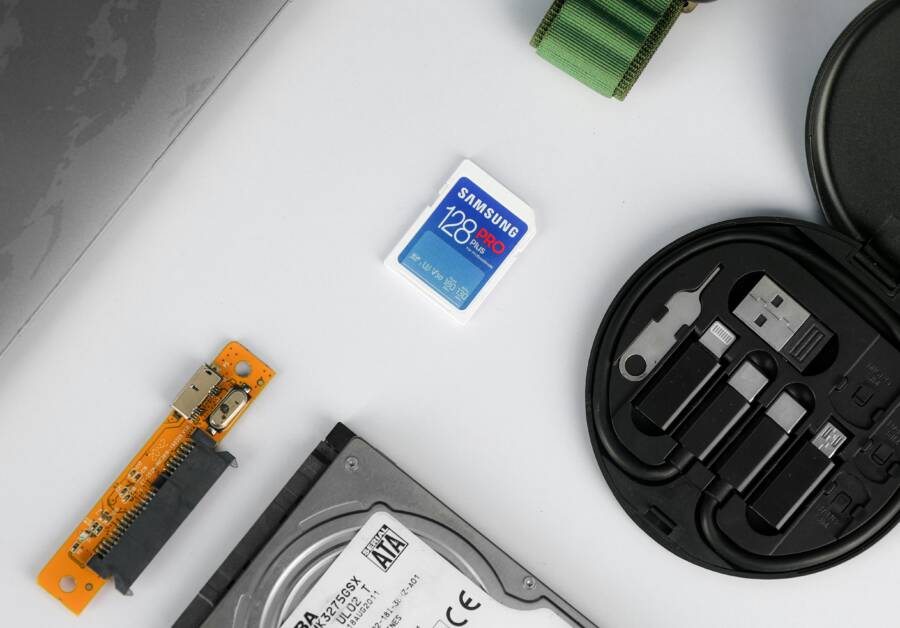
 Photo by ALOK DAS
Is the card fake or misreported capacity?
Fake or misreported capacity is the most common reason a card appears to hold more space than it really does. Here are quick signs to look for and simple checks you can perform at home.
- Packaging and price signals: If the card price seems unusually low for its stated capacity or the packaging looks off, treat it as suspicious. Counterfeit cards often use glossy boxes, generic brands, or images that don’t match the real product line.
- Serial number and branding: Check the card’s label and any stamping on the back. Visit the manufacturer’s site to verify the model number and serial. If you can’t find a matching page, proceed with caution.
- Behavior after transfer begins: If the card reports large space but then files go missing or corrupt, that’s a red flag. Counterfeits can pass quick checks but fail under real use.
- Home checks you can run quickly:
- Use a capacity tester tool on a computer to see real writable space.
- Copy a single large file (at least several gigabytes) and verify the transfer completes without errors.
- Try formatting the card with a dedicated tool and then rechecking capacity.
Note: Many smartphones may show a mismatch due to formatting or partition issues rather than actual capacity. If the card has never been formatted properly, the device can misreport what you actually have. If you suspect a misreport, test the card on a computer first to confirm the real size before deciding on a purchase or a fix.
Recommended reading: test methods and warning signs from reputable guides that help distinguish genuine from fake storage. Links with practical steps and community-tested tips provide extra context. For a structured home test, see resources that explain why capacity tests matter and how to interpret results. Learn more about counterfeit signs and how to test SD cards. Identify fake micro SD cards before and after purchase.
Test the card on a computer to confirm real capacity
Testing on a computer gives a clear view of the card’s true size and helps pinpoint where things went wrong. Follow these steps to verify capacity on Windows and macOS.
- Windows
- Insert the SD card into a card reader and connect to your PC.
- Open Disk Management: right-click the Start button and select “Disk Management.”
- Locate the SD card in the list. Compare the reported size in the bottom pane with the card’s labeled capacity.
- If the card shows a different size, note the numbers and consider backing up any data before making changes.
- If needed, you can reformat using the tool’s available options, but back up first.
- macOS
- Insert the card and open Disk Utility (found in Applications > Utilities).
- Select the SD card in the left sidebar. Look at the “Format” and “Size” fields.
- Real capacity appears as the size shown by Disk Utility. If it differs from the card’s label, you’re likely dealing with a misreported card.
- Before any formatting, create a backup. After backing up, you can erase or reformat if needed.
- Important distinctions
- Real capacity vs reported capacity: The real size is what you can use; a misreport might be due to partitioning or formatting rather than the hardware itself.
- Portable vs adoptable storage on Android: Portable storage is exposed as a regular SD card, while adoptable storage uses the card to extend internal storage. A mismatch can occur during the transition or if the card isn’t fully compatible with adoptable mode.
- Practical takeaway: If the computer tools show a capacity that matches the card’s label, you’re likely dealing with a small device-side issue (formatting, partition table). If the capacity is obviously incorrect on the computer, there’s a strong chance the card is counterfeit or faulty.
Useful references for testing techniques include guides that break down how to check SD card health and capacity on both Windows and macOS. For example, checking SD card health with Windows and macOS has widely shared steps you can follow. Check SD card health on Mac and Check SD card health on Windows.
Understand filesystem state and formats (RAW, exFAT, FAT32)
When a card reports the wrong size, the filesystem and partition state often play a role. Here’s what to know and what to do next.
- RAW filesystem
- What it means: RAW indicates no recognizable filesystem exists on the card. The OS can’t read or write data in a typical way.
- Why it happens: It can result from a corrupted partition table, a failed format, or physical issues on the card.
- What to do: If you still have data to recover, use a data recovery tool first. If recovery isn’t needed or successful, you’ll likely need to reformat the card to a valid filesystem.
- exFAT vs FAT32
- exFAT: Supports large files and drives beyond 4 GB. Best for cards larger than 32 GB and modern devices.
- FAT32: Very broad compatibility but limited to 4 GB per file and 32 GB per volume in some tools. It remains a solid choice for older devices and certain cameras.
- When to format
- If the card is RAW and unreadable, a full format is usually required to restore usability.
- If the capacity shows correctly but you experience file corruption, a clean format with a fresh partition table can help.
- If you’re using Android, consider whether you want portable storage or adoptable storage. Adoptable storage will encrypt and integrate with the system, but not all devices support it equally, so verify device compatibility before committing.
- What data loss to expect
- Formatting typically erases all data. Always back up before formatting, especially if you’re unsure about the data’s importance.
- If you’ve attempted to repair partitions, be prepared for potential data loss on the affected sections.
- Quick action plan
- If you see RAW: back up what you can, then format to exFAT for large cards or FAT32 for broad compatibility.
- If in doubt about capacity: reformat and restore data from a reliable backup to confirm the card’s real size.
Practical formats and compatibility resources can help you decide the best path for your card and device. For example, you might reformat to FAT32 or exFAT using reliable tools that guide you through partitioning and formatting steps. See guides that explain reformatting SD cards to FAT32, exFAT, NTFS, or other formats. How to reformat an SD card to FAT32, exFAT, NTFS, or other formats.
If you’re dealing with a RAW card, you may need data recovery steps first to salvage important files. A practical overview of SD card health checks and recoveries is available from reputable sources. How to check SD card health on Mac and Check SD card health on Windows.
What this all means for you
- If the card is fake or misreported, you’ll likely see a discrepancy across devices and a mismatch in real capacity on a computer.
- If the issue is formatting or a partition problem, a clean format after backing up will usually restore correct capacity reporting.
- If the card is genuinely faulty, even a proper format won’t fix it, and replacement is the safest path.
If you’d like deeper guidance on choosing the right format for your card size and device compatibility, you can explore resources that compare exFAT and FAT32 for Android and other devices. For example, a guide on SD Card file systems for Android discusses what formats work best depending on card size and device compatibility. SD Card File System for Android
Hardware checks you can perform today
When a phone shows the SD card size incorrectly, it often comes down to a simple hardware hiccup. Start with quick, safe checks you can do at home. These steps help determine whether the issue is the card, the reader, or the phone slot. Keep backups handy as you go, just in case data needs to be restored later.
Clean, reseat, and reinsert the card
- Power off the phone and remove the SD card.
- Clean the gold contacts with a soft cloth or an isopropyl wipe. Let it dry completely.
- Reinsert the card firmly until it clicks into place.
Dust, fingerprints, or a loose contact can cause the phone to misread capacity. A fresh seating often resolves simple read errors. If you’re unsure about data safety, back up first whenever possible before you remove or reinsert the card. For a quick reference on safe cleaning practices, see guides on cleaning memory cards. How to Clean Memory Cards
If the card still misreports size after reseating, try cleaning and reseating again with a fresh wipe. Sometimes a tiny grain of dust or a barely visible rub on the contacts is enough to confuse the reader. For a practical look at how contact cleanliness affects performance, you can review user-tested tips from storage pros. Cleaning memory card and camera contacts
Try a different reader or phone
If you have access to another device or a USB/SD card reader, test the card there. Use the steps below and compare results across devices.
- Insert the card into a different phone or a dedicated USB card reader.
- Check the reported capacity on each device.
- Note whether the size matches the card label or varies by device.
This quick cross-check helps identify whether the fault is with the original phone slot or the card itself. If the other device reports a different size, the card is likely faulty or counterfeit and may need replacement. If the other device shows the same misread, the reader or card controller is probably the problem. To see practical demonstrations of capacity testing, you can explore testing methods that cover both USB readers and SD slots. Fake USB Drives & SD Cards? How to Check Real Capacity and Brought a new SD card? Test it before use
Inspect for physical damage
Perform a careful visual check for any telltale signs of damage.
- Bent or bent pins in the card slot
- Cracks, chips, or gouges on the card body
- Visible wear along the contacts or edges
Even minor damage can prevent proper contact and data transfer, leading to misread capacity. If you spot any damage, stop using the card and replace it. A damaged card is high risk for data loss and device compatibility issues. For guidance on repairing or replacing damaged SD cards, consult reputable troubleshooting resources. SD Card Repair: Step-by-Step Guide and 13 Best Ways to Fix Corrupted/Damaged SD Card
If you want a quick, non-destructive check of whether the contact area is contributing to the issue, you can review general handling tips from storage pros. How to Clean Memory Cards offers a variety of practical steps and cautions to avoid damaging the card during inspection. For broader guidance on card health and when to replace, see expert discussions on card lifespans and warning signs. When Should You Replace A Memory Card?
Safe software fixes to restore correct capacity
When your SD card shows a size that doesn’t match its label, it can be tempting to rush to a replacement. In many cases the fix is software based rather than hardware. This section walks you through safe, proven steps to restore correct capacity reporting without risking data loss. You’ll find practical, step-by-step actions you can perform today on your smartphone, a PC, or a Mac.
Use SD Card Formatter to repair the card
The SD Association offers a dedicated formatter designed to repair partition tables and restore proper capacity. Using the official tool helps ensure the card is partitioned in a way that your devices understand. Here’s how to do it safely:
- Download the formatter from the official page and choose the right version for your computer: Windows or Mac.
- Open the tool and select your SD card from the list of available drives. Double-check that you’ve picked the correct device to avoid erasing the wrong card.
- Choose a full format rather than a quick format. A full format rewrites the partition table and creates a clean file system, which is more reliable for fixing capacity misreports.
- Start the format and wait for the process to finish. Do not interrupt it.
- After formatting, recheck the card’s reported size on your phone and on a computer to confirm the correct capacity.
Important: Formatting erases all data. Back up anything you want to keep before starting. If you’re using a Mac, you can also find a Mac version of the same formatter. For official downloads and guidance, visit the SD Association’s formatter pages. Useful reference: SD Memory Card Formatter for Windows Download, SD Memory Card Formatter for Mac Download. You can learn more about the tool and its availability on Linux as well if you use Linux after backing up data.
External resources to review before you begin:
- Official formatter for Windows: https://www.sdcard.org/downloads/formatter/sd-memory-card-formatter-for-windows-download/
- Official formatter for Mac: https://www.sdcard.org/downloads/formatter/sd-memory-card-formatter-for-mac-download/
- General formatter information and FAQs: https://www.sdcard.org/downloads/formatter/faq/
If you want a quick sanity check after formatting, run a capacity test on a computer. A clean partition table should show the card’s true size in the utility you use. See references that discuss how to test SD card capacity and detect counterfeit cards to interpret results accurately. Example guides include methods for testing capacity and identifying fake cards. Learn more here: https://www.xda-developers.com/test-fake-sd-cards-usb-drives/
Run disk checks to fix file system errors
File system corruption can make the capacity reported by a phone look wrong. Running built-in disk checks helps repair logical errors and may fix misreporting caused by bad sectors or corrupted partitions. Here are straightforward steps for Windows and macOS.
- Windows: CHKDSK
- Insert the SD card and open Command Prompt as administrator.
- Run
chkdsk X: /f /rwhere X is the drive letter for your SD card. - Let CHKDSK scan and fix errors. If it finds bad sectors, the /r flag tries to relocate readable data.
- When the process finishes, safely eject the card and reinsert to verify the size reports correctly.
- macOS: Disk Utility First Aid
- Connect the card to your Mac and open Disk Utility.
- Select the SD card in the sidebar, then click “First Aid.”
- Run the check and wait for the result. If it finds issues, it will offer to fix them.
- Reboot if needed and re-check the capacity on the phone.
- What these checks accomplish
- They repair filesystem errors that can confuse the OS into reporting the wrong capacity.
- They can restore proper partition table entries if those tables were damaged.
- They do not fix a physically damaged card, so if issues persist, consider other options.
Notes on interpretation:
- If CHKDSK or Disk Utility reports all good, but the phone still shows wrong size, the issue may lie with the phone’s handling of the card or with a stubborn partition table.
- If the tools fix errors but the capacity still seems off, you may need to reformat with a fresh partition table (see the next section).
External references for this topic:
- Windows CHKDSK guidance and usage: https://www.cleverfiles.com/howto/fix-corrupted-sd-card.html
- Alternative CHKDSK guidance and methods: https://www.powerdatarecovery.com/sd-card-recovery/chkdsk-sd-card.html
- Disk Utility help and First Aid on macOS: https://support.apple.com/en-us/102611
Reformat with care and pick the right file system
If the card still reports the wrong size after formatter and disk checks, a careful reformat with the right filesystem often resolves the issue. Your choice depends on capacity, device compatibility, and how you plan to use the card.
- FAT32 for smaller cards
- Best for devices with limited file system support and for broad compatibility.
- Limitations: individual files under 4 GB; some tools cap formatting at 32 GB for FAT32.
- exFAT for larger cards
- Supports large files and drives, which is ideal for modern phones and cameras.
- More widely supported on newer devices but some older devices may have trouble.
Guidance to follow:
- Back up all data before starting. Formatting erases everything.
- Reformat on a PC or Mac using a trusted utility. Confirm you select the correct card to avoid data loss on other drives.
- After formatting, reinsert the card into your phone and verify that the reported capacity aligns with the card’s label.
Be mindful of compatibility:
- Some phones have limited support for exFAT or FAT32, especially older models. If you plan to share the card between devices, check the lowest common denominator in file system support.
- If you’re using Android in portable storage mode, you may lose file movement flexibility after reformatting. If you need to keep the card portable, stay with FAT32 or exFAT and avoid adoptable storage unless you’ve verified device compatibility ahead of time.
If you need a step-by-step reference for reformatting on Windows or macOS, you can consult guides that cover FAT32 and exFAT formatting options. Useful resources include: How to Format an SD Card on Windows, Mac & Android. You’ll find practical, device-friendly steps and screenshots to guide you.
External references:
- Guidance on choosing FAT32 vs exFAT for Android and other devices: https://www.easeus.com/computer-instruction/sd-card-file-system-for-android.html
- Formatting SD cards on Windows, Mac, and Android: https://www.topselect.ca/blogs/blogs/the-ultimate-guide-to-formatting-an-sd-card-step-by-step-instructions-best-practices
Explore Android adoptable storage with caution
Android offers a feature called adoptable storage that ties the card to one device as internal storage. This can fix reporting oddities on the phone by integrating the card more deeply with the system. But adoption comes with trade-offs.
What If the Only Thing Between You and the Life You Deserve Is a Hidden Wealth Code Waiting to Be Activated
>>> Open the Door <<<
- What adoptable storage does
- The card is encrypted and treated as part of the device’s internal storage.
- It can improve performance and capacity recognition on that device.
- Important caveats
- Data becomes harder to move to another device because the card is bound to the original phone.
- Encryption means you must enter the device password to access the data after a reset or on a new device.
- If you rely on moving files between devices, adoptable storage is not ideal.
- When to consider it
- If you plan to use the card only with one device and have up-to-date backups.
- If the phone offers adoptable storage without performance drawbacks on your model.
If you decide to try adoptable storage, ensure you have a solid backup strategy first. This approach is not for everyone; weigh the convenience against the potential data movement constraints. For official Android guidance on adoptable storage, visit Android’s documentation. If you want broad context on adopting storage and its implications, you can explore Android-focused resources and user experiences.
External references:
- Adoptable storage documentation: https://source.android.com/docs/core/storage/adoptable
- Get started with an SD card on Android: https://support.google.com/android/answer/12153449?hl=en
Concluding takeaway
- Safe fixes often start with software and formatting fixes before hardware replacement.
- Always back up before performing any operation that erases data.
- If the card proves genuinely faulty after these steps, replacement is typically the safest path.
External references and further reading
She Pressed Play on a Strange Audio Track and Within Days Her Financial Reality Started Shifting in Ways She Could Not Explain
>>> See How It Works <<<
- SD Memory Card Formatter official pages for Windows and Mac: https://www.sdcard.org/downloads/formatter/sd-memory-card-formatter-for-windows-download/ and https://www.sdcard.org/downloads/formatter/sd-memory-card-formatter-for-mac-download/
- Guides for checking SD card health on Mac and Windows: https://www.insanelymac.com/blog/how-to-check-sd-card-health-on-mac/ and https://www.diskgenius.com/resource/check-sd-card-health-windows.html
- Reformatting SD cards to FAT32, exFAT, NTFS, or other formats: https://www.diskgenius.com/resource/reformat-sd-card.html
- How to clean memory cards and ensure good contact: https://progradedigital.com/how-to-clean-memory-cards/ and https://www.nikonians.org/forum/topic/197-37950-37950/cleaning-memory-card-and-camera-contacts
If you’d like more detail on any step or want to tailor the guidance to a specific phone model, tell me your device and OS version and I’ll adjust the steps accordingly.
When a card is beyond repair and should be replaced
If a memory card repeatedly shows the wrong size, or if you notice data corruption that software fixes can’t mend, replacement is often the safest path. This section helps you recognize when a card is beyond reliable repair, how to pick a solid substitute, and the steps to migrate your data securely. By acting promptly and using reputable products, you can avoid repeated headaches and data loss.
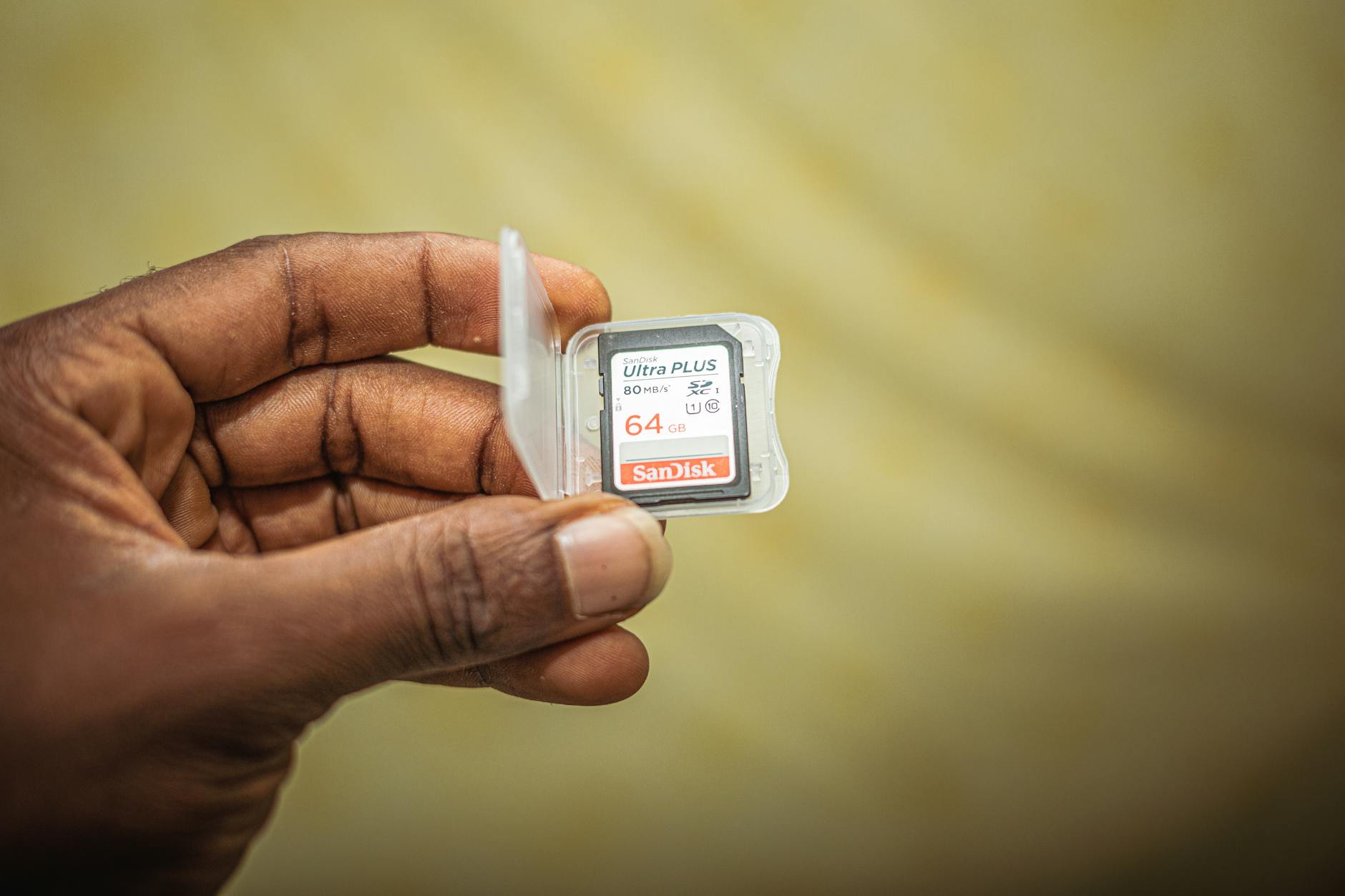 Photo by josh A. D
Signs of a failing or counterfeit SD card
When a card is failing or fake, you will often see the same red flags across devices and tests. Look for inconsistent capacity reports, frequent file corruption, and read/write errors that recur after attempts to fix them. A noticeably cheaper price for a high-capacity card is another warning sign.
Concrete indicators to watch:
- Inconsistent capacity reports across devices or when testing with a PC.
- Repeated read/write errors or sudden data corruption that reappears after fixes.
- Files that disappear or become unreadable after transfer.
- Packaging or labeling that doesn’t align with known brands, or a serial/brand mismatch when checked on the manufacturer site.
- A card that passes quick checks but fails after real-world use.
Practical home checks you can perform:
- Use a capacity tester on a computer to verify the card’s true writable space.
- Copy a large file (several gigabytes) and confirm a clean transfer without errors.
- Run a full format with a dedicated tool, then recheck capacity.
Note: Some smartphones may misreport capacity due to partitioning or formatting rather than hardware failure. Always verify with a PC test before making a purchase or deciding on a fix. For more on counterfeit signs and testing approaches, see guides like those from XDA and iBoysoft:
- https://www.xda-developers.com/test-fake-sd-cards-usb-drives/
- https://iboysoft.com/sd-card-recovery/fake-sd-card.html
Test the card on a computer to confirm real capacity
A computer test clarifies whether the capacity is genuine or misreported. Follow these steps to compare device readings with the card’s label.
- Windows
- Insert the card and open Disk Management.
- Compare the shown size with the card label.
- If sizes differ, back up data and consider reformatting only if you’re sure about the data.
- macOS
- Open Disk Utility and select the SD card.
- Check the reported size against the label.
- Back up first, then reformat if needed.
If results align with the card’s label on the computer, the issue is likely on the phone side or a small filesystem glitch. If not, the card is likely counterfeit or faulty. For testing techniques, see guides like Check SD card health on Mac and Windows:
- https://www.insanelymac.com/blog/how-to-check-sd-card-health-on-mac/
- https://www.diskgenius.com/resource/check-sd-card-health-windows.html
Understand filesystem state and formats (RAW, exFAT, FAT32)
The filesystem can drive wrong-size reports. Here’s what to know and how to respond.
- RAW filesystem
- Means the card has no recognizable filesystem. Data may be inaccessible.
- Likely caused by a corrupted partition table or an incomplete format.
- What to do: attempt data recovery first; if not possible or not needed, reformat to a valid filesystem.
- exFAT vs FAT32
- exFAT handles large files and drives well, suitable for larger capacity cards.
- FAT32 offers broad compatibility but limits file size to 4 GB and often volume size to 32 GB in some tools.
- When to format
- If RAW and unreadable, format to exFAT for large cards or FAT32 for broad compatibility.
- If capacity is correct but you see corruption, a clean format with a fresh partition table helps.
- For Android users, decide between portable storage and adoptable storage based on device support.
Data loss to expect:
- Formatting erases all data. Back up first.
- If you’ve already attempted recovery, be aware some data may be unrecoverable.
Quick action plan:
- See RAW: back up what you can, then format to exFAT or FAT32 as appropriate.
- If capacity is still unclear after testing, reformat and restore from backup to verify the card’s real size.
If you want a quick reference on formatting SD cards and choosing between FAT32 and exFAT, check resources like How to reformat an SD card to FAT32, exFAT, NTFS, or other formats:
- https://www.diskgenius.com/resource/reformat-sd-card.html
Prevent data loss by backing up before any formatting. For broader guidance on card health and recovery steps, explore:
- https://www.insanelymac.com/blog/how-to-check-sd-card-health-on-mac/
- https://www.diskgenius.com/resource/check-sd-card-health-windows.html
What this means for you
- If the card is fake or misreported, expect cross-device mismatches and a computer test showing incorrect true size.
- If the issue is strictly due to formatting or partitioning, a clean format after backing up usually fixes the reporting.
- If the card is genuinely faulty, replacement is the safest path.
For readers shopping guidance on formats and compatibility, see:
- https://www.easeus.com/computer-instruction/sd-card-file-system-for-android.html
- https://www.topselect.ca/blogs/blogs/the-ultimate-guide-to-formatting-an-sd-card-step-by-step-instructions-best-practices
Hardware checks you can perform today
Sometimes the culprit is simple hardware. Start with quick checks to separate the card, reader, and phone slot issues.
Clean, reseat, and reinsert the card
- Power off, remove the card, and clean the contacts.
- Reinsert firmly until you hear a click.
Dust or a loose contact can cause misreads. Always back up data if possible before removing the card. For cleaning tips, see:
- https://progradedigital.com/how-to-clean-memory-cards/
- https://www.nikonians.org/forum/topic/197-37950-37950/cleaning-memory-card-and-camera-contacts
Try a different reader or phone
If you have access to another device or a USB card reader, test the card there.
- Insert into another phone or reader.
- Compare the reported capacity with the card label.
- If another device shows the correct size, the original phone slot may be the problem.
See demonstrations of capacity testing across devices:
- https://www.youtube.com/watch?v=tZnpx619f7I
- https://xda-developers.com/test-fake-sd-cards-usb-drives
Inspect for physical damage
Look for bent slots, cracks in the card, or worn contacts. Damaged cards can cause misreads and data loss. If you spot damage, replace the card.
Helpful guides on replacement steps and warnings:
- https://www.securedatarecovery.com/learn/how-to-fix-a-damaged-sd-card
- https://www.cleverfiles.com/howto/fix-corrupted-damaged-sd-card.html
If you want quick handling tips on contact cleanliness, review:
- https://progradedigital.com/how-to-clean-memory-cards/
- https://www.slrlounge.com/replace-memory-card-qa/
Safe software fixes to restore correct capacity
Software fixes often fix misreporting. Use trusted tools and back up first. This section walks through safe, proven steps you can perform today.
Use SD Card Formatter to repair the card
The SD Association provides a dedicated formatter to repair partition tables and restore proper capacity. Steps:
- Download the official formatter for Windows or Mac.
- Select your SD card and perform a full format.
- Recheck capacity on both phone and computer after formatting.
Important: Formatting erases all data. Back up first. For official downloads and guidance, visit:
- https://www.sdcard.org/downloads/formatter/sd-memory-card-formatter-for-windows-download/
- https://www.sdcard.org/downloads/formatter/sd-memory-card-formatter-for-mac-download/
External resources for testing after formatting:
- https://www.xda-developers.com/test-fake-sd-cards-usb-drives/
Run disk checks to fix file system errors
File system corruption can cause wrong capacity to appear.
- Windows: CHKDSK
- Open Command Prompt as admin and run
chkdsk X: /f /r
- Open Command Prompt as admin and run
- macOS: Disk Utility First Aid
- Open Disk Utility, select the SD card, and run First Aid
What these checks do:
- Repair filesystem errors and relocate readable data if needed.
- Restore partition table entries if they were damaged.
Helpful references:
- https://www.cleverfiles.com/howto/fix-corrupted-sd-card.html
- https://www.powerdatarecovery.com/sd-card-recovery/chkdsk-sd-card.html
- https://support.apple.com/en-us/102611
Reformat with care and pick the right file system
If issues persist, reformat with a suitable filesystem.
- FAT32 for smaller cards and broad compatibility
- exFAT for larger cards and modern devices
Guidelines:
- Back up all data.
- Reformat on a PC or Mac with a trusted tool.
- Verify the card’s true size after reinsert.
Be mindful of compatibility:
- Some devices have limited support for exFAT or FAT32. Check the lowest common denominator across devices if you plan to share the card.
Further reading on formatting options:
- https://www.easeus.com/computer-instruction/sd-card-file-system-for-android.html
- https://www.topselect.ca/blogs/blogs/the-ultimate-guide-to-formatting-an-sd-card-step-by-step-instructions-best-practices
Explore Android adoptable storage with caution
Adoptable storage can fix reporting quirks by treating the card as internal storage, but it comes with trade-offs.
- What it does: Encrypts and binds the card to the device.
- Caveats: Data movement to another device becomes hard; encryption means you must unlock after resets.
- When to consider it: If you plan to use the card with one device and have solid backups.
If you try adoptable storage, back up data first. Official guidance is available from Android:
- https://source.android.com/docs/core/storage/adoptable
- https://support.google.com/android/answer/12153449?hl=en
Concluding takeaway
- Safe fixes often start with software and formatting before hardware replacement.
- Always back up before any operation that erases data.
- If the card proves genuinely faulty after these steps, replacement is the safest path.
External reads for broader context
- SD Memory Card Formatter official pages for Windows and Mac: https://www.sdcard.org/downloads/formatter/sd-memory-card-formatter-for-windows-download/ and https://www.sdcard.org/downloads/formatter/sd-memory-card-formatter-for-mac-download/
- Guides for SD card health on Mac and Windows: https://www.insanelymac.com/blog/how-to-check-sd-card-health-on-mac/ and https://www.diskgenius.com/resource/check-sd-card-health-windows.html
- Reformatting SD cards to FAT32, exFAT, NTFS, or other formats: https://www.diskgenius.com/resource/reformat-sd-card.html
- Cleaning memory cards and ensuring good contact: https://progradedigital.com/how-to-clean-memory-cards/ and https://www.nikonians.org/forum/topic/197-37950-37950/cleaning-memory-card-and-camera-contacts
If you’d like more detail on any step or want to tailor guidance to a specific phone model, tell me your device and OS version and I’ll adjust the steps accordingly.
Conclusion
Diagnosing a SD card that shows the wrong size should start with identifying the cause, then moving through quick hardware checks and safe software fixes. A practical flow helps you separate fake or faulty cards from formatting or partition issues, with a quick test on a computer serving as a reliable truth check. If the card passes software fixes but still misreports on your smartphone, the problem likely lies in the hardware or compatibility, and replacement becomes the prudent path. Always back up first and verify results across devices to avoid data loss, then keep this guide handy for future troubleshooting with your smartphone. If you have questions or want to share your experience, drop a comment and bookmark this guide for easy reference.
What If the Only Thing Between You and the Life You Deserve Is a Hidden Wealth Code Waiting to Be Activated
>>> Open the Door <<<