What If the Only Thing Between You and the Life You Deserve Is a Hidden Wealth Code Waiting to Be Activated
>>> Open the Door <<<

Struggling to get your phone to pair with the car’s Bluetooth? You’re not alone. Millions of drivers face this hiccup, and the fix is usually simpler than it feels.
This guide walks you through quick checks and practical steps to get back on the road with hands free calling and music. You’ll learn what to try first, what to avoid, and how to know when it’s time to call in help.
Common hiccups often boil down to settings, software, or a full list of saved devices. By following these steps, you’ll restore a reliable connection and keep your commute distraction free, no tech jargon required.
Identify the root causes that stop your phone from pairing with your car
When Bluetooth refuses to cooperate, the problem usually sits in a few common places. By checking these root causes, you can quickly find a solution without wandering through a maze of settings. This section highlights the main culprits and what to look for so you can fix the issue faster.
He Was Drowning in Bills and Burnout Until a Simple Daily Ritual Rewired His Brain for Wealth in Less Than a Week
>>> Start Your Shift Today <<<

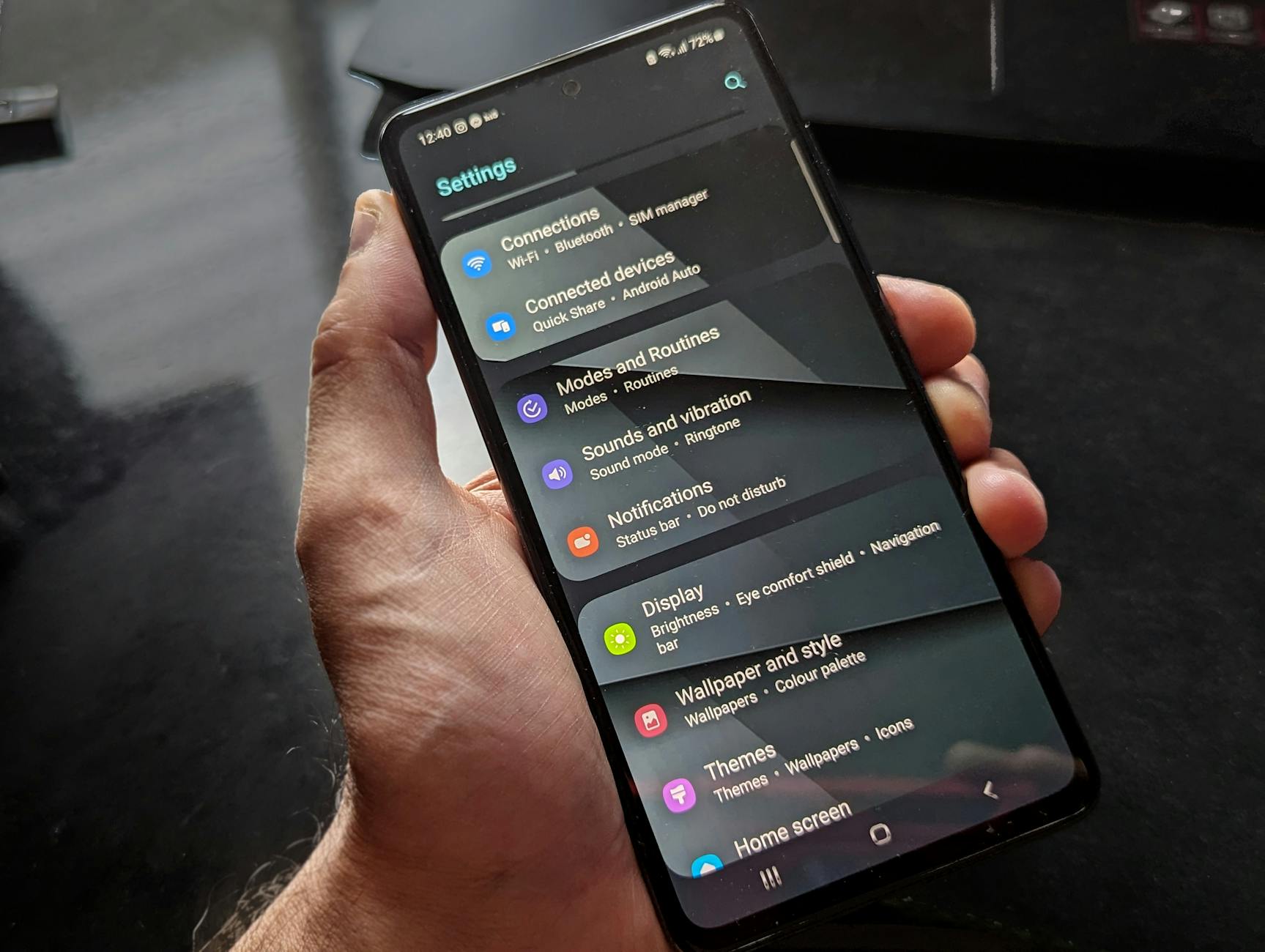
Photo by Watford London Media
Too many saved Bluetooth devices in the car
A full memory in the car can block new devices from pairing. If the car’s Bluetooth system has a long list of previously connected phones or devices, it might not accept a fresh connection. In the full article, you’ll find steps to clear out old entries and reset the car’s Bluetooth memory to make room for your current phone.
- Quick tip: start by deleting unused devices from the car’s Bluetooth menu.
- After cleaning, try pairing again with your phone to see if the issue is resolved.
For deeper guidance, consider checking how to manage saved devices in your car’s user manual or a trusted car support page. For related troubleshooting steps, see resources like the guide on why Bluetooth in cars stops working and how to fix common memory issues.
Outdated software on phone or car
Software compatibility matters. If either the phone or the car is running older software, the two may not recognize each other. Updating can restore compatibility and fix known pairing glitches. The idea is simple: newer software tends to handle Bluetooth protocols more smoothly and reduces miscommunications.
- On your phone, look for system or OS updates and install any available versions.
- If your car has firmware updates, apply them through the dealer or the manufacturer’s support site.
Keep an eye on official support pages for both devices to ensure you’re using the correct update files. Outdated software is one of the most common culprits when pairing fails. For more context, you can review a step-by-step Android Bluetooth troubleshooting flow and Apple’s recommendations for iPhone Bluetooth issues.
Bluetooth is off or not discoverable
Discovery mode is essential. If Bluetooth is off or not in discoverable mode, your car cannot see the phone to start the pairing. Discovery mode makes your phone visible to nearby devices for a short window of time.
- Turn on Bluetooth on your phone.
- Make sure the phone is in discoverable mode for pairing with the car.
- If the car prompts you to initiate pairing, accept the request on your phone.
If you run into trouble, try turning Bluetooth off and back on, then reattempt the pairing. For more guidance, see Android’s Bluetooth help and Apple’s Bluetooth pairing steps.
Background apps or battery saver interfering
Some apps and power saving modes can block Bluetooth activity in the background. You might not notice until you try to pair with the car. Quick checks help.
- Review battery saving settings and disable any aggressive power saver for Bluetooth.
- Close apps that might be using Bluetooth in the background, especially music or health apps.
A quick sanity check helps prevent wasted time. If you keep Bluetooth constrained by a battery saver, the connection can drop or fail during the pairing process.
Wrong Bluetooth profile or permissions
The phone should allow both media audio and phone audio for best results. If your device limits the Bluetooth profile, the car may not transmit audio or handle calls correctly.
- Confirm that both Media Audio and Phone Audio are enabled for the car in the Bluetooth settings.
- Reconnect after adjusting the permissions to ensure the new profile takes effect.
Using the correct profiles ensures a smooth experience for calls and music. If pairing still fails, it’s worth confirming the vehicle’s compatibility with your phone model.
Interference from other devices
Other gadgets can interfere with the signal. Nearby Bluetooth devices, wireless headphones, or smart home gadgets can create chatter on the airwaves, making pairing harder.
- Turn off nearby Bluetooth devices one by one to see if the connection improves.
- Keep the car and phone away from strong Bluetooth sources during initial pairing.
If there’s a lot of RF activity around you, pairing can become unreliable. Reducing nearby Bluetooth activity often clears the path for a clean connection.
Hardware or connection issues
Sometimes the root cause is hardware. A faulty Bluetooth module in the car or a problematic phone Bluetooth antenna can prevent pairing altogether. If the issue persists after trying the standard fixes, it’s time to seek help.
- Check basic hardware indicators like a car’s Bluetooth indicator light.
- Contact tech support or your dealer if you suspect faulty hardware.
Persistent problems usually require a closer look from a professional. It’s better to confirm whether the problem is with the phone, the car, or the cable (if you’re using wired options for hands-free features).
Links to further insights and official guidance
- How to fix car Bluetooth not working and why memory lists matter
- Android Bluetooth troubleshooting steps for pairing issues
- iPhone Bluetooth pairing tips and fixes
By addressing these root causes, you can quickly identify where the failure happens and apply the right fix. If you want more depth on any single cause, you’ll find practical steps in the linked guides.
Step by step fixes to reconnect your phone with the car
If your phone won’t pair with the car’s Bluetooth, you’re not alone. A simple, methodical approach often gets you back to hands‑free calling and music in minutes. Below are practical, easy-to-follow steps that work for most vehicles and phones. You’ll regain reliability without jumping into a tech maze. Throughout, you’ll find quick links to official guides for deeper context.
Step 1: Restart both devices
A clean restart clears temporary glitches and refreshes connections. Do it in this order for the best results:
- Power off the car’s infotainment system first. Wait about 10 seconds, then turn it back on.
- Restart your phone next. After it boots up, reenable Bluetooth.
Timing matters here. A brief pause between devices helps the system reset pairing states and often fixes stubborn quirks. If you’re using a smartphone with a features menu, you can perform a soft reset by holding the power button until the power options appear, then choosing Restart. For reference, official Android and iPhone Bluetooth guides cover similar restart concepts.
External reference: how to fix car Bluetooth not working
Step 2: Clear old pairings
Old connections can block new ones. Clearing saved devices on both sides often unsticks the pairing process:
- On the car: open the Bluetooth or HandsFree system menu, locate a list of paired devices, and delete or forget your phone. If you see multiple entries for the same phone, remove them all.
- On the phone: go to Bluetooth settings, find the car’s name under Paired devices, and choose Forget or Unpair. Do the same for any other lingering entries that you do not recognize.
After clearing, put both devices back into discovery/pairing mode and try the pairing flow again. If you’re unsure, consult your car’s manual for exact steps to delete paired devices.
External reference: how to delete paired phones from Bluetooth in a car
Step 3: Make Bluetooth on and discoverable
Discovery mode is essential for the initial handshake between devices:
- On the phone, toggle Bluetooth off, then back on. In most phones this also makes the device discoverable for a short window.
- Ensure the car’s Bluetooth is in pairing or discovery mode. The car may display a prompt or require you to select “Pair new device” from its menu.
Carry out the pairing when both devices show discoverable status. If progress stalls, repeat the toggle sequence and start the process again. For guidance, see official steps from Android and iPhone Bluetooth help pages.
External reference: Android Bluetooth help and Apple Bluetooth pairing steps
Step 4: Check for software updates
Software updates fix bugs and improve compatibility with Bluetooth standards:
- On the phone: check for system updates under Settings > General > Software Update (iPhone) or Settings > System > Software Update (Android). Install any available updates.
- On the car: check for firmware or infotainment updates through the dealer or the manufacturer’s support site. Some updates require a USB flash drive or a dealership visit.
Keep an eye on both sides. Outdated software is a common reason Bluetooth pairing fails. For broader context, you can review Android Bluetooth troubleshooting and Apple’s iPhone Bluetooth guidance.
External references: Android Bluetooth troubleshooting flow, iPhone Bluetooth tips
Step 5: Verify Bluetooth profiles
Your phone needs the correct profiles enabled for both media and calls:
She Pressed Play on a Strange Audio Track and Within Days Her Financial Reality Started Shifting in Ways She Could Not Explain
>>> See How It Works <<<

- In the phone’s Bluetooth settings, locate the car in the list of connected devices and ensure both Media Audio and Phone Audio are enabled.
- If you see only one of these options, enable the missing profile, then reattempt pairing.
Having the right profiles ensures you can stream audio and handle calls through the car. If pairing still fails, confirm the car supports the profiles required by your phone model.
External reference: Bluetooth profiles overview for car use
Step 6: Turn off battery saver and close apps
Power saving and background apps can disrupt Bluetooth:
- Disable battery saver or adaptive power modes, especially those that restrict Bluetooth activity.
- Close apps that might be using Bluetooth in the background, such as music players or fitness trackers.
This prevents background processes from interrupting the pairing flow. If you notice the phone resumes Bluetooth behavior after a reset, you may need to recheck profile permissions and app activity.
External reference: how to manage Bluetooth with Android energy saver
Step 7: Try pairing again
If you cleared old pairings and updated software, a fresh pairing attempt often works:
- Put the phone in discoverable mode and select the car from the list of available devices.
- If prompted, confirm any pairing codes or passkeys exactly as shown on both screens.
- Grant any requested permissions, like access to contacts or messages, if you want hands‑free calling and messaging features.
If the car prompts you to confirm, accept it on the phone. A clean pairing sequence reduces confusion and helps you reach a stable connection quickly.
External reference: iPhone Bluetooth pairing steps and Android Bluetooth pairing steps
Step 8: Remove interference
Electronic clutter can throw off Bluetooth signals:
- Turn off nearby Bluetooth devices you don’t need for the car trip.
- Move away from crowded electronics and dense wireless environments when pairing.
If you’re in a location with many active Bluetooth devices, small interference can cause intermittent failures. Reducing the number of nearby devices often clears the path for a stable connection.
External reference: tips for Bluetooth interference management
Step 9: Reset Bluetooth settings
If all else fails, resetting Bluetooth settings can clear stubborn misconfigurations:
There Is a Frequency That the Wealthiest Families Have Used for Generations and Most People Will Never Know It Exists
>>> Open the Door <<<

- On the phone: reset Bluetooth settings via Settings > System > Reset options > Reset Wi‑Fi, mobile, & Bluetooth (Android) or Settings > General > Transfer or Reset iPhone > Reset > Reset Network Settings (iPhone). This removes saved connections and restores Bluetooth to factory defaults.
- In the car: some infotainment systems allow a Bluetooth reset or a full factory reset of the module. This option is usually documented in the owner’s manual or requires a dealer visit.
Expect to re-pair your phone after a reset. The car may show a generic pairing screen until you reestablish the connection.
External reference: Reset Bluetooth on Android and iPhone guides
Step 10: Test with a different device
If possible, test pairing with another device to isolate the issue:
- Use a second phone or a friend’s device to try pairing with your car.
- If the second device connects smoothly, your first phone may have a hardware or software quirk to address.
- If the second device also fails, the car’s Bluetooth system is more likely at fault and may require service.
This test helps you decide whether the problem lies with the phone, the car, or the environment. If you need more confidence, consult dealer support or the car manufacturer’s help resources.
External reference: general Bluetooth troubleshooting and car connectivity guides
Additional guidance and resources
- If you’re using an iPhone, Apple’s support articles cover unpairing and re pairing steps that appear frequently in car Bluetooth discussions.
- Android users can benefit from official Android Bluetooth troubleshooting guides that walk through forgetting devices, re pairing, and checking permissions.
Want to dig deeper? Check these practical guides for deeper steps and visuals:
- Fix Bluetooth problems on Android
- Why Is My Car’s Bluetooth Not Working?
- Bluetooth car audio troubleshooting and setup
By following these steps in order, you can quickly identify where the problem lies and apply the right fix. If you want more depth on any single step, the linked guides provide detailed instructions and visuals to help you through the process.
Model specific tips for common car systems and phones
When your phone won’t pair with the car, model specific quirks can matter as much as generic Bluetooth steps. This section gives you targeted guidance for popular infotainment ecosystems and common smartphone platforms. It’s designed to save you time by focusing on the exact menus and options you’re likely to encounter in today’s vehicles and phones. If you hit a snag, you’ll also find reliable references for deeper, model-specific instructions.
Car infotainment reset and firmware update
Resetting the car’s infotainment system and applying firmware updates can fix stubborn pairing issues. Start with a soft reset, which clears temporary glitches without wiping your data. If the problem persists, a firmware update can resolve compatibility gaps between the car’s system and your smartphone.
- Soft reset basics: power off the vehicle, wait briefly, then restart the infotainment system. This clears stuck pairing states and often resolves minor hiccups.
- Firmware updates: check the dealer portal or manufacturer support site for your exact model. Some updates install via USB, others require a dealer visit. Keep in mind that not every update is essential for every user; if your system is already stable, a maintenance update may be optional.
- Caveats: perform updates when parked safely and with enough battery. Back up critical settings if your system prompts you to reset during the update.
If you own a popular model, you’ll find model-tailored reset steps in official guides. For Chevy owners, example advice covers clearing the system and repairing, including how to reset the infotainment module and reestablish connections after an update. If you’re curious about how to reset a GM or Chevrolet infotainment system, a step-by-step guide can be helpful. See guidance from Chevrolet’s support resources for completing the process smoothly. For a practical read on this topic, you can explore a dealership blog that walks through a soft reset procedure and what to expect afterward. If your vehicle brand differs, search for “infotainment reset” plus your make and model to locate the exact menus.
- Helpful reference: Bluetooth pairing solutions and infotainment resets for your vehicle is often covered by official brand pages.
- For context on specific brand procedures, look for manufacturer support articles or dealership posts that show the exact button presses and menu paths.
External references provide concrete steps and visuals that align with what you’ll see on your screen when performing these actions.
Phone and car app checks
Official apps can simplify managing Bluetooth and car connections. Most automakers offer companion apps that handle pairing, device management, and profile permissions. Using these apps reduces the guesswork when the car’s native menus feel opaque.
- Start with the manufacturer app: it often includes a dedicated section for Bluetooth or device management and can push firmware updates to the car.
- Use the app to view connected devices, remove old ones, and re-pair with a clean slate. This can be faster than navigating the car’s own menus.
- On iOS and Android, some brands direct you to approve contacts sharing or messages access from the app. If you want hands-free calling and messaging features, grant the necessary permissions during the initial prompt.
If you’re unsure where to begin, search for your vehicle’s app name plus “Bluetooth pairing.” For Toyota, Ford, or Chevrolet owners, specific threads and product pages explain how apps interact with the car’s system and which settings to adjust to reestablish a stable connection. For example, Toyota and Chevy communities frequently discuss how apps streamline the pairing workflow and keep the connection reliable. In some cases, the official app will show the paired device list and offer one-tap removal of old entries, then guide you through a fresh pairing sequence. If your car’s brand has an official help center, use it as your primary reference and supplement with user community tips when needed.
- Quick tip: after you pair via the app, test both media playback and phone call audio to confirm the profiles are active.
External references you can consult include brand-specific Bluetooth troubleshooting pages and official app guides that demonstrate how to manage connections and permissions. These sources offer model-confirmed steps that reduce trial and error.
When to contact support
If the basics fail after trying the steps above, it’s time to seek professional help. Certain signs point to hardware issues, incompatibilities, or a deeper software fault that you can’t fix from home.
- Persistent no-scan or pairing failure across multiple devices indicates a possible hardware fault in the car’s Bluetooth module or antenna.
- Repeated audio dropouts, flaking calls, or missing contacts despite up-to-date software suggest a deeper compatibility problem between the car and your device.
- The infotainment system UI becomes unresponsive during pairing attempts, or the car’s system freezes when a device is detected.
What to gather before you contact support:
- Your car make, model, and year, plus the exact infotainment system name.
- The smartphone model, OS version, and any recent app updates.
- A description of when the issue started, including whether it happens with other devices.
- Screenshots or short videos of the pairing prompt, error messages, and the device list.
With this information, a support rep can quickly reproduce the issue and suggest the right fix. If you’re unsure whether the problem lies with the phone or the car, note any patterns like time of day, location, or specific apps involved. You can also reference model-specific guidance from brand forums or official support pages to frame your report.
External references you may find helpful cover common diagnostics and what information to share with a technician or dealer. Look for articles or threads that discuss whether the problem is car hardware or phone software, and include the exact steps you followed so the agent can pick up where you left off. You’ll often find a path to a repair or replacement if the Bluetooth module is indeed faulty.
If you want deeper context about model-specific signs and when to escalate, you can review guidance from Chevrolet on Bluetooth memory and connection fixes, or Toyota communities that discuss diagnostic steps and when a reset helps. These sources provide concrete indicators that point to a hardware issue rather than a temporary software hiccup.
External reference: model-specific support and diagnostics pages for common brands
In summary, when the issue persists after following a structured sequence, professional help becomes the practical path. Bring the gathered information, and you’ll shorten the turnaround time and avoid repeating steps. If you want a clearer sense of what to expect from a diagnostic visit, you can read about typical service workflows for infotainment faults.
Want to dive deeper? Check these practical guides for deeper steps and visuals:
- Fix Bluetooth problems on Android
- Why Is My Car’s Bluetooth Not Working?
- Bluetooth car audio troubleshooting and setup
By focusing on model specific tips for car systems and phones, you reduce friction and get back to the tasks you value most. If you’d like, I can tailor these recommendations to your exact vehicle and smartphone combination for a more precise step-by-step.
Tips to keep Bluetooth pairing smooth in daily life
A reliable car Bluetooth setup makes every drive safer and more enjoyable. You want a connection that just works, without fiddling every time you get in. These practical tips focus on daily routines, small checks, and a few smart habits that keep the pairing process simple and robust for both your phone and your car. Think of Bluetooth pairing like a good handshake: the more you prepare, the smoother the moment of connection.
Regular updates and clean pairings
Keeping software up to date and trimming the Bluetooth memory are simple habits that pay off week after week. A frequent routine reduces the chances of compatibility quirks and dropped connections.
- Schedule a monthly check for updates on both devices. For your phone, look for system or OS updates. For the car, check the dealer portal or manufacturer site for firmware releases. Updates often fix known issues and improve Bluetooth behavior.
- Clean the saved device list on both sides. A long list of paired devices can confuse the system and block fresh connections. On the car, remove unused phones and other devices from the Bluetooth menu. On the phone, forget the car and any other old entries you no longer use.
- Test the pairing after each clean-up. Put both devices into discovery mode and attempt a fresh pairing. If something still seems off, run through a quick update cycle again or check for a fresh firmware release for the car.
Why this matters
New software includes improved Bluetooth protocols and better handling of profiles. Old entries create clutter that can mislead the system during the handshake. A clean slate helps the car and phone understand each other quickly, reducing the chances of a failed pairing.
Practical routine you can adopt
- First week of the month: verify system updates on the phone and verify car firmware status.
- Immediately after updates: clear old pairings, restart both devices, and re-pair.
- End of month: review the saved devices list and remove anything you no longer use.
If you want more depth on the impact of memory and clean pairings, these guides offer deeper context and step-by-step visuals:
- 7 Bluetooth Audio Connection Issues and How to Fix Them.
- Fix Bluetooth Audio Issues in Your Car.
For additional context on how memory lists can affect pairing, you can explore related troubleshooting resources that walk through clearing saved devices and re pairing from scratch. Keeping a clean slate is one of the most reliable ways to avoid the “not pairing” stall.
External references you can consult for deeper context include articles focused on memory management and common memory issues that interfere with pairing, such as how memory lists matter and how to fix them.
Best practices for avoiding interference
Interference is the silent culprit behind intermittent or failed pairings. In crowded spaces, or when several wireless devices are in play, Bluetooth signals compete for air time. A few sensible tweaks keep interference at bay and make pairing more dependable.
- Be mindful of crowded environments. Parking lots, shopping centers, and multi-device offices are hot spots for Bluetooth activity. If you’re having trouble, move to a quieter spot or give your devices some breathing room.
- Limit the number of active devices in the same space. Turn off Bluetooth on devices you don’t need for the trip. A smaller wireless neighborhood means less chatter for your car and phone to handle during pairing.
- Keep the line of sight and distance reasonable. Bluetooth works best within a short range. Avoid placing the phone in deep pockets, metal containers, or behind car dashboards that can dampen the signal.
- Use a single trusted device as the primary connection. If you routinely switch between multiple phones or audio sources, set one device as the default for media and calls. This reduces the search time for the car system and stabilizes the connection.
- Check for nearby sources of interference. Wireless headphones, speakers, and smart home hubs can all contribute. If you notice flakiness, try turning off or unplugging devices one by one to identify the offender.
When you’re in a high-noise environment, a quick reset helps. Restarting the car’s infotainment system and your phone can clear competing signals and establish a clean handshake. If interference continues, consider updating the car’s firmware or consulting the automaker’s official guidance for interference mitigation strategies.
For additional reading on interference management and practical tips, you can explore guides that address common interference scenarios and how to reduce them in everyday use.
Handy reminders to reduce interference in daily life
- Keep the car and phone as free from other wireless devices as possible during initial pairing.
- If you’re in a dense environment, pause streaming apps or health trackers that might be using Bluetooth in the background.
- When you arrive at your destination, reconnect fresh to ensure the pairing holds for the next drive.
If you want professional context on how interference affects reliability, these sources provide deeper explanations and practical steps to minimize disruption while you’re on the go.
External references you can consult include general tips for Bluetooth interference management and model-specific coverage that helps you tailor strategies to your setup.
In practice, reducing interference is about smart, minimal use of nearby tech during pairing. A calmer radio environment lets the handshake complete quickly and reliably, so your hands stay on the wheel where they belong.
Additional resources you might find useful include practical guidelines for managing interference and ensuring a steady Bluetooth connection across devices. These guides can help you tune your environment for the best pairing results.
How these two subsections fit together
Regular updates and clean pairings keep the foundation solid. Best practices for avoiding interference then ensure that even in busy daily life, your car and smartphone can connect smoothly when you need them. Together, they form a practical, repeatable routine that minimizes surprises on the road.
External links you may find helpful
- 7 Bluetooth Audio Connection Issues and How to Fix Them
- Fix Bluetooth Audio Issues in Your Car
- Beat the Bluetooth Blues: Tips for a Smoother Connection
- How to Stop Bluetooth Interference With Other Devices
- Android Bluetooth troubleshooting steps for pairing issues
If you’re using a specific car brand or smartphone model, model-specific guidance can offer targeted paths to a smoother pairing experience. You can search for “infotainment reset” plus your make and model to locate exact menus and steps that align with your vehicle.
Want a more hands-on approach? Try this quick checklist on your next drive:
- Update both devices if available.
- Clear old pairings on car and phone.
- Enable discoverable mode on both devices.
- Attempt pairing with minimal distance and no other active Bluetooth devices nearby.
This approach often resolves stubborn issues and gets you back to your routine quickly.
Conclusion
If your phone still won’t pair with the car, a calm, methodical approach gets you back on the road fast. Focus on clean pairings, updated software, and minimal interference to ground a reliable connection for both calls and music. A quick, repeatable routine helps you avoid future hiccups and keeps your daily drive safer and more enjoyable.
Quick checklist
- Restart both devices, then reattempt pairing
- Clear old pairings on phone and car
- Toggle Bluetooth on and ensure discoverable mode
- Update phone and car firmware or drivers
- Check media and phone audio profiles are enabled
- Minimize nearby Bluetooth devices during setup
Bookmark this guide and share it with friends who value a smooth hands free experience on every trip.
There Is a Frequency That the Wealthiest Families Have Used for Generations and Most People Will Never Know It Exists
>>> Open the Door <<<