Thousands of People Were Struggling With Money Until They Discovered This One Ancient Secret Hidden in Sound
>>> Unlock It Now <<<

Few things are more frustrating than a phone that won’t connect to WiFi when you need it most. Maybe you’re trying to stream a show, upload photos, or join a video call, and the network just stalls. If you’ve just updated your Android or iPhone, the problem can feel even more personal.
This guide cuts through the guesswork with simple, step by step fixes you can try right away. You’ll learn the common causes behind WiFi problems on smartphones, from software hiccups after updates to router quirks and tricky network settings. The goal is to get you back online fast with instructions that work whether you’re on Android or iOS.
First, you’ll get a quick plan for quick wins. Forget and re join the network, restart devices, and reset network settings when needed. If the signal is weak, moving closer to the router can make a noticeable difference. You’ll also see how to spot router issues such as old firmware or interference from other devices that can block your phone from connecting.
As you follow along, you’ll see how small changes add up. We’ll cover why updates can cause trouble and what to do about VPNs or different security settings that might block access. By the end, you’ll have a practical, repeatable checklist to fix most WiFi problems on your smartphone without tech stress.
He Was Drowning in Bills and Burnout Until a Simple Daily Ritual Rewired His Brain for Wealth in Less Than a Week
>>> Start Your Shift Today <<<

Quick checklist tease: forget and reconnect, restart, reset network settings, test proximity, update router firmware. The steps are clear, fast, and designed for immediate results.
Quick Toggles and Restarts to Get Connected
When a phone won’t join WiFi, the fastest wins are usually the simplest. Quick toggles and a fresh start can clear minor glitches that block access. Think of it like rebooting a stubborn app on a computer—often the most effective first move. This section lays out two tight, practical strategies you can perform in minutes, no technical wizardry required.
Turn Off Airplane Mode and Toggle Wi-Fi
Step-by-step:
- Swipe down from the top of your screen to open Quick Settings.
- If Airplane Mode is on, tap it to turn it off.
- Toggle Wi-Fi off, then wait a few seconds and turn it back on.
Why this works: Airplane Mode can quietly block all wireless radios, and a quick turn-off resets the device’s radio hardware. Re-enabling Wi-Fi forces the phone to renegotiate a connection with the router, which fixes many basic blocks without touching any advanced settings. If you still don’t see the network after this, test by forgetting the network and reconnecting, then move to the next step for a deeper refresh. For more practical WiFi fixes, see how others approach the same issue on trusted guides like this one from Asurion.
How to fix a phone that won’t connect to Wi-Fi
Image: A close-up of a smartphone control panel with WiFi and other icons in view, illustrating quick toggle use.
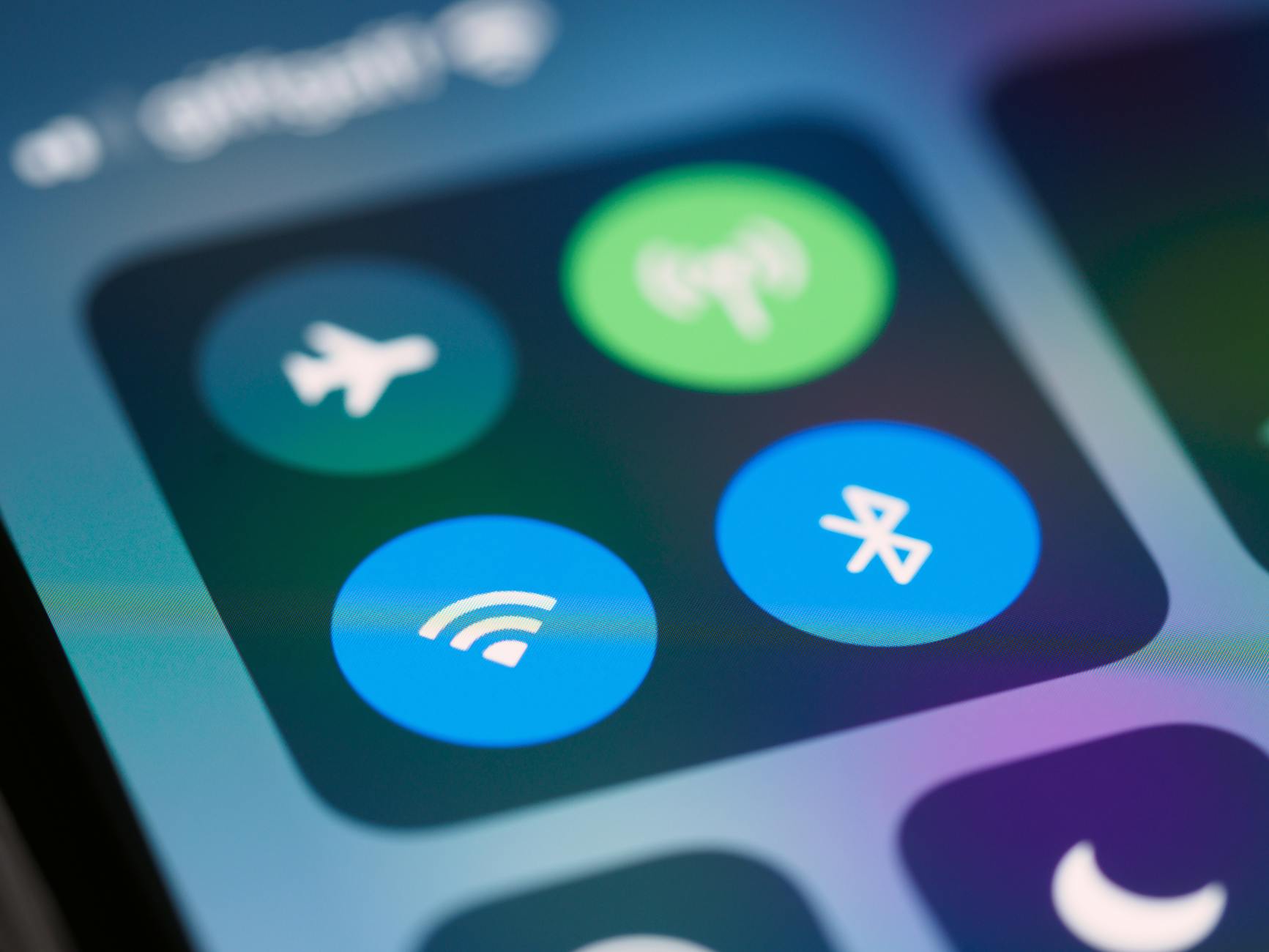
Photo by Brett Jordan
Restart Your Phone and Router Right
Perform these quick restarts to clear caches and refresh connections:
- Phone restart: Hold the power button and select Restart. If your phone seems unresponsive, a forced restart may be necessary, but use it only if the device won’t respond to normal power options.
- Router restart: Unplug the router for about 30 seconds, then plug it back in. Wait a minute or two for the network to come back fully.
Why this helps: Restarts flush temporary data tied to the WiFi connection, like small caches that can trap the phone in a stale state. They also reset the router’s negotiation process with your device, which can solve issues caused by firmware hiccups or minor conflicts with other devices on the network. If you’re dealing with a stubborn Router, you can also try a soft reset of the modem or changing the router’s broadcast channel to reduce interference. For a broader set of steps, a reliable reference from Google support covers common Android connection problems and how to approach them.
Fix internet connection problems on Android devices
Image: None in this subsection to keep the focus tight on the restart steps.
If you want a quick reference, keep this mini-checklist handy:
- Verify Airplane Mode is off, then toggle Wi-Fi.
- Restart both devices if the issue persists.
- Reconnect to the router after a short wait.
Additional tips to consider as you troubleshoot:
- If other devices connect fine but your phone does not, the issue might be with the phone itself rather than the router.
- Check for any VPNs or security apps that could be blocking access. Temporarily disable them to test connectivity.
For further context on router-related fixes and how to approach them, you can explore this guide from GFiber which walks through common WiFi issues and step-by-step fixes.
Fix Wi-Fi connection issues for your device
Fix Phone Settings That Stop Wi-Fi Links
When your phone won’t connect to Wi-Fi, the issue is often one of a few simple setting or location factors. In this section, we focus on two practical adjustments you can make quickly. Think of your smartphone as a perfect timing instrument and a sensitive radio. A small misstep in date and time, or a poor physical location, can block even strong networks. Use these tips to clear common roadblocks and get back online fast.
Set Your Date and Time to Automatic
Ensuring your device uses automatic date and time keeps security certificates valid and prevents connection errors with WPA2 networks. If the clock is off, the phone may fail to validate the network or fail the handshake required to join.
- Android: Settings > System > Date & time > toggle automatic.
- iPhone: Settings > General > Date & Time > Set Automatically.
Why this matters: many secure networks rely on time-based certificates. A wrong time can cause the phone to reject the network even if the password and signal are correct. If you’ve recently traveled across time zones or updated your system, double-check this setting. If you still run into trouble after these changes, a quick reset of the network settings can help the phone renegotiate with the router. For a practical deep dive, see guidance on Wi-Fi troubleshooting and date time settings from reputable sources.
WiFi: Troubleshooting Date and Time Settings
Boost Signal by Checking Your Location
The phone’s ability to see and connect to a router can drop when you’re too far away or facing interference. Small changes in position can make a big difference.
- Move closer to the router to reduce signal loss.
- Look for sources of interference like microwaves, wireless speakers, or other electronics that share similar frequencies.
- Test with another device to confirm whether the issue is device-specific or network-related.
Tip: If you notice the signal improves when you’re near the router, you might consider relocating the router or adjusting its placement. This is especially true in dense homes with many walls or appliances. For a straightforward guide on boosting a phone’s Wi-Fi signal, you can explore practical steps from Carlcare.
How to Boost Wi-Fi Signal on Phone
Forget and Reconnect to Your Wi-Fi Network
Sometimes the simplest action yields the biggest results. Forgetting a known network and reconnecting resets the handshake between your device and the router. It clears out stale credentials and can break a stubborn loop where the phone keeps trying an old path to connect. If you’ve recently updated your phone or changed your router’s settings, this step is worth a quick try. Think of it as giving your device a fresh start with the same network.
Steps for Android Phones
If your Android device is stubborn about joining your home network, this quick reset often does the job. It removes stored credentials for that network and prompts your phone to request a new handshake from scratch when you reconnect. After you forget the network, reconnect by selecting it from the list and entering the password again.
- Open Settings > Network & internet > Wi-Fi.
- Tap the network you’re trying to join.
- Choose Forget.
- Reconnect to the same network by selecting it again and entering the password.
Why this works: Networks change credentials or cookies over time, and devices can hold onto an expired token. Forgetting the network forces the phone to request a fresh handshake, which clears blocked or mismatched settings. If you want a detailed, official reference on Android network management, see Google’s guide on connecting to Wi-Fi networks on your Android device.
Connect to Wi-Fi networks on your Android device
After you reconnect, test by loading a webpage or streaming a short video. If the connection still falters, proceed with the next steps in this guide to tackle potential router or software issues. You can also check if other devices connect normally to confirm whether the problem is isolated to this smartphone.
Tip: If other devices can connect but this one can’t, the issue is more likely with the phone itself or its saved network data. In that case, a full network settings reset might be the next best move.
Helpful context from the broader Android troubleshooting landscape shows that this approach pairs well with reboot routines and checkups of router firmware. If you’d like more step-by-step options, you can consult a comprehensive Android Wi-Fi guide.
How to fix Wi-Fi connection problems – Pixel Phone Help
Steps for iPhones
For iPhone users, forgetting the network and rejoining is often the fastest path back online. This method works whether you’re on a regular iPhone, an iPad, or even an Apple Vision Pro. The goal is the same: clear the stored password and rebuild a clean connection with the router.
- Open Settings > Wi-Fi.
- Tap the “i” icon next to the network you’re connected to.
- Tap Forget This Network, then confirm.
- Rejoin by selecting the network again and entering the password.
Why this matters: iOS stores network credentials for convenience, but those saved credentials can become corrupted or outdated. Forgetting the network removes the old password and security data, letting your device request a fresh connect to the router. If you’re unsure about the exact steps on your device, Apple’s official guidance covers Forget This Network in clear terms for iPhone, iPad, and Apple Vision Pro.
How to forget a Wi-Fi network on iPhone, iPad, Mac, or Apple Vision Pro – Apple Support
He Was Drowning in Bills and Burnout Until a Simple Daily Ritual Rewired His Brain for Wealth in Less Than a Week
>>> Start Your Shift Today <<<
After you reselect the network and enter the password, give the connection a moment to establish. If the sign-in still fails, verify that the router is broadcasting the correct SSID and password, or try a nearby alternate network to determine if the issue is router-specific. For extra reassurance, Apple’s support pages provide additional steps for managing known networks and rejoining after a forget action.
How to forget a Wi-Fi network on iPhone, iPad, Mac, or Apple Vision Pro – Apple Support QA
Pro tips for a smoother reconnect:
- Keep a spare note of your Wi-Fi password in a password manager. A wrong password is a common failure point after forgetting a network.
- If your network uses multiple bands (2.4 GHz vs 5 GHz), try connecting to the other band after you forget and rejoin.
- If you’re in a busy area, consider temporarily disabling automatic joining to prevent the phone from reconnecting to a weaker signal.
Real-world takeaway: Forgetting and rejoining a network is a quick, low-risk step that often resolves stubborn authentication or credential issues. If this step doesn’t fix the problem, you’ll have a solid baseline from which to tackle more involved fixes like router firmware updates or network setting resets. Interested in more context on iPhone Wi-Fi troubleshooting? Apple’s official guides provide deeper coverage and related fixes.
How to forget a Wi-Fi network on iPhone, iPad, Mac, or Apple Vision Pro – Apple Support (QA)
If you’re preparing to publish this guide, you’ll find these steps align with practical, reader-friendly workflows. They’re concise enough for quick action, yet thorough enough to prevent repeat questions. Remember, after you forget and reconnect, a brief test should confirm whether the issue is resolved or if you should advance to more advanced checks in the article.
Reset Network Settings When Simple Fixes Fail
If quick tweaks don’t fix the WiFi problem, resetting network settings can be a powerful next step. This approach wipes stored networks, passwords, and other network preferences, giving your device a clean slate. It helps when the issue stems from corrupted credentials, misconfigured VPNs, or stubborn network profiles. Think of it as a fresh start for your phone’s wireless stack. Below are clear, device-specific paths to reset network settings on Android and iPhone, plus what to expect after you perform the reset.
 Photo by Andrey Matveev
Reset on Android Devices
Resetting network settings on Android removes all saved Wi-Fi networks, Bluetooth pairings, and mobile data settings. It’s a deeper reset than simply forgetting a network, but it’s generally safe and quick. After the reset, you’ll need to rejoin Wi-Fi networks and re-pair Bluetooth devices.
- Steps: Settings > System > Reset options > Reset Wi-Fi, mobile & Bluetooth.
- What happens next: Your phone recreates fresh network profiles. You’ll reconnect to your saved networks by re-entering passwords. Bluetooth devices will need to be re-paired if you use them regularly.
Why it helps: If a corrupted network profile or a rogue VPN caused the issue, a full reset removes those bad settings and lets the phone renegotiate with your router from a clean slate. This approach is widely recommended when simpler fixes fail. For Android users seeking official guidance, you can review the general process for resetting network settings on Android devices and then apply the specific steps above.
How to reset network settings on Android
Tip: After the reset, test with a quick connection to a trusted network. If another device connects normally, the issue was likely with the phone’s saved data rather than the router.
Reset on iPhone
Resetting network settings on iPhone clears all saved Wi-Fi networks and associated settings, along with cellular and VPN configurations. It’s a strong option when you suspect broader network misconfigurations. You’ll set up your Wi-Fi again from scratch and reconfigure any VPNs or cellular options as needed.
- Steps: Settings > General > Transfer or Reset iPhone > Reset > Reset Network Settings.
- What happens next: The iPhone reboots with default network preferences. You’ll reconnect to Wi-Fi by entering passwords, and you may need to reconfigure Bluetooth accessories.
Why it helps: iPhone network data can become stale or corrupted after updates or app changes. A reset eliminates these issues and gives you a reliable baseline to rebuild connections. For official guidance, Apple provides straightforward steps to reset network settings and explains what to expect during the process.
Reset iPhone network settings – Apple Support
After the reset, try joining a known network. If the problem persists, consider testing with a different network or verify router settings like SSID visibility and password accuracy. If you’re unsure about the steps on your device, Apple’s support pages offer step-by-step instructions for managing known networks and rejoining after a reset.
How to forget a Wi-Fi network on iPhone, iPad, Mac, or Apple Vision Pro – Apple Support QA
Pro tips to keep in mind:
- Keep a current list of essential Wi-Fi passwords in a secure manager. You’ll need them after the reset.
- If your router uses both 2.4 GHz and 5 GHz bands, you’ll reconnect to the band you prefer after the reset.
- After the reset, run a quick test by loading a webpage or streaming a short video to confirm the connection.
If you want a broader reference on network resets and how they fit into common Wi-Fi troubleshooting, this Android-focused guide and the iPhone support article provide practical context and steps:
- Android: Reset network settings guidance (Android)
- iPhone: Reset network settings guidance (Apple Support)
By now, you’ve either resolved the issue or have a solid baseline to tackle more advanced steps. A network settings reset is a decisive move when simpler fixes fail, and it often restores a reliable path back to your home or work network.
Update Software and Check Your Router
If your phone keeps struggling to stay online, two parallel avenues can return stability: ensuring your phone’s software is current and verifying your router’s firmware and wireless bands. With a few targeted steps, you can clear software glitches on your device and fix router-related quirks that block connections. This section guides you through fast, reliable checks you can perform today.
Keep Phone Software Current
Keeping your operating system up to date is one of the most important things you can do to fix WiFi issues on a smartphone. Updates often include bug fixes that address known WiFi problems, security improvements, and compatibility tweaks for modern networks. Here’s how to check and install updates quickly.
- On iPhone or iPad: go to Settings > General > Software Update. If an update is available, install it right away. After updating, restart the phone and test the WiFi connection to confirm the fix. For official guidance, see Apple’s support article on updating software and connecting to Wi-Fi.
If you can’t connect to Wi-Fi on your iPhone or iPad - On Android phones: open Settings > System > System Update (wording may vary by manufacturer). Install any available updates, then reboot your device and test the connection. If you’re troubleshooting Android wireless issues, Google’s help center offers practical steps for Android devices.
Fix internet connection problems on Android devices
Beyond updates, a quick practice is to reboot after installing. A smartphone that recently updated can benefit from a fresh start to ensure the new software is fully integrated with the network stack. If you’re experiencing persistent issues after updating, a network settings reset may be the next logical step, but only after you’ve confirmed that the device is running the latest software. For extra context on iPhone Wi-Fi troubleshooting, Apple provides in depth guidance you can consult.
How to forget a Wi-Fi network on iPhone, iPad, Mac, or Apple Vision Pro – Apple Support QA
A practical tip for your readers: keep a small note of network passwords in a password manager. A wrong password after an update or forget action is a common blocker. If you want a deeper dive, reputable guides cover both Android and iPhone workflows for keeping software current and optimizing WiFi behavior.
WiFi: Troubleshooting Date and Time Settings
Key takeaway: Regular updates fix known WiFi bugs and improve reliability. After updating, test by loading a webpage or streaming a short video. If problems persist, you’ll move to router checks in the next subsection.
Handle Router Firmware and Wi-Fi Bands
Sometimes the bottleneck is not your phone but the router itself. A router running old firmware or a crowded wireless channel can upset even a smartphone with a strong signal. Use these steps to update the router and optimize band selection for better compatibility.
- Update firmware via the admin page: connect a computer or your phone to the router, open a web browser, and log in to the router’s admin interface. Look for a Firmware or Update section, then apply any available updates. If you’re unsure, check the manufacturer’s support site for precise instructions tailored to your model.
Helpful starting points include Netgear, Asus, and other common brands that explain how to update firmware in a web browser.
How do I update the firmware on my NETGEAR router with a web browser How to update the firmware of your router to the latest version via the web GUI (ASUS) - Consider alternative update methods: many manufacturers offer mobile apps to push firmware updates more easily. If your model supports it, the app can guide you through updating without a computer. How do I update the firmware on my NETGEAR router with the Nighthawk app?
- If updates aren’t available or you’re unsure about the process, a quick check for router stability can help. Reboot the router after applying updates to ensure the new firmware takes effect. Two QUICK Ways to Update Router’s Firmware
Wi-Fi bands matter, too. If your phone connects poorly or seems to hang when roaming, forcing a connection to the 2.4 GHz band can improve range and penetration through walls. Some devices automatically prefer 5 GHz, which is faster but shorter in reach and more susceptible to interference from walls and appliances. If your router supports both bands, test connectivity on 2.4 GHz first, then try 5 GHz if the 2.4 GHz link is stable.
- For devices that struggle on 5 GHz, switch to 2.4 GHz and observe whether the connection becomes steadier.
How to Connect to Only 2.4GHz or 5GHz Wi-Fi Band (Prevent Switching) - If you’re using a mesh system or a dual band router, ensure the 2.4 GHz and 5 GHz networks use distinct SSIDs to avoid the phone connecting to the wrong band.
How to Change WiFi from 5GHz to 2.4GHz?
Real world note: readers often find that a quick 2.4 GHz test reveals the root cause when a phone stays stubborn on 5 GHz or fails to connect at all. If you’re troubleshooting a persistent issue, a broad router reset or a factory reset on the router itself can clear misconfigurations. For more on common WiFi issues and step by step fixes, you can consult a practical guide from a trusted source.
How to update your router firmware: a practical guide
Final checks: after updating firmware and testing with the phone, monitor performance for a few minutes. If pages load slowly or videos buffer, consider moving the router to a central location, reducing interference, or adding a WiFi extender. A stable connection often comes down to a clean handshake between updated devices and a refreshed router. For additional context on router related fixes, the Netgear and ASUS guides above provide solid starting points.
What to do after updating router firmware
Pro tip for readers: document your steps in a simple checklist. It helps when you repeat the process on future software cycles or when you help a friend fix their connection. If you want more perspective on band optimization, you can explore a range of how to guides for 2.4 GHz and 5 GHz networks.
He Was Drowning in Bills and Burnout Until a Simple Daily Ritual Rewired His Brain for Wealth in Less Than a Week
>>> Start Your Shift Today <<<
- 2.4 GHz vs 5 GHz: what to know for home Wi-Fi
How to Connect to 2.4GHz or 5GHz Wi-Fi Band
With these steps, your phone and router are aligned for a smoother, more reliable connection. If issues persist, you’ll have a solid baseline to fall back on while you pursue deeper network diagnostics.
Conclusion
If your phone won’t connect to WiFi, follow the plan from quick wins to deeper fixes in the order you tried them in the guide. Start with simple steps like turning off Airplane Mode and toggling WiFi, then restart both devices, and finally forget and reconnect to the network. If the problem sticks, reset network settings on Android or iPhone and reconfigure from scratch, then confirm that date and time are automatic to keep security handshakes intact. Regular software updates and a quick router check after each update keep connections stable, so stay current with your device and router firmware and test a different band or channel if needed.
A smartphone is most reliable when its wireless stack remains clean, so maintain a short, repeatable checklist you can reuse after updates or new network setups. If issues persist, comment with what you tried so others can follow your path, and consider testing on another network to rule out the router as the culprit. With these steps, you’ll gain confidence that you can fix the problem fast and get back online.
Thousands of People Were Struggling With Money Until They Discovered This One Ancient Secret Hidden in Sound
>>> Unlock It Now <<<