Thousands of People Were Struggling With Money Until They Discovered This One Ancient Secret Hidden in Sound
>>> Unlock It Now <<<

When you see the warning that your storage is almost full, it can feel like a roadblock. Most of the time, the fix is simpler and faster than you think. This guide walks you through quick wins and deeper cleanup for both iPhone and Android, so you can get back to using your phone without the stress.
You’ll learn how to identify what takes up space and what to delete or move first. Expect practical steps you can do today, like clearing cache in a few common apps, saving photos and videos to the cloud, and offloading apps you rarely use. The goal is to free up room now, with a plan to prevent the problem from creeping back.
For iPhone users, the focus is on cloud storage and smart offloading. You’ll see how iCloud helps keep your device lean by storing full quality files in the cloud while keeping usable versions on the phone. For Android phones, you’ll find options that include external storage when available and deeper control over cache, data, and large files. Both platforms benefit from regular monitoring so you don’t reach another full warning.
By the end, you’ll have a straightforward, step by step approach you can apply anywhere. You’ll know which files are eating space, the best quick fixes to free space right away, and habits to maintain a healthy storage balance. This isn’t about tech jargon; it’s about practical moves you can trust. If you’re juggling apps, photos, videos, and documents, you’ll finish with a cleaner, faster phone and a plan that keeps storage under control.
There Is a Frequency That the Wealthiest Families Have Used for Generations and Most People Will Never Know It Exists
>>> Open the Door <<<

Understanding the storage almost full warning
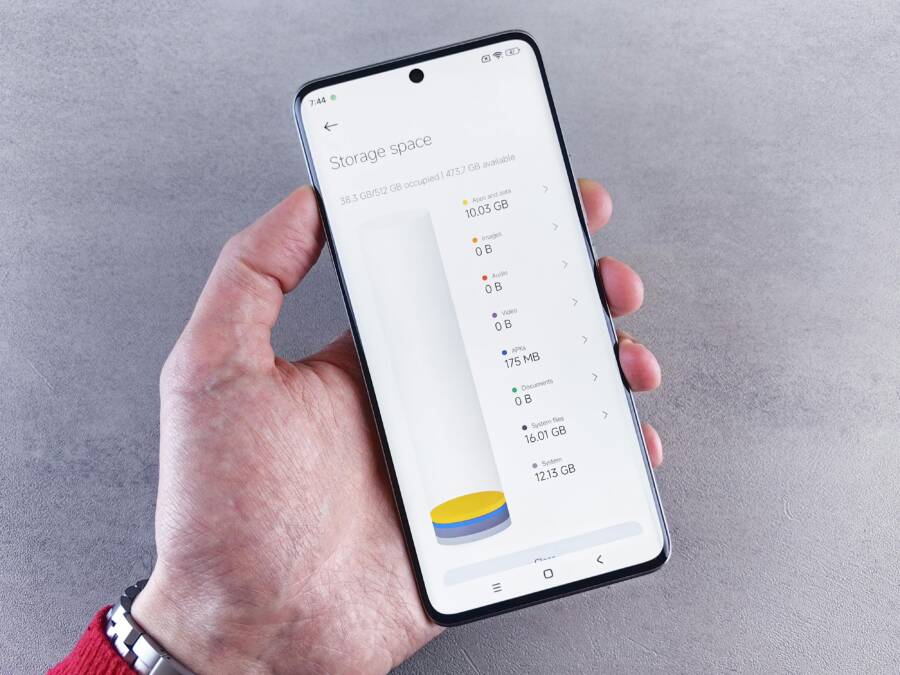
When you see the warning that storage is almost full, you might feel a rush of urgency. This section breaks down what that message means on both iPhone and Android, how the system counts space, and the common culprits to check first. The goal is to give you a clear mental model so you can tackle the issue quickly and prevent it from returning.
 Photo by Andrey Matveev
https://www.pexels.com/@zeleboba
Photo by Andrey Matveev
https://www.pexels.com/@zeleboba
What ‘storage almost full’ means on iPhone and Android
On both platforms, this warning signals that there is very little free space left on your device for new apps, photos, videos, or data. When space is scarce, your phone can slow down as it struggles to find room for temporary files, caches, and new content. Even though iPhone and Android measure storage differently, the underlying objective is the same: keep enough free space so the device can operate smoothly.
- iPhone users might notice the impact in the form of slower app launches, longer photo saves, or hiccups when updating apps.
- Android devices can feel the effect as lag during navigation, longer loading times in apps, or trouble when installing a new game or large update.
In short, the warning is a practical cue to free up space now. A quick cleanup can restore responsiveness, then a plan to prevent future buildup will save you time later. For context, iPhone storage meters focus on how space is used by apps and data, while Android meters emphasize a broader split between user data and system files. Both paths lead to the same destination: a faster, more reliable phone.
How storage is counted by the system
Understanding storage counting helps you decide what to tackle first. Think of space as two buckets: user data and system files.
- User data: This is what you actively create or download—photos, videos, messages, apps, documents, music, and offline media. A burst of photos or a large game update can push you over the limit quickly.
- System files: This includes the operating system, app caches, temporary files, and app data that the system stores to speed things up. These files can grow quietly in the background, especially if apps cache a lot of information.
A practical way to picture this is to imagine backing up a trip. Your photo library is the user data bucket. The travel apps and the OS caches are like the backpack you carry; some items are essential, others are temporary but useful. When the backpack gets heavy, you notice it in everyday actions.
- On iPhone, storage evaluation centers on how much space apps and data use, with the option to offload or delete items that you can redownload later.
- On Android, you’ll see a more granular breakdown of what’s consuming space, including large cached data and downloaded files, which can be managed or moved to external storage when possible.
Quick example: a single game update can add several gigabytes to the app’s footprint. Over time, a few messy conversations with large message attachments or a flood of high-resolution photos can fill the device faster than you expect. Knowing that both platforms aim to free space for new operations helps you decide which category to prune first.
For more on how each platform measures storage, you can consult expert guidance from trusted sources like Apple’s official storage guidance and Android storage discussions. These resources explain how to view storage usage and what it means when the system flags space as low.
- Apple support on checking storage and managing space
- Link: https://support.apple.com/en-us/108429
- General discussions on storage mechanics on Android devices
- Link: https://android.stackexchange.com/questions/215678/what-is-using-up-my-storage-data-on-android-phone
Common culprits to check first
When you’re facing a storage warning, these are the big offenders that tend to drain space quickly. Start with these and you’ll usually reclaim a meaningful amount of space in minutes.
- Photos and videos: High-resolution media, especially 4K video, consumes space fast. If you keep local copies, consider enabling cloud backups with optimized storage on iPhone or saving originals to the cloud on Android.
- Large caches in apps: Some apps store a lot of temporary files to speed things up. Messaging apps, social media, and streaming apps are common culprits. Clearing caches can free up gigabytes without deleting your content.
- Messages and attachments: Old conversations with large image or video attachments pile up over time. Deleting old threads or setting messages to auto-delete can help.
- Offline media and downloaded files: Music, podcasts, films, or documents saved for offline use stay on the device until you remove them.
- Backups and device data: Local backups or old device backups stored on the phone can take surprising chunks of space.
- Duplicate files and clutter: Duplicates, old screenshots, and blurry photos can quietly fill up space. A quick pass to delete or offload these items helps a lot.
Pro tip: skim Settings first to get a feel for what is consuming space and where you might start. On iPhone, go to Settings > General > iPhone Storage to see a breakdown. On Android, Settings > Storage or Settings > Apps can reveal large data hogs and caches.
For practical, step-by-step ideas on freeing up storage, check out guides that cover both quick wins and deeper cleanups. These resources illustrate common tricks and safe ways to reclaim space without losing important data, including how to move photos to the cloud or a computer and how to offload unused apps on iPhone.
- How to Free Up Storage on Your iPhone or Android
- Link: https://www.compareandrecycle.co.uk/blog/how-to-free-up-storage-on-your-iphone-or-android
- Why storage appears full even after deleting files on Android
- Link: https://android.stackexchange.com/questions/215678/what-is-using-up-my-storage-data-on-android-phone
- How to clear system and app data on iPhone
- Link: https://discussions.apple.com/thread/251534752
If you want a quick visual guide to identifying the largest space consumers, a short walkthrough video can help you see exactly where to tap in Settings to view storage by category. This can be especially handy if you’re short on time and want to move fast.
- Quick video guide on freeing up iPhone storage
- Link: https://www.youtube.com/watch?v=MxVJXpl_ddE
- Short video on getting the most out of iPhone storage settings
- Link: https://www.youtube.com/watch?v=472RJ9C-1m0
As you review these areas, keep a few best practices in mind. Always back up important data before deleting, especially photos and messages. If you’re unsure whether a file is safe to remove, move it to the cloud first or to a computer, then delete locally. With steady practice, you’ll keep storage in a healthy range and reduce the chances of the warning appearing again.
If you’d like, I can tailor a quick, 10-minute check routine for your exact device model and OS version. This will guide you through the most impactful steps first and help you maintain a clean slate over time.
Quick wins to free space now
When your storage is almost full, you want fast results that don’t require a full reset. This section covers practical, fast actions you can take on both iPhone and Android to reclaim space today. You’ll learn the simplest paths to offload, delete, and reallocate data so your phone feels lighter and more responsive. Each subsection focuses on a concrete, repeatable step you can perform in under minutes, with quick checks to ensure you haven’t sacrificed important data.
Offload or uninstall unused apps
Offloading apps on iPhone is a smart way to reclaim space without losing your data. When you offload, the app itself is removed from the device, but its documents and data stay on your iPhone. If you ever reinstall the app, it picks up right where you left off. This is ideal for apps you don’t use often but want to keep the option to return to quickly.
On Android, uninstalling apps removes both the app and its data from the device. If you’re unsure whether you’ll need an app again, you can temporarily free space by removing the app and later reinstalling it from the Play Store. To manage this quickly:
- iPhone: Settings > General > iPhone Storage. Tap an app and choose Offload App or Delete App. Offloading preserves data; deleting removes it.
- Android: Settings > Apps or Apps & notifications > See all apps. Select an app and tap Uninstall. If you want to keep a local trace of data, you can try clearing cache first, then uninstall.
Tips for best results:
- Prioritize apps you use sparingly or that generate large caches, like games, streaming clients, or social networks.
- After offloading or uninstalling, use the iPhone Storage or Android Storage page to verify how much space you regained.
- If you’re unsure, back up important app data to the cloud before removing.
If you want a guided path, Apple’s guidance explains how to manage storage and offload unused apps on iPhone, while Google’s support shows the steps for removing apps on Android. These official resources help you confirm you’re following best practices and not accidentally deleting data you may need later.
- Apple iPhone – Offload Unused Apps. https://www.verizon.com/support/knowledge-base-214936/
- Manage storage on iPhone. https://support.apple.com/guide/iphone/manage-storage-on-iphone-iph47c931112/ios
For Android, you’ll typically find the option under the Apps section within Settings, and you can also use Files by Google to streamline removing apps you no longer need. This approach keeps you in control and avoids guessing about space usage.
- Delete unused apps and free up space. https://support.google.com/files/answer/9765112?hl=en&ref_topic=9748178
- How to streamline your Android device and delete apps. https://www.android.com/articles/how-to-delete-apps-streamline-device/
What to expect after this step:
- A noticeable drop in occupied space, especially if the apps were large or cached heavily.
- A quicker base from which you can perform deeper cleanups without constant warnings.
- A clearer picture of what else is taking up space, allowing you to target the next steps with confidence.
Delete large files and media with built-in tools
Large files and media are the fastest way to reclaim space. Most smartphones show a breakdown of storage by category, so you can zero in on the biggest culprits first. Start by locating large files and then decide whether to delete, move, or back them up to the cloud.
Where to look:
- iPhone: Open Settings > General > iPhone Storage. The list highlights apps, documents, and media by size. You can tap into categories like Photos, Messages, and iCloud Drive to move items off the device.
- Android: Settings > Storage. Here you’ll see a breakdown by Photos, Videos, Audio, and Other. You can tap into each category to manage or delete large files, or use a file manager to move items to an SD card or cloud storage if supported.
Ways to free space quickly:
- Photos and videos: High-resolution media can capture a lot of space fast. If you have iCloud Photos enabled with “Optimize iPhone Storage,” your device keeps smaller versions and stores originals in the cloud. On Android, back up to Google Photos with “Storage saver” quality or local cloud backups, then remove local originals.
- Large media downloads: If you’ve saved movies or songs for offline use, you can delete the local copies once you’ve confirmed backups or streaming alternatives.
- Attachments and documents: Old conversations and large attachments can quietly steal space. Delete or archive conversations you no longer need, and clear app caches related to messaging where appropriate.
A quick checklist to follow:
- Use the storage tab to identify the top offenders.
- Move items to the cloud or a computer when possible.
- Delete items you no longer need, starting with the largest files.
If you prefer a visual walkthrough, there are quick video guides that show how to identify and remove large files on iPhone and Android. These can be especially helpful when you’re in a hurry.
- How to Free Up Storage on Your iPhone or Android. https://www.compareandrecycle.co.uk/blog/how-to-free-up-storage-on-your-iphone-or-android
- How to Find Large Videos on iPhone (iOS 18). https://www.handyrecovery.com/find-large-videos-on-iphone/
One practical tip: before you delete anything, confirm you have a backup. Cloud backups protect your memories and work files while you reclaim space on the device.
Clear app caches by reinstalling apps
Cache data helps apps run fast, but it can also bloat storage over time. The simplest, most reliable way to clear caches on both platforms is to reinstall the app. When you uninstall and reinstall, the app starts fresh with a clean cache. If an app provides a direct cache clear option, you can use that as well, but this is not always available.
How to approach it:
- iPhone: The easiest method is to Offload the app, then reinstall it from the App Store. Offloading keeps the app’s data in place, so reinstallation brings back your data as you expect.
- Android: Uninstall the app, then reinstall from Google Play. This clears out cache and any accumulated temporary data that wasn’t essential to keep.
Note: Some apps store data in a way that doesn’t fully reset with a reinstall. If you suspect persistent data is taking up space, you may need to clear in-app caches after reinstall or use the app’s built-in data management features.
Direct cache clearing is not always exposed in iOS, but Android users can clear cache for each app from Settings > Apps > [App] > Storage > Clear Cache. If you don’t see a clear cache option, the reinstall approach is the simplest workaround.
- How to clear app cache on your phone. https://www.asurion.com/connect/tech-tips/clear-app-cache-on-phone/
- How to clear cache and cookies on Android. https://www.android.com/articles/clear-cache-and-cookies/
- Clear cache / clear data. https://discussions.apple.com/thread/255673076
What to expect after this step:
- A fresh app footprint that frees space immediately, with the added benefit of potentially improved app performance.
- A cleaner app data profile, making it easier to monitor space usage going forward.
- A smoother baseline for your phone as you continue with offline content management and backups.
Manage offline content
Offline content is convenient but can bite you when space runs low. Music, video, and document downloads saved for offline use add up quickly. The goal is to keep essential offline access while eliminating redundant copies.
Key actions:
- Review offline music and video apps. If you’ve downloaded many files for offline listening or viewing, consider deleting items you’ve already watched or can stream instead.
- Check for documents saved for offline access. If you’ve backed them up to cloud storage, remove the local copies to free up space.
- Switch to streaming where possible. A streaming-first approach reduces the amount of data stored on the device and keeps space available for new content.
Practical workflow:
- Open your offline content apps and navigate to the download manager or library.
- Delete items you’ve already consumed or can access via streaming.
- Confirm backups to the cloud or an external storage location before removing local copies.
A simple tip: if you want to keep using the same library, you can delete local copies and re-download later when you have more space or when you’re connected to Wi-Fi.
Helpful resources:
- Music and offline media management apps can help you handle large catalogs efficiently, especially when combined with cloud storage options.
- Streaming services can be a space saver if you have a reliable data connection and want to avoid keeping large files on the device.
External references you can consult for compatible apps and methods:
- Music: Offline Music & Video apps for offline playback (examples and features vary by platform). https://apps.apple.com/us/app/music-offline-music-video/id6448851362
- Play Offline Music in Evermusic & Flacbox: https://everappz.com/docs/howto/play-offline-music-in-evermusic-flacbox-download-sync-from-cloud-to-local-files
- MusicTube – Offline Music Player & YouTube Music Alternative. https://musictubeapp.com/
Bringing it all together
Each quick win above is designed to be implemented in minutes and gives you immediate relief. The goal is not just to free space but to create a sustainable pattern. After you reclaim some room, set up a tiny, repeatable routine: check storage once a week, offload apps you rarely use, back up photos to the cloud, and review offline content monthly. If you keep a smartphone as a central tool in daily life, this simple discipline saves time and reduces frustration when new apps or updates arrive.
Deep clean strategies for lasting space relief
A deep clean isn’t a one-and-done task. It’s a repeatable, thoughtful process that keeps your phone lean and responsive. In this section, you’ll find practical, targeted strategies to prune space on both iPhone and Android, with a focus on long term relief. Use these steps as a reset and a consistent routine, not a frantic sprint every time storage runs low.
Thousands of People Were Struggling With Money Until They Discovered This One Ancient Secret Hidden in Sound
>>> Unlock It Now <<<
Optimize photos and videos
Photos and videos are the top space hog on most devices. The right cloud-backed setup lets you keep memories accessible without crowding your screen.
- Enable cloud-backed optimization on iPhone: Turn on iCloud Photos and use the “Optimize iPhone Storage” option. Your phone stores smaller previews while the originals live in iCloud, freeing up substantial local space. Periodically review your iCloud settings to ensure you’re syncing the right libraries and devices. For guidance, see Apple’s instructions on managing photo storage and enabling iCloud Photos. You can also learn how iCloud keeps information up to date and how backups work. (Link: https://support.apple.com/guide/icloud/view-and-manage-backups-mm122d3ef202/icloud)
- Enable cloud optimization on Android: Google Photos offers a helper path to save space with backup quality options. By selecting Storage saver or Express quality, you can back up full-resolution files to the cloud and keep smaller copies on your device. If Photos won’t back up, you may need to free up space first or adjust backup settings. (Link: https://support.google.com/photos/answer/6220791?hl=en&co=GENIE.Platform%3DAndroid)
- Backups and cloud backups with compressed copies: When you enable cloud backups, choose quality settings that best balance visibility and storage. Compressed copies let you access your media quickly while originals stay secure in the cloud. Regularly confirm what’s stored locally versus in the cloud.
- Review Recently Deleted and spam albums: Deleted items aren’t gone forever until you empty the Recently Deleted folder. Take a moment to purge items in Recently Deleted across Photos or Gallery apps, and check spam or junk albums that might hold snapshots you can delete or move. This small sweep often frees gigabytes without touching your main library.
- Quick win checklist:
- Confirm cloud backups are on for photos and videos.
- Turn on “Optimize Storage” on iPhone or “Storage saver” on Android.
- Periodically empty Recently Deleted and review spam albums.
- Move large media to the cloud before removing local copies.
For a broader view on optimizing photo storage, see guidance from reputable sources on iPhone storage management and Android backup practices. (Links above)
Manage messages and attachments
Messages accumulate fast, with large attachments and long conversations draining space quietly. Tidy up without losing access to what matters.
- Auto-delete old messages or attachments: On iPhone, you can set messages to auto-delete after a specified period. Android users can benefit from automatic deletion options in Google Messages or the app’s own settings if available. This prevents old media from piling up over time.
- Review and remove heavy media from chats: Open conversations with large images or videos and remove only the heavy items you don’t need. Some chat apps offer a per-conversation media management tool; use it to prune downloads and caches.
- Set limits for message history where available: If your device or messaging app supports it, cap how long messages stay on the device or how many conversations are kept locally. Shorter history keeps space manageable and still preserves recent context.
- Practical steps you can take now:
- On iPhone, go to Settings > Messages and explore options like keeping messages for 30 days or 1 year to reduce accumulation.
- On Android, check Google Messages settings for auto-delete rules and review old threads in bulk when possible.
- Regularly clear old attachments from conversations you no longer need.
If you want more formal instructions, consult official guides on deleting messages and attachments for iPhone and Android. They walk you through the steps with screenshots and version-specific notes. (Links available in the references)
Clean downloads and large files
Downloads and large files accumulate quickly, especially if you save items for offline use. A focused cleanup can reclaim a lot of space with minimal risk.
- Use built-in file managers or trusted apps: Both platforms include file managers that show size by category. Use these to identify the largest files and decide whether to delete, move, or back up. On Android, a file manager can often move items to an SD card or cloud storage if supported.
- Quick tip to move files to cloud storage first: Before deleting anything, push large files to cloud storage or a computer. This preserves access while freeing local space.
- Special attention to media and offline content: Photos, videos, music, and documents saved for offline use tend to be the biggest culprits. Confirm you’re not keeping duplicates and that you’ve archived items you don’t need immediately.
- How to approach this efficiently:
- iPhone: Settings > General > iPhone Storage to see how space is used by categories. Tap into each category to manage items, including moving or deleting large files.
- Android: Settings > Storage to see a breakdown by category. Use a file manager to locate the largest files and offload them to cloud or external storage when supported.
- Quick wins you can perform in minutes:
- Delete large downloads that you no longer need.
- Move high file size items to the cloud or a computer.
- Remove duplicates and forgotten offline media.
- External resources for guidance and apps:
- How to Free Up Storage on Your iPhone or Android. https://www.compareandrecycle.co.uk/blog/how-to-free-up-storage-on-your-iphone-or-android
- How to Find Large Videos on iPhone (iOS 18). https://www.handyrecovery.com/find-large-videos-on-iphone/
This is a good moment to remind yourself that backups are your safety net. If you delete something by mistake, you can recover from a cloud backup or a computer. Cloud storage often provides a fast way to restore large media without sacrificing your phone’s responsiveness.
Review app data and backups
Before you remove anything, review how much space apps actually use and back up essential data. A careful approach helps you reclaim space without losing important information.
- Check app data usage and caches: Some apps store data that isn’t essential to keep on the device. Look for apps that consume unusual space and clear caches or move data to the cloud when possible.
- Back up essential data before removal: Copy critical data such as documents, photos, and important chats to a secure location. If space is tight, prioritize backups to the cloud or a computer rather than local storage.
- Turn on automatic backups for photos and documents: Automatic backups ensure you have a recent copy of key items. This reduces the risk of losing data when you need to reclaim space.
- How to access backup settings and confirmations:
- For iPhone, review iCloud backups and device backups to understand what is saved and what isn’t. Apple’s guides cover how to manage iCloud backups and photos. (Link: https://support.apple.com/guide/icloud/view-and-manage-backups-mm122d3ef202/icloud)
- For Android, Google Drive and Google Photos offer integrated backup options. Cloud backups can protect essential data while keeping your device lean. (Links: Google Photos backup guidance)
- Quick practical steps:
- Open Settings and review data usage by app to spot heavy data consumers.
- Enable automatic backups for photos and documents where it makes sense for you.
- Back up before deleting large items to avoid data loss.
Combining these checks with the other sections creates a robust defense against future storage creep. You’ll reclaim space now and maintain it with a simpler routine.
References and further reading
- Manage your photo and video storage on iPhone and iPad. (Apple support) https://support.apple.com/guide/iphone/manage-storage-on-iphone-iph47c931112/ios
- Manage your storage on Android with Google Photos help. https://support.google.com/photos/answer/9284827?hl=en&co=GENIE.Platform%3DAndroid
- Backups for iCloud and device backups overview. https://support.apple.com/guide/icloud/view-and-manage-backups-mm122d3ef202/icloud
- Offload unused apps on iPhone and delete apps on Android. https://www.verizon.com/support/knowledge-base-214936/ and https://support.google.com/files/answer/9765112?hl=en&ref_topic=9748178
By consistently applying these strategies, you’ll keep your space under control and your phone performing closer to its best. Regular quick sweeps, smart cloud choices, and careful backup habits turn storage worry into a routine maintenance task rather than a crisis.
Smart storage habits and tools for 2025
Storage matters more than ever as we capture more photos, videos, and app data on our phones. In 2025, a practical approach blends smart habits with reliable tools that keep your device lean without sacrificing access to your important files. This section lays out how to make storage management a routine, not a crisis, with clear steps you can take today and sustainable practices for the year ahead.
Cloud storage options
Choosing the right cloud plan can dramatically reduce what lives on your device while keeping your memories and work safe. Here’s a straightforward comparison to help you pick the best fit for iPhone and Android users.
- iCloud, Google One (with Google Photos), and Microsoft OneDrive sit at the center of most ecosystems. Each brings a different blend of features, pricing, and device integration.
- When deciding, look for automatic backups, easy device-to-cloud syncing, and whether the plan supports family sharing if you’re coordinating storage for multiple people.
- For lean local storage, favor plans that offer “Optimize” or “Storage Saver” modes. This keeps smaller, device-friendly copies on your phone while the full-resolution originals live in the cloud.
Quick tips to choose and use effectively:
- Start with a base plan that covers your most important data (photos, documents, and essential apps) and upgrade only if you need more. The goal is to keep critical data accessible while freeing space on the device.
- Enable automatic backups so new photos, videos, and files move to the cloud without you thinking about it.
- Keep a lean local copy strategy. If the cloud holds originals, keep smaller previews on the device for quick access.
- Periodically audit and prune duplicates or outdated files in the cloud that you no longer need on your device.
- If you’re trying to decide between options, see credible comparisons that weigh ecosystem fit, pricing, and features. For a comparative view, you can explore guides like iCloud vs Google Drive vs OneDrive: Compare The Best Cloud Storage and other side-by-side analyses.
Helpful starting points:
- Official guidance on managing storage and backups across platforms, including iCloud and Google Photos, helps ensure you’re following best practices. See Apple’s storage and backup guidance and Google Photos backup basics for clear steps.
- Apple: https://support.apple.com/en-us/108429
- Google Photos backup help: https://support.google.com/photos/answer/6220791?hl=en&co=GENIE.Platform%3DAndroid
- If you want a broader market view, third-party comparisons can illuminate pricing and feature differences for 2025.
- iCloud vs Google Drive vs OneDrive: https://smarter-ish.com/icloud-vs-google-drive-vs-onedrive/
- Best cloud storage services compared: https://forbesinn.com/best-cloud-storage-services-compared-google-drive-vs-dropbox-vs-icloud
- Dropbox vs Google Drive vs OneDrive 2025: https://www.cloudwards.net/dropbox-vs-google-drive-vs-onedrive/
Automatic storage management features
Both iOS and Android continue to automate routine cleanup, freeing you from manual housekeeping while you focus on what matters. Here’s what to know and how to turn it on.
- iPhone users often find options like Offload Unused Apps and Optimize Storage for Photos, which keep your device responsive while preserving data. Automatic cleanup space recommendations pop up in Settings, giving you a guided path without heavy lifting.
- Android devices typically offer Smart Storage and Storage Manager, which can automatically remove unused files or cached data, plus suggestions to free up space. Google Files often complements these tools with fast cleanup options.
- Expect these tools to run in the background and require minimal manual input. They’re designed to prevent the next storage warning by trimming less-critical data first.
How to enable and what to expect:
- iPhone: Settings > General > iPhone Storage lets you enable Offload Unused Apps and Review Recommendations. This can reclaim meaningful space without deleting your data.
- Android: Settings > Storage or Storage Manager, with optional Google Files integration, provides automatic cleanup prompts and one-tap actions.
- Real-world impact: you’ll notice faster navigation, quicker app launches, and fewer interruptions from storage warnings as the device stays lean.
For deeper explanations and official steps, check these sources:
- iPhone storage management guide: https://support.apple.com/guide/iphone/manage-storage-on-iphone-iph47c931112/ios
- Android storage help: https://support.google.com/android/answer/7431795?hl=en
Regular cleanup routines
A simple, repeatable monthly routine keeps storage from creeping back. Here’s a compact checklist you can adopt today.
- Quick wins to get started:
- Offload or delete unused apps, starting with large games or social apps you rarely open.
- Delete or move large media files from your device to the cloud or a computer.
- Clear app caches where possible and review offline content you no longer need.
- A small repeatable flow:
- Week 1: Review Photos and Videos. Enable cloud optimization and delete duplicates.
- Week 2: Tidy Messages and Attachments. Archive or auto-delete older conversations.
- Week 3: Clear Downloads and Large Files. Move items to cloud storage or a computer.
- Week 4: Backups and Device Data. Verify backups are current and remove old local backups if safe.
- Quick checks to ensure you’re on track:
- Confirm cloud backups are on for photos and documents.
- Verify that you’re storing originals in the cloud while keeping lean previews on-device.
- Revisit any large cached data from apps and reduce habitually.
If you want a printable version, many guides offer month-by-month checklists that align with iPhone and Android workflows. For example, a monthly storage cleanup checklist can be found here: https://www.persnicketybox.com/blog/free-camera-roll-cleaning-checklist
Backups and data protection
Backups are the safety net that makes cleaning painless. Wireless backups and regular checkups protect your important data while you reclaim space on the device.
- Wireless backups ensure you have copies of photos, documents, and app data ready if you need to reset or switch devices.
- It’s a good habit to verify backups after major changes, such as deleting large media or offloading apps. This helps you avoid data loss if you need to recover later.
- Regularly confirm where your data is stored (cloud, local computer, or both) and make sure backups cover your most critical data.
Key steps:
- Ensure photos and documents are backed up automatically to your cloud service of choice.
- Periodically test restore operations for your most important files.
- Keep backups up to date after major changes to storage, like large deletions or relocations.
Official guidance and practical steps:
- iPhone backups and iCloud management: https://support.apple.com/guide/icloud/view-and-manage-backups-mm122d3ef202/icloud
- Android backup options and Google Drive/Photos integration: https://support.google.com/photos/answer/9284827?hl=en&co=GENIE.Platform%3DAndroid
Putting it together:
- A monthly backup check paired with a quarterly review of cloud plans helps ensure your data is protected while your device stays lean.
- If you’re managing a lot of media, a cloud-first strategy often balances accessibility with local storage relief.
Section takeaway: Smart storage in 2025 is about automating the boring stuff while keeping a clear view of what’s stored where. When you couple automatic tools with a light, repeatable routine, storage worries fade away.
References and further reading
- Manage your photo and video storage on iPhone and iPad. https://support.apple.com/guide/iphone/manage-storage-on-iphone-iph47c931112/ios
- Manage your storage on Android with Google Photos help. https://support.google.com/photos/answer/9284827?hl=en&co=GENIE.Platform%3DAndroid
- Backups for iCloud and device backups overview. https://support.apple.com/guide/icloud/view-and-manage-backups-mm122d3ef202/icloud
- Offload unused apps on iPhone and delete apps on Android. https://www.verizon.com/support/knowledge-base-214936/ and https://support.google.com/files/answer/9765112?hl=en&ref_topic=9748178
Bonus: up-to-date cloud storage plans and features as of late 2025
- iCloud pricing and features: 5GB free, 50GB for $0.99/mo, 200GB for $2.99/mo, 2TB for $9.99/mo, with family sharing and privacy features.
- Google One (with Google Photos) pricing: 15GB free, 100GB for around $1.99/mo, 200GB for around $2.99/mo, 2TB for around $9.99/mo, with automatic backups and family sharing.
- Microsoft OneDrive: 5GB free, 100GB for around $1.99/mo, 1TB for around $6.99/mo (Microsoft 365 Personal), 6TB with Family plan.
- For precise regional pricing and feature details, refer to official pages or recent announcements from Apple, Google, and Microsoft.
When to reset or seek help
If your device storage is almost full, a reset might be needed in rare cases. More often, you can reclaim space with safer, reversible steps. This section helps you decide when a reset is appropriate, and how to proceed without losing important data. You’ll also learn when it’s wiser to call in professional support rather than risk data loss or hardware issues. The goal is to protect your information, reduce downtime, and avoid repeating the problem in the future.
 Photo by Andrey Matveev
https://www.pexels.com/@zeleboba
Photo by Andrey Matveev
https://www.pexels.com/@zeleboba
Factory reset scenarios
A factory reset should be your last resort. Use it only after you’ve exhausted safer cleanup options and you still cannot free enough space to meet your needs. Here are signs that point to a reset being considered, and how to approach it safely.
- Persistent storage warnings despite multiple cleanups. If you’ve offloaded apps, cleared caches, moved large media, and still see the warning, a reset could be a last resort to restore normal operation.
- System performance is consistently poor after other fixes. If apps constantly slow down, updates fail, or you can’t install essential new software due to space, a reset may help reestablish a clean slate.
- You’re planning a device handoff or sale. Before handing your phone to someone else, a factory reset ensures your data won’t follow you to the new owner. Do this only after you’ve backed up everything you value.
- Data integrity concerns or corrupted OS behavior. If the OS behaves erratically, a reset can remove stubborn corruption that cleaner methods miss.
A safe process to reset and restore data:
- Back up everything essential. Photos, messages, contacts, documents, and app data where possible. Use cloud backups or a computer copy to avoid data loss.
- Verify backups before resetting. Check that your key files exist and are accessible from the cloud or computer.
- Perform the reset. On iPhone this is Settings > General > Transfer or Reset iPhone > Erase All Content and Settings. On Android, use Settings > System > Reset > Factory data reset (or the equivalent on your device).
- Restore from backup. After the reset completes, choose to restore from the backup you created. Prefer restoring only essential items first to minimize clutter.
- Reinstall apps selectively. Start with the essentials and gradually bring back nonessential apps as space allows.
- Monitor storage moving forward. Set up automatic backups and a routine to prune unused apps and media.
If you’re unsure about a full reset, you can explore official guides that outline steps and precautions. See the official Apple guide for restoring from backups and the Google Android backup guidance for a clear, device-specific path.
- Restore all content to iPhone from a backup.
Link: https://support.apple.com/guide/iphone/restore-all-content-from-a-backup-iph1624229a/ios - Back up or restore data on an Android device.
Link: https://support.google.com/android/answer/2819582?hl=en
When you finally decide a reset is necessary, you’ll gain a fresh start. Just remember that a reset erases data. Treat it as a deliberate, planned step, not a knee-jerk reaction to a full warning.
What to back up before reset
Backing up before a reset saves you from losing memories, work, and important chats. It also speeds up your later restoration and reduces the risk of missing critical data. Use this concise checklist to safeguard the essentials.
- Photos and videos: Save originals or ensure cloud backups are up to date.
- Messages and attachments: Consider exporting key conversations or enabling auto-delete schedules after backup.
- Contacts and calendars: Make sure they’re synced to iCloud, Google, or another account you trust.
- App data where possible: Some apps store data locally, others rely on cloud saves. Check each app’s backup options.
- Documents and work files: Save to cloud storage or a computer for quick access after reset.
- Offline media and downloads: If you’ve saved content for offline use, confirm backups or re-downloads after reset.
A short reminder: cloud backups and computer copies both have value. Cloud backups protect against device loss, while local copies make quick restores faster when you’re in a spotty network.
If you want guidance tailored to your device, you can refer to official backup instructions from Apple and Google. These guides explain where to find backup settings and how to confirm successful saves.
- What to do before you sell, give away, or trade in your iPhone or iPad.
Link: https://support.apple.com/en-us/109511 - Back up or restore data on your Android device.
Link: https://support.google.com/android/answer/2819582?hl=en
Getting professional help
If you’re unsure about resetting or if the device behavior suggests a hardware issue, it’s wise to contact the maker or a trusted service. Professional support can prevent data loss, confirm the cause, and offer a safer path forward.
When to reach out:
- Your device is under warranty or you’re unsure about the cause of the storage issue.
- The device exhibits hardware symptoms (unusual noises, charging issues, random reboots) alongside storage warnings.
- You need data recovery that you can’t perform safely at home.
- You want guidance on best practices for backups and storage management tailored to your model.
Questions to ask and information to share to speed up support:
- Exact model and OS version (iPhone or Android, and the current software build).
- A description of what you’ve tried so far and the outcomes.
- The size and location of large data clusters (photos, videos, app caches).
- Whether you’ve recently updated apps or installed large files.
- Your preferred backup method and destination (cloud service, computer, or both).
Where to seek help:
- For Apple devices, contact Apple Support or visit an Apple Store or Authorized Service Provider.
Link: https://support.apple.com/en-us/106932 - For Google devices, use Google Store repair options or official support channels.
Link: https://support.google.com/store/answer/13516446?hl=en
Quick references to professional support workflows:
- Get your device repaired – Google Pixel Help.
Link: https://support.google.com/pixelphone/answer/13516446?hl=en - iPhone Repair and Service at Apple.
Link: https://support.apple.com/iphone/repair
If you’re preparing to talk with a technician, bring a short summary of the steps you’ve taken, backups you’ve made, and any error messages you’ve seen. This helps the tech reproduce the issue or confirm a safe reset path without risking data. You can also use trusted guides from reputable sources to verify the recommended approach and ensure you’re not missing any critical steps.
- Contact Apple Support.
Link: https://support.apple.com/en-us/106932 - Get help with a repair or replacement for Google devices.
Link: https://support.google.com/store/topic/13816210?hl=en
Images and visuals can help you communicate the problem clearly. If you’re visiting a store or service, bringing screenshots of the storage breakdown can speed up the diagnosis.
End note: when to reset or seek help is often a balance between control and caution. If you have a solid backup and a clear plan, a reset can be a fast way to restore performance. If you’re uncertain, professional guidance protects your data and gives you confidence.
References and further reading
He Was Drowning in Bills and Burnout Until a Simple Daily Ritual Rewired His Brain for Wealth in Less Than a Week
>>> Start Your Shift Today <<<

- Restore all content to iPhone from a backup. https://support.apple.com/guide/iphone/restore-all-content-from-a-backup-iph1624229a/ios
- Back up or restore data on your Android device. https://support.google.com/android/answer/2819582?hl=en
- How to Back Up Your Device Before Doing a Factory Reset. https://en-in.support.motorola.com/app/answers/detail/a_id/126674/~/how-to-back-up-your-device-before-doing-a-factory-reset
- How to Back Up Your Device Before Doing a Factory Reset (US). https://en-us.support.motorola.com/app/answers/detail/a_id/126674/~/how-to-back-up-your-device-before-doing-a-factory-reset
- Get your device repaired – Google Store Help. https://support.google.com/store/answer/13516446?hl=en
Conclusion
Freeing up space on a phone is usually a couple of practical steps away. Offload unused apps, delete or back up large media, and clear caches to reclaim meaningful space quickly. Pair these quick wins with a simple, repeating routine to keep storage healthy over time, so that a storage almost full warning becomes a rare event for your smartphone. Implement cloud backups and optimize photo storage to keep a lean device while keeping your memories safe. Try the tips today and share your results so others can benefit from your experience.
Thousands of People Were Struggling With Money Until They Discovered This One Ancient Secret Hidden in Sound
>>> Unlock It Now <<<