She Pressed Play on a Strange Audio Track and Within Days Her Financial Reality Started Shifting in Ways She Could Not Explain
>>> See How It Works <<<

Why does your phone keep opening the camera from the lock button, and what can you do about it fast? This guide helps you fix the issue on both iPhone and Android, with quick wins you can test right away and longer checks if the problem sticks. You’ll learn simple steps to disable the lock screen camera shortcut, curb unintended launches, and set up a smoother, more secure lock screen experience.
First, we cover quick fixes that often stop the problem without major changes. Check for a stray screen gesture or a misconfigured shortcut on the lock screen that might be triggering the camera. A quick restart can reset odd behavior, and updating your phone’s software can fix known bugs that affect the lock button camera.
If the quick fixes don’t work, we dig into longer investigations that address deeper causes. Examine camera control settings and accessibility options that may map the lock button to open the camera, and review any third party apps that could claim control over the lock screen. For Android users, the exact menus vary by brand, but you can usually find camera shortcuts under Lock screen, Shortcuts, or Buttons settings. For iPhone users, look for Lock Screen Swipe to Open Camera or related camera control options in Settings.
Throughout the guide, you’ll find practical, step by step instructions to disable the camera shortcut, test after each change, and restore normal lock screen behavior. This approach helps you regain control quickly while keeping your device secure and easy to use. If you want, share your model and I’ll tailor the steps with exact menu names and screenshots.
Thousands of People Were Struggling With Money Until They Discovered This One Ancient Secret Hidden in Sound
>>> Unlock It Now <<<

Why a phone opens the camera from the lock button
If you notice the camera launching as soon as you touch the power or lock button, you’re not imagining it. In many smartphones, a dedicated shortcut exists to speed up getting a shot. This can be handy when you want to capture a moment quickly, but it can also lead to frustration if it happens by accident. Below, you’ll see the common triggers that push the camera to the foreground and what they mean for your device and its security. Keeping a smartphone simple to use while staying secure is the goal, not a trade-off.
Common triggers across iPhone and Android
- Quick launch shortcuts: Some devices map the lock or power button to open the camera with a single or double press. This is designed for speed, but it can trigger unintentionally when you’re handling the phone in a hurry.
- Power button gestures: On many Android models, double pressing the power button launches the camera. Some devices offer a configurable option to swap this action for Wallet or another app, which can reduce accidental launches on the lock screen.
- Lock screen icons: iPhones and some Androids show a camera icon on the lock screen. A tap or swipe can open the camera without unlocking, which is convenient but also a potential source of accidental openings, especially if the device is in a pocket or bag.
- Third party optimizations: Some apps claim control of lock screen behavior or camera shortcuts, leading to behavior that diverges from the stock experience. If you’ve installed camera or shortcut apps, they could influence what happens when you press the button.
- Accessibility and gesture settings: Features like Back Tap on iPhone or various accessibility shortcuts may map to camera launches in certain configurations. Review these settings if the camera opens from unexpected taps.
- Brand and model differences: The exact menus vary by device, but you’ll typically find camera shortcut controls under Lock screen, Shortcuts, Buttons, or Gestures in the settings. A quick check can reveal whether the camera is set as a default action or if another app is taking priority.
- Practical test tips: If you’re unsure which trigger is active, try pressing or tapping the lock button in a few controlled ways (brief press, long press, double press) and note which action opens the camera. This helps you decide where to start your fixes. For reference, see discussions and guides about camera control buttons and lock screen shortcuts on various devices.
- See also: Apple discussions about action button behavior and how it interacts with the lock screen, as well as Android forums that cover lock screen camera shortcuts and their deactivation.
If you want a deeper dive into how specific devices handle these triggers, you can explore discussions on topics like action button settings and lock screen shortcuts. For example, you can read about how Apple’s Camera Control button is configured on recent models and what options exist to turn it off or rebind it, plus Android guidance on default camera shortcuts and how to disable them.
- Apple discussions: https://discussions.apple.com/thread/255989519
- iPhone camera control adjustments and disabling options: https://discussions.apple.com/thread/255865612
- Android lock screen camera shortcuts and disable options: https://forums.androidcentral.com/threads/any-way-to-turn-off-the-lockscreen-camera-shortcut.715004/
What readers should take away
- You have options to slow down or disable camera launches when you don’t want them.
- The quickest fix is often to disable the specific shortcut from the lock screen or button settings, then test.
- If the issue persists, you may be dealing with an app mapping or a device-specific gesture that needs a deeper setting review.
What this means for you
- Start with a simple test: identify which trigger opens the camera (single press, double press, or lock screen tap).
- Then adjust the corresponding setting to disable or reassign that action.
- If the change doesn’t take effect, move to a broader check of accessibility options and any apps with lock screen access.
- When in doubt, consult the device’s official support articles for your model to ensure you’re following the correct steps for your phone. For guidance from popular sources, see:
- How to turn off the Power Key Camera Quick Launch on Android devices like Moto and Pixel: https://www.youtube.com/watch?v=eT7ka44rREo
- Pixel support thread on double tapping the power button: https://support.google.com/pixelphone/thread/107427663/double-tapped-power-button-for-camera-gestures-to-camera?hl=en
- How to open the camera from the Pixel lock screen: https://howtogeek.com/768882/how-to-open-the-camera-from-the-pixel-lock-screen/
What this means for you (brief recap)
- You can regain control by locating and disabling the triggering action.
- After each change, test the lock screen to confirm the camera no longer opens unexpectedly.
- If needed, rebind or remove shortcuts and review accessibility options for any conflicting settings.
- When the fix requires precise steps for your exact model, share your device model and OS version for targeted guidance.
What readers should do next
- Identify the trigger: power button press, lock screen tap, or an icon on the lock screen.
- Test after each change to confirm behavior improves.
- If the problem stays, move to deeper checks like system updates, app permissions, and restoring default lock screen settings.
- If you’d like, tell me your model and OS version and I’ll tailor the steps with exact menu names and screenshots.
Links for reference and deeper reads:
- Apple camera control button discussions: https://discussions.apple.com/thread/255989519
- Apple action button discussions on iPhone 16 and later: https://discussions.apple.com/thread/255865612
- Android lock screen shortcut and disable options: https://forums.androidcentral.com/threads/any-way-to-turn-off-the-lockscreen-camera-shortcut.715004/
If you’d like a quick path to verify your device’s behavior, check the latest guidance for lock screen camera shortcuts on iPhone and Android and test across different conditions to see what still triggers the camera.
iPhone users: fix the lock button triggering the camera
If the lock button on an iPhone keeps opening the camera, you’re not alone. This issue can be annoying at best and a privacy risk at worst. The goal of this section is to give you practical, step by step fixes you can apply now. Start with quick menu tweaks, then move to lock screen customization and finally consider stronger restrictions if needed. You’ll learn how to quiet or reassign the camera shortcut on iOS, test after each change, and keep your device secure without losing convenience.
Disable lock screen camera access
Disabling the lock screen camera access is a good first step. On recent iPhone models, you can reduce the chances of an accidental launch by turning off the quick access that opens the camera from the lock screen. Here’s how to do it with exact menu paths you can follow quickly:
- Open the Settings app.
- Tap Camera.
- Look for the option that reads Lock Screen Swipe to Open Camera and disable it if available.
- If your iOS version uses different wording, search for related camera control options on the lock screen or in the Camera settings. For example, some versions label it as “Lock Screen Swipe to Open Camera” or simply “Lock Screen Camera.” After turning it off, perform a quick test to confirm the camera no longer launches when you interact with the lock screen.
Testing tips after changes:
- Wake the iPhone without unlocking it and try swiping the lock screen in the usual gestures you use daily. It should no longer open the camera.
- Press the power button once and observe whether the camera still launches. If it does, you may have another trigger at play.
- If you can’t find the exact toggle, check Accessibility and Lock Screen settings for any camera shortcuts or gestures that could be mapped to the lock button.
If you want a deeper dive, Apple’s guide on adjusting camera controls and accessibility options can help you locate related settings on your exact iOS version. You can read more about tweaking camera control settings here: https://support.apple.com/guide/iphone/adjust-camera-control-settings-iph22c8345f8/ios
Remove camera shortcut from lock screen
Removing or reassigning the camera shortcut on the lock screen is a quick, visible fix. It reduces the chance of a quick tap or swipe turning into a shot instead of a wake/sleep action. Here’s how to customize the lock screen to remove the camera shortcut:
- Wake the iPhone to show the lock screen.
- Long press on an empty area of the lock screen until the customization option appears.
- Tap Customize (you may see this at the bottom of the screen).
- In the edit mode, locate the camera icon at the bottom right of the lock screen. Tap the minus (-) button next to it to remove the camera shortcut.
- If you prefer, replace the camera icon with another function you use often, such as a flashlight or a quick note, or leave the spot empty.
- Tap Done in the top right to save your changes.
After you finish, test the lock screen:
- Try swiping left or tapping the bottom area where the camera icon used to be. The camera should no longer open.
- If you want the shortcut back later, re-enter the edit mode and use the plus (+) button to add a function again.
If you’re curious about other users’ experiences with lock screen customization on iOS 18 and later, MacRumors covers how to replace or remove lock screen icons, including the camera and flashlight shortcuts: https://www.macrumors.com/how-to/customize-iphone-lock-screen-buttons/
Pro tip: if you primarily use your iPhone for photos but want to keep the cam ready only when you choose, this approach gives you a clean lock screen. It’s a simple change that makes a noticeable difference in daily use. A related discussion on how to disable or rebind the camera shortcut can also be useful if you’re weighing different approaches: https://www.igeeksblog.com/how-to-disable-camera-access-from-lockscreen-on-iphone/
Block camera with Screen Time or restrictions
If you need a stronger safeguard, you can block the camera entirely using Screen Time restrictions. This is a more drastic measure, but it effectively eliminates the risk of an unintended camera launch from the lock button.
- Open Settings.
- Tap Screen Time.
- Go to Content & Privacy Restrictions.
- Enable Content & Privacy Restrictions if you haven’t already, and set a passcode that you’ll remember.
- Tap Allowed Apps.
- Turn off Camera. The icon will become grey, and the Camera app won’t launch anywhere, including from the lock screen.
A reminder here: this is a last resort. It blocks camera access across the device, so you’ll need to re-enable it when you want to take photos again. If you later enable it, you’ll have a stronger, more deliberate control over when the camera can be used.
For readers who want broader insights on Screen Time controls, there are helpful guides and forum discussions that explain how Screen Time interacts with camera access and lock screen behavior:
- A practical guide on disabling the iPhone camera through Screen Time: https://www.youtube.com/watch?v=e0UuCaZZ1Hs
- Discussion about Camera app behavior under Screen Time restrictions: https://discussions.apple.com/thread/254984313
What to do if the issue persists
If the camera still opens from the lock button after trying the above, keep these concise checks in mind. A few devices require more than one adjustment to lock screen behavior.
- Restart the iPhone. A simple reboot can clear transient glitches that map the button press to the camera.
- Check for iOS updates. Apple occasionally improves lock screen reliability and camera control behavior through software updates.
- Consider resetting all settings. This keeps your data intact but resets system preferences like display, wallpaper, and accessibility settings. It’s a practical last resort when nothing else fixes the issue.
If you do reset settings, you’ll need to reconfigure your wallpaper, brightness, and other personalized settings. This step can feel heavy, but it often resolves stubborn mapping issues that standard toggles do not address.
For more context on camera control and lock screen behavior from Apple and tech communities, you can explore articles that discuss changing or removing lock screen icons and button mappings on iPhone. See MacRumors and Apple discussions for practical perspectives:
- iOS 18 lock screen button customization: https://www.macrumors.com/how-to/customize-iphone-lock-screen-buttons/
- Apple support on adjusting camera control settings: https://support.apple.com/guide/iphone/adjust-camera-control-settings-iph22c8345f8/ios
If you’d like, share your exact model and iOS version. I can tailor the steps with precise menu names and screenshots for your device.
What readers should take away
- You can regain control by disabling or reassigning the camera shortcut on the lock screen.
- If the quick fixes don’t work, Screen Time provides a robust option to block camera use.
- When in doubt, a quick reboot or checking for iOS updates can resolve stubborn behavior.
What this means for you
- Start with the simplest fix, then escalate to more restrictive options if needed.
- After each change, test under different conditions to confirm the camera no longer opens unexpectedly.
- If you want targeted guidance for your exact model, share your device model and iOS version.
What readers should do next
- Identify the trigger: lock screen swipe, lock button press, or a lock screen icon.
- Apply changes in small steps and test after each one.
- If the problem persists, review accessibility options and any third party apps that might interfere with lock screen behavior.
- If you’d like personal guidance, tell me your device model and OS version, and I’ll tailor the steps with precise menu names and screenshots.
External resources and further reading
- Adjust accessibility settings for the Camera Control on iPhone: https://support.apple.com/guide/iphone/adjust-camera-control-settings-iph22c8345f8/ios
- Replace or remove lock screen camera and flashlight icons on iOS 18: https://www.macrumors.com/how-to/customize-iphone-lock-screen-buttons/
- How to disable camera access from lock screen on iPhone: https://www.igeeksblog.com/how-to-disable-camera-access-from-lockscreen-on-iphone/
If you’re curious about deeper customization and want more angles, you’ll find a mix of tutorials and community discussions that cover how readers handle lock screen shortcuts on iPhone and iOS 18 and beyond.
Android users: fix the lock button opening camera
If your Android phone opens the camera when you press the lock or power button, you’re not alone. This section focuses on practical, step by step fixes specifically for Android devices. You’ll learn how to disable or reassign the side button shortcuts, turn off power button gestures, and run through general checks that apply across brands. Think of this as a checklist you can follow in short bursts, testing after each change to stay in control of your smartphone.
Samsung Galaxy quick launch on side button
Samsung Galaxy devices often treat the side button as a fast lane to the camera. The good news is you can disable or rebind this behavior so the button does not launch the camera by accident. Here’s how to reassign or disable the shortcut and confirm it’s working.
- Open Settings, then go to Advanced features.
- Tap Side button. Here you can set what a double-press or a press and hold does. Choose None to disable the shortcut, or switch the action to Power off if you prefer a quick shutdown over a camera launch.
- If your device shows Quick Launch or Edge panels, review those features as well. They can also map to the side button or lock screen actions. Disable any option that might trigger the camera by default.
- After making changes, run a quick test: press the side button in different ways (short press, double press, long press) and confirm the camera no longer opens.
- If you still see camera launches, check for related settings like turning off Quick Launch entirely or removing edge panel shortcuts that could be active on the lock screen.
External references for Samsung Galaxy side button customization and quick launch options:
- Customize the side button of your Galaxy phone: https://www.samsung.com/sg/support/mobile-devices/customise-the-side-key-of-your-galaxy-phone/
- Customize the side button or Bixby button on your Galaxy: https://www.samsung.com/us/support/answer/ANS10002033/
Pixel and other Androids power button gestures
Pixel phones and many other Android devices offer configurable actions for the power button, including camera shortcuts. Turning off or reassigning these gestures helps prevent accidental launches from the lock screen.
- Open Settings > System > Gestures.
- Tap Power button. You’ll see options like double press to launch the camera, take a screenshot, or launch the voice assistant.
- Choose a different action or set it to a neutral option like Power off or None to disable the camera shortcut.
- If you prefer a different workflow, set the power button to launch a useful app or tool instead of the camera.
- Testing tips: perform a variety of presses—brief press, double press, and long press—while testing in a safe environment to ensure the camera no longer opens unexpectedly.
If you’re curious about how this looks on specific Pixel models, you can check Google’s support forums for double tapping guidance and related camera gestures:
- Double tapped power button for Camera (Gestures to Camera) on Pixel: https://support.google.com/pixelphone/thread/107427663/double-tapped-power-button-for-camera-gestures-to-camera?hl=en
- Pixel power button gesture tutorials and examples: https://www.youtube.com/watch?v=CnNUcDiHlo0
General Android checks
A broad check across devices helps catch issues that aren’t tied to a single brand. This is where you clear caches, remove shortcuts, and verify accessibility features that could map the lock button to the camera.
- Remove quick launch shortcuts on the lock screen or home screen shortcuts that may unintentionally trigger the camera.
- Clear the camera app cache and, if needed, reset camera preferences to default.
- Review accessibility features that might map the power or lock button to actions like camera launch. For example, Back Tap-like features or custom gesture apps can interfere with normal behavior.
- To clear camera cache: go to Settings > Apps > Camera > Storage > Clear cache. Then reopen the camera to test behavior.
- After each change, test the lock button under several conditions: from sleep, after a short press, and after long presses. This confirms the issue is resolved rather than sporadic.
For broader context on how different manufacturers handle these shortcuts, you can explore community discussions and official guides:
- Android lock screen shortcuts and disable options: https://forums.androidcentral.com/threads/any-way-to-turn-off-the-lockscreen-camera-shortcut.715004/
When to reset or clear cache
If you’ve tried the targeted fixes but the problem persists, a reset or cache clearance can clear stubborn mappings. Use these steps when you’re comfortable with a deeper reset.
- Force restart your device to clear transient glitches. This is a quick way to stop errant button mappings from persisting.
- Boot into Safe Mode to check if a third party app is responsible. If the camera no longer opens in Safe Mode, an installed app is likely interfering with the lock screen.
- Clear the camera data. This resets camera settings to default and can fix misconfigured shortcuts.
- Always back up important data before performing resets or clearing app data.
What to watch for when deciding to reset or clear cache:
- If you’ve recently installed a new app that changes lock screen behavior, a reset might be the simplest fix.
- If the issue involves more than one app or system feature, a broader reset could be warranted.
Tips for safe testing after a reset or cache clear:
- Reinstall essential apps one by one and test each one for conflicts.
- Reconfigure lock screen shortcuts in small increments and test after each change.
If you want a quick refresher on common Android behaviors and tips from the community, these resources can help:
- Android lock screen shortcuts and disable options: https://forums.androidcentral.com/threads/any-way-to-turn-off-the-lockscreen-camera-shortcut.715004/
- Pixel support thread on double tapping the power button: https://support.google.com/pixelphone/thread/107427663/double-tapped-power-button-for-camera-gestures-to-camera?hl=en
What readers should take away
- You can regain control by disabling the camera launch gesture on the power or side button.
- If quick fixes fail, a broader check of shortcuts, caches, and accessibility options often reveals the culprit.
- A reset or cache clear is a last resort but can resolve stubborn mappings that other steps miss.
What this means for you
Thousands of People Were Struggling With Money Until They Discovered This One Ancient Secret Hidden in Sound
>>> Unlock It Now <<<
- Start with the simplest change, then test under multiple conditions to confirm behavior improves.
- If needed, move to a broader review of apps and settings that map lock screen actions to the camera.
- Share your device model and OS version if you want targeted, model-specific guidance.
What readers should do next
- Identify the trigger: side button press, power button double press, or a lock screen shortcut.
- Apply changes in small steps and test after each one.
- If the problem persists, review accessibility options and any third party apps that might interfere with lock screen behavior.
- If you’d like personalized guidance, tell me your device model and OS version, and I’ll tailor the steps with precise menu names.
External resources and further reading
- Disable camera power key shortcut for Google Pixel and similar devices: https://www.youtube.com/watch?v=CnNUcDiHlo0
- Double tapped power button for Camera on Pixel (support thread): https://support.google.com/pixelphone/thread/107427663/double-tapped-power-button-for-camera-gestures-to-camera?hl=en
- How to turn off double press camera gesture on Pixel and similar devices: https://www.youtube.com/watch?v=XwOI1qQdvjo
If you’re exploring deeper customization for lock screen behavior on Android, combine these steps with model-specific guides and community discussions to tailor the solution to your smartphone.
General steps that help on any device
When a phone opens the camera from the lock button, the root cause could be software mapping, a stuck button, or a background app claiming lock screen control. The following general steps apply to most devices, regardless of brand. They are practical, repeatable, and quick to test. Start with simple fixes and move to more advanced checks if the issue persists. Think of this as a toolbox you can reach into any time you see odd lock screen behavior.
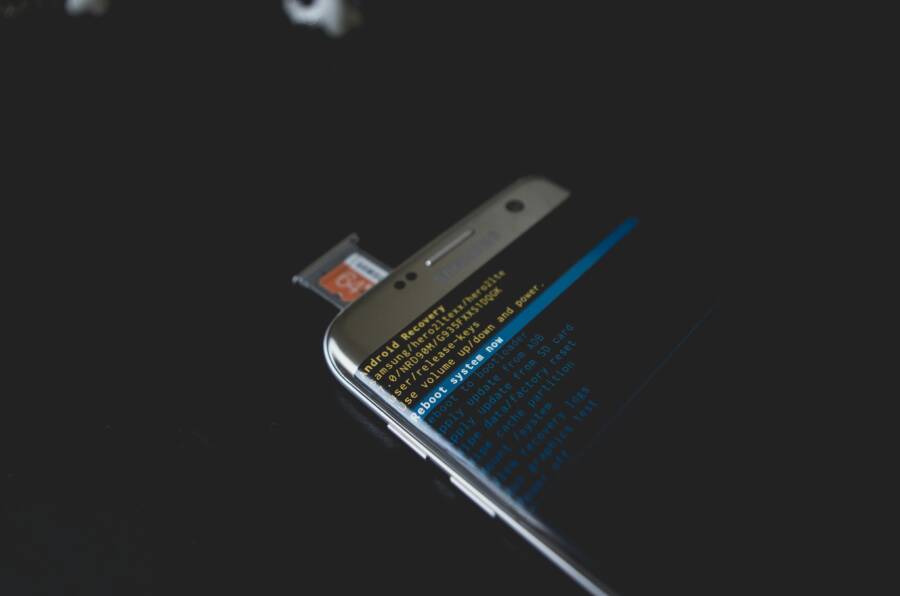
 Photo by Kelvin Valerio
1. Restart, safe mode, and updates
A clean restart often clears ghost mappings that cause the camera to open on wake or press. If a simple reboot doesn’t fix things, booting into safe mode helps identify whether a third party app is the culprit. Finally, installing the latest system updates patches known bugs that can affect lock screen behavior.
- Clean restart:
- For most devices, press and hold the power button, then choose Restart. On some models you may need to confirm with a separate on-screen option.
- After reboot, test the lock button interaction in a few different scenarios (sleep, wake, and quick presses) to see if the camera still launches.
- Safe mode (diagnostic mode):
- Android: The method varies by manufacturer. Generally, hold the power button to bring up the power menu, then tap and hold Power off or Restart until you see an option to reboot in Safe Mode. Confirm and let the device boot with third-party apps disabled.
- iPhone equivalents are limited, but you can sometimes test by disabling or removing recently installed apps and testing behavior after a restart.
- In Safe Mode, use the device as you normally would and observe whether the camera still opens from the lock button. If it doesn’t, a third party app is likely the cause.
- System updates:
- Go to Settings > Software Update (or System > Software Update) and install any available updates. Updates fix bugs and improve device stability, which often resolves quirky lock screen shortcuts.
Tip: After each step, run a controlled test. Try pressing the lock button in multiple ways (short press, long press, double press) and note whether the camera launches. If the problem disappears in Safe Mode, you’ll know a third party app is responsible. For deeper guidance on updates and safe mode, see official resources like Apple support for iPhone and Google’s Android help pages.
- Useful reads:
- Force restart iPhone: https://support.apple.com/guide/iphone/force-restart-iphone-iph8903c3ee6/ios
- How to clear cache and cookies on Android: https://www.android.com/articles/clear-cache-and-cookies/
Image placement: after this subsection, an image can help show a clean restart or safe mode concept.
2. Clear camera app data and cache
Clearing cache and data resets the camera’s local state without touching your personal media. It can remove misconfigured shortcuts that map to the camera, especially if a recent update or setting change created a glitch. Be mindful that clearing data will reset camera preferences, and in some cases you may lose custom settings like scene modes or grid options.
- Clearing cache and data on major platforms:
- Android:
- Open Settings > Apps or Apps & notifications.
- Find the Camera app and select Storage & cache.
- Tap Clear Cache. If issues persist, also tap Clear Storage or Clear Data.
- Reopen the Camera app and test the lock screen behavior.
- iPhone:
- Camera app cache is managed by iOS; you can try offloading the app or resetting settings if issues persist.
- To offload: Settings > General > iPhone Storage > Camera > Offload App. Reinstall later if needed.
- Android:
- General guidance for other devices:
- Look for an equivalent App Manager or System Apps section.
- Clear cache first; only clear data if needed and you’re prepared to reconfigure preferences.
- Backup considerations:
- Clearing camera data typically does not affect your photo library, but if you clear app data and use in-app settings, it could reset preferences.
- Consider backing up important camera presets or custom settings before a data clear.
What you gain from this step:
- A clean slate helps ensure the camera shortcut isn’t reappearing due to stale data.
- If the camera still opens from the lock button after clearing cache, you know the issue lies elsewhere, such as button hardware or a system-level setting.
- Quick reference: learn more about camera control settings on iPhone and Android with official guides and community discussions to see how others configure lock screen actions.
Image placement: insert an image here if it visually illustrates clearing cache or camera app settings.
3. Check for physical damage and buttons
Sometimes the problem is literally in your hands. A sticky lock button or debris jam can map the press to an unintended action. A quick inspection and careful cleaning can restore normal behavior. If the hardware is failing, you’ll want to seek repair or service under warranty.
- Quick button check:
- Power off the device, then press and release the lock button several times to feel for stiffness or rough spots.
- Check for debris around the button (dust, pocket lint, grime).
- If you suspect a stick, use a small, soft brush or compressed air to remove loose debris. Do not insert objects that could scratch the screen or internal components.
- Cleaning tips:
- Use a dry microfiber cloth to wipe the button area.
- If needed, lightly dampen the cloth with water or isopropyl alcohol (70% or less) and wipe around the button. Do not pour liquids directly on the device.
- Let the device dry fully before powering on.
- When to seek repair:
- If the button remains sticky, feels loose, or continues to trigger the camera after cleaning, hardware repair is likely needed.
- Check your warranty status or the device’s service options. If you’re outside the warranty window, third-party repair shops may be an option, but verify service quality first.
- Safety and warranty notes:
- Opening the device yourself can void warranties on some models. If you’re unsure, contact the manufacturer or an authorized service provider.
- Avoid using force or attempting to disassemble the device. Pressure or pry tools can cause more damage.
A quick hardware check helps distinguish between a button issue and a software mapping. If the button is fine, you can focus on software controls and app interactions. For device-specific guidance, reference manufacturer support pages that walk through button testing and safe cleaning procedures.
- Related reads:
- How to force restart iPhone: https://support.apple.com/guide/iphone/force-restart-iphone-iph8903c3ee6/ios
- Android care tips for button stability and quick fixes: https://forums.androidcentral.com/threads/any-way-to-turn-off-the-lockscreen-camera-shortcut.715004/
Image placement: optional image illustrating a clean hardware check or a close-up of a side button.
What to do next if the issue persists
If the camera still opens from the lock button after trying these steps, you have two solid options:
- Apply a broader reset or firmware refresh (careful with data loss; back up first).
- Schedule a service appointment if the device is under warranty or you suspect hardware failure.
For ongoing support, you can reference official guides that cover force restarts and camera controls on both iPhone and Android, along with community discussions that track lock screen behavior across models.
- Quick help resources:
- Force restart iPhone: https://support.apple.com/guide/iphone/force-restart-iphone-iph8903c3ee6/ios
- Android lock screen shortcuts and disable options: https://forums.androidcentral.com/threads/any-way-to-turn-off-the-lockscreen-camera-shortcut.715004/
Image usage notes
If you include images, place them after the introductory paragraphs for each subsection to maintain flow. Each image should have a short caption and credit. Use only images from Pexels with proper attribution. For the image above, Credit: Kelvin Valerio, Photo by Kelvin Valerio.
Overall takeaway
- Start simple with a restart, then test. If needed, test in Safe Mode to isolate apps.
- Clear camera data and cache to reset local state, taking care with any data you may lose.
- Inspect the hardware. If the lock button remains problematic after cleaning, hardware repair is likely required.
If you want deeper, model-specific steps, share your device make and OS version and I’ll tailor the guidance with precise menu names and screenshots.
Preventive tips to avoid future triggers
Keeping accidental camera launches from the lock button to a minimum helps your smartphone stay secure and easy to use. These preventive tips focus on regular maintenance, smart settings, and knowing when to seek professional help. Implement them as a quick, repeatable routine so your device behaves exactly how you want it every day.
 Photo by Safwan C K
Review shortcuts regularly
Shortcuts on the lock screen or quick launch area are convenient, but they can drift over time. A monthly or biweekly check keeps things tidy and reduces accidental taps. Start by locating where each shortcut is mapped and decide if it still serves you.
- Map out your current setup: note which actions live on the lock screen and which are tied to the physical button.
- Remove or reassign unnecessary shortcuts: if you rarely use the camera shortcut on wake, disable it or swap it for a function you use more often.
- Keep a clean lock screen: limit the number of visible icons and keep only the essentials. This reduces the chance of accidental taps when the phone is in a pocket or bag.
- Test after changes: wake the screen, perform common interactions (brief press, double press, swipe), and confirm the camera no longer launches unexpectedly.
When readers see a cluttered lock screen, they often overlook a simple misconfiguration. A quick audit can uncover a dormant shortcut that’s quietly causing trouble.
For quick reference and additional guidance, see discussions about lock screen shortcuts and camera controls on popular devices: Apple discussions on lock screen behavior and Android lock screen shortcuts (these discussions offer practical, model-agnostic insights).
- https://discussions.apple.com/thread/255989519
- https://forums.androidcentral.com/threads/any-way-to-turn-off-the-lockscreen-camera-shortcut.715004/
Keep software updated
Software updates often fix bugs that cause odd button mapping and camera launches. Keeping your device current reduces the odds of a recurring trigger.
- Enable automatic updates if available: this ensures you receive bug fixes and security patches without manual checks.
- Regularly install updates, even if they seem minor. Small fixes can close gaps that lead to unintended camera launches.
- After updating, re-test the lock button in several scenarios to confirm the issue is resolved.
Updates also bring improved stability and can address accessibility or gesture conflicts that map to the camera. If you’re unsure about your device’s update process, your manufacturer’s official support pages offer step-by-step instructions. For example, there are model-specific guides available for iPhone and Android that walk you through enabling automatic updates and verifying installation.
If you’d like deeper reading on this topic, these resources provide more context on how updates relate to lock screen reliability and device behavior:
- https://support.apple.com/guide/iphone/adjust-camera-control-settings-iph22c8345f8/ios
- https://forums.androidcentral.com/threads/any-way-to-turn-off-the-lockscreen-camera-shortcut.715004/
Use cases for repair
If preventive measures don’t stop the issue, the root cause may be hardware or a deeper software conflict. Recognizing when a repair is needed saves time and protects your data.
- Hardware signs you may need service: a sticky or unresponsive lock button, persistent camera launches despite software tweaks, or a button that feels loose or wobbly.
- When to consider a button replacement: if the side or power button has physical damage, or if cleaning doesn’t improve responsiveness, a replacement may be the best solution.
- Warranty and service options: check your warranty status and consider official repair channels first. Authorized repair providers typically use genuine parts and ensure device integrity. If you’re outside the warranty window, reputable third-party shops can be a faster, more affordable alternative.
- What to bring to a repair visit: note the exact behavior, the conditions where it occurs, and any steps you’ve already tried. This helps technicians reproduce and diagnose the issue quickly.
A professional repair may be the right path when rapid, repeated triggers persist across multiple software tweaks and resets. If you’d like, share your device make and model and I’ll point you to the most relevant service options and warranty insights for your region.
External resources for repair guidance and warranty considerations:
- https://www.ubreakifix.com/repairs/smartphones/services/power-button-repair
- https://support.apple.com/iphone/repair
- https://discussions.apple.com/thread/7826810
What this means for you
- Regular checks prevent drift in shortcuts and keep mapping aligned with your preferences.
- Automatic updates reduce the risk of bugs reappearing after you’ve fixed the issue.
- If hardware is involved, timely repair or replacement preserves both usability and data safety.
What readers should do next
- Schedule a quick shortcuts audit this week. Remove anything you don’t actively use on the lock screen.
- Enable automatic updates if your device supports it, then verify after an update.
- If unusual button behavior continues after software fixes, consider a diagnostic with an authorized repair provider. Share your model and OS version to get targeted guidance.
External resources and deeper reads
- iPhone repair options and guidance: https://support.apple.com/iphone/repair
- Smartphone power button repair services: https://www.ubreakifix.com/repairs/smartphones/services/power-button-repair
- Apple discussions on power button replacements and warranty: https://discussions.apple.com/thread/7826810
Note: If you want tailored steps for a specific model, tell me your device make and OS version and I’ll map out exact menu paths and practical tests.
Conclusion
Start with the simplest fixes and test after each change. A quick restart, then a test of the lock button behavior can reveal transient glitches that map to the camera.
Next, disable or rebind the camera shortcut on the lock screen, adjust power or side button gestures, and clear the camera app cache if needed. After each adjustment, perform a controlled test in several scenarios to confirm improvements.
There Is a Frequency That the Wealthiest Families Have Used for Generations and Most People Will Never Know It Exists
>>> Open the Door <<<

If the issue persists, move to broader checks like safe mode on Android, or Screen Time or lock screen settings on iPhone, and consider a broader reset or firmware refresh as a last resort. A professional repair is warranted if physical damage or persistent misbehavior remains after software tweaks.
Keep your smartphone secure and easy to use by testing in multiple conditions and keeping the system up to date. If you share your device model and OS version, I can tailor the steps with exact menu names and screenshots.
He Was Drowning in Bills and Burnout Until a Simple Daily Ritual Rewired His Brain for Wealth in Less Than a Week
>>> Start Your Shift Today <<<
