What If the Only Thing Between You and the Life You Deserve Is a Hidden Wealth Code Waiting to Be Activated
>>> Open the Door <<<

Dealing with a phone that forgets VPN settings is frustrating, especially when you just want to browse securely. This quick guide shows you simple, reliable steps that work on both Android and iPhone so you can get back to protected browsing fast. If your VPN vanished after an update, a battery saver switch, or an app cleanup, you’re not imagining it — these events can reset or block VPN profiles.
In this intro, we’ll cover why this happens in plain terms and what to try first. Most fixes are not one size fits all, but they’re easy to apply and don’t require technical know how. You’ll learn how to restore or reconfigure VPN profiles, enable auto connect, and keep your connection stable across common scenarios where the problem reappears on a smartphone.
By the end, you’ll have a practical, step by step plan you can follow. Whether you’re using a familiar VPN app or trying a new one, these tips help you regain a secure connection quickly. Many readers just want their VPN back fast so they can browse securely again. This guide aims to give you that confidence with clear, actionable steps you can trust.
Why a phone forgets VPN settings
VPNs rely on stable system permissions, background activity, and consistent profile data. When any of these elements shift, a device can treat the VPN as new or missing. This section breaks down the common culprits behind forgotten VPN configurations and how to spot them on both Android and iPhone. With clear checks and small fixes, you can keep your VPN profile in place across everyday device changes.
Thousands of People Were Struggling With Money Until They Discovered This One Ancient Secret Hidden in Sound
>>> Unlock It Now <<<

Battery optimization and background activity
Power saving can quietly kill VPN background tasks, causing the app to lose its connection state or forget configured profiles. A simple example: you open a VPN app, then leave the phone idle; after Doze mode or battery optimization kicks in, the app may stop renewing the three key background tasks that keep the tunnel alive. To check on Android, go to Settings > Apps > [VPN app] > Battery > Unrestricted; on iOS, ensure Background App Refresh is on for the VPN app in Settings > General > Background App Refresh. See how Android’s Doze and App Standby restrict background work and how to adjust them for VPN continuity. https://developer.android.com/training/monitoring-device-state/doze-standby
App permissions and data clearing
Clearing app data, cache, or changing permissions can erase VPN configurations. If you reset an app’s data, the VPN may appear as if it’s not installed or require you to re-enter credentials. On Android, inspect Settings > Apps > [VPN app] > Storage to clear cache without removing the app, or clear data if needed; on iPhone, you might offload or reinstall the app to refresh its configuration while preserving your login details in a secure keychain. Regular checks for permission changes help prevent silent resets. For Android battery optimization specifics, see Android Battery Optimization Settings. https://freedom.to/en/articles/4523596-android-battery-optimization-settings
OS updates and bugs
System updates can alter or reset VPN profiles and how background tasks run. New networking frameworks, tightened background restrictions, or altered permissions might require the VPN app to update to stay compatible. Watch for known issues from the device maker or OS developer and verify that your VPN app has a recent update. If a VPN stops working after an OS release, check the vendor’s support page and Apple Support or Android Developers notes for guidance. For iOS related concerns, see Apple’s guidance on network and VPN software. https://support.apple.com/en-us/102281
Network resets and profile management
Resetting network settings or removing old profiles can wipe VPN configuration. A quick scenario: you perform a network reset, then reconfigure Wi‑Fi and VPN; the old profile may be discarded, forcing a fresh setup. After a reset, reinstall or re-import your VPN profile, re-enter server addresses, and re-approve trusted certificates. For practical steps after a reset, see reconfiguration guidelines and verify that the VPN app still has the needed permissions. If you’re restoring from a backup, confirm that VPN settings aren’t excluded from the backup file. More on network recovery and VPN stability is available from official support resources. https://support.apple.com/en-us/102281
Conflicts from multiple VPN apps and device management
Installed VPN apps can clash with each other or with mobile device management (MDM) on work devices. When two profiles fight for the same network resources, the system may disable one or forget the active configuration. A simple strategy is to keep a single, active VPN profile and remove redundant apps. On personal devices, you can disable other VPNs and test only one connection at a time. On managed devices, work with IT to ensure the correct profile is enforced and that MDM policies allow uninterrupted VPN use. This reduces the risk of silent resets and ensures a stable secure tunnel. For broader guidance on VPN conflicts, refer to trusted vendor and support resources. https://support.apple.com/en-us/102281
How to quickly restore VPN settings on Android and iPhone
When a VPN suddenly forgets its settings, it can feel like you’re reopening a protection tunnel with empty keys. This section digs into fast, practical fixes you can apply right away on Android and iPhone. The goal is to get your secure connection back with minimal fuss, so you can resume private browsing, work on sensitive documents, or stream without interruptions. Below are targeted steps that cover common culprits such as background activity restrictions, profile resets, and profile management. A quick check now can save you hours of debugging later.
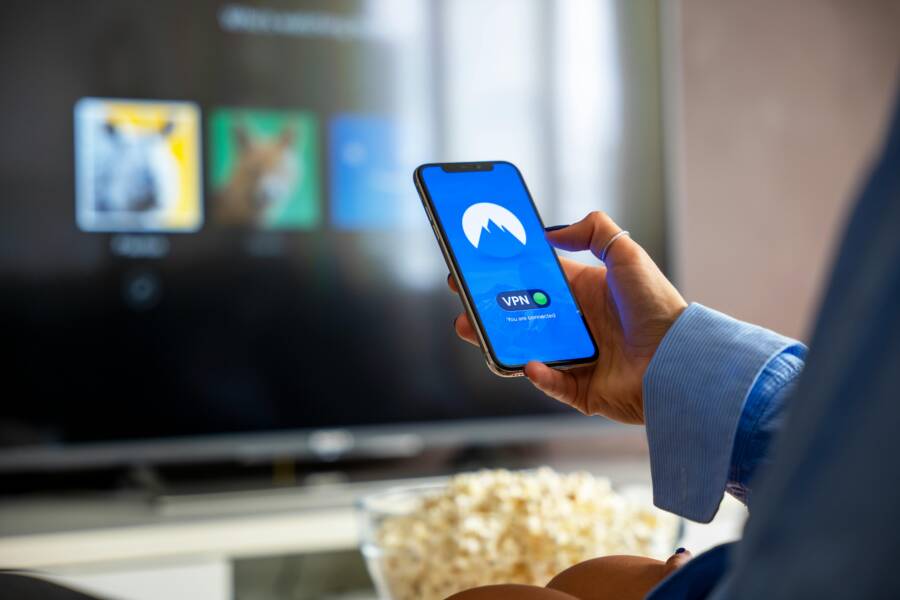
 Photo by Stefan Coders
Android quick fixes
If your Android VPN profile vanished or won’t stay active, try these rapid checks in order. First, restart the device to clear transient glitches. Next, open the VPN app and ensure it’s updated to the latest version; developers often fix compatibility issues that cause profiles to reset after a reboot. Check battery optimization and background activity: go to Settings > Apps > [VPN app] > Battery and set Unrestricted or No restrictions so the tunnel stays alive in the background. If the profile still won’t stay, re-add the VPN profile or re-import the configuration file. This can reestablish the correct server address, credentials, and certificates. If you use multiple VPNs, disable others to confirm you’re connecting with the intended one. For extra reliability, consider pinning the app in the recent apps list on some devices to prevent it from being killed during idle periods. For additional context on Android power management, see official Doze and standby guidance. https://developer.android.com/training/monitoring-device-state/doze-standby
iOS quick fixes
On iPhone, the fixes are roughly the same in spirit but tailored to iOS controls. Reinstall the VPN app if it won’t reconfigure after a crash or OS update. Re-import the VPN configuration or profile, making sure all required items like server, remote ID, and certificates are present. Enable Background App Refresh for the VPN in Settings > General > Background App Refresh to keep the tunnel responsive, especially after waking the device. Verify cellular data access is allowed for the VPN under Settings > Cellular or Mobile Data so the tunnel can establish when Wi-Fi isn’t available. If a stale profile remains, offload the app or delete and reinstall, then re-add your configuration. Apple’s support resources offer guidance if you run into compatibility issues after an OS update. https://support.apple.com/en-us/HT210265
Clean up old VPN profiles and duplicates
Over time, duplicate or stale VPN profiles can confuse the system and cause a forgetful VPN to reappear. Dedicate a moment to prune old entries and keep a single active profile. On Android, head to Settings > Network & internet > VPN, and remove any outdated profiles you don’t use. Then confirm the remaining profile is marked as connected or set as default if your device supports that option. On iPhone, go to Settings > General > VPN & Device Management and delete duplicates, leaving one active configuration. After cleanup, re-test by connecting to the VPN and verifying traffic is routed through the correct server. If you need more context on managing VPN profiles across platforms, see vendor and support resources for best practices. https://support.apple.com/en-us/102281
Pro tips to prevent VPN forgetfulness in the future
A stable VPN setup depends on fewer moving parts, not more. These quick, practical steps help you keep VPN profiles active and reliable across Android and iPhone. Think of them as maintenance for your secure tunnel. By locking in background activity, guarding permissions, and staying on a trusted provider, you reduce the chances of a forgotten VPN and a burst of reconnects. Implement these habits, and your smartphone stays consistently private, even after OS updates or battery saves.
She Pressed Play on a Strange Audio Track and Within Days Her Financial Reality Started Shifting in Ways She Could Not Explain
>>> See How It Works <<<

Battery optimization and background activity
Keep the VPN alive by allowing it to run in the background and bypass aggressive power saving. On Android, navigate to Settings > Apps > [VPN app] > Battery and set Unrestricted or No restrictions to prevent Doze mode from halting the tunnel. On iPhone, enable Background App Refresh for the VPN under Settings > General > Background App Refresh so it stays responsive after wake or sleep. Regularly confirm the VPN is listed as not restricted in battery or background settings. This simple tune helps maintain a steady connection in daily use. For deeper guidance on Android power management, see the official Doze and standby guidance. https://developer.android.com/training/monitoring-device-state/doze-standby
App permissions and data safety
Avoid silent resets by keeping essential VPN permissions intact and by resisting unnecessary data clears. On Android, check Settings > Apps > [VPN app] > Permissions and ensure access to network, storage, and device security is allowed. Do not clear app data unless you plan a full reconfiguration, which can wipe credentials. On iPhone, review Settings > Privacy & Security to ensure the VPN has permission to use cellular data and network. Periodic permission audits help prevent disruptions when updates arrive. For practical permission management on Android, see Google’s privacy dashboard guidance. https://support.google.com/android/answer/13530434?hl=en
OS updates and reliable provider choices
OS updates can shift how VPNs operate, so stay with a provider that offers timely updates and solid support. When a new iOS or Android release rolls out, check the vendor’s notes and install the latest VPN app version. Prioritize providers with clear update histories and responsive support teams. If a problem persists after an OS update, verify there is a current app build and consult the vendor’s help resources. For a current take on top mobile VPN options, see independent reviews from major outlets. https://www.cnet.com/tech/services-and-software/best-mobile-vpn/
She Pressed Play on a Strange Audio Track and Within Days Her Financial Reality Started Shifting in Ways She Could Not Explain
>>> See How It Works <<<
Optional keep-it-simple habit: consolidate profiles
Limit confusion by keeping one active VPN profile per device. If you manage multiple VPNs, remove duplicates or disable secondary apps to prevent conflicts. On Android, review Settings > Network & Internet > VPN and delete unused profiles; on iPhone, Settings > General > VPN & Device Management and remove duplicates. After cleanup, test the active tunnel to ensure traffic routes correctly. A single, well-maintained profile reduces forgetfulness and makes troubleshooting faster. For best practices on managing VPN profiles, refer to vendor resources and support pages. https://support.apple.com/en-us/102281
Troubleshooting for work phones and OS bugs
When devices are managed by an organization or sit on the edge of a major OS update, VPN settings can act up. In this section, you’ll find practical guidance on how work policies interact with VPN configurations, what to expect after OS releases, and how to escalate when you’re stuck. The goal is to keep your VPN profile stable across different environments and updates, with clear steps you can follow on both Android and iPhone. Think of your smartphone as a connected workspace that needs a little regular maintenance to stay secure.
Work devices and device management
Mobile Device Management (MDM) and administrator policies can enforce, reset, or block VPN configurations. If IT updates a policy, your VPN profile might disappear or reapply with new server details. In some cases, exceptions or updated profiles must be requested through your corporate IT portal. On Android, MDM controls often push profile imports or restrict changes; on iPhone, VPN settings can be tied to device management and require admin approval for reconfiguration. If a profile vanishes, contact IT with your device model, OS version, and the VPN app name to request an updated or exception profile. Regularly confirm that the VPN app has the necessary permissions and that no new compliance setting blocks the tunnel. For further context, review basic Android MDM guidelines and iPhone VPN management resources from official support pages. https://support.apple.com/en-us/102281
OS bugs after updates
OS updates can alter how VPN profiles are stored and how background tasks run. Release notes may flag networking and permission changes that affect VPN behavior. A known scenario is a temporary mismatch between the OS networking stack and the VPN app, which can require an app update or profile reimport. Workarounds include reinstalling the VPN app, re-importing the configuration, and ensuring Background App Refresh or equivalent background permissions are enabled. After an update, double check server addresses and certificates. If problems persist, check vendor support pages or Apple/Android developer notes for any known issues and patches. Recent reports highlight VPN issues on iOS 26.1 and certain Android patches, with recommended steps like removing old profiles and testing a fresh setup. https://support.apple.com/en-us/HT210265
Escalating to IT or VPN provider support
If the VPN still forgets settings after trying the basics, escalate with clear, concise details. Gather: device model and OS version, VPN app name and version, a screenshot of the VPN profile, and a description of when the issue occurs (boot, wake, or after update). Note any recent policy changes or app removals from the device. Reach out to IT for work devices or contact the VPN provider’s support line with the above data. Quick references include official Apple and Android troubleshooting guides and vendor help resources to speed up the resolution. https://support.apple.com/en-us/102281
Maintenance checklist to keep VPN working on mobile
Keeping a VPN active on mobile requires a steady routine. Use this checklist to prevent surprises after updates, device resets, or long flights. With a little proactive care, your secure tunnel stays ready when you need it, whether you’re at home, in a café, or on the road with your smartphone.
Pre-flight checks
Before you push a big change or install a major update, run through a quick readiness pass. Confirm the VPN app is up to date and that you know how to reimport a profile if needed. Check that background activity is allowed and battery optimization won’t silently kill the tunnel. Make sure the server address, credentials, and certificates are current. A 5 minute review now saves hours of troubleshooting later and helps your smartphone stay private from the moment you wake it.
 Photo by Stefan Coders
Ongoing maintenance
Set a monthly routine to review VPN settings, app versions, and profile integrity. Verify the VPN profile remains active and that traffic routes through the expected server. Re-import or re-create profiles if you notice any drift in server addresses or certificates. Keep alerts on for app updates and OS compatibility notes from the provider. A simple audit helps you avoid last minute outages during important tasks, like secure messaging or remote work, and keeps your connection dependable on both Android and iPhone. For deeper background on mobile VPN best practices, you can reference vendor guidance and trusted support resources. https://www.cnet.com/tech/services-and-software/best-mobile-vpn/
Conclusion
Most VPN forgetfulness is solvable with the steps above. Keep a single active profile and reimport or re-create it when needed to restore a stable tunnel on your smartphone. Regularly update the VPN app, verify background activity, and guard permissions so the connection stays reliable.
Bookmark this guide and refer back after OS updates or device resets. If you’ve tried the steps and still face issues, share your experience in the comments so others can learn from your setup. Your feedback helps refine how we keep VPNs steady across Android and iPhone smartphones.
What If the Only Thing Between You and the Life You Deserve Is a Hidden Wealth Code Waiting to Be Activated
>>> Open the Door <<<