There Is a Frequency That the Wealthiest Families Have Used for Generations and Most People Will Never Know It Exists
>>> Open the Door <<<

How to Fix a Phone Not Recognizing Charger (Android & iPhone)
You’ve just finished a long day. You plug in your phone not recognizing charger and wait for that satisfying charge icon. Nothing happens. It’s dead silent.
This glitch hits hard. Your smartphone feels useless without power. But don’t worry; most cases stem from quick fixes you can do yourself.
Common culprits include dirty charging ports clogged with lint or dust. Faulty cables or adapters fail too. Weak power sources and software hiccups play a role as well.
Good news: solutions work for Android and iPhone models. You’ll clean ports, swap cables, restart devices, and more. No need for pricey repairs in many situations.
What If the Only Thing Between You and the Life You Deserve Is a Hidden Wealth Code Waiting to Be Activated
>>> Open the Door <<<

This guide walks you through each step. Test after every one to spot the fix fast. Follow along, and get your smartphone charging again in minutes.
What If the Only Thing Between You and the Life You Deserve Is a Hidden Wealth Code Waiting to Be Activated
>>> Open the Door <<<
Test Your Cable, Charger, and Power Source First
Before you dive into more involved fixes, take a quick, systematic approach. The issue often isn’t the phone at all but a weak link in the chain: the cable, the adapter, or the power source. By testing each component step by step, you can spot the real culprit fast and avoid unnecessary replacements. Think of it as a simple triage for your smartphone charging setup.
Swap Cables and Adapters to Pinpoint the Problem
Start by visually inspecting your cable. Look for frays, kinks, bent connectors, or loose shielding. Even a tiny nick can disrupt charging or data transfer. If the cable looks worn, swap it with a known-good one and try again. If your device begins charging with the replacement, you’ve identified the faulty cable or adapter.
When testing, use the same device and a consistent charging method to keep results clear. If you’re dealing with USB-C, Lightning, or other standards, note any differences you observe. Some devices charge more reliably with one cable or adapter than another, so you may find that a specific USB-C cable consistently performs better than others. If the root cause is the adapter, replace it with a compatible, certified model. For a quick reference, you can read practical guidance on fixing charging cables and recognizing wear patterns in these guides: How to Fix Charging Cable: A Comprehensive Guide, and How to Salvage Your Frayed Charging Cables. These resources offer straightforward checks and replacement tips that apply to both Android and iPhone setups. https://looperbuy.com/blog/how-to-fix-charging-cable-a-comprehensive-guide.html
If a cable or adapter isn’t the issue, test with a different charger and wall plug to confirm. Sometimes a third-party charger may fail to deliver the required power, especially with high-draw devices. For additional perspective on safe cable repairs and durable fixes, consider reviewing a DIY approach to repairing your iPhone charger safely at home. https://www.cellfixx.ca/blog-posts/diy-guide-repairing-your-iphone-charger-safely-at-home
Pro tip: always use certified accessories. Cheap, uncertified cables and adapters can fail internally without visible damage. If you’re unsure, replace with a reputable, standards-compliant option and retest. For a targeted how-to on evaluating charging cables, see the guide linked above to ensure you’re applying the right checks across USB-C and Lightning cables.
Rule Out Weak Power Sources
A weak power source can masquerade as a charging fault. Some wall outlets are on circuits with limited power, while USB ports on older computers or power strips may not provide enough current for reliable charging. Start with the simplest tests and proceed in a logical order.
- Plug directly into a known-good wall outlet. If charging starts immediately, the issue was likely a weak source or an overload on the previous outlet.
- If you’re charging from a computer or a USB hub, try a dedicated wall charger instead. Low-power USB ports can stall charging or cause the phone to show a brief charge before dropping to zero.
- If you must use a USB hub or laptop, ensure the port can supply sufficient current. Some hubs have built-in power delivery limits that can affect charging performance.
- Consider a surge protector with a fresh outlet sequence. A faulty protector can attenuate voltage and frustrate charging attempts.
If you want practical context on what a charger should deliver and how to troubleshoot wall versus USB power differences, there are helpful articles that discuss wall socket and USB port behavior in everyday use. For example, you can explore solutions for when a phone is plugged in but not charging and reasons why wall sockets might fail to power a phone. https://anker.com/blogs/chargers/my-phone-charger-is-plugged-in-but-not-charging
If you’re researching historic forum discussions about charging behavior across devices, you’ll find cases where the problem stems from power source quirks rather than the phone itself. While those threads can be illustrative, stick to canonical sources when you test, and document what you observe with each change. For broader context on charging behavior and observed issues, see discussions from reputable sources such as Apple and Microsoft support forums. https://discussions.apple.com/thread/2106150
By following these steps, you’ll quickly determine whether power delivery is the bottleneck or if you should return to the cable and adapter checks. This systematic approach saves time and helps you avoid replacing the wrong component. If you’re curious about how to salvage or safely repair charging hardware when appropriate, there are practical, experience-based guides available that walk you through common scenarios and safe practices. https://lifehacker.com/how-to-salvage-your-frayed-charging-cables-1847761687
Remember, the goal is to identify the real blocker quickly. Once you’ve isolated the weak link, you can choose the most efficient path to get your smartphone charging again.
Clean Your Phone’s Charging Port the Safe Way
A clean charging port is the first line of defense when your phone won’t recognize a charger. Dirt, lint, and corrosion can block the connection or misalign the pins, leading to a sluggish or completely absent charge. In this section, we focus on spotting damage in the port so you know when to stop cleaning and seek professional help. The goal is to protect the port and extend its life while avoiding unnecessary repairs.
Spot Damage in the Port
Begin with a quick visual check and a little extra light. A bright flashlight or the phone’s own camera flash can reveal issues you might miss with the naked eye. Look for these warning signs:
- Bent or misaligned pins inside the port. Even a slight bend can prevent a solid connection.
- Loose fit where the charging plug wiggles or feels unstable. A port that doesn’t grip the connector firmly is a red flag.
- Sidelined debris that appears to cling to the sides rather than just sitting at the bottom. While dirt is common, embedded lint can push against the connectors and cause a poor connection.
- Corrosion or white/green residue around the contacts. This indicates moisture exposure or chemical reaction over time.
- Visible wobble or play when you gently move the charger in and out. If the port has noticeable give, it may have loosened internal components.
If you notice any of these signs, note them before you handle the port further. Damaged hardware usually means a professional repair is needed rather than a DIY fix. A damaged port can fail softly, making it seem like a charging issue when the real problem is the connector alignment or internal contact wear. In cases of bent pins or a loose port, a certified technician can assess the scope and prevent further damage.
When you’re unsure, compare with trusted guidance from reputable sources. For example, experts highlight common symptoms of a damaged charging port and explain when a repair is the best path forward. Check out related guidance here: 5 tell-tale signs your charging port is damaged and practical tips on diagnosing charging port issues from consumer tech guides. You can read more about safely cleaning a port and what to avoid during inspection on trusted tutorials as well: How to clean an iPhone charging port safely and How to safely clean your phone’s charging port.
If the port looks pristine but the problem persists, keep testing other components in the charging chain. A single damaged pin can mask a separate issue such as a bad cable or weak power source. In those cases, return to the basics and reassess the cable, adapter, and wall outlet. For readers who want a quick sense of what a damaged port might look like in real conversations, you can review user threads discussing loose connections and the need for port repair. Quick reads here: iPhone charging port not working – Loose connection and general scenarios about port damage in practical terms.
In short, use a bright light, inspect for bent pins and looseness, and note any corrosion or residue. If you confirm damage to the port itself, plan for a professional assessment rather than attempting risky DIY repairs. This heads you off from causing further harm and gives you a clear path to restore reliable charging. For more safety-oriented guidance on evaluating port damage, you can explore additional resources: How to know if your phone’s charging port is damaged and reputable support articles from major brands.
Fix Software Glitches with Restarts and Updates
Software hiccups can make your phone act like a stubborn device that refuses to charge. In many cases, a simple restart or a quick software update clears the glitch and restores normal charging behavior. This section covers why restarts matter, how to perform them across Android and iPhone, and what to check in your system updates and battery settings. Think of it as a fresh reboot for your smartphone’s brain, giving it a clean slate to recognize power again.
Restart and Force a Charge Cycle
If your phone isn’t recognizing a charger, a restart often resolves minor software freezes that block power detection. Here’s how to approach it, depending on your device:
- Android: Hold the power button for 5 to 7 seconds to restart. If the screen is unresponsive, try a force restart by holding power and volume down together for about 10 seconds or until the device reboots.
- iPhone: Press and release the volume up button, press and release the volume down button, then hold the side button until the Apple logo appears. On models with a Home button, hold the Home button and the side or top button together until the logo shows.
After the reboot, plug the charger in and give it a minute to respond. If the device still doesn’t start charging, let the phone cool if it feels warm or hot from the restart. A hot device can trigger safety protections that delay charging.
If you need a clearer path for forcing a restart or troubleshooting steps, Apple’s guidance for charging issues is a solid reference for iPhone users, while Google’s Android support page walks through similar restart and power-cycle steps for Android devices. For example, you can read more about what to do when your device won’t charge on iPhone and Android here: Apple support and Android support pages. https://support.apple.com/en-us/108805 https://support.google.com/android/answer/7662405?hl=en
If you suspected a software hiccup but the problem persists after a restart, a full software update can push fixes that specifically address charging behavior. A clean reboot in combination with an update often resolves deeper quirks that happen after apps or background services misbehave. If you want a quick look at common restarting methods and why a fresh boot helps, you can check Android and iPhone repair guides that cover this approach. Here are a couple of practical references: Android restart guide and iPhone restart guide. https://support.google.com/android/answer/7662405?hl=en https://support.apple.com/en-us/118259
Tips for a smooth force cycle:
- Do not force restart while the phone is actively charging if you can avoid it. If it’s hot, let it cool first.
- After reboot, test with a known-good charger and cable to verify results.
- If the device remains unresponsive, move to update-related steps to rule out software issues caused by older firmware.
In short, a well-timed restart clears transient faults and prepares the phone to accept power again. If the issue is tied to software, a subsequent update often resolves it for good.
Thousands of People Were Struggling With Money Until They Discovered This One Ancient Secret Hidden in Sound
>>> Unlock It Now <<<

Update Software and Check Battery Settings
Software updates often include improvements to charging routines and battery management. Keeping your device up to date reduces the chance of glitches that cause the charger not to be recognized. Additionally, some settings can affect charging behavior, so it’s worth a quick sanity check.
What to do:
- Check for updates on Android: Open Settings > System > Software Update. Install any available updates. After updating, reboot the device and test charging again.
- Check for updates on iPhone: Go to Settings > General > Software Update. If an update is available, install it, then restart your device.
- Review battery-related settings that can influence charging. For iPhone, ensure Optimized Battery Charging is active if you’re aiming to extend battery life; understand how it works and when it might momentarily limit charging speed. Apple explains these charging controls in their battery guides. https://support.apple.com/guide/iphone/optimize-battery-charging-iph9202bbd07/ios
- On Android, some devices offer Battery Optimization or Adaptive Battery settings. If you recently updated, these settings can shift how charging behaves in the background. While the exact menu names vary by manufacturer, look for Battery, Power, or Device Care sections in Settings.
Why updates matter: Updates fix known bugs and improve hardware compatibility, including how the phone recognizes and manages power. If you’ve seen charging issues after a software change, updating can restore expected behavior without hardware actions.
A practical note: while not every update is a magic fix, many manufacturers release targeted patches that address charging quirks. If you’re unsure about whether to install an update, read the release notes and user comments for your specific device. For iPhone users, Apple’s support articles provide clear guidance on battery and charging features, while Android users can find device-specific notes in the manufacturer’s support pages or Google’s help center. Useful reference pages include Apple’s battery optimizations and iPhone charge limit information, as well as general Android charging guidance. https://support.apple.com/guide/iphone/optimize-battery-charging-iph9202bbd07/ios https://support.google.com/android/answer/7662405?hl=en
If you’re dealing with a stubborn charging issue after updating, test again with a known-good charger and cable. If the problem persists, you may want to review battery health and charging limits. Some devices track battery health and may throttle charging to extend life. Apple’s guidance on charge limits and optimized charging can help you interpret these signals. https://support.apple.com/en-md/108055
By staying current with software updates and confirming battery settings, you reduce the odds of glitches that keep your smartphone from recognizing a charger. If you’re curious about battery health impacts and charging limits, a quick read on Apple and Android battery behavior can offer practical insights. For reference, see Apple’s battery charging guidance and related discussions on device behavior after updates. https://support.apple.com/guide/iphone/optimize-battery-charging-iph9202bbd07/ios https://discussions.apple.com/thread/256120993
Remember, regular maintenance pays off. A few taps now can prevent nagging charging issues later and keep your smartphone ready for daily use.
Try Wireless Charging and Other Quick Tests
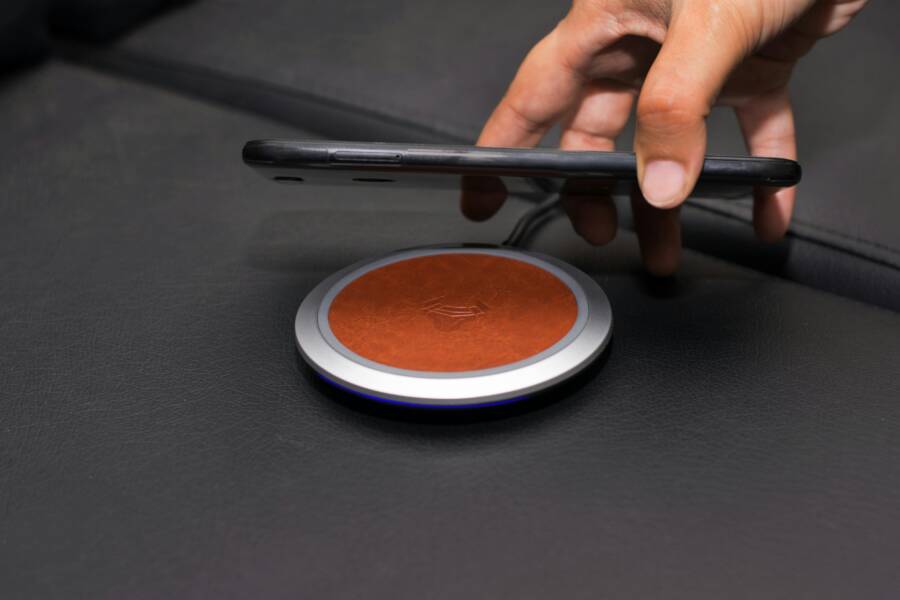
Wireless charging can be a quick, non-invasive way to gauge whether the problem lies with the charging setup or the phone itself. If your smartphone supports Qi wireless charging, placing it on a pad for a minute or two should show a charging indicator or a temperature change. If you see nothing, move to targeted checks while keeping the goal simple: identify where the block is so you can fix it fast.
 Photo by Rann Vijay
Wireless charging basics you should confirm
Before you dismiss wireless charging as a non-starter, confirm a few basics:
- The phone model supports wireless charging. Some budget or older models may lack this feature.
- The charger pad is compatible with your phone’s power needs. If your pad is low wattage, it may still show a charged icon but slowly.
- The pad sits on a stable, non-slip surface. Movement can interrupt the charging loop.
- The phone is correctly aligned with the pad’s coil. A slight misalignment can prevent charging.
If these conditions are met and you still don’t get charging, try a different pad or a different power adapter for the pad. Sometimes the problem sits with the wireless charger rather than the phone.
How to test quickly with wireless charging
- Place the phone on the pad and wait 60 seconds. Listen for the notification or watch for the charging indicator.
- If nothing happens, try removing and reapplying the phone to reestablish contact.
- Test with a different pad or charger cable. A known-good setup rules out the charger as the culprit.
- Check for heat. If the phone becomes noticeably warm within a minute, it may be charging at a reduced rate or stopping due to heat management.
If wireless charging works but wired charging does not, you’re looking at a port or cable issue rather than a power problem. If wireless charging also fails, the problem could be software or a broader hardware fault.
For deeper guidance on why wireless charging can fail and how to address it, see practical guides from reputable sources such as EcoFlow and Anker. Their explanations cover common causes and fixes for wireless charging issues: “Why Won’t My Phone Charge on a Wireless Charger?” and practical testing steps. https://www.ecoflow.com/us/blog/fix-wireless-charger-not-working-guide https://www.anker.com/blogs/wireless-chargers/why-wont-my-phone-charge-on-a-wireless-charger
Quick checks you can do while testing wireless power
- Ensure the charging surface is clean and free of lint or debris that could block contact.
- Remove phone cases that are unusually thick or have metal components near the back. Some cases interfere with coil alignment.
- If you use a case with a kickstand or magnetic attachment, temporarily remove it to test charging.
- Confirm the pad’s power supply isn’t dimming. Some pads show a light indicator if they aren’t getting enough input.
If wireless charging remains unresponsive after these checks, move back to the basics with wired tests. A lot of times you’ll find the root cause is a faulty cable, a tired adapter, or a weak power source.
When to escalate a wireless charging issue
If you’ve confirmed compatibility and tested multiple pads or adapters with the same result, consider a deeper hardware or software review. Look for port damage, battery health issues, or firmware glitches that could affect how the device negotiates power. You can consult additional guidance from Android Authority and CNET that outline a sequence of fixes for charging problems, including non-warranty DIY steps. https://www.androidauthority.com/fix-phone-won-t-charge-how-to-705387/ https://www.cnet.com/tech/mobile/phone-doesnt-charge-try-this-simple-diy-fix-at-home-first/
A note on safety and best practices
- Use certified accessories from trusted brands. Cheap adapters can fail silently or overheat.
- Avoid bending cables sharply or using adapters that feel loose.
- If you notice swelling, heat, or strange smells, stop using the charger and seek professional help.
Wireless tests can be a fast, low-risk way to cut through the noise. They often reveal if the issue is the charger, the cable, or the device itself. If wireless charging works reliably, you may have found a workaround while you continue to diagnose wired charging behavior. For more practical tips on evaluating charging hardware, you can review a few reliable guides that explain safe handling and repair basics for charging components. https://lifehacker.com/how-to-salvage-your-frayed-charging-cables-1847761687
A quick, practical wrap-up
- Start with wireless charging to rule out a port issue.
- If wireless charging works, focus on cables and adapters for wired charging.
- If wireless fails too, broaden the test to software updates and battery health checks.
If you want a concise reference on how to approach charging issues in a systematic way, the combination of cable testing, port inspection, and software checks remains the most efficient path. For additional context on common charging problems and simple DIY steps, you can consult the guides linked above from CNET and Android Authority. https://www.androidauthority.com/fix-phone-won-t-charge-how-to-705387/ https://www.cnet.com/tech/mobile/phone-doesnt-charge-try-this-simple-diy-fix-at-home-first/
When to Call in the Pros or Replace Your Phone
Some charging issues are quick to fix, while others signal deeper hardware damage. Knowing when to DIY and when to seek professional help can save time and money. In this section, you’ll learn how to recognize when a repair is feasible and when replacement is the sensible route. You’ll also get practical guidance on choosing a reputable technician and what to expect from a repair shop.
Signs you should consider a professional repair
- The charging port shows visible damage. Bent pins, looseness, or corrosion are red flags that DIY cleaning won’t fix and can worsen with attempted fixes. A professional can assess internal connectors and determine if a port replacement is needed. See credible guidance on signs your charging port is damaged for context and examples.
- Example: a loose connection that allows only intermittent charging often means the port is damaged beyond a simple cleaning.
- Replacements or repairs feel necessary after multiple failed DIY attempts. If swapping cables, adapters, and outlets still yields no charging, a professional evaluation is prudent. Professionals can test with certified parts and verify power negotiation with the device.
- The issue appears on multiple devices or models. If different chargers and cables fail across several phones, the fault might be in the charger ecosystem or the device’s power management firmware. A technician can perform a more thorough diagnostic.
- Symptoms extend beyond charging. If you notice heat, swelling, or abnormal battery behavior, stop DIY fixes. These can indicate a battery or motherboard problem that requires specialized equipment and safety protocols. For more context on port damage and when to pursue a repair, see expert resources like 5 tell-tale signs your charging port is damaged.
Link: https://www.asurion.com/connect/tech-tips/signs-your-charging-port-is-damaged/
When replacement rather than repair is the better option
- The port damage is extensive or the device is structurally compromised. If pins are bent badly or the board around the port is damaged, replacement often makes more sense than trying to salvage the port.
- The device is old or out of warranty and the repair cost would approach or exceed the price of a newer model. In that case, upgrading can deliver better value and a longer usable life.
- Battery health is poor and charging issues are linked to battery degradation rather than the port. If battery replacement is needed anyway, a full diagnostic can reveal whether the charge control system remains reliable after a battery swap.
- The device has had repeated charging issues after prior repairs. If reliability remains, a fresh device with updated hardware and software may yield a better long-term result.
To get a sense of how to decide between repair and replacement, you can review perspectives from iPhone charging port discussions and repair guides. These discussions often cover practical decision points from real-world experiences:
- iPhone charging port not working thread discussions provide insight into how users weigh port repair versus device replacement.
Link: https://discussions.apple.com/thread/255055350
How to choose a reputable repair service
- Look for certified technicians and official repair partners. Certification signals adherence to safety standards and the use of quality parts.
- Ask for a written estimate before any work. Good shops will outline parts, labor, and a clear warranty on the repair.
- Check the warranty terms. A solid repair should come with a warranty that covers at least 90 days, if not a full year depending on the component.
- Read reviews and ask for before-and-after photos or a diagnostic report. A transparent shop will document findings and explain why a repair is or isn’t viable.
- Confirm the parts source. Reputable shops use OEM or well-known third-party parts with a proven track record.
If you’re unsure where to start, credible guidance on charging port damage and repair options can help. For example, practical resources from Asurion discuss signs of damage and repair pathways that align with professional service decisions. Link: https://www.asurion.com/connect/tech-tips/signs-your-charging-port-is-damaged/
What to expect from a professional repair
- Diagnostic assessment. The technician will verify whether the problem is the port, cable, or power management system. They may test with multiple known-good parts to isolate the issue.
- Port replacement or board-level repair. Depending on the damage, expect either a port replacement or a more in-depth board-level service. In some cases, the entire device might be better off replaced.
- Data considerations. Reputable shops will advise on data safety and back up options if needed. If data recovery is a concern, ask about the possibilities and costs upfront.
- Turnaround time. Small repairs can take a few hours, while more involved fixes may take a day or two. If the device needs parts on backorder, you’ll want a clear ETA.
For a broader view of what a charging port repair entails and when it should be considered, you can explore related experiences and guidelines. A practical source discusses the differences between repairing a charging port and replacing the device, helping you set realistic expectations. Link: https://www.gamerswarehouse.com/iphone-charging-port-repair-can-it-be-fixed-or-should-you-replace-it/
Quick decision checklist
- Do you see visible port damage or corrosion? If yes, a professional assessment is advisable.
- Have you tried multiple certified accessories with no success? If yes, move toward a professional diagnostic.
- Is the device relatively new or under warranty? If yes, consult the manufacturer or authorized service provider first.
- Are there signs of battery swelling, heat, or other hardware issues? Stop DIY attempts and seek professional help immediately.
If you want a concise overview of when to escalate a wireless or wired charging issue, consider the guidance from reliable tech outlets that cover both Android and iPhone devices. For example, Android Authority and CNET provide step-by-step fixes that help you decide when to seek professional help for persistent charging problems.
- Android Authority guide on fixing a phone that won’t charge: https://www.androidauthority.com/fix-phone-won-t-charge-how-to-705387/
- CNET DIY fixes for charging issues: https://www.cnet.com/tech/mobile/phone-doesnt-charge-try-this-simple-diy-fix-at-home-first/
By using these decision points, you can protect your device and your wallet. When in doubt, prioritize safety and reliability and lean toward professional service for any significant hardware concerns. This approach keeps your smartphone in good shape and ready for daily use.
Conclusion
If your phone won’t recognize a charger, follow the steps in order to save time and money. Start with the simplest checks, swap in a known good cable and adapter, and test different power sources before diving into hardware fixes. A quick port clean, a restart, and a software update can clear most hiccups and get your smartphone back to a reliable charging routine.
Keep testing as you go. If wireless charging works but wired charging does not, the issue is usually the port or cable. If wireless fails too, broaden to software health and battery settings. Prevention matters just as much as fixes: invest in quality, certified cables and adapters, and treat the charging port with care to extend the life of your device. Regular port inspections and gentle cleaning reduce the chance of stubborn issues resurfacing.
A few practical habits help your smartphone stay robust. Avoid heavy cases that block the port, and keep outlets and pads free from lint and moisture. When in doubt, a professional repair is a smart step, especially with visible port damage or repeated charging failures. A timely fix now prevents bigger headaches later.
If you found a solution that worked for you, share your experience in the comments. Your tip might save someone else time and money. Smartphones last longer when you care for them, and a simple charging routine is a big part of that care.
There Is a Frequency That the Wealthiest Families Have Used for Generations and Most People Will Never Know It Exists
>>> Open the Door <<<