There Is a Frequency That the Wealthiest Families Have Used for Generations and Most People Will Never Know It Exists
>>> Open the Door <<<

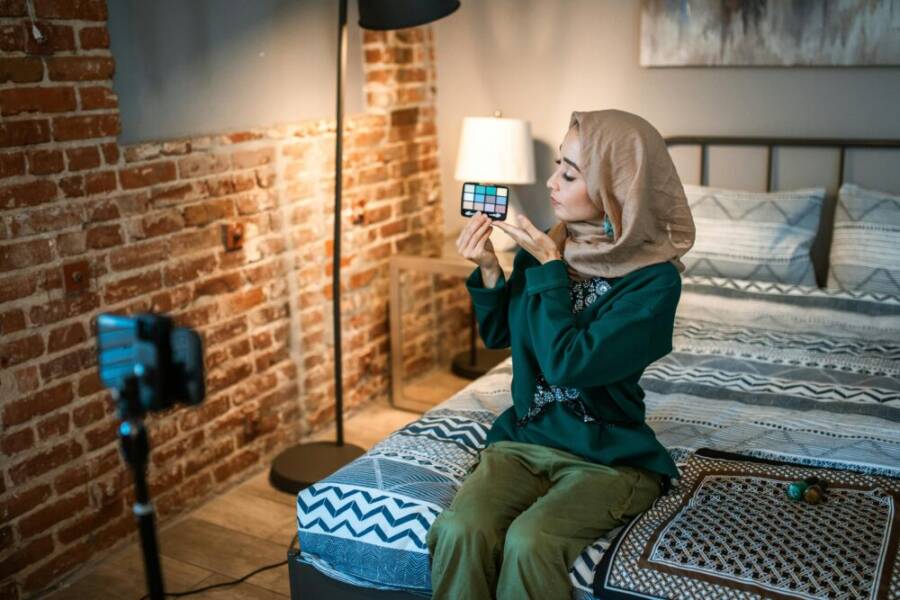
A friend started a makeup channel from a small bedroom using only a phone and a lamp. She posted her first video and found that viewers cared more about clear lighting and helpful tips than fancy gear. If she can grow from a simple setup, you can too.
This post shows how to film in a bedroom without breaking the bank. You’ll learn how to create pro looking videos with just a smartphone, a few affordable tools, and some smart lighting choices. The goal is clear, close up makeup tutorials that feel warm and trustworthy.
You’ll see how to position your phone for steady framing, keep your background tidy, and capture colors accurately. We’ll cover basic lighting setups, focusing on balance, brightness, and skin tones so makeup reads true on camera. Simple tricks can make a big difference in how polished your videos look.
Finally, you’ll get quick editing tips that save time and keep viewers engaged. Practical workflows help you publish consistently, answer questions faster, and grow an audience who trusts your tutorials. With the right approach, your bedroom can become a reliable studio that feels approachable and professional.
There Is a Frequency That the Wealthiest Families Have Used for Generations and Most People Will Never Know It Exists
>>> Open the Door <<<
Set Up Your Bedroom Space for Clear Shots
Creating a clean, well lit, and distraction-free space is the backbone of practicing makeup tutorials with a phone. A calm setup helps your audience focus on technique, not clutter. Here are practical steps to set up a bedroom space that looks polished on camera and feels effortless to shoot in.

Photo by RDNE Stock project
Clear Clutter and Pick Your Spot
- Tidy surfaces first. Put away loose powders, brushes, and anything that might distract viewers. A neat desk or vanity helps your makeup read true and keeps focus on your hands.
- Choose a simple background. A plain wall or a single soft fabric backdrop reduces visual noise. If your room is small, a white sheet or a solid-colored curtain can become a clean stage.
- Manage cords and tech clutter. Keep power strips out of frame, and route cables behind the camera so they don’t appear in shots.
- Lighting matters. A window spot is often your best option for natural, flattering light. Face the window so light hits your face evenly, avoiding harsh shadows on one side. If the window isn’t available, a soft white light placed about 1.5 meters in front of you can mimic daylight.
- For tight spaces, use a sheet as a backdrop. Drape it smoothly behind you to hide the rest of the room and create a clean, uniform background.
- Quick background check. Stand back and look at the frame. If your clothes or furniture reflect in the mirror or catch the light oddly, adjust positioning or backdrop color to maintain a clean look.
Why window light works best: it’s diffuse and close to natural daylight, which helps lipstick shades and foundation read accurately on camera. If you have to shoot later in the day, a white LED light with high CRI (90 or above) positioned in front is a good substitute. For more on lighting options, see reliable guides from industry sources. Choosing the Best Lighting for Makeup Application and practical observations from communities discussing makeup lighting.
Build a Simple Makeup Station
- Create a compact, efficient layout. Place a mirror on a stable surface with your most used products within easy reach. Keep basics in front and specialty items farther back so you can grab them without breaking your flow.
- Consider a ring light stand if budget allows. A small stand can hold a phone or a compact ring light, giving you consistent front lighting without heavy gear.
- Phone placement matters. Use a stable prop or a small tripod mount that keeps your phone just above eye level. A slight downward tilt helps minimize reflections while keeping your eyes in frame.
- Organize by tutorial flow. Arrange products in the order you’ll use them in the video: skin prep, base, eyes, lips, finishing touches. This reduces rummaging mid-shot and helps maintain momentum.
- Keep a spare clear surface. If you’re testing looks, have a separate tray for potential products so you can swap quickly without cluttering the main shot.
Tip: If you’re working in a very small room, a foldable backdrop and a slim vanity tray can save space while preserving a professional look. A simple, tidy station helps you film faster and keep attention on your technique.
For extra clarity on window light and practical shooting setups, you can consult additional guidance from reputable sources. Natural window lighting provides practical tips on maximizing daylight and minimizing shadows, which pairs well with the setup described above.
Choose Backgrounds That Pop Your Looks
- Prefer plain walls or solid fabrics. Busy patterns fight with makeup and can create color confusion on camera.
- Avoid loud textures behind you. They can create moiré effects or shimmer that distracts from your makeup application.
- Color matters. A warm neutral backdrop complements most skin tones and makeup shades, helping your products appear true on screen.
- Consider fabric swatches. If you want a touch of color, choose a single swatch in a calm hue that doesn’t compete with your makeup.
- Texture can be helpful but use it sparingly. A soft, matte surface behind you adds depth without stealing attention from the face.
Color tips that work: cooler tones can brighten under-eye areas, while warmer backdrops enhance bronzy or peach tones. Aim for contrast between your skin and the background so facial features stand out clearly.
Images can elevate the section if you find a relevant shot that shows a tidy makeup setup in a bedroom. If you include visuals, ensure they align with the advice above and keep them from overpowering the narrative. For a broader read on lighting and background choices, see the resources linked earlier and consider a quick look at window light practices.
Master Bedroom Lighting for Flawless Makeup Videos
A flawless makeup video starts with lighting you can trust. In a master bedroom, you have a flexible canvas to balance natural softness with controlled brightness. The goal is even skin tones, true makeup colors, and minimal glare on a small phone screen. Use a mix of window light and easy desk lamps to create a consistent, studio-like look without clutter or drama.

Photo by RDNE Stock project
Maximize Natural Window Light
Position yourself beside a large window for soft, flattering illumination. Face the window so light wraps evenly across your face, reducing harsh shadows that can hide details like fine lines or precise eyeliner. If the sun is strong, diffuse it with sheer curtains or white gauze to avoid hot spots on cheeks and forehead.
Adjust curtains for the right glow. Half-drawn sheer curtains soften rays, while fully drawn white sheers deliver a gentle wash of light. Avoid direct sun when possible, as it creates unflattering highlights and makes makeup colors pop unevenly.
Best times hit peak softness. Morning light is usually cooler and more even, and overcast days naturally diffuse brightness. If you shoot later in the day, supplement with a white LED panel that mirrors daylight and preserves color accuracy.
Bounce light back onto your face with a white foam board. Place the board opposite the window to fill in shadows without adding another camera. A simple art store foam board can do the job for a few dollars, angled about 45 degrees for the most natural fill. For more bounce techniques, see guides on window light for beauty shots.
Test on your phone screen. Flip to selfie mode and scan for dark patches under eyes or along the jawline. If you notice trouble spots, tweak your position or curtain diffusion and recheck.
For extra reliability, you can explore trusted sources on window light and makeup shoots, like guidance on the best window light practices and bounce techniques.
Layer with Desk Lamps for Full Coverage
Natural light fades, so add desk lamps to maintain consistent brightness throughout the shoot. Use two lamps: one straight in front at eye level and another at a 45-degree angle to the side. Clamp them to your vanity or bed frame so they stay put during a move or a moment of focus.
Pick 5000K daylight bulbs. This color temperature matches natural light closely, helping skin tones look balanced on camera. If you prefer LED, choose reliable, cool-running options that won’t heat up the small space or your phone.
Diffuse harsh beams with paper. Tape printer or copy paper over each lamp shade to soften the spread. Keep lamps about 2 feet away from your face to reduce glare on the phone lens.
A quick setup checklist helps keep the workflow smooth:
- Front lamp centered above your phone mount for even illumination.
- Side lamp aimed at the less-lit cheek to balance shadows.
- Start with low brightness, then increase while watching your phone’s preview.
Bulb color matters more than you think. When you get it right, eye makeup and eyeshadow tones stay vibrant. If you want a deeper dive on bulb choices, see practical lighting guides from reputable sources that discuss color temperature and video work.
Fix Shadows and Glare Fast
Shadows often creep in from awkward angles or insufficient fill. Reposition the main light higher and closer to catch under-chin dips and soften the neck line. A quick angle swap can solve most issues in seconds.
Glare from glossy lips or oily skin can wash out your makeup on camera. Tilt the front lamp down a touch or step back slightly to prevent hotspots. Your phone screen preview will show any problem areas instantly.
Add a filler light for persistent shadows. A third lamp or even a phone flashlight set low opposite the key light can make a big difference. White poster board works too, reflected to fill those stubborn corners.
Always run test shots. Record a short clip, preview on your phone, and adjust until the face looks even. Typical fixes include raising the chin shadow, diffusing nose glare, and bouncing light from foam boards to lift under-eye areas.
For deeper troubleshooting, consider shadow elimination tips from makeup lighting guides. A quick reference can be found in specialized tutorials and articles that walk you through common trouble spots.
External resources and practical tips can further inform your setup:
- Quick guidance on choosing lighting for video work
- Practical lighting tips for beauty shots
Images help bring these setups to life. A real-world look at a tidy, well-lit bedroom studio can illustrate how these angles translate on video. If you include visuals, ensure they align with the advice above and don’t overpower the narrative.
In the next section, we’ll explore optimizing camera angles and smartphone placement to keep your makeup reads sharp from start to finish. For more background on window light and color balance, you can explore related reading on how to use window light effectively for beauty photography.
Position Your Phone for Steady Pro Angles
In makeup tutorials, how you position your phone shapes every frame. The right angles keep the focus on your technique, prevent awkward shadows, and make your results easy to replicate. Below are practical ways to mount and angle your phone so your shots look polished from start to finish.
Use a Tripod or DIY Mount
Budget options let you start quickly without heavy gear. A small phone tripod under $10 can hold your device steady for close-ups, while a stack of books or a sturdy box can act as a makeshift stand if you’re starting out.
- Budget tripods: Look for compact, lightweight models with a flexible grip. They’re easy to clamp to a desk or vanity and adjust without fuss.
- DIY options: Stack sturdy books to reach the right height, then secure the phone with a binder clip or rubber bands. Place the setup on a stable surface to prevent wobble.
- Clamping the phone tight: Use a simple phone clip or a DIY clamp made from a small spring clamp and rubber padding to protect the device. Ensure the clamp grips the sides firmly and the phone sits level.
Tips to lock the shot quickly:
- Position the phone just above eye level for a flattering angle that reduces nose glare and keeps your eyes in frame.
- Use a horizontal orientation for most tutorials to capture more of your products and hands in a single shot.
- If you’re using books, align the stack to not obstruct the camera or mic.
For added stability, consider a compact tripod with a flexible leg design. These models can clamp to a table edge or shelf and still keep the phone perfectly steady during quick hand movements. If you want a budget recommended option, explore widely available layouts that suit a small space and frequent repositioning.
If you’d like a direct shopping reference, see affordable tripod options here: Cell Phone Tripods / Cell Phone Photo & Video Accessories.
Find Face-Focused Shooting Angles
Angles matter when you’re applying makeup. An overhead shot works well for product demonstration, while a straight-on view helps with talk-through moments. Practice with a few angles and switch between them to keep the tutorial dynamic without losing clarity.
- Overhead for application shots: Create a clean workspace from above so viewers can clearly see your hand movements and brush strokes.
- Straight-on for talking segments: Position the camera at about chin to chest height so you can look directly at the lens while explaining steps.
- Multi-angle demo: Start with an overhead shot, cut to a side angle for texture work, then a close-up for precise details like liner or eyeshadow edges. A simple phone mount makes these transitions quick.
To keep the look consistent, mark a few reference points on your desk. A small sticker or washi tape line can help you return to the exact height and distance after a reposition. Practice a few sequences so you can switch smoothly without losing cadence.
If you’re hunting for a reliable, simple mounting solution, a compact tripod with a phone clip is a solid starting point. It gives you repeatable angles and reduces the need to hold the phone in your hands during longer demos. For budget-conscious shoppers, check options like affordable phone tripods or DIY setups that come with a clamp to secure your device.
Lock Focus and Stabilize Footage
Your phone can do a lot of the heavy lifting when it comes to keeping video crisp. Use the camera’s focus lock and keep movements slow to avoid blur.
- Tap-to-focus: On most smartphones, tap the screen where your face or a key product is, then lock the focus to prevent it from hunting as you move.
- Exposure lock: If your lighting changes, lock exposure after you set it so your skin tone stays consistent throughout the shot.
- Slow, deliberate moves: If you need to pan or tilt, do it slowly. Quick shifts cause motion blur and look unprofessional on makeup tutorials.
- Stabilization aids: A tripod minimizes shake, while a lightweight gimbal or a steady table mount can help with tiny, controlled moves without feeling jarring.
Practical workflow tips:
- Do a quick focus check before each major segment. A 2–3 second hold after locking focus helps confirm the shot is stable.
- Record short clips, then review on your phone. If you notice drift or wobble, adjust the mount and re-shoot.
- Keep your hands free during the core application moments. Let the mount do the heavy lifting while you concentrate on technique.
If you’re comparing options for a stable mounting solution, you’ll find a range of budget-friendly tripods and clips. A common choice is a small tripod that supports both horizontal and vertical orientations, ensuring you can adapt to different shot needs without swapping gear. For reference, budget-friendly selections include phone tripods and clip-on mounts from major retailers. You can explore options like these here: Video Equipment – Up To $10: Cell Phones & Accessories.
To further explore stable solutions, review expert insights on gear that keeps smartphones steady during filming, such as recommendations for reliable iPhone and Android setup ideas.
There Is a Frequency That the Wealthiest Families Have Used for Generations and Most People Will Never Know It Exists
>>> Open the Door <<<
External resources and practical tips to help with focus and stability:
- Basic focus lock and exposure control guidance
- Simple, steady motion techniques for beauty shoots
If you want concrete examples of directional stability and angle choices, a quick look at trusted gear roundups can be helpful.
She Pressed Play on a Strange Audio Track and Within Days Her Financial Reality Started Shifting in Ways She Could Not Explain
>>> See How It Works <<<

In the next portion, we’ll pull these ideas into a concise shooting checklist you can use on shoot day. You’ll learn how to assemble your space, set up the phone, and run through a quick test so your makeup reads perfectly on camera. For more on smart lighting and color balance, see guides that walk through practical window light use and reflection control.
Film Engaging Makeup Tutorials Step by Step
This section breaks down a practical, repeatable workflow for filming makeup tutorials that grab attention and keep viewers watching. Each sub-section focuses on a critical part of the process, from scripting a smooth flow to delivering clear product demos and shooting in manageable clips. The goal is to create content that feels confident, helpful, and easy to replicate using just a phone in a bedroom.
Script Your Tutorial for Smooth Flow
A well-scripted tutorial reads as a natural conversation rather than a rigid reading. Start with a tight outline that covers an engaging intro, a clear demonstration sequence, and a coherent outro that invites questions or follows. Keep the total run time under 10 minutes by assigning approximate time blocks to each segment and sticking to them. For example:
- Intro (30–45 seconds): State the goal, show the end look, and promise practical tips viewers can copy.
- Demo steps (6–7 minutes): Break down the routine into stages—skin prep, base, eyes, lashes, lips, and finishing touches. Describe each step briefly before showing it, and keep your hands in frame to reinforce technique.
- Outro (45–60 seconds): Recap the key steps, offer a quick tip or two, and invite comments or subscriptions.
A simple script helps you avoid rambling and keeps you moving at a viewer-friendly pace. If you’re tempted to freestyle, rehearse a few lines so your transitions feel seamless. For inspiration on planning makeup videos, you can check guides that walk through content planning and gear decisions. How to Create Makeup Tutorial Videos for YouTube offers a structured approach to planning and execution that resonates with beginners and veterans alike.
Time management matters. Rehearse with a timer, then record a full run-through to confirm you stay within your target length. Use a simple tempo: speak clearly, pause between major steps, and hold on a close-up only when necessary to emphasize a technique. If you’re new to scripting, consider a quick prompter tool to keep your cadence natural without sounding robotic. A useful primer on essential tools for makeup tutorials explains how good lighting, clear audio, and smart prompts come together to boost viewer retention. 5 Essential Tools to Get Started as a Makeup Tutorial Creator
Keep your script flexible enough to adapt to on-camera realities, like tighter shots or a changed order due to product availability. Build in a short buffer at the end of each section so you can adjust pacing if you find a step takes longer or shorter than expected. The aim is a steady rhythm that makes complex techniques feel approachable rather than intimidating. If you want a community perspective on scripting makeup scenes, you can explore discussions that highlight practical storytelling choices in beauty videos. For example, users often share how pausing at key moments helps viewers copy techniques. Applying Makeup Scenes: r/Screenwriting
Key takeaways
- Create a concise outline with a clear intro, demo sequence, and outro.
- Allocate time blocks to each segment and practice to fit under 10 minutes.
- Use a prompter or speaking cues to maintain natural pacing without sounding stiff.
- Keep transitions smooth with short, purposeful phrases that guide the viewer.
Demo Products with Clear Voice and Hands
When you demo products, the audience should hear you clearly and see your hands moving with purpose. Speak slowly, enunciate, and keep a steady tempo so viewers can copy each action. Show brushes, palettes, and tools up close for a moment, then return to the face to reinforce how a technique changes the result. A well-lit close-up of the product helps prevent color misreads and builds trust.
Voice and pacing
- Speak at a calm, steady pace. If you’re nervous, practice with a shorter script first and gradually increase your comfort level.
- Enunciate key product names and brush types. Viewers will often pause to copy a shade or technique.
- Use short sentences. Break complex steps into two or three simple actions.
Close-up product visuals
- Bring each item into the frame for 1–2 seconds before using it. This reinforces recognition and helps viewers remember which brush or shade you chose.
- Use macro-style close-ups for textures and finishes, such as cream-to-powder transitions or swatch comparisons.
- Pause briefly after a product switch to give viewers time to copy product names, shades, or brush sizes.
Sound clarity is essential. If your room has background sounds, use a simple mic technique like a lavalier mic or a directional clip mic. If that’s not available, position yourself closer to the phone and reduce room noise. A crisp voice track makes it easier for viewers to follow along and reproduce the look. To see practical demonstrations on crafting engaging makeup tutorials, you can explore related resources that discuss lighting and presentation techniques. How to Create Makeup Tutorial Videos for YouTube
Product demonstrations that connect to technique
- Skin prep products: Show how to apply primer, moisturizer, and sunscreen if used, with quick notes on their effect on makeup longevity.
- Foundations and concealers: Demonstrate shade matching in natural light to avoid misreads on camera.
- Eye and lip palettes: Open each palette toward the camera to reveal textures and finishes, then apply one section to the lid to show payoff.
- Tools and brushes: Highlight brush shapes and bristle types as you pick them up. This helps viewers understand what to reach for next.
- Finishing touches: Use a setting spray or powder to illustrate momentary product use and its impact on texture.
If you want more structure on product demos and on-camera presentation, consider exploring expert guidance on makeup tutorial creation that emphasizes planning and lighting to ensure color accuracy. 5 Essential Tools to Get Started as a Makeup Tutorial Creator
A quick note on the term smartphone. If you’re filming with a smartphone, keep distance that makes hands and products readable without losing the face as your focal point. A simple, readable shot helps you keep the audience focused on technique rather than gear.
Key takeaways
- Speak clearly and slow enough for viewers to copy steps.
- Show each product up close before use to reinforce recognition.
- Keep the rhythm steady with brief pauses to let viewers catch up.
- Prioritize clean audio and close-up product visuals to build viewer trust.
Shoot in Clips and Review On Spot
Segmenting your shoot into short clips makes the editing process faster and reduces the need for expensive gear. Record in defined chunks, then review immediately to catch issues while they’re fresh. This approach helps you maintain consistency and quickly fix mistakes.
Record in short, modular clips
- Plan clips around steps: skin prep, base, eyes, lips, finishing touches, and a quick recap.
- Keep each clip 60–120 seconds. Short clips are easier to re-record and edit.
- Use a consistent framing style for all clips to create a cohesive video.
Review on the spot
- Watch each clip after recording and note any issues with lighting, sound, or timing.
- Check color and exposure against a reference frame. If skin tones look off, adjust lighting or white balance before the next shot.
- Listen for audio clarity. If the narration sounds muffled, re-record the dialogue or enhance audio in post.
Re-film mistakes promptly
- If you miss a step or misstate a product, re-shot the segment with the correct details.
- Keep a checklist nearby to ensure you capture all required elements in each clip.
- Use a simple editing plan in your head as you shoot, so you know where each clip will live in the final sequence.
Immediate checks improve reliability. A quick review on a phone screen helps you confirm the shot looks right before moving on. You can also study practical guidance on filming makeup tutorials to understand how to maintain audience engagement and color accuracy across clips. How to Create Makeup Tutorial Videos for YouTube
Practical tips for clip workflow
- Label each clip during recording with a quick spoken cue or on-screen text to simplify editing.
- Leave natural pauses between steps so you can trim without losing the flow.
- Use a simple storyboard or shot list to guide the sequence and reduce re-shoots.
Key takeaways
- Break the tutorial into short, consistent clips.
- Review each clip immediately to catch issues early.
- Re-film only the necessary parts to save time and keep your shooting pace up.
In the next section, we’ll pull these ideas into a concise shooting checklist you can use on shoot day. You’ll learn how to assemble your space, set up the phone, and run through a quick test so your makeup reads perfectly on camera. For more on smart lighting and color balance, see guides that walk through practical window light use and reflection control.
Edit and Share Your Bedroom Makeup Video
You’ve filmed a clean, flattering makeup session in your bedroom. Now it’s time to cut, polish, and share it so viewers can copy your techniques with ease. This section breaks down quick editing and publishing habits that keep your content tight, bright, and ready for social. You’ll learn practical editing basics, fast color and sound tweaks, and smart upload strategies that help your video reach the right audience without a big tech bill.
Cut Clips and Add Fun Text
Trim pauses and tighten your footage so the flow stays on point. Shorter clips keep viewers engaged and make editing easier later. Start by cutting out long pauses, missteps, or repeated checks in front of the mirror. Then layer in overlays that name the products you’re using and highlight key steps.
- Use CapCut or iMovie basics to trim and arrange clips. Focus on a clean sequence: prep, base, eyes, lips, finish.
- Add on-screen text for product names, shades, or brush sizes. A quick label near the tool helps viewers remember the exact item without rewinding.
- Keep overlays legible. White or pale text with a soft drop shadow reads well on most backgrounds.
- Maintain a consistent pace. If your demo runs long, create a second, shorter clip that covers the final look in 15–20 seconds.
If you’re just starting out, CapCut offers straightforward trimming and text overlays that fit fast tutorial workflows. Their tutorials walk you through arranging clips, adding captions, and applying simple effects to achieve a polished look. For a practical guide to trimming and overlaying text, check out CapCut’s resource on makeup tutorial videos. https://www.capcut.com/resource/how-to-make-makeup-tutorial-videos-on-igtv
A few quick editorial tips:
- Use a single font family for all overlays to keep the video cohesive.
- Time overlays to appear just as you mention a product. Don’t crowd the screen with labels.
- Add a brief intro title (2–3 seconds) and a clean outro with a call to action.
If you shoot with a smartphone, these trimming steps feel natural and fast. The goal is a tight edit that still preserves your voice and the tactile feel of your hands at work.
Boost Sound and Color Quick
Great audio and color balance make your makeup look trustworthy. Start with a baseline you can replicate on future videos: a clean voice track and colors that read true.
- Use auto enhance features to quickly level exposure and contrast. This keeps skin tones balanced across different lighting moments.
- Clean up background noise. A simple lavalier mic or a directional clip mic can dramatically improve clarity. If you don’t have one, move closer to the phone and use the phone’s built in mic with a quiet room.
- Access royalty free music libraries. A soft, unobtrusive track in the background can boost viewer retention without stealing your voice.
- Color correction basics. A touch of warmth or cool shift can help lipstick shades and eye colors read correctly on screen. Don’t overdo it; you want the look to resemble what viewers see in real life.
Simple enhancement steps you can follow in most editors:
- Increase brightness slightly and lift shadows to reveal details in eyes and skin.
- Adjust white balance to keep the skin tones natural under your chosen lamps.
- Apply a gentle color grade to unify the look across scenes.
When you need quick, reliable guidance on editing workflows for makeup videos, you can refer to CapCut’s editing basics for making makeup tutorials look cohesive. They walk through trimming, text overlays, and simple effects that reinforce your technique while keeping the focus on you. https://www.capcut.com/resource/crop-and-trim-video
A practical tip many creators use: perform a quick color check on your phone screen after each major edit. If the lipstick reads too pink or the foundation looks too orange, tweak the color balance and recheck. Small adjustments add up to a more professional finish.
Upload to TikTok or YouTube from Phone
Publishing from your phone should be fast and frictionless. The key is to optimize for the platform while keeping your workflow consistent.
- Titles and thumbnails with keywords. Use phrases like “makeup tutorial phone” or “makeup tips in bedroom” to help discovery.
- Descriptions that support discovery. Include a brief summary of the technique, a couple of product names, and a call to action.
- Hashtags for reach. Use a mix of broad and niche tags such as #MakeupTutorial, #PhoneVideo, #BedroomStudio, and platform-specific tags like #TikTokBeauty or #YouTubeMakeup.
- Thumbnails that pop. A close-up of the most dramatic step or the finished look with strong lighting works best.
- Cross-promote with a short teaser. A 3 to 6 second cut from your best moment can drive clicks to the full tutorial.
Optimizing for both TikTok and YouTube from mobile means keeping a punchy hook in the first 3 seconds. Lead with a visible result or a bold tip. Then guide viewers to the step you’ll demonstrate, so they stay to watch the full sequence.
If you’re curious about how to structure upload readiness, you can explore resources that discuss editing and publishing makeup content for social channels. For example, CapCut’s workflow resources cover practical steps for trimming, overlaying text, and shaping your final video for social platforms. https://www.capcut.com/resource/how-to-make-makeup-tutorial-videos-on-igtv
A solid publishing routine helps you stay consistent. Batch record a few tutorials, then upload them in a regular cadence. Viewers come to expect your style and timing, which builds loyalty over time. Keep your channel branding in mind as you publish: a consistent thumbnail style and a familiar intro frame make your videos instantly recognizable.
If you want a quick example of how to frame your final upload for search, try a title like: “Makeup Tutorial from Bedroom | Quick Base, Eye Look, Lip Tips | Phone Video.” Pair it with a thumbnail that shows the final look front and center.
Key takeaways
- Trim for pace, add clear product overlays, and keep overlays legible.
- Use auto enhance and controlled color adjustments for consistent skin tones.
- Add royalty-free music to support, not overshadow, narration.
- Optimize titles, thumbnails, and hashtags for each platform.
If you’d like to see practical examples of these steps in action, CapCut’s guides offer direct demonstrations of trimming and text overlays that fit makeup tutorials. https://www.capcut.com/resource/crop-and-trim-video
This section gives you a solid blueprint to edit and publish bedroom makeup videos with confidence. In the next part, you’ll find a compact shooting checklist to make sure everything you’ve learned translates from concept to publish-ready, high quality content.
Conclusion
Filming makeup tutorials in a bedroom with a smartphone can yield pro looking results when you focus on a clean setup, balanced lighting, steady angles, and concise editing, then deliver clear demonstrations and close up product visuals. The core steps—tidy your space, position your phone for steady, face centered angles, light with natural window glow plus soft desk lamps, and edit for pace with readable overlays—build trust and keep viewers engaged. Try applying just one tip today, like testing a quick window light shot and checking your phone preview for even skin tones; you’ll see how small changes boost clarity. Share your video link when you post so others can learn from your setup and you can join the conversation about home filming and easy makeup tutorials.
She Pressed Play on a Strange Audio Track and Within Days Her Financial Reality Started Shifting in Ways She Could Not Explain
>>> See How It Works <<<